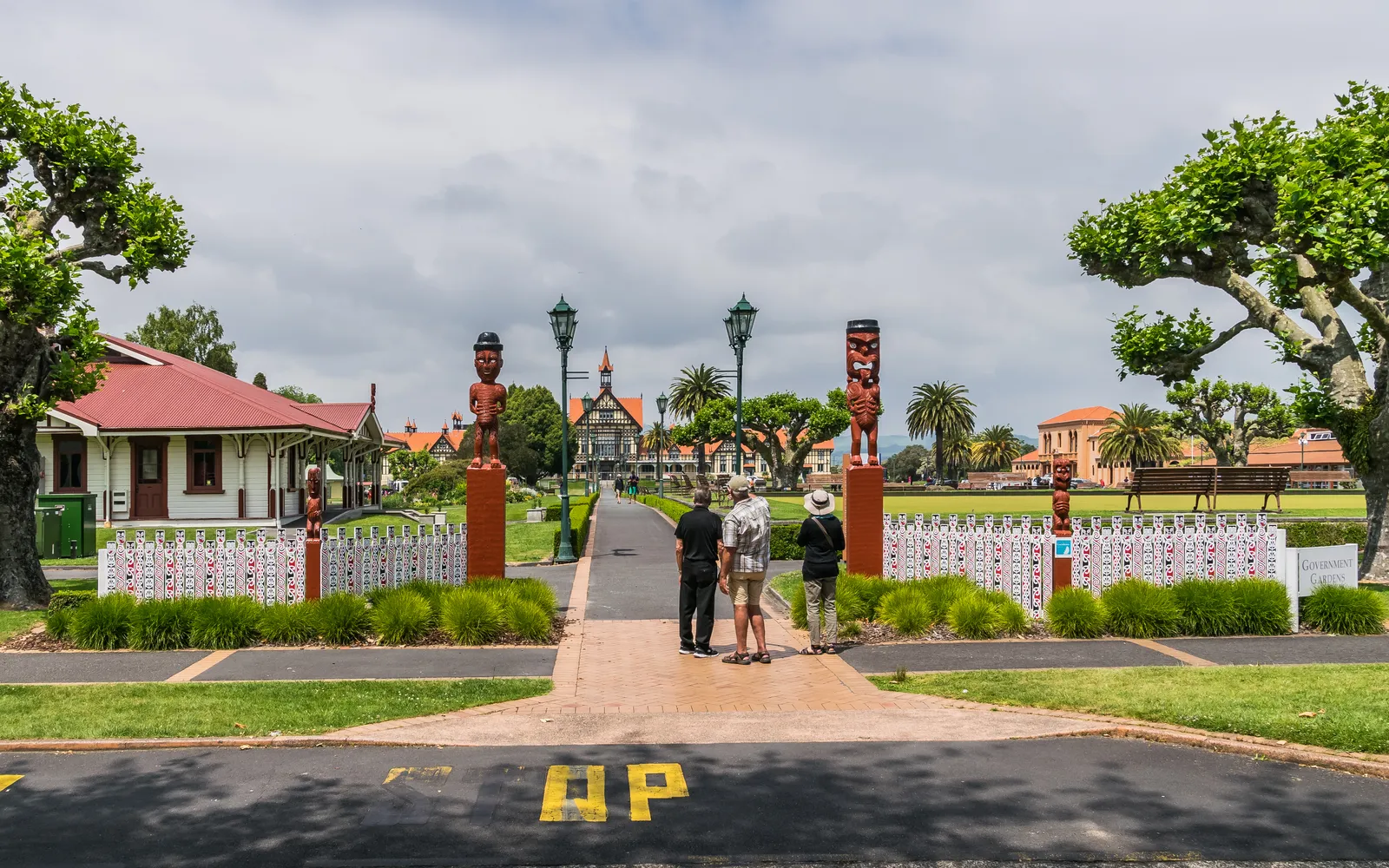
Rotorua's food scene doesn't have the global profile of its geothermal landscape — but it hides one experience you genuinely can't replicate anywhere else. Hangi, the Maori method of slow-cooking food in earth heated by volcanic stones, is the dish to try before you leave. Beyond that, New Zealand produces exceptional fresh ingredients — lamb, seafood, and organic vegetables with a flavour that's noticeably different from what you get elsewhere.
 #1
#1 Hangi
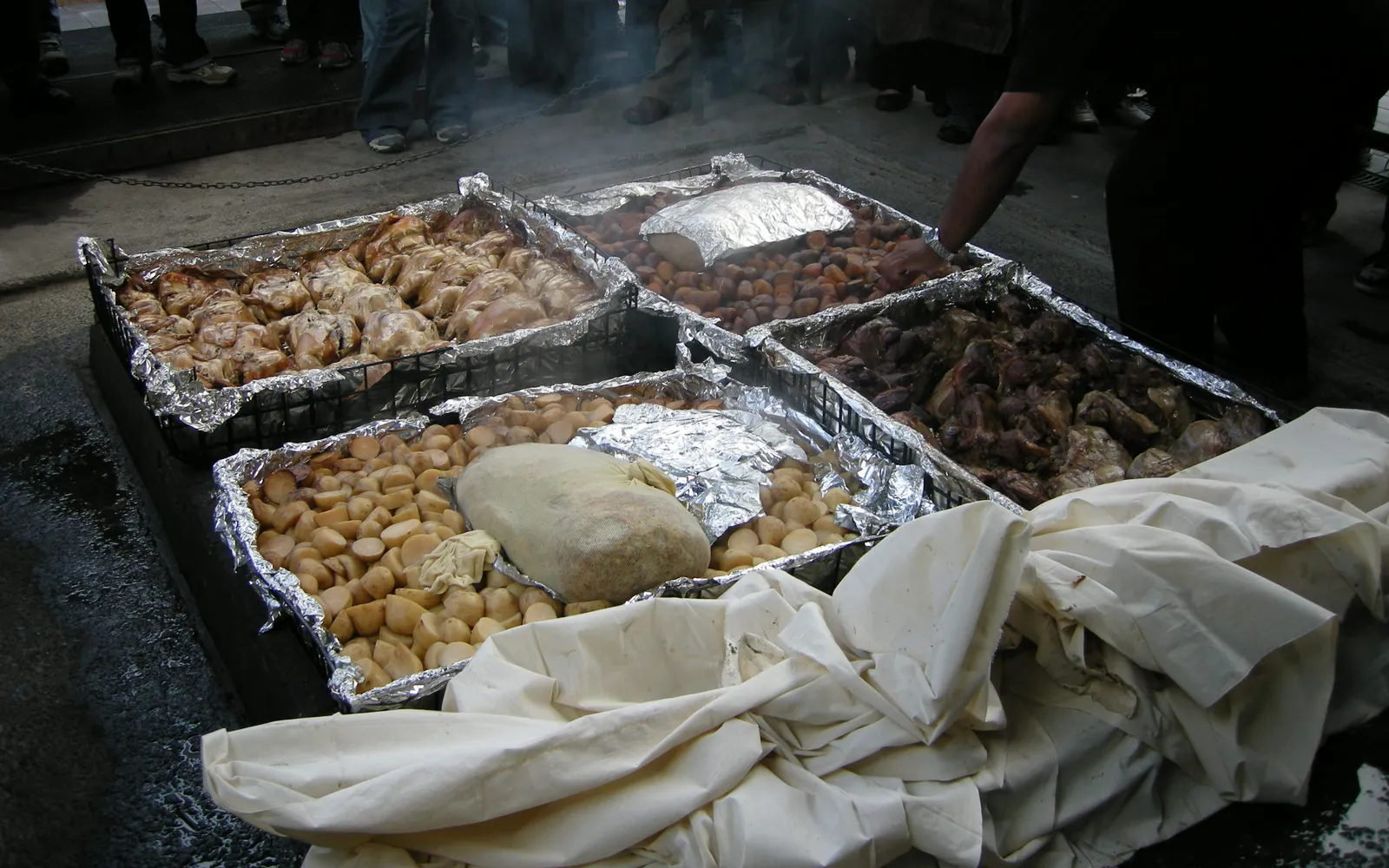
The most sacred food tradition in Maori culture: heated stones buried in the earth slow-cook chicken, pork, sweet potato, and pumpkin wrapped in leaves for several hours. The result is meat that's tender, moist, and carries a gentle natural smokiness — achieved without a flame. In some Rotorua villages, geothermal heat replaces the stones entirely. The flavour is subtly sweet and deep, completely unlike anything grilled or oven-roasted. Paired with an evening Maori cultural show, a hangi dinner is the one meal in Rotorua that's genuinely unmissable.
- Book a hangi dinner at Te Puia or Tamaki Maori Village in advance — prices run NZD 100–130 and include a cultural performance.
- Traditional hangi uses very little salt or seasoning; the quality of the ingredients does the work. Don't expect the heat or saltiness of Asian food.
- The kumara (sweet potato) in hangi is outstanding — naturally sweet and soft. It's the root vegetable Maori brought from Polynesia, and it's the best version you'll find.
 #2
#2 New Zealand Lamb
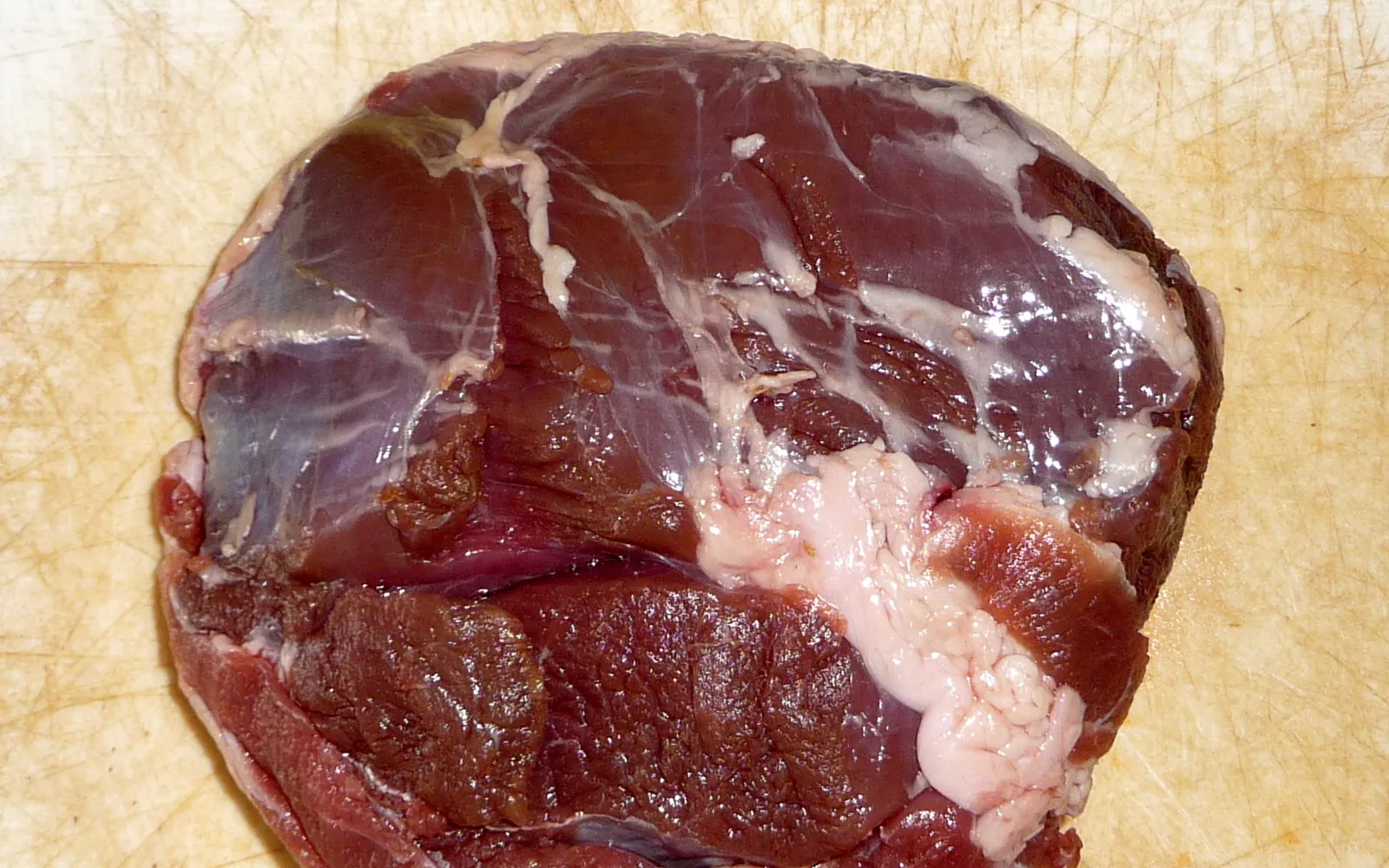
New Zealand exports some of the highest-quality lamb in the world, and eating it in the country of origin is a different experience from what you get abroad. The meat is tender, mild, and free of the strong gamey smell common in other lamb — the animals graze on open pasture their entire lives. Rack of lamb with mint jelly, lamb stew, and New Zealand-style roast lamb are typically served with roasted root vegetables and mash. Prices in Rotorua are noticeably lower than in Auckland.
- Order rack of lamb medium-rare to keep the moisture and flavour at their best — overcooking dries it out quickly.
- Mint jelly is the traditional New Zealand accompaniment for lamb. Try it before writing it off; the gentle sweetness cuts the richness well.
- Sabroso and Atticus Finch on Eat Streat serve good-quality lamb at reasonable prices — expect to pay NZD 35–50 per main.
 #3
#3 Fish and Chips
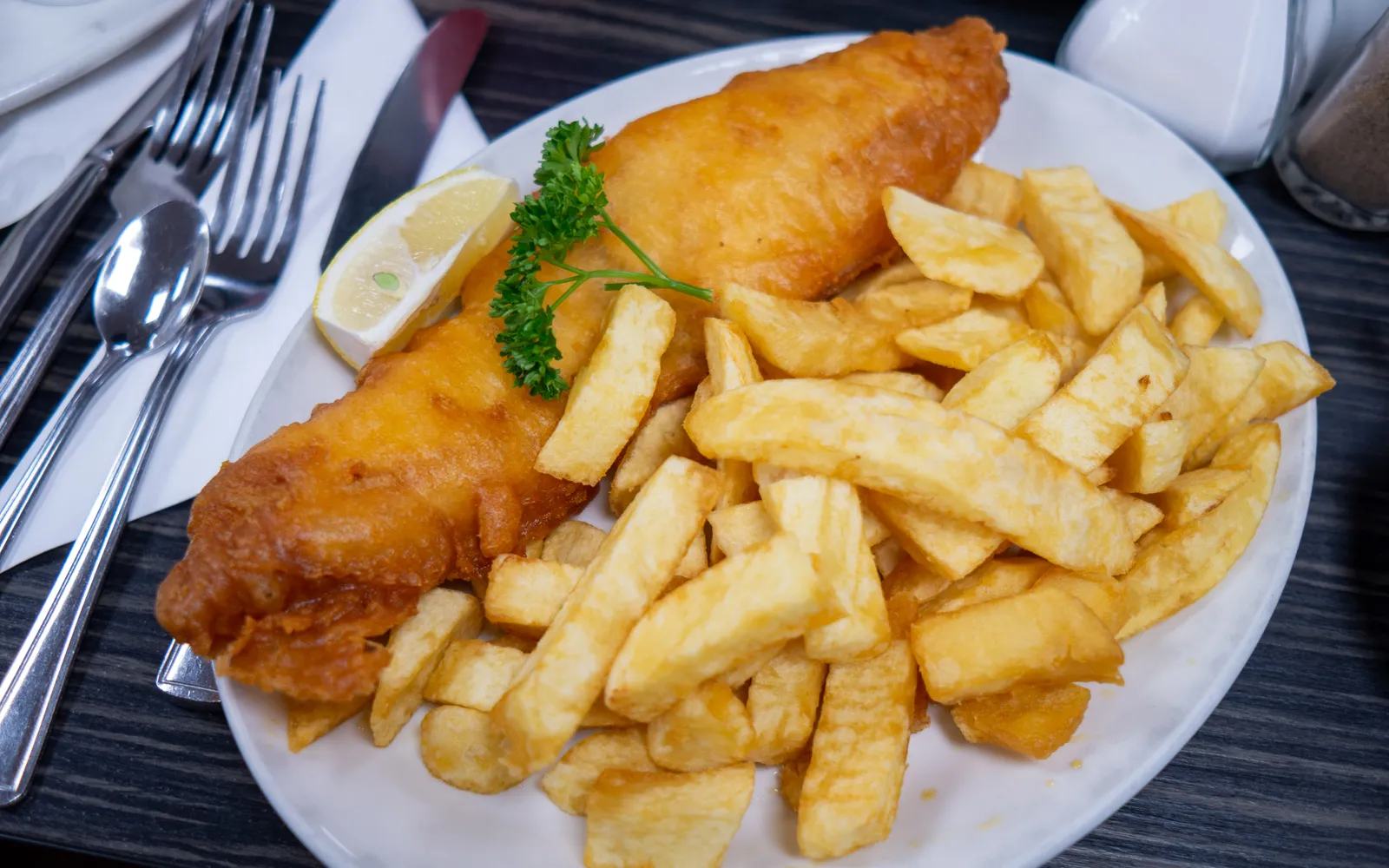
New Zealand's unofficial national dish, eaten by Kiwis every Friday as a tradition. Local white fish — snapper, blue cod, or terakihi — is coated in a light beer batter that's crisp outside and tender within. The chips are thick-cut and warm. Eating them lakeside at Rotorua in a paper box is what locals recommend, and New Zealand's fresh fish is genuinely sweet and clean with no fishy aftertaste.
- Ask what fish is fresh today before ordering — in-season fish will always be better than frozen.
- Order salt and vinegar on the chips, the traditional Kiwi way — the combination works remarkably well.
- Eating by Lake Rotorua at the Government Gardens on a fine day is the local favourite way to do it.
 #4
#4 Pavlova
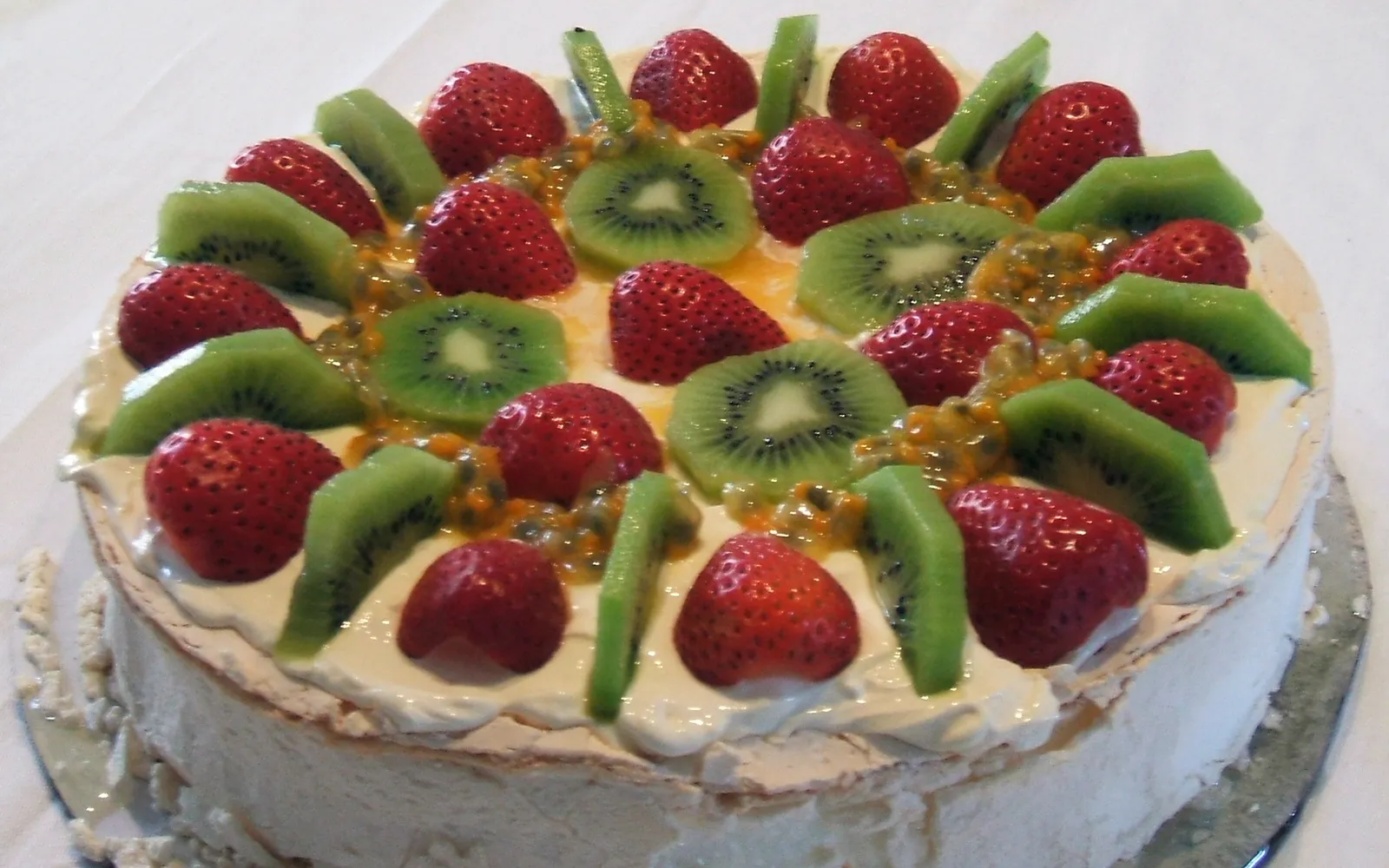
The dessert New Zealand claims to have invented before Australia — a debate that is very much ongoing. It's built on an egg-white meringue shell that's crisp on the outside and soft and marshmallow-like inside, topped with fresh whipped cream and seasonal fruit. In Rotorua that typically means fresh kiwi, passionfruit, and strawberry. The sweetness of the meringue against the tartness of the fruit is a well-balanced combination. Good bakeries in New Zealand make it fresh daily.
- Ask for an individual portion rather than a full slice — pavlova is very sweet, and a large piece alone can be heavy.
- The topping matters a lot. Pavlova with fresh passionfruit is at its best: the acidity cuts the sweetness cleanly.
- Most Rotorua cafés have pavlova in the display cabinet. Expect to pay NZD 6–10 a slice — it works well as a mid-afternoon snack with coffee.
 #5
#5 Kumara (Sweet Potato)
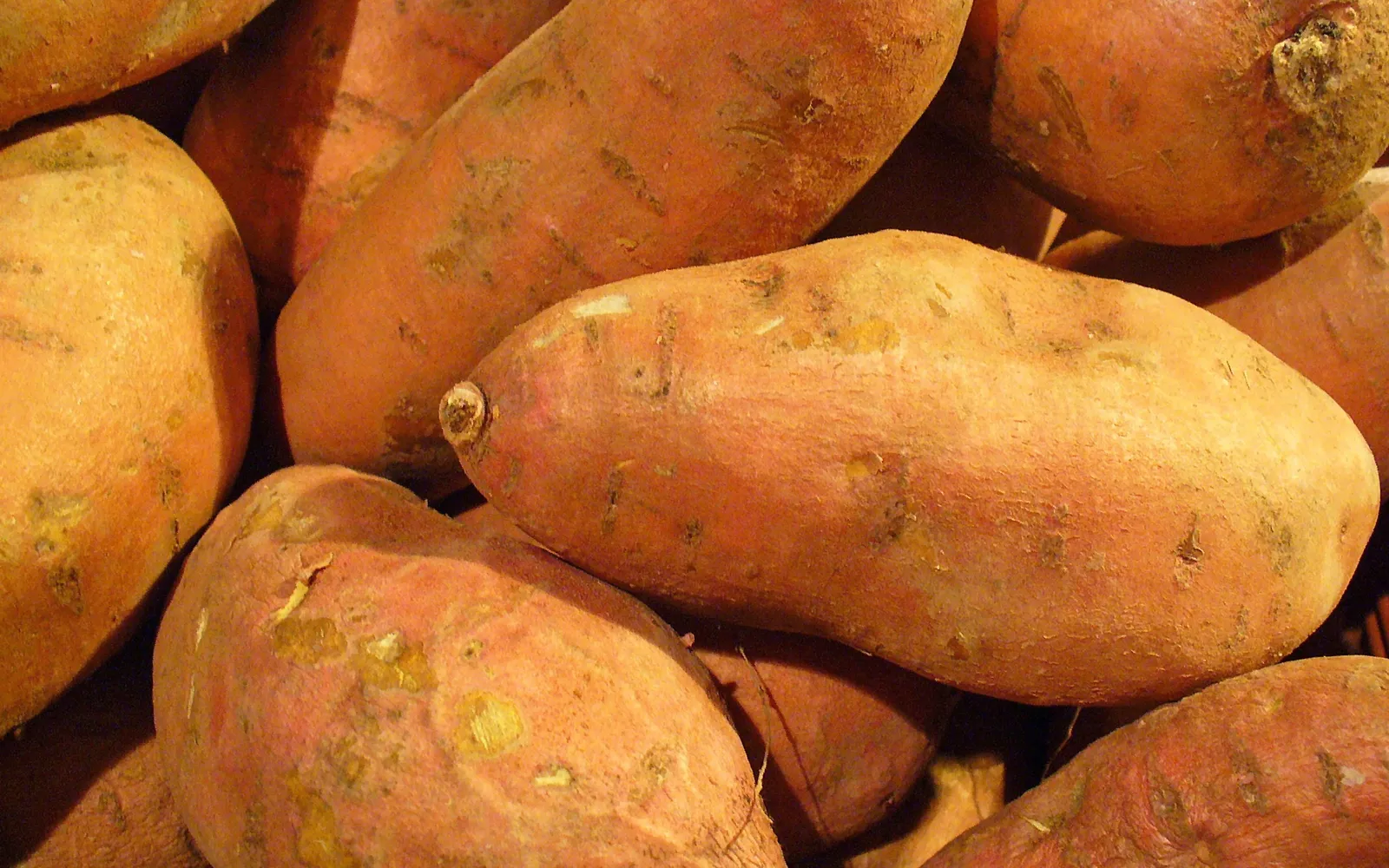
The sweet potato Maori brought from Polynesia more than 700 years ago. It's sweeter than most sweet potato varieties found elsewhere, with a deep orange flesh rich in vitamins and starch. Maori considered kumara a sacred crop, grown with dedicated ceremony. Today it's served in many forms: roasted whole, fried as chips in place of potato, slow-cooked in hangi, or blended into thick soup. The natural sweetness means it needs very little seasoning. It's a fixed part of traditional Maori meals and an ingredient worth tracking down on its own terms.
- Kumara chips (fried in place of regular potato) are excellent and easy to find in Rotorua's modern restaurants — try them alongside regular chips for comparison.
- In a traditional hangi, kumara is wrapped in leaves and cooked with the meat; it absorbs the natural smoke and develops a depth of flavour that sets it apart.
- Local supermarkets sell fresh kumara at low prices. If your accommodation has a kitchen, roasting one is straightforward and well worth it.
 #6
#6 New Zealand Wine and Cheese
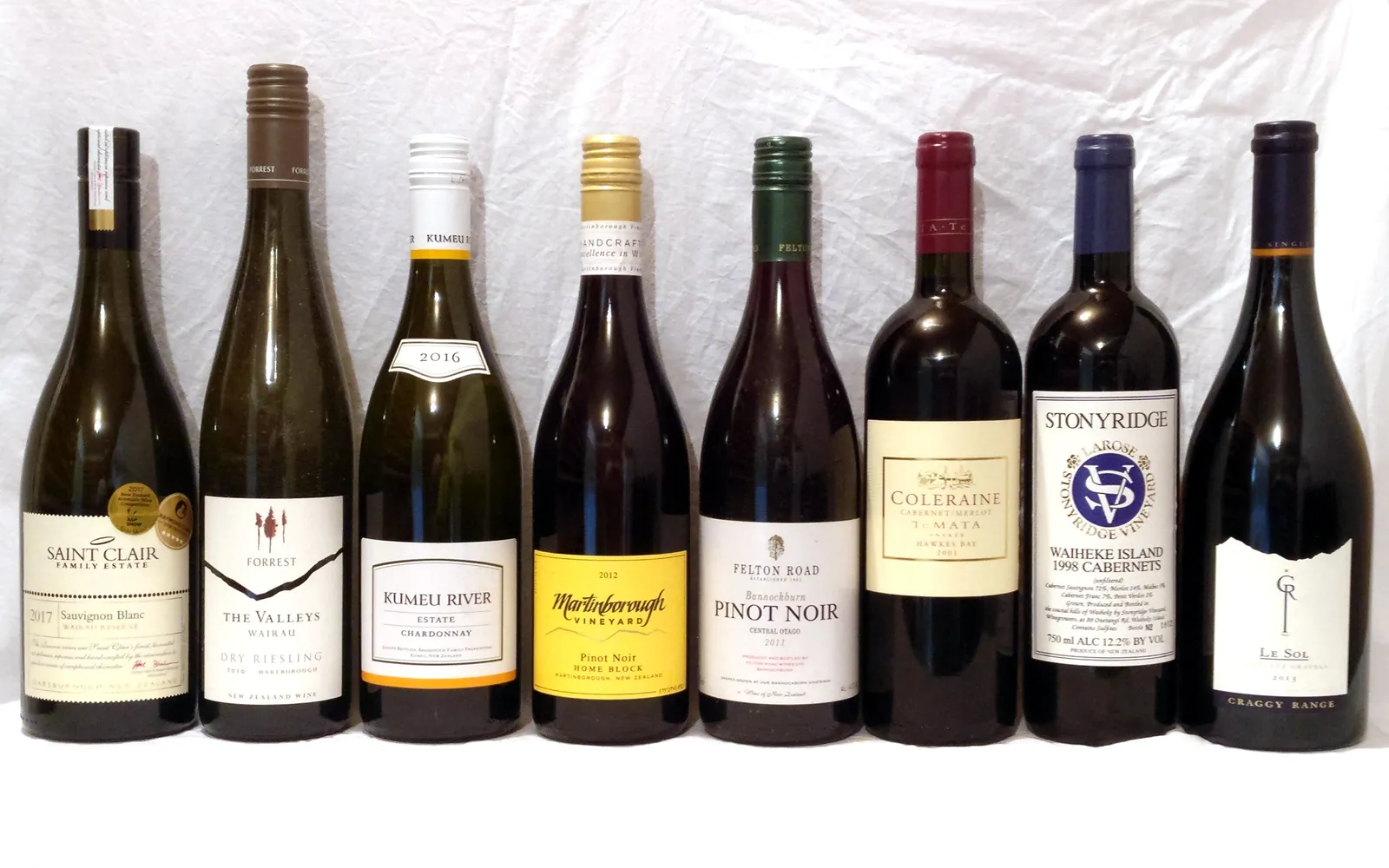
New Zealand produces internationally recognised wine — particularly Sauvignon Blanc from Marlborough, widely regarded as among the finest in the world. New Zealand cheese, made from the milk of grass-fed cows, has a clean, rounded flavour that differs from European styles. Wine bars on Eat Streat in Rotorua serve local wine and well-curated cheese boards, making them a good option for a light dinner or an end-of-day wind-down. Prices are noticeably lower than in Auckland.
- At any good wine bar you can ask to taste before you commit — tell them whether you prefer something tart or sweeter, light or full-bodied, and they'll guide you well.
- Marlborough Sauvignon Blanc is the wine to try in New Zealand: fresh, fruit-forward with tropical notes, and a natural match for seafood.
- Buying a bottle to take home from a supermarket is significantly cheaper than buying at the airport. New Zealand allows passengers to carry 2 bottles of wine on board.
Where to stay in Rotorua for this trip
A well-located hotel means less commuting and more sightseeing. Here are real, top-rated stays in Rotorua — compare Agoda · Booking · Trip.com in one click.
Pullman Rotorua
Affiliate links — we may earn a commission at no extra cost to you. Details
Quest Rotorua Central
Affiliate links — we may earn a commission at no extra cost to you. Details
Novotel Rotorua Lakeside
Affiliate links — we may earn a commission at no extra cost to you. Details
Sudima Hotel Lake Rotorua
Affiliate links — we may earn a commission at no extra cost to you. Details
Tours, tickets & activities in Rotorua
Day tours, attraction tickets and travel essentials for Rotorua — book ahead on Klook with mobile e-tickets.
Affiliate links — we may earn a commission at no extra cost to you.
Before You Pack
Most of Rotorua's best eating is concentrated on Eat Streat along Tutanekai Street in the city centre — easy to cover on foot. Book your hangi dinner at a Maori village well in advance; seats are limited and fill up fast during peak season.