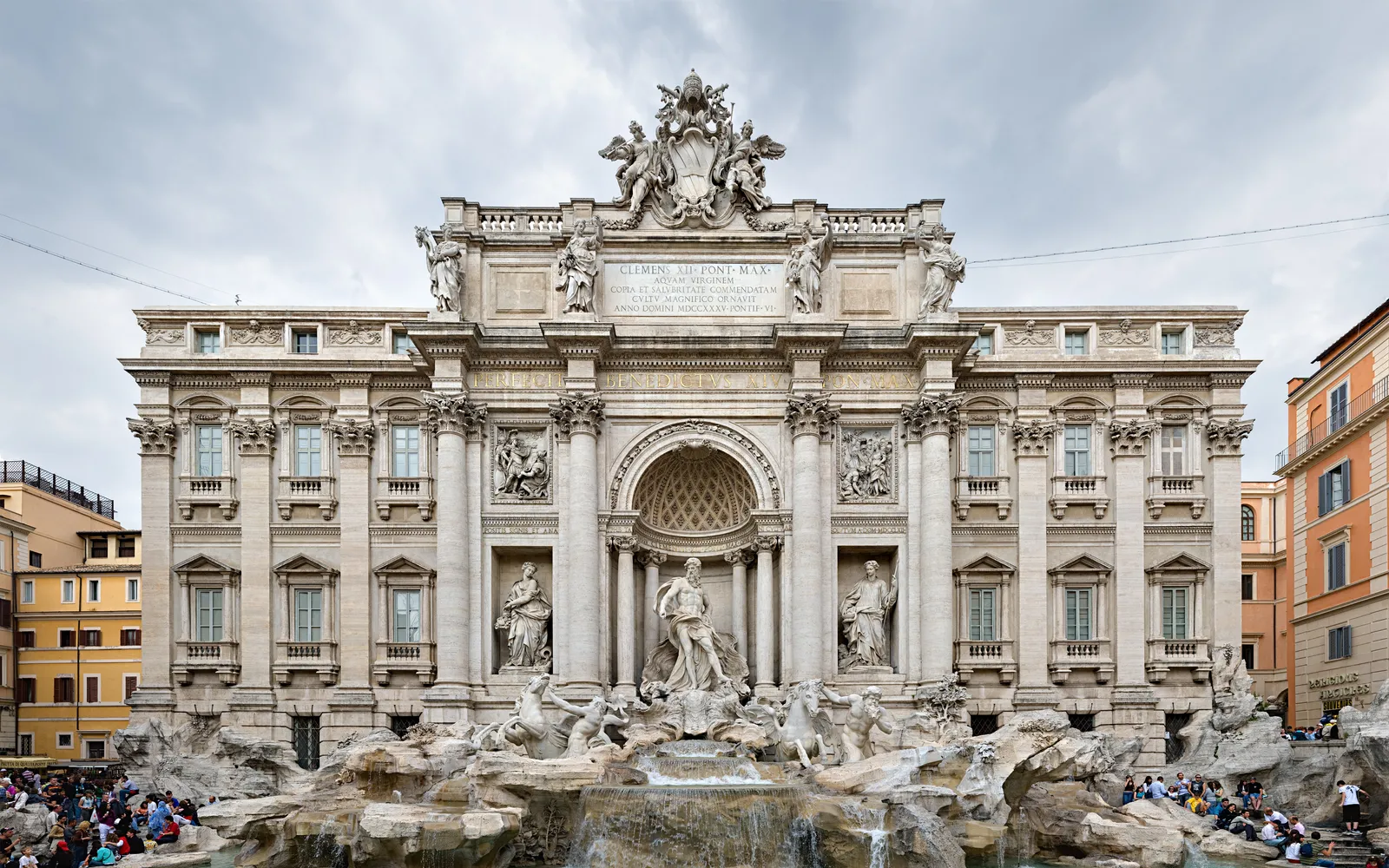
Rome is a city where every turn reveals 2,800 years of history. Every alley hides a church, a fountain, or a ruin that might well be a UNESCO World Heritage site. That grandeur comes with a catch: massive crowds in high season, pickpockets, and merciless sun. Plan carefully, book ahead, and get moving before 9 a.m. — do that and Rome will show you a spell no other city on earth can match.
 #1
#1 Colosseum
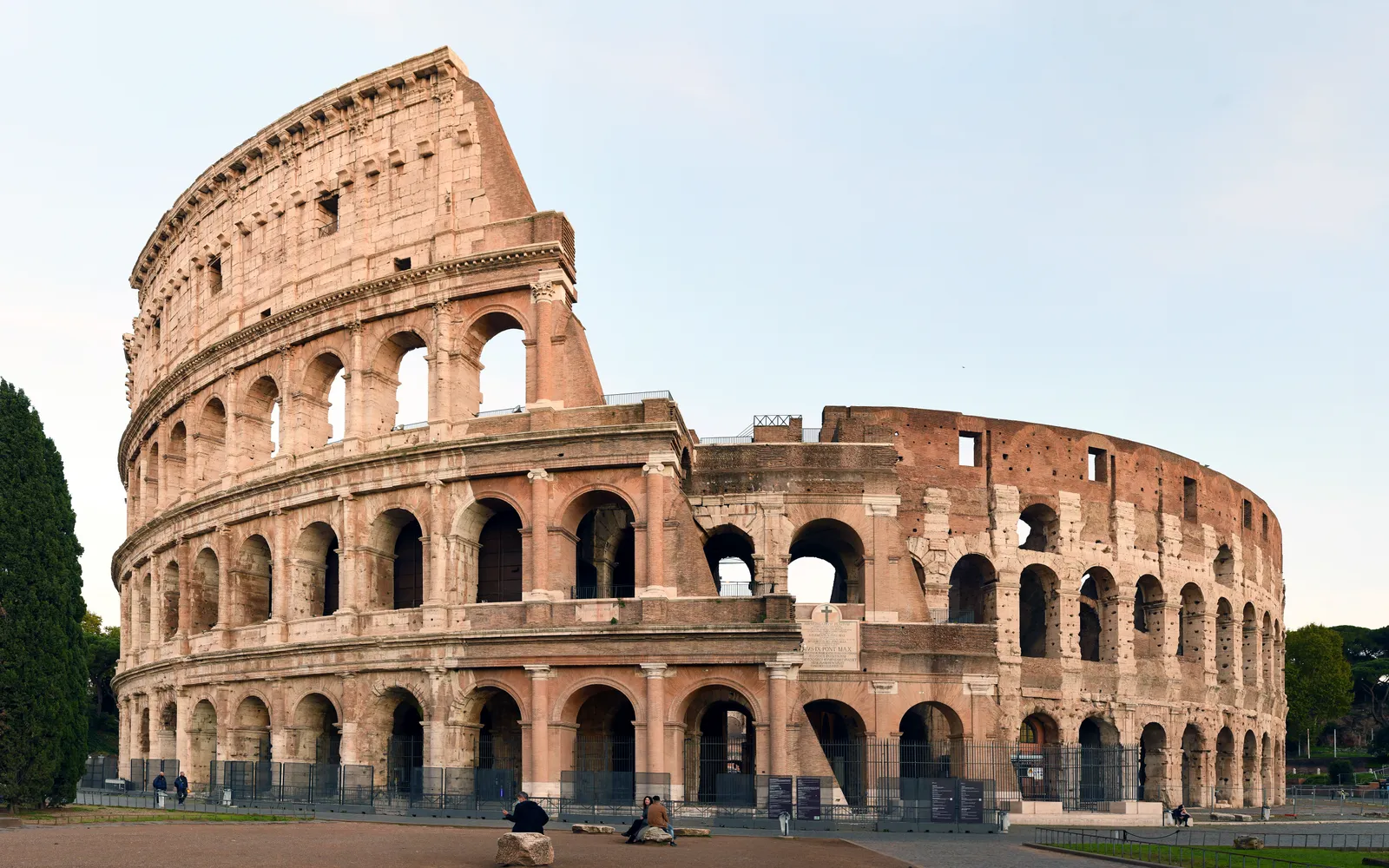
The greatest gladiatorial arena of the ancient world, built to hold 80,000 spectators at its peak. Construction finished in 80 AD — just 10 years, with no modern machinery. Underground chambers where fighters and wild animals were held before combat are still visible inside. Today a combined Colosseum-Forum-Palatine Hill ticket gives excellent value, but brace yourself for crowds of thousands every single day.
- Book online at least 2–3 weeks ahead — tickets sell out fast in high season. The standard ticket is €18 and covers the Forum and Palatine Hill.
- The Full Experience ticket (higher price) grants access to the Arena Floor and tiers 4–5, where the perspective and atmosphere are noticeably different.
- The Colosseum gets very hot in the afternoon sun. Aim for the 9:00–11:00 a.m. window or arrive after 5:00 p.m. before closing for a cooler visit.
 #2
#2 Vatican City and St. Peter's Basilica
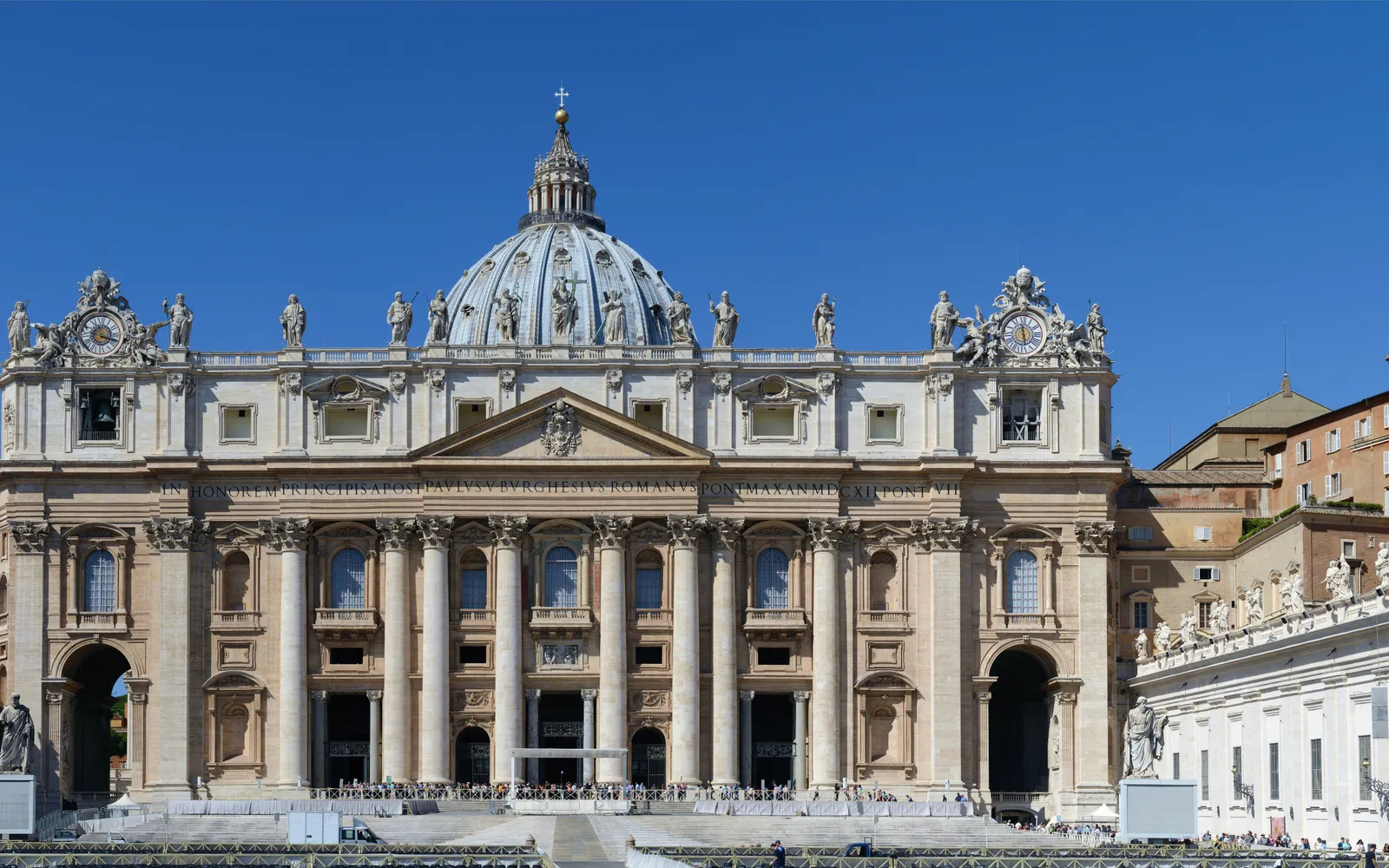
The spiritual centre of global Catholicism. St. Peter's Basilica — designed by Michelangelo and Bernini — is the largest church in the world, able to hold 60,000 people, with an interior of marble, mosaic, and sculpture that leaves even non-believers speechless. The Vatican Museums and Sistine Chapel nearby rank among the greatest concentrations of art on earth. Budget at least half a day for this complex.
- Entry to St. Peter's Basilica is free, but dress code is strictly enforced — no bare shoulders or shorts, or you will be turned away at the door.
- The Vatican Museums and Sistine Chapel require advance online booking (€20). Walk-up queues are extremely long without a reservation.
- Climbing the dome costs €8 on foot or €10 by lift and rewards you with a full 360-degree panorama of Rome — arguably the best view in the city.
 #3
#3 Trevi Fountain
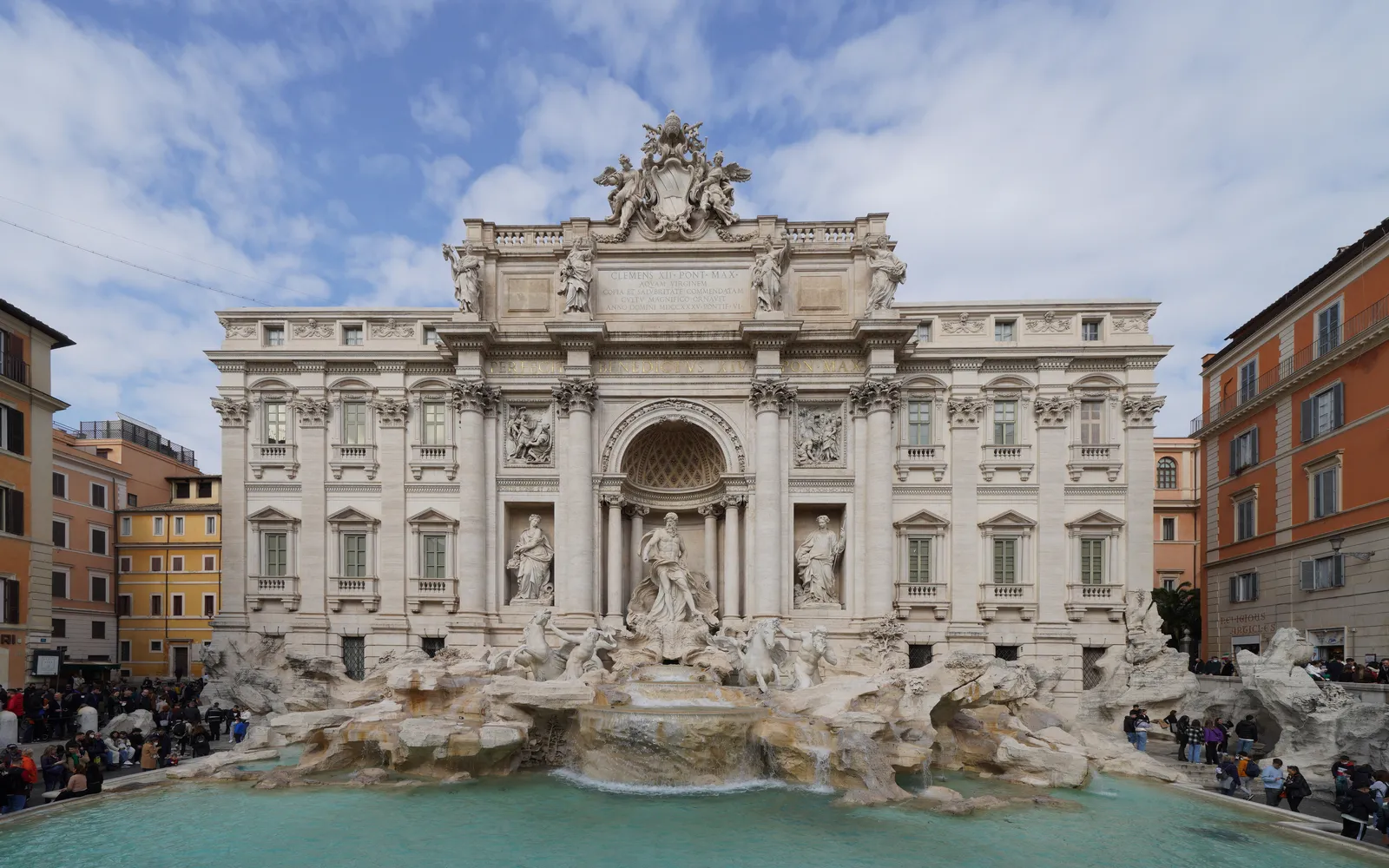
The most famous Baroque fountain in the world: 26 metres tall, 49 metres wide, completed in 1762. Tradition holds that tossing a coin over your shoulder into the water guarantees a return to Rome. Each year the coins collected exceed €1.5 million, all donated to charity. The fountain is tucked into a narrow street — turning a corner and suddenly finding this enormous structure in front of you is one of the great surprise moments Rome offers. It is also genuinely packed.
- Go between 6:00 and 7:30 a.m. before the tour groups arrive — the only reliable window for a photo without hundreds of people in the frame. Midday and evening are extremely crowded.
- Watch your pockets at all times here. The dense crowds make this a favourite spot for pickpockets.
- Antico Caffè Greco — near the Spanish Steps, about 10 minutes on foot — has been open since 1760 and makes an ideal stop for an espresso after the fountain.
 #4
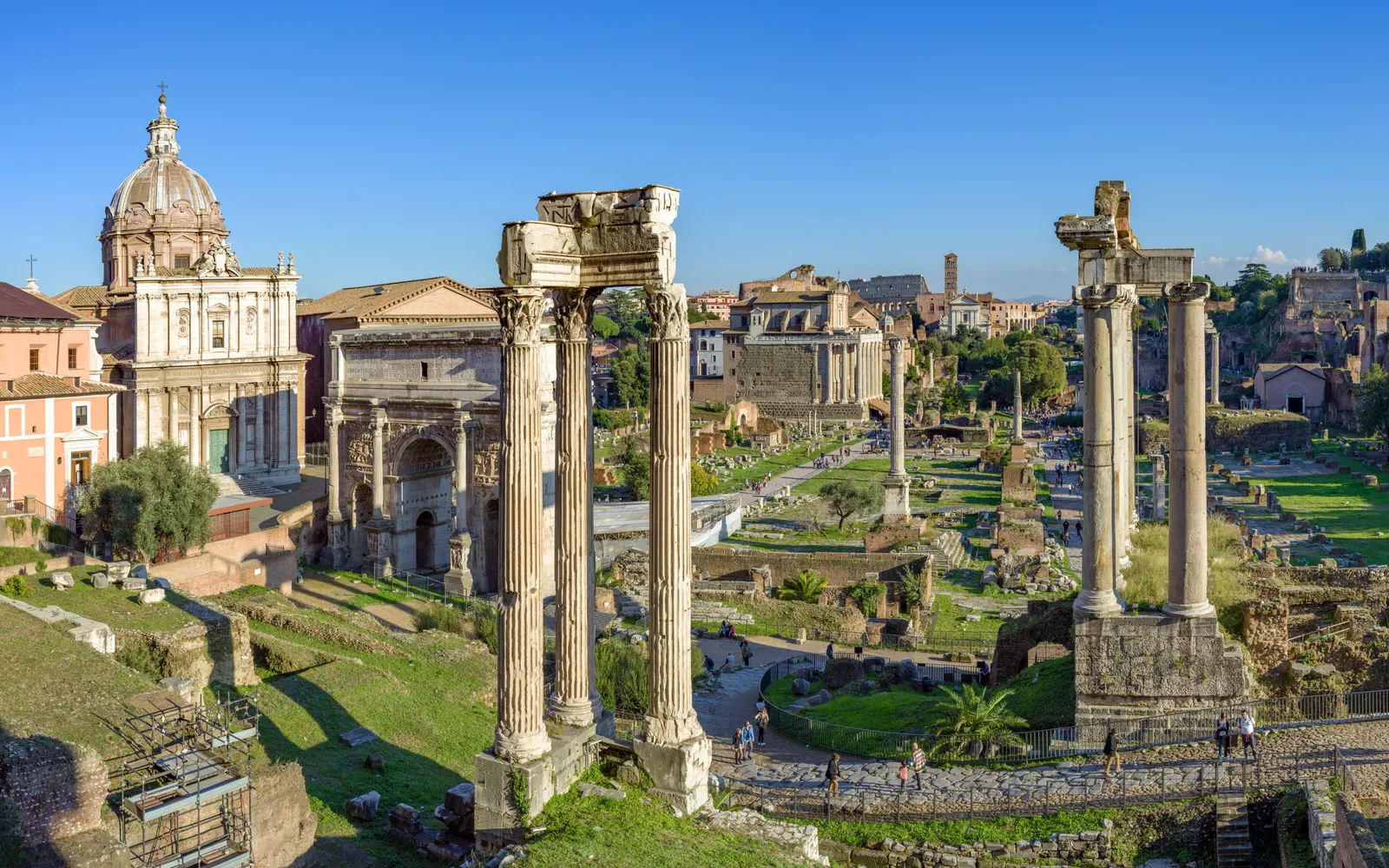
#4 Roman Forum and Palatine Hill
The nerve centre of the greatest empire in world history. This site once held temples, law courts, public squares, and the residence of Julius Caesar. You can walk along Via Sacra — the same road Roman legions marched down in triumphal processions. Up on Palatine Hill, the remains of imperial palaces give a panoramic view down over the Forum. Covered by the same ticket as the Colosseum and most naturally visited immediately after.
- Download the Rome Is Us app or Rick Steves Audio Tour (both free) before entering — explanatory signs inside the Forum are sparse, and walking through without a guide leaves most visitors confused.
- Wear thick-soled, sturdy footwear. The ancient cobblestones are very uneven; heels or thin sandals will quickly become painful.
- The Arch of Titus near the entrance contains the oldest surviving carved image of the Menorah from the Temple in Jerusalem — worth a careful look.
 #5
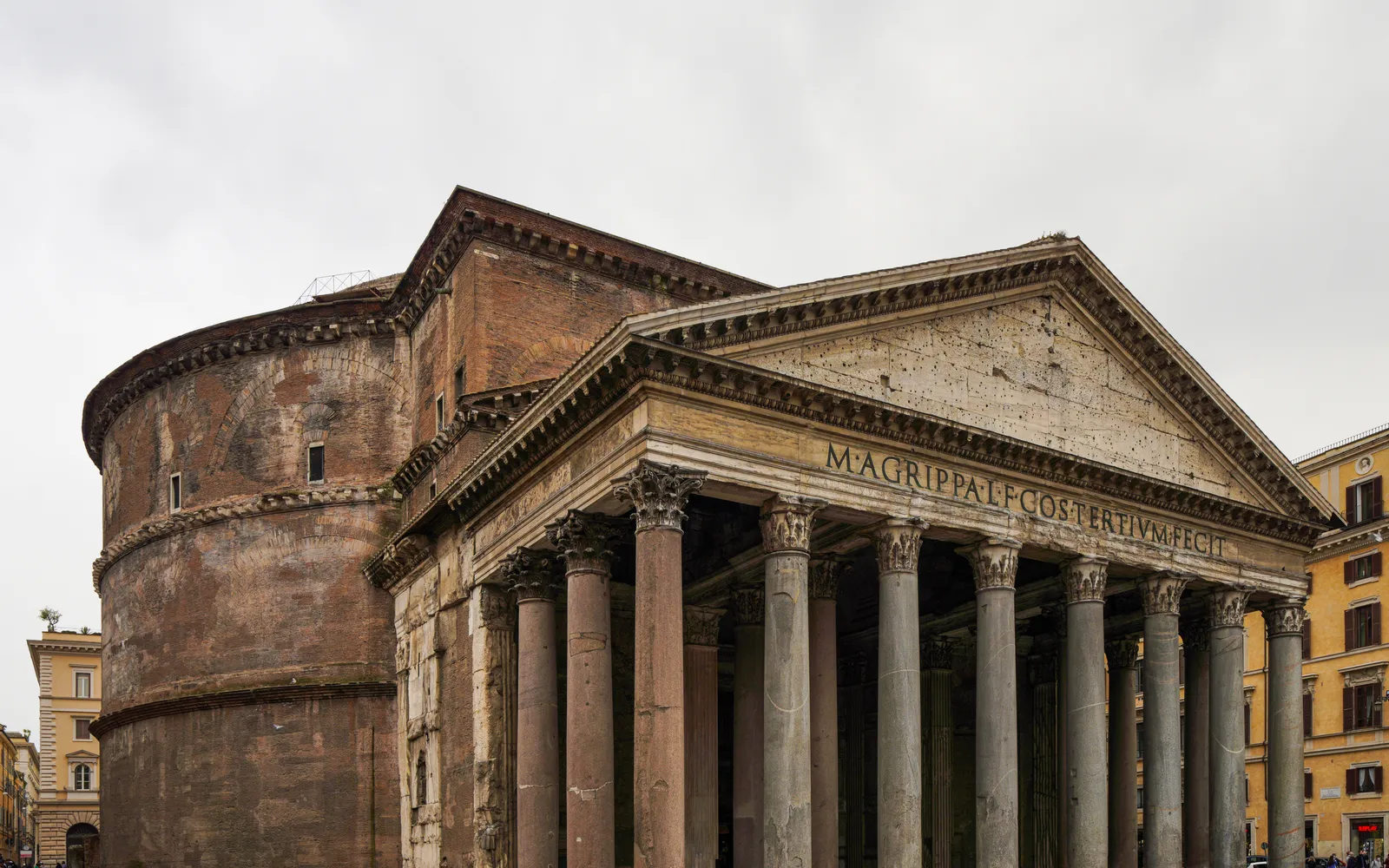
#5 Pantheon
The best-preserved ancient Roman temple in the world, built in 125 AD under Emperor Hadrian. Its unreinforced concrete dome spans 43.3 metres in diameter — still the largest unreinforced concrete dome on earth, nearly two thousand years later. The only light source is the 8-metre circular Oculus at the apex. Inside lie the tombs of Raphael and two Italian kings. It now functions as a church and charges a €5 entry fee.
- EU passport holders under 18 enter free; everyone else pays €5. Book online in advance to skip the queue.
- A rainy day is actually a great day to visit — rain falls through the Oculus into the interior and drains out through ancient pipes built into the floor.
- Cafés and gelato shops around Piazza della Rotonda charge premium prices. Walk two or three streets into the surrounding lanes and prices drop by about half.
 #6
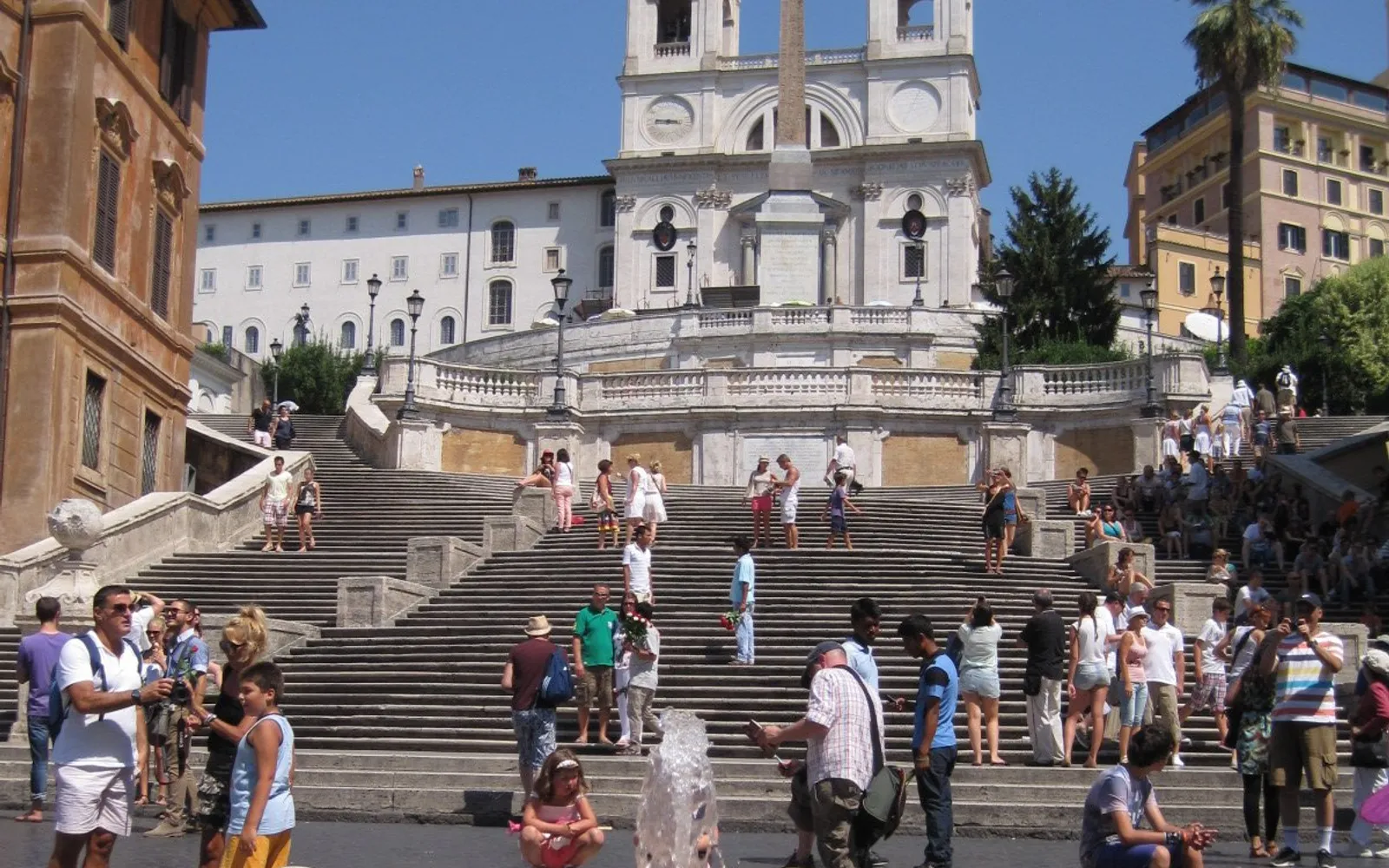
#6 Spanish Steps
The widest and most beautiful staircase in Europe: 135 steps built in 1725 connecting Piazza di Spagna with the Trinità dei Monti church above. In spring the steps are lined with pink and purple flowers. The staircase was historically a gathering place for poets and artists, and John Keats spent his final days in the house to the right of the steps. The Tridente district surrounding the square is dense with luxury brands and well-regarded cafés.
- Eating on the steps is prohibited and enforced — the fine is €250. Drinking water is allowed, but no food or snacks.
- Come in March or April to see azaleas arranged as a full pink carpet down the length of the steps — one of Rome's most photographed seasonal sights.
- Climb to the top and turn around. The panoramic view of Rome from the summit is one of the city's best free viewpoints.
Where to stay in Rome for this trip
A well-located hotel means less commuting and more sightseeing. Here are real, top-rated stays in Rome — compare Agoda · Booking · Trip.com in one click.
Opera Dreams
Affiliate links — we may earn a commission at no extra cost to you. Details
NH Collection Roma Palazzo Cinquecento
Affiliate links — we may earn a commission at no extra cost to you. Details
Gioberti Art Hotel
Affiliate links — we may earn a commission at no extra cost to you. Details
UNA Hotels Decò Roma
Affiliate links — we may earn a commission at no extra cost to you. Details
Tours, tickets & activities in Rome
Day tours, attraction tickets and travel essentials for Rome — book ahead on Klook with mobile e-tickets.
Affiliate links — we may earn a commission at no extra cost to you.
Before You Pack
Rome is at its finest in April–June and September–October: mild temperatures, less rain, and thinner crowds than midsummer. Allow at least 4–5 days so you are never rushing. Walk slowly, stop for gelato on the way between sights, and Rome will give you everything.