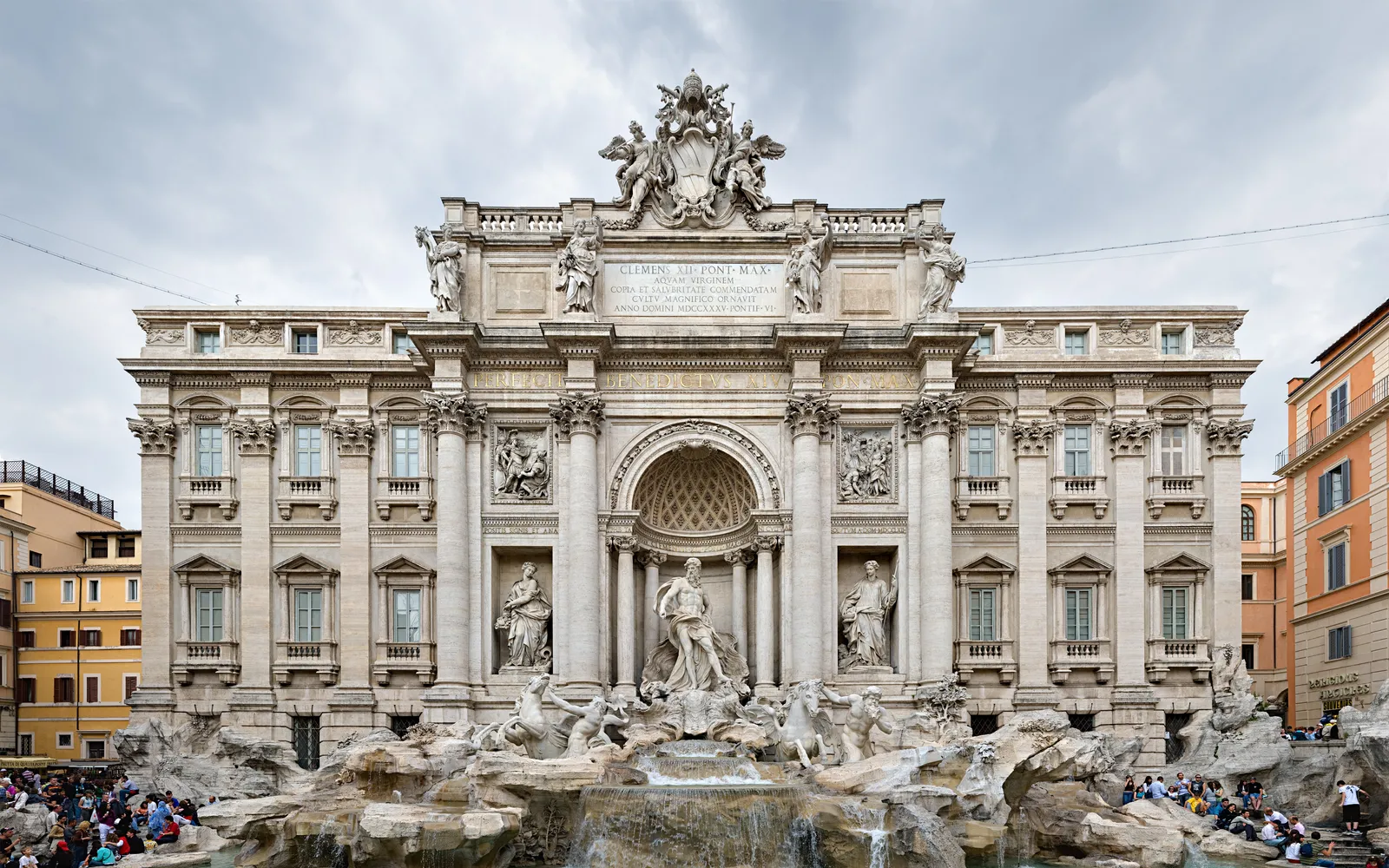
Roman food is not northern Italian, not southern Italian — it is its own category, called cucina romana: fewer ingredients, direct flavors, and absolutely no cream in the pasta. Authentic carbonara uses only eggs, cheese, and guanciale. Add cream and you've committed a genuine offense in Roman eyes. Come to Rome and eat it the way it was meant to be eaten.
 #1
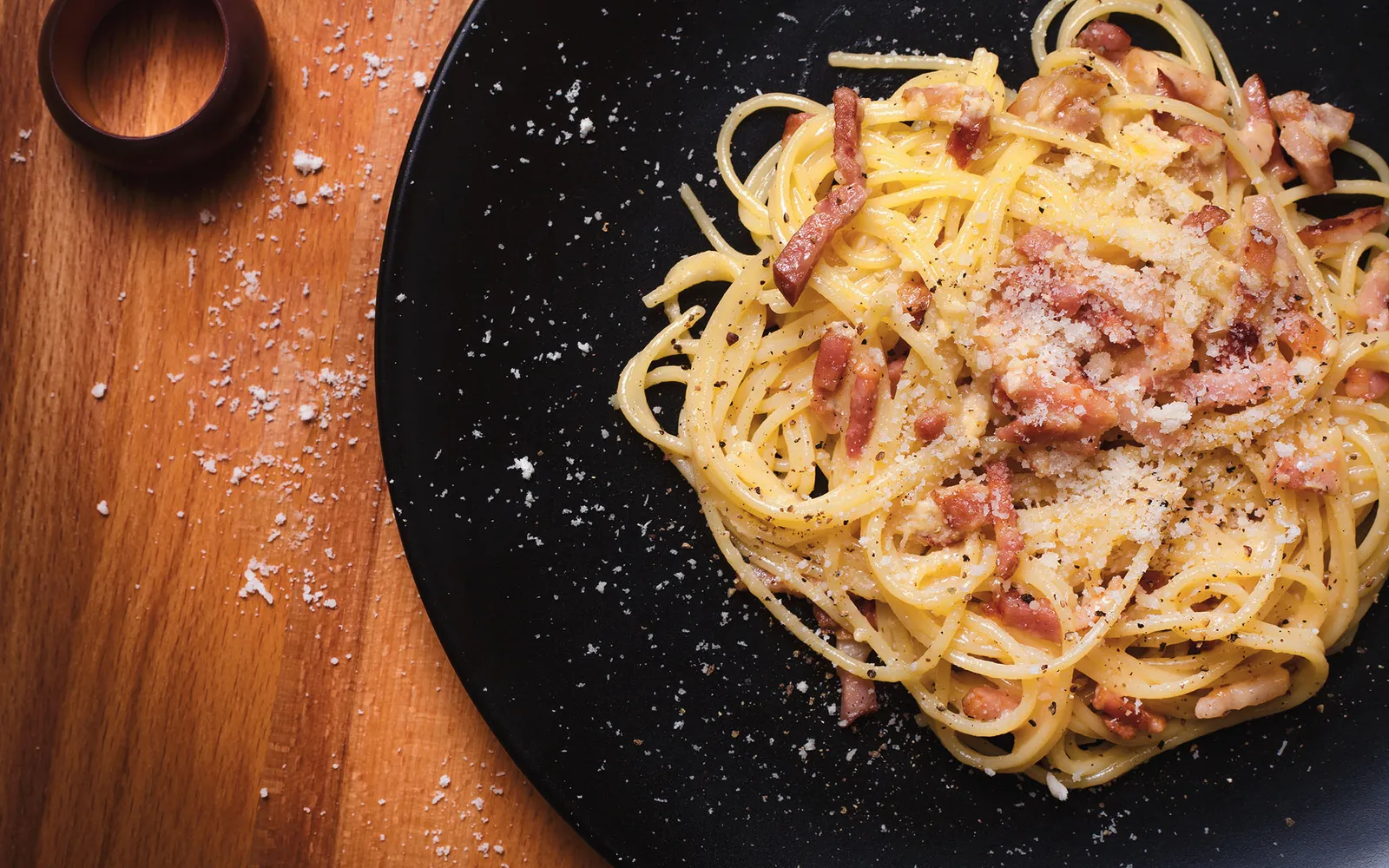
#1 Carbonara
The pasta that represents Rome more than any other. The traditional recipe uses exactly four things: pasta, guanciale (cured pork cheek), egg yolk, and Pecorino Romano. No cream. No onion. No garlic. The secret of the sauce is precise heat — enough to cook the yolk into a smooth, buttery coating that clings to the pasta without scrambling. Good trattorias in Rome will describe the recipe with visible pride.
- The celebrated spots — Roscioli, Da Enzo al 29, and Tonnarello in Trastevere — serve legendary carbonara. Reservations are always required.
- Order Rigatoni over Spaghetti when it's available: the short tubes let the sauce seep inside, which many Roman cooks prefer.
- Never ask to substitute Parmesan for Pecorino Romano — Romans consider it an insult to the original recipe.
 #2
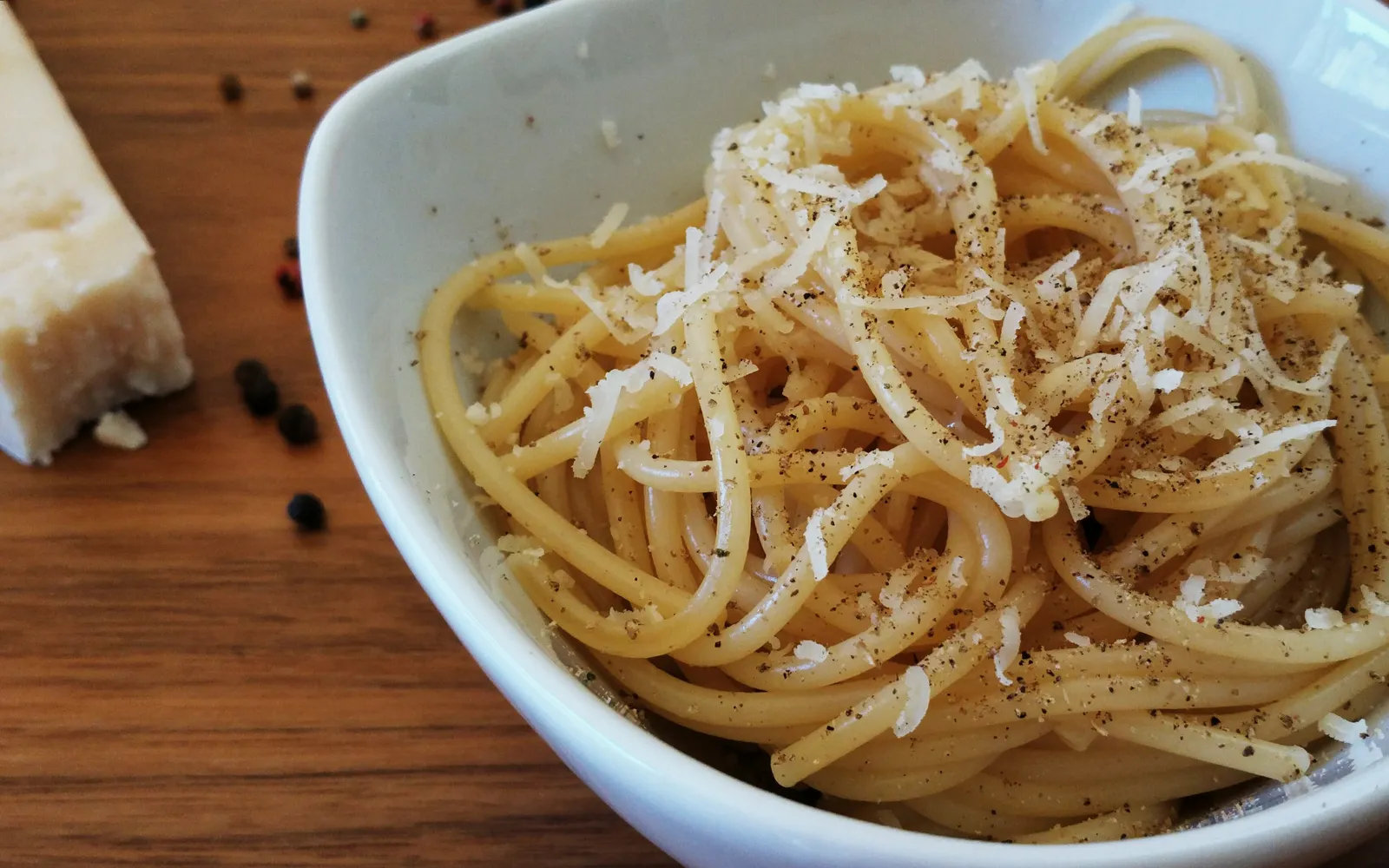
#2 Cacio e Pepe
The simplest and most technically demanding pasta in Rome at the same time. Only three ingredients: pasta, Pecorino Romano, and coarse black pepper. But emulsifying the cheese with pasta water into a smooth, cream-like sauce — without clumping — takes real practice. Cacio e pepe is the template from which all Roman pasta descends. Understand this flavor and you'll understand why Romans prize this style over any cream-based dish.
- Taste before adding extra pepper — the heat level varies considerably between restaurants, and some kitchens go quite heavy on the spice.
- Tonnarello and Felice a Testaccio in the Testaccio neighborhood are both known for strictly traditional cacio e pepe.
- The pasta used most often is Tonnarello — a short-cut spaghetti unique to Rome that you'll really only find here.
 #3
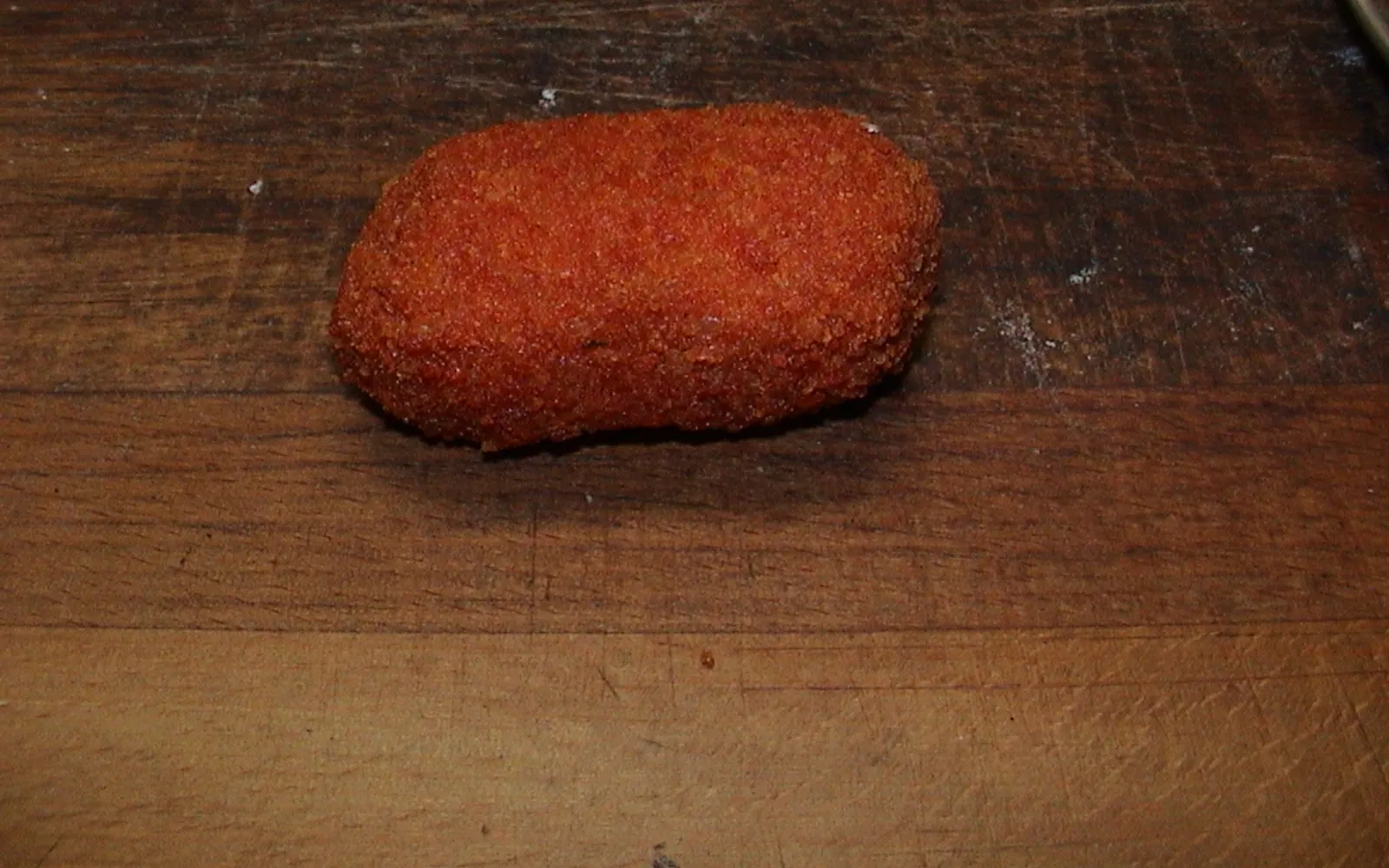
#3 Suppli
Rome's street food has been around since the 19th century. Arborio rice cooked with tomato sauce and ground meat is shaped into an oval, coated in breadcrumbs, and fried until crisp. Bite in and the mozzarella pulls into a long string — which earned these the nickname <em>telefono</em>, after the cord of an old telephone. Best eaten straight from the oil while hot. It's the best-value snack you'll find while walking around Rome.
- Supplì Roma on Via di San Francesco a Ripa in Trastevere is the city's most beloved supplì shop — the queue is always long and always worth it.
- Eat immediately. The crust softens and the cheese sets within 10 minutes.
- Priced at €1.50–2.50 each — order 2 or 3 as a snack before dinner or while sightseeing.
 #4
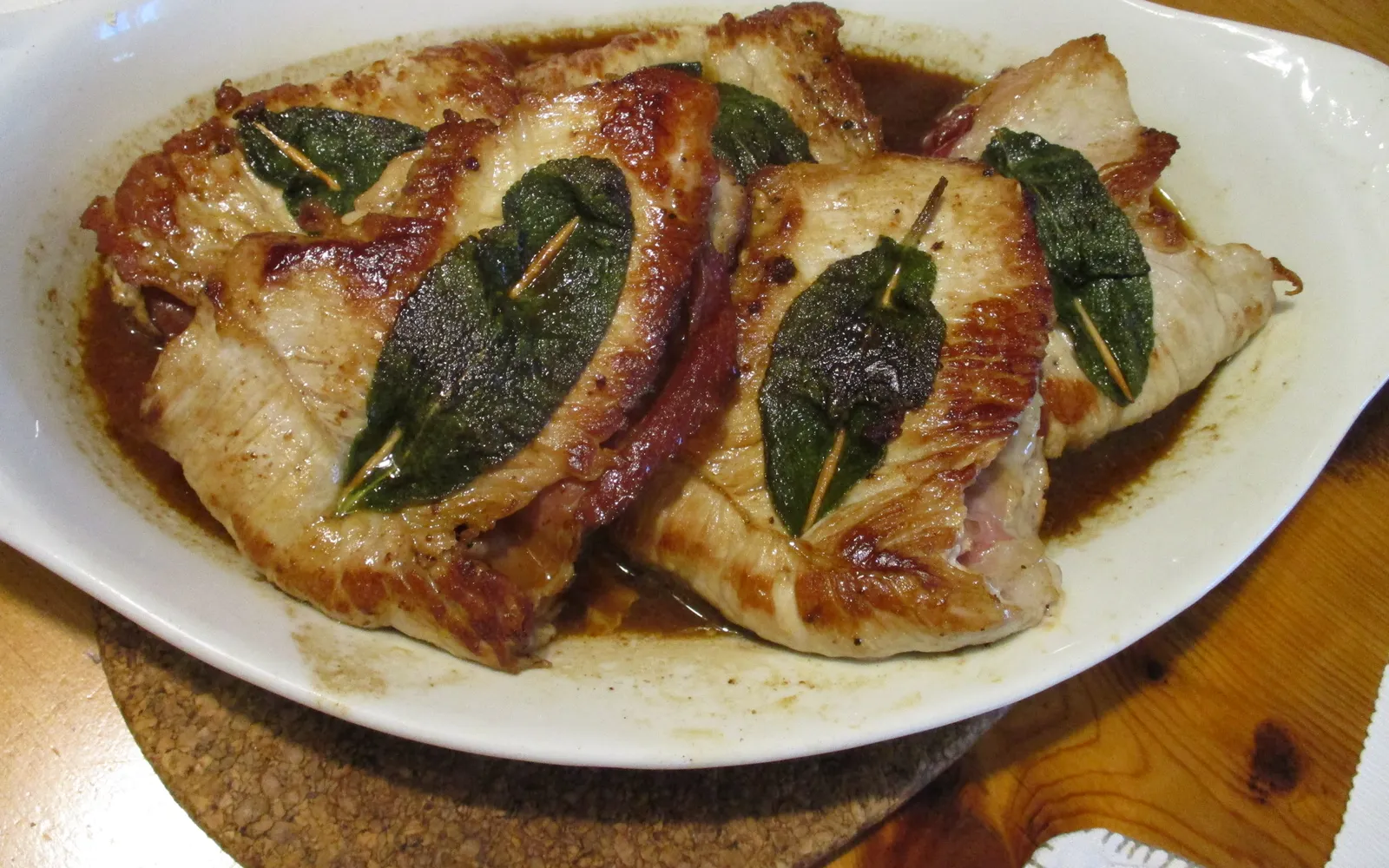
#4 Saltimbocca alla Romana
Rome's classic meat dish — the name literally means "jump in the mouth." Thin slices of veal, pounded tender, are layered with prosciutto and fresh sage, then pan-fried in butter until golden and finished with white wine. Simple technique, but it demands high-quality ingredients. Italian veal is noticeably softer than regular beef, and the dry-cured prosciutto adds a salty depth that makes the combination complete. It's a dish that shows Roman cooking trusts the ingredient more than the method.
- Order it with traditional Roman vegetables — <em>cicoria ripassata</em> (chicory sautéed with garlic) or <em>carciofi alla romana</em> (artichokes braised with herbs) for a fully Roman plate.
- If a restaurant uses pork instead of veal, that's a budget version — still good, but not the original recipe.
- Main courses at a decent trattoria run around €16–24. A <em>coperto</em> (cover charge for bread and table linen) of €2–3 per person is standard and expected.
 #5
#5 Gelato
Italian gelato is denser than regular ice cream because it contains less air, more milk than cream, and is stored at a slightly warmer temperature — which means richer flavor and a texture that melts on the tongue more smoothly. Good gelato in Rome is stored in flat covered metal trays, not piled into towering multicolored peaks in open display cases. The classic Roman flavors are pistachio, chocolate, seasonal strawberry, and <em>fior di latte</em> (pure fresh-milk gelato) — the last one being the clearest test of milk quality.
- Shops with gelato piled high in bright colors typically use food coloring and thickeners. Choose places that keep it in covered metal containers.
- Giolitti (open since 1900), Gelateria dei Gracchi, and Fatamorgana are all recommended by Romans themselves — no tourist markup required.
- If you see <em>artigianale</em> on the sign, it means made in-house. The quality is almost always noticeably better.
 #6
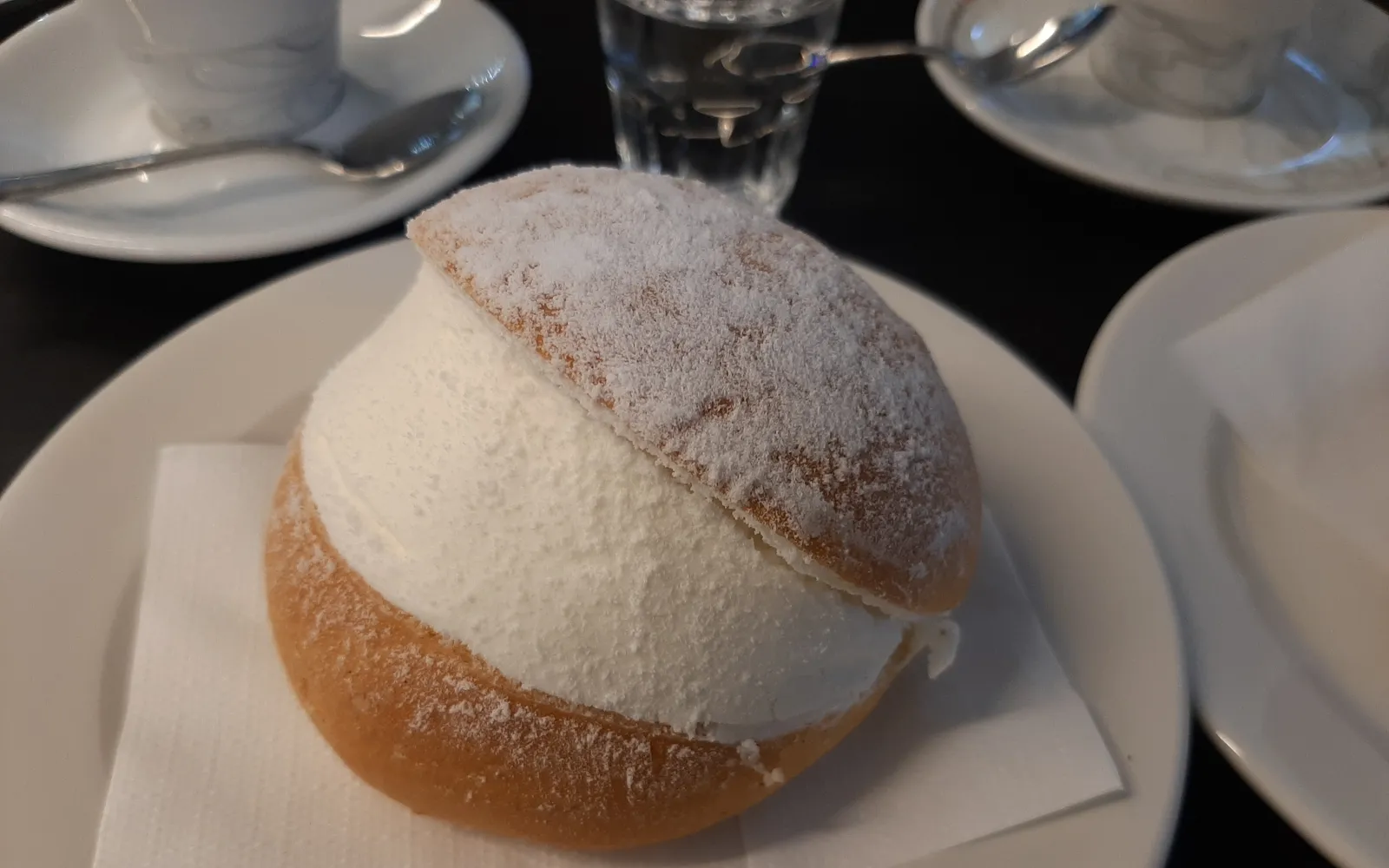
#6 Maritozzo
Rome's traditional sweet breakfast, with a history stretching back to antiquity. A soft, mildly sweet round bun is split and stuffed generously with fresh whipped cream that spills over the edges. Romans eat this for breakfast alongside espresso or a caffè latte — it has been a daily ritual here for generations. It went viral on social media a few years ago, but it was never gone; it just became visible to the rest of the world. The photo looks good and it tastes even better.
- Eat it immediately. Whipped cream dissolves fast in warm weather — don't linger over the photo.
- Good shops use real fresh whipped cream, not canned spray cream. The difference is significant; many places will let you taste before you buy.
- Some shops offer flavored versions — pistachio, chocolate, or seasonal fruit. Worth trying one specialty if it's on offer.
Where to stay in Rome for this trip
A well-located hotel means less commuting and more sightseeing. Here are real, top-rated stays in Rome — compare Agoda · Booking · Trip.com in one click.
Opera Dreams
Affiliate links — we may earn a commission at no extra cost to you. Details
NH Collection Roma Palazzo Cinquecento
Affiliate links — we may earn a commission at no extra cost to you. Details
Gioberti Art Hotel
Affiliate links — we may earn a commission at no extra cost to you. Details
UNA Hotels Decò Roma
Affiliate links — we may earn a commission at no extra cost to you. Details
Tours, tickets & activities in Rome
Day tours, attraction tickets and travel essentials for Rome — book ahead on Klook with mobile e-tickets.
Affiliate links — we may earn a commission at no extra cost to you.
Before You Pack
The best Roman food is found in small trattorias down narrow side streets, where locals eat lunch together at 13:00. If the menu outside is in English only, keep walking. The good places rarely need to chase travelers — but travelers who find them tend to remember the meal for a long time.