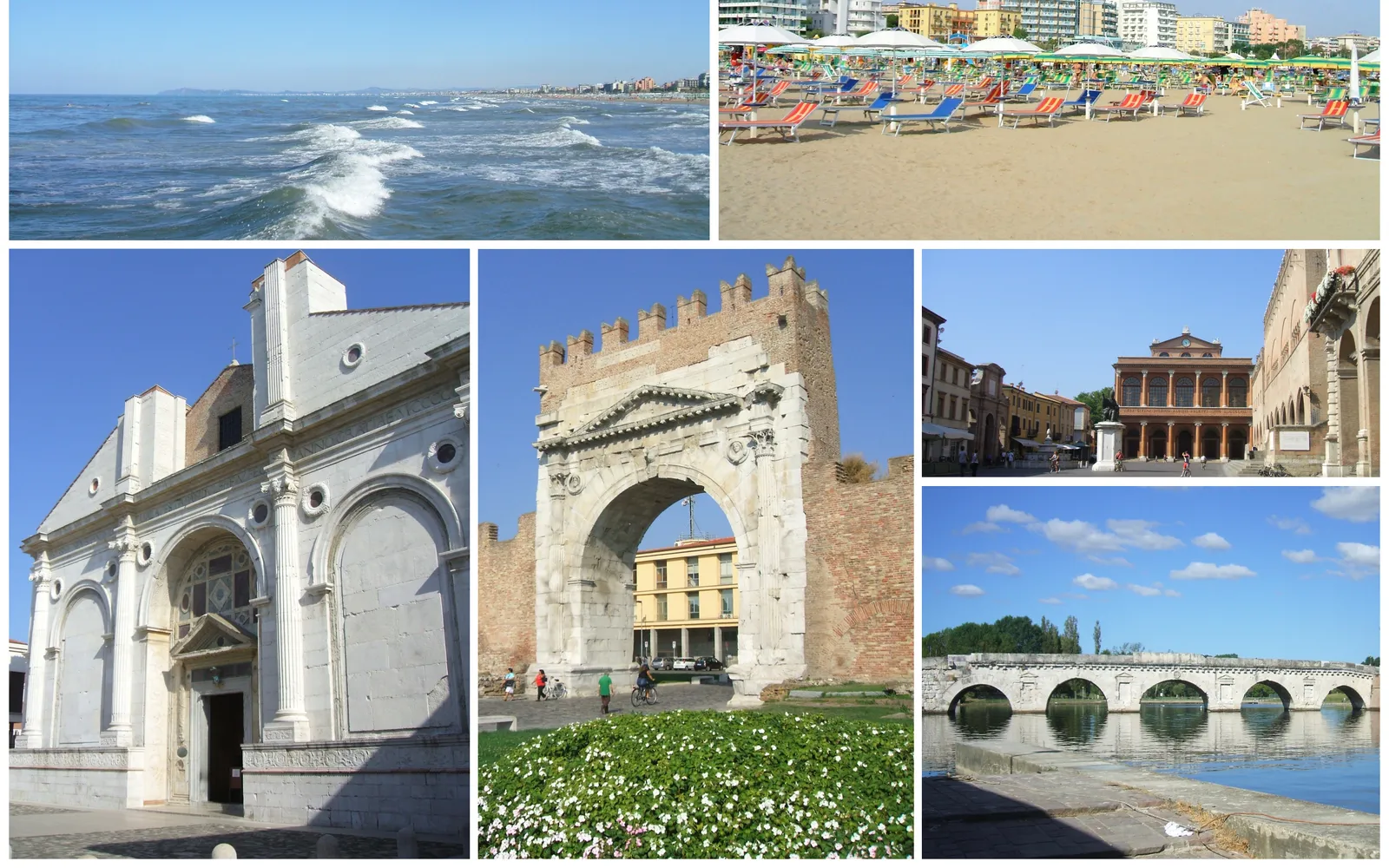
Romagna has one of Italy's strongest food cultures — and one of its least known outside the country. Piadina is the thin, crisp flatbread Romagnoli have been eating for centuries; you'll find it at every corner of Rimini. Brodetto, a fresh-fish stew from the Adriatic, is the pride of local fishermen. Come hungry and eat at neighborhood spots — not the beachfront places that price their menus for tourists.
 #1
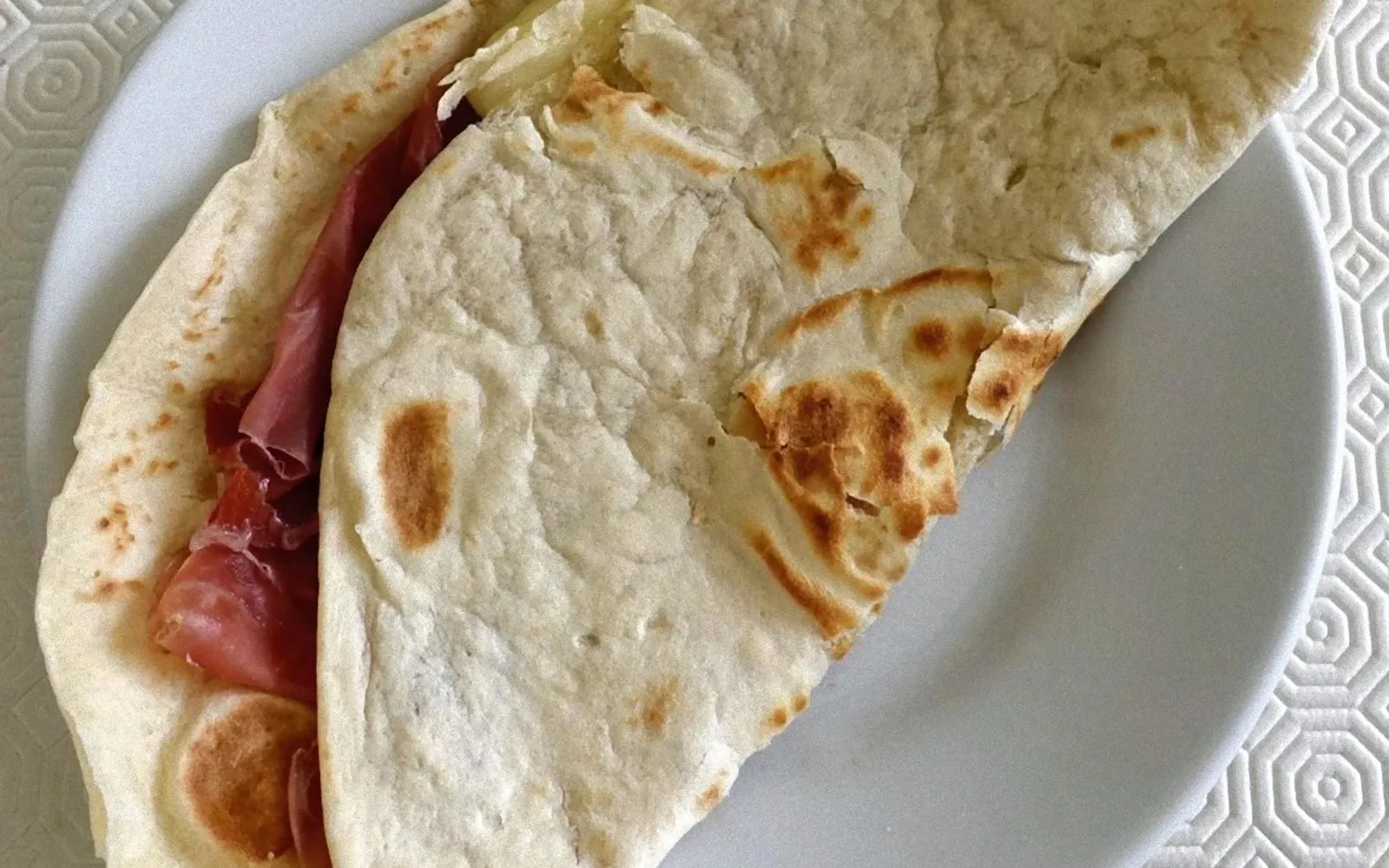
#1 Piadina Romagnola
The thin, crisp flatbread that best represents the food of Romagna. Made from wheat flour, lard, salt, and water — kneaded, rolled thin, and cooked on a hot terracotta griddle until small char marks appear and deepen the flavor. Fillings vary, but the classic combination is raw prosciutto, squacquerone, and rocket. The EU awarded piadina IGP (Protected Geographical Indication) status in 2014.
- A roadside chiosco makes piadina fresh to order; there's almost always a line of locals out front — follow them
- Order mezza (half a flatbread) first if you're unsure of your appetite — a full one is quite filling
- Skip any place that keeps piadina pre-made in a warming cabinet; it's only good straight off the griddle
 #2
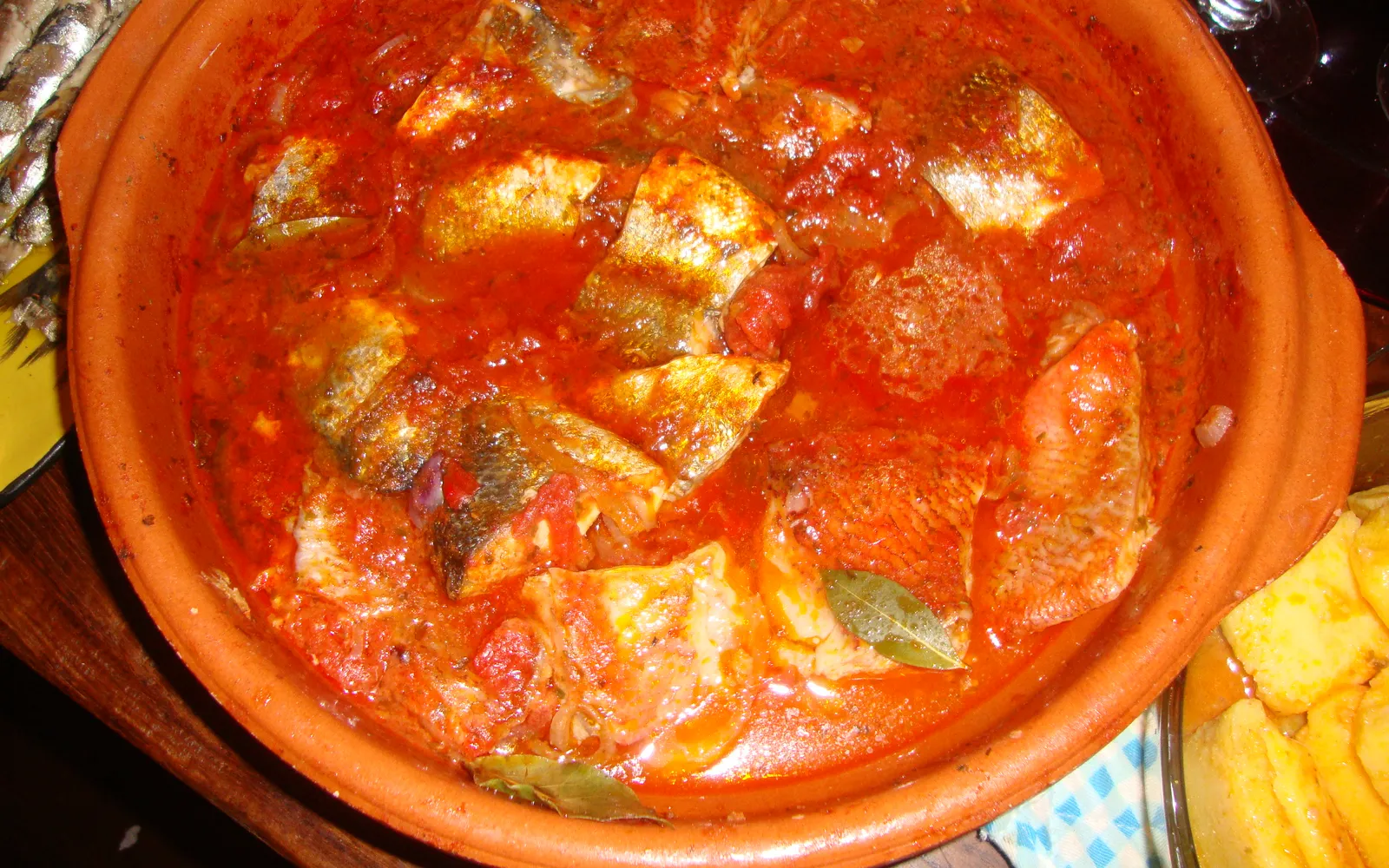
#2 Brodetto Adriatico
The traditional stew of Adriatic fishermen, made from whatever fresh fish was left unsold at the morning market. Mixed varieties of fish go in together with olive oil, onion, garlic, tomato, and white wine. The Rimini version adds a splash of vinegar for a gentle acidity that sets it apart from other Adriatic recipes. Served with garlic-rubbed toasted bread. The freshness of the fish is everything.
- Order brodetto at a restaurant close to Porto Canale — those places take fish directly off the fishing boats
- A fair price is around €15–20 in a local spot; beachfront restaurants can charge more than double
- Eat it with bread: dip the bruschetta into the remaining broth — that's how locals do it
 #3
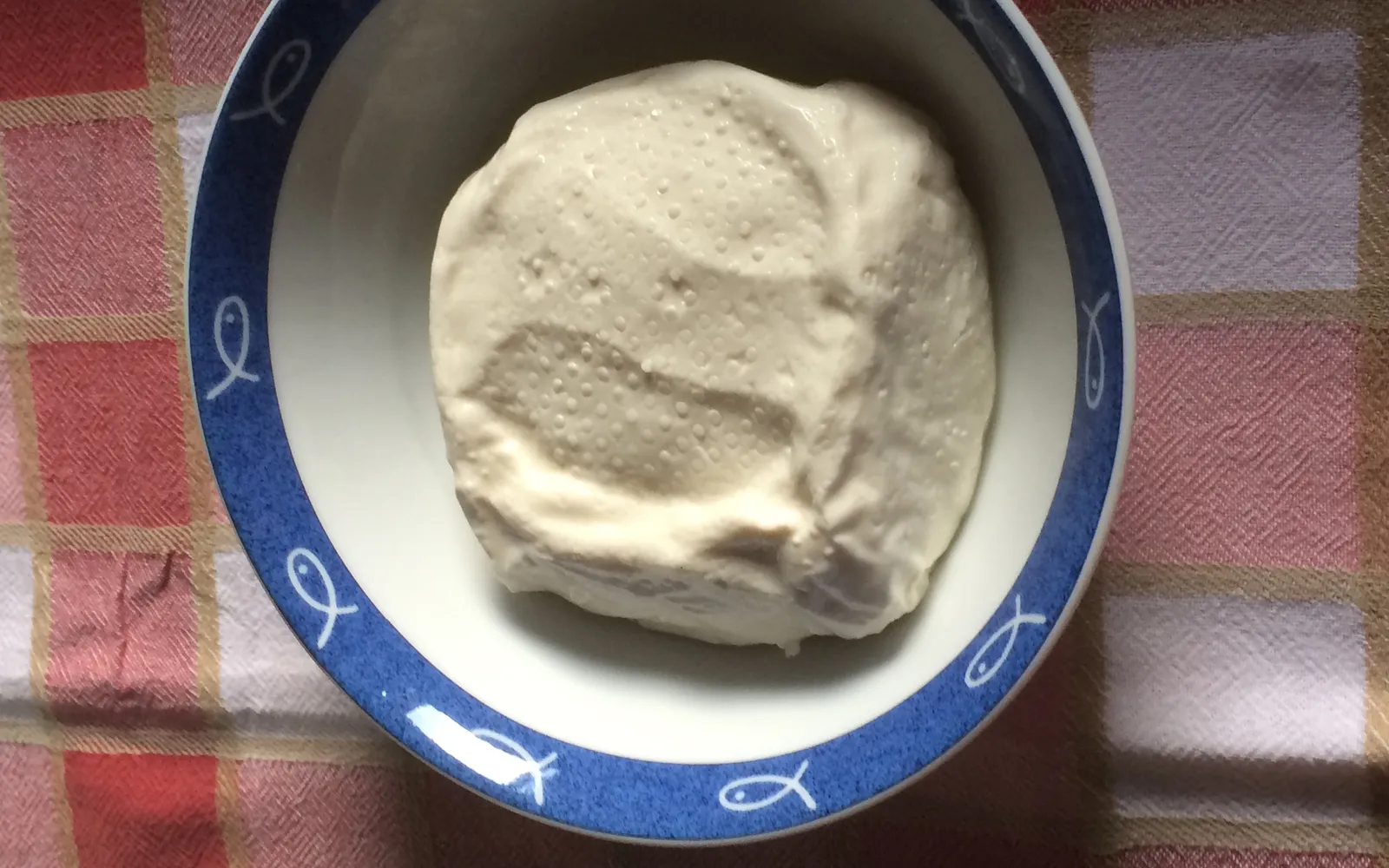
#3 Squacquerone di Romagna
A fresh, very soft, creamy cheese from Romagna with DOP (Protected Designation of Origin) status since 2012. Made from fresh cow's milk and aged only 3–4 days, it has a mild, lightly sweet flavor and a texture that melts immediately on the tongue. Romagnoli eat it with piadina almost daily, or with honey and fresh fruit as a dessert. You'll rarely find it outside Romagna because its shelf life is so short.
- Buy fresh squacquerone from a salumeria or the Mercato Coperto covered market — far better than the supermarket version
- Paired with hot piadina it's the classic combination; add tomato and rocket as you like
- Don't try to carry it home — it spoils quickly, with a shelf life of only 4–5 days after production
 #4
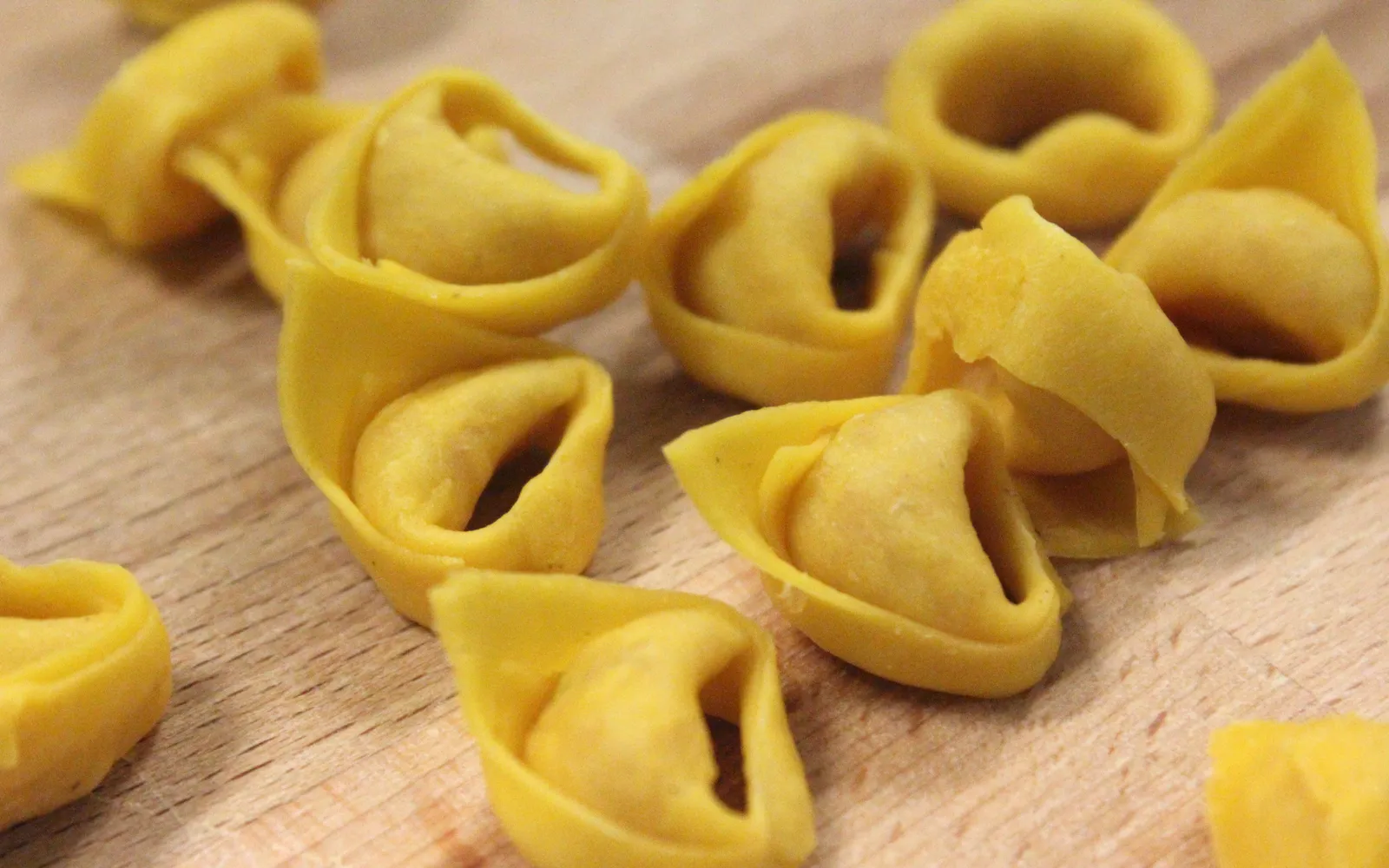
#4 Cappelletti in Brodo
Tiny hat-shaped cheese-filled pasta that is the centerpiece of Romagna's holiday table, served in chicken or beef broth that has simmered for hours. The filling is a blend of several Romagna cheeses, egg, and spices — every family holds its own version as a closely guarded recipe passed down through generations. Unlike Bolognese tortellini (which uses a meat filling), the Romagna cappelletti centers on cheese and has a lighter flavor.
- Find a trattoria that makes cappelletti in-house — ask the staff whether it's fatto in casa (handmade here)
- It's a cold-weather dish; during the hot summer months some restaurants drop it from the menu entirely
- Expect to pay €10–14 per bowl; unusually cheap prices can signal lower-quality ingredients
 #5
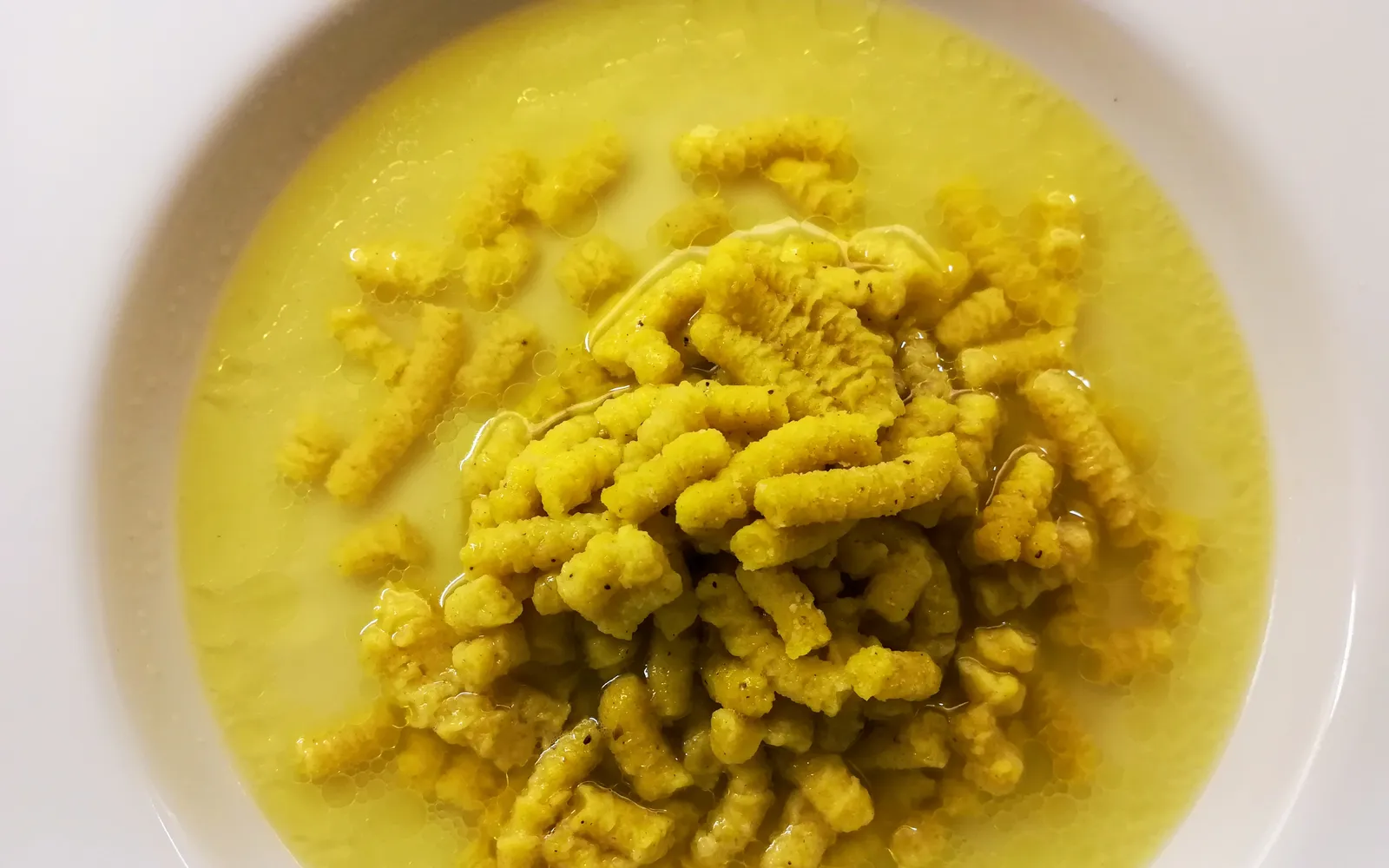
#5 Passatelli in Brodo
A Romagna pasta made from breadcrumbs, egg, Parmesan, and lemon zest, pressed through a tool called a ferro with small holes to produce short, thick strands resembling fat spaghetti. Cooked in rich chicken or bone broth, the strands have an intense Parmesan flavor, a faint lemon note, and a breadcrumb texture that absorbs the broth beautifully. It's the most warming cold-weather dish Romagna makes.
- Eat passatelli the moment it arrives — the strands are soft and absorb broth fast; left too long it goes mushy
- Ask for doppio (double portion) if you're very hungry; it costs a small amount extra
- This dish is rare outside Emilia-Romagna — it's worth ordering while you're here
 #6
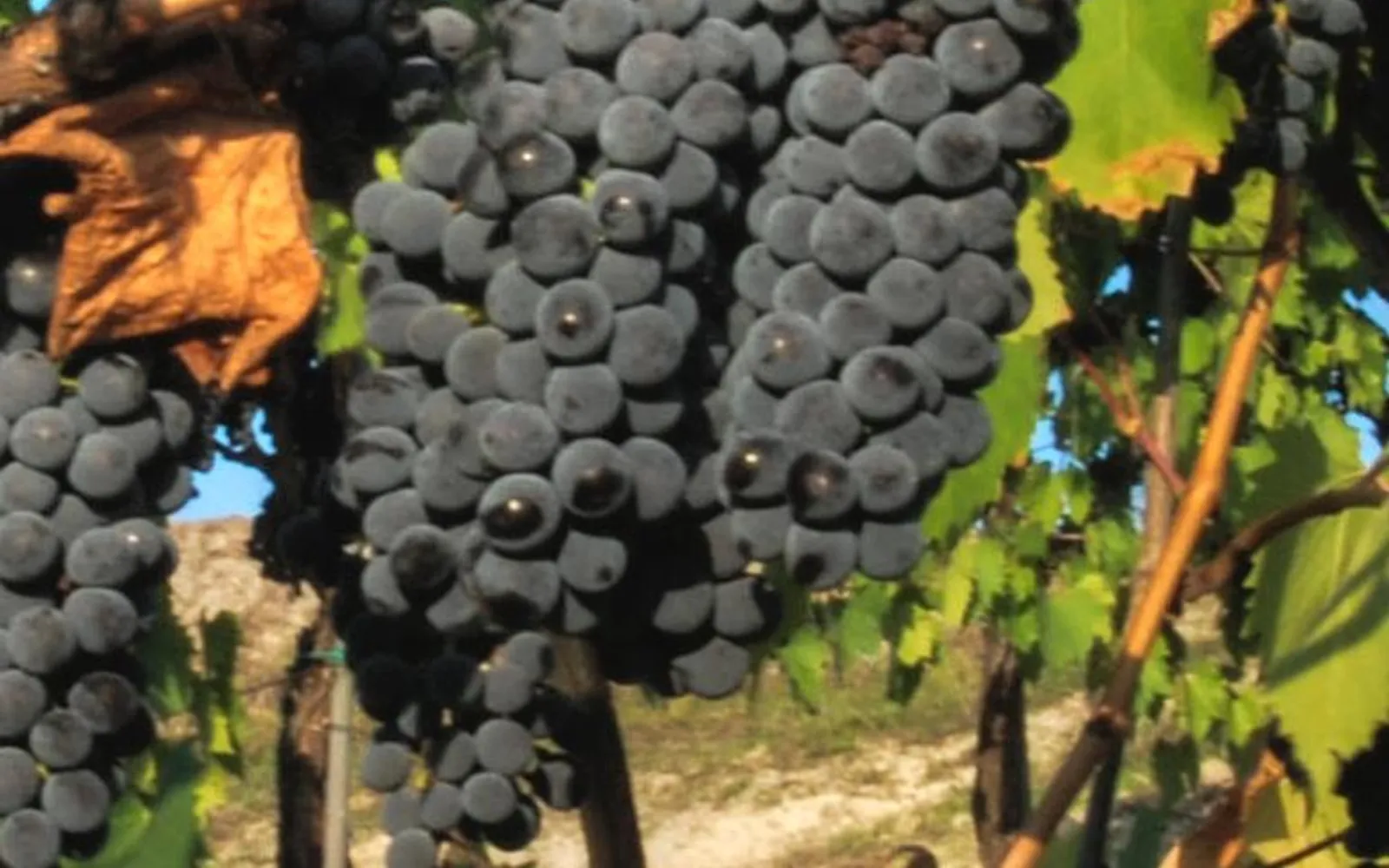
#6 Sangiovese di Romagna
The native red wine of Romagna, grown in the clay hills near Rimini. It has an intense flavor — dried cherry, red flowers, and soft spice — and drinks more easily than Tuscan Chianti, even though both use the same grape variety. Prices are lower because Romagna Sangiovese hasn't broken through on world markets yet. It's the house wine of Romagnoli, served alongside brodetto, piadina, and pasta at every meal.
- Ask for vino sfuso (wine sold loose by weight) at an enoteca — very affordable and fresher than bottles sitting on the shelf
- The lighter style is labeled Sangiovese Superiore; it works well at room temperature alongside seafood dishes
- Bottles cost €5–12 at a local enoteca or wine shop — considerably less than the same wine commands in northern Europe
Where to stay in Rimini for this trip
A well-located hotel means less commuting and more sightseeing. Here are real, top-rated stays in Rimini — compare Agoda · Booking · Trip.com in one click.
Titano Suites
Affiliate links — we may earn a commission at no extra cost to you. Details
Grand Hotel Rimini
Affiliate links — we may earn a commission at no extra cost to you. Details
Hotel Rosa
Affiliate links — we may earn a commission at no extra cost to you. Details
Hotel Continental Rimini
Affiliate links — we may earn a commission at no extra cost to you. Details
Tours, tickets & activities in Rimini
Day tours, attraction tickets and travel essentials for Rimini — book ahead on Klook with mobile e-tickets.
Affiliate links — we may earn a commission at no extra cost to you.
Before You Pack
The best Romagna food is usually found in an old osteria or trattoria in the historic centre, not at a beachfront restaurant with photo menus in English. If you hear locals talking loudly in Romagnolo dialect, that's your sign the food is genuine.