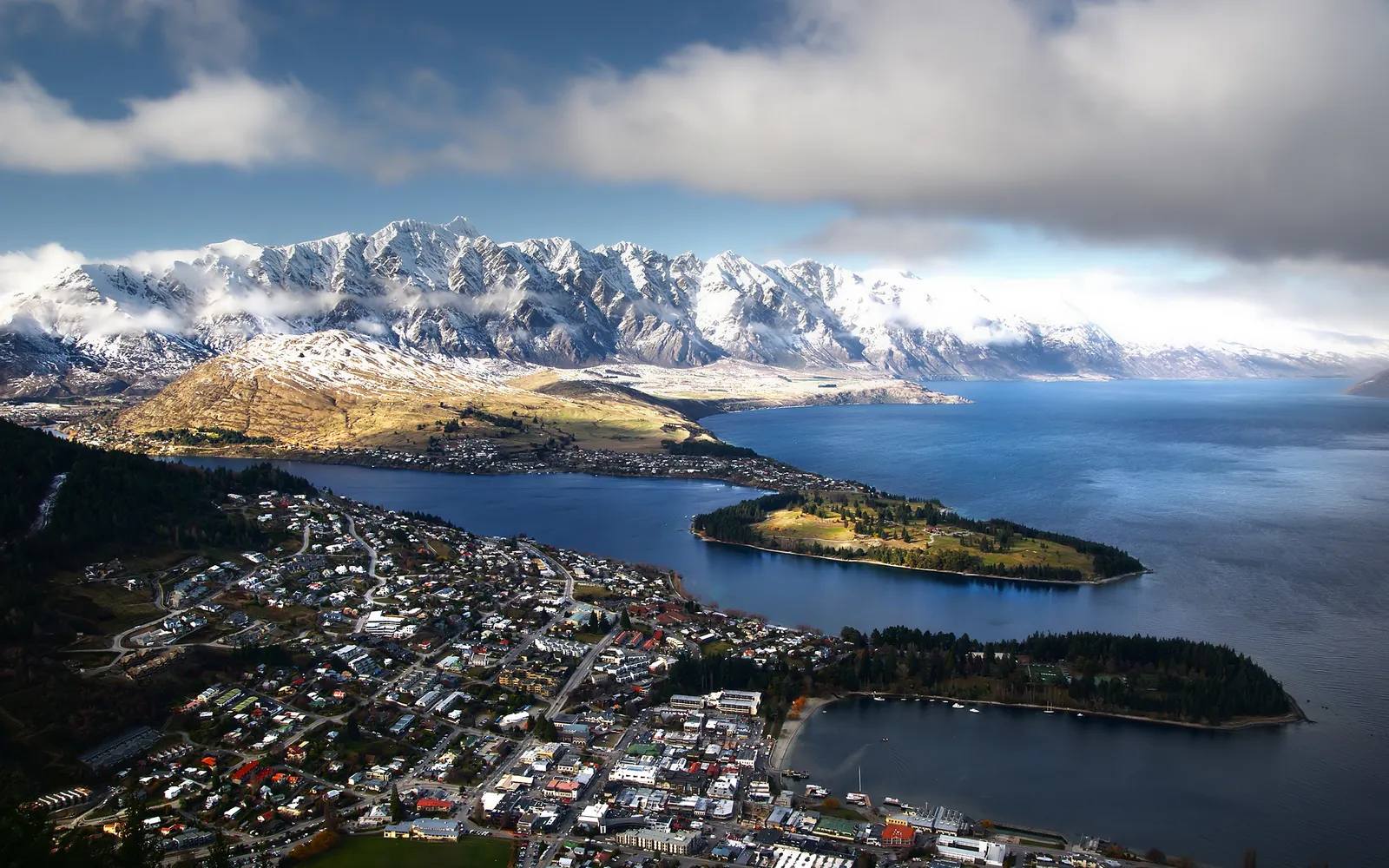
Queenstown is small but eats well — a city of just 15,000 people with more world-class restaurants than many far larger cities. New Zealand lamb is widely regarded as the best in the world, and Queenstown is the place to eat it at the fairest price. Add in the lake supplying fresh mussels and fish, plus Central Otago vineyards producing premium Pinot Noir, and it makes for a genuinely excellent food trip.
 #1
#1 Fergburger
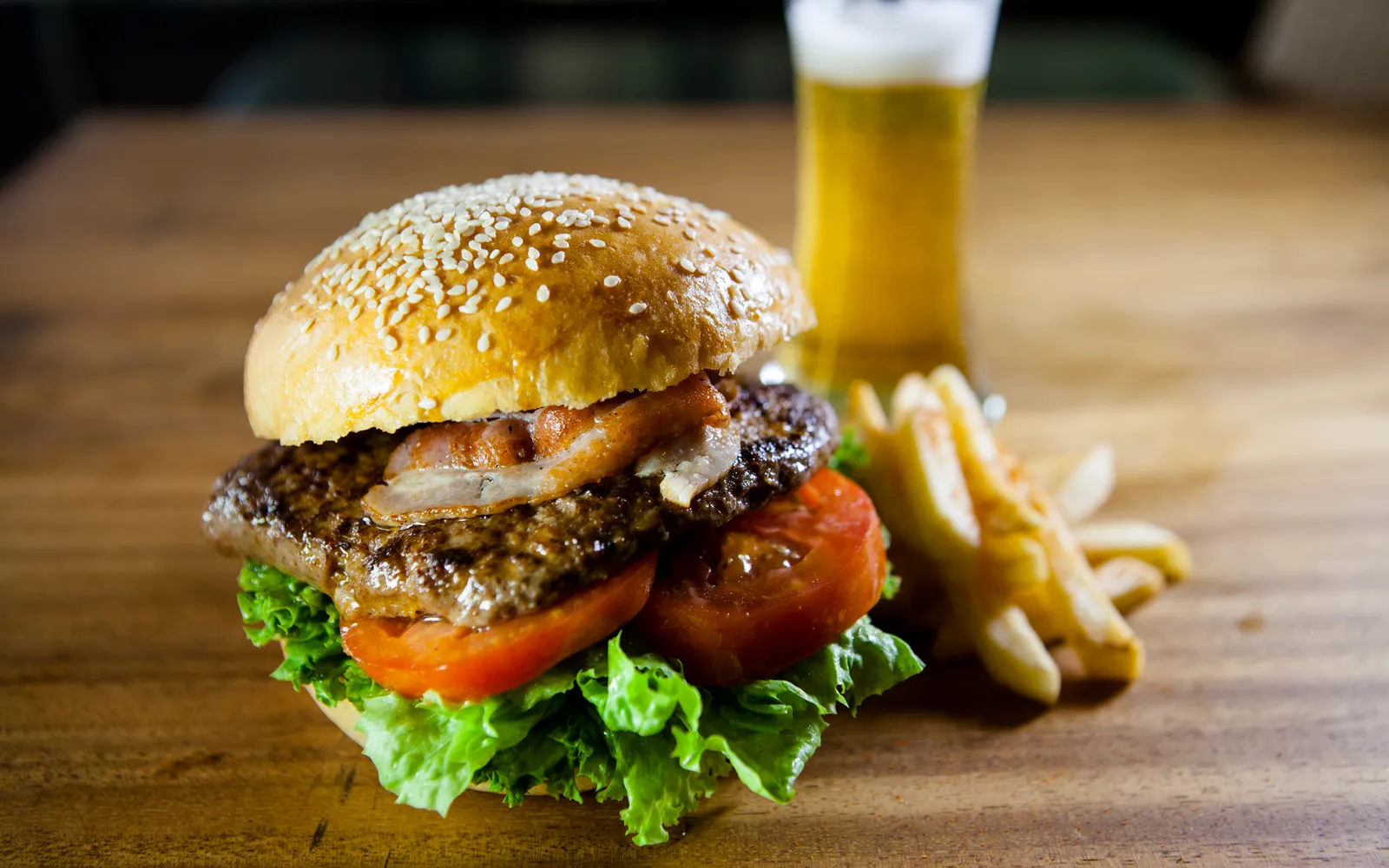
The burger joint that became globally famous without needing to advertise. Food critics have ranked it among the best burgers in the world — repeatedly. Every burger is made fresh to order: the bun is baked in-house, soft and light; the patty is thick and juicy; the whole thing is large enough that you need to press it down before taking a bite. The standout is The Bun Laden (lamb), with the Little Lamby as a slightly smaller option that still fills you up. The price is reasonable for the quality you get.
- Open 24 hours every day. Queues are longest 12:00–14:00 and 19:00–21:00 — come before or after those windows to get your burger faster.
- Burgers run NZD 12–18 each; add French fries for NZD 7. Two people eating comes to around NZD 40–50 all in.
- The Bun Laden is the most-ordered item: 200 g of New Zealand lamb, cheese, tomato, lettuce, and avocado sauce.
 #2
#2 New Zealand Roast Lamb
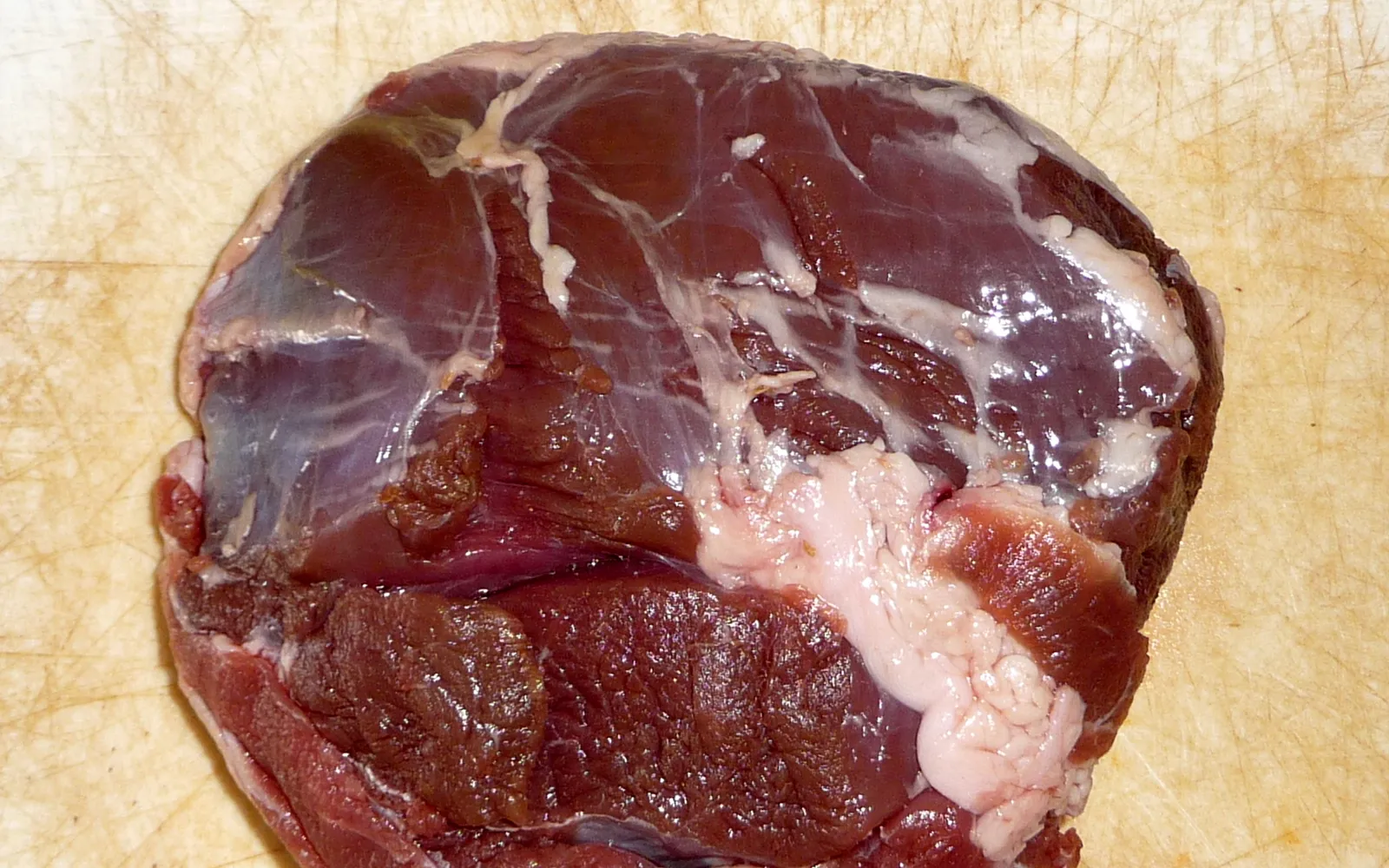
New Zealand has 5 times more sheep than people, and the lamb here may be the finest in the world. The animals graze naturally on green pasture year-round, with no antibiotics or hormones, which gives the meat a gentle sweetness and none of the gaminess common elsewhere. The best preparation is a slow roast until the meat falls from the bone, served with mint sauce and roasted root vegetables. If this is your first time eating lamb here and you enjoy it, you may find it hard to go back to lamb anywhere else.
- Order medium-rare — a light pink colour — for the best flavour. Well-done dries out the meat and kills its natural sweetness.
- Restaurants specifying Canterbury or Central Otago lamb tend to use higher-quality product; both are well-regarded producing regions.
- Mint sauce is the traditional accompaniment, but the better restaurants make a bone jus from the lamb carcass that is noticeably superior.
 #3
#3 New Zealand Greenshell Mussels
Greenshell mussels are a New Zealand-endemic species found nowhere else in the world. The shell is dark with an emerald-green rim; the flesh inside is orange-yellow and 2–3 times larger than a European mussel, with a gentle sweetness and firm texture. They are farmed in the clean waters of Marlborough Sounds at the top of the South Island, and typically prepared with white wine, garlic, and cream — or steamed plain to preserve their natural sweetness. This is the seafood you have to eat in New Zealand.
- Order them steamed with garlic butter, or as Thai green curry mussels — a preparation popular with Asian visitors at Queenstown restaurants.
- A half-kilo serves two as a starter (around NZD 18–25); a full kilo is a substantial meal for one.
- Fresh mussels: check the shells — if they are open before cooking and do not close when tapped, do not eat them. A healthy mussel closes when touched and opens when cooked.
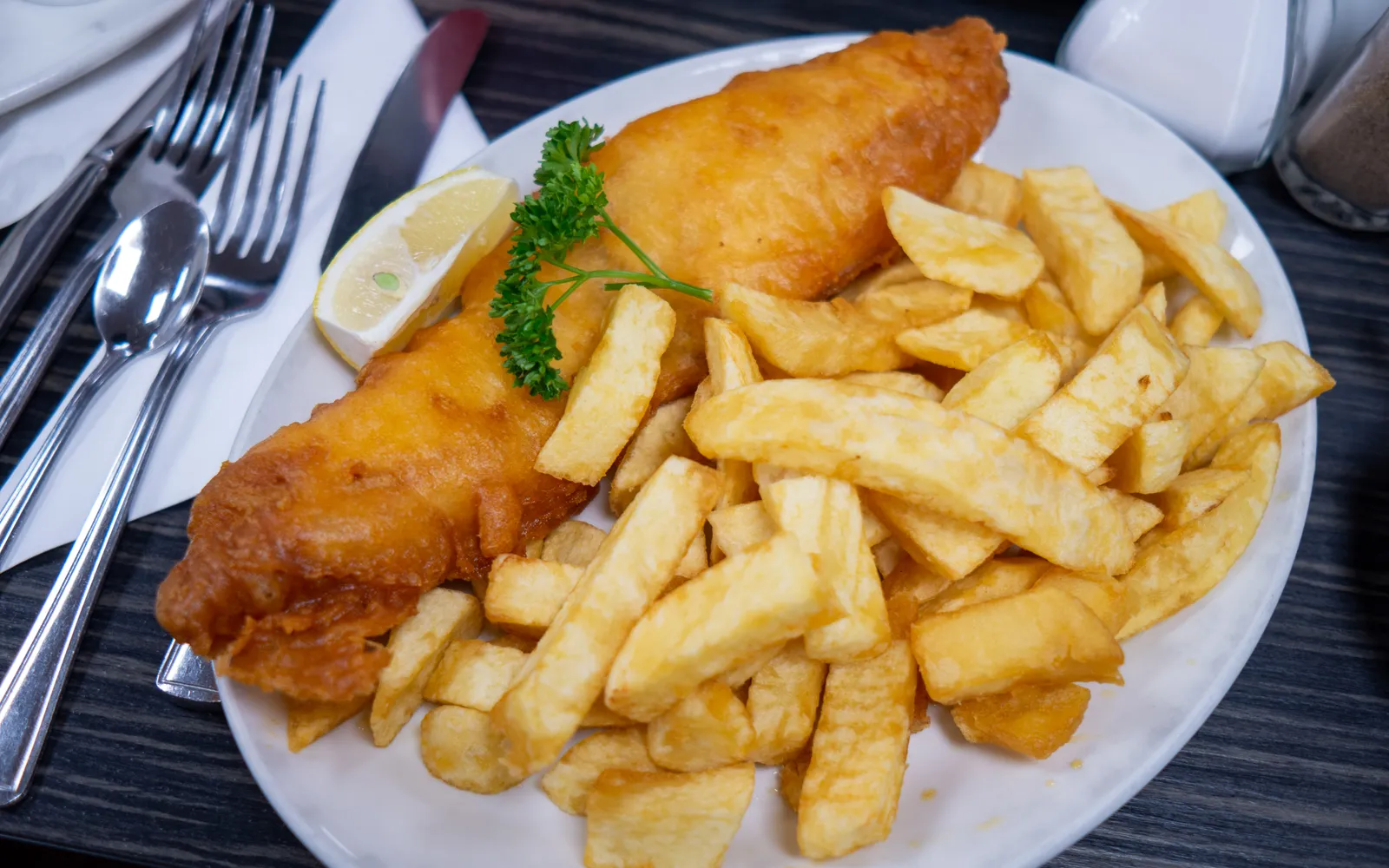 #4
#4 Fish and Chips
A meal at the heart of New Zealand culture. The fish is beer-battered and golden-fried; the chips are thick-cut and chunkier than the British version. The traditional way to eat it is unwrapped from the paper sitting on the lakeshore. The fish is usually Blue Cod or Tarakihi from New Zealand waters — batter crisp on the outside, flesh moist and flaky within. It is the most affordable meal in Queenstown and the right choice when you want something fast and satisfying without spending much.
- Order Blue Cod if it is available — the flesh is sweeter, firmer, and more tender than other varieties. It is a New Zealand-endemic species that costs a little more but is worth it.
- Eating beside Queenstown Bay is the genuinely local experience. A fish-and-chips meal runs around NZD 10–15 per person.
- Always ask for a lemon wedge and aioli. Good local shops make their aioli from scratch rather than pouring it from a bottle.
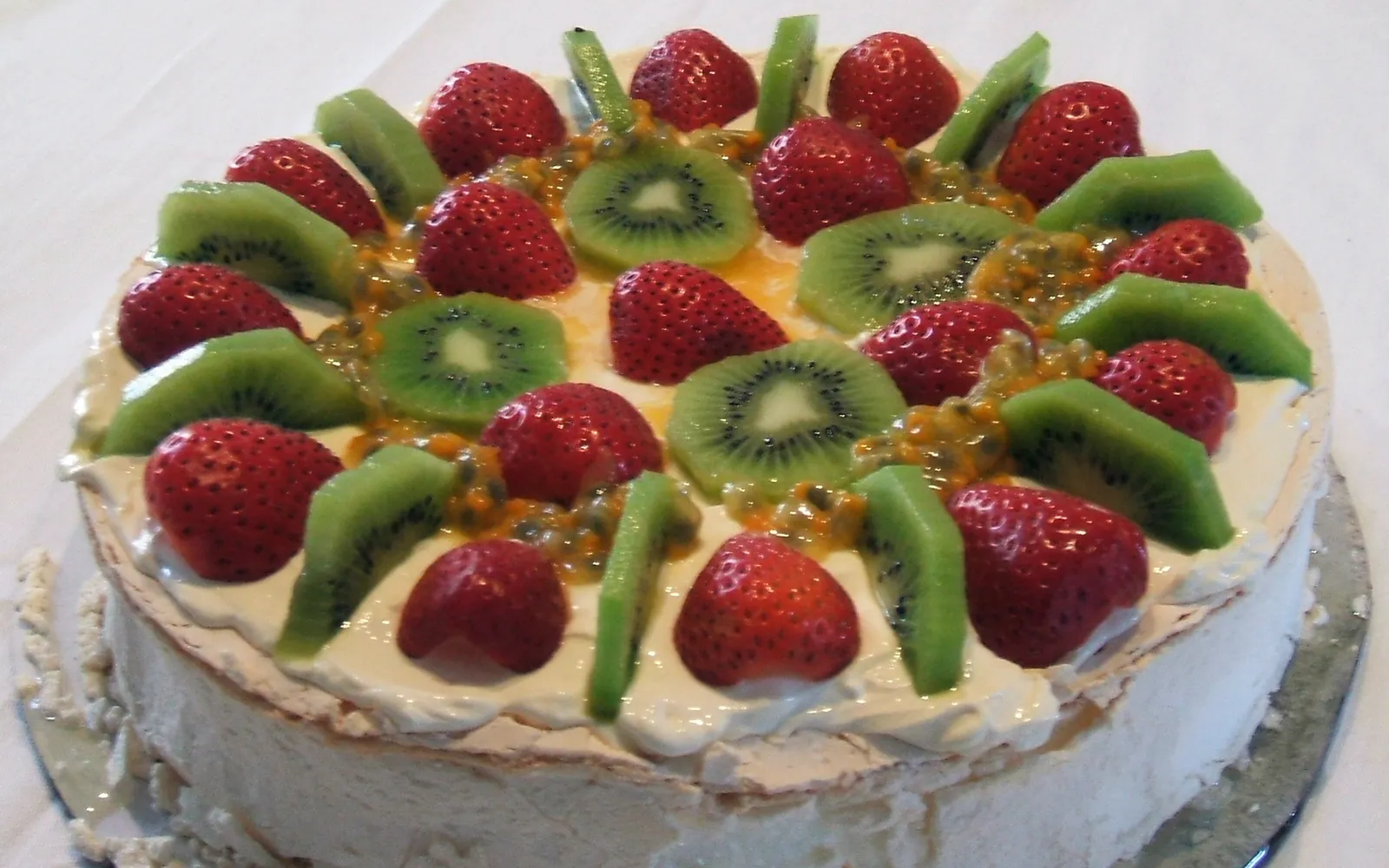 #5
#5 Pavlova
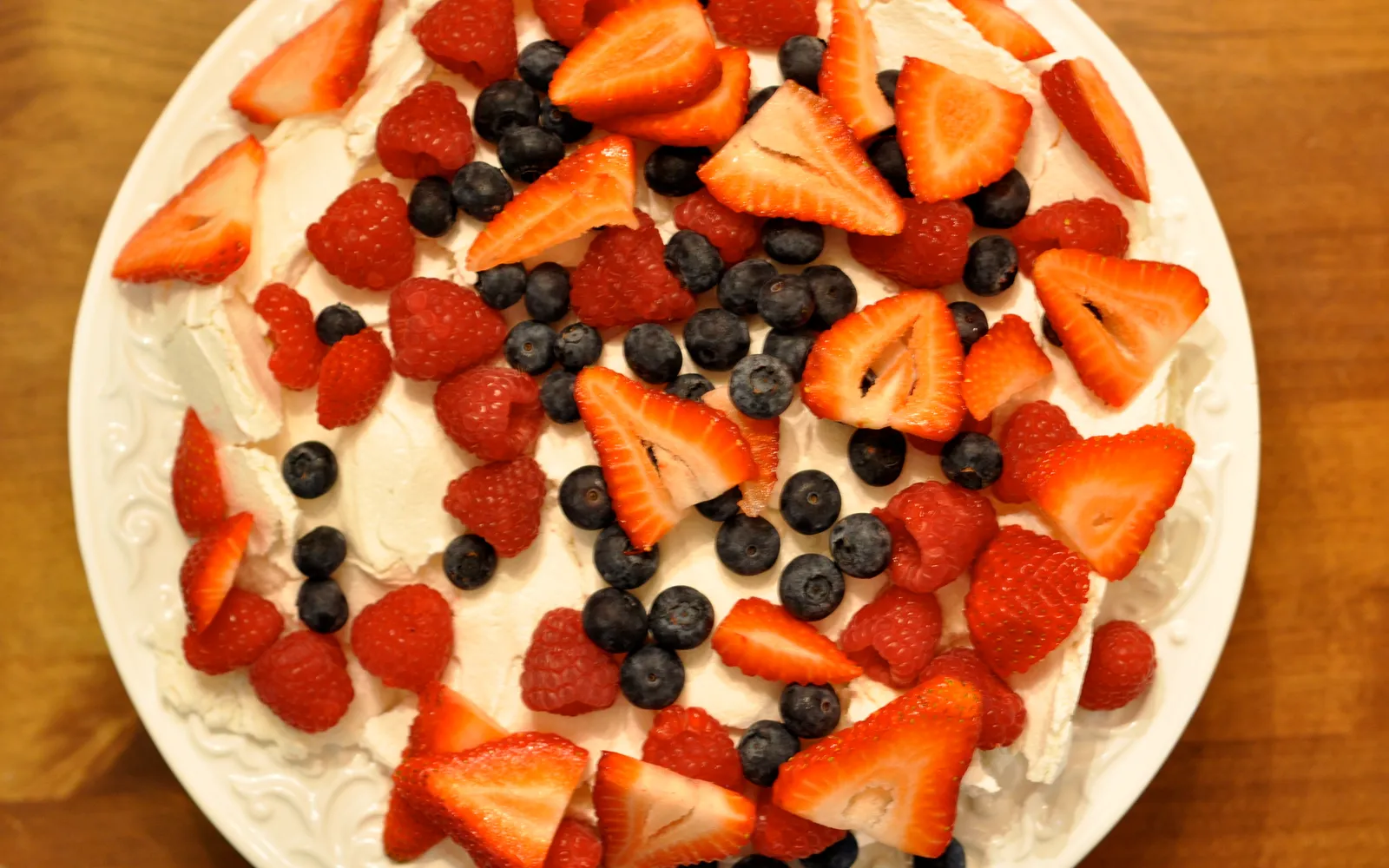
The dessert that New Zealand and Australia still argue over — both claim to have invented it, and both make it equally well. Pavlova is a meringue baked crisp on the outside and soft and marshmallow-like within, topped with thick whipped cream and local fruit. New Zealand pavlova typically comes with kiwifruit, passionfruit, and strawberries. The flavour is a sweet-creamy base cut by the tartness of the fruit — an elegant balance. It is made from nothing more than egg whites and sugar.
- If you see pavlova in a bakery window in the morning, buy it then — it sells out quickly, and pavlova is best on the day it is made.
- Cafés that make it in-house are consistently better than those buying it in. Look for a sign saying 'homemade pavlova'.
- Pair it with a flat white — New Zealand's signature coffee — for the afternoon combination locals favour.
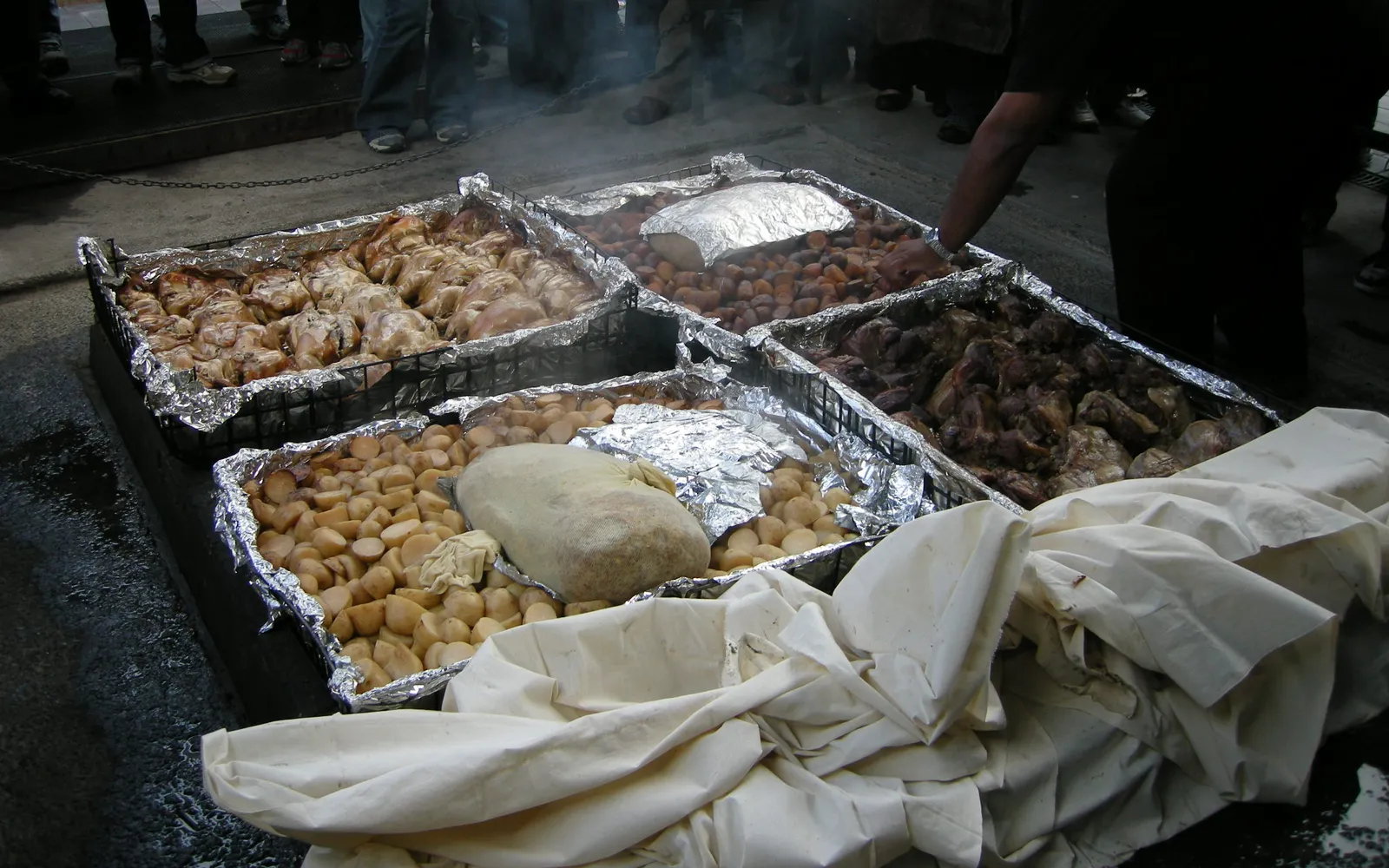 #6
#6 Hangi
The traditional cooking method of the Māori, New Zealand's indigenous people. A pit is dug in the earth, heated stones from a fire are placed inside, and meat and vegetables are wrapped in leaves before being buried and steamed for several hours. The result is food with a subtle earthen smokiness, meat that falls from the bone, and vegetables that are sweet and moist throughout. Hāngī in Queenstown is typically served alongside a Māori cultural performance — an opportunity to understand New Zealand's history before the colonial era. Prices are on the higher side because they include the show.
- A Māori cultural show with a hāngī meal in Queenstown runs NZD 80–120 per person. Book in advance. The show here is shorter than those in Rotorua, but the food is good.
- If you'd rather skip the show, some Māori restaurants sell hāngī as takeaway boxes for around NZD 25–35.
- Ask your server what the ingredients are — Māori people are proud of their food and are happy to share the history behind hāngī.
Where to stay in Queenstown for this trip
A well-located hotel means less commuting and more sightseeing. Here are real, top-rated stays in Queenstown — compare Agoda · Booking · Trip.com in one click.
Hotel St Moritz Queenstown – MGallery
Affiliate links — we may earn a commission at no extra cost to you. Details
Sofitel Queenstown Hotel & Spa
Affiliate links — we may earn a commission at no extra cost to you. Details
Novotel Queenstown Lakeside
Affiliate links — we may earn a commission at no extra cost to you. Details
Crowne Plaza Queenstown by IHG
Affiliate links — we may earn a commission at no extra cost to you. Details
Tours, tickets & activities in Queenstown
Day tours, attraction tickets and travel essentials for Queenstown — book ahead on Klook with mobile e-tickets.
Affiliate links — we may earn a commission at no extra cost to you.
Before You Pack
Food prices in Queenstown run higher than in most New Zealand cities — it is a resort town, and the lakefront location commands a premium. Budget around NZD 20–35 for a typical lunch and NZD 50–80 per person for a good dinner. Restaurants on the waterfront charge more for the view, but the food quality is the same as the side-street options. Walk Shotover Street first to get a feel for the range before committing.