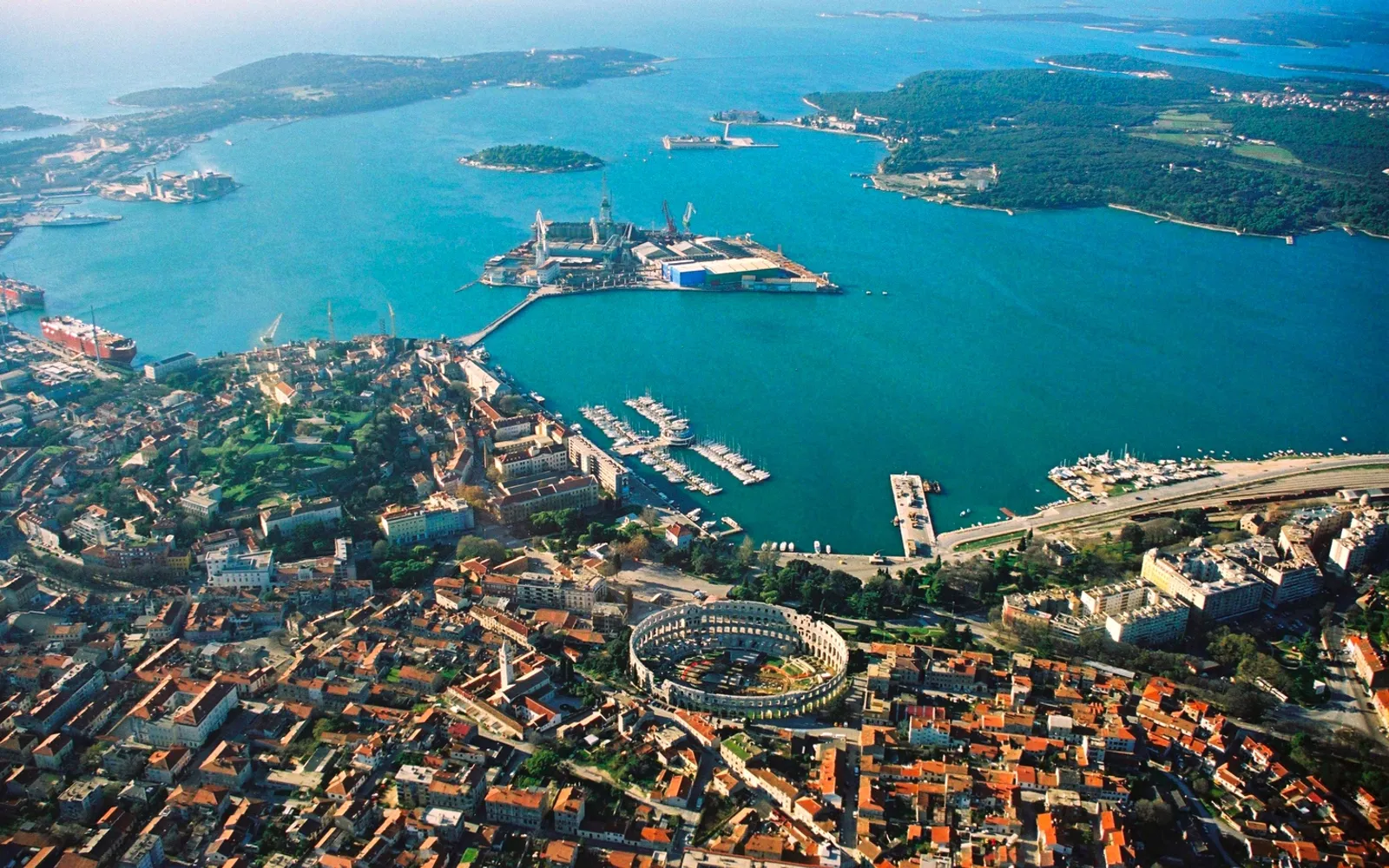
Pula is a place where ancient Rome and Croatian coastal life overlap in ways that genuinely surprise you. An amphitheatre still used for live summer concerts stands beside harbourfront cafes serving the first glass of Malvazija wine of the day. This is not a place where you photograph ruins and leave — Pula lets you sit inside a real Roman arena, walk through a 2,000-year-old arch along a street full of working restaurants, and take a boat to islands that remain beautifully untouched.
 #1
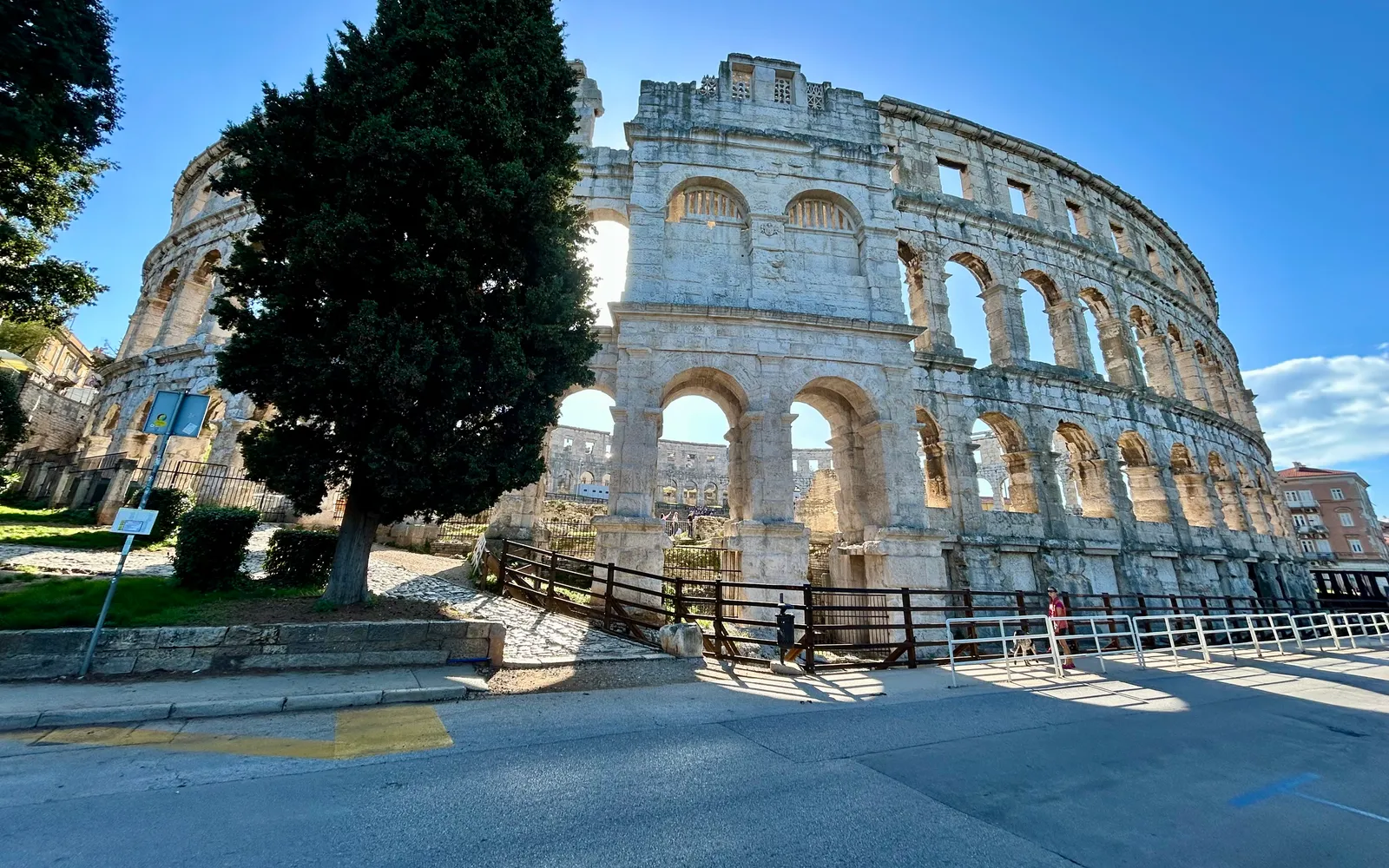
#1 Pula Arena
One of the best-preserved Roman amphitheatres in the world, built in the 1st century BC with a capacity of 20,000 people. Unlike the Colosseum in Rome, all four outer walls are still standing. Today it hosts concerts, a film festival, and opera every summer. Head underground to see an exhibition on gladiatorial combat and Roman-era wild animal hunts. The admission price is very reasonable for what you get.
- Visit between 17:00 and 19:00 — the golden light on the ancient stone is at its best, and the crowds thin out considerably.
- Check the event schedule at pulska-arena.hr before you arrive; summer concert tickets bought in town can be cheaper than at the gate.
- Daytime admission is around 16 euros and includes the underground museum — do not skip it, as it tells the Roman story exceptionally well.
 #2
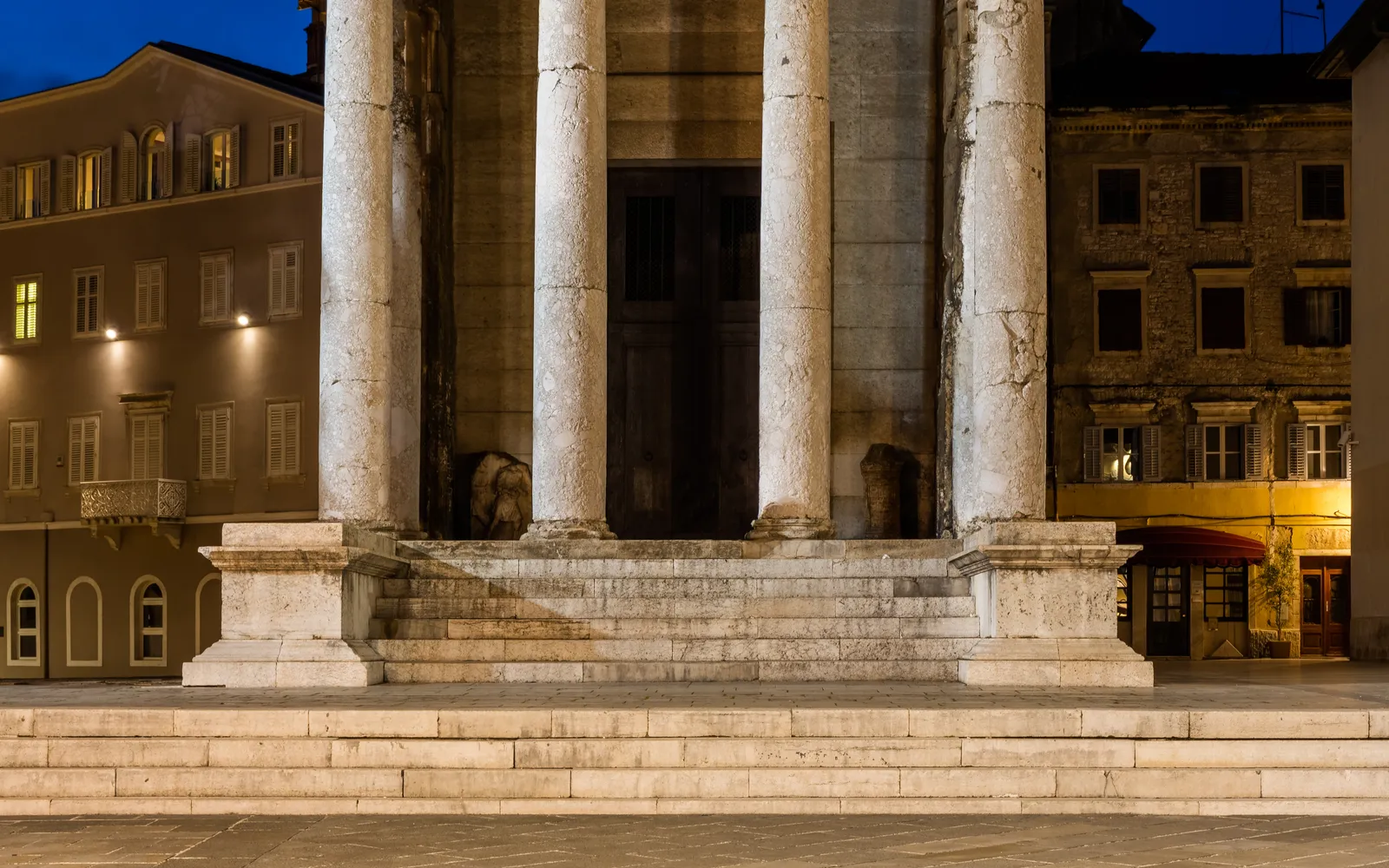
#2 Temple of Augustus, Pula
The most complete Roman temple on the Istrian peninsula, built between 27 BC and AD 14 and dedicated to Emperor Augustus. Two thousand years later, the pediment and Corinthian columns are still intact. It stands at the centre of Forum Square, which remains the living heart of Pula — cafes all around, with visitors sitting over coffee next to a 2,000-year-old building. The interior is now a museum of Roman sculpture.
- Sit with a coffee in the Forum in the late afternoon to watch the people of Pula and see the temple in the last light of the day — a simple experience that stays with you.
- Admission inside the temple is around 3 euros; you need only 20 minutes, but it is well worth it.
- Part of the temple was rebuilt in the 15th century after being damaged — look closely at the stonework and you can spot where the different periods meet.
 #3
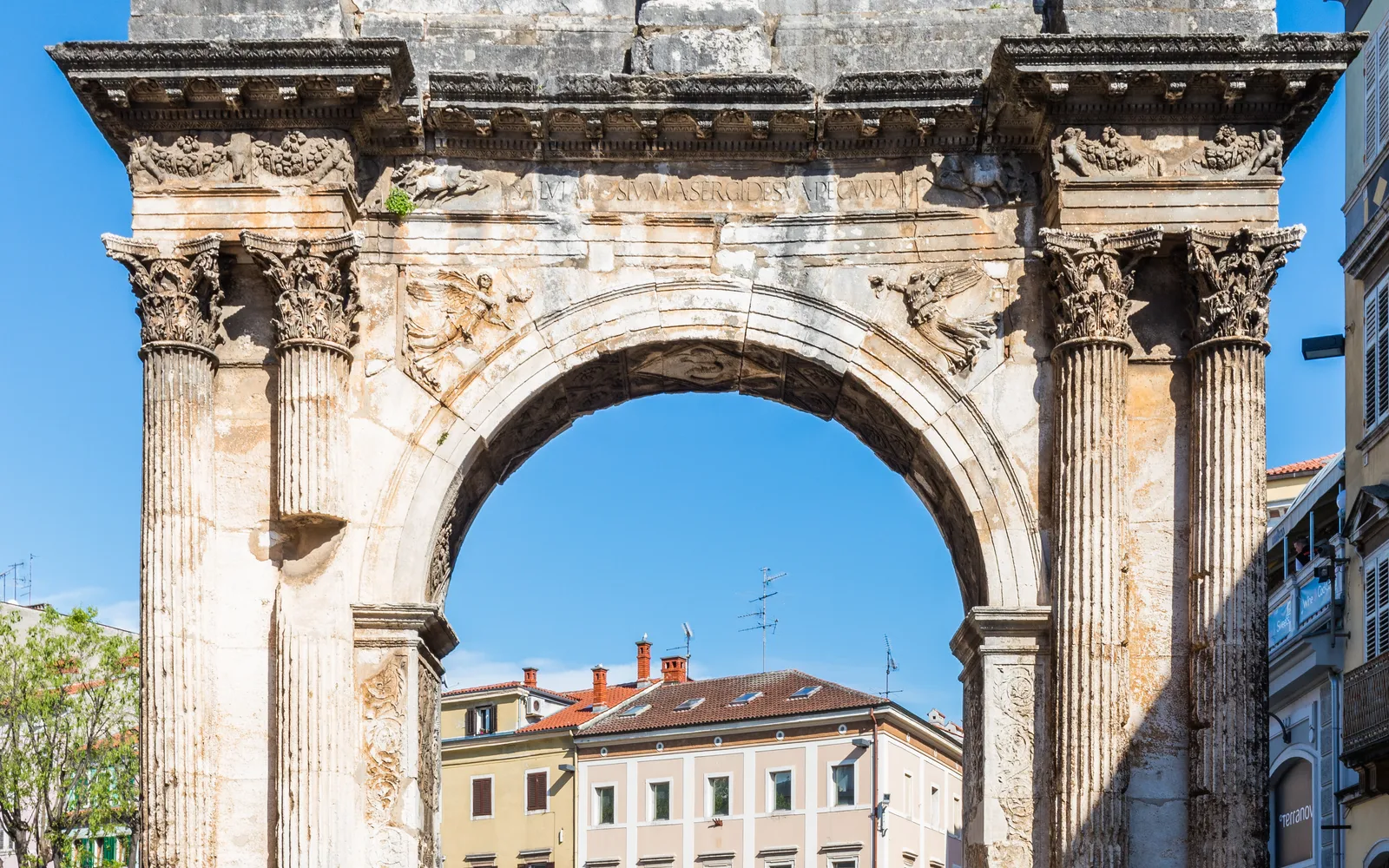
#3 Arch of the Sergii
A Roman triumphal arch built around 29–27 BC by the Sergii family, who held significant influence in ancient Pula. What makes this place genuinely unusual is that the arch still serves as the entrance to the main shopping street of the old town every single day. People walk under the Roman arch to go shopping, eat, or meet friends. The arch itself is decorated with carved wreaths and chariot reliefs, and it is on UNESCO's Tentative List as part of the Roman heritage.
- Step back about ten metres to photograph the arch together with the daily life of the street — the shot works far better than a straight-on close-up.
- After 20:00, the arch is lit in warm gold; the atmosphere is particularly good in the evening.
- Cafes directly around the arch charge more than places a little further into the old town — walk a block or two for better prices.
 #4
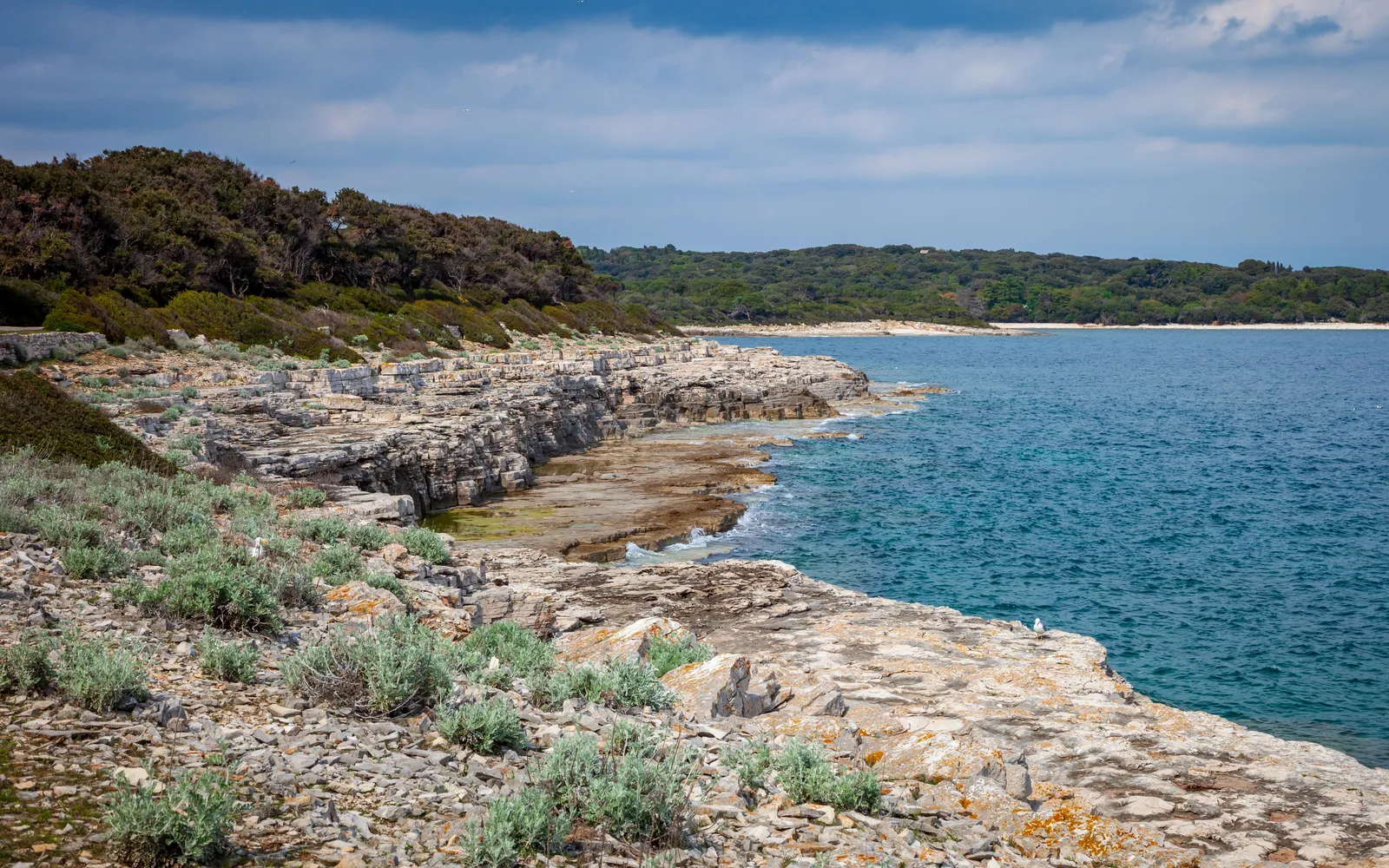
#4 Brijuni
An archipelago of 14 islands that served as the private resort of Yugoslav President Josip Broz Tito. It is now a national park with forests and beaches kept in excellent condition. Dinosaur fossils and prehistoric tracks are preserved in the coastal rock. Animals Tito once kept as part of his collection — including zebras, deer, and rare birds — still live on the islands. Access is by ferry, and a guided tour inside the park is recommended.
- Book the ferry and island tour in advance at np-brijuni.hr, particularly in July and August when boats fill up quickly.
- The mini-train tour through the wildlife zone takes around 2–3 hours and is ideal if you are travelling with children.
- Veli Brijuni is the main island open to visitors; most of the other islands remain protected conservation areas.
 #5
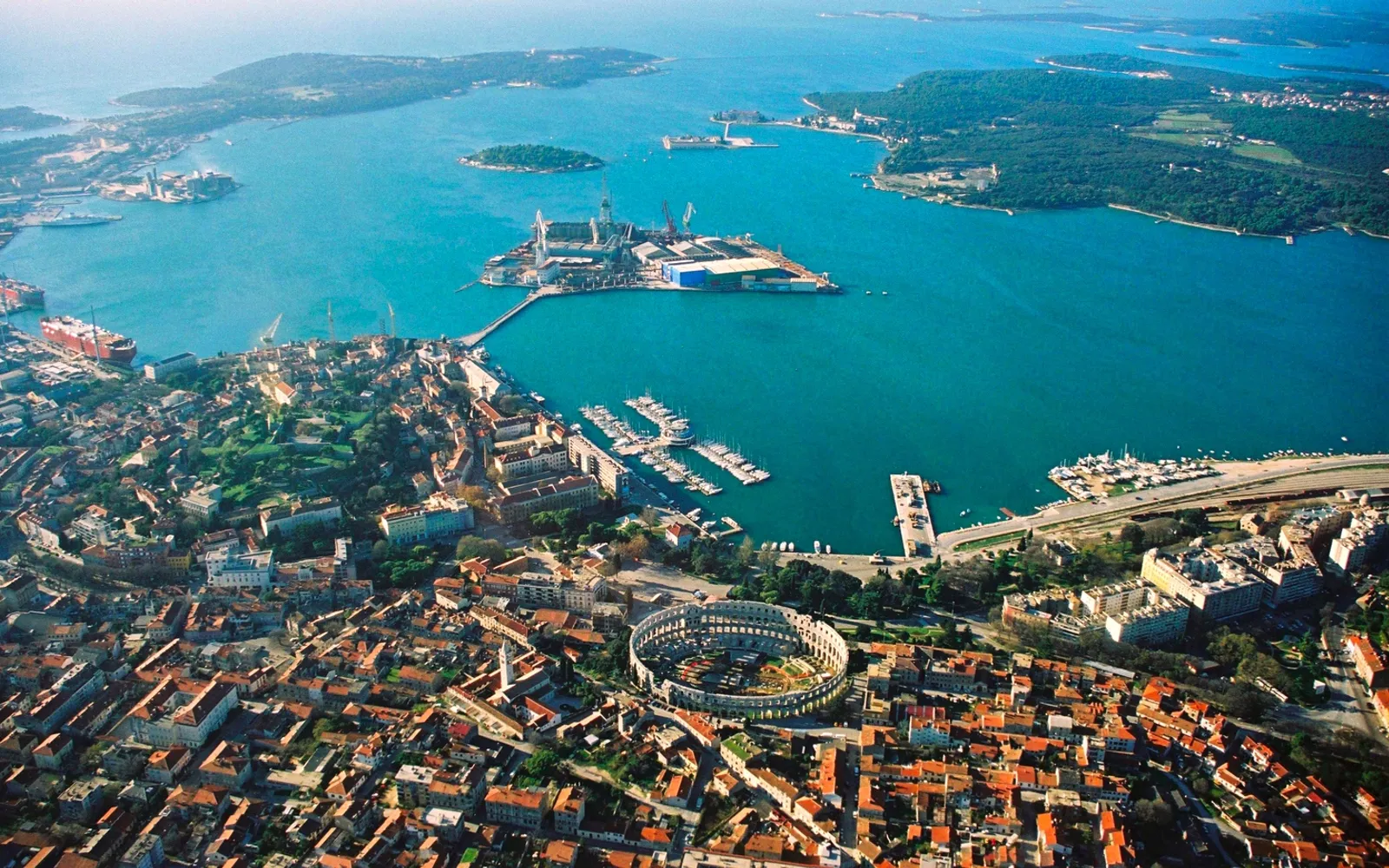
#5 Pula
The southern headland of the city, where an old lighthouse sits alongside natural beaches interspersed with the limestone rock formations typical of the real Istrian coast. The water in this bay is exceptionally clear and well suited for snorkelling among fish and oysters. Local residents come here early in the morning to exercise and sit by the sea. The area is far removed from the crowds of the old town but only 20–30 minutes from the city centre.
- Rent a bicycle in town and ride the coastal path south — the route and the views are far better than a taxi.
- There is no access inside the lighthouse, but the headland itself is freely walkable and the sea views are wide open.
- Watch out for sharp limestone at the water's edge — shoes with a firm sole are better than sandals for these rocky beaches.
 #6
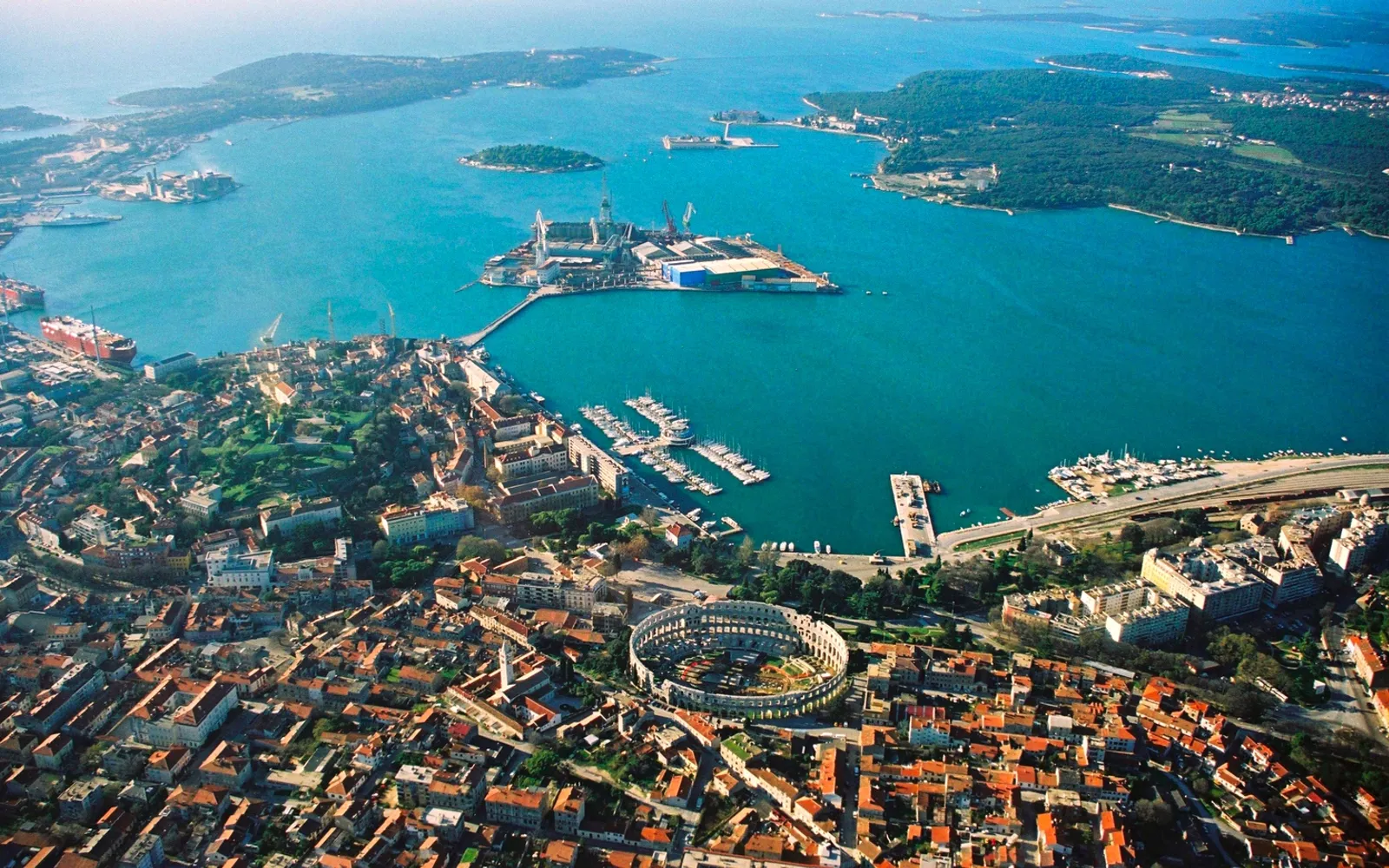
#6 Pula
A five-pointed star fortress built by the Venetian Republic in the 17th century on the hill at the centre of the old town. The standout feature is a 360-degree panoramic view that takes in the Roman arena, the harbour, and the islands of the Adriatic. Inside is the Istrian History Museum, covering the region from prehistory through the World Wars, with a collection of ancient boats and weapons worth seeing. The site stays relatively quiet because most visitors stop at the base of the hill.
- Climb up early in the morning or in the evening to avoid the midday heat; the path is steep but takes only about 10 minutes.
- Museum admission is around 10 euros; viewing the fortress walls from outside is free.
- This is the best sunset-watching spot in Pula — arrive 30 minutes early to find a good position.
Where to stay in Pula for this trip
A well-located hotel means less commuting and more sightseeing. Here are real, top-rated stays in Pula — compare Agoda · Booking · Trip.com in one click.
Boutique Hotel Valsabbion
Affiliate links — we may earn a commission at no extra cost to you. Details
Hotel Amfiteatar
Affiliate links — we may earn a commission at no extra cost to you. Details
Monumenti Heritage Hotel & Resort
Affiliate links — we may earn a commission at no extra cost to you. Details
NOHGA HOTEL UENO TOKYO
Affiliate links — we may earn a commission at no extra cost to you. Details
Tours, tickets & activities in Pula
Day tours, attraction tickets and travel essentials for Pula — book ahead on Klook with mobile e-tickets.
Affiliate links — we may earn a commission at no extra cost to you.
Before You Pack
Pula is at its best in May–June and September, when the weather is warm but the city is far less crowded than in July–August. Plan 2–3 days to cover the monuments in the old town, a day trip to the Brijuni Islands, and snorkelling at Roman shipwreck sites beneath the Adriatic.