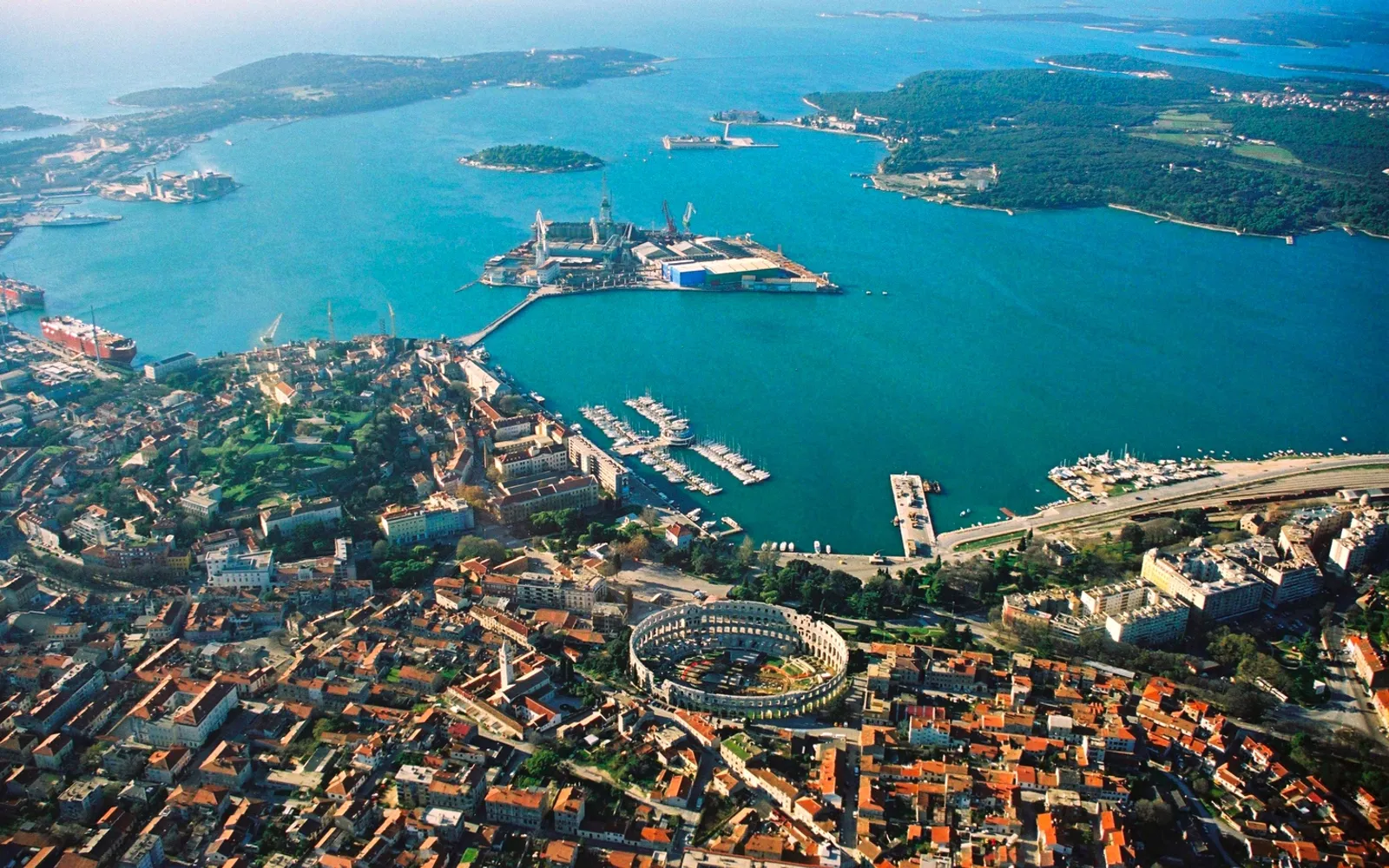
Pula and the Istrian peninsula have been an open secret among European chefs for years, yet most travelers from outside the region still haven't caught on. Istrian black truffles cost a fraction of their French counterparts — but the quality holds up. The pasta here is still hand-rolled by grandmothers every morning, the olive oil is cold-pressed from hillside groves, and the seafood is pulled from the bay a short walk outside the old city walls. One meal in Pula will tell you exactly why this region has earned Michelin recognition year after year.
 #1
#1 Fuži with Black Truffle
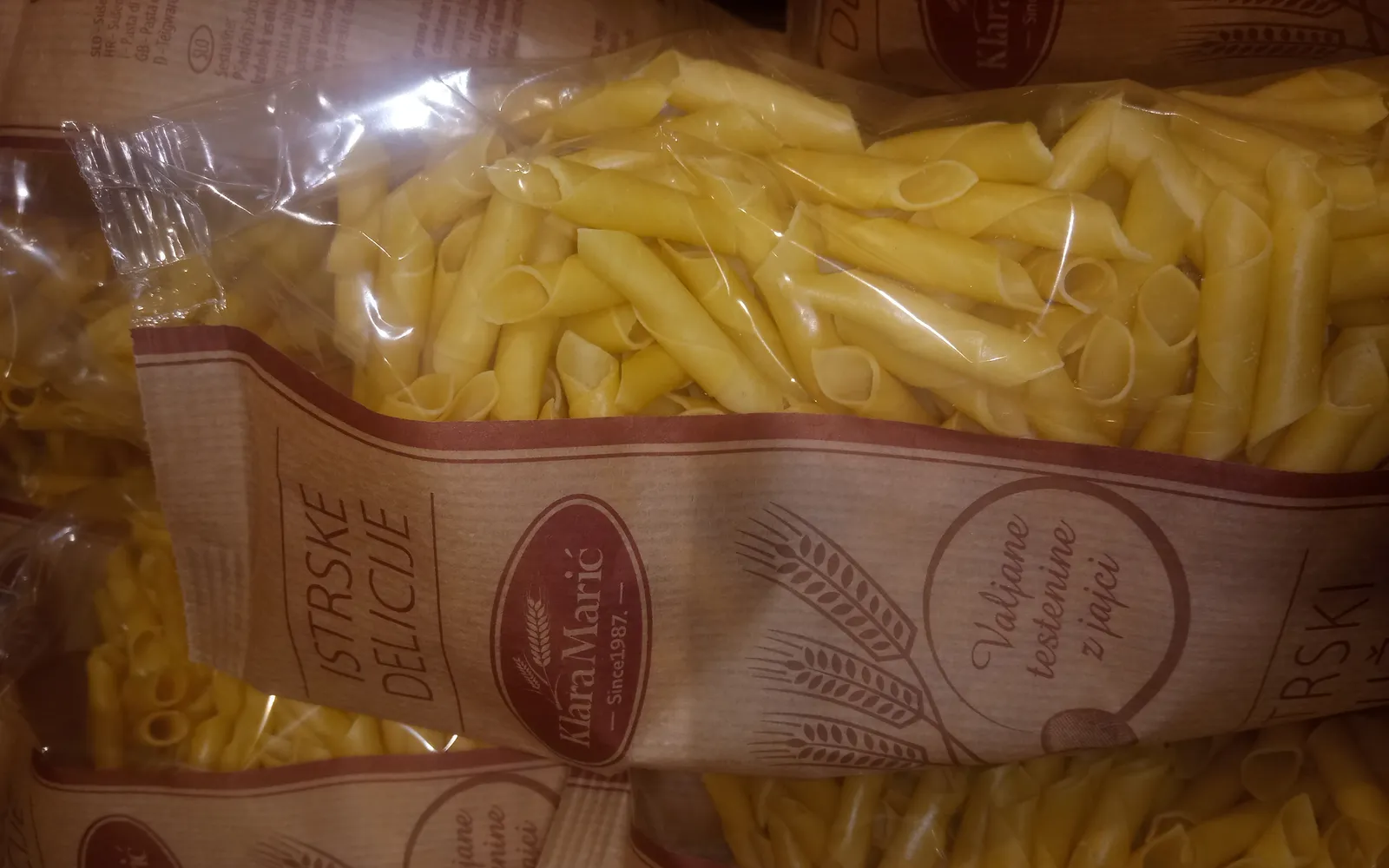
Fuži is Istria's traditional handmade pasta: the dough is kneaded by hand, rolled thin, cut into squares, then twisted at both ends into a short tube. The pasta is paired with Istrian black truffles foraged in the peninsula's own oak forests from autumn onward. The flavour is earthy and distinctively aromatic — nothing quite like it elsewhere. Plates run €15–25 in Pula, at least three times cheaper than equivalent restaurants in Italy or France. Worth at least one dedicated meal.
- Ask for the truffle to be shaved fresh at the table, not drizzled from a truffle-oil bottle — the difference in flavour is night and day.
- Black truffle season runs October through January; during this window you get the freshest product. Outside the season, some restaurants use frozen truffle.
- If you want to take some home, markets in Pula sell truffle preserved in olive oil in small jars at reasonable prices.
 #2
#2 Black risotto
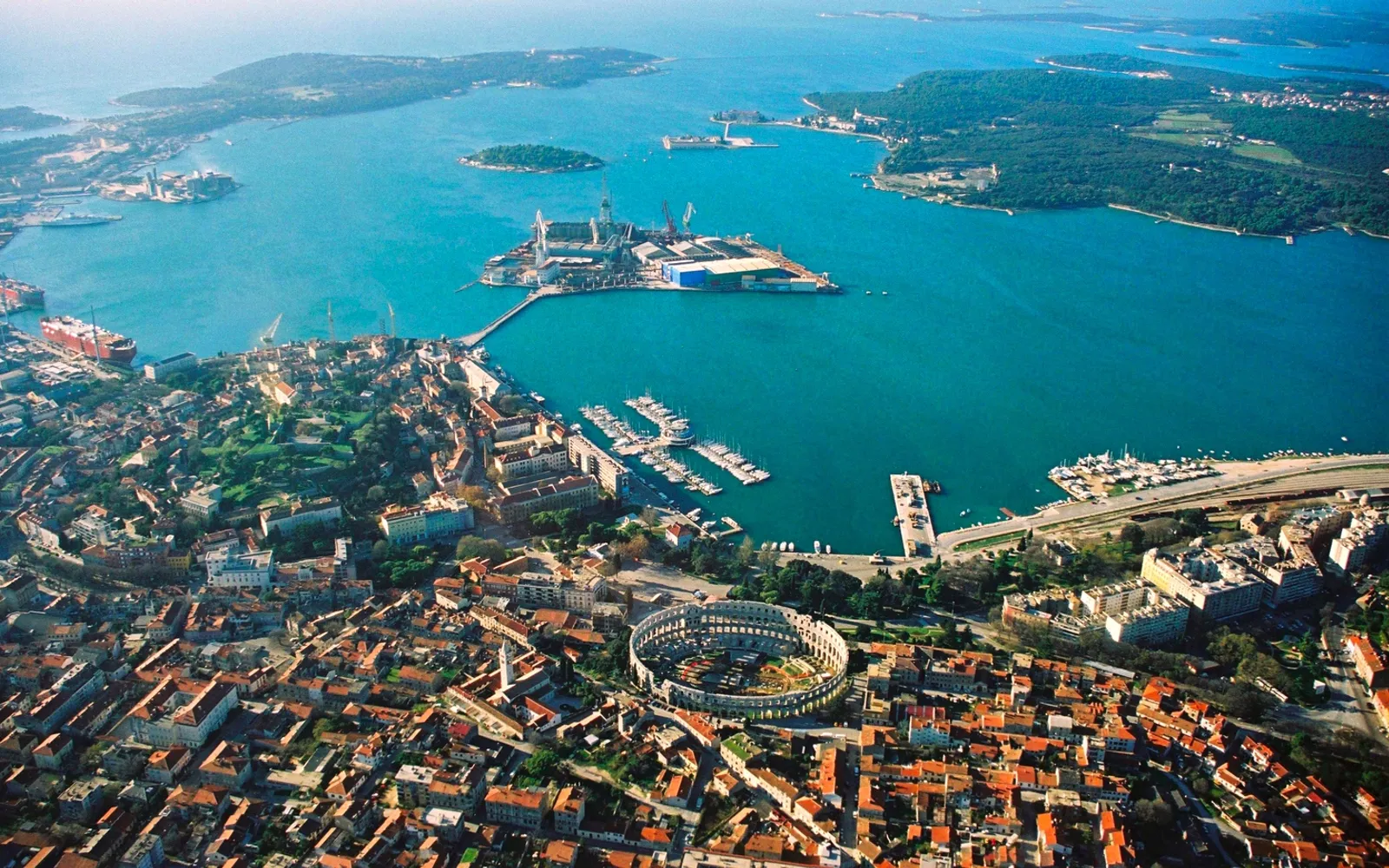
The signature seafood dish of the Dalmatian and Istrian coasts uses whole cuttlefish and fresh squid ink cooked into arborio rice. The grains absorb the ink completely, turning black with a deep sea aroma — savoury and smooth without any fishiness. Pula's advantage is that squid from the bay can reach the kitchen within an hour, making the risotto here noticeably different from versions you'll find elsewhere. It's typically finished with a drizzle of Istrian olive oil.
- Go for a restaurant close to the harbour rather than deep in the city centre — higher chance of genuinely fresh squid.
- Good black risotto should be al dente, not mushy. Overcooked, sodden rice is a sign it was made ahead of service.
- Order it alongside a chilled Malvazija Istarska — the wine's acidity cuts through the richness of the ink beautifully.
 #3
#3 Maneštra
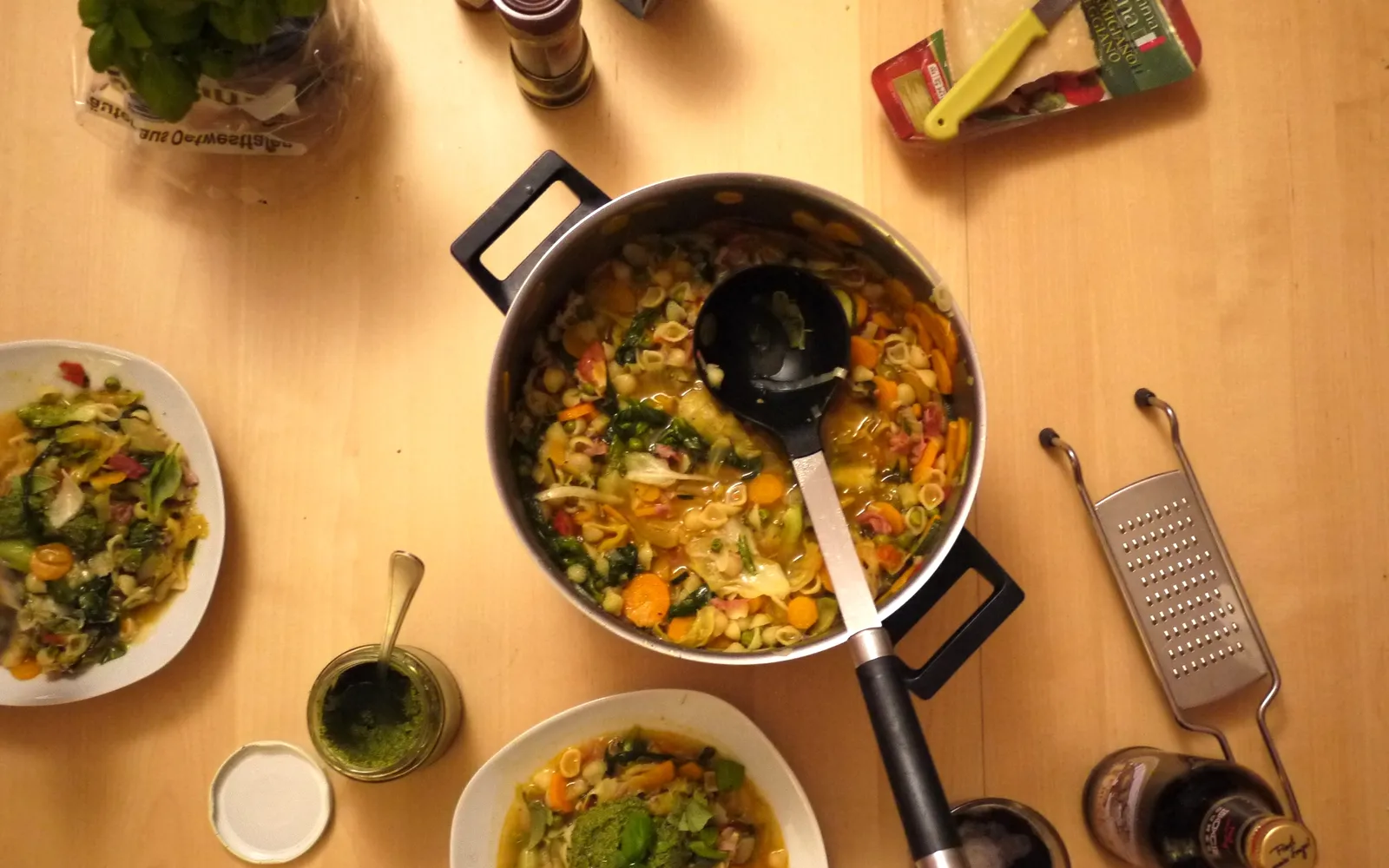
Maneštra is the everyday dish at the heart of Istrian home cooking for centuries. It's made from white or borlotti beans slow-cooked with seasonal vegetables, corn, parsley, and often cured pork or goulash meat for depth. The broth thickens naturally as the beans break down over a long simmer — the result is simple and warming in the best way. Locals eat it when the weather turns cool, and it typically appears as the first course in rural restaurants. Inexpensive and as close to authentic Istrian home food as you'll get.
- Look for a konoba (Croatian family tavern) with a handwritten menu or a chalkboard — those tend to serve the real thing at lower prices than tourist-facing spots.
- Maneštra is usually served as a primo piatto (first course) before pasta or meat. Order it to open the meal.
- Some restaurants offer a vegetarian version, but for the traditional flavour, order it with pork.
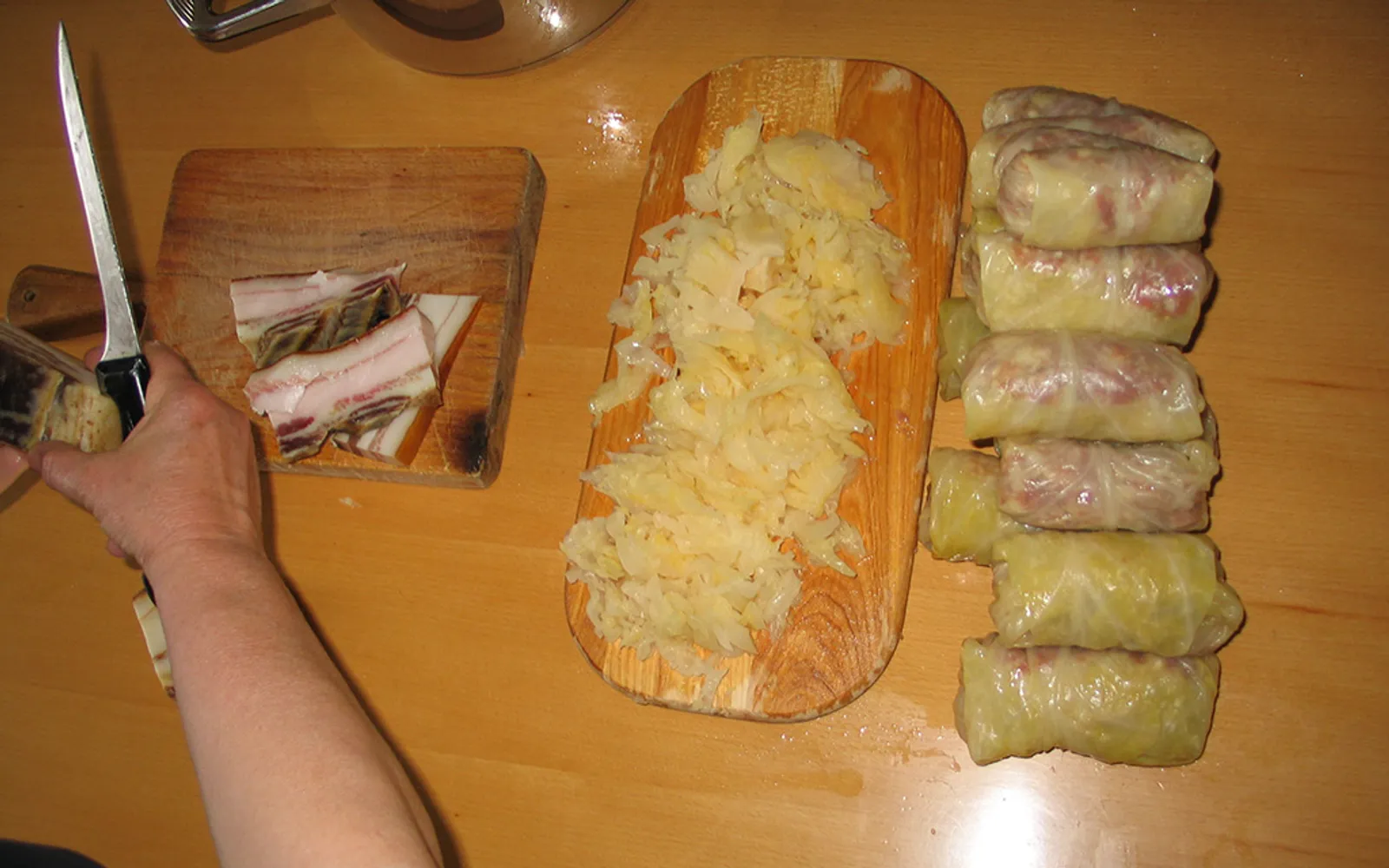 #4
#4 Croatian cuisine
A traditional Istrian coastal dish using whole fresh fish — sea bass, sea bream, or grouper — braised or grilled with olive oil, garlic, potatoes, and leafy greens. Gregada is a preparation method that keeps things uncomplicated and lets the ingredient quality do the talking. The flavour is clean and oceanic, with no heavy spicing to get in the way. A good choice for anyone who prefers lighter seafood without a lot of fat. Priced by the weight of fish you choose.
- Pick the fish yourself from the chilled display or the seawater tank — ask where it's from, because the better restaurants will tell you.
- Fish is priced per kilogram. Istrian grouper and sea bass run €60–80/kg, but two people typically share a 600–800 g fish.
- Ask for extra Istrian olive oil on the side — it's the detail that makes the dish taste properly local.
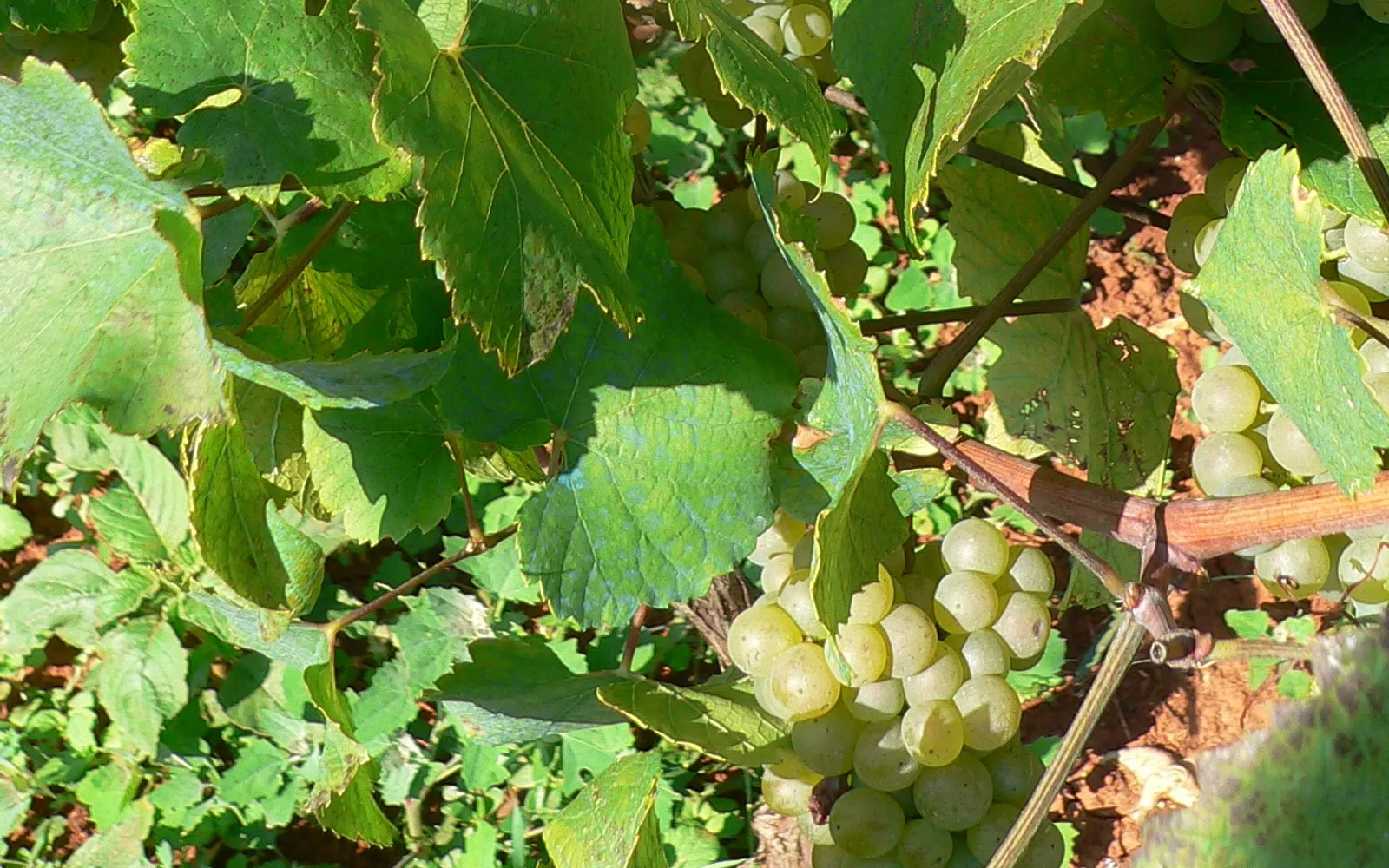 #5
#5 Istrian cuisine
The indigenous white wine of the Istrian peninsula has moved onto the international stage over the past decade. It carries light floral aromas, bright acidity, and a gentle bitterness the Italians call <em>amaro</em>. It pairs well with seafood, Istrian goat cheese, and truffle pasta. Bottles run €10–20 at local markets — considerably less than imported prices elsewhere. Easy to carry home if you pack it with proper protection.
- Look for the label that says Malvazija Istarska specifically — plain Malvazija is a different grape variety altogether.
- Most enoteca in Pula's old city let you taste before buying. Ask whether they carry wine from local Istrian estates.
- For a winery visit, the hills around Motovun — about an hour from Pula — have several estates open for tours.
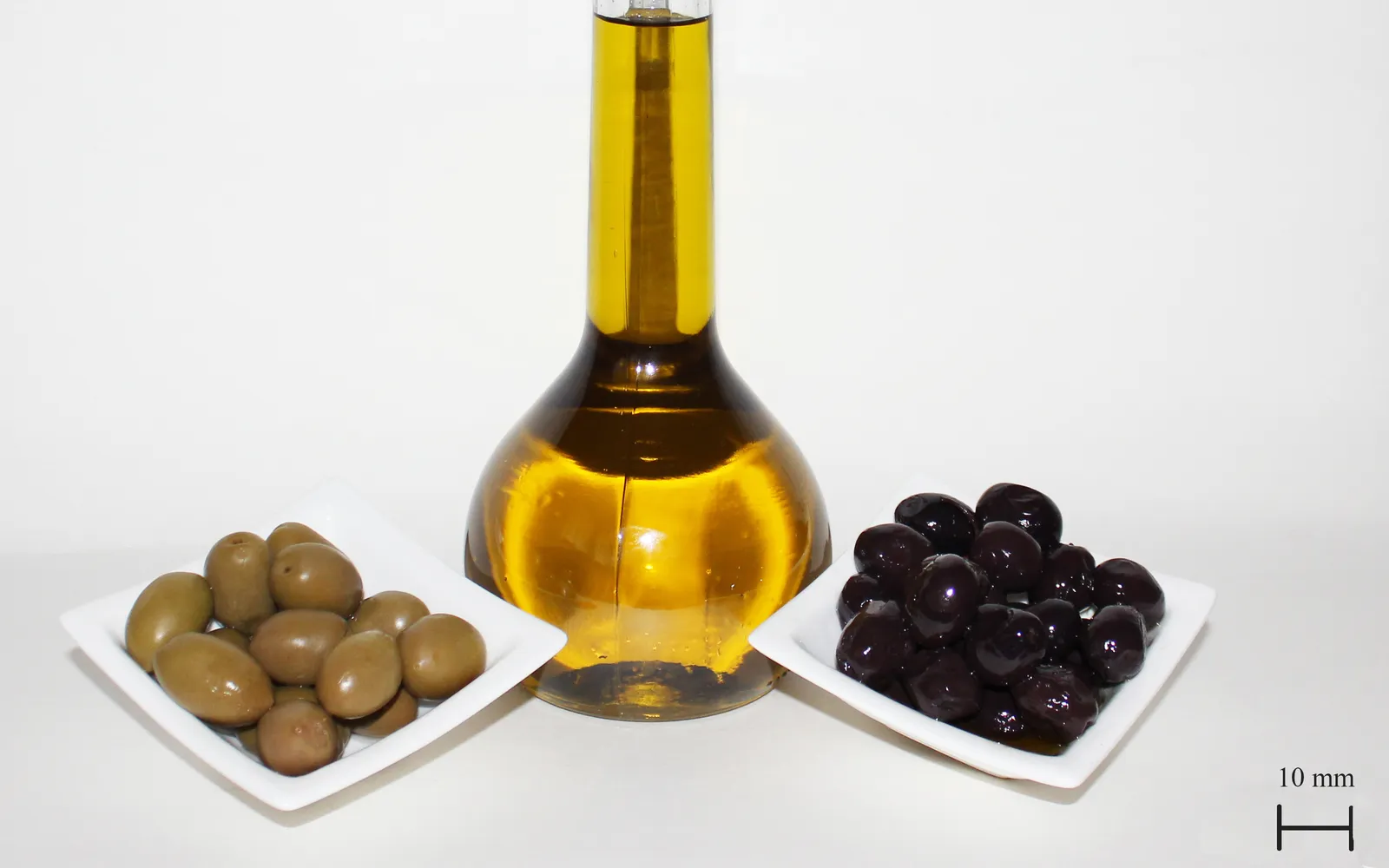 #6
#6 Istrian cuisine
Two ingredients that have anchored Istrian cooking for centuries. Istrian goat cheese ranges from fresh and mild to aged and sharp — each farm produces something slightly different depending on what the goats graze on. Istrian olive oil, cold-pressed from the Buža and Istarska Bjelica varieties, has won international awards and has a distinctive peppery bite. Together on a slice of rustic stone-ground bread, they make the best breakfast or snack in Istria.
- Pula Green Market opens every morning — walk slowly, sample before you buy, and don't worry if your language skills are limited: most stall holders speak some Italian and a little English.
- Small 250 ml bottles of Istrian olive oil cost €8–15 and are carry-on safe if you buy them in town before reaching the airport.
- Vacuum-packed aged Istrian cheese keeps for several weeks — a better souvenir than buying at the airport, where prices are roughly double.
Where to stay in Pula for this trip
A well-located hotel means less commuting and more sightseeing. Here are real, top-rated stays in Pula — compare Agoda · Booking · Trip.com in one click.
Boutique Hotel Valsabbion
Affiliate links — we may earn a commission at no extra cost to you. Details
Hotel Amfiteatar
Affiliate links — we may earn a commission at no extra cost to you. Details
Monumenti Heritage Hotel & Resort
Affiliate links — we may earn a commission at no extra cost to you. Details
NOHGA HOTEL UENO TOKYO
Affiliate links — we may earn a commission at no extra cost to you. Details
Tours, tickets & activities in Pula
Day tours, attraction tickets and travel essentials for Pula — book ahead on Klook with mobile e-tickets.
Affiliate links — we may earn a commission at no extra cost to you.
Before You Pack
The best restaurants in Pula and Istria are often in small villages outside the city that require a short drive. If you can spare one extra meal, rent a car or hire a taxi and head to Rovinj or Motovun — a full Istrian food experience away from the city centre is well worth the effort.