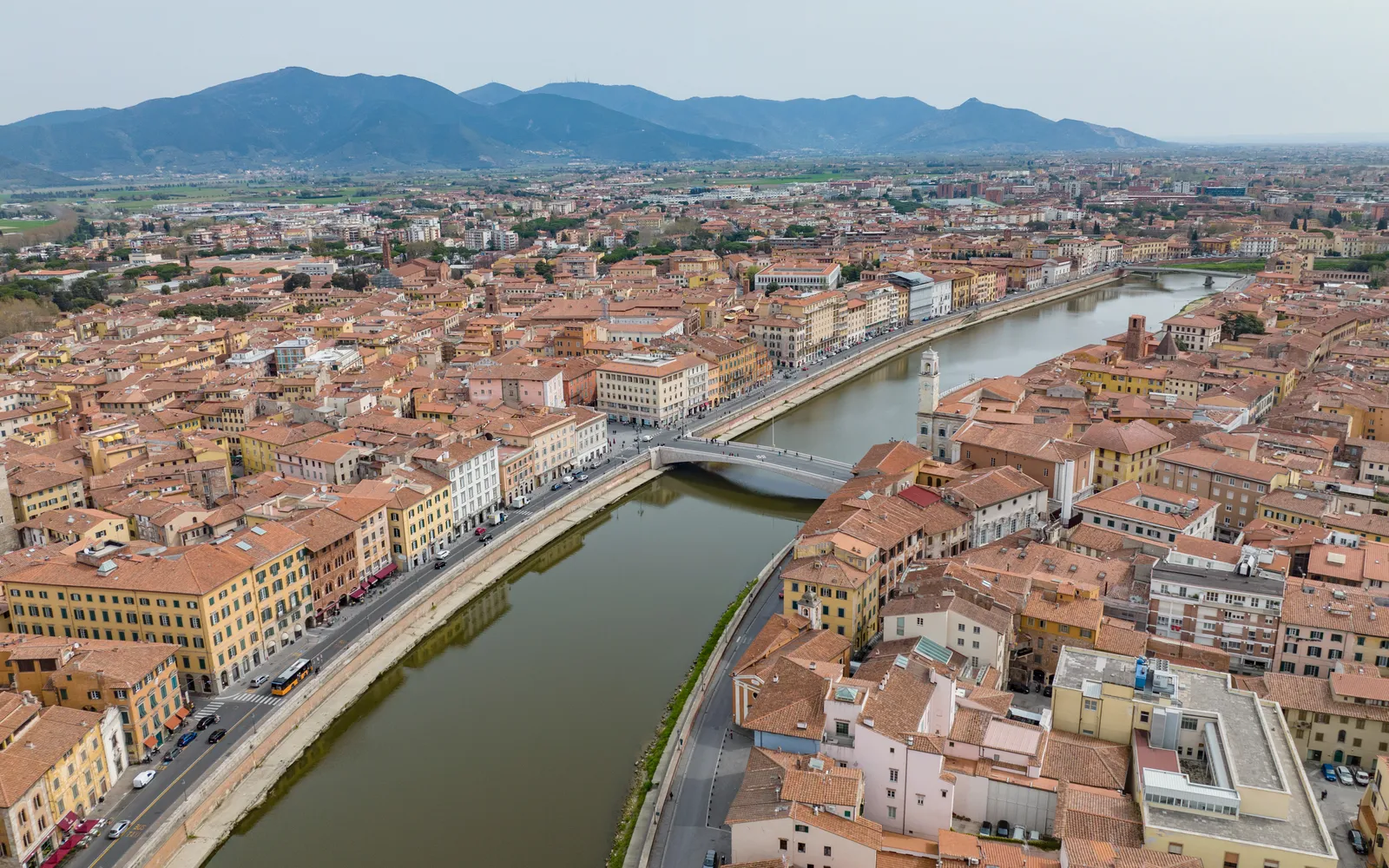
Pisa and Tuscany don't cook to impress with technique — they let the ingredients do the talking. Tuscan extra-virgin olive oil and ancient-breed Chianina beef sit at the center of nearly every dish. The best restaurants in Pisa tend to hide in quiet side streets well away from the Leaning Tower zone. Walk a few minutes and you'll find they're absolutely worth it.
 #1
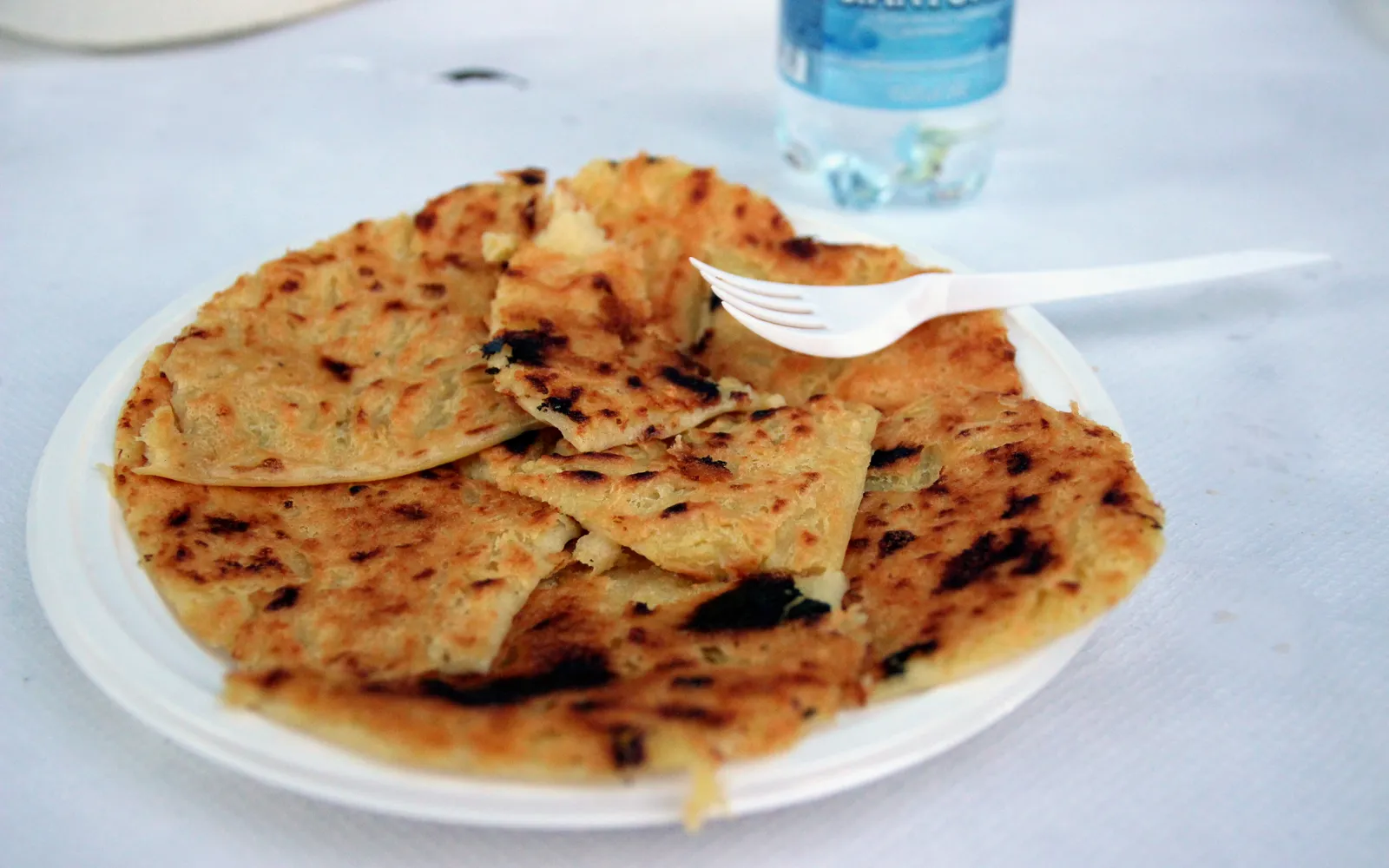
#1 Cecina
A Pisan street food with over 700 years of history. It's made from chickpea flour (<em>ceci</em>) mixed with olive oil and water, then baked in a wood-fired oven until the edges are crisp and the center stays soft. The flavor is round and satisfying — chickpeas and good olive oil, finished with cracked black pepper before it hits the table. Locals eat it as a snack tucked inside focaccia or on its own. It's cheap, easy to find anywhere in town, and naturally vegetarian.
- Ask for it <em>cinque e cinque</em> — cecina wedged inside a half piece of focaccia, around 2–3 euros. It's the snack Pisans eat all the time.
- Eat it the moment it comes out of the oven. Once it cools, the texture turns chewy and the aroma fades — good shops bake to order, one sheet at a time.
- Friggitorie in the city center, especially around Via L. Fibonacci and the fresh market at Piazza delle Vettovaglie, charge local prices — not tourist ones.
 #2
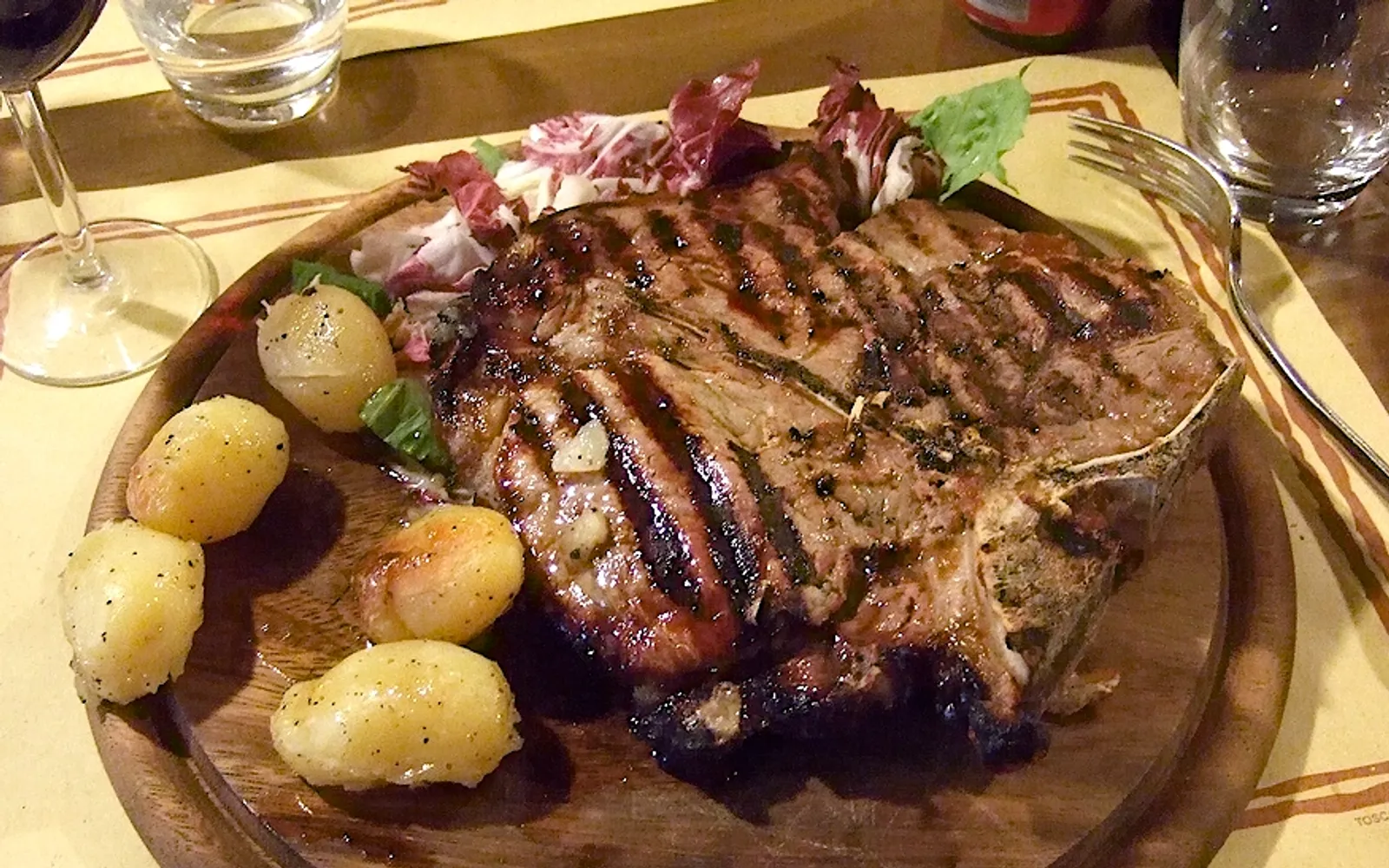
#2 Bistecca alla Fiorentina
A Chianina T-bone at least 4–5 cm thick, grilled over oak charcoal to no more than rare or medium-rare. Tuscan cooks will not take it further — that is not a joke. Sea salt and extra-virgin olive oil are the only seasonings. It's sold by the kilogram, with a minimum of 600–800 grams, making it a natural two-person share. The flavor of Chianina beef is noticeably deeper and more tender than standard cuts — the breed's difference is real.
- Order it <em>al sangue</em> (rare) or <em>poco cotta</em> (medium-rare). Ask for <em>ben cotta</em> (well done) and some Tuscan kitchens will genuinely refuse — this is not theater.
- Price runs roughly 45–60 euros per kilogram. It's expensive, but two or three people sharing one steak makes it reasonable. It arrives as one large piece.
- Pair it with a Chianti Classico DOCG or a Morellino di Scansano from southern Tuscany — the best match for the beef.
 #3
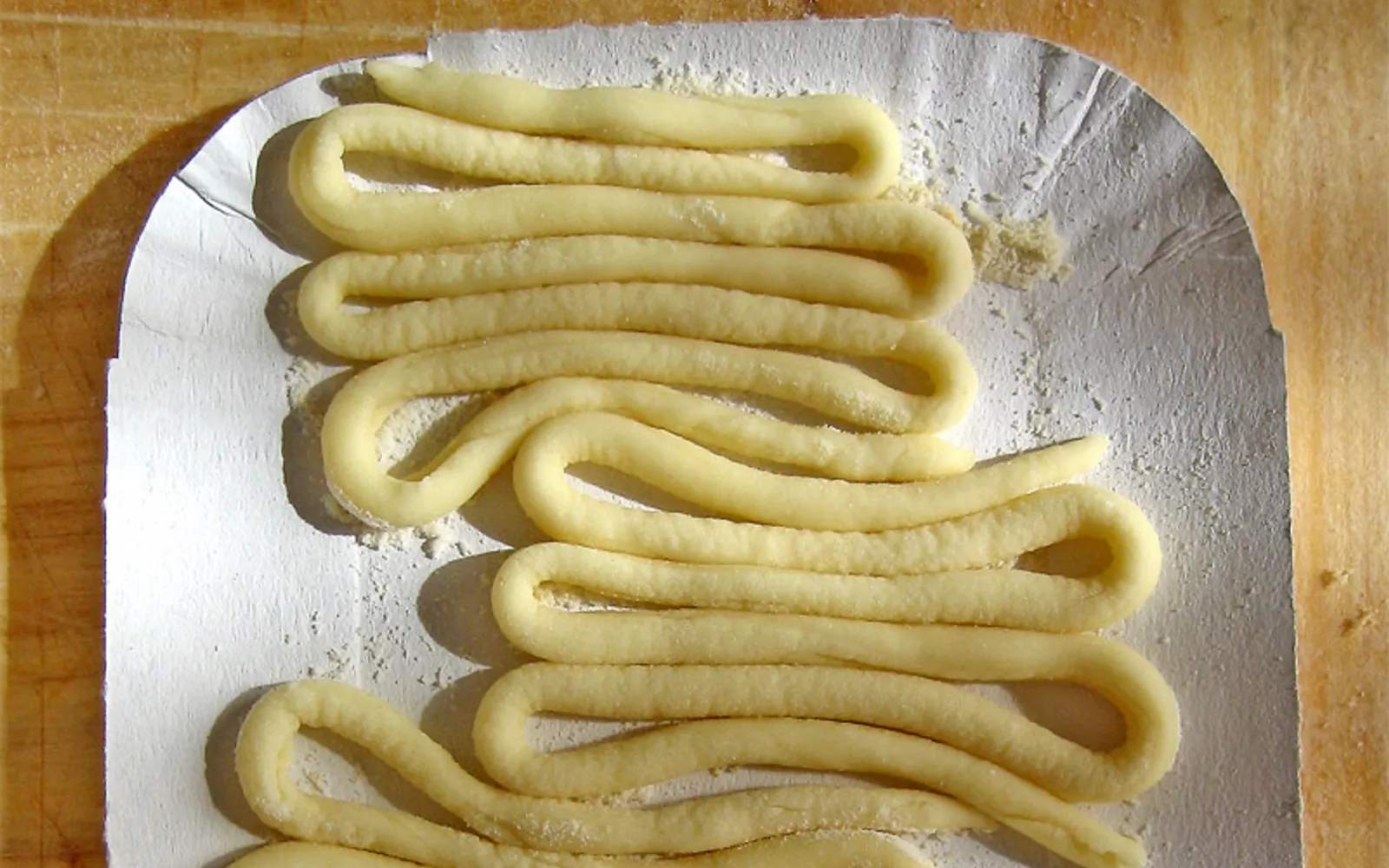
#3 Pici
A traditional hand-rolled Tuscan pasta: thick, long strands resembling spaghetti but much wider, with a rough surface from being worked by hand. Made from wheat flour and water only — no eggs. The best sauce match is <em>aglione</em> (Tuscan large-clove garlic) in a tomato base, or wild boar (<em>cinghiale</em>) ragù, which is bold and rich. The thick strands soak up sauce exceptionally well. The texture is nothing like factory pasta — this is considered the soul food of southern Tuscany.
- Order <em>pici all'aglione</em> for your first taste. The large-clove <em>aglione</em> garlic gives a gentle, mellow heat — very different from regular garlic.
- If the restaurant is making pici fresh that day, you'll see it written on a chalkboard as <em>fatto in casa</em> or <em>fresco</em> — that's a good sign.
- Don't ask for Parmesan on seafood pasta (if you order pici with clams, for example) — it's considered poor table manners in Italy.
 #4
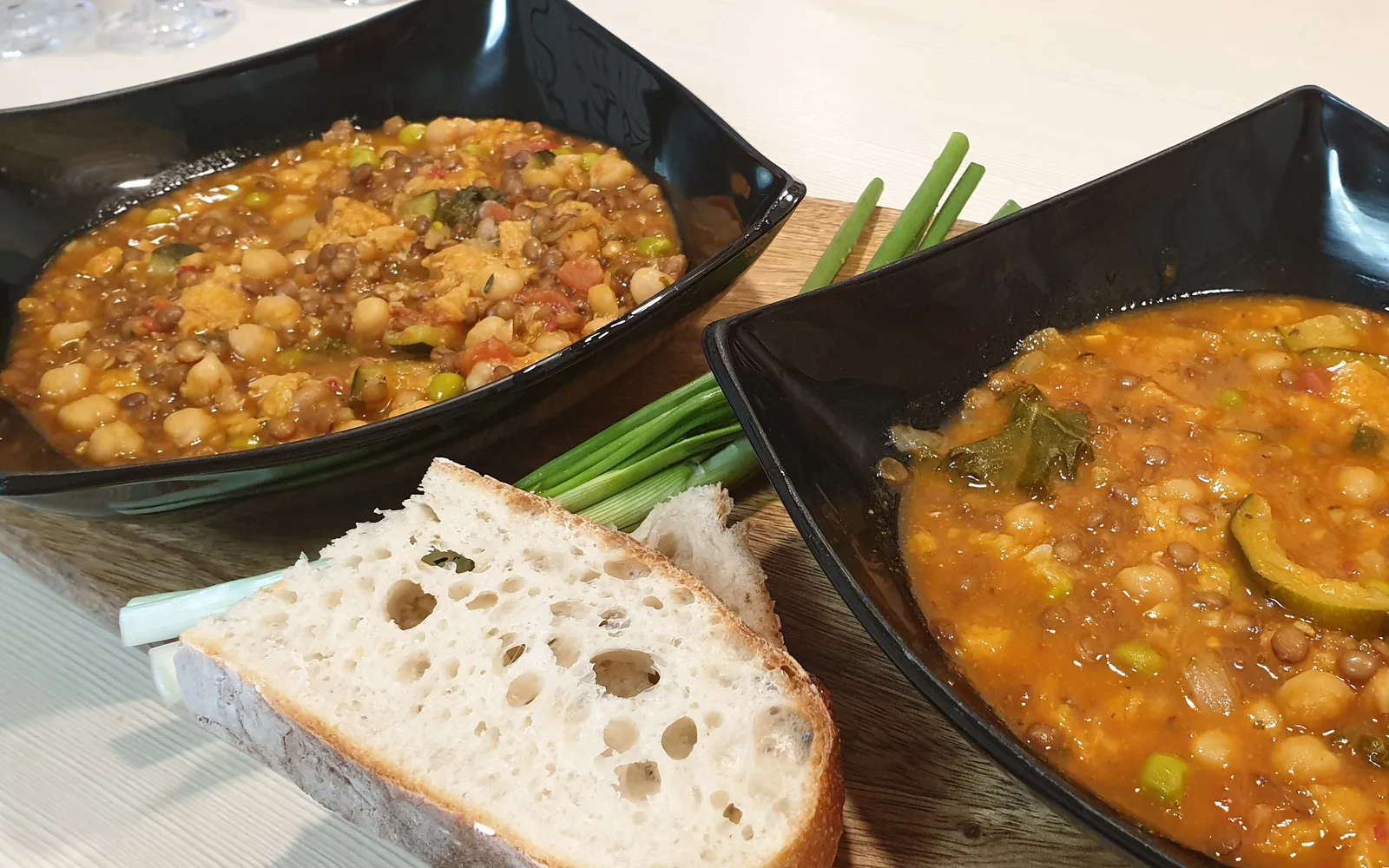
#4 Ribollita
A Tuscan peasant soup whose name literally means <em>reboiled</em> — it was traditionally made by simmering leftover bread and vegetables again the next day. The base is stale Tuscan bread, cannellini beans, Tuscan kale (<em>cavolo nero</em>), carrot, celery, onion, and olive oil, cooked down until the bread dissolves into a thick, deeply savory broth. It originated as food for the poor, but today it's a <em>cucina povera</em> symbol that fine restaurants compete to perfect.
- It's at its best in winter (November to March) when <em>cavolo nero</em> is freshly harvested, though good restaurants make it year-round.
- Drizzle extra-virgin olive oil over the top just before eating. A proper restaurant will leave a bottle of olive oil on the table for you to use freely.
- If the restaurant serves ribollita with <em>crostini</em> (toasted bread slices) rather than plain bread alongside it, that's a sign the kitchen pays attention to detail.
 #5
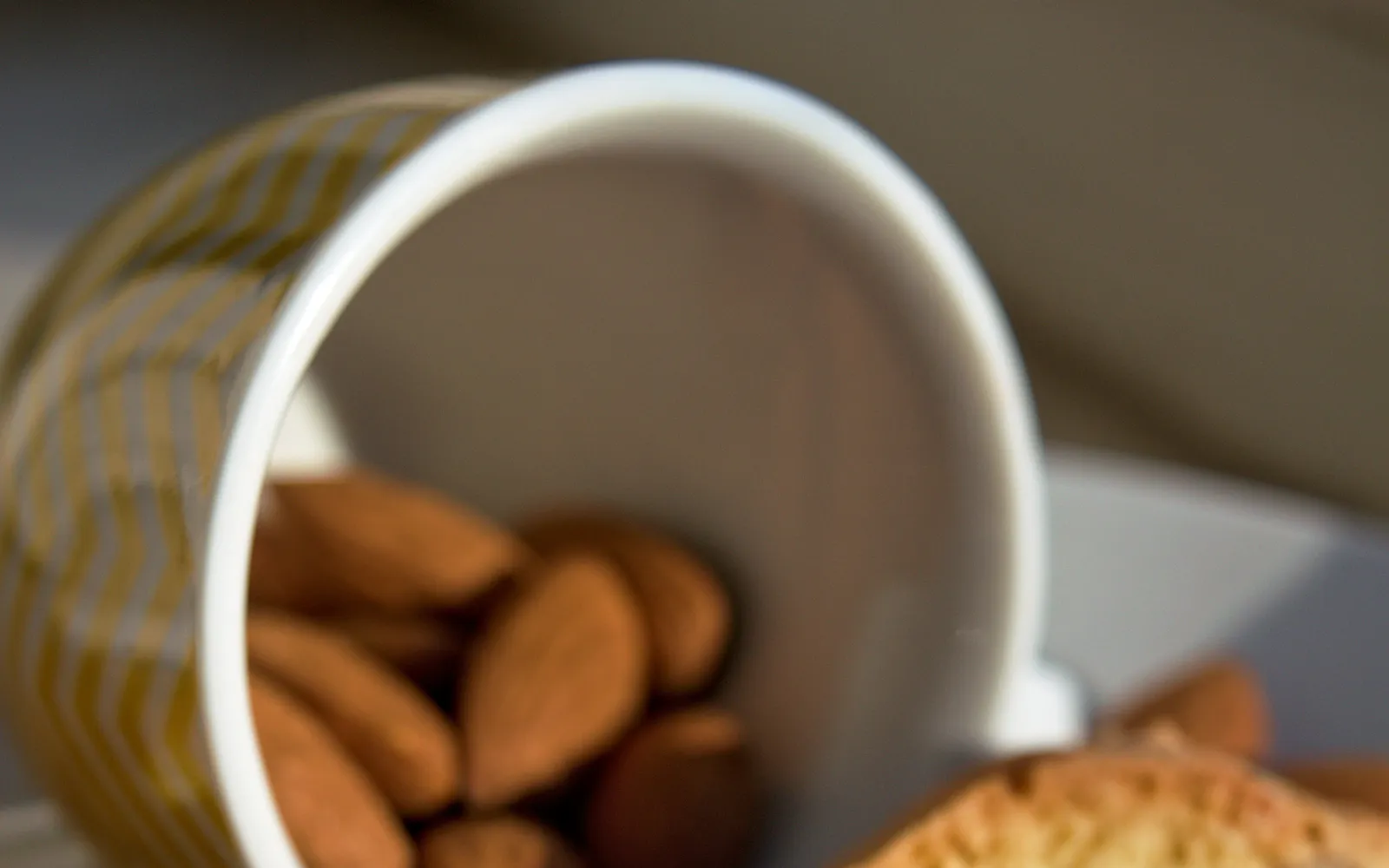
#5 Cantuccini with Vin Santo
Tuscan twice-baked biscotti — dry and crunchy, with whole almonds and a little orange or lemon zest, lightly sweet. They are made specifically to be dipped into Vin Santo, a Tuscan sweet white wine made from dried grapes and aged for 3–5 years. Dipping cantuccini into Vin Santo is a post-dinner ritual that Tuscans perform their entire lives. The wine's complex sweetness against the dry crunch of the biscotti is a pairing that makes complete sense once you try it.
- You can buy cantuccini to take home in beautiful gift boxes from local pasticcerie — much cheaper than airport shops, and they keep for several weeks.
- Taste Vin Santo by the glass at a wine bar (<em>enoteca</em>) in town: around 5–8 euros a glass. Better than buying a full bottle until you know you like it.
- The biscotti from Prato (a nearby city) and those from Siena taste noticeably different — Siena's version adds honey and spices. Compare them side by side if you get the chance.
 #6
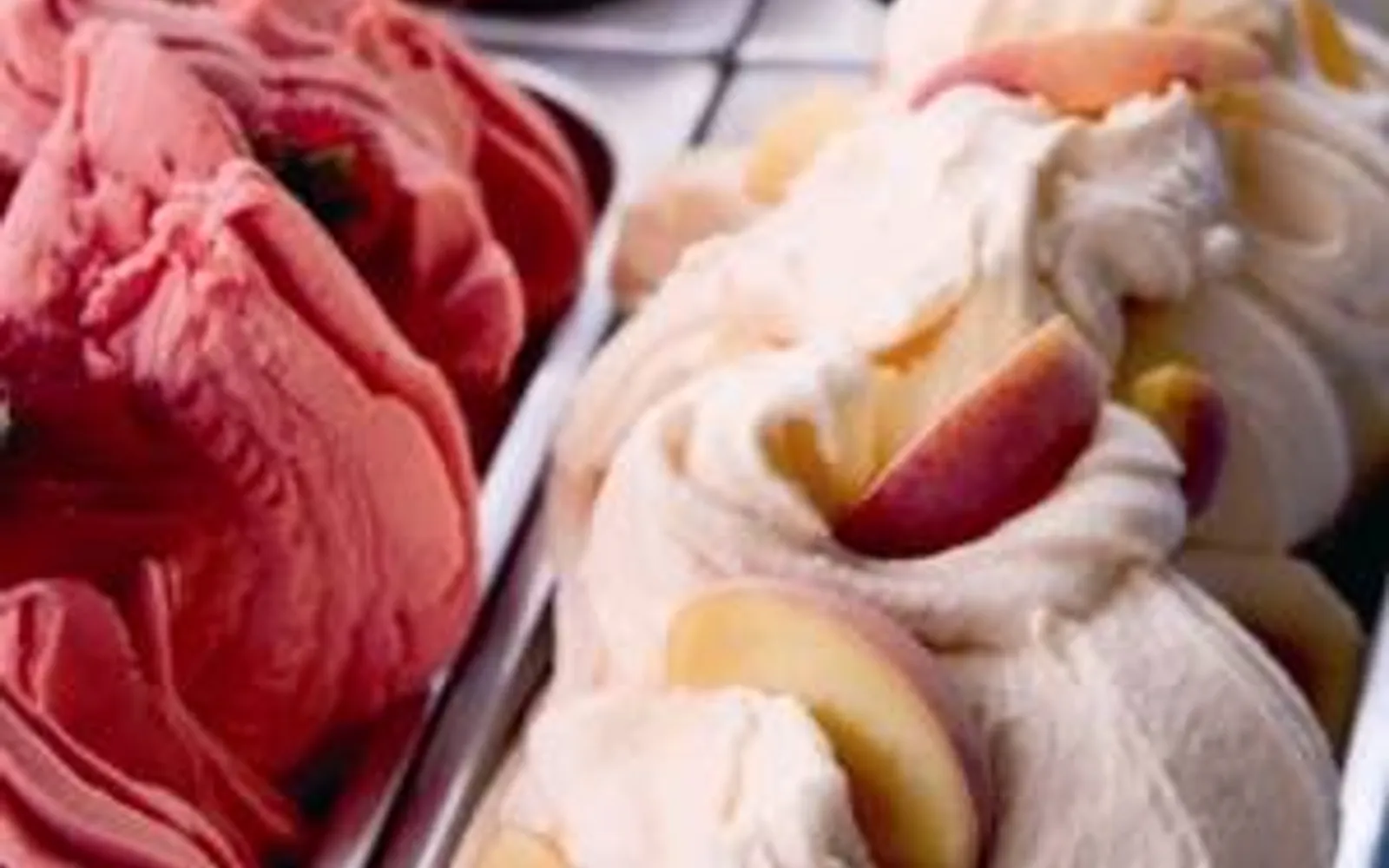
#6 Gelato
Italian <em>artigianale</em> (artisan) gelato differs from American ice cream in three key ways: less fat, less air, and much more concentrated ingredient flavor. Good gelaterie in Pisa use Sicilian pistachios, fresh fruit, and Italian dark chocolate. The flavor that tests quality best is <em>fior di latte</em> (pure fresh milk) — if it's subtly sweet and balanced, the shop is serious. Watch out for places right next to the Leaning Tower: prices run significantly higher without a matching jump in quality.
- Check whether the gelato in the display case is mounded high in vivid colors. If so, it likely contains added coloring and stabilizers. Good shops store gelato in covered metal tubs called <em>pozzetti</em>.
- For a first taste to benchmark quality, go with pistachio, <em>fior di latte</em>, or nocciola (hazelnut).
- Shops just 5–10 minutes' walk from the Leaning Tower and into the local neighborhoods can run 30–50% cheaper than the tourist zone.
Where to stay in Pisa for this trip
A well-located hotel means less commuting and more sightseeing. Here are real, top-rated stays in Pisa — compare Agoda · Booking · Trip.com in one click.
Grand Hotel Bonanno Pisa
Affiliate links — we may earn a commission at no extra cost to you. Details
Hotel Bologna Pisa
Affiliate links — we may earn a commission at no extra cost to you. Details
Hotel Repubblica Marinara
Affiliate links — we may earn a commission at no extra cost to you. Details
Hotel La Pace Pisa
Affiliate links — we may earn a commission at no extra cost to you. Details
Tours, tickets & activities in Pisa
Day tours, attraction tickets and travel essentials for Pisa — book ahead on Klook with mobile e-tickets.
Affiliate links — we may earn a commission at no extra cost to you.
Before You Pack
The real food of Pisa lives in small restaurants where the chalkboard menu changes daily with whatever came in from the morning market. If you spot a place where local office workers are eating lunch, that's the strongest endorsement there is. Start with a cecina as an afternoon snack before catching your train — it's cheap, and it stays with you.