
Phuket holds a distinction no other Thai city can claim: it is Thailand's first and only UNESCO City of Gastronomy. The food here is not simply Southern Thai cooking — it is the result of four centuries of cross-pollination between the fiery Southern Thai palate and the culinary traditions of Hokkien Chinese migrants and the Peranakan (Baba-Nyonya) community who settled on this island. The outcome is a distinct local table that you genuinely cannot replicate anywhere else on earth.
 #1
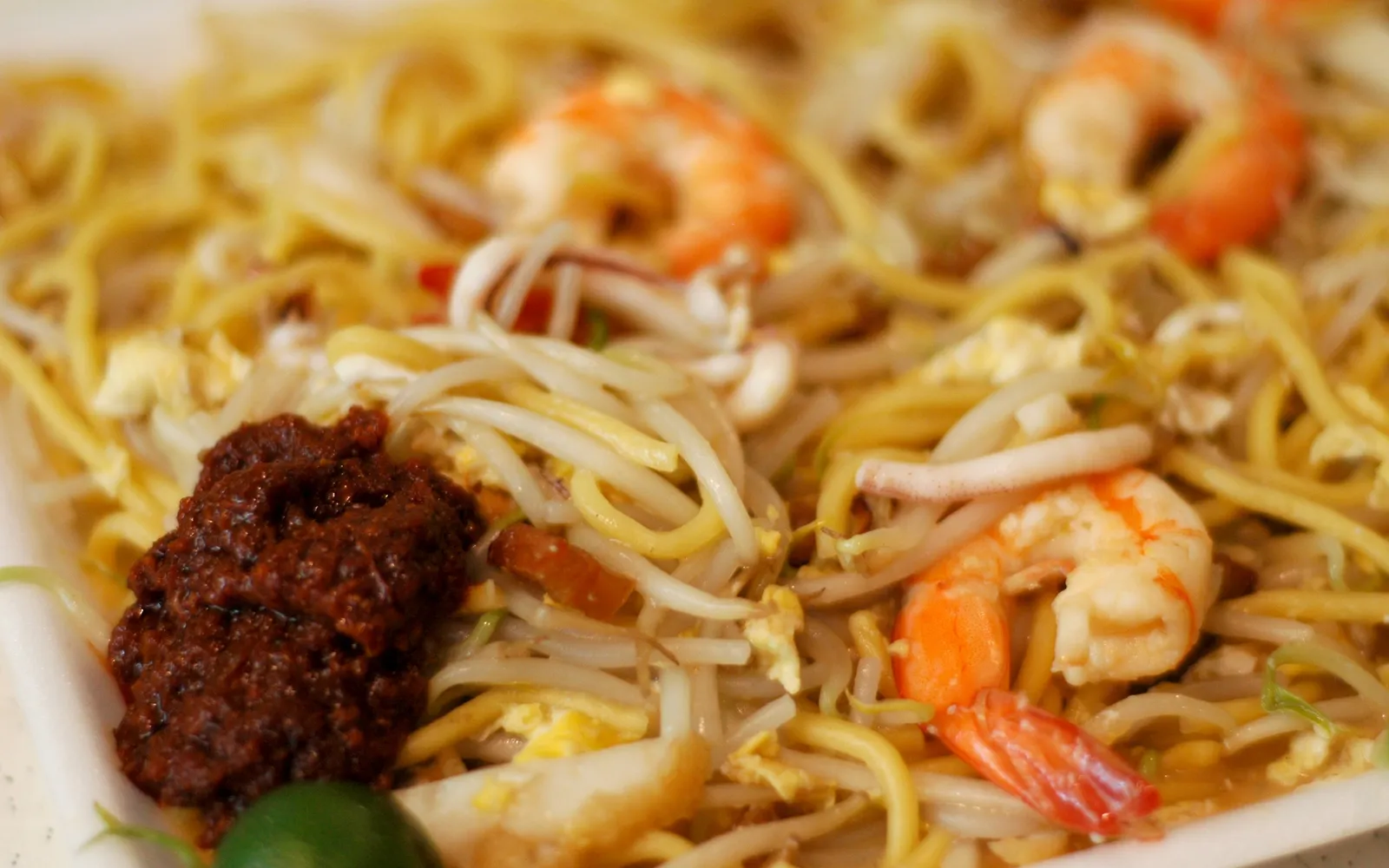
#1 Phuket Hokkien Mee
Hokkien Mee is Phuket's signature stir-fried noodle dish, rooted in the Fujian-Hokkien cooking that Chinese migrants brought with them when they arrived. Thick yellow noodles are tossed with pork, squid, mustard greens, and dark soy sauce, then finished with fragrant lard. The iconic address is <strong>Mee Ton Poe</strong> on Phuket Road, which has been working this same recipe since the 1950s and now holds a Michelin Plate.
- Order a side of steamed rice to soak up the rich, concentrated sauce
- Mee Ton Poe serves lunch through mid-afternoon only — arrive late and you may find it sold out
- Ask for pickled chillies and vinegar on the side so you can adjust the balance to your taste
 #2
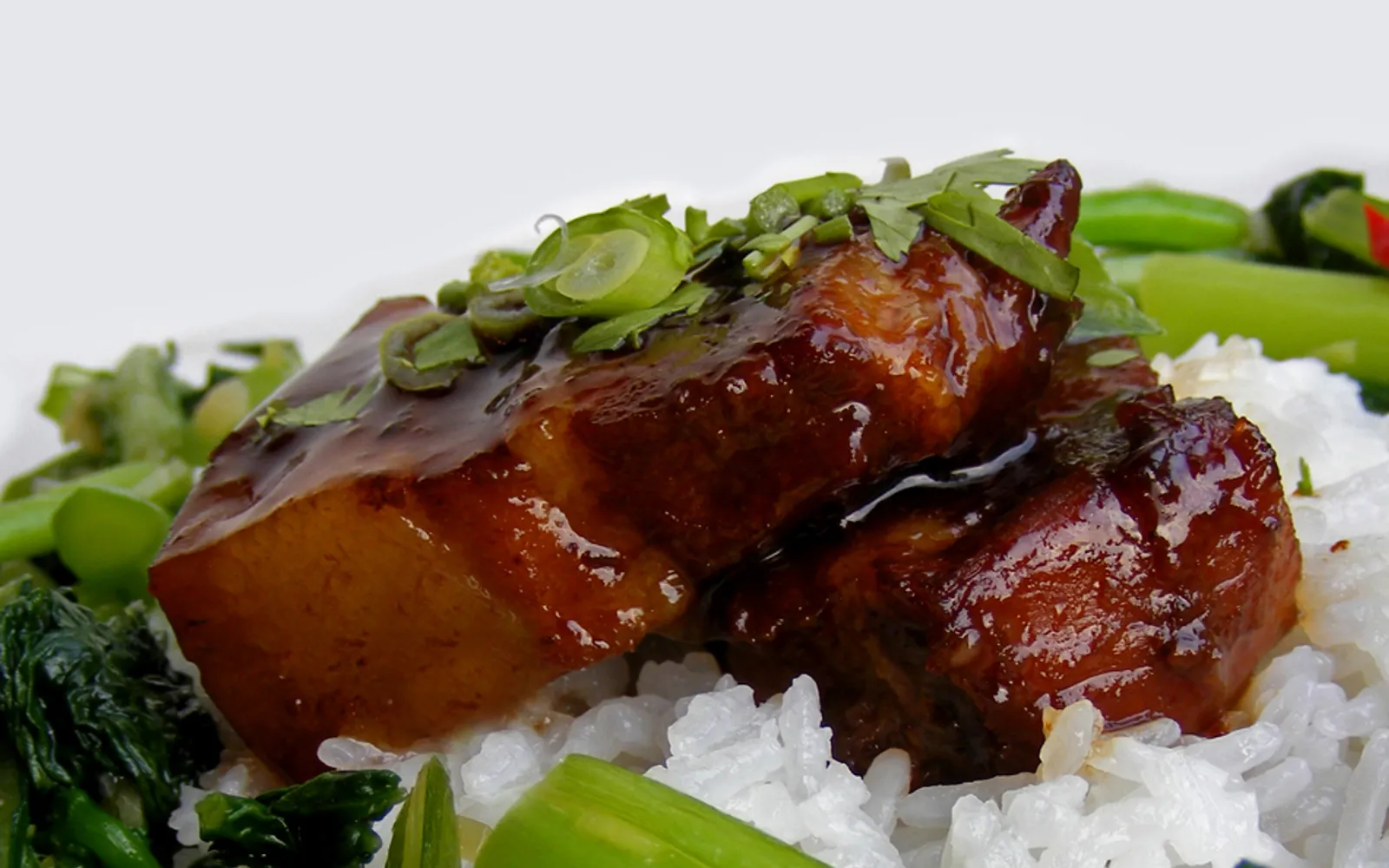
#2 Moo Hong
Moo Hong is the soul of Peranakan cooking in Phuket. Pork belly is braised for several hours in soy sauce, garlic, black pepper, coriander root, and palm sugar until the meat dissolves on the tongue. The smell is warmly domestic; the flavour goes far deeper. Served alongside steamed rice, it makes a complete lunch or dinner that no one forgets. <strong>Raya</strong>, housed in a Sino-Portuguese shophouse on Dibuk Road, is the most celebrated address for this dish.
- Raya on Dibuk Road, set inside an old Sino-Portuguese building, is the most renowned spot — booking ahead is strongly advised
- Pair it with pickled vegetables to cut through the richness
- Some kitchens require advance orders for this dish because the braise takes hours
 #3
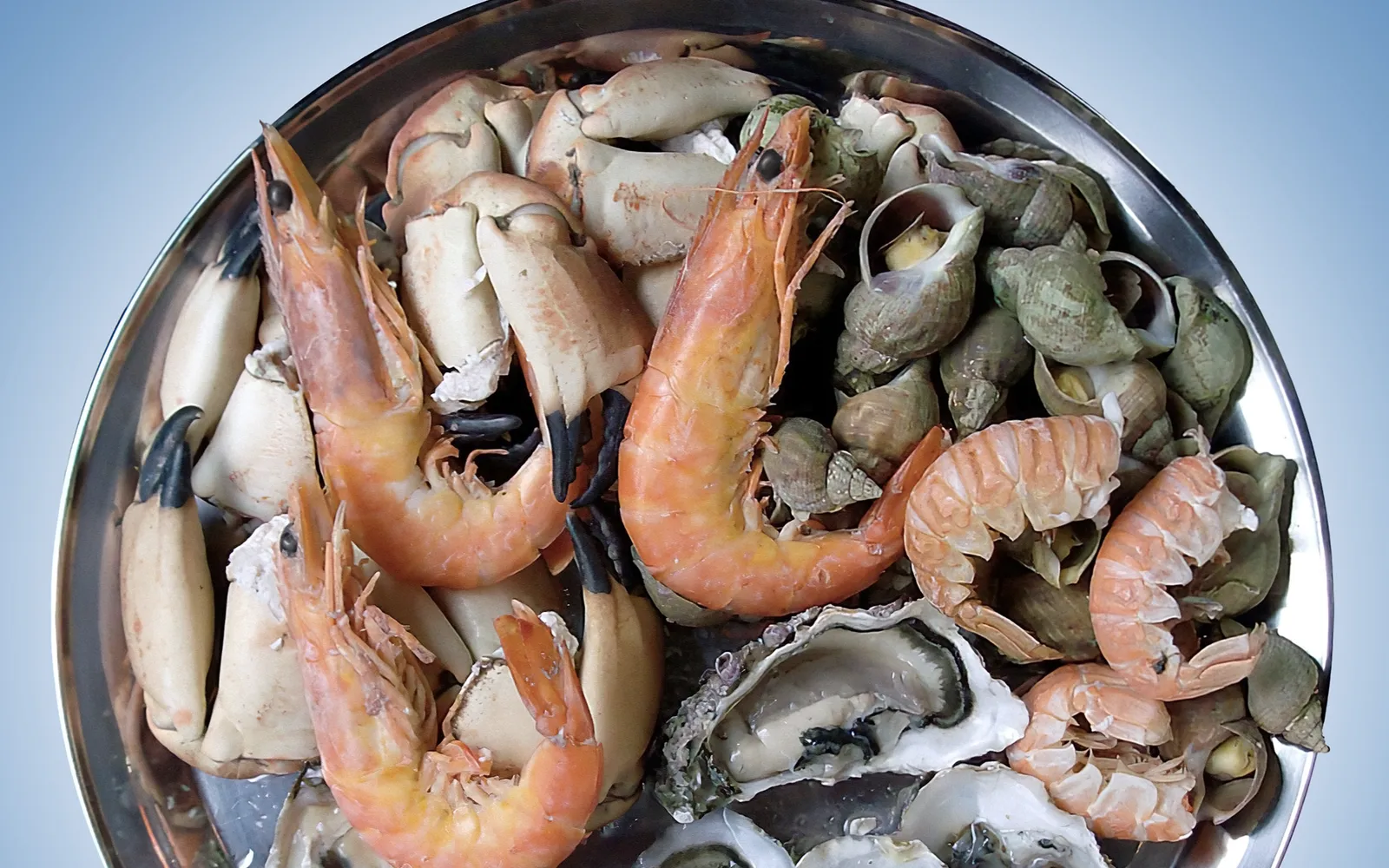
#3 Phuket Fresh Seafood
Sitting on the Andaman Sea, Phuket treats seafood as the default headline. <strong>Rawai Market</strong> sells blue swimmer crabs, spiny lobster, mussels, squid, and multiple fish species landed directly from fishing boats. You carry your selection across the road to the cooking stalls opposite, and they prepare it however you like — steamed in soy, stir-fried with curry powder, or grilled in butter and garlic. Prices are a fraction of what you pay at a tourist-facing restaurant.
- Buy at Rawai Market, then walk it across the road to be cooked — far better value than ordering off a restaurant menu
- Always confirm the price before buying; some species are seasonal and fluctuate
- Oysters and scallops are best eaten cooked, particularly during the rainy season
 #4
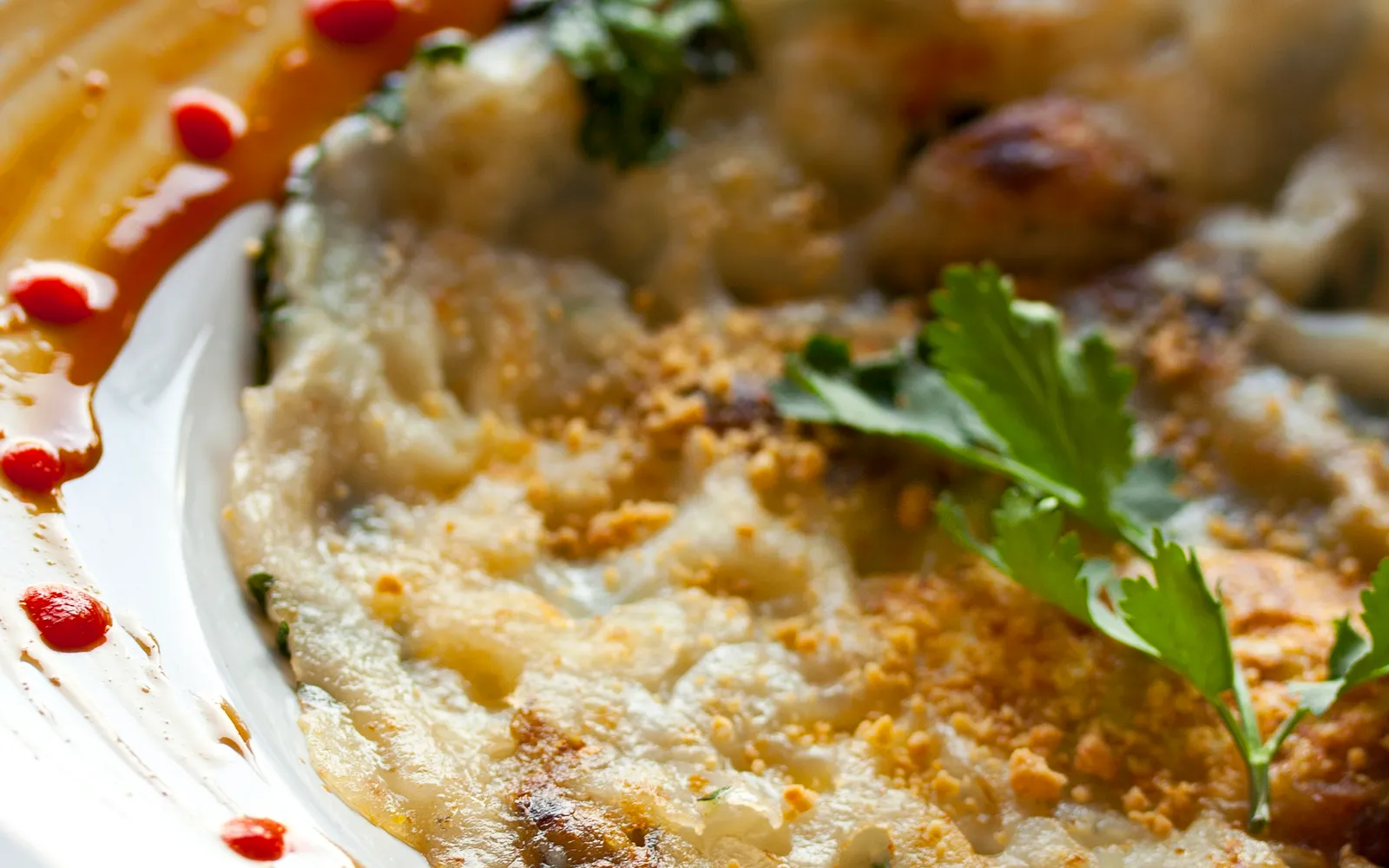
#4 O-Tao (Oyster and Taro Pancake)
O-Tao is one of Phuket's most distinctive street dishes — one you simply cannot find anywhere else. A batter of taro and small local oysters (called <em>hoi tip</em>) is fried with fresh prawns, crispy pork, and spring onions until the outside is crunchy and the inside stays soft, then served with sweet chilli sauce and fresh bean sprouts. The dish traces its lineage to Fujian-Hokkien cooking, and <strong>Michelin</strong> has recognised it as one of Phuket's most compelling street-food experiences.
- O Tao Bang Niao has held a Michelin Plate for 3 consecutive years and is the reliable benchmark
- Eat it immediately — once it cools the batter loses its crunch
- Extra sauce is free on request; the sweet-heat balance is integral to the dish
 #5
#5 Gaeng Som Pla (Phuket Sour Fish Curry)
Phuket's Gaeng Som is nothing like the central Thai version. The broth runs a bright yellow from fresh turmeric, with sharp sourness from tamarind and lime, and serious heat from a generous hand with dried red chillies. Common additions include fresh sea fish, sesbania flowers, or raw papaya. There is no coconut milk — this is a thin, clean soup that wakes everything up and captures the Southern Thai character more honestly than almost any other dish.
- If you have a low heat tolerance, tell the kitchen upfront — this dish defaults to very spicy
- Eat it with steamed rice and crispy fried fish for a proper home-style meal
- Local market stalls and rice-curry shops usually charge less than tourist restaurants and taste better
 #6
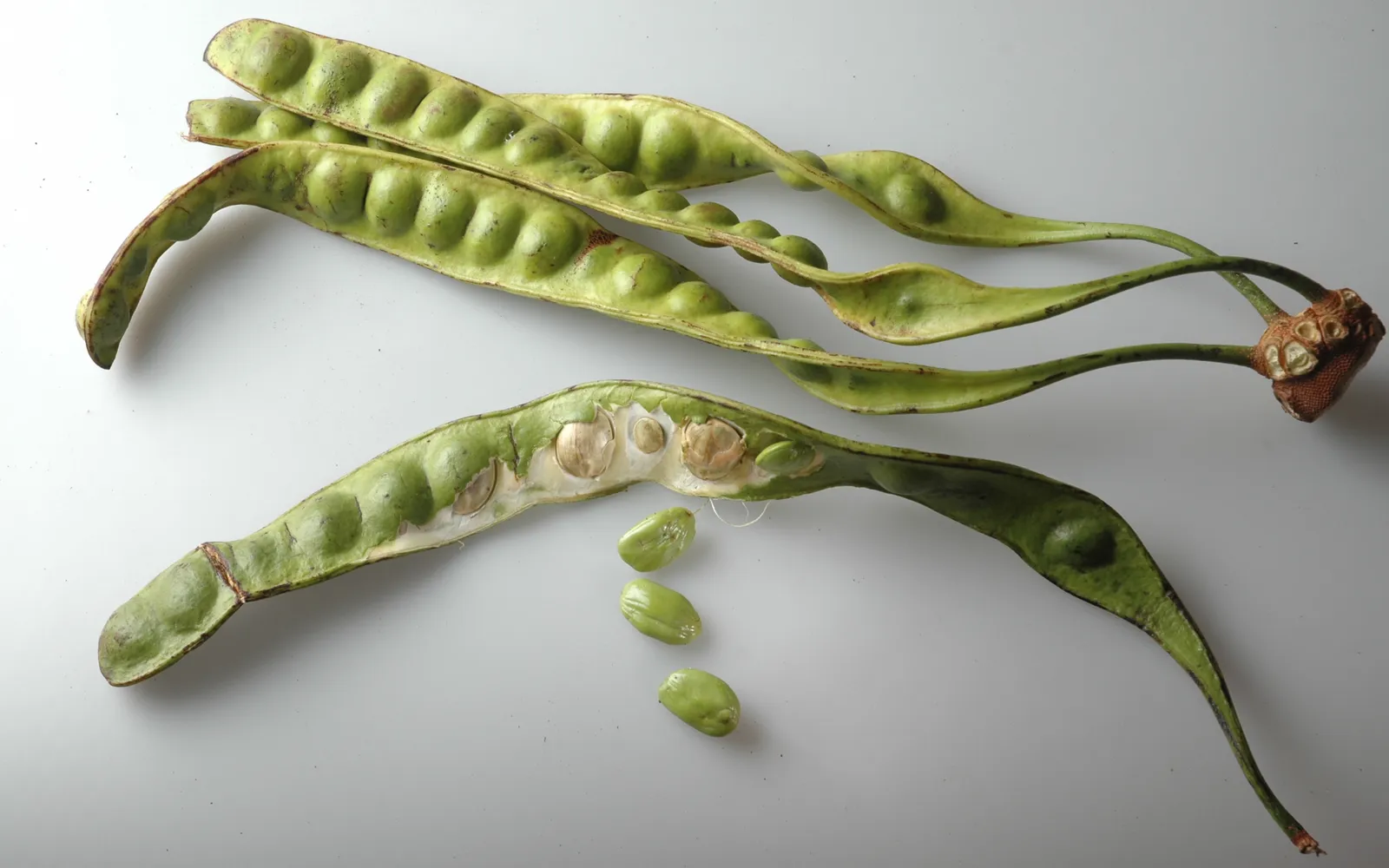
#6 Goong Pad Sataw (Prawns with Stink Beans)
Goong Pad Sataw distils everything compelling about Southern cooking into one wok. <em>Sataw</em> — stink beans — are a local legume with a pungent, distinctive aroma that Southerners treasure. They are stir-fried with fresh Andaman prawns, chillies, shrimp paste, and garlic into a dish that is salty, spicy, and deeply savoury. This is everyday food for people who actually live in Phuket, and it shows — there is nothing performative about it.
- Sataw causes urine to smell strongly for 12–24 hours afterwards; this is normal and temporary
- Seek out a restaurant using real fermented shrimp paste rather than the packaged kind — the flavour difference is significant
- Order it with steamed rice and a fried egg for a proper Southern Thai lunch
Where to stay in Phuket for this trip
A well-located hotel means less commuting and more sightseeing. Here are real, top-rated stays in Phuket — compare Agoda · Booking · Trip.com in one click.
Anantara Mai Khao Phuket Villas
Affiliate links — we may earn a commission at no extra cost to you. Details
The Slate, Phuket
Affiliate links — we may earn a commission at no extra cost to you. Details
Lub d Phuket Patong
Affiliate links — we may earn a commission at no extra cost to you. Details
Hyatt Regency Phuket Resort
Affiliate links — we may earn a commission at no extra cost to you. Details
Tours, tickets & activities in Phuket
Day tours, attraction tickets and travel essentials for Phuket — book ahead on Klook with mobile e-tickets.
Affiliate links — we may earn a commission at no extra cost to you.
Before You Pack
Eating your way through Phuket is a cultural experience in its own right — as worthwhile as any temple or viewpoint on the island. Set aside at least half a day to walk and graze through the Old Town, and you will come away with a far more grounded sense of what makes this place genuinely distinct.