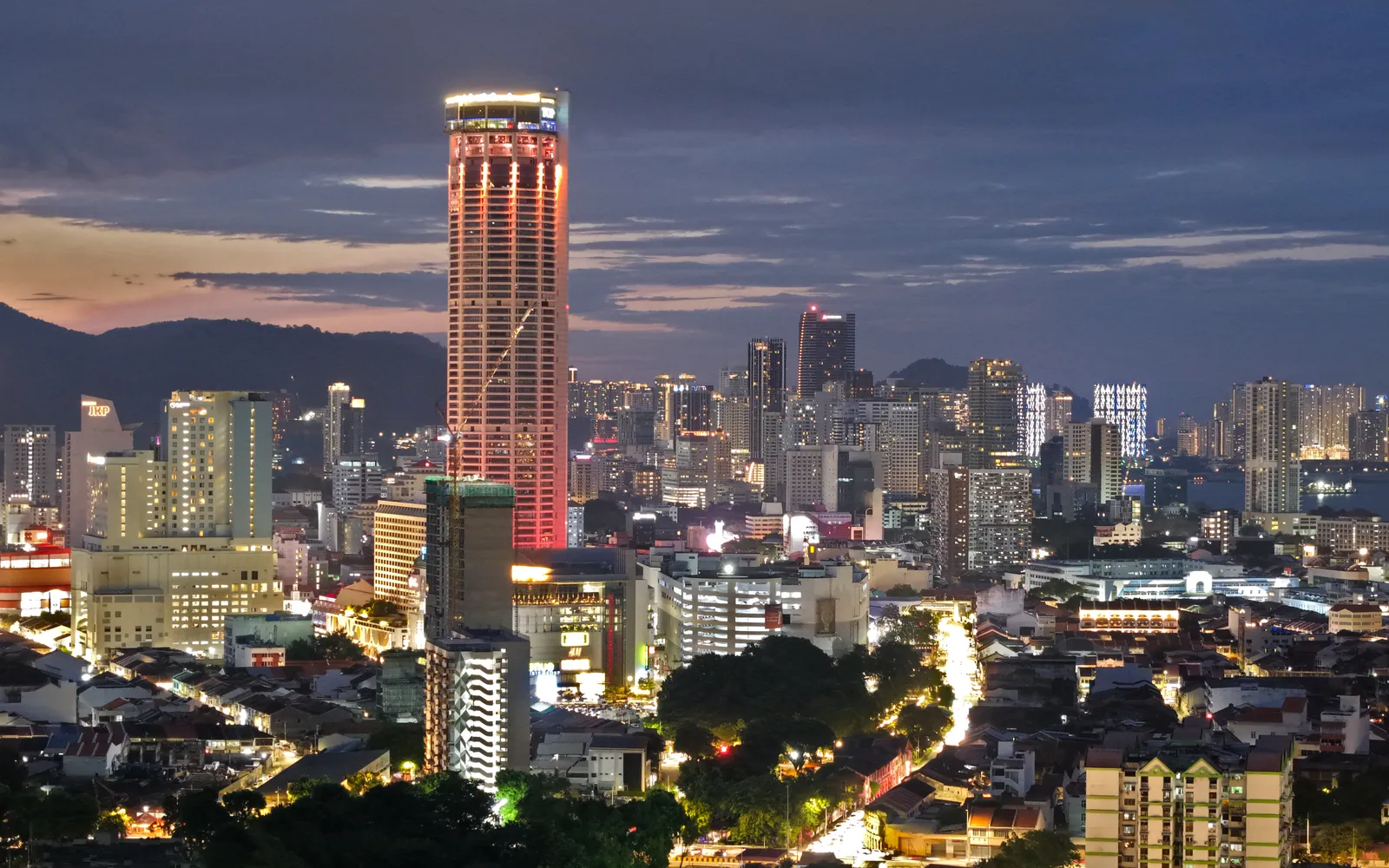
Penang is one of the most rewarding destinations in Southeast Asia. George Town has held UNESCO World Heritage status since 2008 and is widely regarded as Asia's Street Art Capital. Whether you're here to photograph murals on century-old shophouse walls, visit the largest Buddhist temple in Malaysia, or wander a 19th-century stilt village above the sea, Penang covers every dimension of cultural travel.
 #1
#1 George Town Street Art
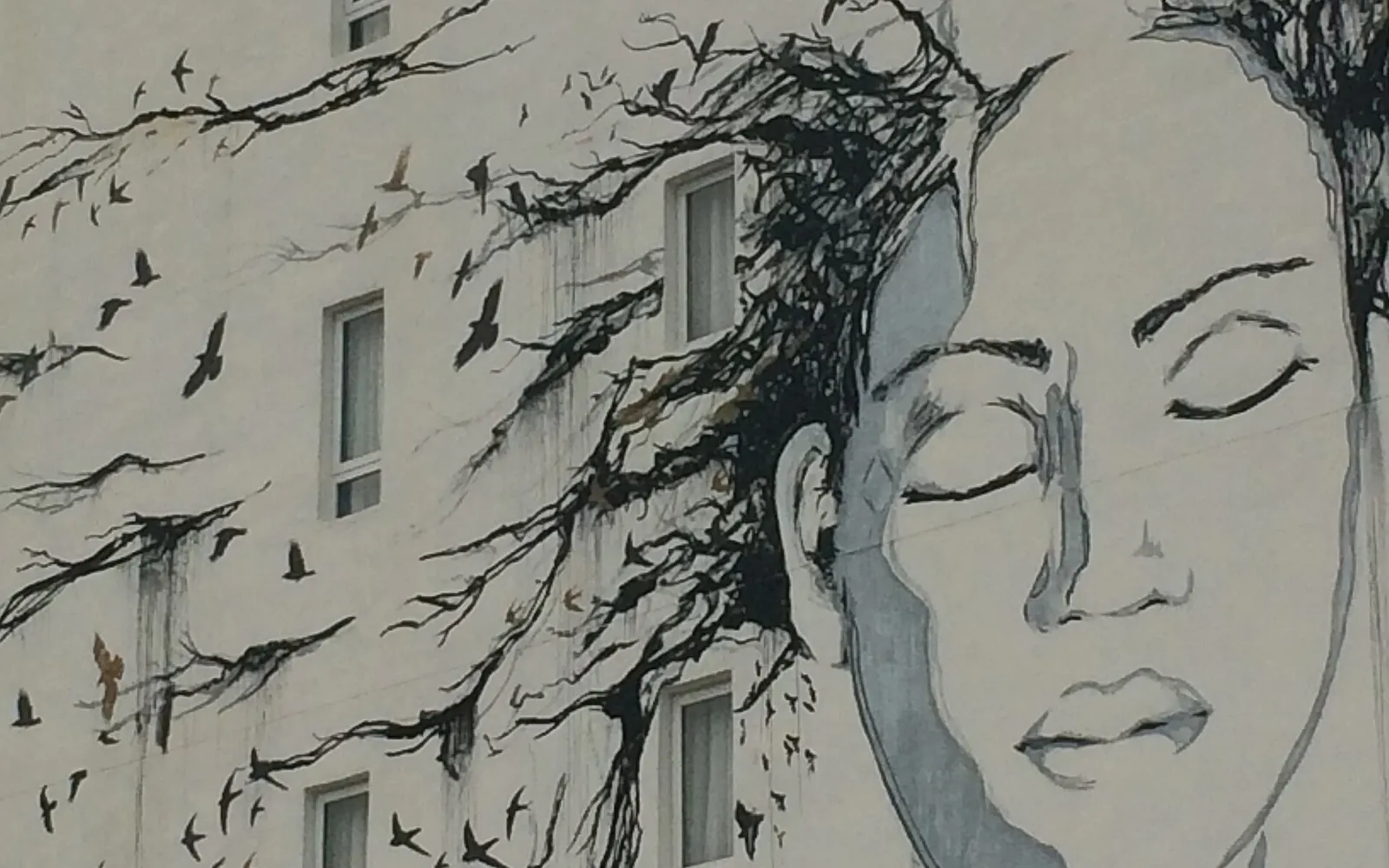
George Town's street art scene was born in 2012 when Lithuanian artist Ernest Zacharevic was commissioned to paint 6 works for the George Town Festival. Pieces like <strong>Boy on Bike</strong> and <strong>Children on Bicycle</strong> pulled in visitors from around the world almost immediately. Today, more than <strong>100 murals and steel-rod caricature installations</strong> are scattered across the heritage zone, each one telling stories from the lives of the Hokkien Chinese community that built this neighborhood.
- Download the official Street Art map from George Town World Heritage Inc. before you set out.
- Head out between 07:00 and 09:00 — cooler air and far better light for photos.
- Armenian Street and Love Lane have the strongest concentration of photogenic pieces.
 #2
#2 Kek Lok Si Temple
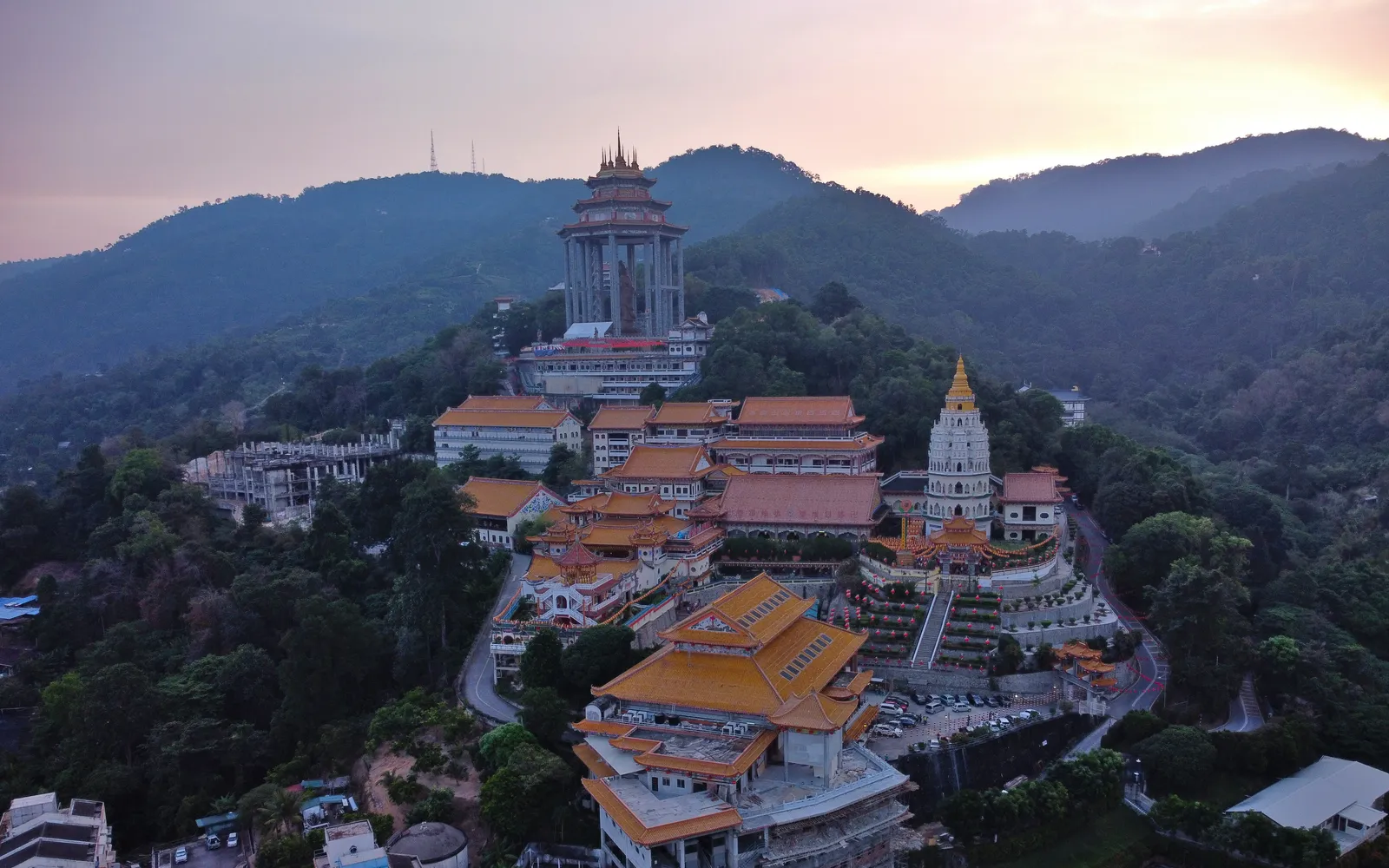
Kek Lok Si is the largest Buddhist temple in Malaysia, and construction began in <strong>1890</strong> on the hillside above Air Itam. The complex centers on a <strong>7-tiered pagoda</strong> that blends Chinese, Thai, and Burmese architectural styles, and a <strong>36.57-metre bronze statue of Kuan Yin</strong> visible from across the island. From the statue's platform on a clear day you get a full panorama of George Town and the Penang Strait.
- Dress modestly — cover shoulders and knees when entering sacred areas.
- During Chinese New Year, thousands of lanterns are lit across the grounds — spectacular but very crowded.
- The funicular lift to the Kuan Yin statue platform costs RM 2.
 #3
#3 Penang Hill
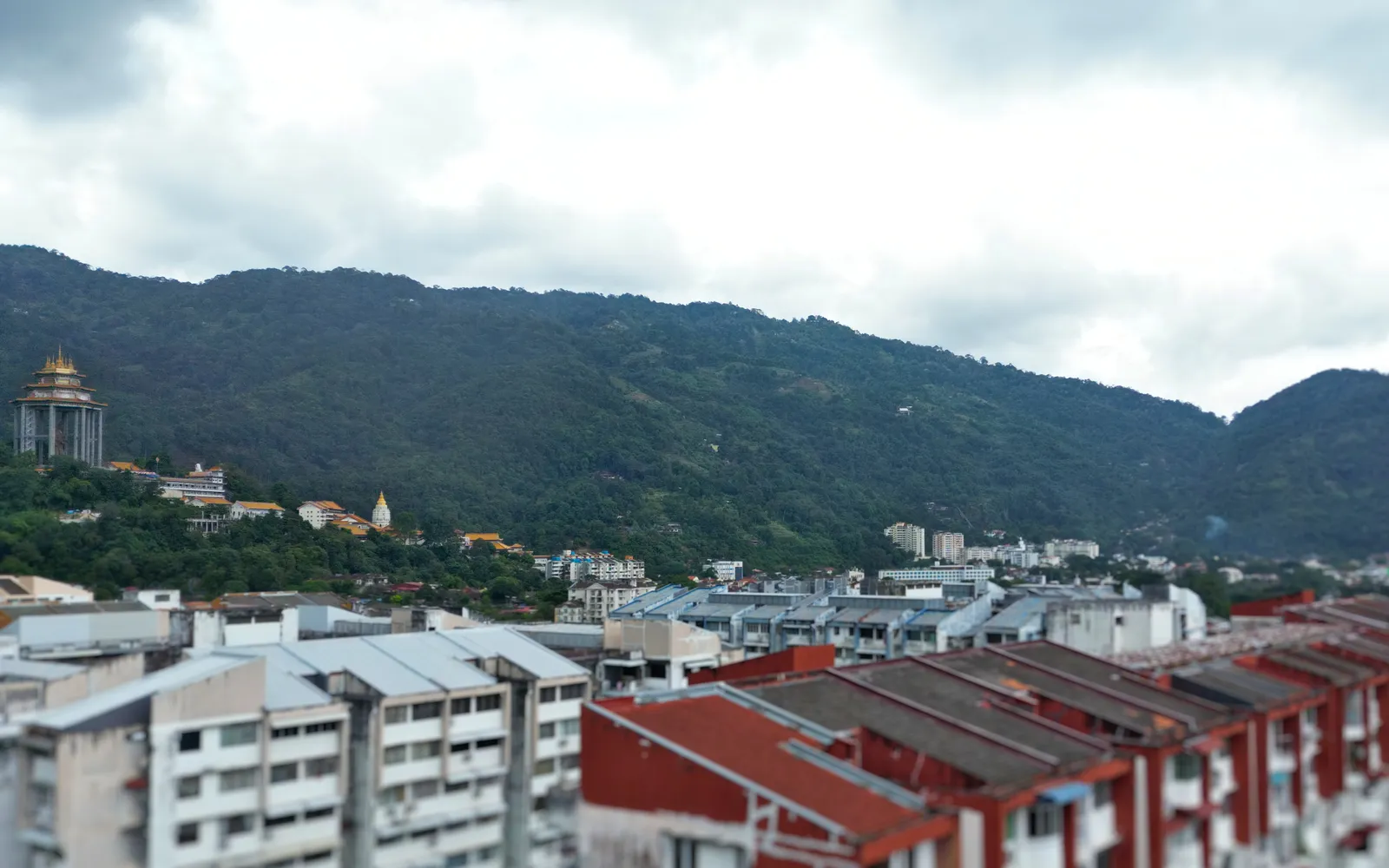
Penang Hill is the highest and best viewpoint on the island. The funicular railway has been running since <strong>1923</strong>; the current Swiss-built cars take just <strong>5 minutes</strong> to reach the summit. Up top you'll find <strong>The Habitat Penang Hill</strong> — a nature trail with an 8-metre-high Canopy Walk — plus a handful of cafés and the historic colonial-era <strong>Bellevue Hotel</strong>.
- Book tickets online in advance to avoid long queues, especially on public holidays.
- The summit runs 5–8°C cooler than the base — bring a light layer.
- Sunset from the top is excellent, but expect a longer wait for the return funicular.
 #4
#4 Clan Jetties
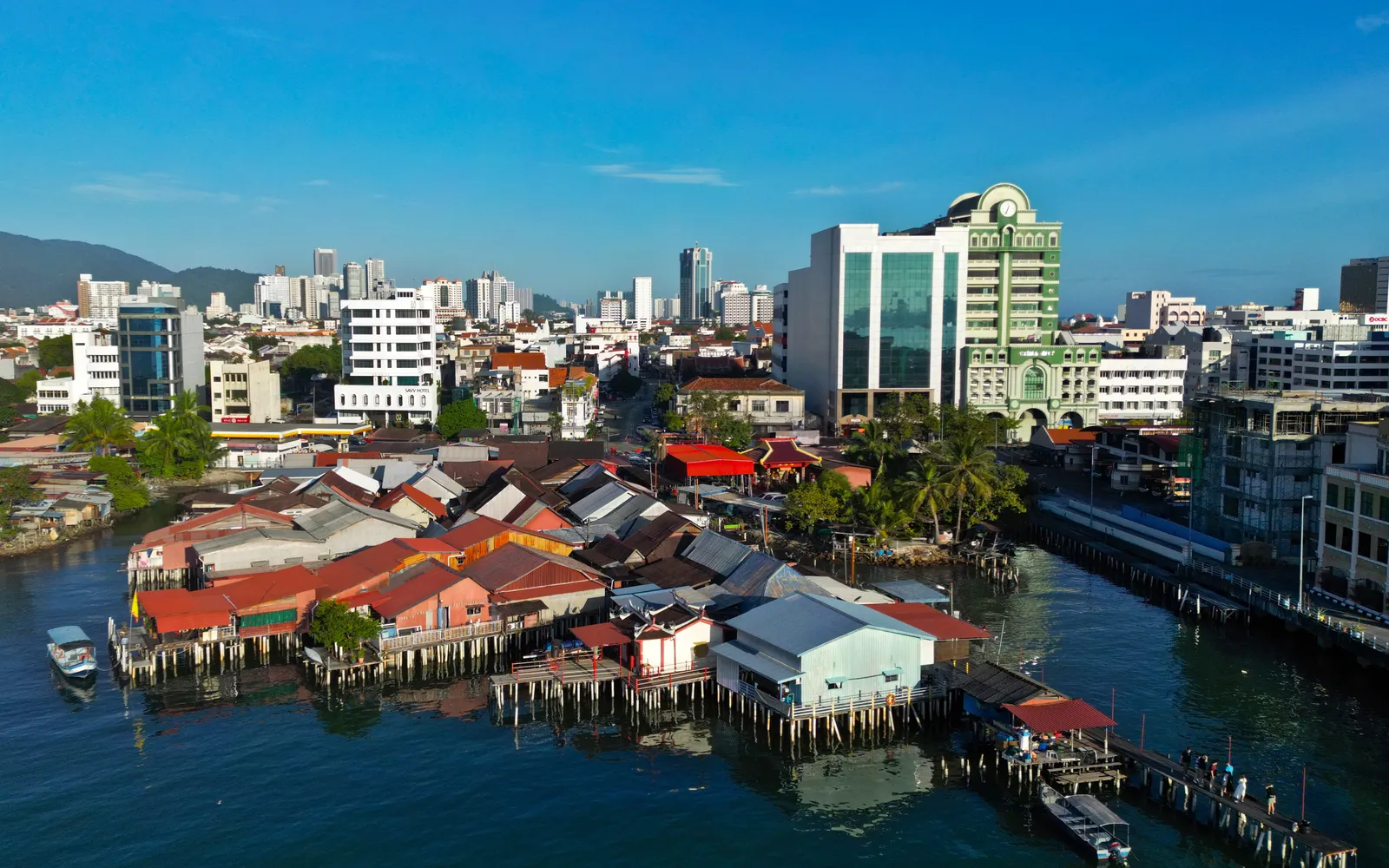
The Clan Jetties are a cluster of Chinese stilt villages built on wooden piles above the water along Weld Quay, founded by immigrant Chinese communities in the <strong>19th century</strong>. There are <strong>7 jetties</strong>, each named after a clan: Ong, Lim, Chew, Tan, Lee, Yeoh, and Mixed. <strong>Chew Jetty</strong> is the largest and most active — restaurants, souvenir stalls, and families who have lived here for generations still share the same narrow boardwalk.
- Walk through multiple jetties to compare the atmosphere at each — they're noticeably different.
- Sunset light on the timber houses reflecting in the water is the shot everyone comes for.
- Watch your step on the narrow wooden planks — some sections have no handrail and the boards are worn.
 #5
#5 Cheong Fatt Tze Mansion
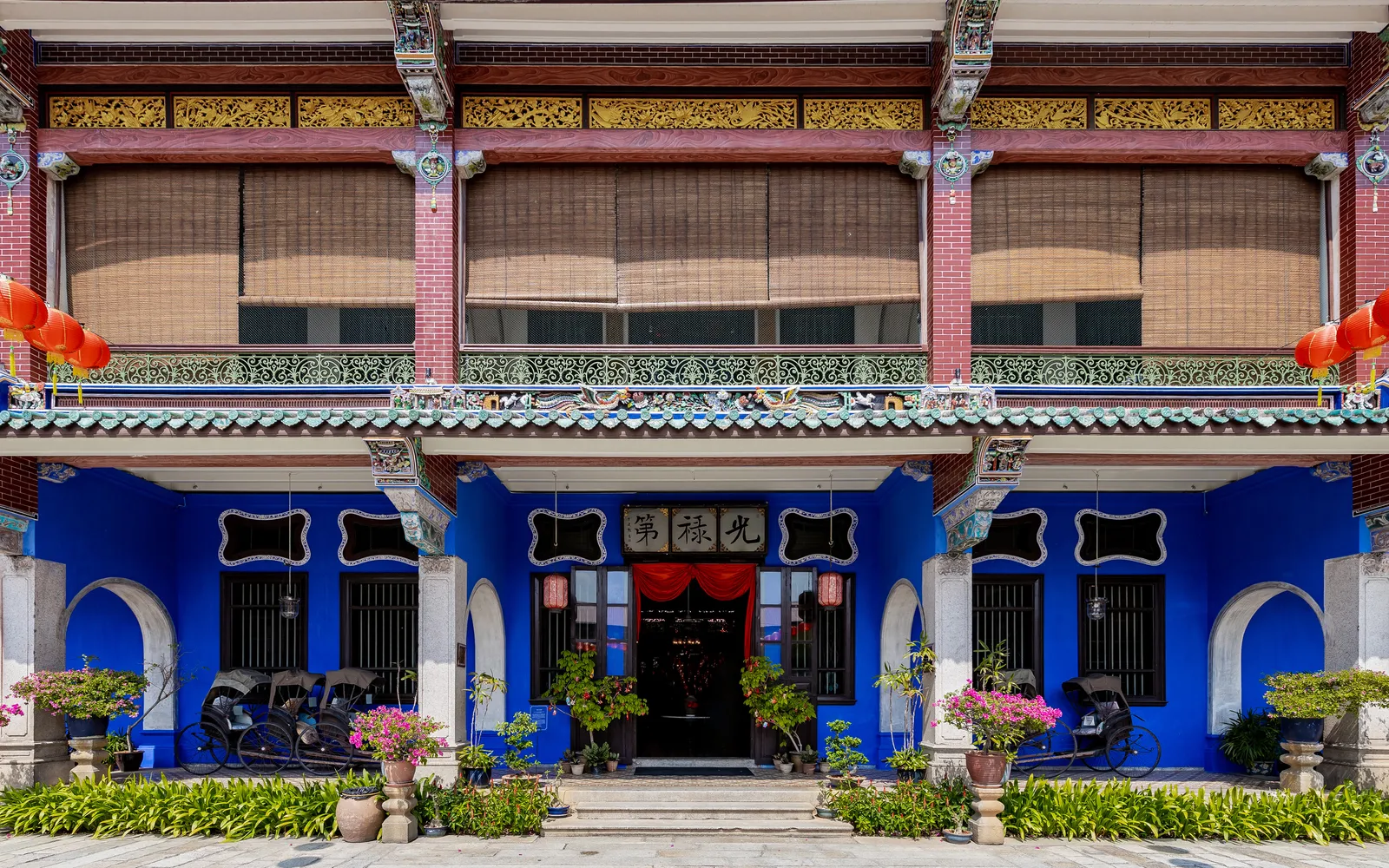
The Blue Mansion was built between <strong>1880 and 1904</strong> by Cheong Fatt Tze, one of the most powerful Chinese merchant-statesmen of his era. The compound has <strong>38 rooms and 5 interior courtyards</strong>. The signature deep-indigo walls get their color from natural indigo dye. Today the mansion operates as a boutique heritage hotel and a daily guided tour, and it holds the <strong>UNESCO Asia Pacific Heritage Award</strong> — widely regarded as the finest surviving example of Straits Chinese Eclectic architecture anywhere in the world.
- Guided tours run 2–3 times daily and last 45 minutes — entry is RM 17 per person.
- The 1992 French film <em>Indochine</em> used the mansion as a shooting location.
- Only <strong>18 rooms</strong> are available if you want to stay overnight — book well ahead.
 #6
#6 Fort Cornwallis
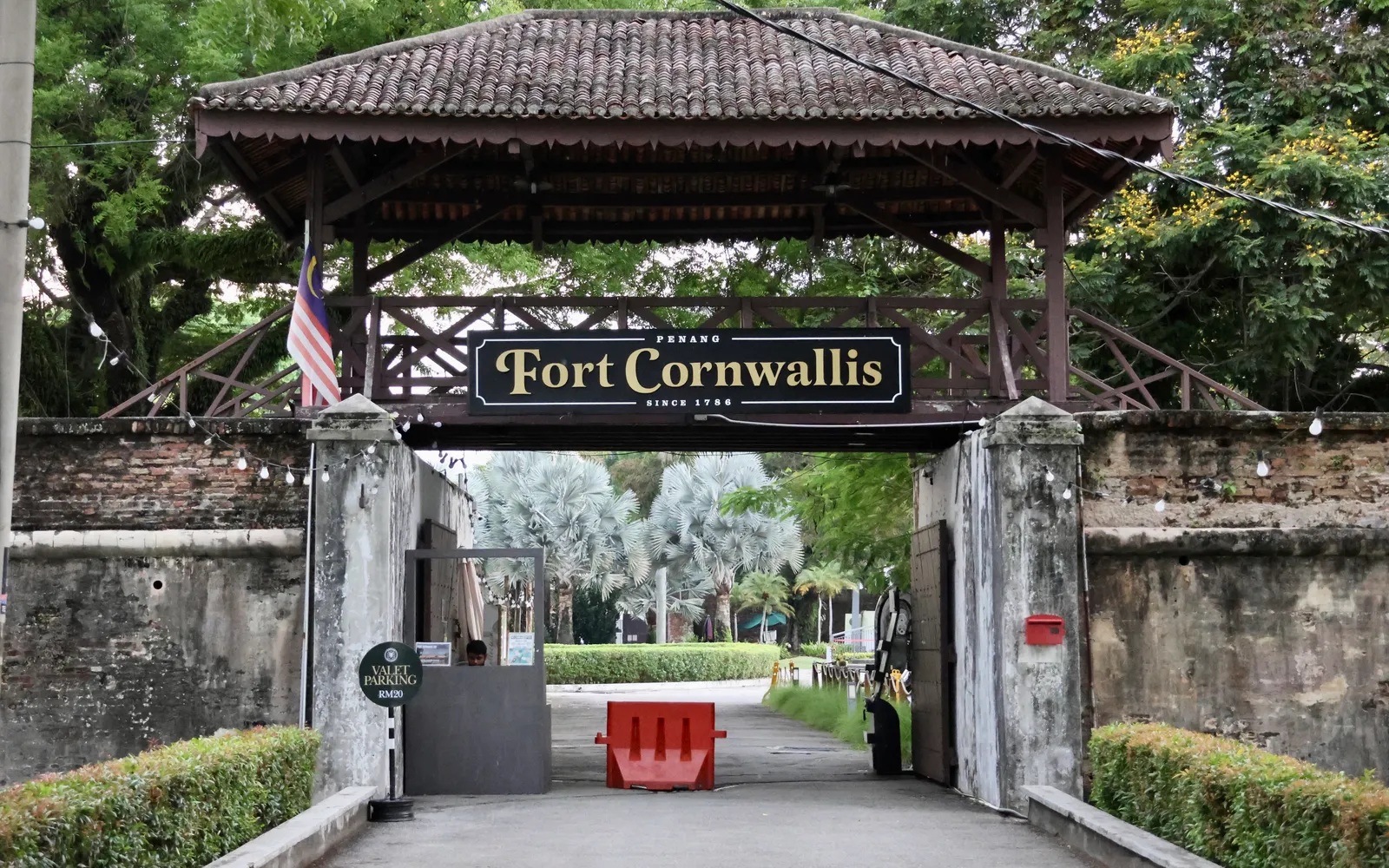
Fort Cornwallis is the largest surviving fort in Malaysia, first constructed in <strong>1786</strong> by Captain Francis Light of the British East India Company at the exact spot where he first came ashore. It now serves as an open-air museum displaying antique cannons, a lighthouse, a colonial-era chapel, and exhibits on the founding history of Penang.
- Entry is RM 20 for foreign visitors; open 09:00–18:00 daily.
- The <strong>Sri Rambai cannon</strong> has a documented connection to Siamese history and is the most photographed piece in the fort.
- The surrounding Esplanade is a pleasant waterfront park — good for an evening stroll.
 #7
#7 Tropical Spice Garden
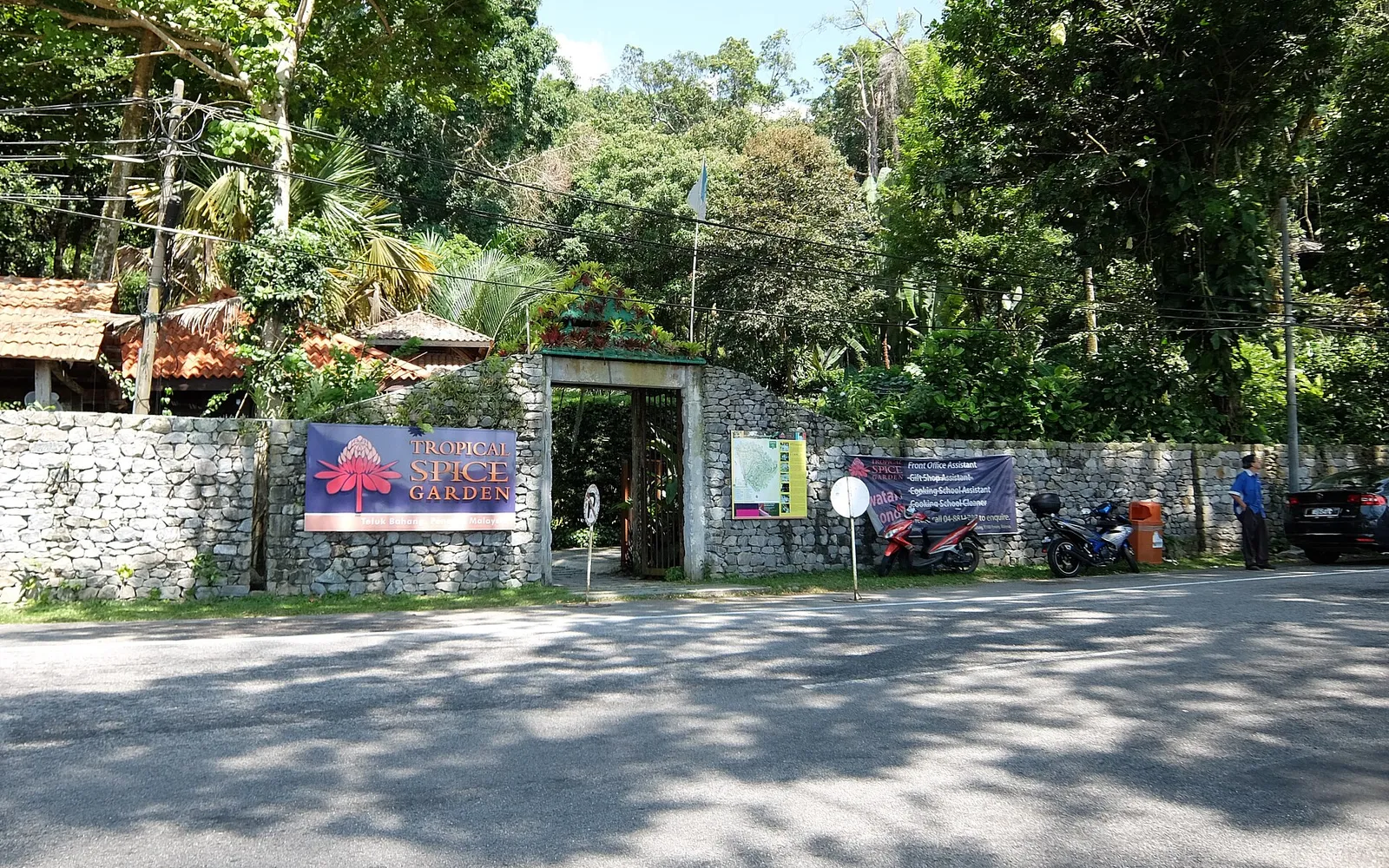
The Tropical Spice Garden is a private botanical garden growing <strong>more than 500 species</strong> of plants and spices across <strong>2 hectares</strong> of forest above Teluk Bahang beach. It stays cool and shaded even at midday. Expert-guided tours explain the history and practical uses of each spice, and the garden runs Malay, Indian, and Peranakan cooking classes using spices harvested directly from the grounds.
- Book cooking classes online in advance — sessions are capped at 8–12 participants.
- Open daily 09:00–18:00; entry is RM 15, or RM 25 with a guided tour.
- The on-site restaurant <strong>The Bark</strong> serves international food in the spice garden — a solid lunch stop.
 #8
#8 Batu Ferringhi Beach
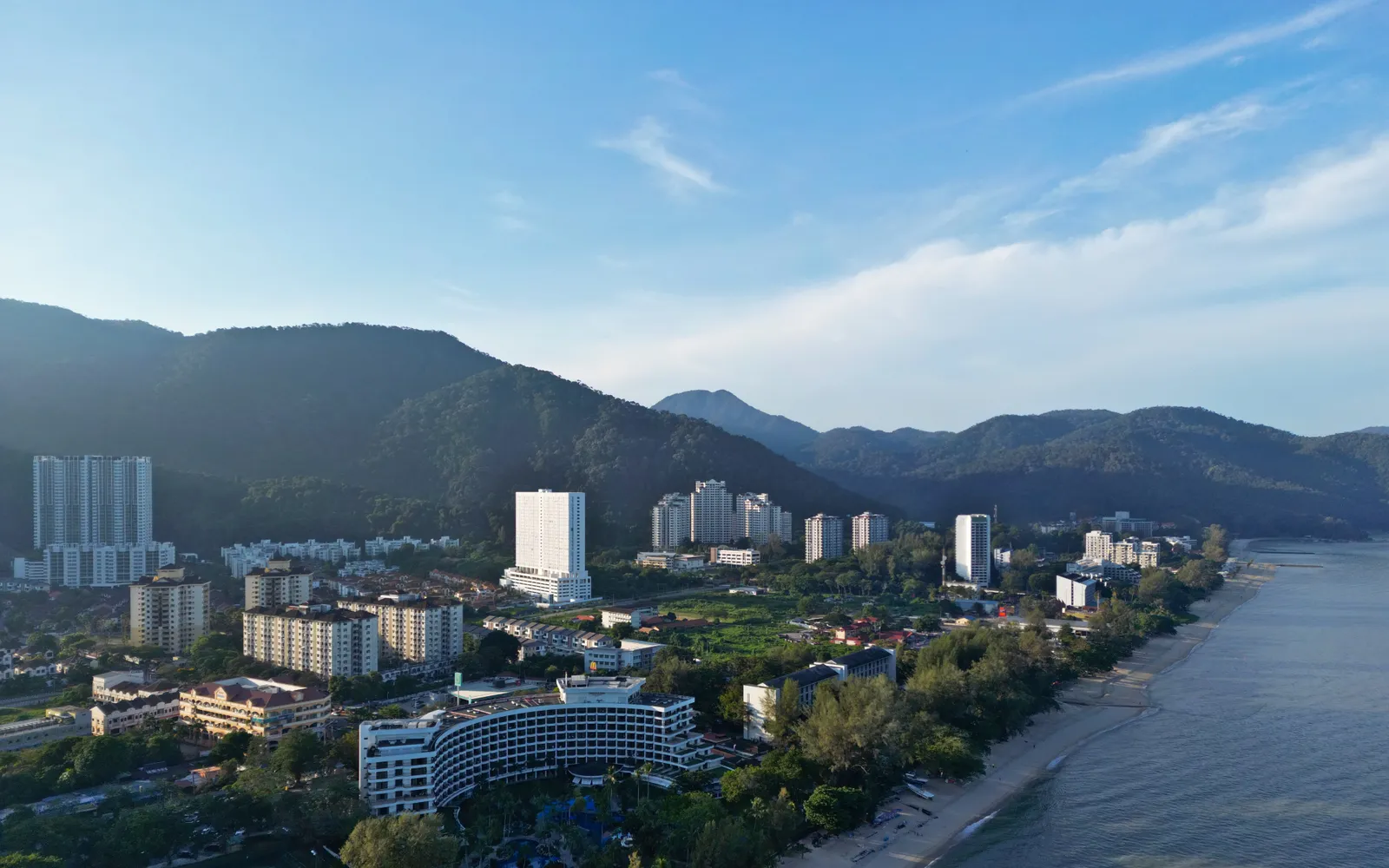
Batu Ferringhi is Penang's main beach resort strip: a <strong>4-kilometre arc of sand</strong> lined with water-sports operators running banana boats, parasailing, and jet-ski rentals. After dark, a lively night market sets up along the road selling handicrafts, clothing, and food. The beach is also home base for international-brand resorts including <strong>Shangri-La Rasa Sayang</strong> and <strong>Hard Rock Hotel</strong>.
- The Night Market opens from 18:00 — bargaining is expected and accepted.
- Swimming conditions are best <strong>November to April</strong>; monsoon swells make the water rough the rest of the year.
- Persistent beach vendors are common — a firm but polite no is enough.
Where to stay in Penang for this trip
A well-located hotel means less commuting and more sightseeing. Here are real, top-rated stays in Penang — compare Agoda · Booking · Trip.com in one click.
The Edison George Town
Affiliate links — we may earn a commission at no extra cost to you. Details
Le Dream Boutique Hotel
Affiliate links — we may earn a commission at no extra cost to you. Details
Macalister Mansion
Affiliate links — we may earn a commission at no extra cost to you. Details
Seven Terraces
Affiliate links — we may earn a commission at no extra cost to you. Details
Tours, tickets & activities in Penang
Day tours, attraction tickets and travel essentials for Penang — book ahead on Klook with mobile e-tickets.
Affiliate links — we may earn a commission at no extra cost to you.
Before You Pack
Penang rewards slow exploration — the more streets you walk, the more you find tucked into side lanes and shophouse courtyards. Plan at least 3 to 4 days to take in both George Town and the northern coast without feeling rushed.