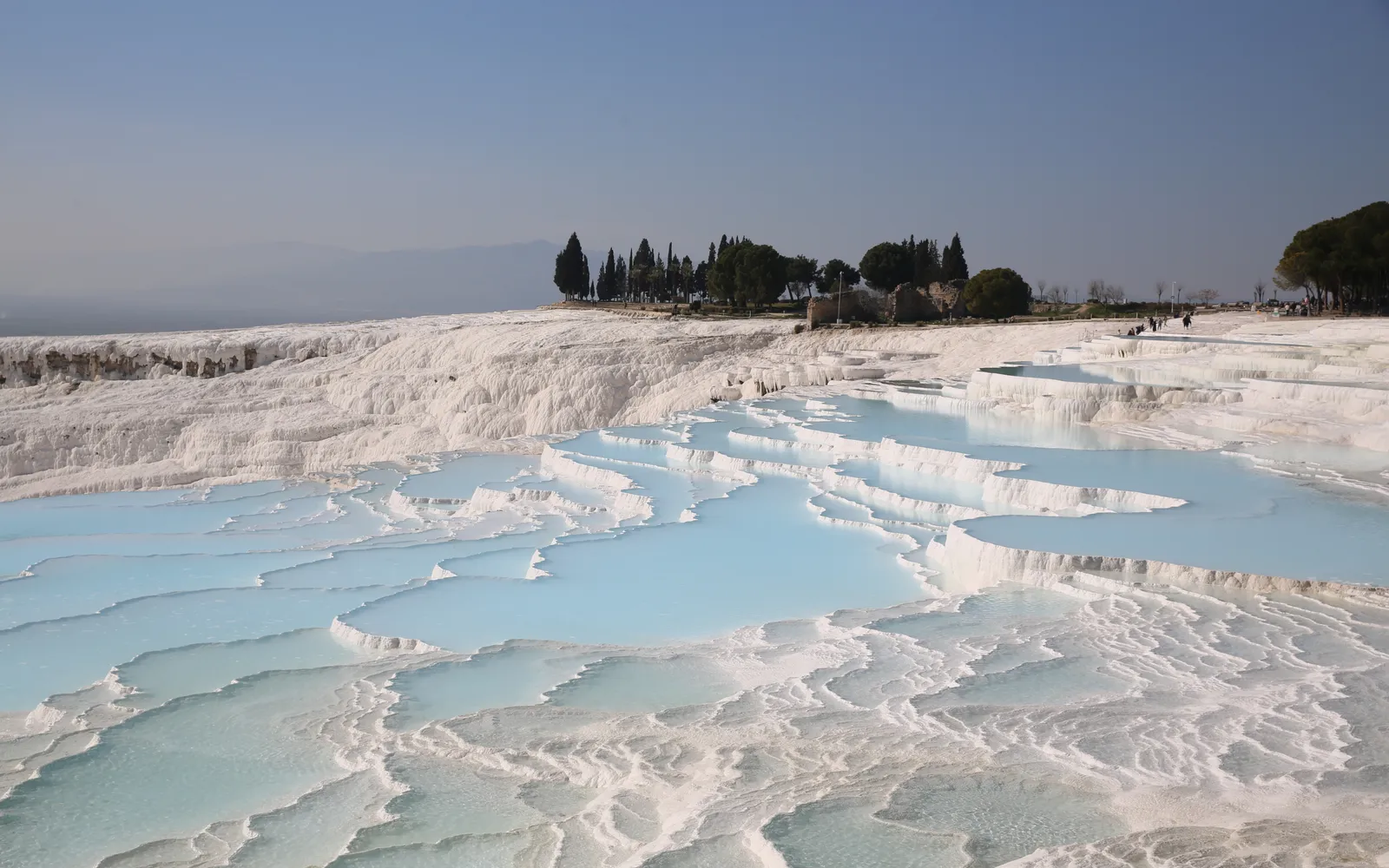
The food around Pamukkale and Denizli doesn't have Istanbul's fame — but it hides a deeply local cooking tradition rarely found in the big cities. Gözleme, a thin flatbread stuffed with goat cheese and crisped on a hot iron griddle, is the breakfast that Turkish women have made on the steps to the travertines for generations. The local kebabs and paper-thin baklava will quietly reframe everything you thought you knew about Turkish food back home.
 #1
#1 Gözleme
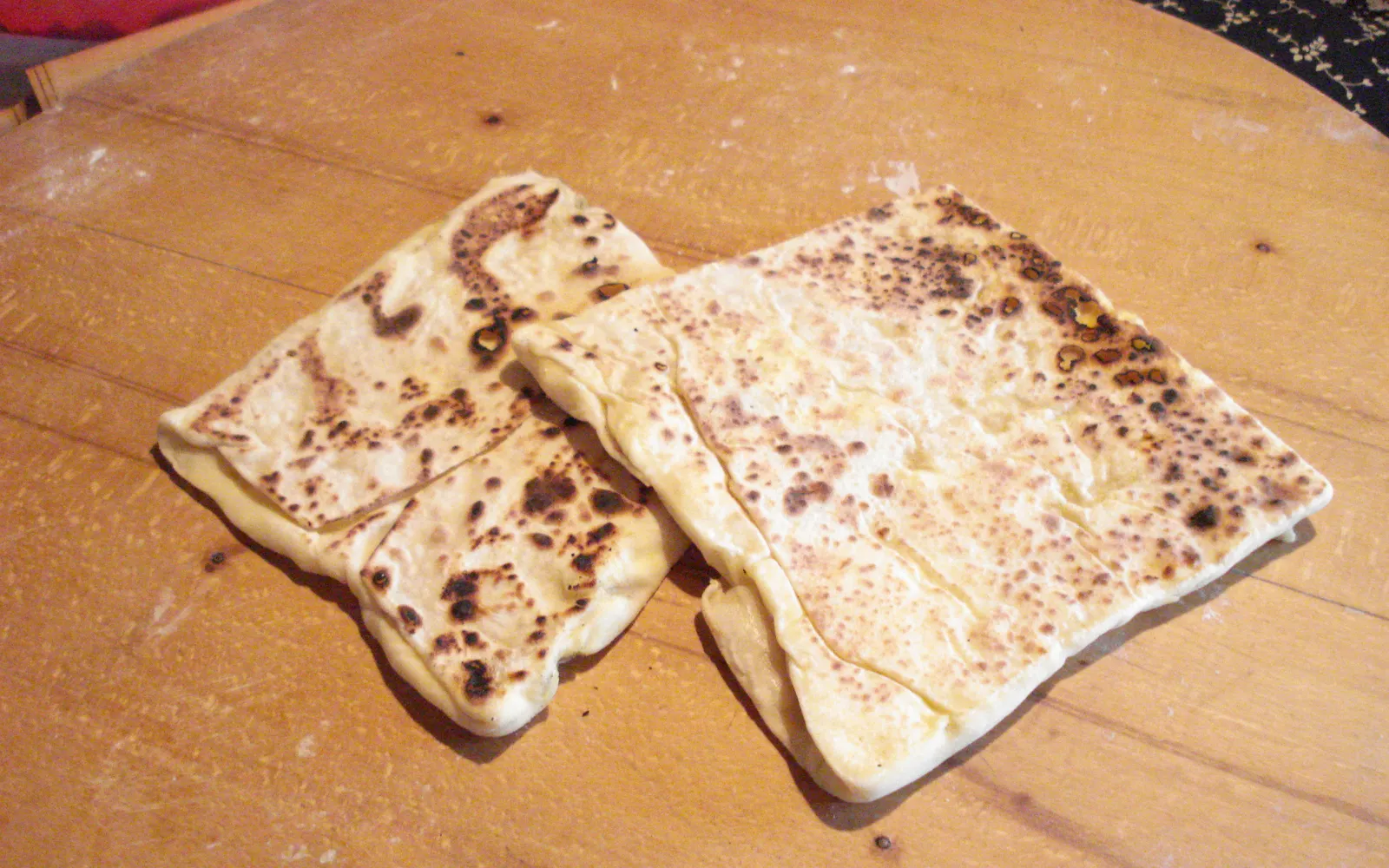
Turkey's thin savory flatbread, made and sold by women in the countryside for hundreds of years. The dough is hand-kneaded, rolled very thin, filled and folded, then cooked on a round iron griddle. Classic fillings include white goat cheese (<em>beyaz peynir</em>), spinach, mashed potato, or minced meat. In Pamukkale, you'll find women making these to order right in front of you — you catch the smell of fresh-baked dough and melting cheese before you even reach the stall. Straightforward in flavor, but genuinely filling.
- Order the spinach-and-white-cheese filling (<em>ıspanaklı peynirli</em>) — it's the combination locals reach for most and easily the best.
- One piece runs 80–150 lira and feeds one person; it's a solid breakfast before heading up the travertine steps.
- Buy one while the maker is still folding it — not one sitting warm in a display case. That's where you get the crisp-outside, soft-inside texture.
 #2
#2 Döner Kebab
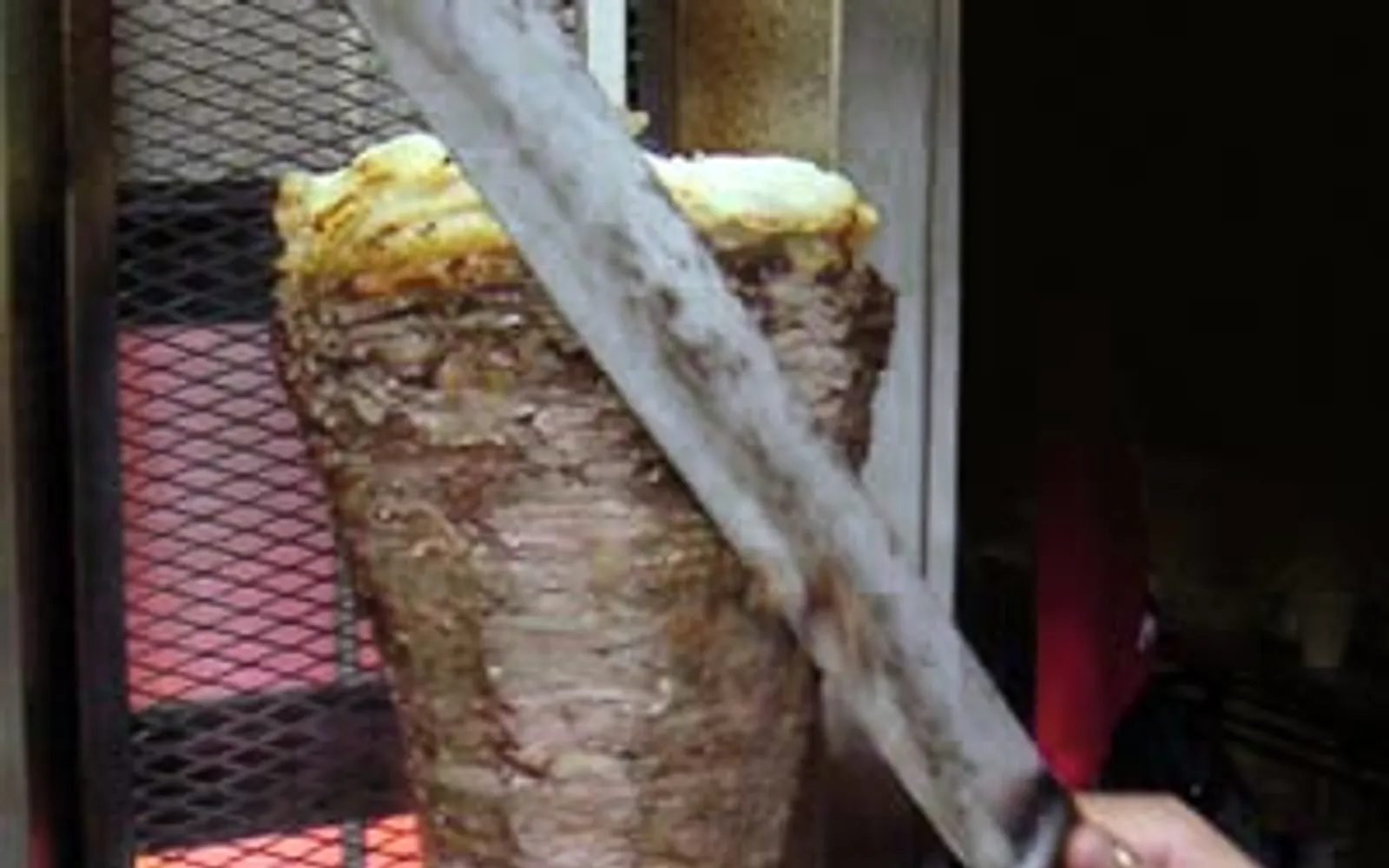
Döner originated in Bursa and has been Turkey's go-to street meat for over a century. Lamb or chicken is marinated in spices, stacked on a vertical spit, and slow-roasted over charcoal until the outside is caramelized and glistening. It's shaved thin and served in a <em>ekmek</em> roll or over rice with salad. What you get in Turkey is noticeably different from the versions exported elsewhere — the meat is denser, and the sumac and oregano come through clearly.
- Order it as a <em>dürüm</em> — wrapped in thin lavash flatbread. It's better than the bread roll version and easier to eat while walking.
- Ask whether it's lamb, chicken, or mixed. Chicken is the milder pick if you're not used to lamb.
- Avoid places where the spit looks very thin or has been turning for ages with no customers — the meat dries out fast.
 #3
#3 İskender Kebab
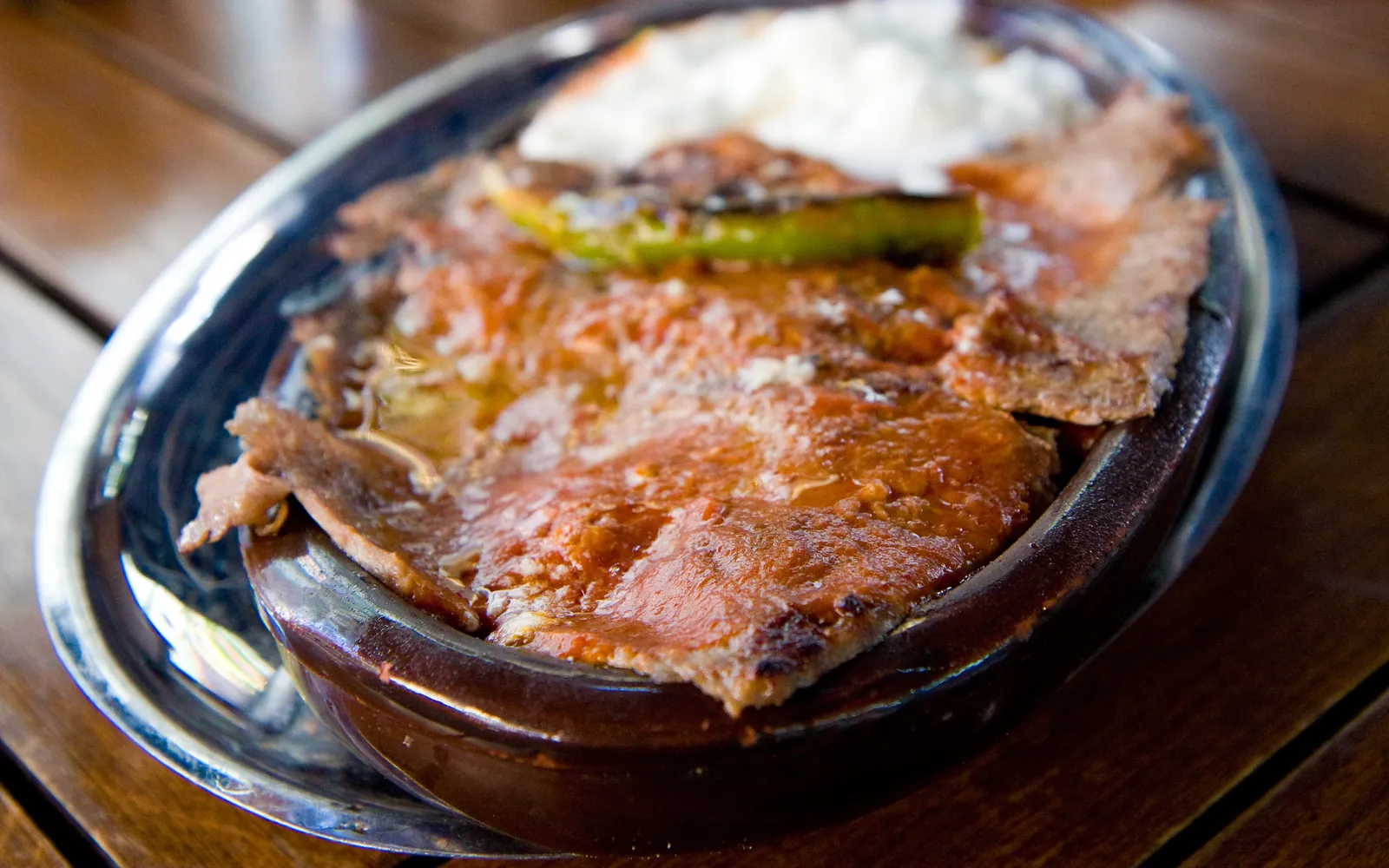
A signature dish from Bursa that has been popular across Turkey for well over a century. Thin slices of lamb döner sit on pieces of <em>pide</em> bread soaked in a dense tomato sauce; hot fresh butter is poured tableside, and it arrives with a scoop of cold yogurt on the side. Hot and cold, sharp and rich, sweet and savory — all in one bite. Many travelers skip it simply because they don't know what it is, but most people who try it order it again the next day.
- Eat it hot. The butter and tomato sauce need to be fresh off the pour — once it cools, the balance shifts noticeably.
- The yogurt is not garnish. Take a little with every bite of meat; that's the whole point of the dish.
- Seek out places using real butter, not margarine — you'll know immediately from the aroma when it hits the plate.
 #4
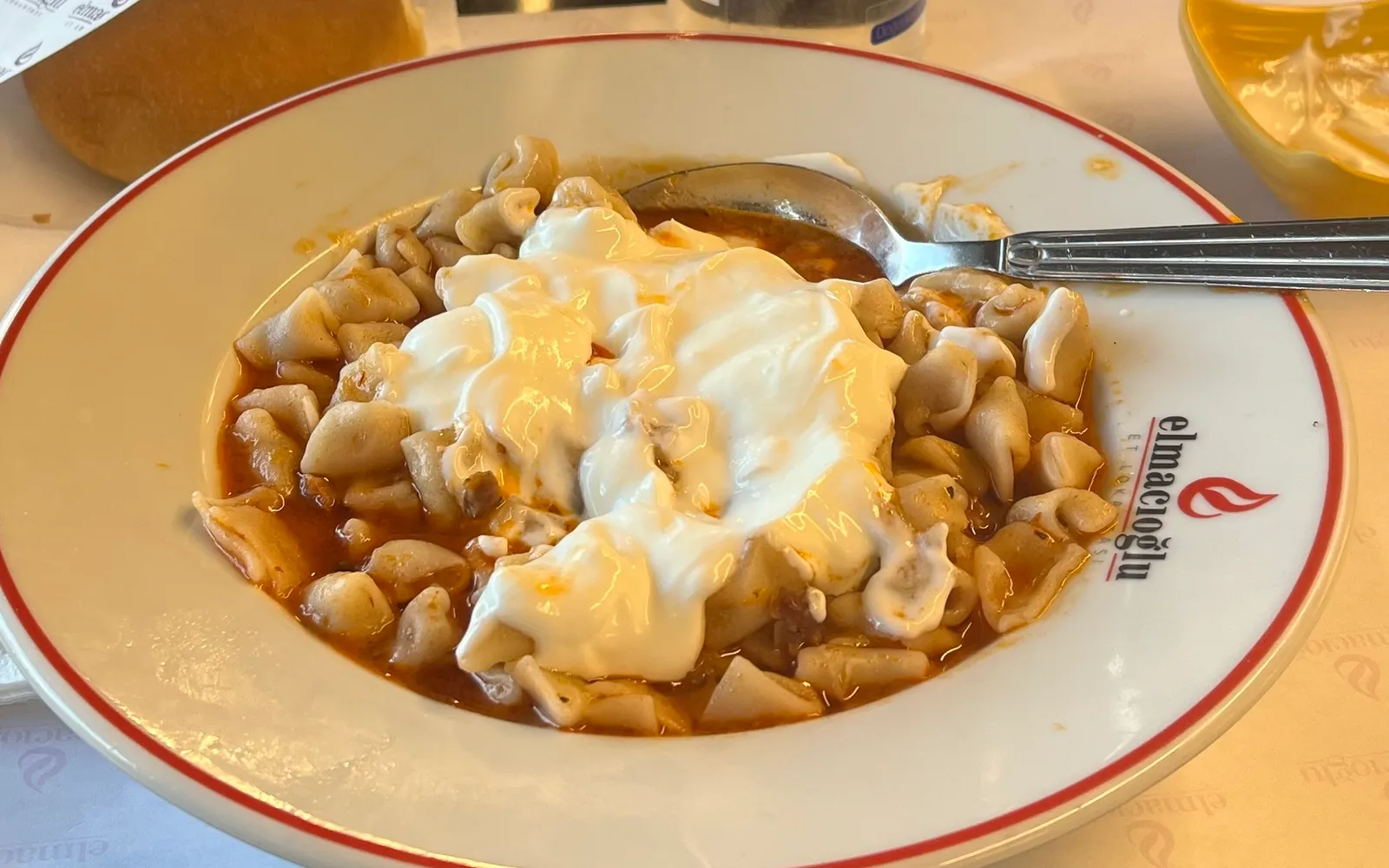
#4 Mantı
Very small Turkish dumplings, each one pinched shut around a filling of spiced minced meat. Boiled and then served with garlic yogurt, a drizzle of <em>pul biber</em> (Turkish red chili flakes) butter in a vivid orange, and dried mint. The origins trace back to Central Asia through the Ottoman period. In Turkey, smaller means better — it's the standard locals use to judge a cook's skill, and the most accomplished versions are smaller than a single peanut. Getting there takes hours of work.
- An order of 40 is easy to finish alone — the pieces are tiny. Don't let the count fool you.
- If the yogurt arrives warm, that's not the traditional style. It should be cold and thick to cut through the heat of the dumplings.
- Try a few plain before adding the chili butter, so you can taste the yogurt and the meat filling on their own first.
 #5
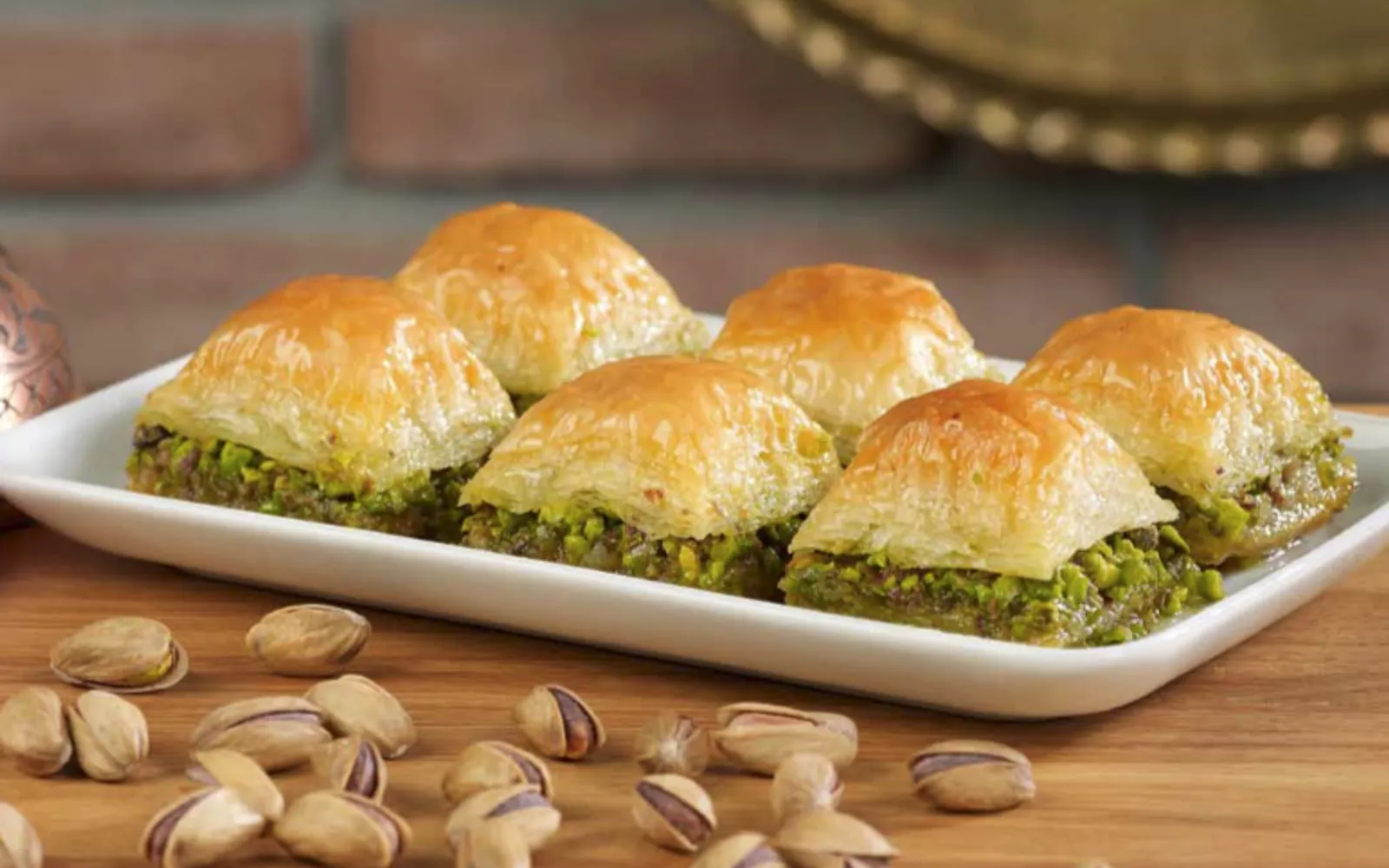
#5 Baklava
An Ottoman sweet that has symbolized Turkish generosity for hundreds of years. Dozens of paper-thin filo sheets are layered with roughly ground pistachio or walnut, baked until golden and crisp, then drenched in hot honey syrup so each layer absorbs just enough sweetness. Good baklava from a proper bakery has crisp outer layers but the inner pastry still holds a little moisture — not hard and dry, not swimming in syrup. It should be eaten fresh, from a place that bakes its own.
- Pair it with a glass of strong Turkish black tea (<em>çay</em>) to cut the sweetness — this is how Turks have eaten it every day for centuries.
- It ships well in vacuum-sealed boxes that last 2–3 weeks, but nothing matches eating it the day it was made.
- Pistachio and walnut versions taste quite different from each other — try both before committing to a large box.
 #6
#6 Turkish Apple Tea and Çay
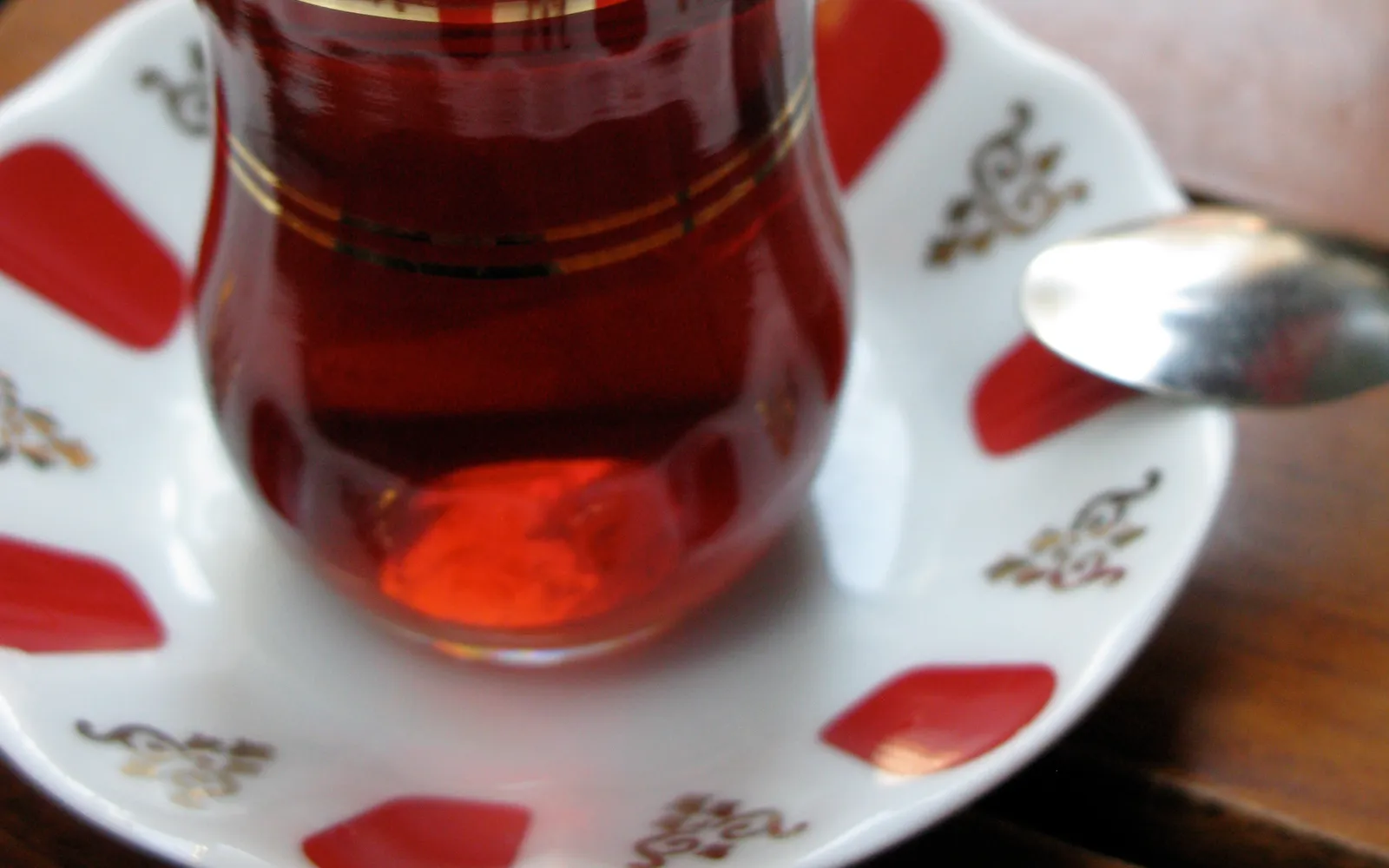
Tea is the backbone of Turkish social life — drunk dozens of times a day from morning to night. Black tea (<em>çay</em>) is brewed strong in a two-tiered pot and served in tulip-shaped glasses with sugar cubes; it's deep-flavored with a slight bitterness. Apple tea (<em>elma çayı</em>) was developed specifically for visitors — sweet and fragrant, with no caffeine. Shops in Pamukkale often offer a free glass as an invitation to browse; this is genuine hospitality, not a pressure tactic.
- If a shop offers you free tea, take it — there's no obligation to buy anything. It's a real custom, not a trick.
- Ask whether they have pomegranate tea (<em>nar çayı</em>) or rose tea (<em>gül çayı</em>) — some Pamukkale shops carry them.
- Turkish black tea is brewed very strong. You can ask for hot water to dilute it — called <em>açık</em> — or just say you want a lighter cup.
Where to stay in Pamukkale for this trip
A well-located hotel means less commuting and more sightseeing. Here are real, top-rated stays in Pamukkale — compare Agoda · Booking · Trip.com in one click.
Bellamaritimo Hotel
Affiliate links — we may earn a commission at no extra cost to you. Details
Venus Suite Hotel
Affiliate links — we may earn a commission at no extra cost to you. Details
Alida Hotel Pamukkale
Affiliate links — we may earn a commission at no extra cost to you. Details
Hotel Sahin
Affiliate links — we may earn a commission at no extra cost to you. Details
Tours, tickets & activities in Pamukkale
Day tours, attraction tickets and travel essentials for Pamukkale — book ahead on Klook with mobile e-tickets.
Affiliate links — we may earn a commission at no extra cost to you.
Before You Pack
The best food in Pamukkale tends to be at roadside spots with signs only in Turkish, or tiny village places where a woman is making gözleme fresh in front of you. If you see smoke from a charcoal grill or smell dough baking, walk in — no further research needed.