
New Zealand food doesn't have the global profile of Italian or Japanese cooking, but it hides a kind of honest deliciousness that comes from some of the world's best raw ingredients. Manawatu lamb — raised on open pasture year-round — and New Zealand dairy are the backbone of the local table, layered with Maori influence from the hangi and a flavour philosophy that is straightforward and unaffected. Palmerston North, as an agricultural city, has far more worth eating than its modest reputation suggests.
 #1
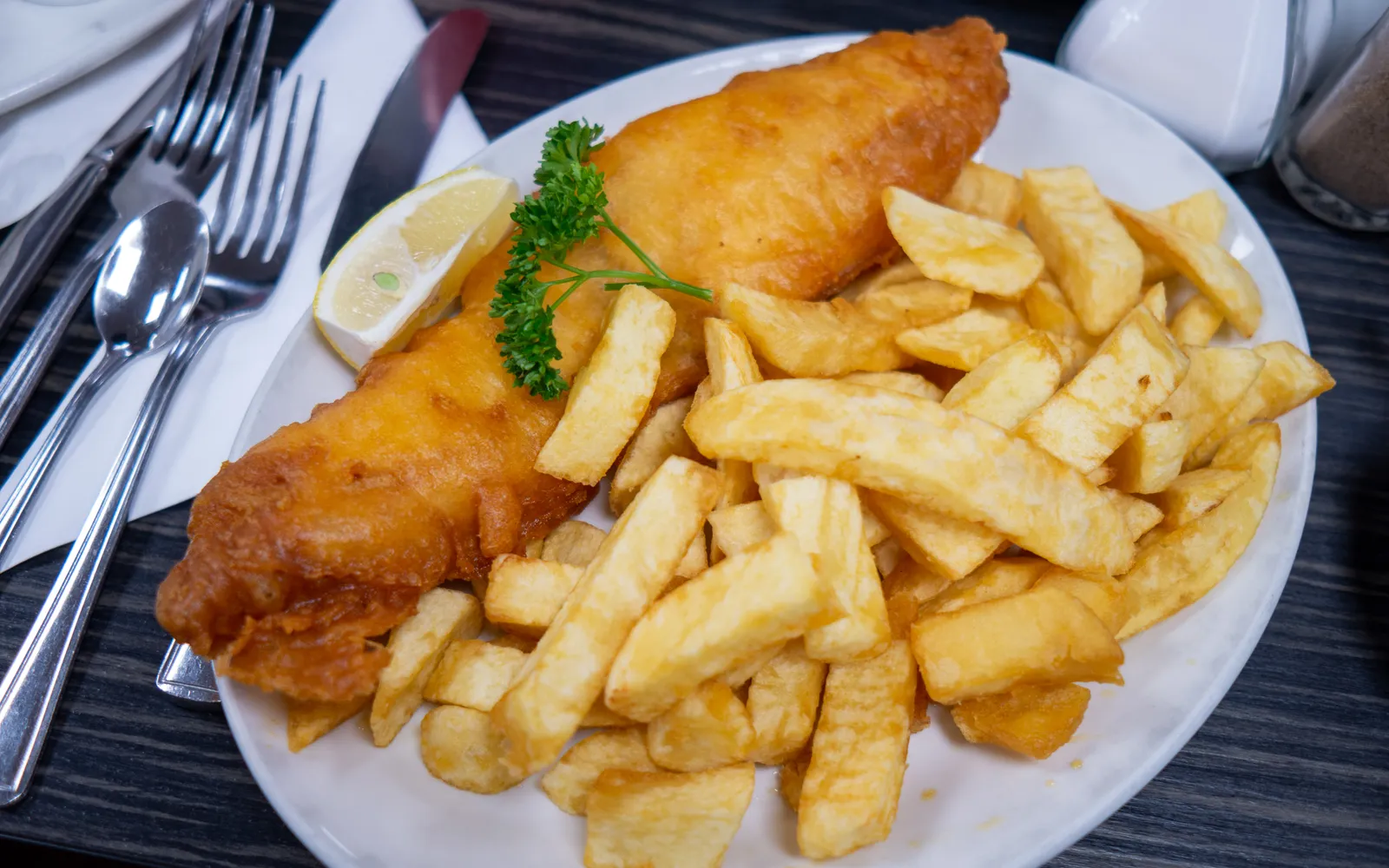
#1 Fish and Chips
The national dish that never goes out of style in New Zealand. The local version uses cold-water white fish such as tarakihi or snapper, coated in a thin beer batter and fried until golden, served alongside thick chips that are soft inside and crisp out. A shake of salt and a splash of malt vinegar is the traditional finishing touch. Cheap, filling, and available on every street corner, fish and chips function as comfort food across every generation of New Zealanders. The flavour profile is close enough to familiar battered fish that it works immediately, but the batter and the fish itself are notably different.
- Order a fish burger if you want a different angle on the same fish — same piece, same quality, tucked into a bun with tartare sauce.
- Good shops run long queues between 5 pm and 7 pm on Friday and Saturday; fish and chips on a Friday is a New Zealand institution.
- Ask for malt vinegar on the chips — the traditional British way — and you'll notice a clear difference from tomato sauce.
 #2
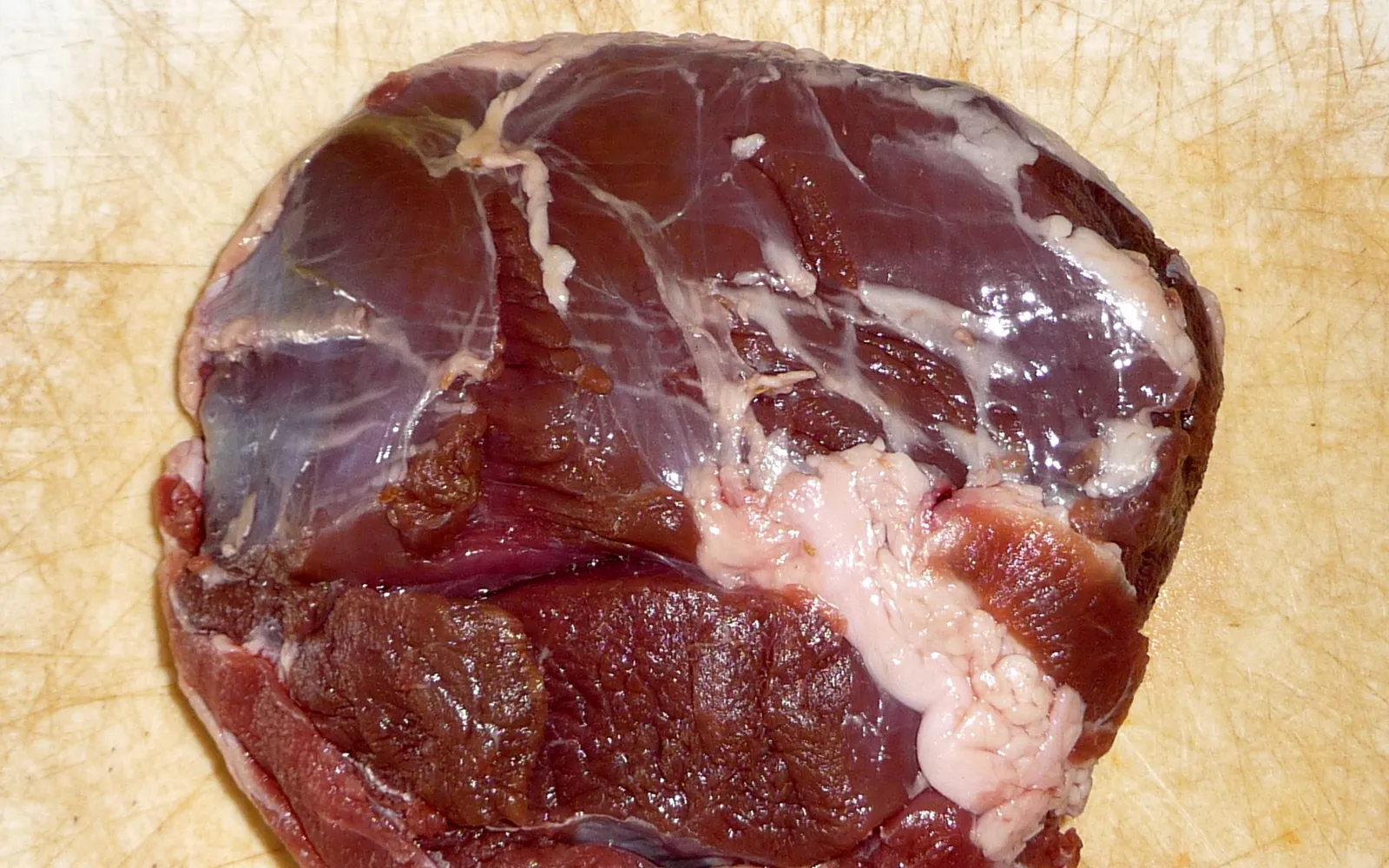
#2 Roast Lamb
New Zealand is among the world's top producers of quality lamb, and Manawatu is one of the country's significant sheep-farming regions. Because New Zealand lamb grazes on open pasture all year, the meat has a naturally mild sweetness, good fat distribution, and none of the gamey edge you sometimes get elsewhere. The classic preparation is roasted with rosemary and garlic, plated with mint sauce and roasted vegetables. Coming to New Zealand and skipping the lamb is a genuine miss.
- Order rack of lamb if you want the finest cut — it costs more, but it's worth it.
- Ask for medium-rare if you want the meat juicy and tender; well-done works if you're less accustomed to European-style red meat.
- 4-star hotel restaurants often carry local lamb with clear provenance labelling — worth asking which farm it came from.
 #3
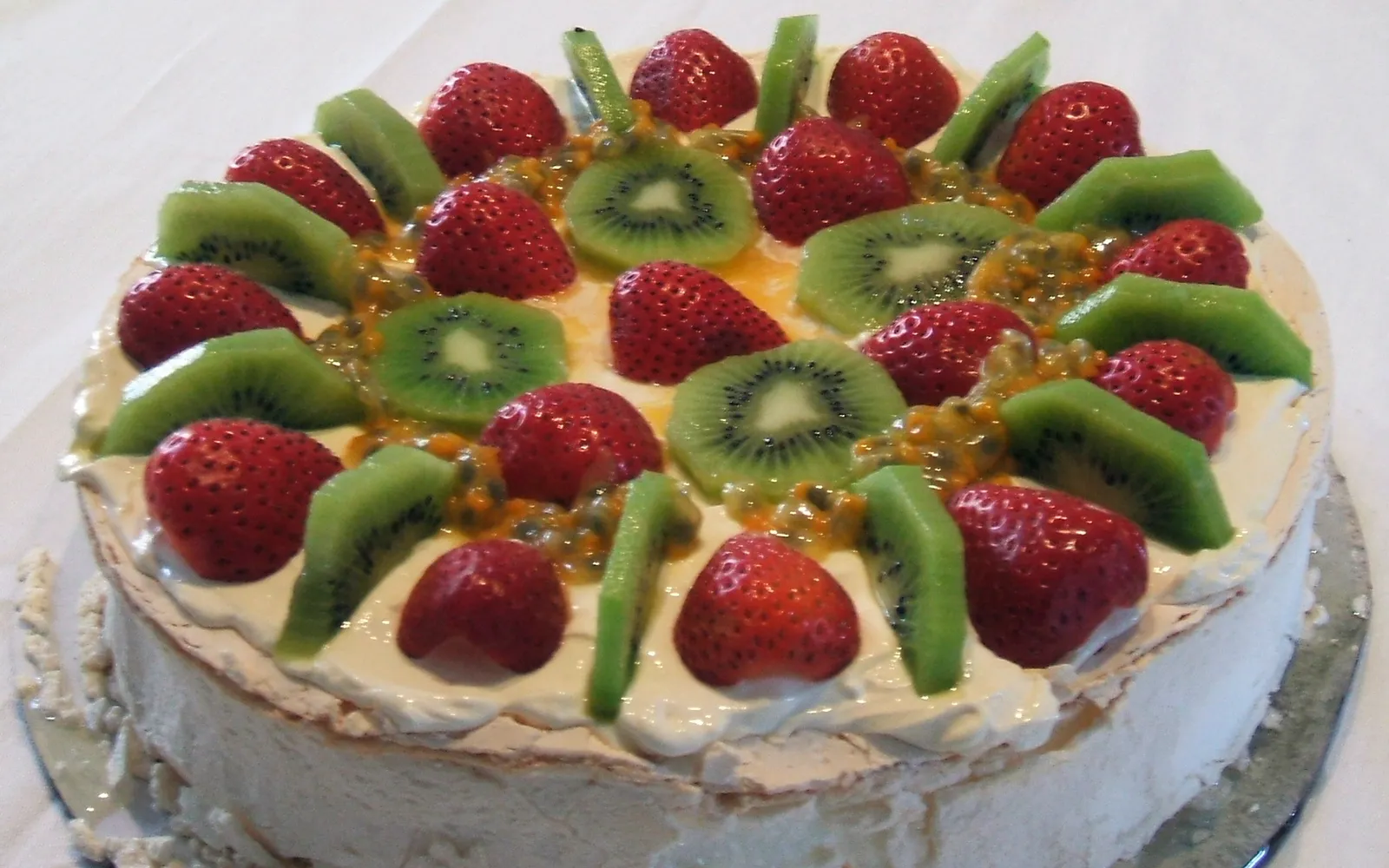
#3 Pavlova
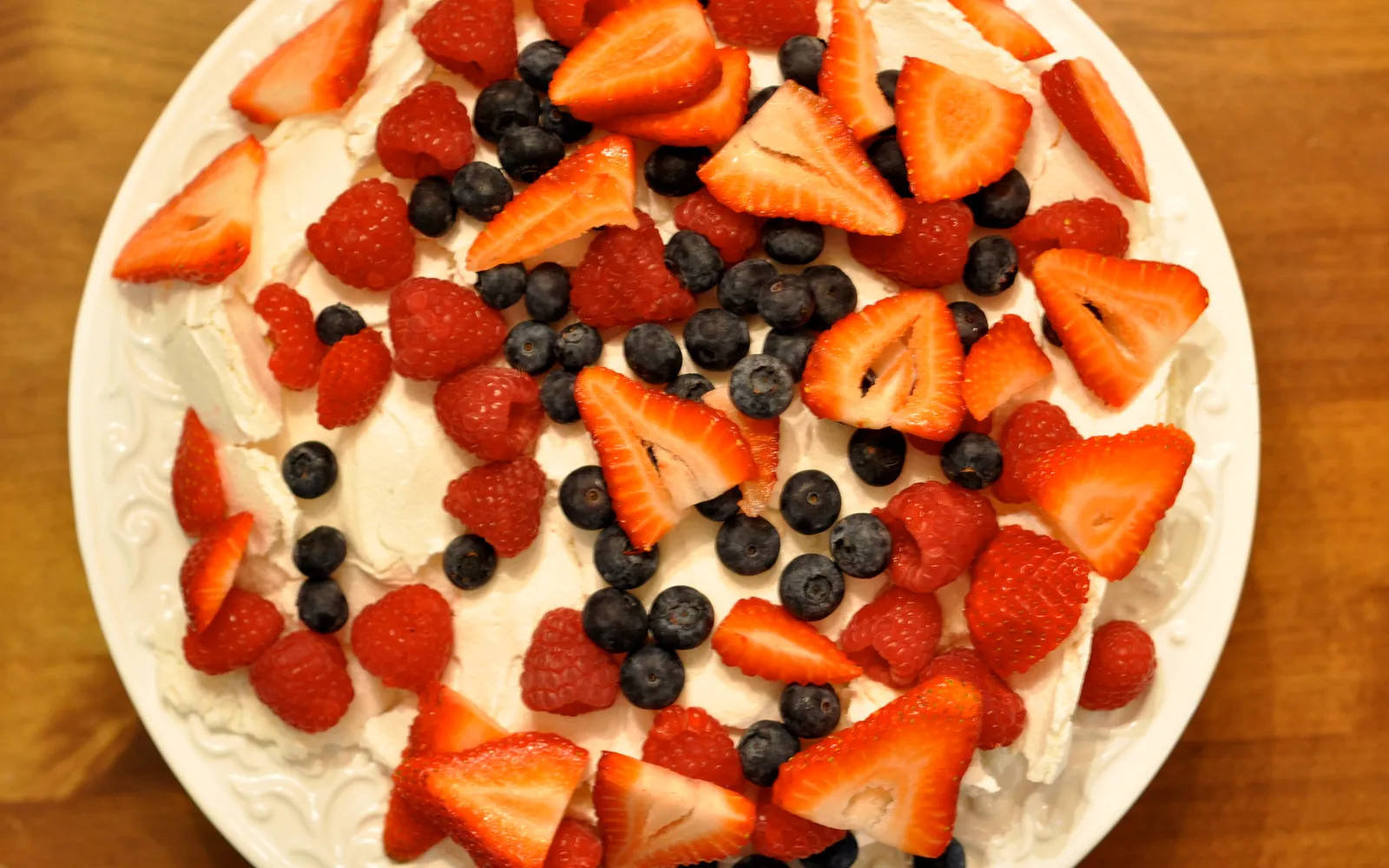
The national dessert that New Zealand and Australia have been arguing over for more than 100 years as to who invented it first. The base is a meringue baked from egg whites and sugar to produce a shell that is crisp outside and soft as marshmallow within, then layered with thick whipped cream and fresh fruit — kiwifruit, strawberries, and passionfruit. New Zealanders make pavlova for almost every celebration from Christmas to birthdays. Sweet but light from the fresh fruit, it manages to be both beautiful and genuinely delicious.
- Most cafes sell pavlova by the slice — no need to order a whole one, which makes it easy to fit into an itinerary.
- Traditional pavlova has passionfruit on top; the tartness cuts through the sweetness of the meringue in a way that works well.
- Ready-made pavlova from supermarkets such as Countdown or Pak n Save is considerably cheaper than cafe versions and worth trying.
 #4
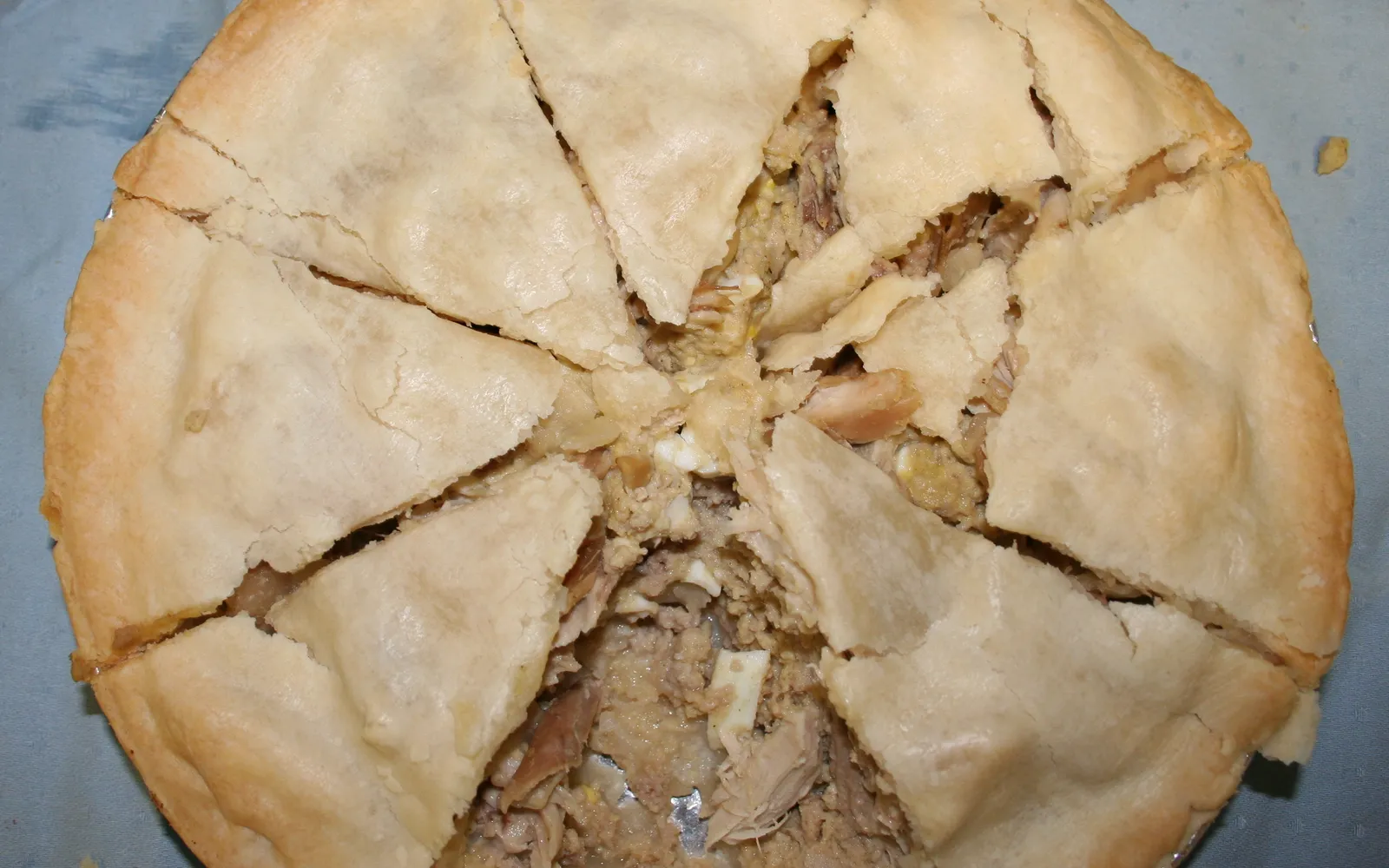
#4 Meat Pie
A fast food that has been a symbol of New Zealand life since the colonial era. The hand-sized New Zealand meat pie has thin, flaky pastry and a filling of minced meat and onion in a rich gravy — available in beef, lamb, chicken, and cheese-and-bacon varieties, among others. Priced at NZD 4 to 6 each, they work at any meal. New Zealanders eat pies for breakfast or carry them as a walking lunch. For an authentic on-the-ground eating experience, this is one of the most genuine things you can put in your hand.
- Local bakeries bake fresh pies every morning — far better than the heated versions sitting in petrol station displays. Look for shops that pull their pies between 7 am and 9 am.
- Mince and cheese is the most popular filling among New Zealanders and the best starting point for first-timers.
- Eat it with tomato sauce — the New Zealand version is slightly sweeter than most and works well with the pie.
 #5
#5 Hangi
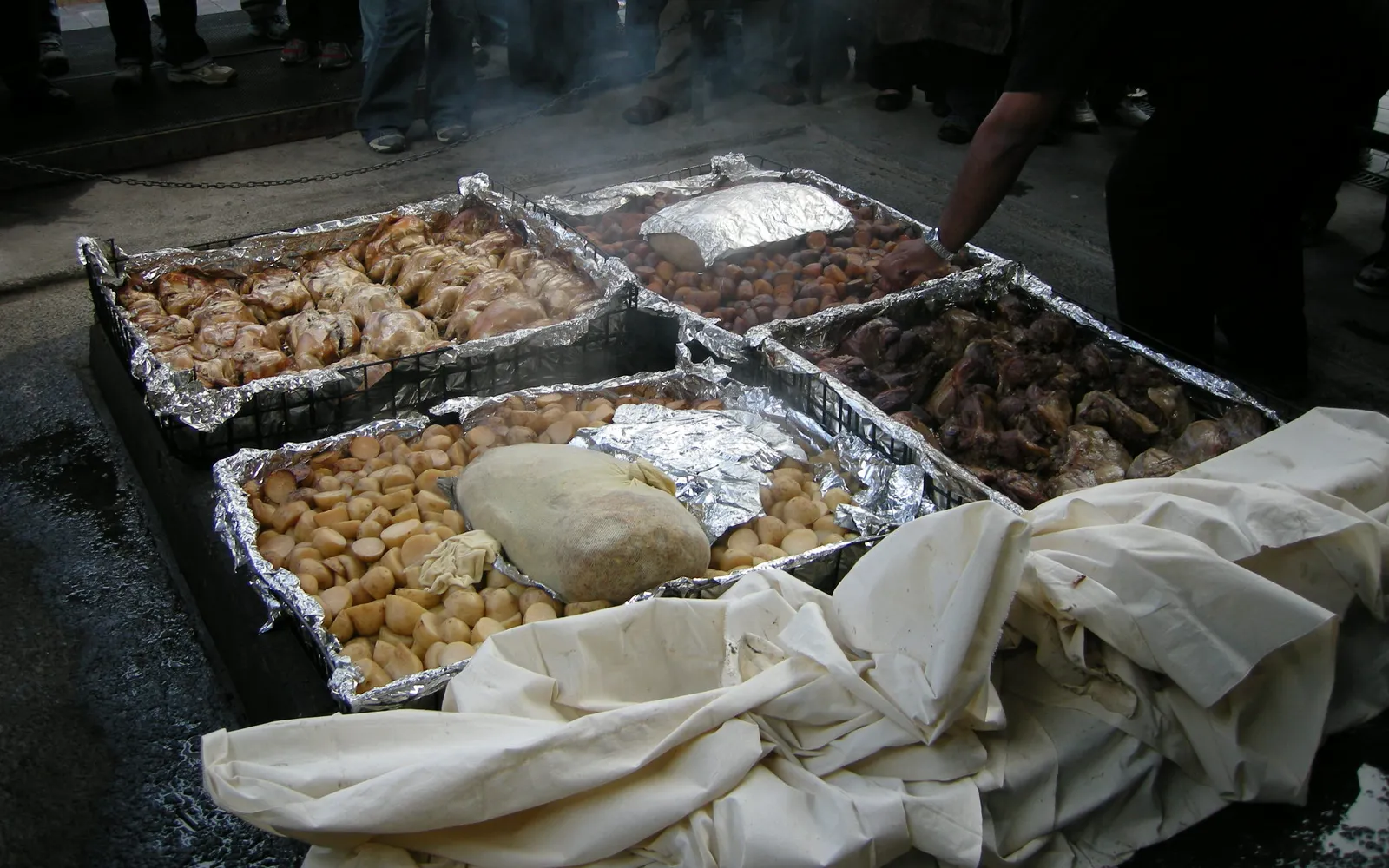
The traditional Maori cooking method uses heat from stones placed in an earth pit to steam meat and vegetables together over several hours. The long cook makes the meat fall-apart tender and draws in the flavour of the vegetables and the earth in a way that is unique. A typical hangi tray holds chicken, pork, kumara (sweet potato), regular potato, and root vegetables. The flavour is straightforward and deep — very little seasoning, relying instead on ingredient freshness and natural heat. Maori communities in Manawatu continue to prepare hangi regularly for ceremonies and community gatherings.
- Traditional hangi requires advance booking through a Maori cultural tour — it is not available in ordinary restaurants.
- Palmerston North has a large Maori community. The i-SITE Visitor Centre can point you toward opportunities to observe or join community events.
- Kumara — the traditional Maori sweet potato — is the one ingredient that defines the hangi; it is sweeter and softer than other varieties.
 #6
#6 New Zealand Cheese and Dairy
Manawatu is one of New Zealand's important dairy farming regions, and New Zealand dairy products have a strong international reputation for quality. Cows graze on fresh grass year-round, giving the milk a naturally rich, sweet flavour. Cheese made from New Zealand milk runs from aged cheddar matured for several years to locally produced French-style varieties. New Zealand butter such as Anchor is well known across Asia and Europe. Buying cheese directly from the Saturday morning market gives you the closest possible connection to regional Manawatu production.
- The Saturday morning market at The Square has local cheese stalls offering free tastings — worth a stop if you're in the city on a Saturday.
- New Zealand aged cheddar matured for more than 12 months is noticeably more complex and rounded than standard cheddar.
- Fresh whole milk is priced at around NZD 2 to 3 per litre and tastes noticeably richer than most — worth picking up while you're here.
Where to stay in Palmerston North for this trip
A well-located hotel means less commuting and more sightseeing. Here are real, top-rated stays in Palmerston North — compare Agoda · Booking · Trip.com in one click.
Wallace Court Motel
Affiliate links — we may earn a commission at no extra cost to you. Details
Awatea Park Motor Lodge
Affiliate links — we may earn a commission at no extra cost to you. Details
Distinction Palmerston North Hotel
Affiliate links — we may earn a commission at no extra cost to you. Details
Aubyn Court Spa Motel
Affiliate links — we may earn a commission at no extra cost to you. Details
Tours, tickets & activities in Palmerston North
Day tours, attraction tickets and travel essentials for Palmerston North — book ahead on Klook with mobile e-tickets.
Affiliate links — we may earn a commission at no extra cost to you.
Before You Pack
New Zealand food is at its best in small owner-run shops where the owner takes pride in local ingredients. The Saturday morning market at The Square is the single best opportunity to taste produce from Manawatu farms at the source.