Ottawa is more than a political capital — it's a city packed with several major museums you can visit for free. In winter the Rideau Canal transforms into the longest natural ice-skating rink in the world, while in autumn the red maples turn so beautiful you won't want to stop walking. The city is a comfortable size: you can walk or cycle to almost everywhere downtown. It isn't crowded or chaotic, yet it carries a full sense of Canadian national pride.
 #1
#1 Parliament Hill
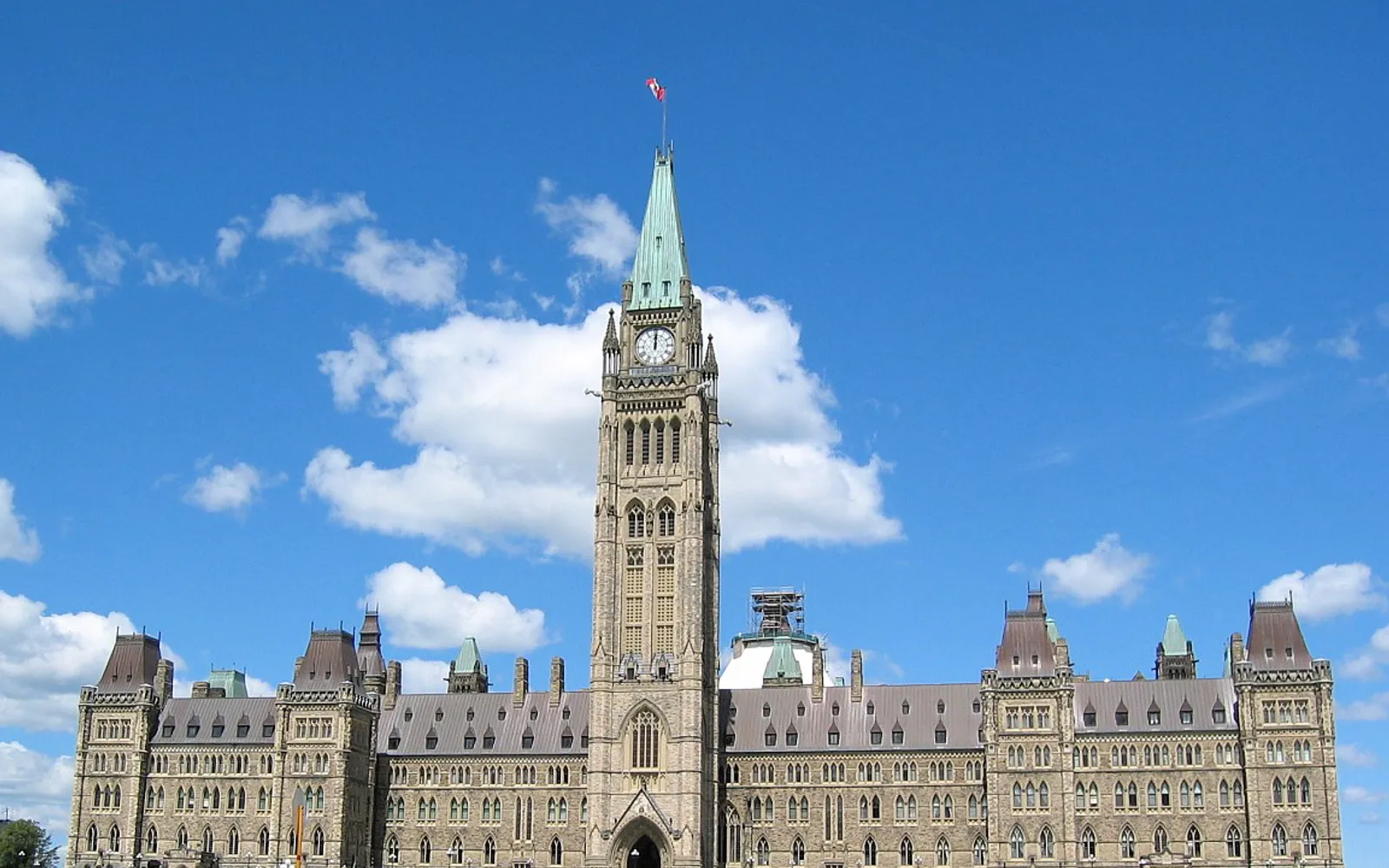
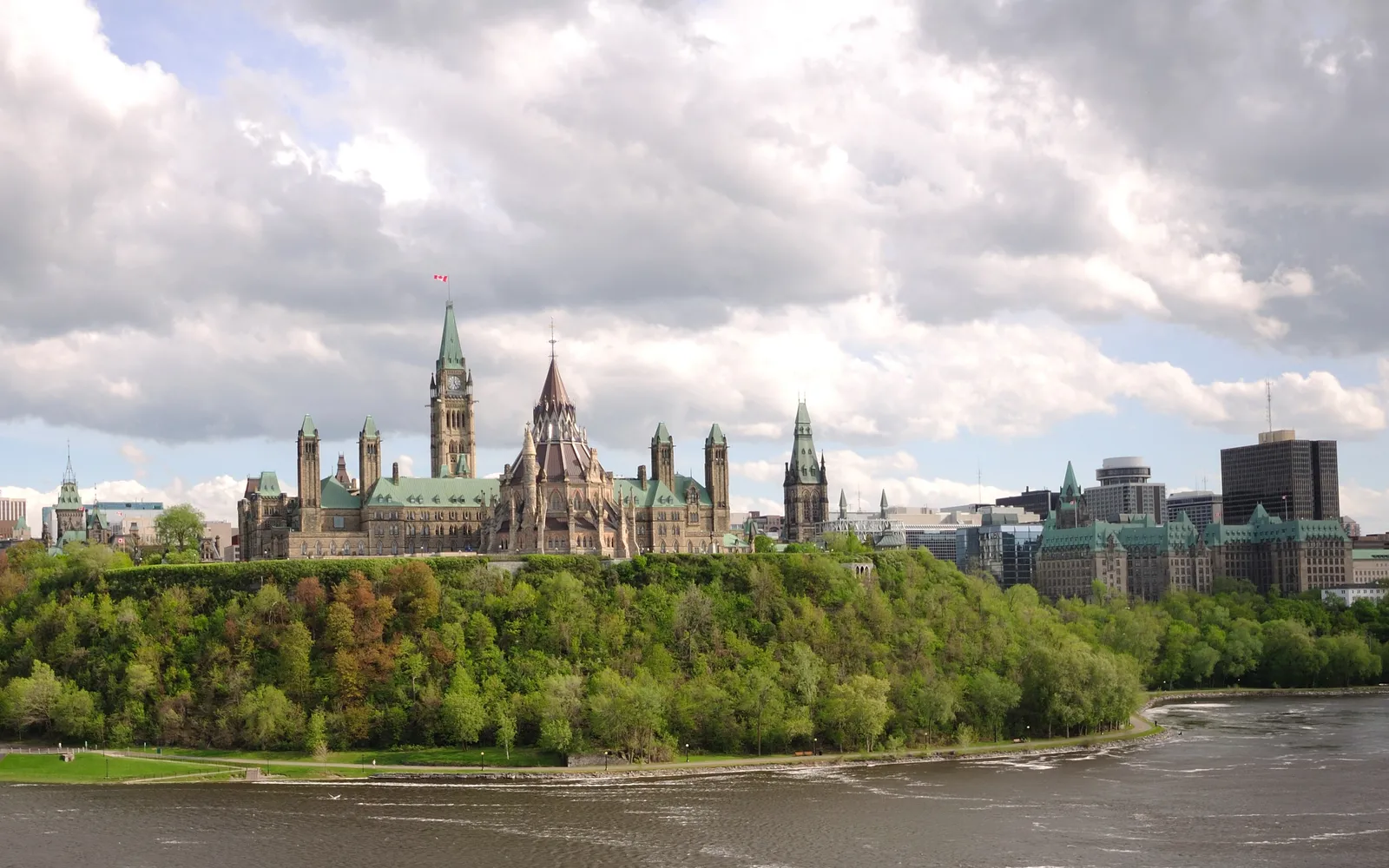
The heart of Canadian democracy and Ottawa's most recognisable landmark. The Parliament buildings were built in Victorian Gothic style more than 150 years ago, set on a high rocky bluff above the Ottawa River. Free tours take you inside the chambers and historic meeting rooms, and the Changing of the Guard out front each morning at 10 is a visitor favourite. After dark, a seasonal sound-and-light show is projected onto the building, and it's a lovely sight.
- Book the indoor tour ahead at parl.gc.ca — every tour is free, and slots sell out fast in summer.
- The Changing of the Guard runs daily at 10 a.m. from late June through August, free and viewable from the lawn.
- The best photo angle is from across the river in Gatineau, Quebec, where you can see the whole building with the river in front.
 #2
#2 Rideau Canal
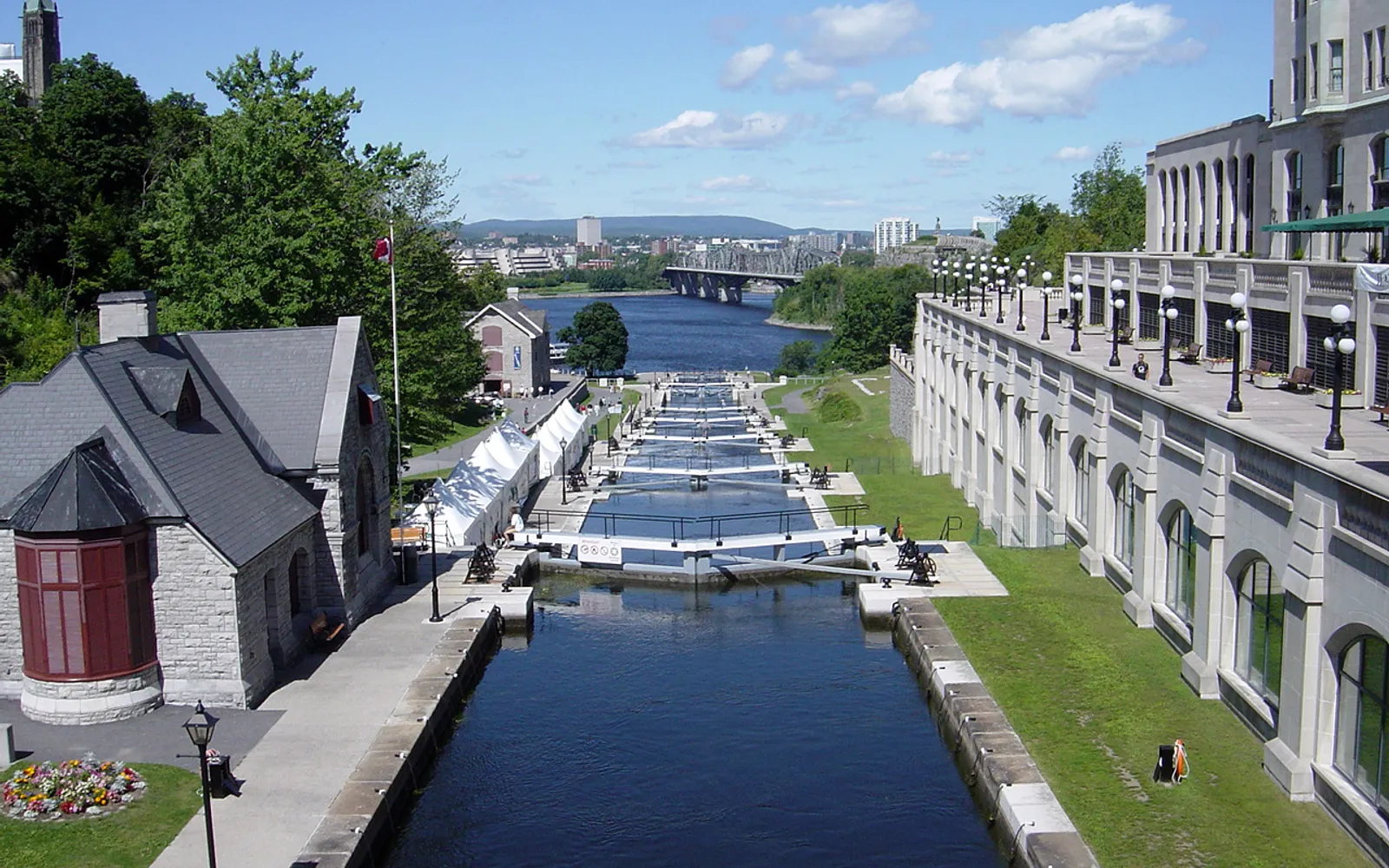
A UNESCO World Heritage Site completed in 1832 by British troops to defend against invasion from America, now a cultural and natural treasure that Ottawans hold dear. In winter the canal freezes into the longest ice-skating rink in the world at 7.8 km; in summer rowboats and canoes glide along its length, flanked on both sides by green parkland and cycling paths.
- In winter you can rent skates at several service points for around 15-20 Canadian dollars, and BeaverTails sold along the canal are a well-known snack.
- In summer, rent a bike or a rowboat at Dows Lake to explore the canal-side route.
- The Hartwell Locks are the most memorable spot — you watch the lock gates raise the boats right in front of you, free all day.
 #3
#3 ByWard Market
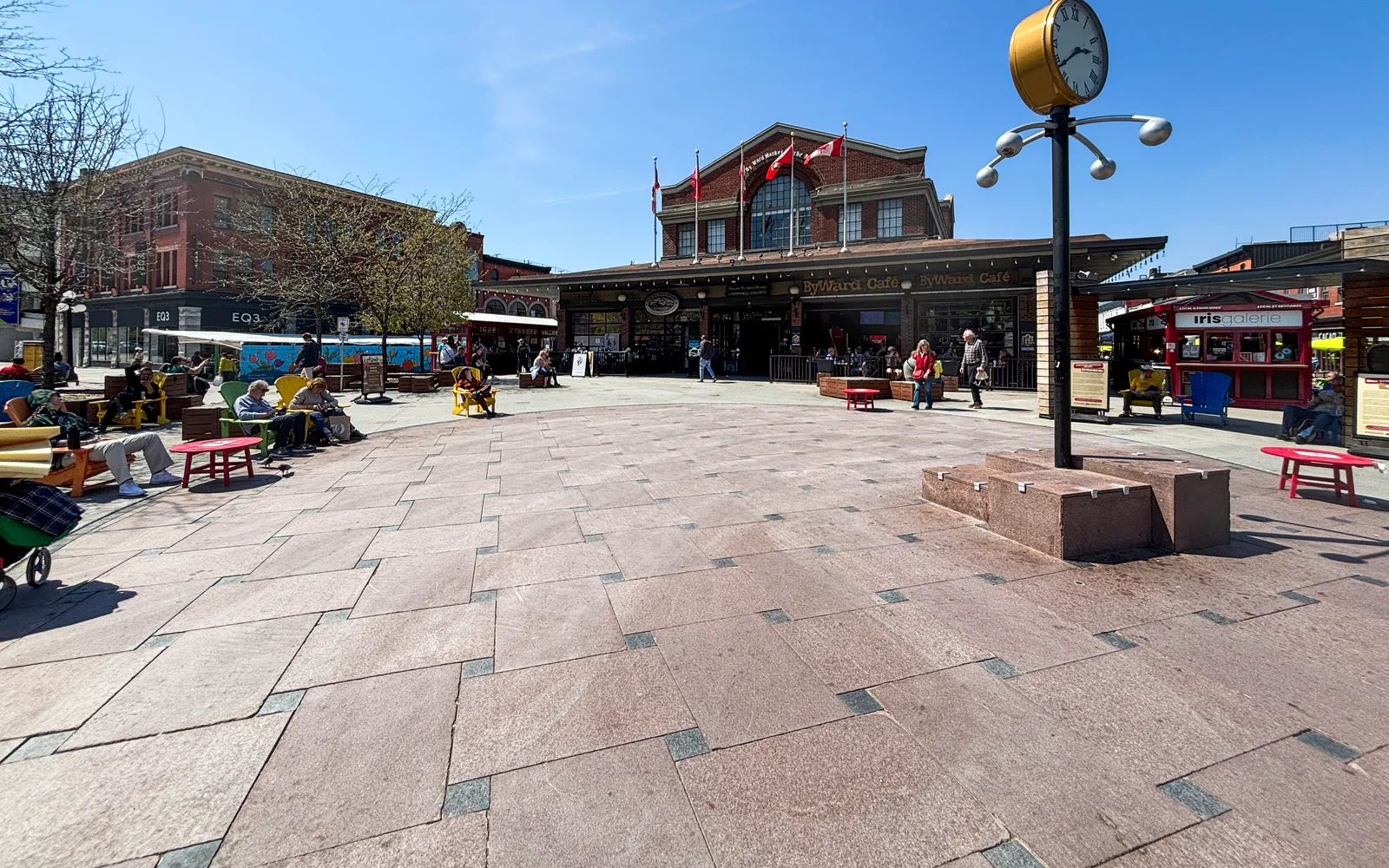
The oldest market in Ottawa at over 200 years old, and still the liveliest in the city today. The fresh-market zone sells vegetables and fruit, cheese, maple syrup and colourful cut flowers, while the surrounding streets are full of restaurants, bars, cafes and small boutiques worth a stop. The atmosphere is good day and night, with visitors and locals mixing together — it's the best spot to try a range of Canadian food.
- Grade A maple syrup is cheaper here than in regular supermarkets, and some stalls let you taste before you buy.
- Saturday and Sunday mornings are busiest; for a calmer feel, come on a weekday morning.
- BeaverTails, the famous original shop, is in this market — try the long fried pastry with a range of toppings.
 #4
#4 National Gallery of Canada
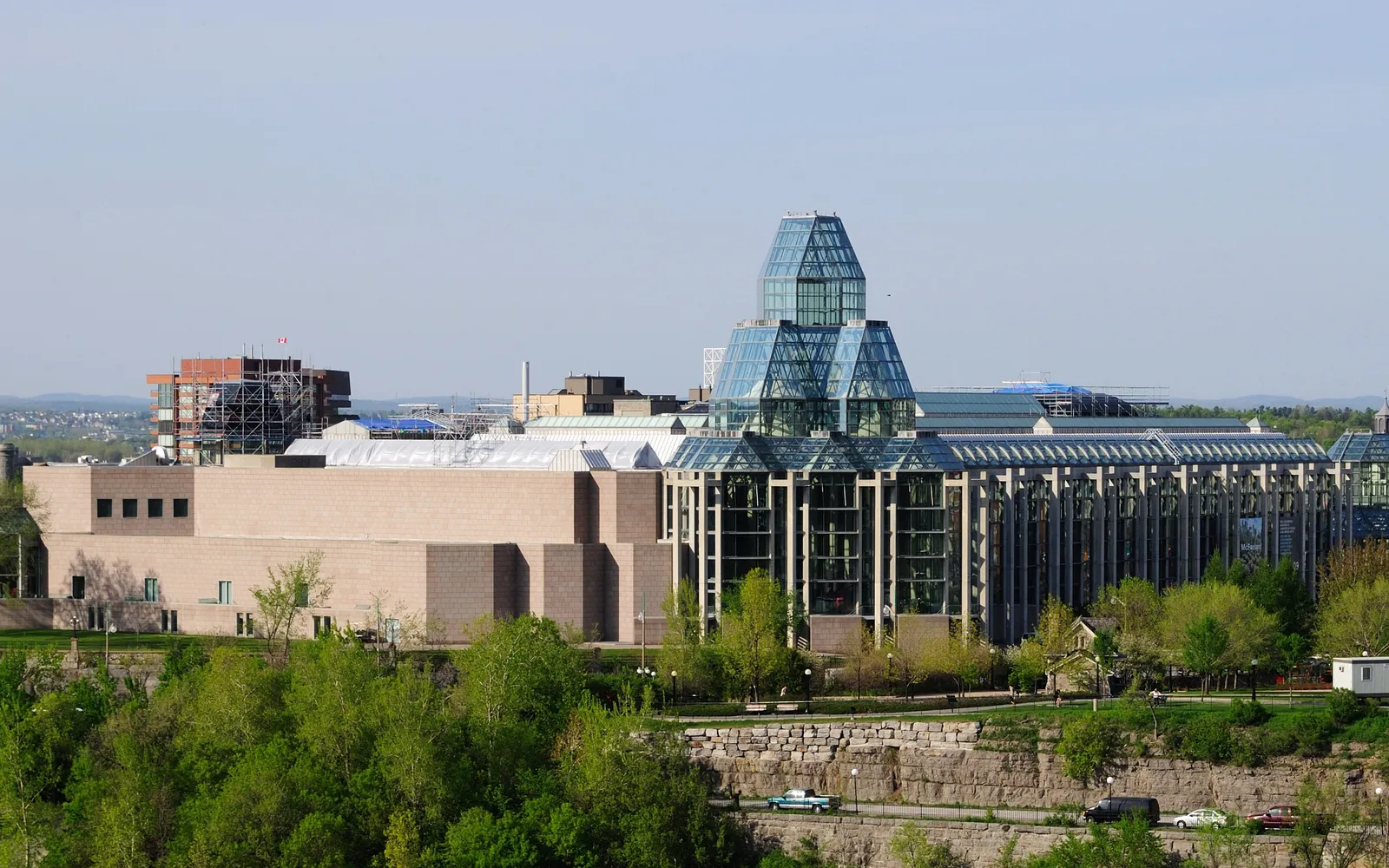
The largest and most important art collection in Canada, holding more than 80,000 works across every era — from Inuit Indigenous pieces hundreds of years old to contemporary art of global stature. The building was designed by architect Moshe Safdie and opened in 1988; its glass-and-granite structure looks strikingly modern. Outside stands Louise Bourgeois's 9-metre Maman spider sculpture, a popular photo spot.
- Standard admission is 16 Canadian dollars, but the Canadian and Inuit art galleries are free year-round.
- The third floor has a room of the Group of Seven, the world-renowned Canadian landscape painters — don't miss it.
- The museum cafe and restaurant have lovely views of the Ottawa River, good for a midday break.
 #5
#5 Canadian Museum of History
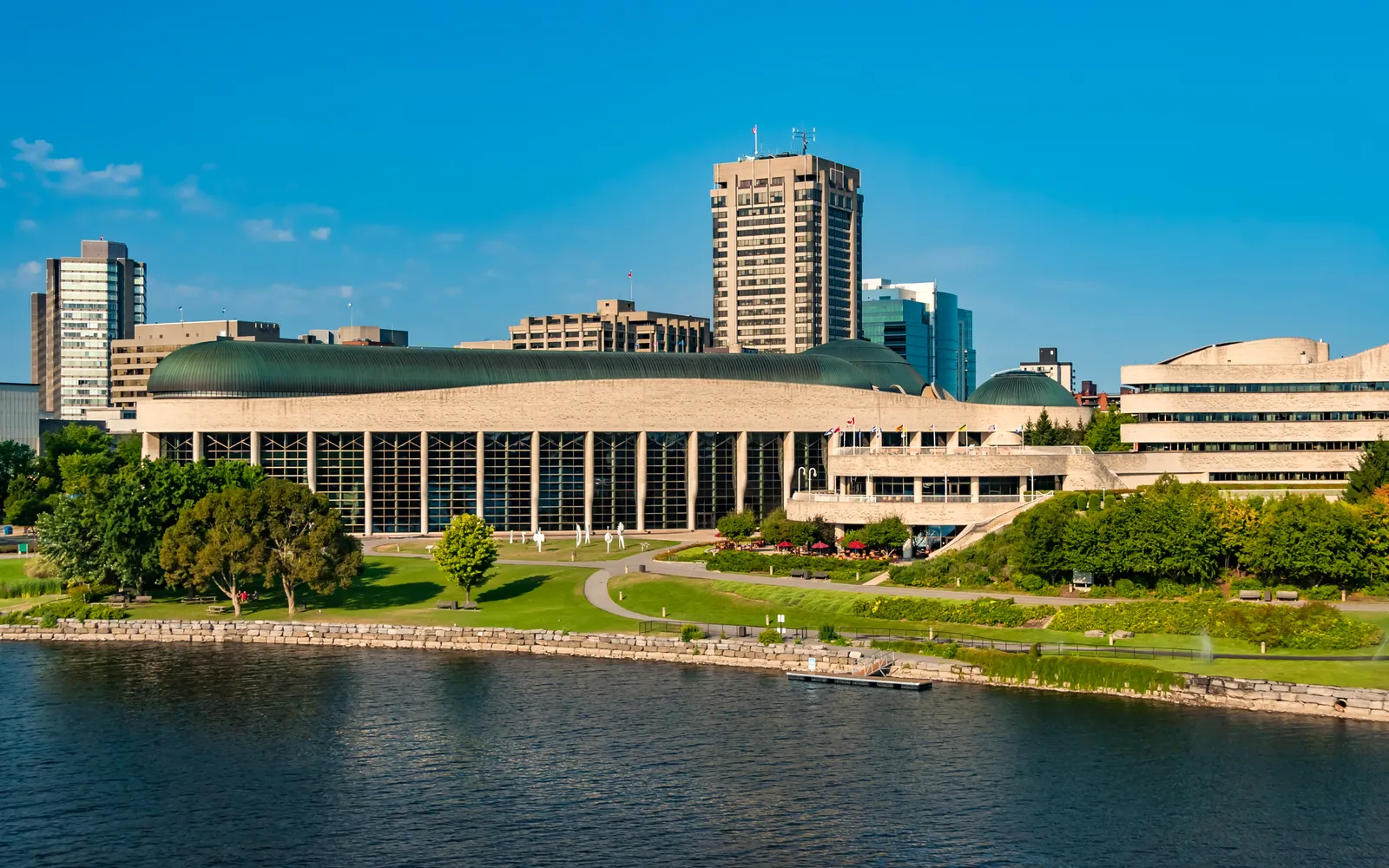
The most popular human-history museum in Canada, set on the Quebec side but with a clear view of the Parliament buildings across the river. The building was designed by Douglas Cardinal, a Métis Indigenous architect, its rounded form imitating rock shaped by water and wind. Inside, the vast Grand Hall displays Indigenous totem poles from the Pacific coast standing up to 15 metres tall, alongside exhibitions on Canadian history from the Ice Age to the present.
- Admission is 22 Canadian dollars; Thursday evenings after 5 p.m. are a special rate, and the first Thursday of every month is free.
- The best photo angle of the Parliament buildings across the river is from the outdoor terrace of this museum.
- Allow at least 3-4 hours for the main exhibitions; if you're short on time, focus on the Grand Hall and Canada Hall.
 #6
#6 Canadian War Museum
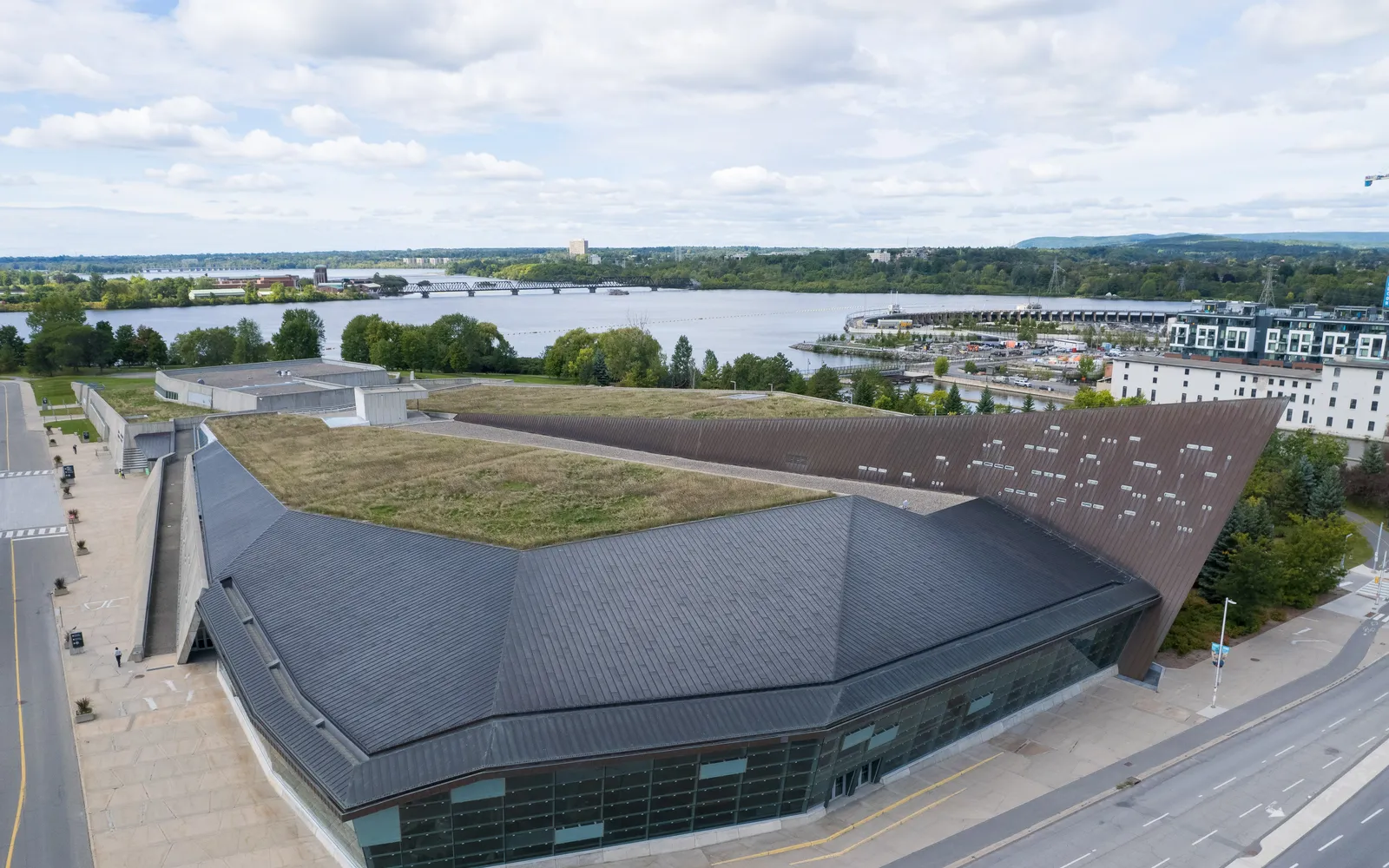
One of the best war museums in the world, telling the story of Canada's battles from the Indian wars to modern conflict in Afghanistan. The building was designed by Raymond Moriyama, its angled, fractured form evoking the trenches of war. The galleries hold a great deal of real armour, tanks, aircraft and weaponry from the First and Second World Wars. Highlights include a Mercedes once used by Hitler and the Regeneration Hall, whose ceiling opens to natural light on the day the prime minister visits.
- Admission is 20 Canadian dollars; Thursday evenings and the first Thursday of the month are free here too.
- The Leopard C2 tank in the main hall is very large and you can photograph it up close — kids love it.
- On November 11 (Remembrance Day) the museum holds the largest war-remembrance ceremony in Canada, free all day.
Where to stay in Ottawa for this trip
A well-located hotel means less commuting and more sightseeing. Here are real, top-rated stays in Ottawa — compare Agoda · Booking · Trip.com in one click.
The Metcalfe Hotel by Gray Collection
Affiliate links — we may earn a commission at no extra cost to you. Details
Le Germain Hotel Ottawa
Affiliate links — we may earn a commission at no extra cost to you. Details
Fairmont Chateau Laurier
Affiliate links — we may earn a commission at no extra cost to you. Details
The Westin Ottawa
Affiliate links — we may earn a commission at no extra cost to you. Details
Tours, tickets & activities in Ottawa
Day tours, attraction tickets and travel essentials for Ottawa — book ahead on Klook with mobile e-tickets.
Affiliate links — we may earn a commission at no extra cost to you.
Before You Pack
Ottawa is at its most beautiful in two windows: autumn (September-October), when red and orange maple leaves spread across the city, and winter (January-February), when the Rideau Canal becomes a skating rink. Plan at least 3 days to cover the main highlights, including a day to visit the Parliament buildings, for which you should book the tour ahead.