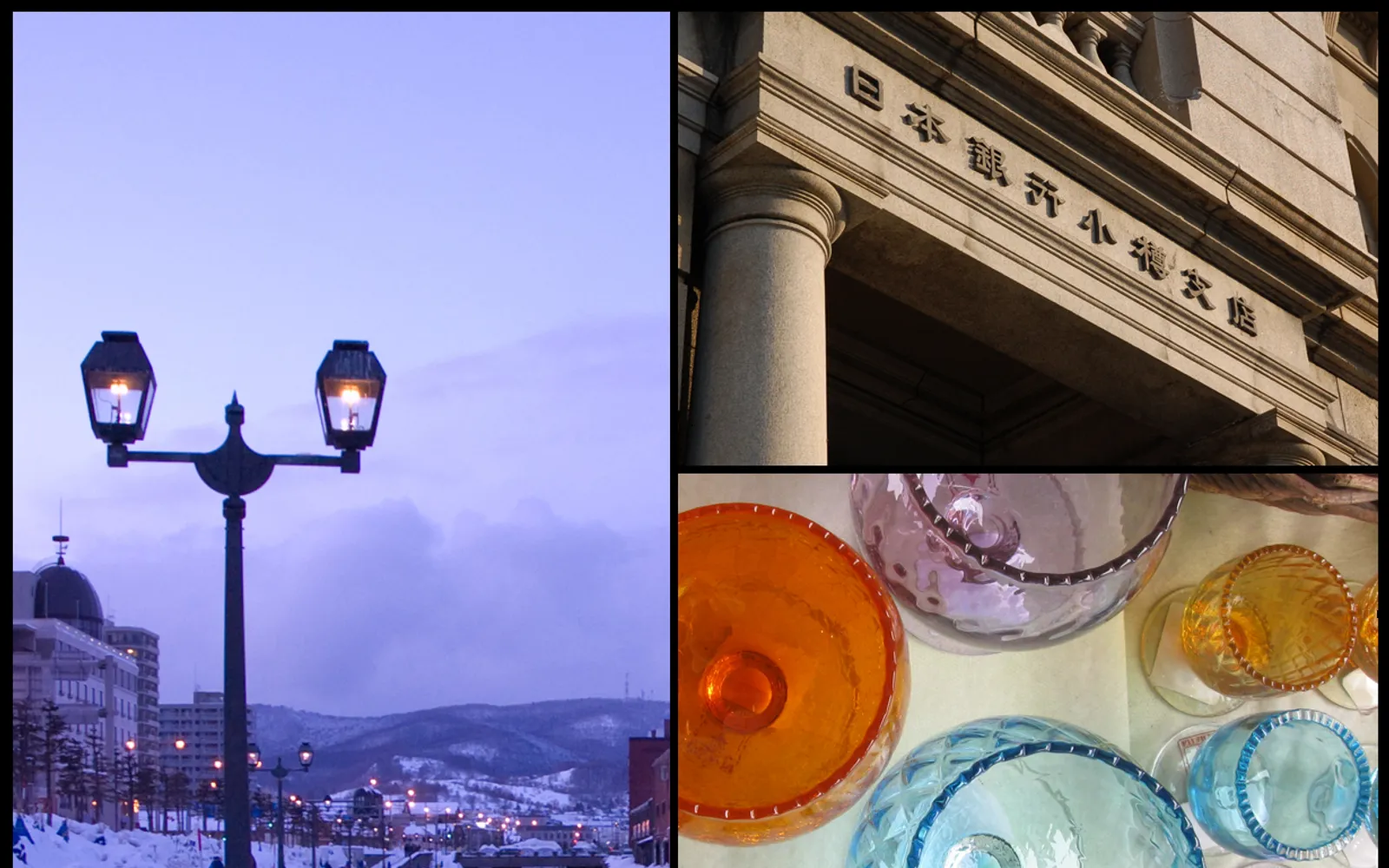
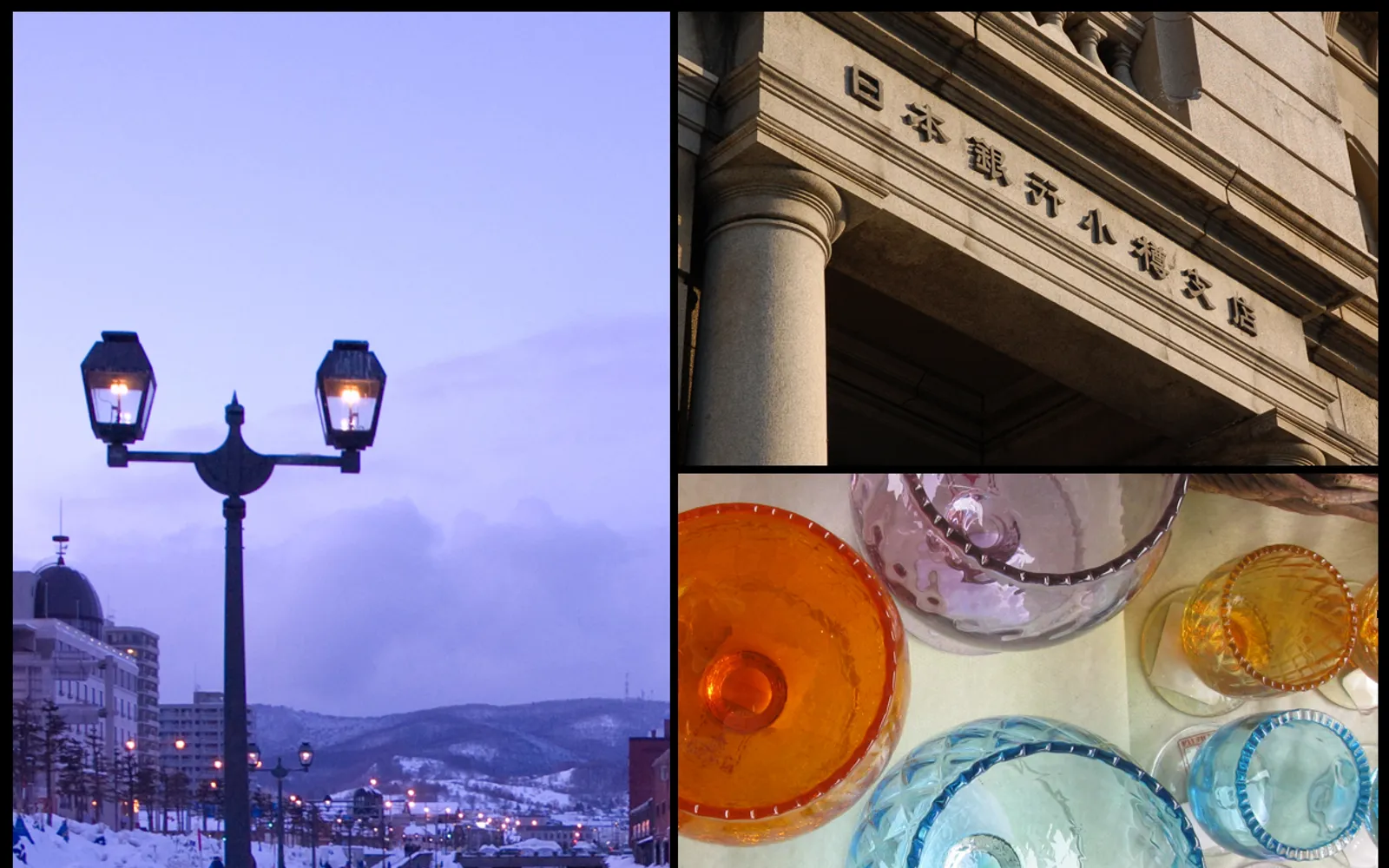
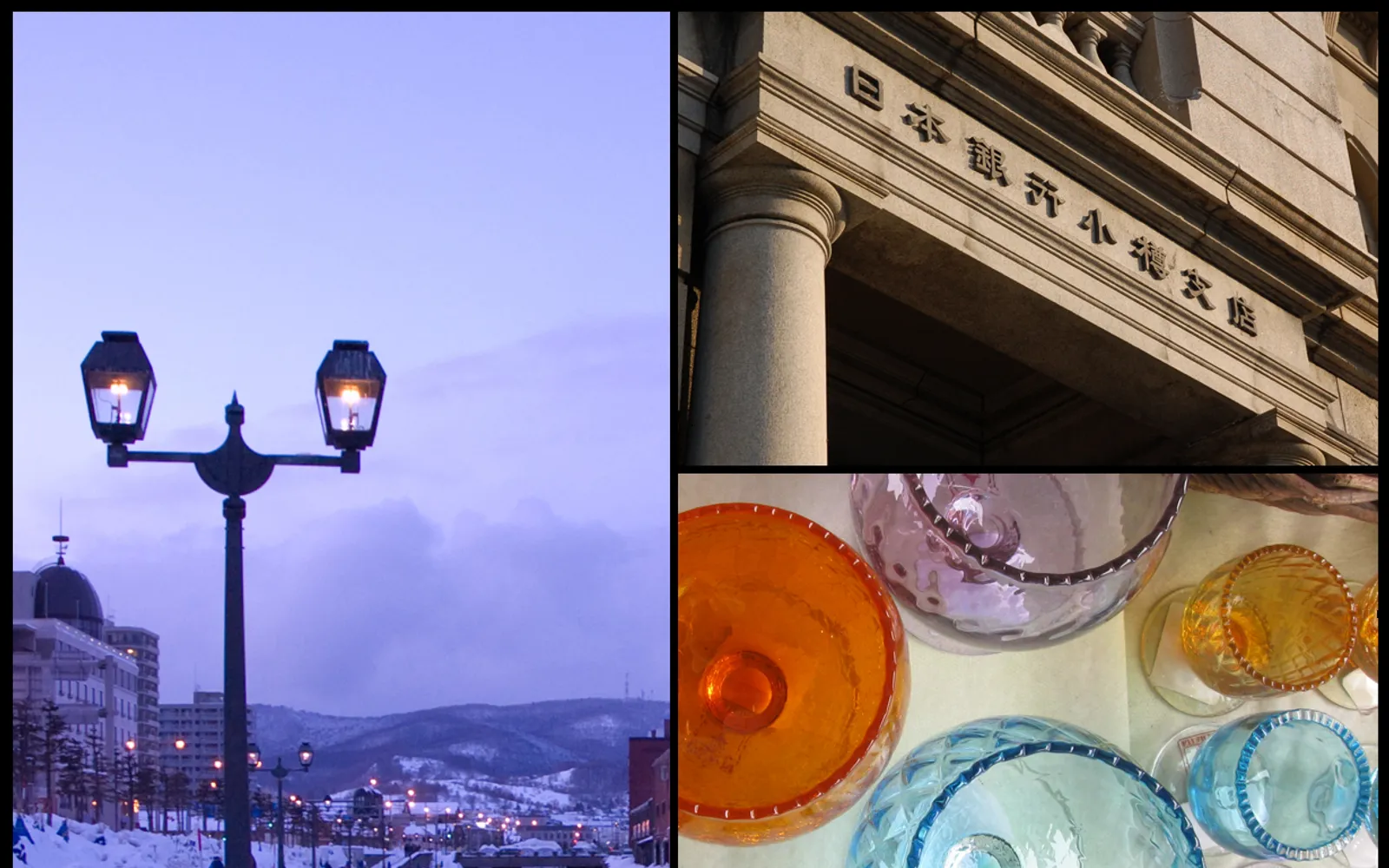
Otaru is a historic port town on the shores of Ishikari Bay, just 40 minutes from Sapporo — yet the character here is entirely its own. Otaru Canal, built in 1914, still stuns at dusk: 63 gas lamps flicker on at once, casting gold across the water while converted red-brick warehouses house restaurants, galleries, and teahouses on both banks. The Sakaimachi shopping street, lined with glass artisans and century-old music-box shops, earned the city the nickname "City of Light and Glass." Winter takes it further — the Yuki Akari no Michi (Snow Light Path Festival) fills the entire canal with thousands of snow candles every February.
 #1
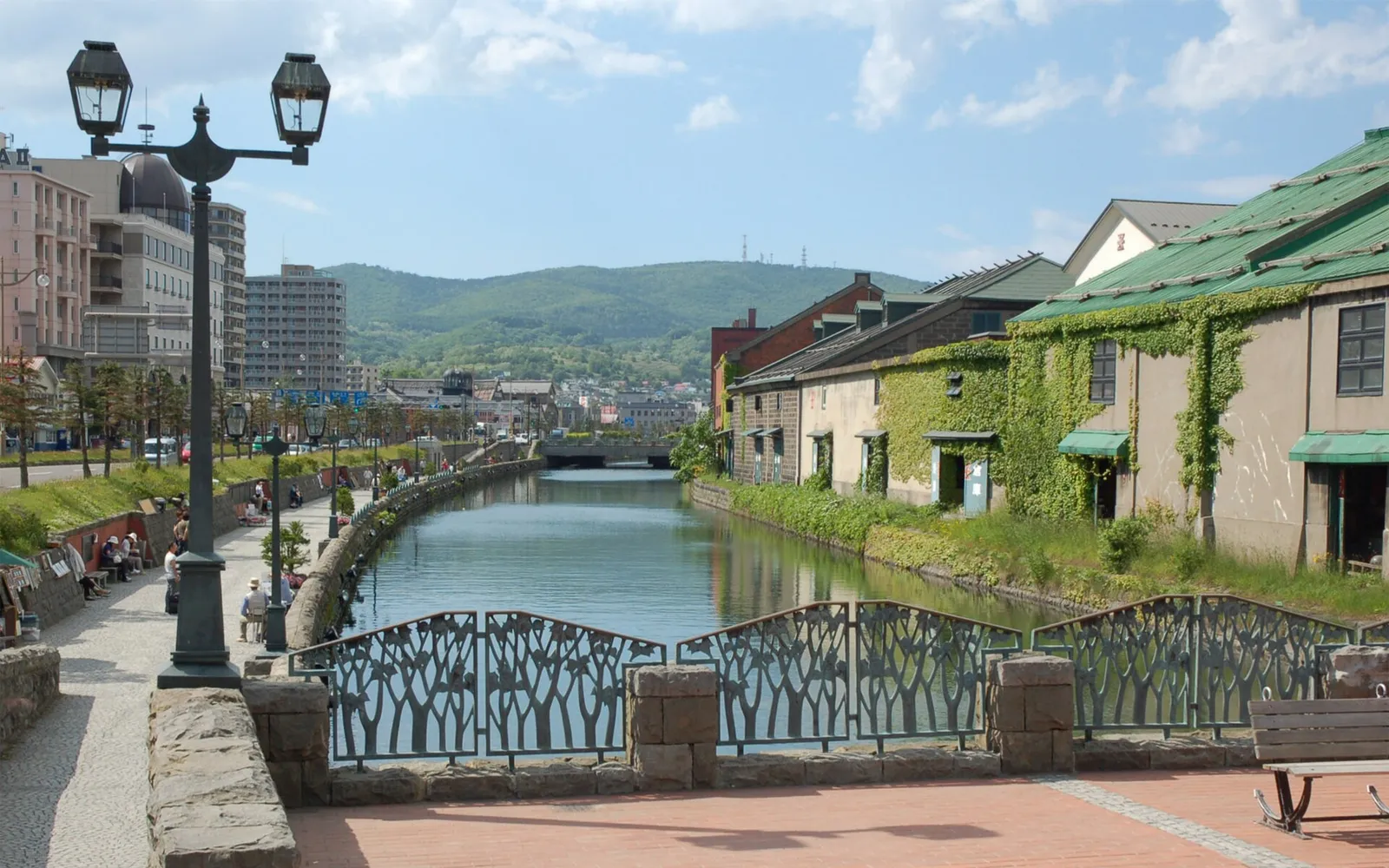
#1 Otaru Canal
Built in 1914, the canal runs 1.3 km long and 40 metres wide — once the main freight artery for Hokkaido. Today the red-brick warehouses along its banks have been converted into restaurants, galleries, and tea rooms. All 63 gas lamps are lit every evening, creating an atmosphere you simply will not find anywhere else in Japan. A full walk from end to end takes about half an hour, with picture-worthy views at every turn.
- After 17:00, the gas lamps come on together — the mood is far more romantic than daytime.
- The Chuo-bashi bridge at the canal's midpoint gives the best camera angle of the full length.
- In February, the Yuki Akari no Michi festival lines both banks with thousands of snow candles.
 #2
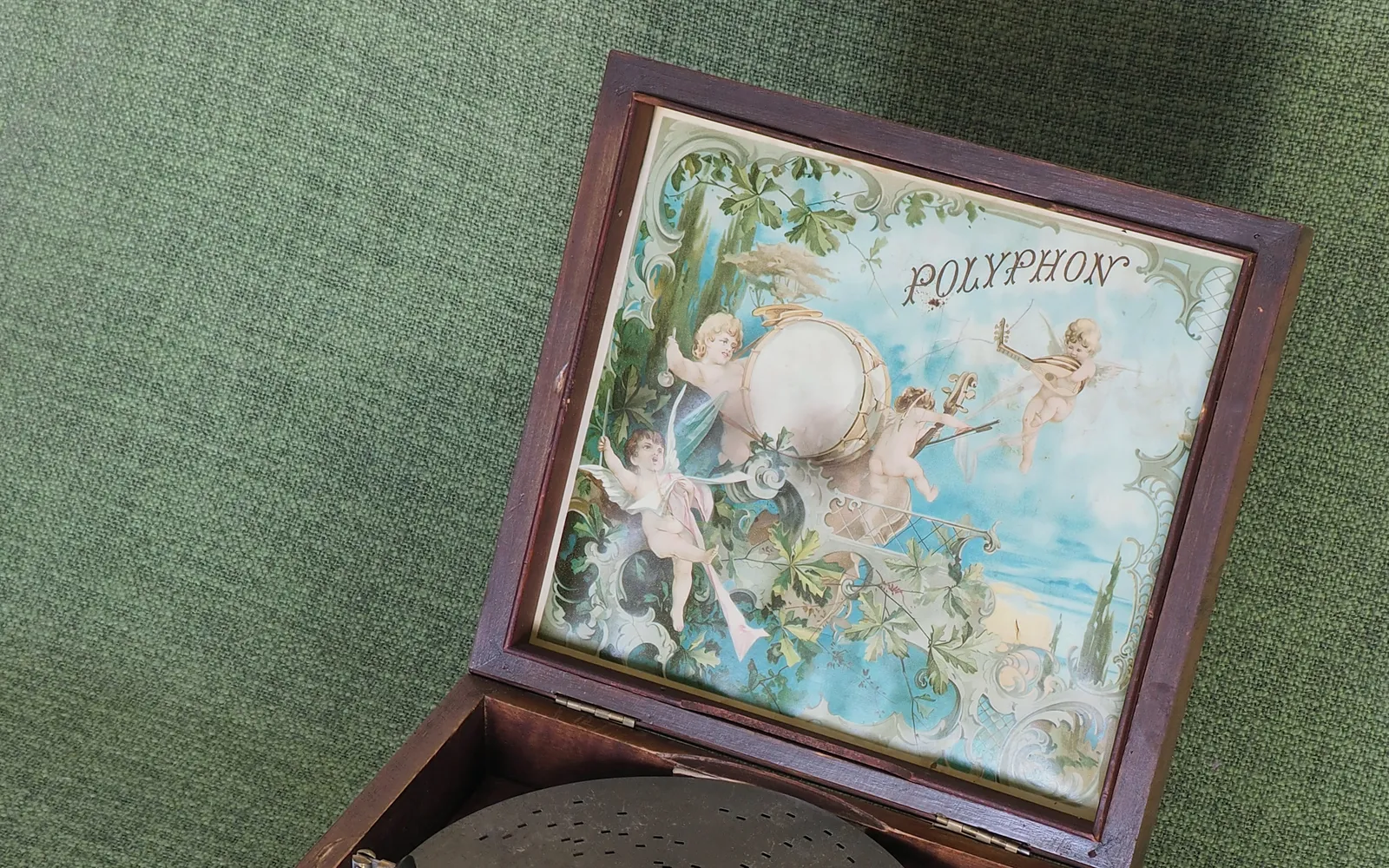
#2 Otaru Music Box Museum
Opened in 1974 inside a red-brick building over 100 years old, the museum holds more than <strong>80,000 music boxes</strong> — from rare antiques to affordable souvenirs. Out front stands the famous steam clock, which chimes a musical melody every 15 minutes. On the second floor, the You-kobo workshop lets you assemble your own music box and choose your tune, though you need to book in advance.
- The steam clock out front is one of Otaru's most-photographed spots — arrive half an hour early to watch it chime on the quarter-hour.
- The You-kobo workshop on the 2nd floor takes bookings for build-your-own music box sessions where you choose the song.
- The in-building shop spans a wide price range, from a few hundred yen up to tens of thousands.
 #3
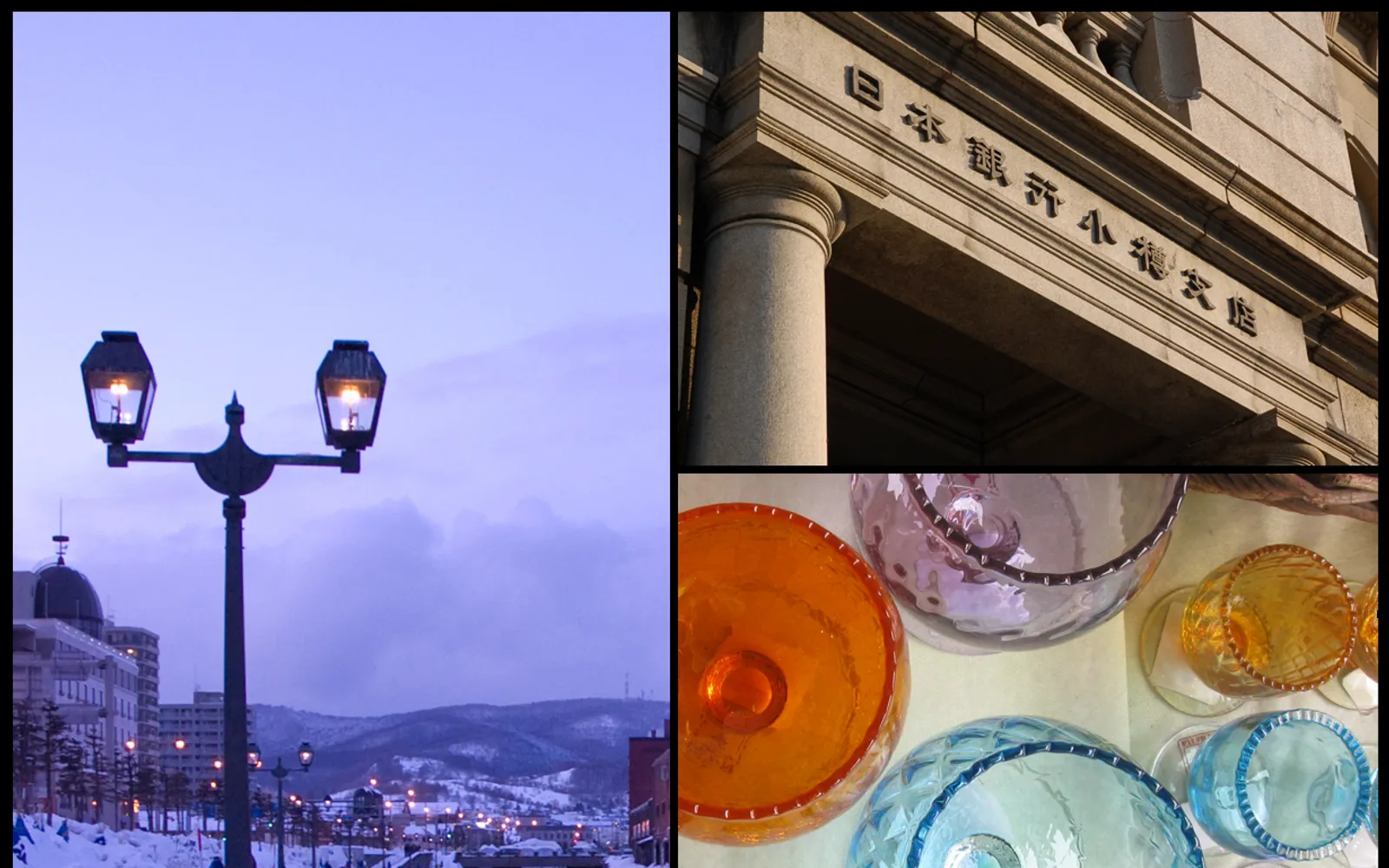
#3 Kitaichi Glass
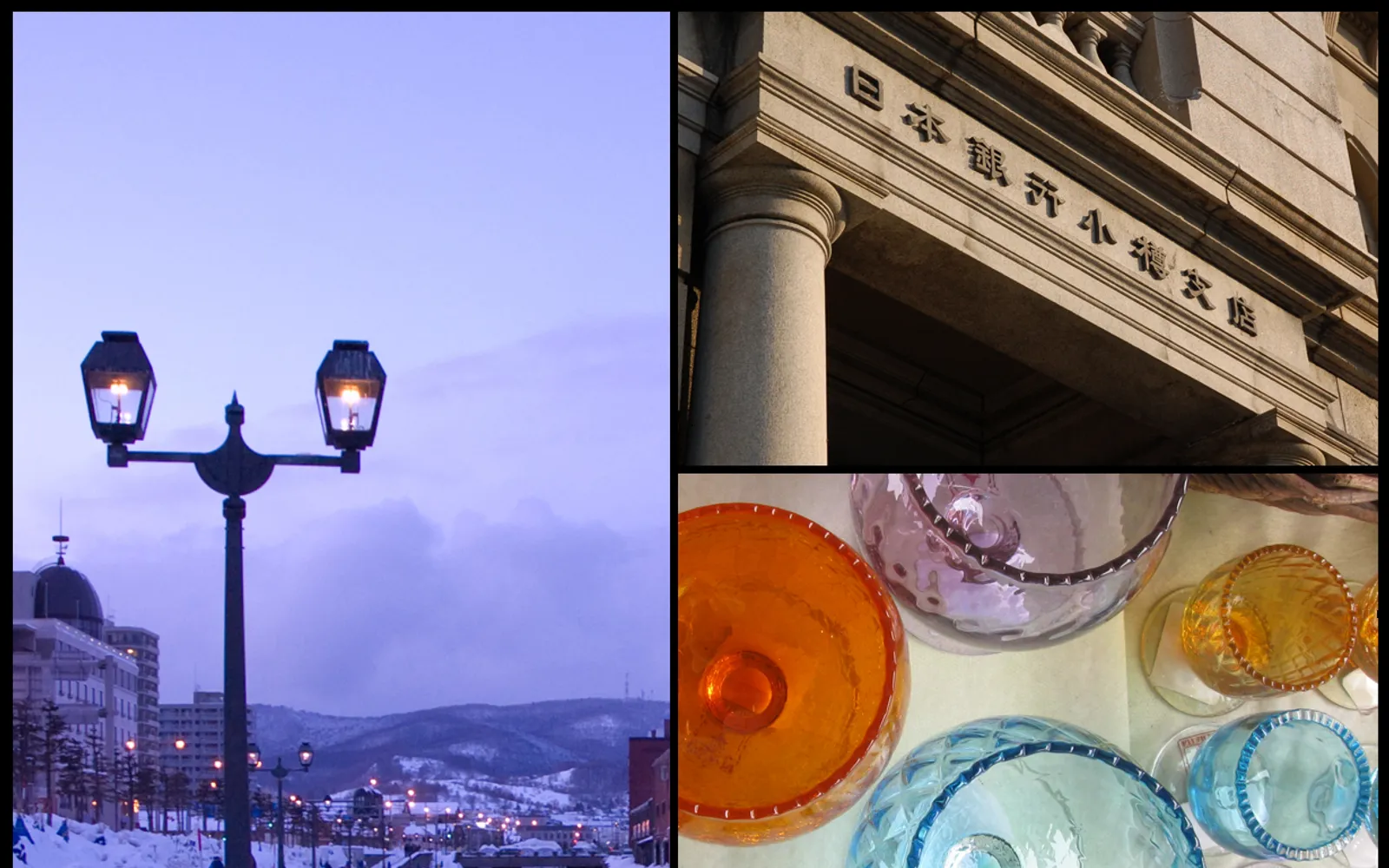
Founded in 1901, Kitaichi Glass is the company most responsible for Otaru's reputation as the "City of Glass Lamps." Building No. 3 is the flagship — inside, <strong>167 oil lamps</strong> are lit by hand every morning and remain the only source of light, giving the space a warmth straight out of the Meiji era. There are over 17 branches across Otaru, including a café and restaurant.
- Kitaichi Hall inside Building No. 3 has 167 hand-lit oil lamps every morning — this is the one room you should not miss.
- The most popular items are glass lamps and cameo glass pieces, both distinctively Otaru souvenirs.
- The in-building café serves tea and sweets with a view of the canal behind.
 #4
#4 Sakaimachi Street
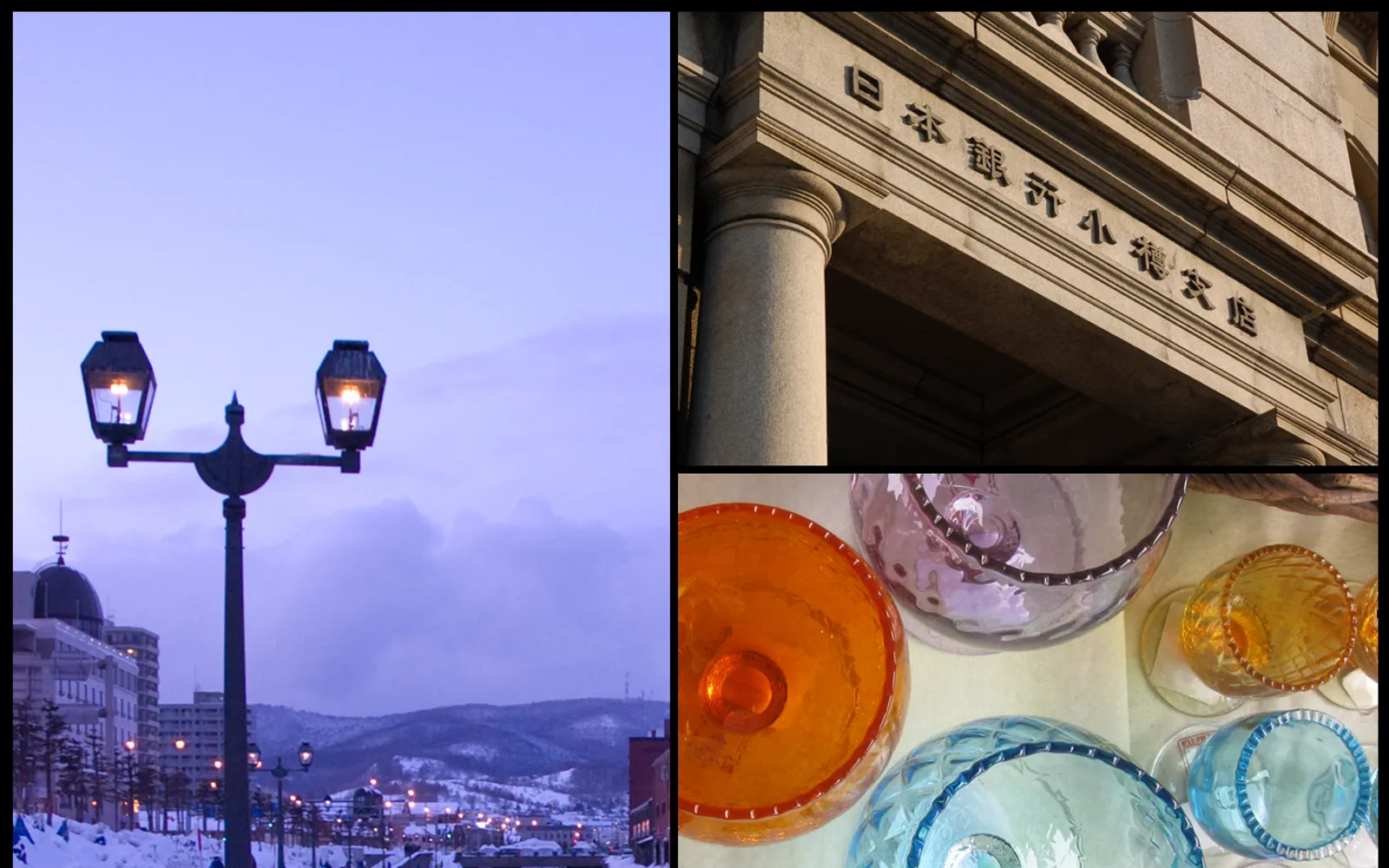
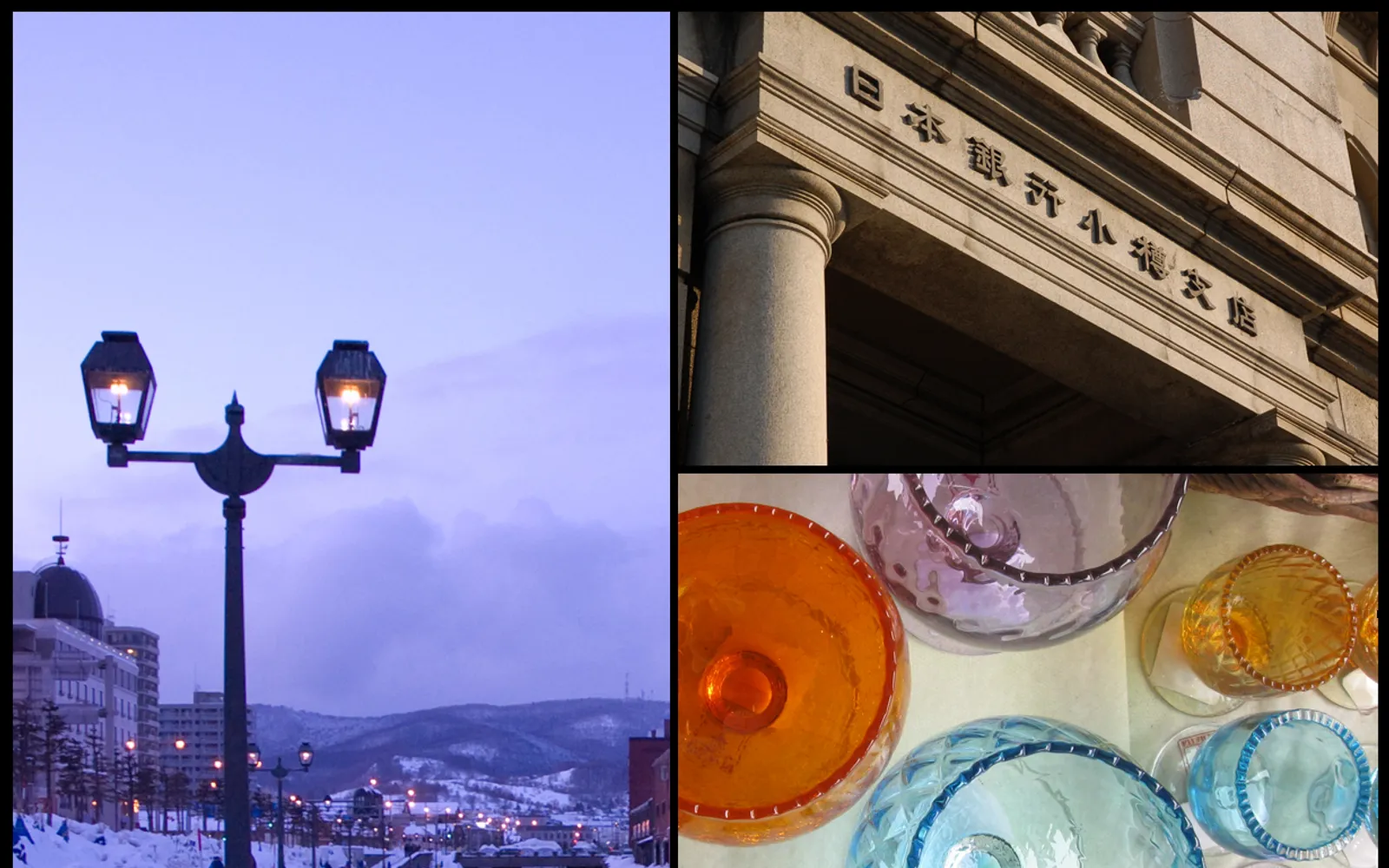
A commercial street dating to the late 1800s, when Otaru was Hokkaido's trading hub. The preserved Meiji- and Taisho-era brick buildings now house glass studios, music-box shops, the LeTAO confectionery, and seafood restaurants. The street runs about 700 metres — you can walk it comfortably without rushing, all day long.
- Walk from the canal up towards the station to see both ends of the historic district.
- Many buildings carry English-language plaques explaining their history — a good way to understand the city more deeply.
- Weekend summer afternoons get crowded; come in the morning or on a weekday.
 #5
#5 Otaru Tenguyama Ropeway
The ropeway carries you to the top of <strong>532-metre Mount Tenguu in just 4 minutes</strong>. From the observation deck you see the city of Otaru, the port, and Ishikari Bay stretching far into the distance — a view rated one Michelin Green Guide star. In winter, the summit operates as a family-friendly ski resort.
- Go up around sunset — the view of the port and city at that hour is at its most dramatic.
- There's a restaurant and café at the summit where you can sit and take in the panorama at leisure.
- December through March the ski slopes open for both children and adults, making it a solid family stop in winter.
 #6
#6 Otaru Nishin Goten (Herring Mansion)
Built in 1897 and measuring <strong>29 metres wide by 13 metres deep</strong>, this is the largest surviving herring merchant's mansion in Hokkaido. At its peak it housed over 100 workers during the herring season. It is now registered as a Hokkaido Cultural Asset and tells the story of the herring industry that built Otaru's wealth.
- Interpretive panels are in both Japanese and English — a thorough account of how herring fishing created Hokkaido's prosperity.
- The grounds offer a clear view over Otaru Bay, good for landscape shots.
- The Otaru Aquarium is nearby; you can combine both in a single afternoon.
 #7
#7 Sankaku Market
A compact fresh-seafood market right next to Otaru Station, with stalls selling crab, sea urchin, salmon roe, and a full range of catches from the Sea of Japan. Most vendors serve <em>kaisendon</em> — a bowl of rice topped with whatever is freshest that morning. It is the ideal first stop of the day before heading into the city.
- Stalls open as early as 07:00; the freshest seafood moves between 08:00 and 10:00.
- Kaisendon runs roughly 1,500–3,000 yen depending on toppings — sea urchin and crab are the ones to order.
- The market is small, around 10–15 stalls; do not expect Sapporo Central Market scale.
 #8
#8 Otaru Snow Light Path Festival (Yuki Akari no Michi)
An annual winter festival that local residents have organized and run voluntarily since <strong>1999</strong>. Every February, around the second week of the month, thousands of snow candles illuminate two main areas: the canal bank and the historic Temiya railway path. The festival coincides with the Sapporo Snow Festival, so you can see both on a single trip.
- Open 17:00–21:00 every evening during the festival; arrive by 17:30 to secure a good spot for photos.
- Free admission — this festival is organized and funded by local volunteers every year.
- Layer up heavily: temperatures during the festival regularly drop to between -5 °C and -10 °C.
Where to stay in Otaru for this trip
A well-located hotel means less commuting and more sightseeing. Here are real, top-rated stays in Otaru — compare Agoda · Booking · Trip.com in one click.
Otaru Furukawa
Affiliate links — we may earn a commission at no extra cost to you. Details
Dormy Inn Premium Otaru
Affiliate links — we may earn a commission at no extra cost to you. Details
Hotel Nord Otaru
Affiliate links — we may earn a commission at no extra cost to you. Details
Hotel Sonia Otaru
Affiliate links — we may earn a commission at no extra cost to you. Details
Tours, tickets & activities in Otaru
Day tours, attraction tickets and travel essentials for Otaru — book ahead on Klook with mobile e-tickets.
Affiliate links — we may earn a commission at no extra cost to you.
Before You Pack
Otaru is a city made for slow travel. A full day on foot still leaves things undiscovered — but if you have time to stay overnight, the evening atmosphere is a completely different experience from the daytime one.