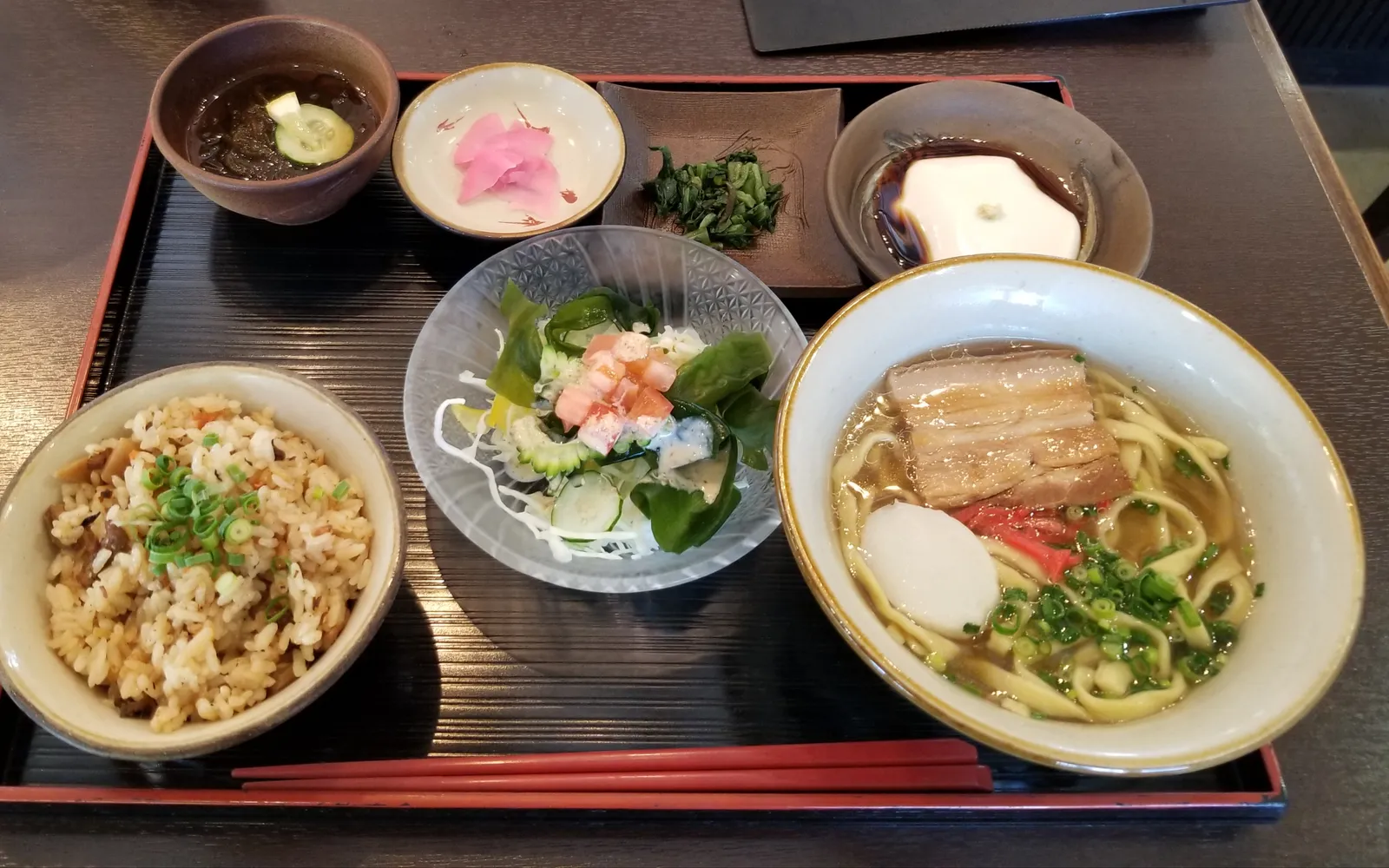
Okinawa is Japan's southernmost island chain and the former heartland of the Ryukyu Kingdom — a civilization that flourished for more than 400 years before joining Japan in 1879. The islands are known for their distinctly non-mainland culture: a UNESCO-listed red-walled castle on a hilltop, some of the clearest water in Japan, an unusually long-lived population, a laid-back pace, and a local food tradition that blends Chinese, American, and Japanese influences into something entirely its own.
 #1
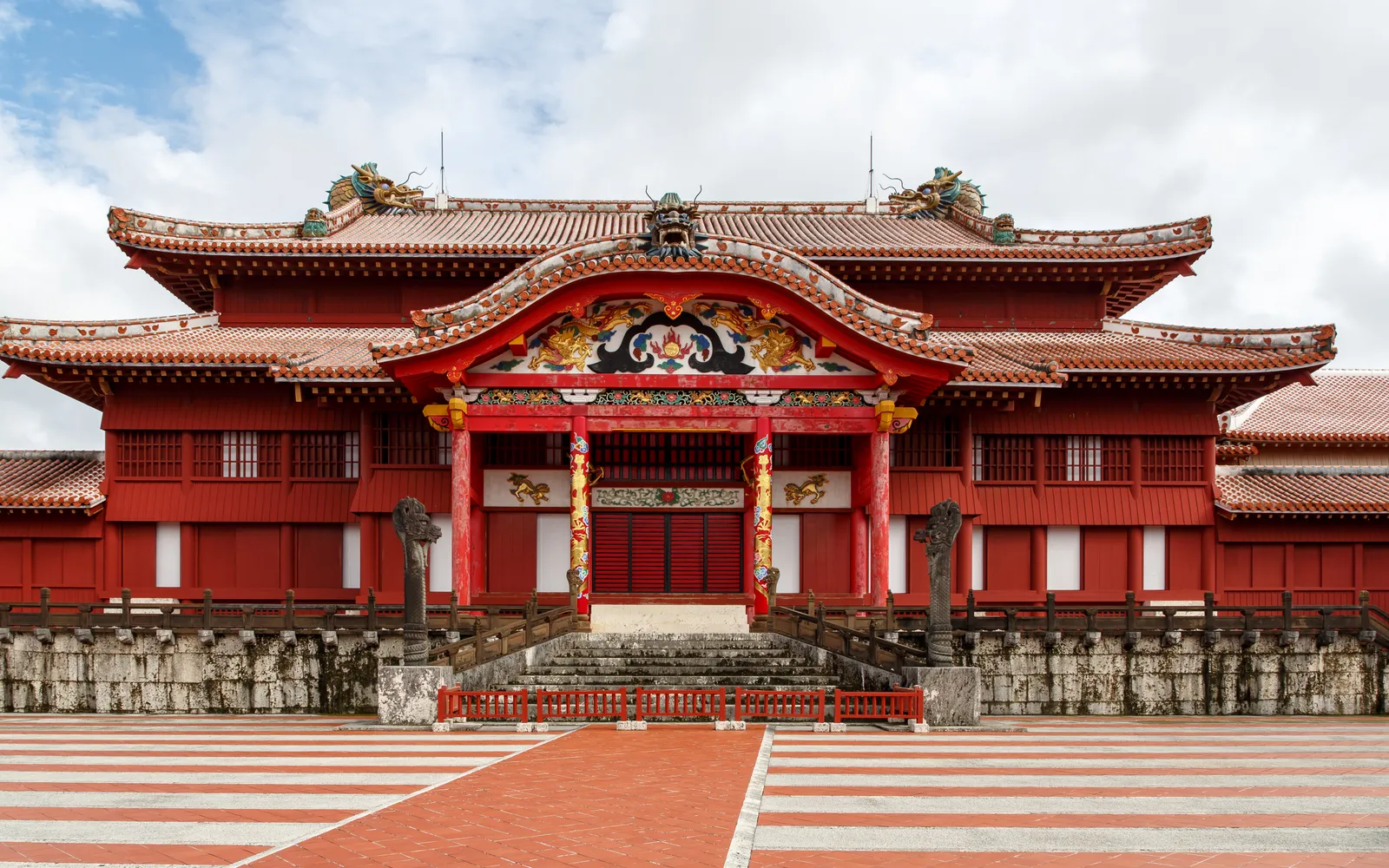
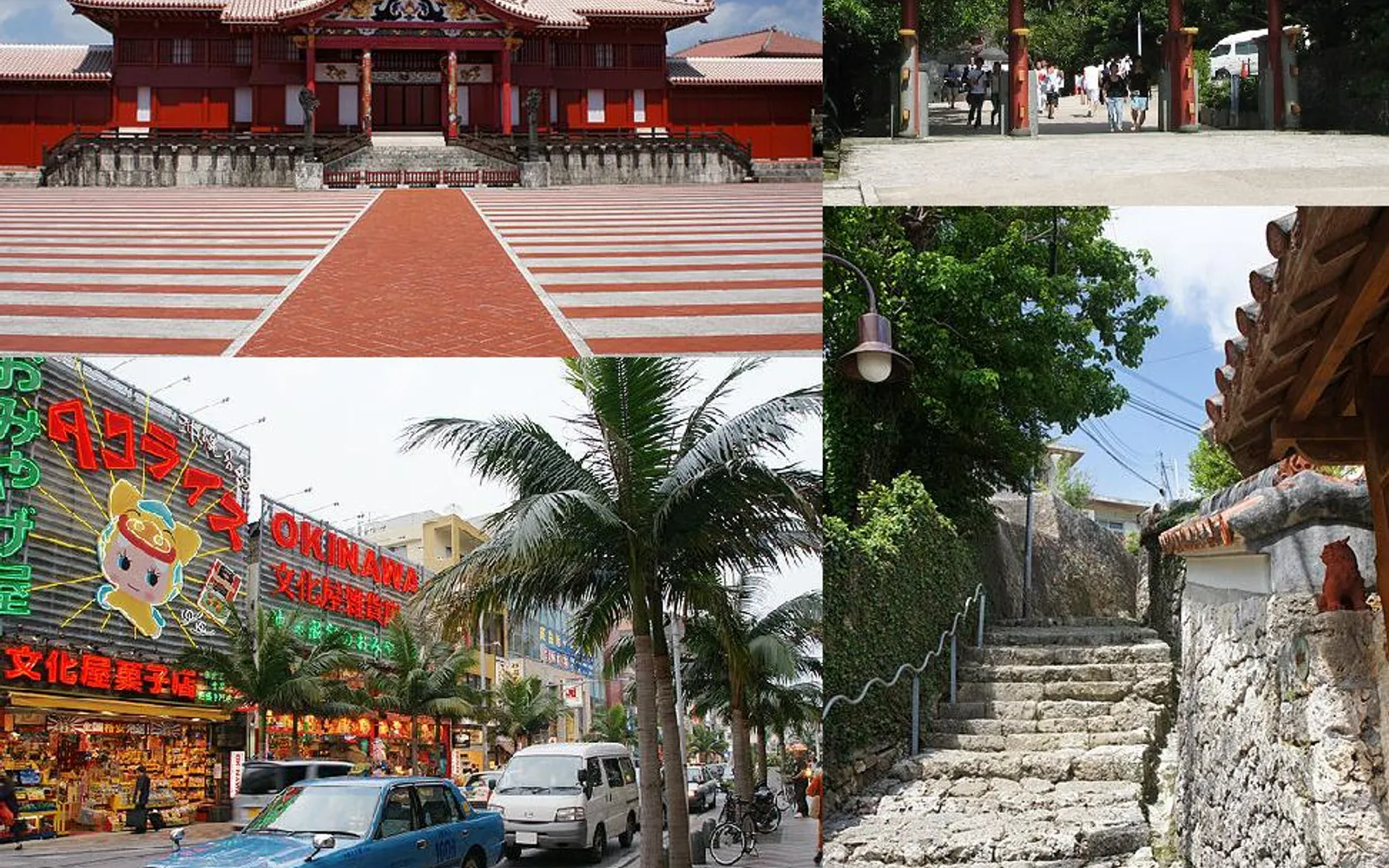
#1 Shuri Castle
Okinawa's defining landmark and the former royal palace of the Ryukyu Kingdom (1429–1879), inscribed on the UNESCO World Heritage List in 2000. The striking red structure blends Chinese and Japanese architectural styles in a way found nowhere else in Japan. A fire in 2019 destroyed the main hall, and restoration is expected to complete by late 2026 — but parts of the castle complex remain open to visitors throughout the work.
- Check which sections are open before you go, as the restoration is ongoing and access zones change.
- The outer walls offer free views over Naha and the harbor — worth doing even without an entry ticket.
- Go early: crowds are thin before 9:00 AM and the morning light sets off the red walls beautifully.
 #2
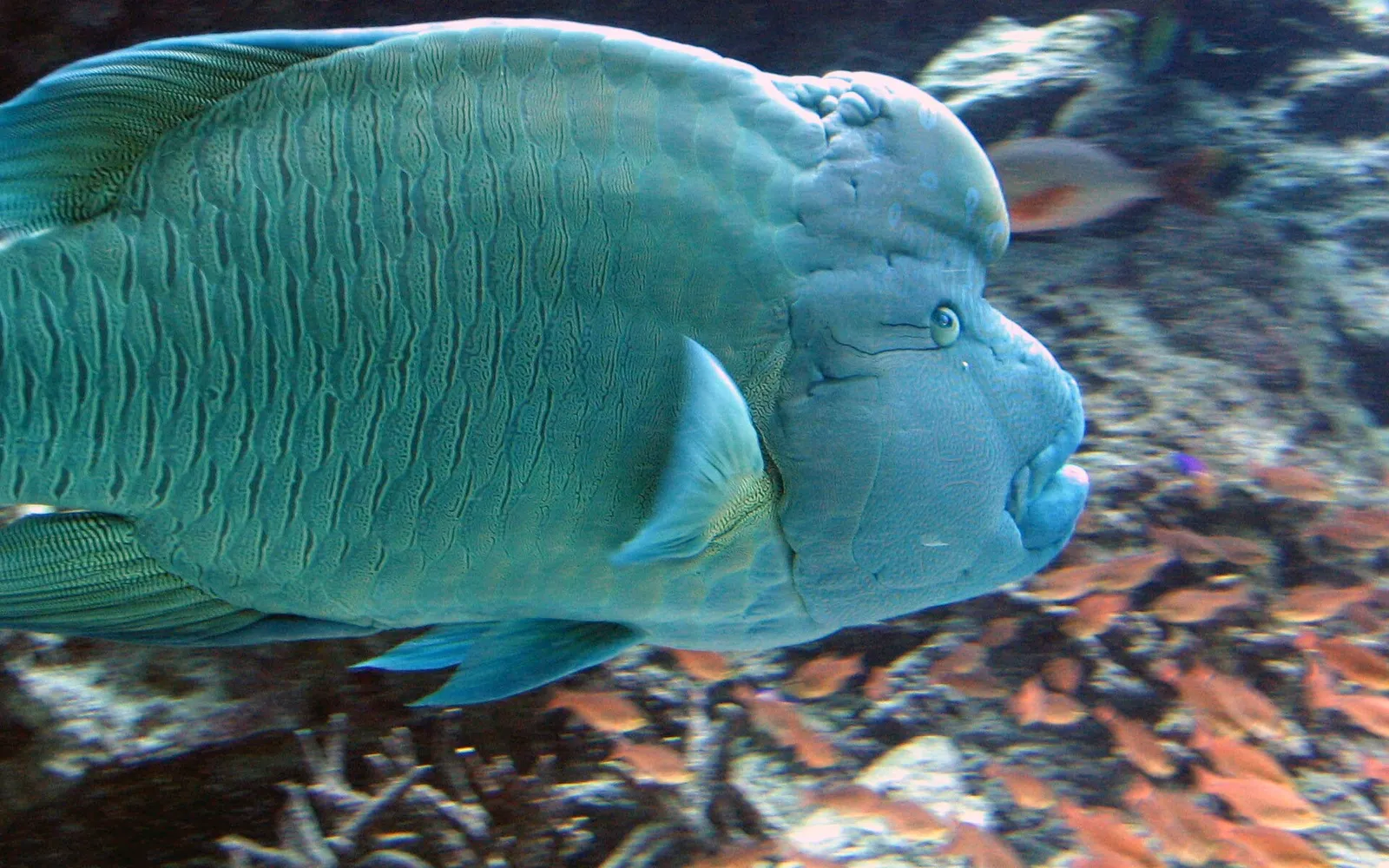
#2 Okinawa Churaumi Aquarium
One of the standout aquariums in the world. The Kuroshio Sea tank holds 7,500 cubic metres of water and is home to <strong>whale sharks</strong> that have been kept here longer than anywhere else on Earth — more than 29 years — along with manta rays and rarely seen deep-sea species. The aquarium also achieved the world's first successful captive breeding of manta rays, and its shallow-reef tanks let you walk alongside tropical coral at eye level.
- Buy tickets online in advance to skip the queue, especially on Japanese public holidays.
- Whale shark feeding sessions run in the morning and afternoon — check the schedule at the ticket desk when you arrive.
- A combined ticket with Ocean Expo Park covers the tropical botanical garden and the Expo'88 monument — good value if you have a full day.
 #3
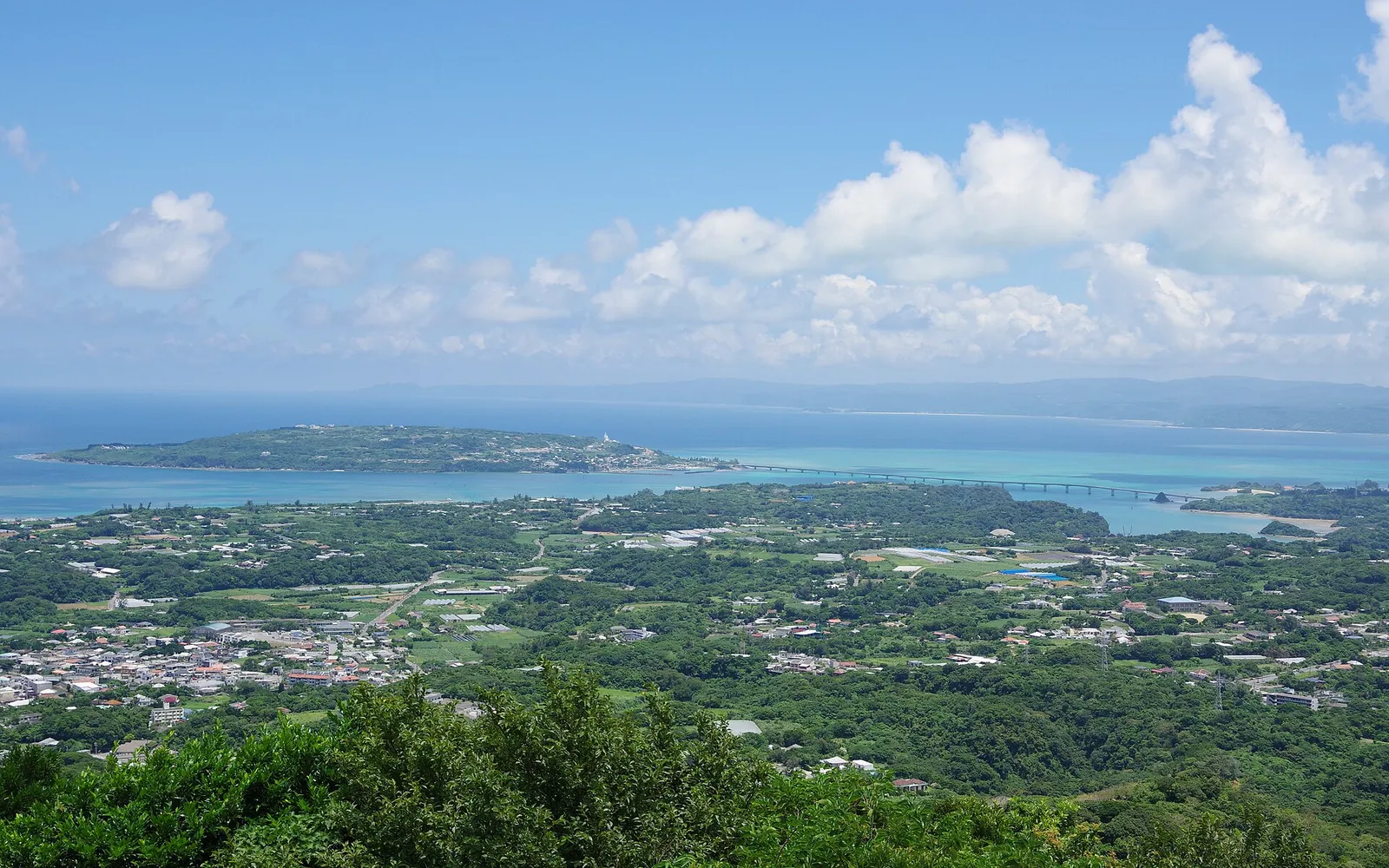
#3 Kouri Bridge
One of Japan's most scenic sea-crossing bridges, running 1,960 metres over water clear enough to see the seabed on a fine day. It connects Yagaji Island to <strong>Kouri Island</strong> — once nicknamed the Island of Love. On the island itself: white-sand beaches, the famous twin Heart Rock formation on the northern tip, and the Kouri Ocean Tower observation deck at 82 metres above sea level.
- Stopping on the bridge is not permitted — park at the lot before you cross and walk or rent a bicycle to take it in properly.
- Heart Rock is at the island's northernmost point, reached via a steep flight of stairs.
- Sunset from the bridge is exceptional. It's worth staying into the evening for the light.
 #4
#4 Cape Manzamo
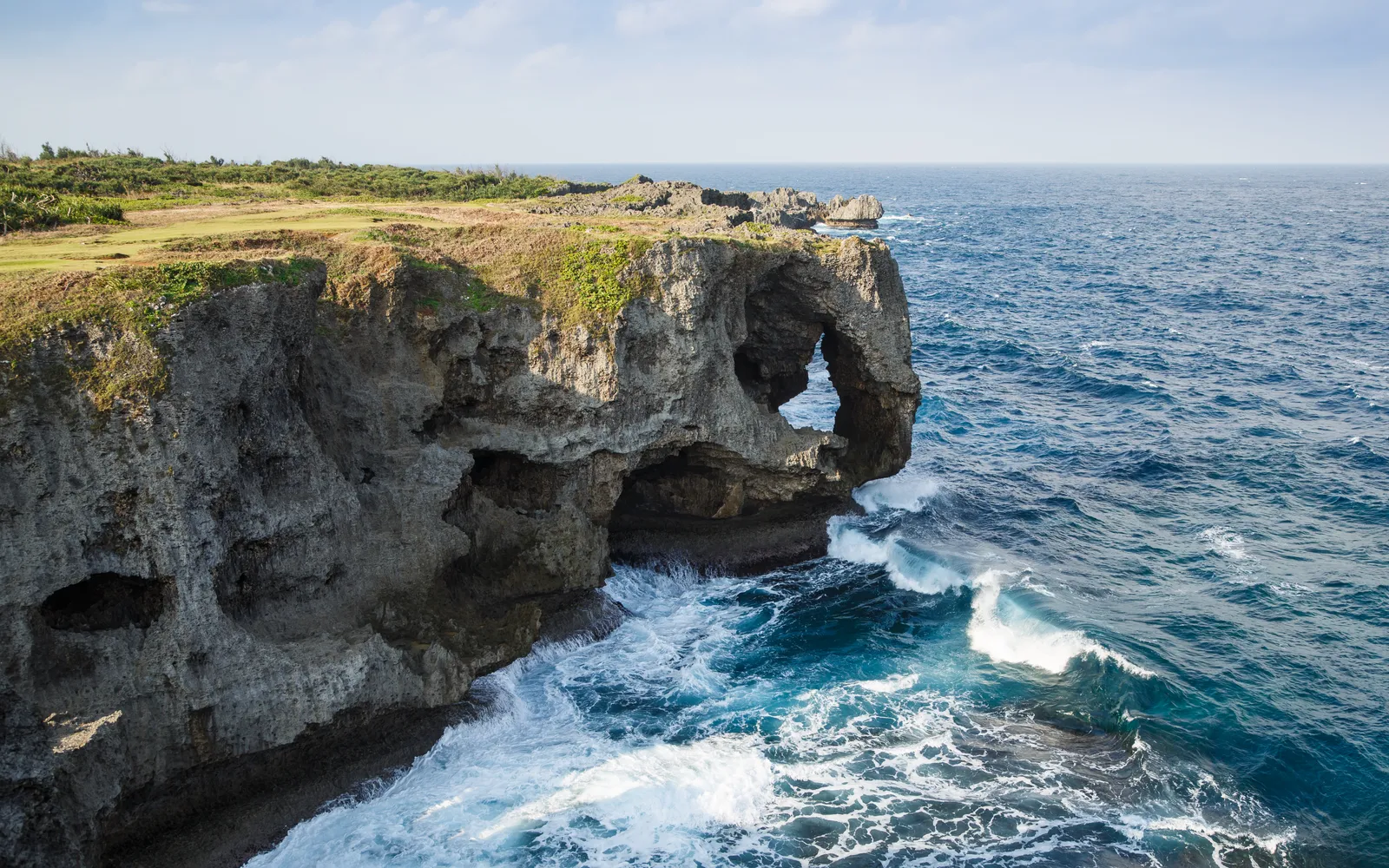
Okinawa's most distinctive coastal viewpoint — a 20-metre coral-limestone cliff carved by centuries of waves into the shape of an elephant's trunk. The name Manzamo traces to Ryukyu King Sho-kei of the 18th century, who declared the plateau wide enough to seat ten thousand people. It's also Okinawa's most famous sunset spot.
- Viewing platforms are fenced — do not climb over barriers toward the cliff edge.
- Wind here is strong, especially in winter. Pack a windbreaker.
- A cluster of shops selling local snacks and souvenirs lines the viewing area.
 #5
#5 Sefa-utaki
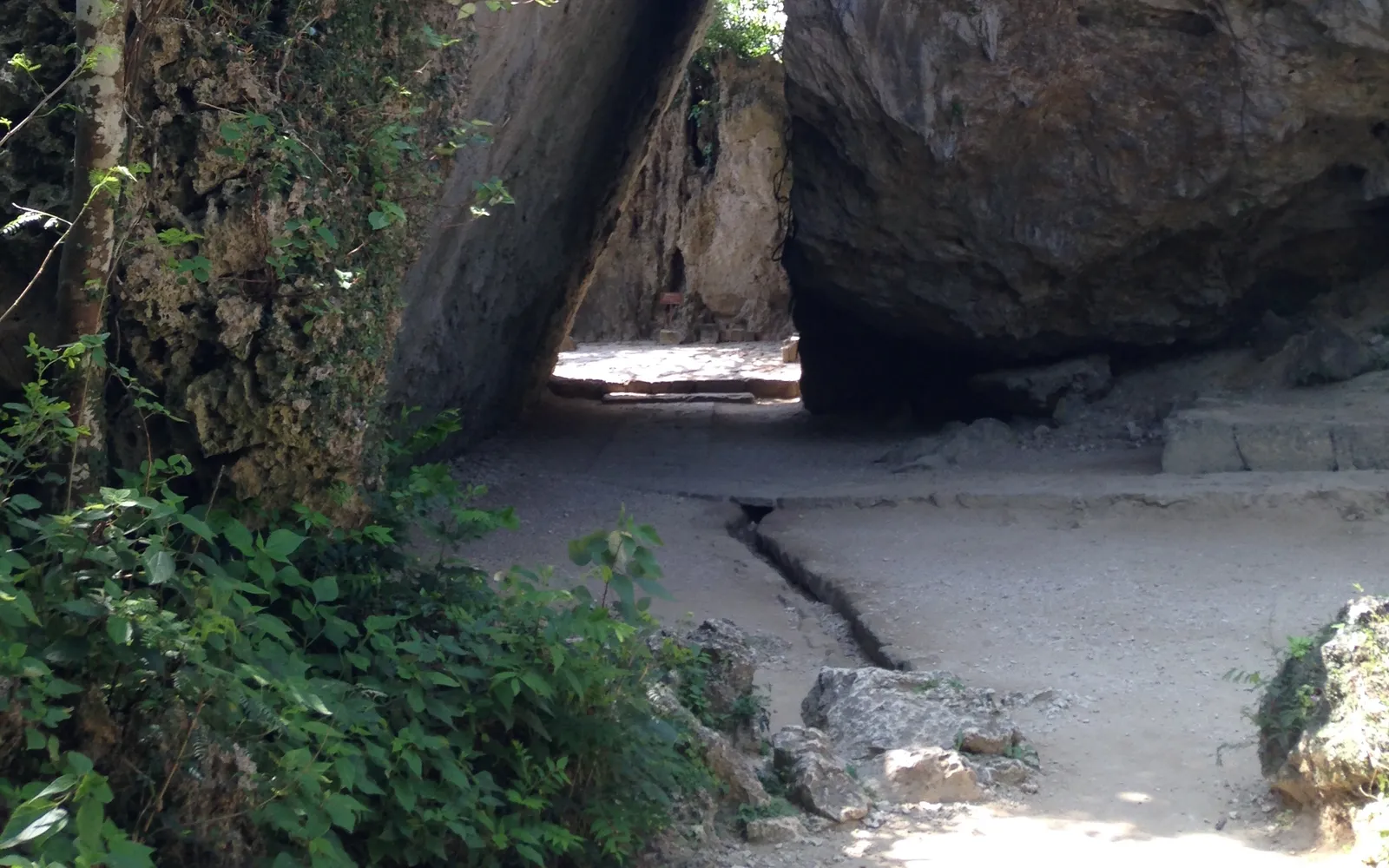
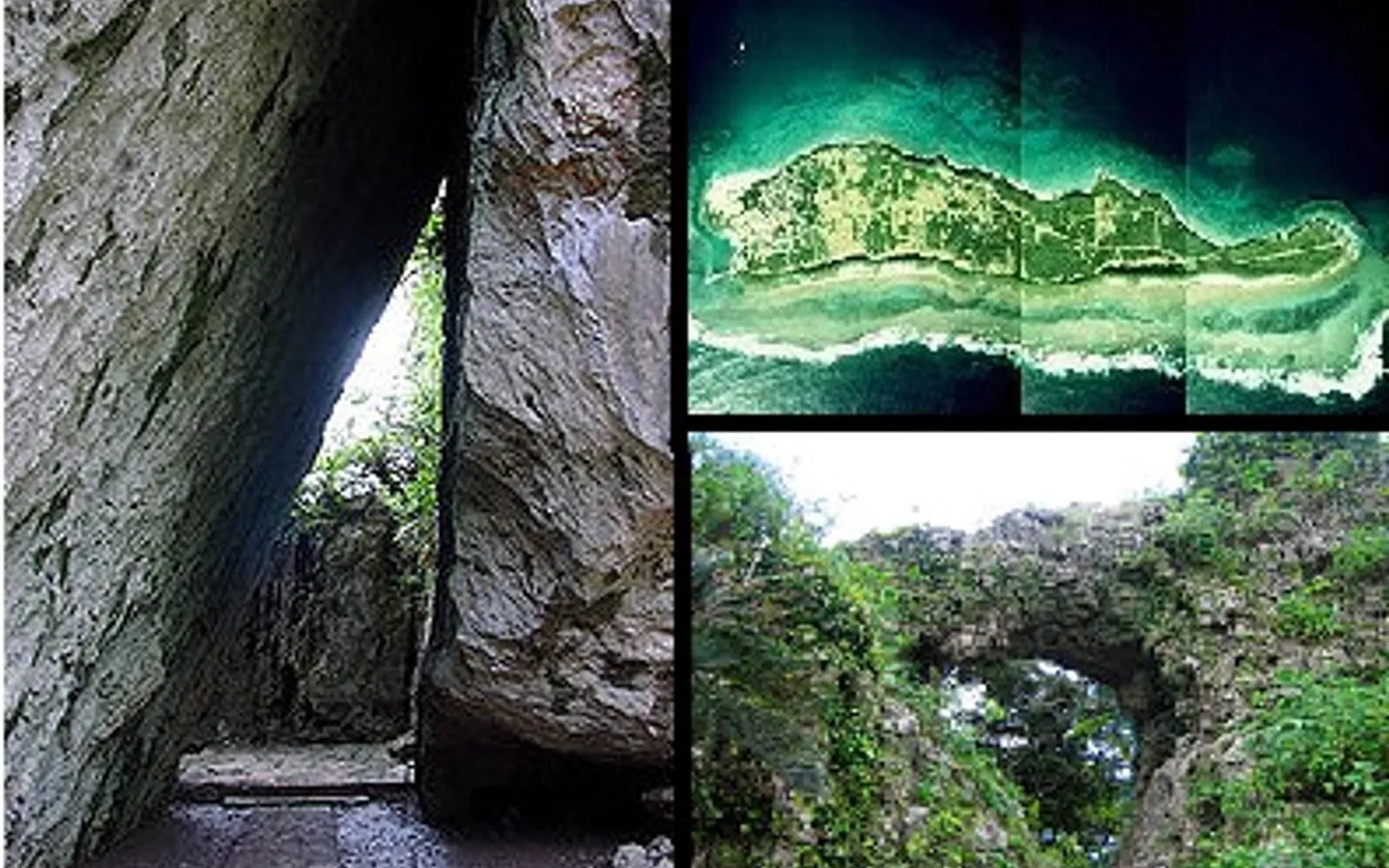
The most sacred site of the Ryukyu Kingdom, inscribed on the UNESCO World Heritage List in 2000. According to Ryukyuan belief, this is where the goddess of creation, Amamikiyo, first set foot on Okinawa. The atmosphere is genuinely otherworldly — enormous coral-limestone boulders under dense old-growth forest, with thin shafts of light cutting through. Historically, the site was reserved exclusively for female priests and royal consecration ceremonies.
- Dress modestly, walk quietly, and keep voices low — this is an active place of worship.
- The stone path through the forest includes steep steps. Wear closed, grip-soled shoes.
- The site closes every Tuesday in May and October for religious ceremonies.
 #6
#6 Gyokusendo Cave
Okinawa's largest limestone cave and the second-largest in Japan, formed over 300,000 years of sediment accumulation. The full cave system stretches more than 5 kilometres; visitors walk approximately 890 metres of it, passing more than a million stalactites and stalagmites. It sits inside Okinawa World, a large theme park that also includes a Ryukyu culture village and a habu-snake show.
- The cave is about 5 degrees cooler than outside — bring a light layer even in summer.
- A combined ticket with Okinawa World is better value and includes live Ryukyuan music performances.
- The cave floor is wet and slippery. Young children and elderly visitors should take extra care.
 #7
#7 Nakagusuku Castle
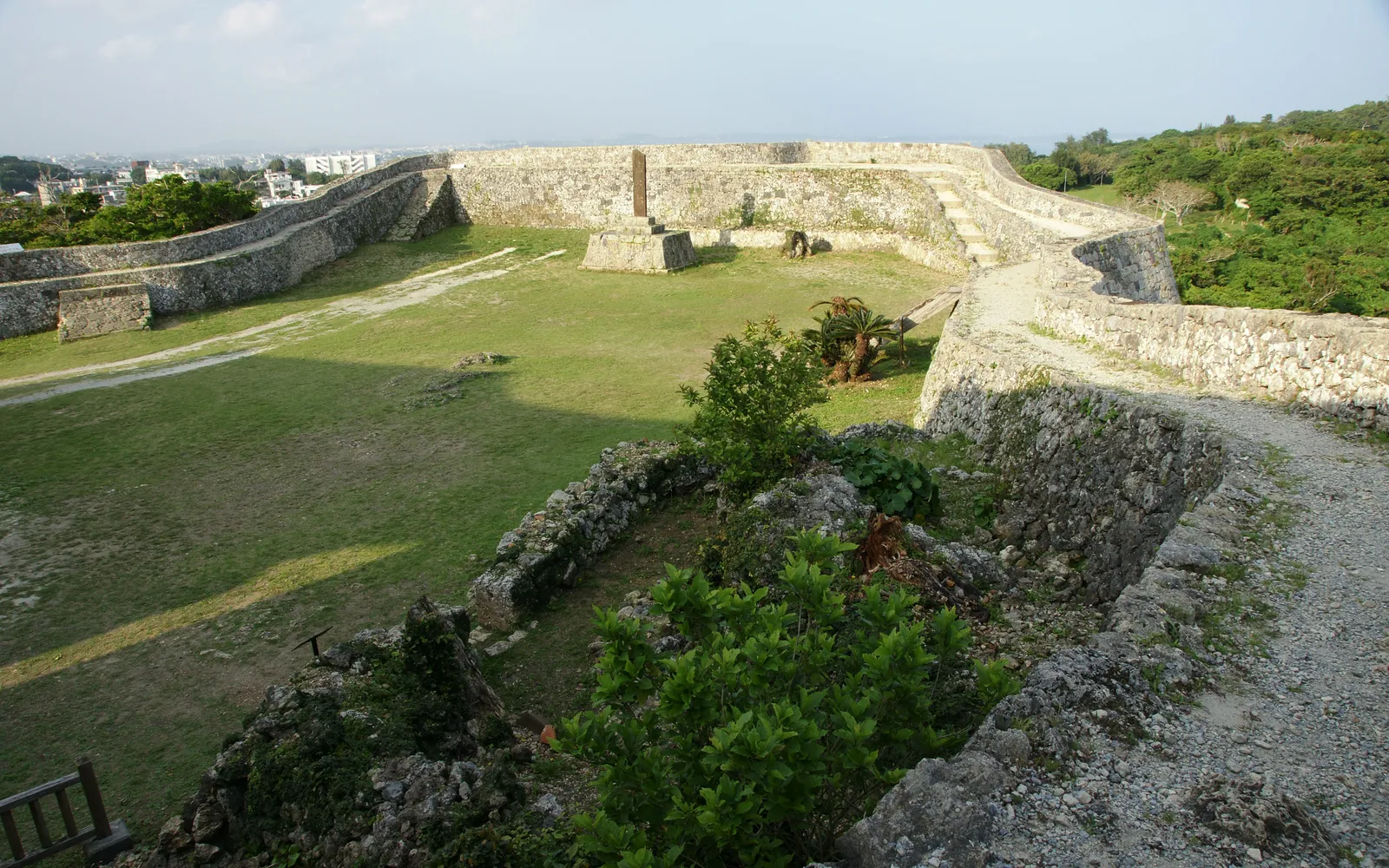
The best-preserved gusuku castle ruin in Okinawa, inscribed on the UNESCO World Heritage List in 2000. Built in the 14th–15th centuries by the Nakagusuku clan and reinforced by military commander Gosamaru in 1440, the castle survived World War II almost entirely intact. Six baileys of coral-limestone walls still stand, offering some of the most genuine Ryukyu castle architecture you'll find anywhere.
- It's frequently overlooked in favor of Shuri Castle — which means significantly fewer crowds and a much more peaceful experience.
- Some wall sections are steep. Keep young children away from the edges.
- Nakamura House, a preserved 18th-century Ryukyuan farmhouse, is nearby and worth pairing with a visit here.
 #8
#8 Kokusai-dori
Naha's main eating-and-shopping corridor: 2 kilometres long, with more than 600 shops ranging from Ryukyu souvenir stalls and local-food restaurants to the Makishi Public Market, packed with unusual fresh seafood unique to Okinawa. The side streets — Heiwa-dori and Mutsumi-dori — are genuine neighbourhood markets with none of the tourist-strip feel of the main road.
- Ducking into the side streets is worth it — local shops are cheaper and far more interesting than the main strip.
- Makishi Public Market is on the second floor of a commercial building near the southern end of the street.
- On some evenings, the street hosts live Ryukyuan music and eisa folk-dance performances.
Where to stay in Okinawa for this trip
A well-located hotel means less commuting and more sightseeing. Here are real, top-rated stays in Okinawa — compare Agoda · Booking · Trip.com in one click.
Hilton Okinawa Chatan Resort
Affiliate links — we may earn a commission at no extra cost to you. Details
Hotel Orion Motobu Resort & Spa
Affiliate links — we may earn a commission at no extra cost to you. Details
Vessel Hotel Campana Okinawa
Affiliate links — we may earn a commission at no extra cost to you. Details
Hotel Collective Naha
Affiliate links — we may earn a commission at no extra cost to you. Details
Tours, tickets & activities in Okinawa
Day tours, attraction tickets and travel essentials for Okinawa — book ahead on Klook with mobile e-tickets.
Affiliate links — we may earn a commission at no extra cost to you.
Before You Pack
Okinawa rewards travelers who want more than a beach. Plan at least 4–5 days to cover the north (Kouri Bridge, Churaumi Aquarium), the center (Cape Manzamo), and the south (Shuri Castle, the Ryukyu sacred sites) — each region has a distinct character. The island chain's combination of UNESCO heritage, live coral reefs, and a culture shaped by 400 years of the Ryukyu Kingdom makes it one of the more genuinely unusual stops in East Asia.