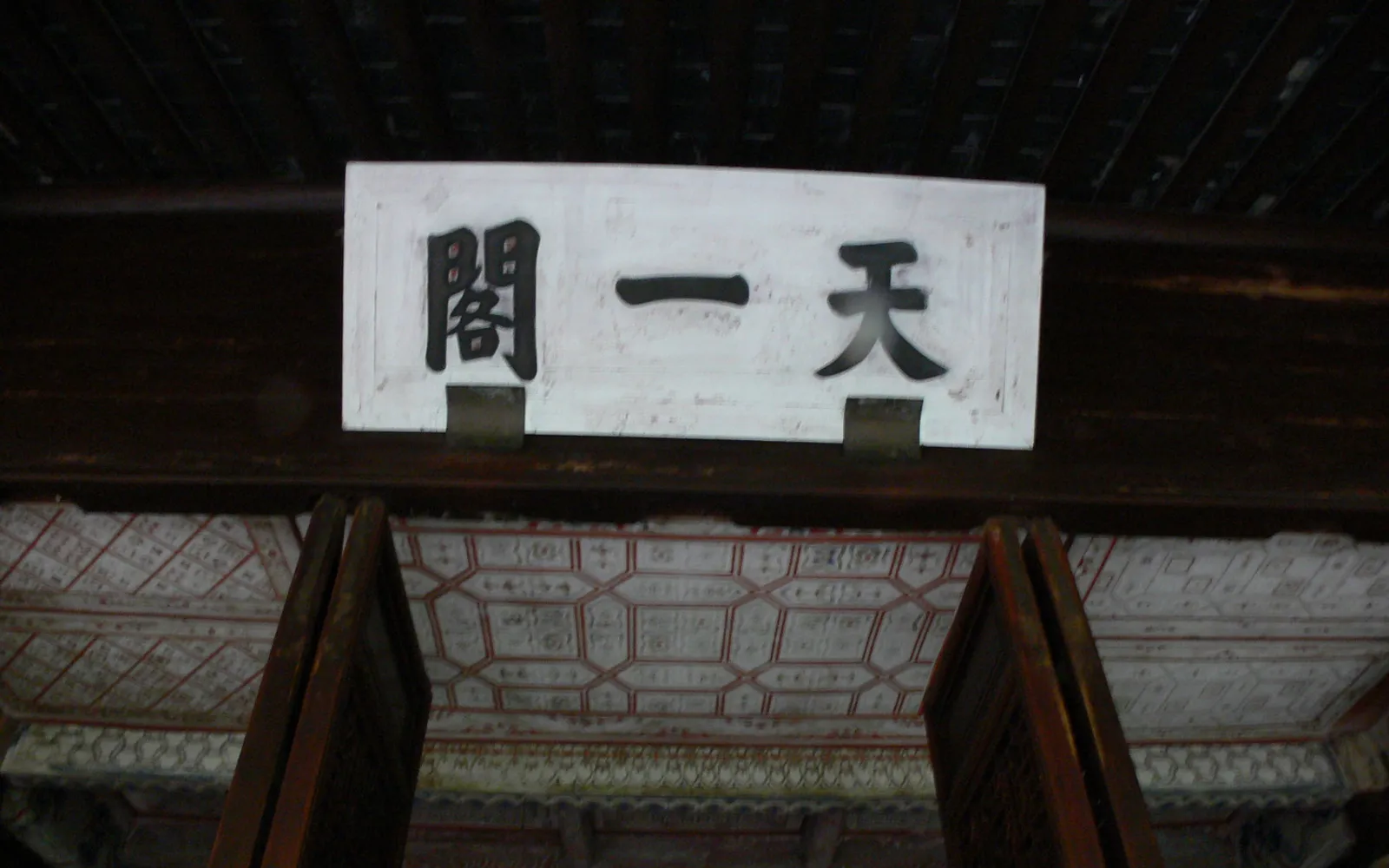
Ningbo's food is part of Zhejiang cuisine, but it stands well apart from other cities in the region. Its place as a coastal port makes fresh seafood the headliner, while old-school vegetable fermenting brings the umami and the 'sour smell' that locals are proud of. The food here uses few seasonings, yet the flavor runs deep and natural — a contrast to southern Chinese cooking, which leans heavy on spice.
 #1
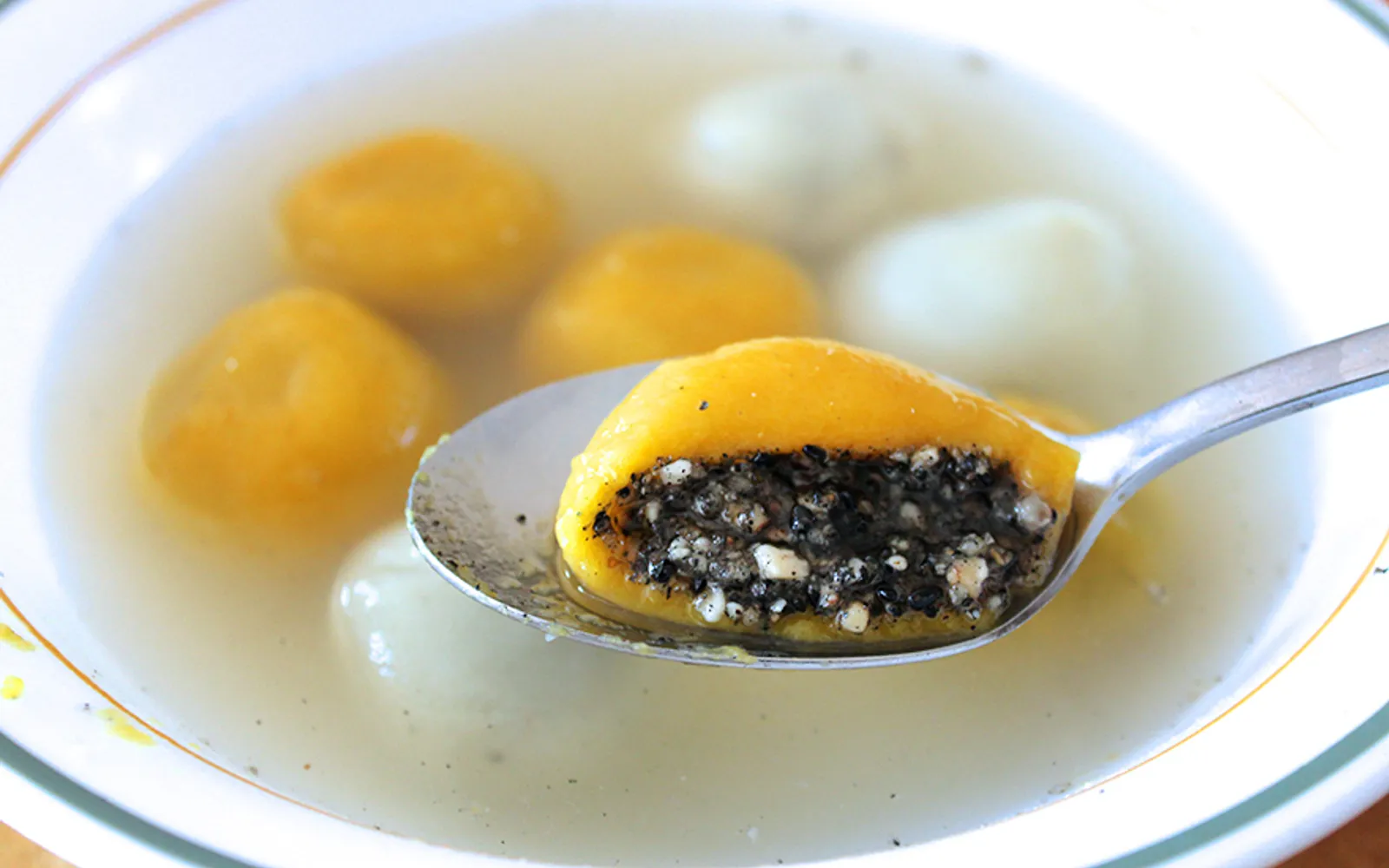
#1 Ningbo Tangyuan
The original tangyuan, and the most famous in China. It traces back to ancient Ningbo (then called Mingzhou). The glutinous rice balls are thin and translucent, like a cicada's wing — the skin soft and chewy without sticking to your teeth, the filling a blend of ground black sesame, pork fat, and sugar that's sweet and tender. Served in a hot clear broth. Unlike tangyuan elsewhere, which tends to be far sweeter, the flavor here is rounded and far more refined.
- Gangjin Tangyuan (缸鸭狗) is the oldest original shop, run across several generations
- Eat it for breakfast or an afternoon snack — very cheap, 10-15 yuan a bowl
- Order the 4-ball portion rather than a lot; it fills you up faster than you'd think
 #2
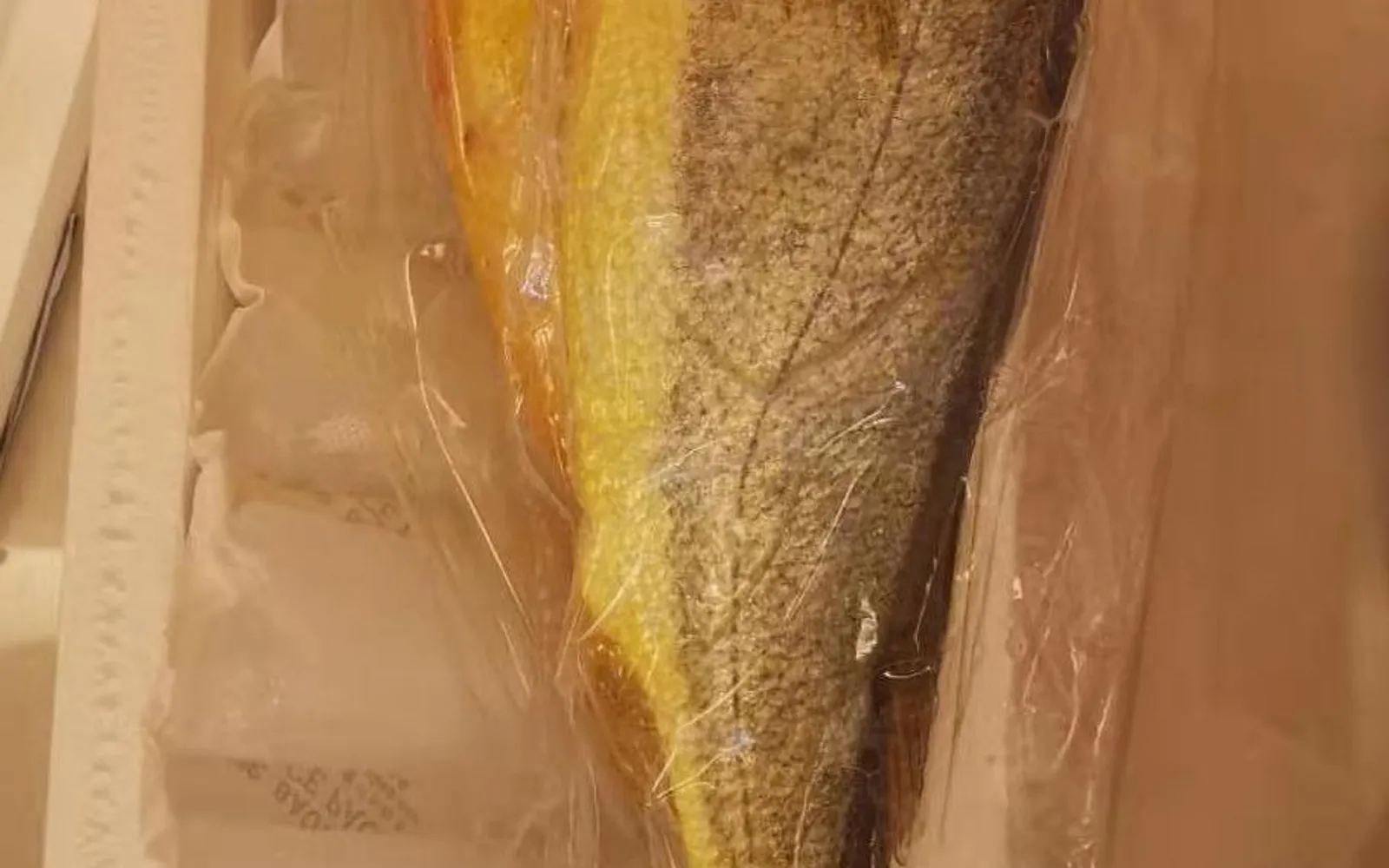
#2 Yellow Croaker with Pickled Mustard Greens
A signature dish you can't skip in Ningbo. Yellow croaker (大黄鱼) is the symbol of this city's kitchen. The most famous way to cook it is braised with Ningbo-style pickled mustard greens (雪菜), which give a light sour-salty note that cuts against the natural sweetness of the fresh fish. These pickled greens are produced only in Ningbo and the nearby area, so the flavor of this dish can't be found anywhere else.
- Pick a restaurant with a live fish tank — it means the fish was caught that day
- Order it steamed in soy sauce if you like a milder taste; braised with pickled greens if you like it bolder
- Zhuang Yuan Lou on Heyi Road is an old shop the locals favor
 #3
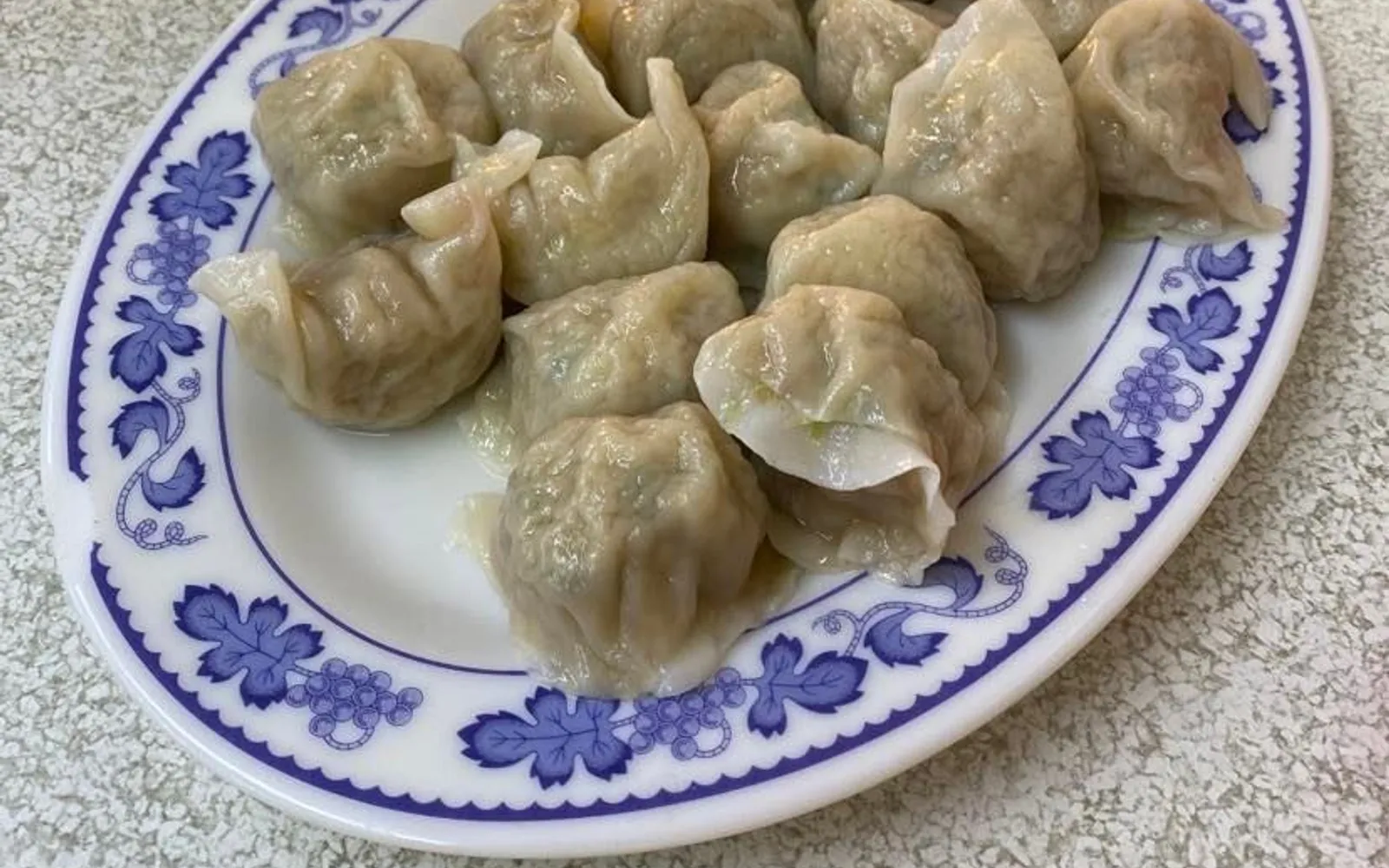
#3 Ningbo Dumplings
Ningbo dumplings stand apart from the northern kind in that they use a thin wrapper — thin, soft sheets — and the filling often mixes pork with shrimp or other seafood, a reflection of this coastal city. They're eaten with black vinegar and shredded ginger, per local custom. Some shops boil them in broth, others steam them or fry them crisp; each style has its own charm.
- Pick a shop that wraps the dumplings out front where you can see — much fresher than the frozen kind
- The standard Ningbo dip is black vinegar plus shredded ginger, not soy sauce alone
- The morning markets around Gulou have dumpling shops open from 6 a.m.
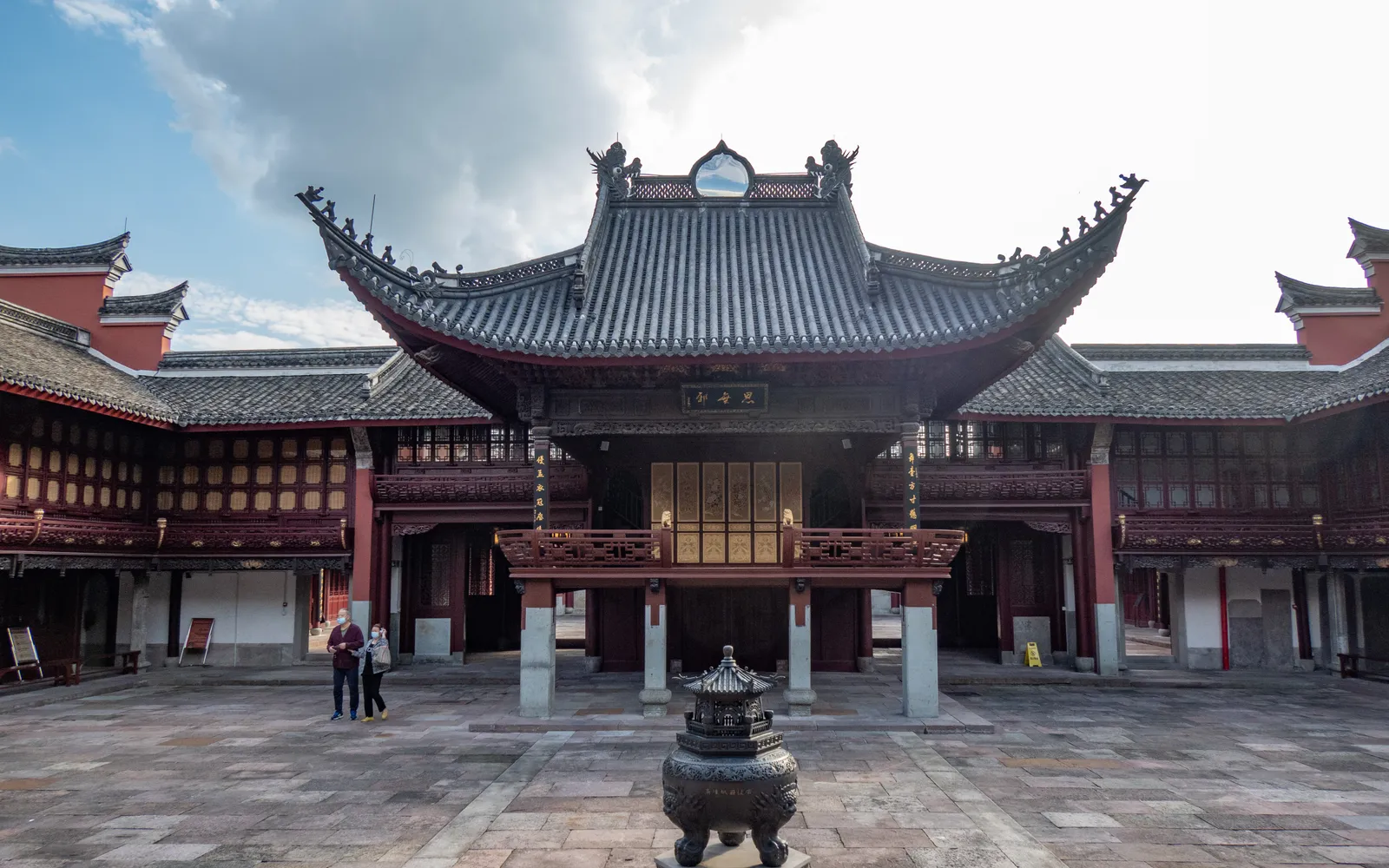 #4
#4 Ningbo Fresh Seafood Market
Ningbo sits on the East China Sea, which makes the seafood here incredibly fresh and varied. The fish markets open early with shrimp, crab, oysters, squid, and dozens of kinds of fish, along with East Asian seafood that's hard to find in other cities. Restaurants around the market buy the fresh catch and cook it right in front of you, usually steamed or boiled to keep the natural flavor.
- Come to the market between 6 and 9 a.m. — the catch is freshest and cheapest
- Shops around the market buy from it and cook for you; tell them 'steamed, light on seasoning' for the natural flavor
- Mind the bargaining — always ask the price before you pick anything
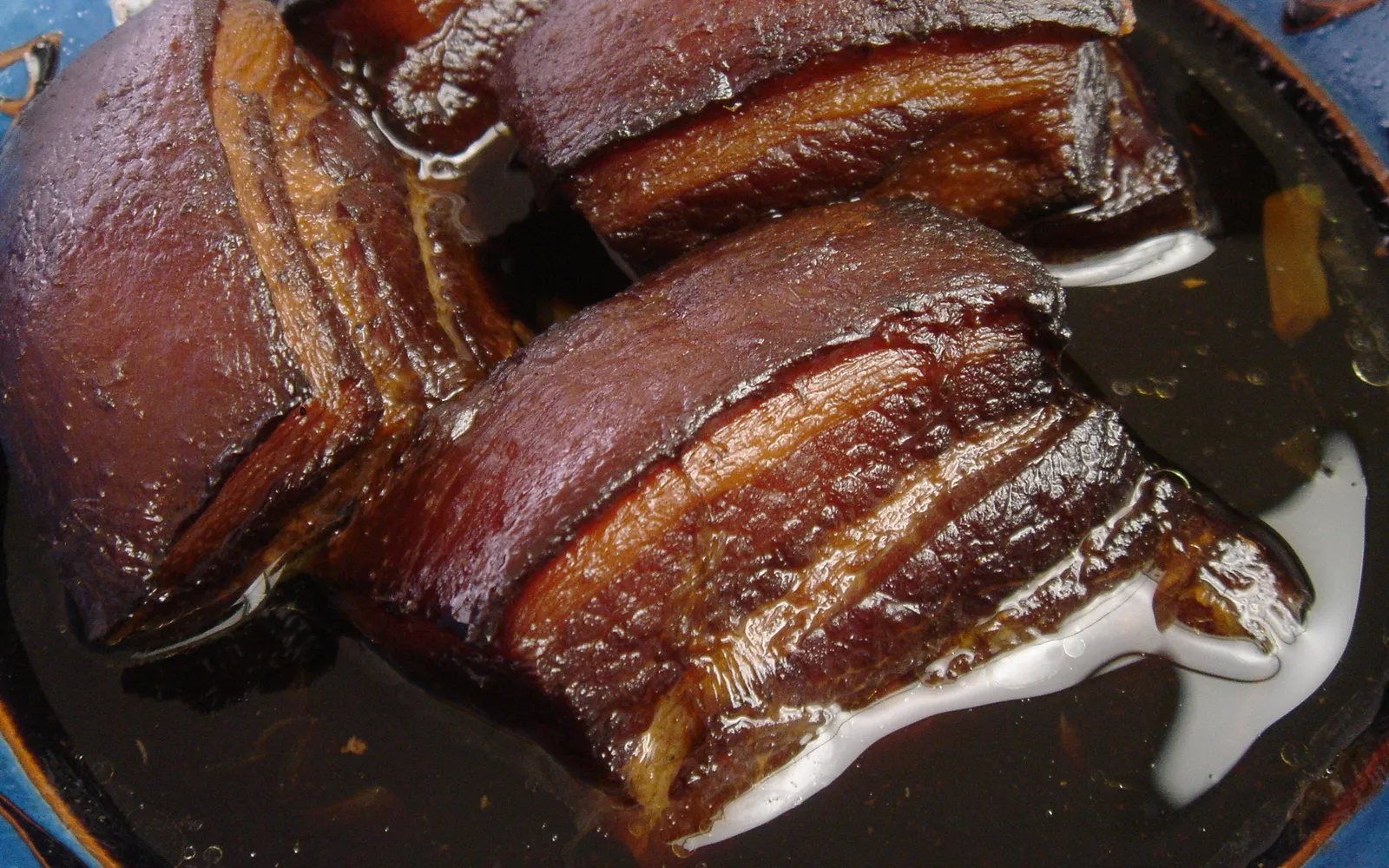 #5
#5 Ningbo Three Stinks — Fermented Vegetables
Ningbo is known for the 'Three Stinks' (三臭 / sanchou): fermented squash, bitter-vegetable stems, and taro stems, fermented in a thick old-school brine until they take on a pungent smell and a very deep umami. The technique is unique to Ningbo and found in no other province. It may sound alarming, but people who try it often fall for the salty-bitter fermented taste — eaten with hot rice porridge, it's hard to stop.
- Try it with hot rice porridge — that's when the flavor comes out best
- If you're unsure, ask for a small taste first; most shops are happy to let you sample
- The Old Bund night market has stalls selling the pickles to take home as a gift
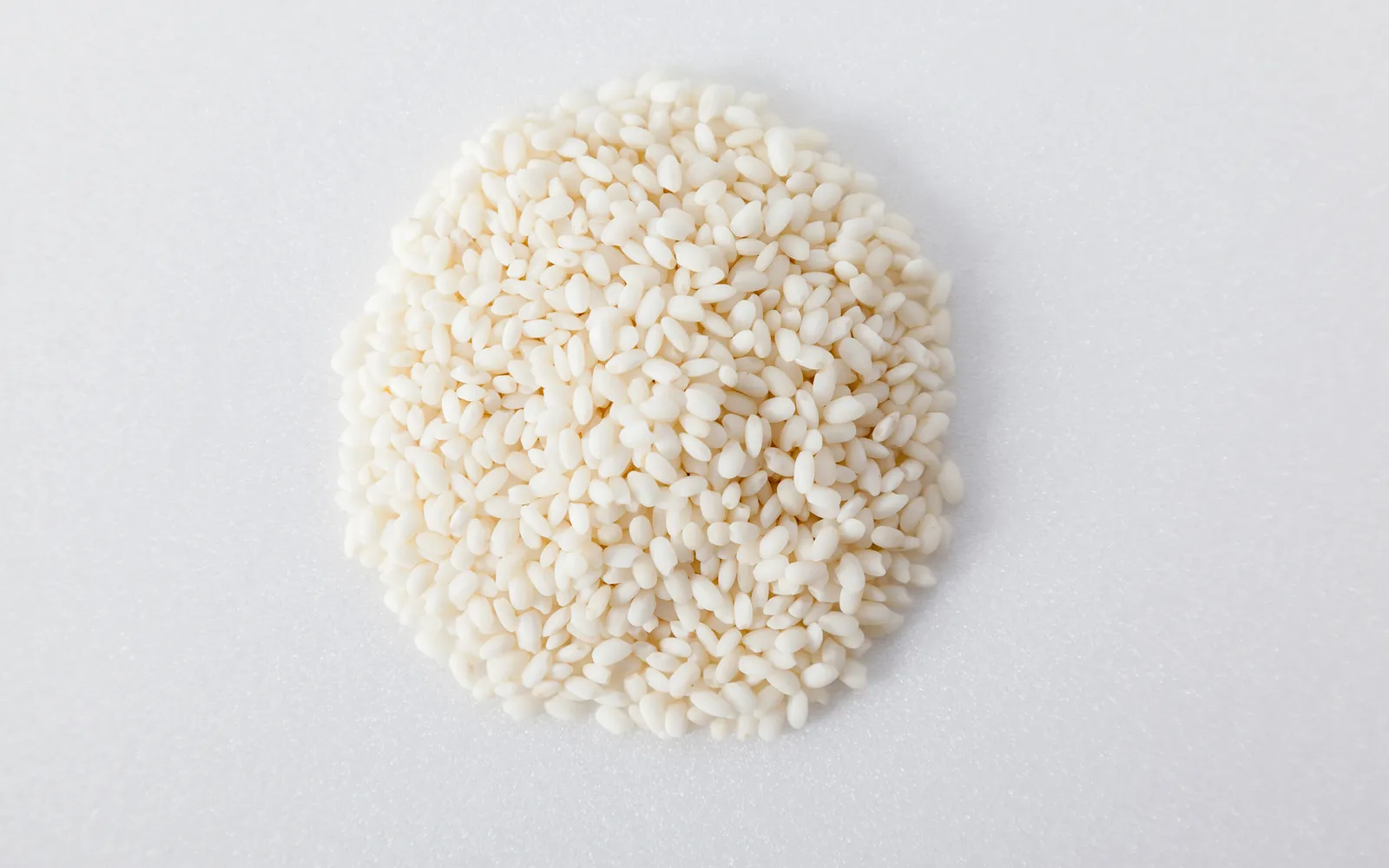 #6
#6 Ningbo Ciba — Glutinous Rice Cake
Ciba (糍粑) is a glutinous rice cake — steamed, then pounded until soft and chewy, then fried in oil until the surface is golden and crisp, dusted with ground peanuts or sesame. You get crisp outside and chewy inside in a single bite. It's a popular snack at festivals and morning markets, and the people of Ningbo have eaten it for hundreds of years. It brings warmth in winter, since it's best eaten hot.
- Eat it while it's hot for the best taste; once it cools it turns hard and overly chewy
- Pick a shop that pounds it fresh out front, not the ready-made kind
- It's gently sweet, not intensely sweet like Thai desserts — kids and adults both like it
Where to stay in Ningbo for this trip
A well-located hotel means less commuting and more sightseeing. Here are real, top-rated stays in Ningbo — compare Agoda · Booking · Trip.com in one click.
Wyndham Grand Plaza Royale Ningbo
Affiliate links — we may earn a commission at no extra cost to you. Details
Shangri-La Ningbo
Affiliate links — we may earn a commission at no extra cost to you. Details
Ningbo Marriott Hotel
Affiliate links — we may earn a commission at no extra cost to you. Details
Fortune Bond Hotel Ningbo
Affiliate links — we may earn a commission at no extra cost to you. Details
Tours, tickets & activities in Ningbo
Day tours, attraction tickets and travel essentials for Ningbo — book ahead on Klook with mobile e-tickets.
Affiliate links — we may earn a commission at no extra cost to you.
Before You Pack
Ningbo is a paradise for anyone who loves seafood and refined, deep old-school Chinese food. Make sure you try the legendary tangyuan before you leave — and you'll understand why the people of Ningbo are so proud of their hometown food.