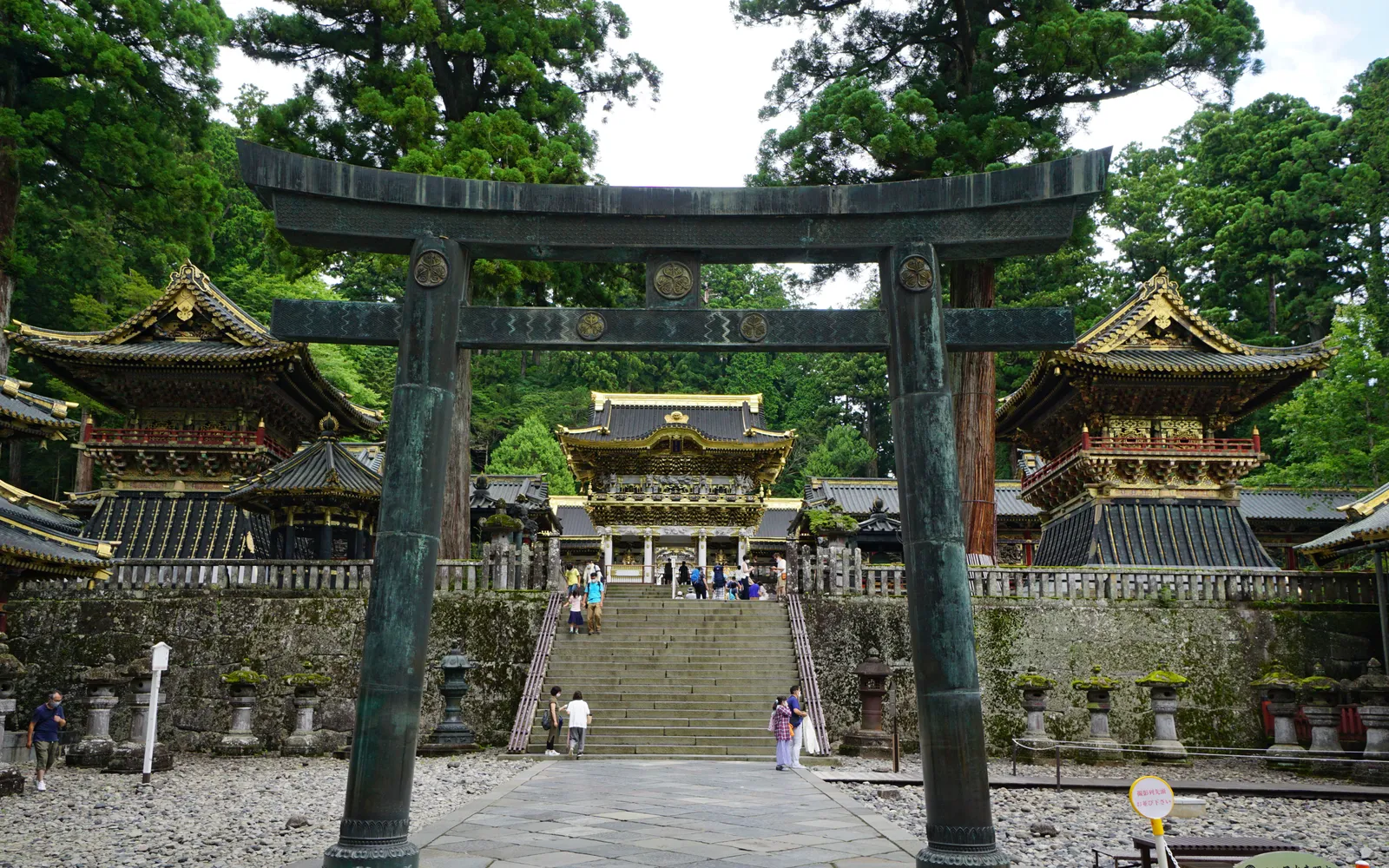
Nikko's food grew from two very specific conditions: ultra-pure groundwater fed by Mount Nantai that sustains the soybean fields and sake breweries, and over 1,200 years of Buddhist temple culture that put vegetarian cooking at the centre of local life. Yuba — the skin skimmed from simmering soy milk — is the dish everyone comes for, but this compact town has more worth tracking down than that single headline.
 #1
#1 Yuba (Tofu Skin)
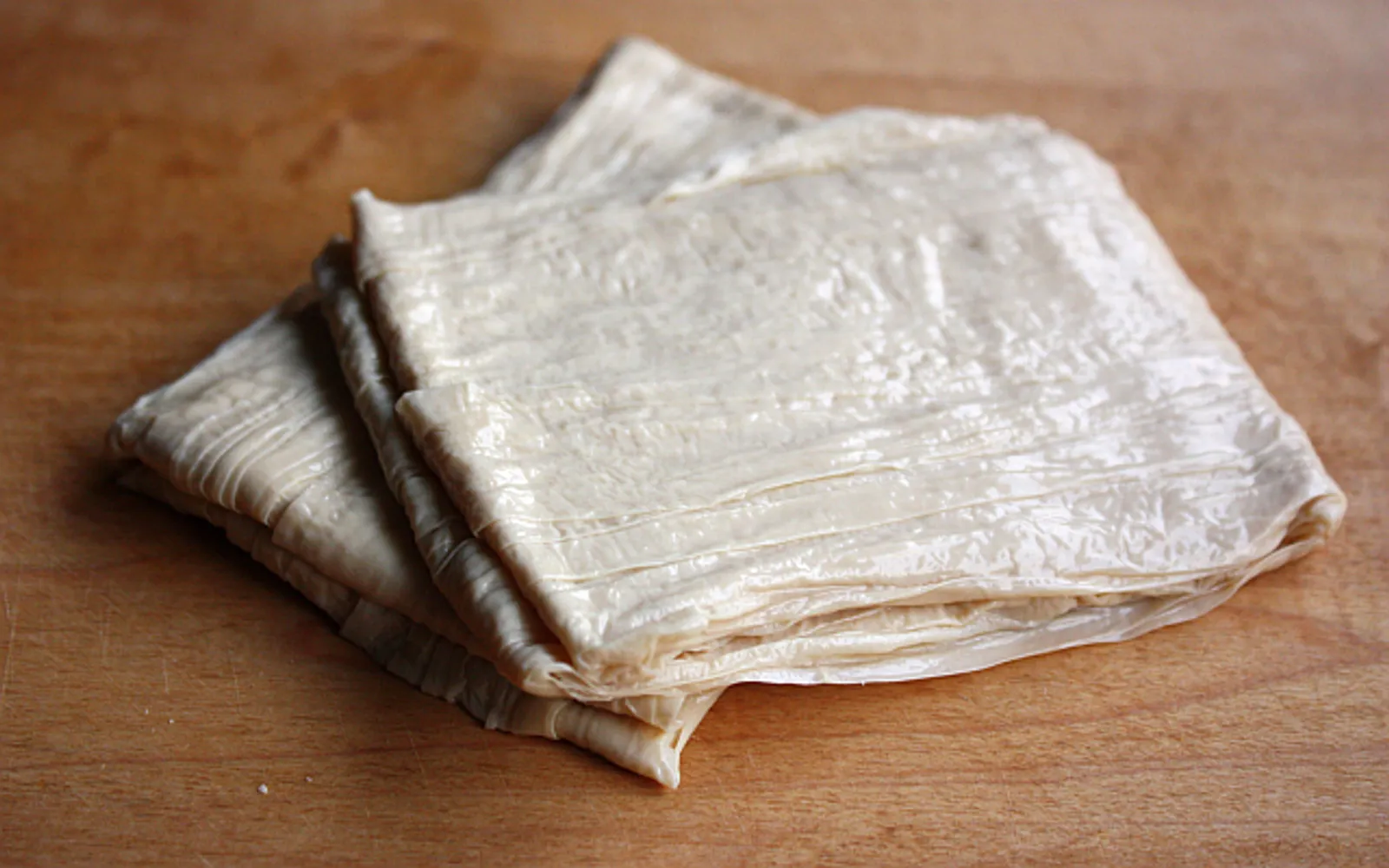
Yuba is the skin that forms on the surface of soy milk as it heats. Nikko's version is folded double as it's lifted from the pot, making it noticeably thicker and chewier than the Kyoto style. It began as Buddhist temple food — shojin ryori — and is now served in almost every form imaginable: yuba sashimi, yuba ramen, yuba soba, yuba-don rice bowls, and deep-fried yuba. Restaurants worth seeking out include <strong>Azuma</strong> and <strong>Yuba Gozen Sunfield</strong>, both known for their set-lunch Yuba Gozen menus.
- Start with yuba sashimi — eating it plain is the clearest way to taste the soy milk's natural sweetness.
- Yuba soba is the best-value lunch option at most restaurants.
- Dried yuba makes a practical souvenir; pick it up at the shops along the Toshogu approach road.
 #2
#2 Nikko Soba
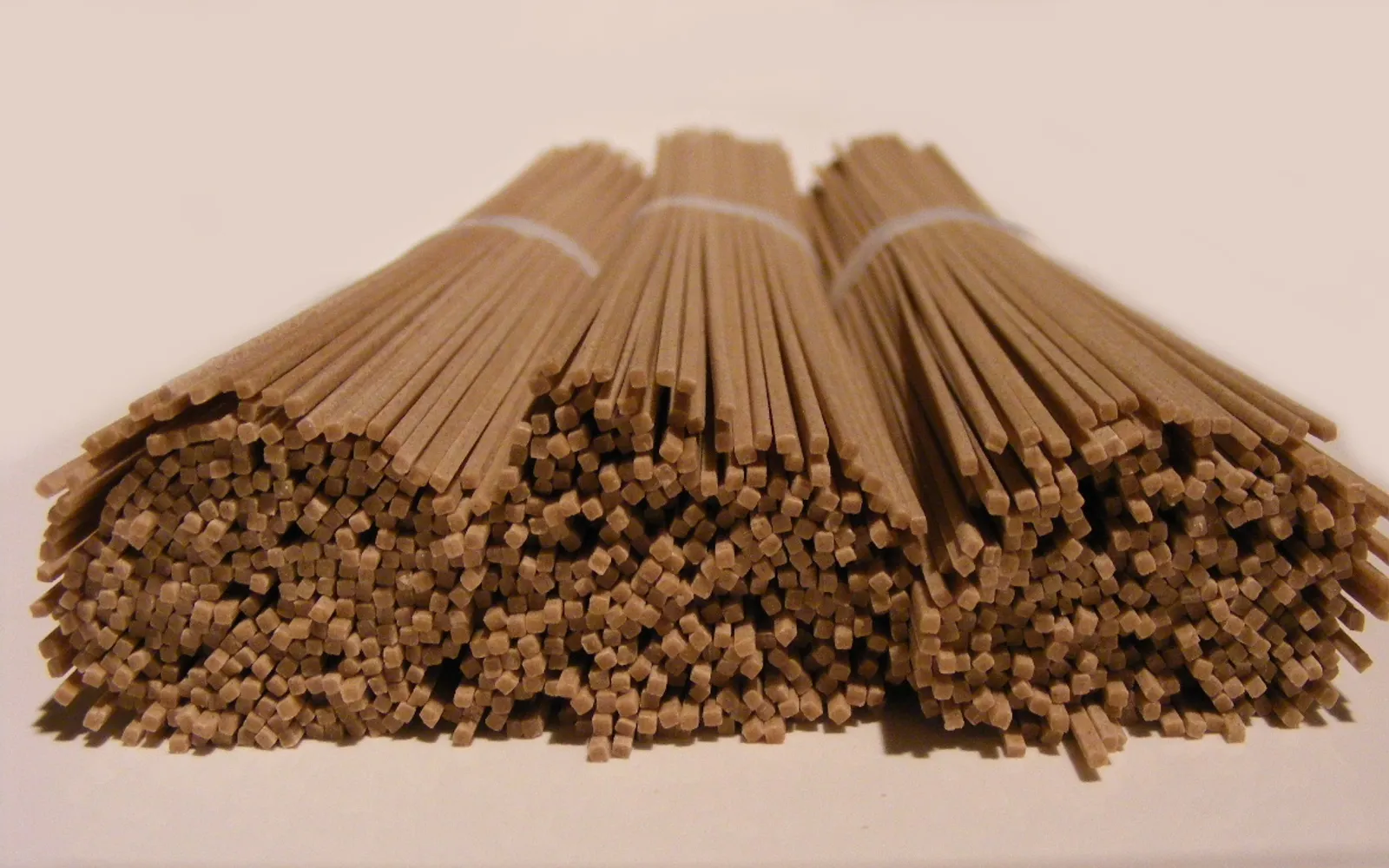
Nikko is among Japan's top soba towns, with more than 100 shops. The buckwheat grown on the surrounding mountain farms benefits from a wide day-to-night temperature swing that concentrates flavour. Many shops follow the <em>santate</em> principle — grind fresh, knead fresh, boil fresh, all immediately before serving. You can order cold (Zaru Soba) or hot (Kake Soba), or go for the local specialty: Nikko Yuba Soba, which adds thick yuba to the bowl.
- A sign reading <em>Santate</em> (three-fresh) marks the highest-quality shops.
- Zaru Soba — cold noodles with dipping sauce — gives you the cleanest read on the buckwheat flavour.
- Arrive before noon; fresh-made noodles sell out fast and some shops close once they're gone.
 #3
#3 Age Yuba Manju (Fried Yuba Mochi Bun)
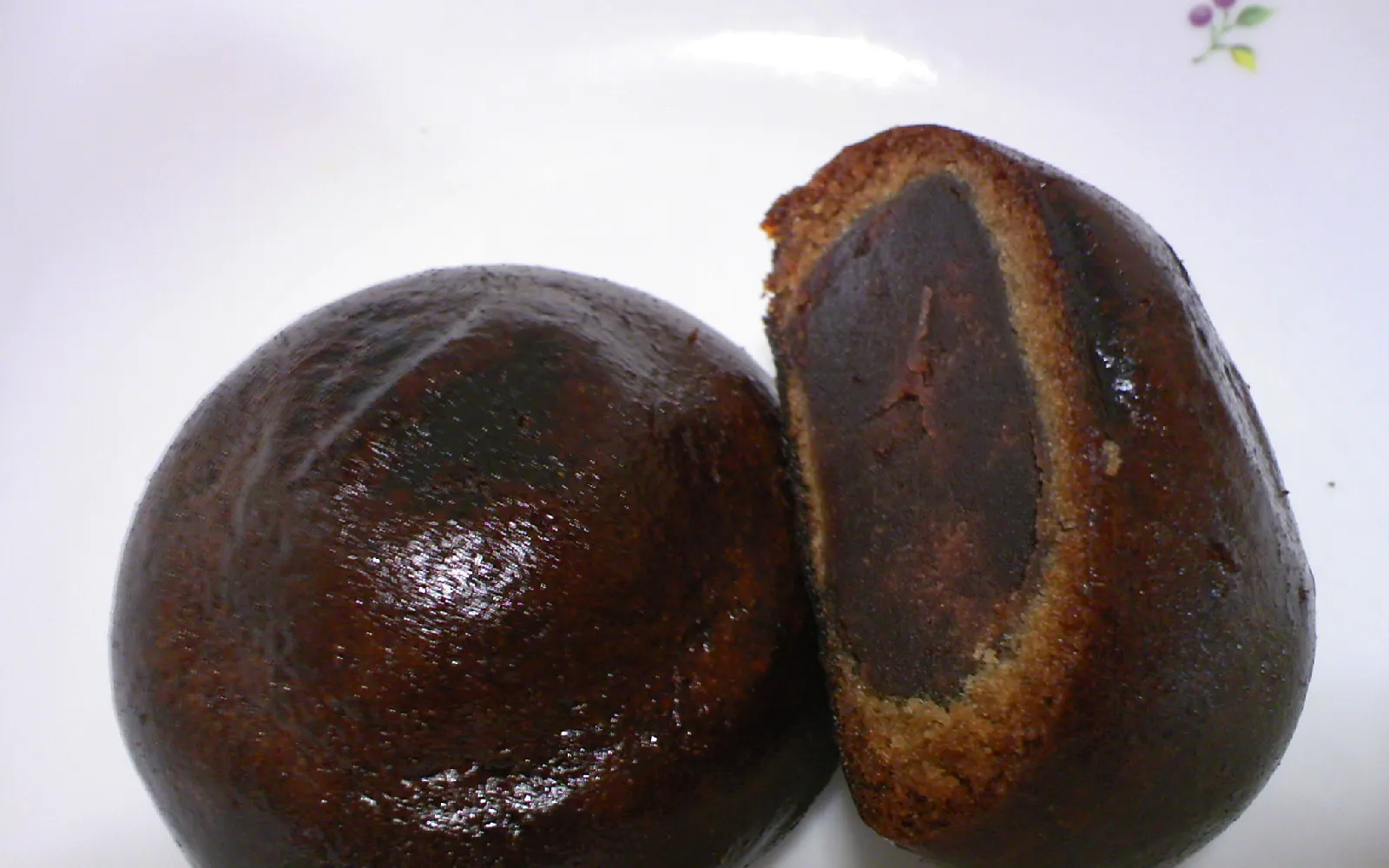
The age yuba manju at <strong>Sakaeya</strong>, right outside Tobu Nikko Station, is the town's most popular street snack. The dough is mixed with yuba, filled with sweet adzuki bean paste, and deep-fried until the outside is golden and crisp. The inside stays soft with a gentle soy fragrance. Eat one hot — the crunch fades within minutes of cooling. At just 200 yen a piece, it's a frequent gift buy among Japanese visitors.
- Eat immediately while hot; the outer crisp disappears as it cools.
- On holidays, expect a 15–20 minute queue.
- Gift boxes are available, but the contents need to be eaten the same day.
 #4
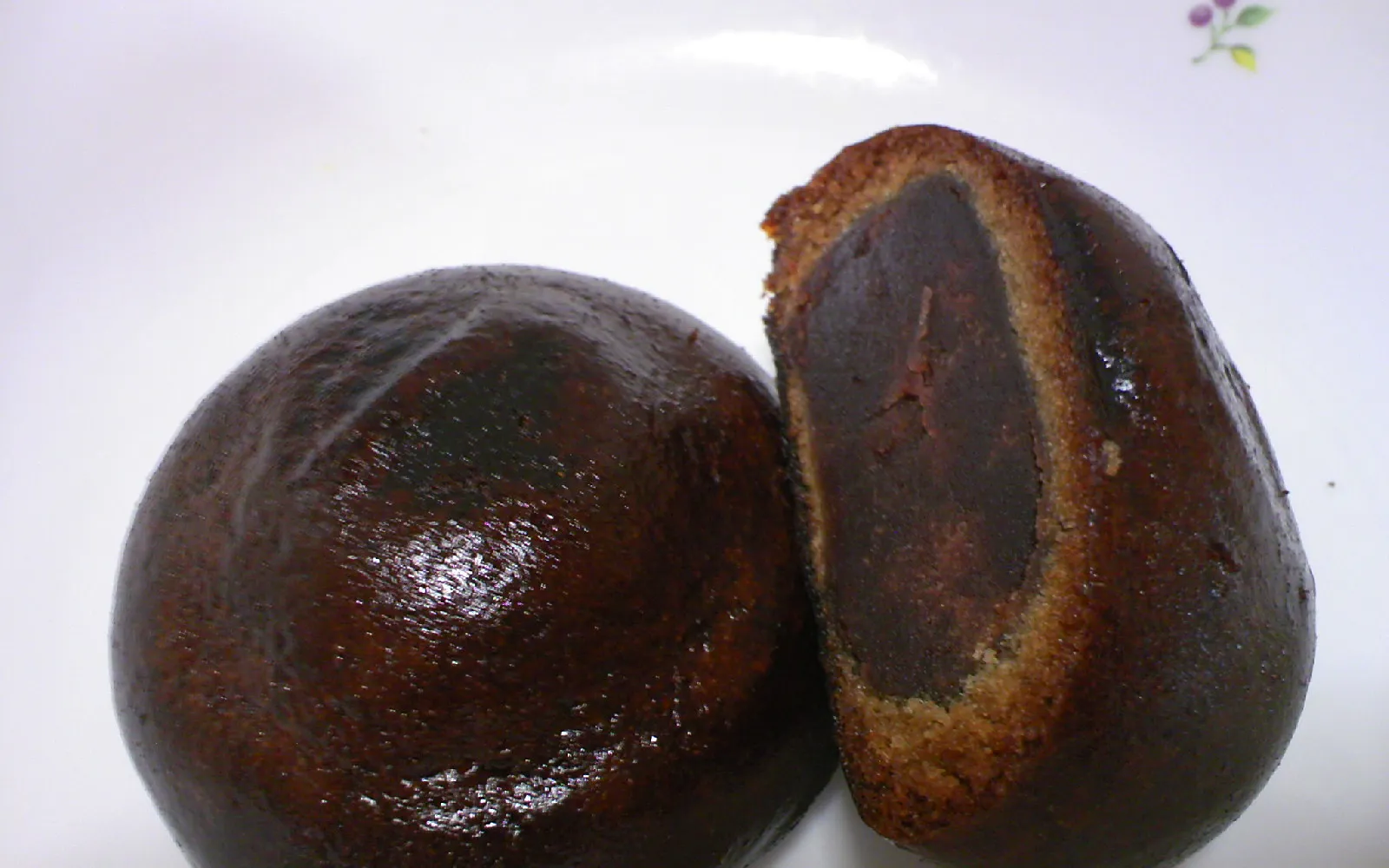
#4 Sake Manju (Sake-Flavored Steamed Bun)
<strong>Yuzawaya</strong> has been making Nikko Manju to the same recipe for over 200 years — a lineage that traces back to the Edo period. The dough is fermented with koji (the mould used to brew sake) for 7 days, giving it a delicate sake fragrance and a slight tang. Inside: sweet, smooth adzuki paste. The bun was once presented to Emperor Taisho and remains one of the town's prestige gifts.
- Eat warm — the sake aroma is more pronounced and the texture is at its best.
- Gift boxes come in 6 or 12 pieces; shelf life is 3–4 days.
- The mild sourness from koji fermentation is intentional — it's not a sign that the bun has spoiled.
 #5
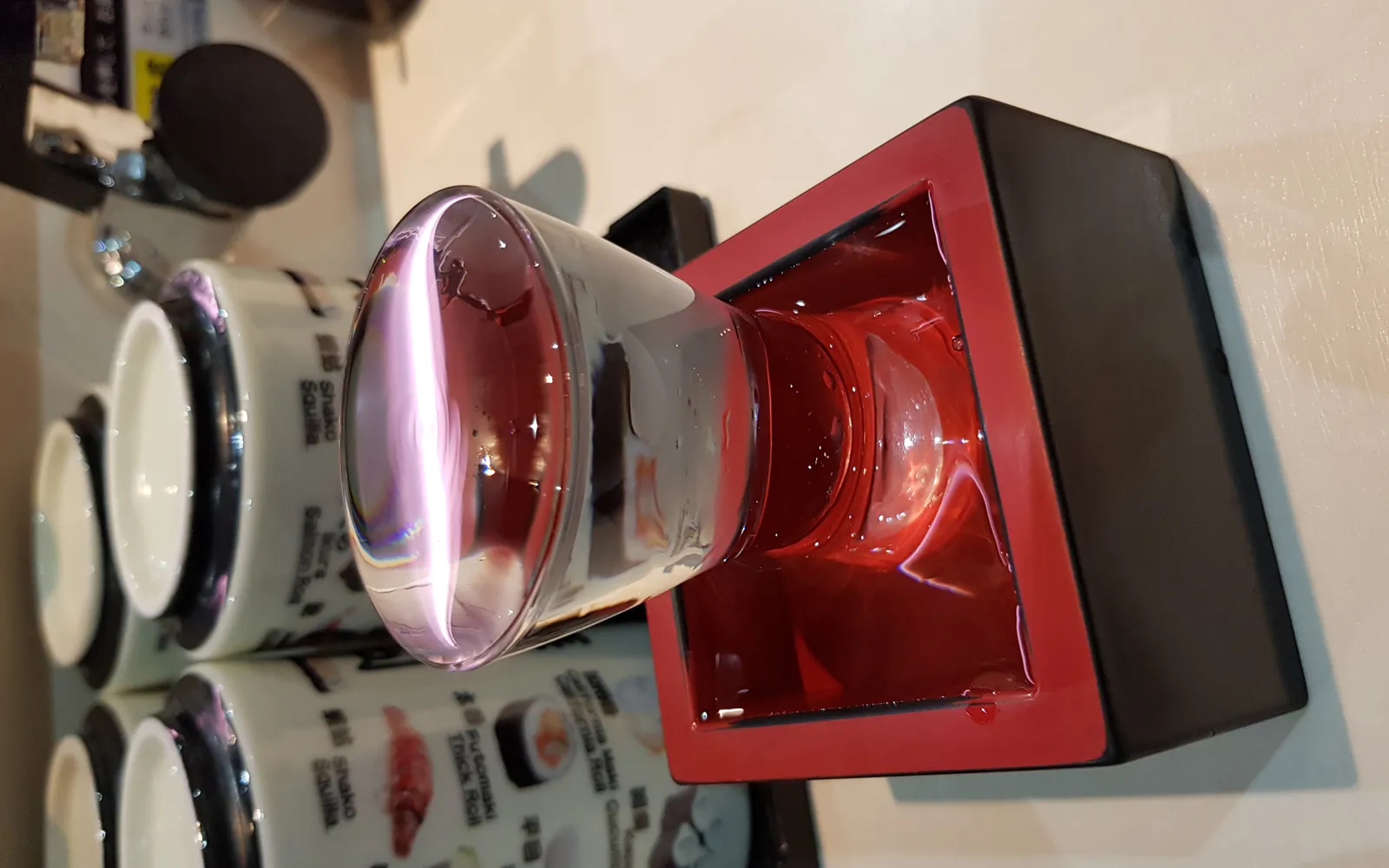
#5 Nikko Sake
Nikko's sake tradition stretches back to the Edo period. The water that filters through <strong>Mount Nantai</strong>'s volcanic rock layers is exceptionally soft and clean — the foundation of a light, fragrant style. <strong>Watanabe-Sahei Brewery</strong> makes Nikko Homare using local rice and mountain water: easy to drink, clean on the finish, and a natural match for yuba and soba. Most breweries offer free tours and tastings — a stop that draws a lot of international visitors.
- Visit in the morning, 9:00–11:00, when staff have time to explain the process.
- Tastings are free; small bottles to take home run 800–1,500 yen.
- Some breweries release a winter-only <em>Shiboritate</em> (freshly pressed sake) once a year — worth timing a trip around.
 #6
#6 Tochiotome Strawberry
<strong>Tochigi Prefecture</strong>, where Nikko sits, has been Japan's top strawberry-growing region for over 50 consecutive years. The Tochiotome variety is large-fruited, intensely sweet with a light floral note, and thin-skinned with a deep red colour. During the season (February–May) farms offer pick-your-own sessions. Outside the season, Tochiotome appears in jam, ice cream, bread, and the Tochiotome-edition KitKat sold at souvenir shops across town.
- Peak season is February–May; a 30-minute pick-your-own session costs around 1,500–2,000 yen.
- Tochiotome soft-serve ice cream at shops near the station is excellent and available year-round.
- The Tochiotome KitKat Edition is one of the town's most popular takeaway gifts.
Where to stay in Nikko for this trip
A well-located hotel means less commuting and more sightseeing. Here are real, top-rated stays in Nikko — compare Agoda · Booking · Trip.com in one click.
Stay Nikko Guesthouse
Affiliate links — we may earn a commission at no extra cost to you. Details
Sanga Nikko
Affiliate links — we may earn a commission at no extra cost to you. Details
Nikko Guesthouse Sumica
Affiliate links — we may earn a commission at no extra cost to you. Details
Nikko Station Hotel II
Affiliate links — we may earn a commission at no extra cost to you. Details
Tours, tickets & activities in Nikko
Day tours, attraction tickets and travel essentials for Nikko — book ahead on Klook with mobile e-tickets.
Affiliate links — we may earn a commission at no extra cost to you.
Before You Pack
Nikko's food scene is easy to navigate — most of the best spots sit along the same walking route from the station to the World Heritage shrines. Start with an age yuba manju from Sakaeya outside Tobu Nikko Station: it's the best thing to eat before the temple gates open.