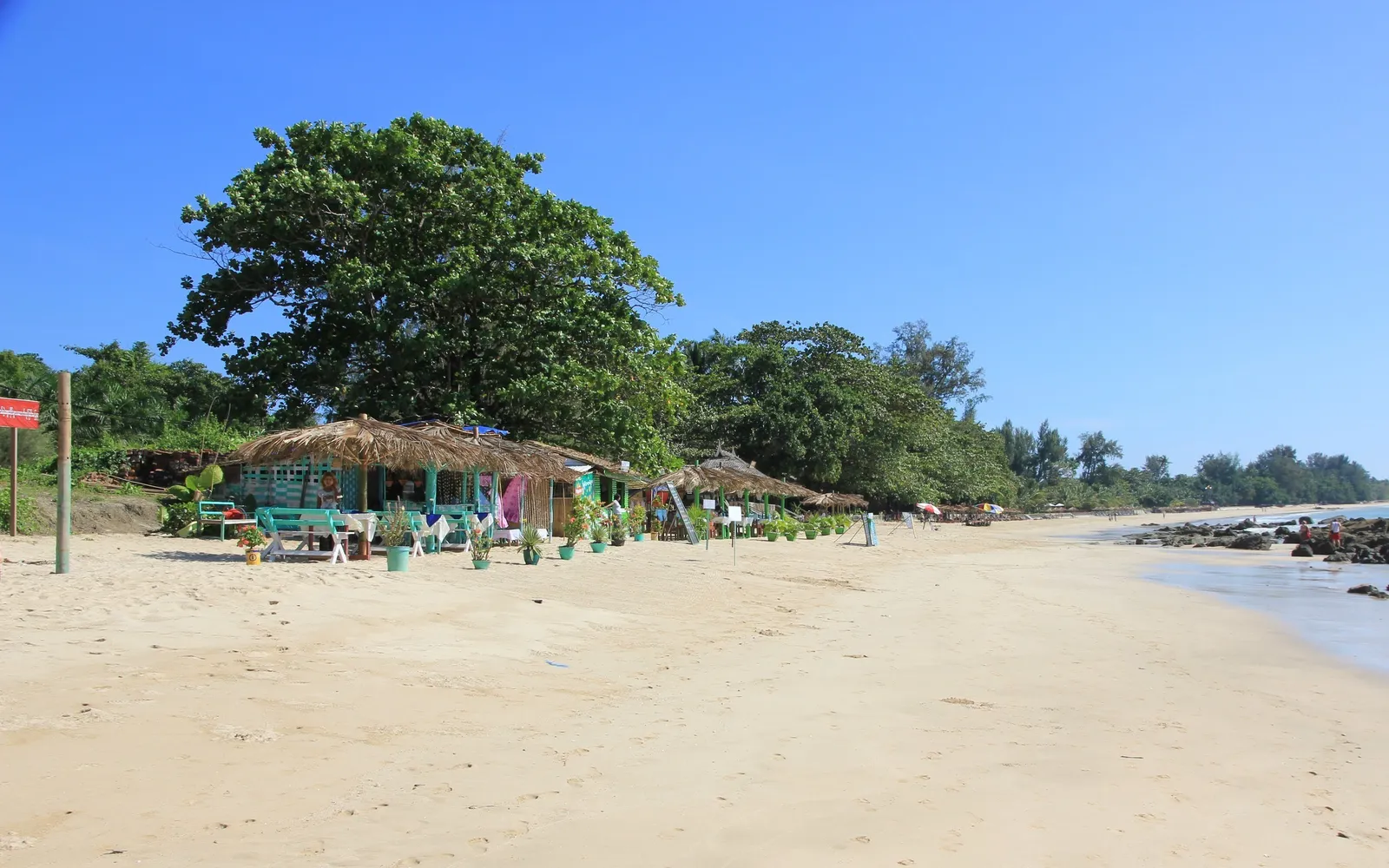
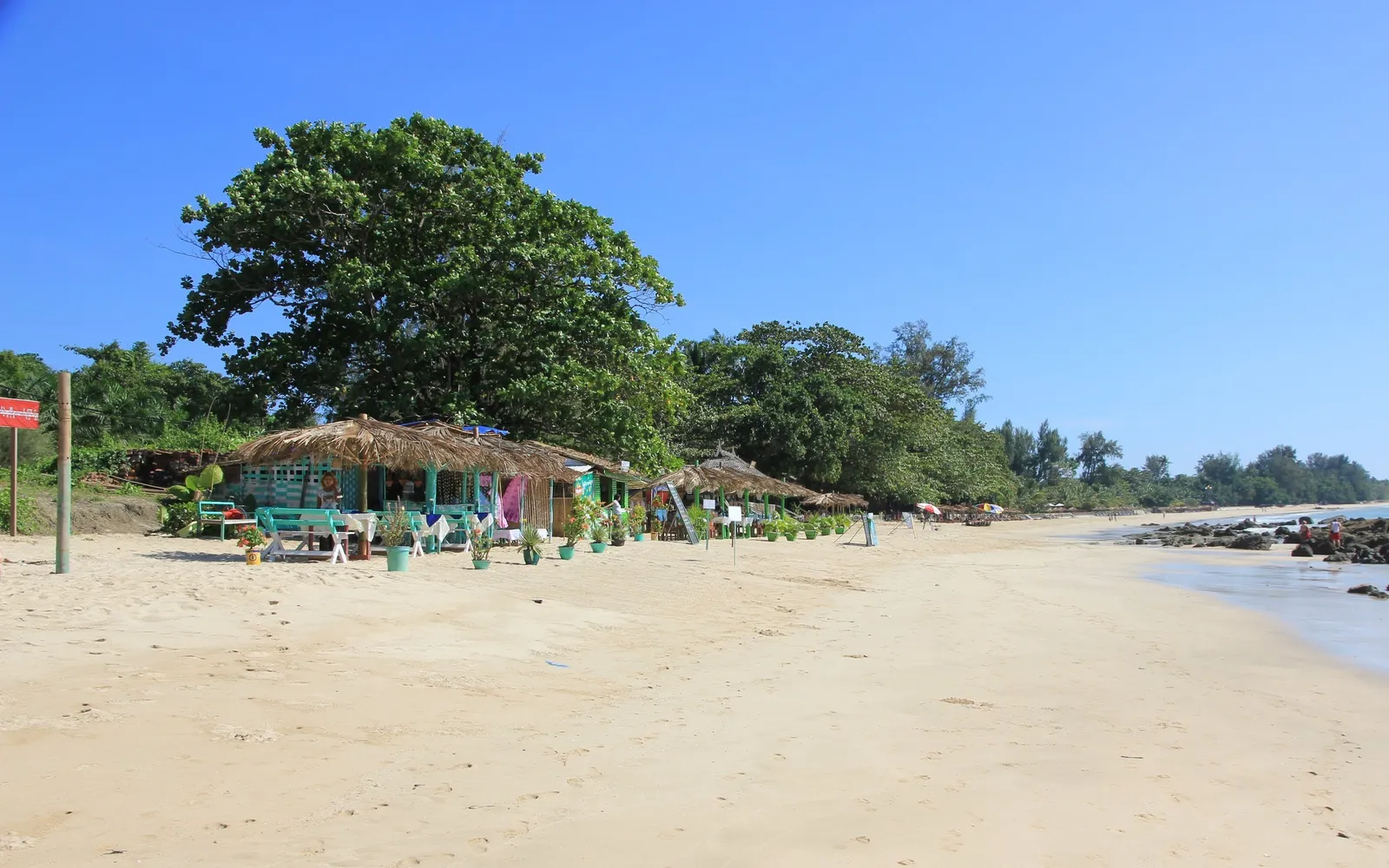
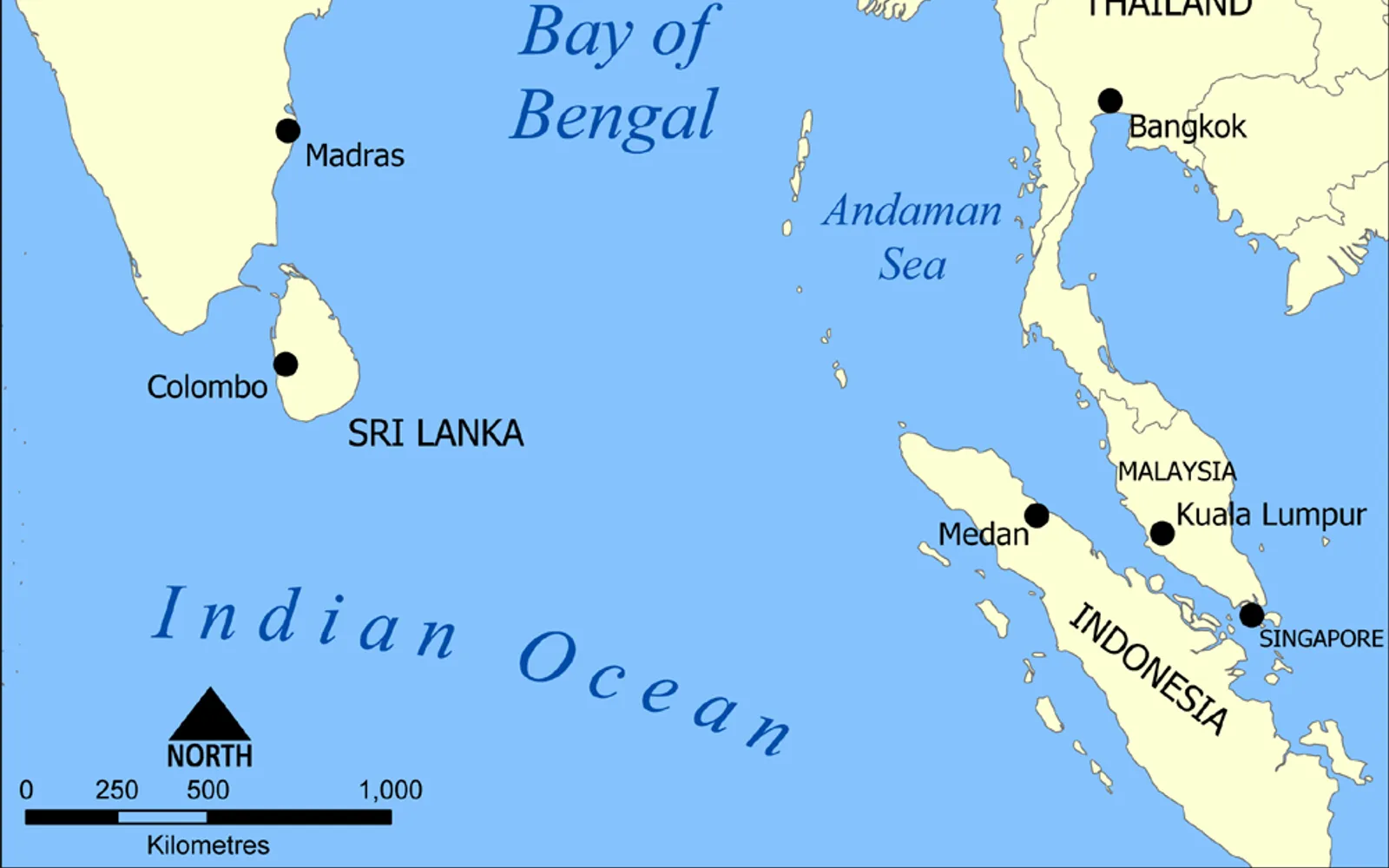
Ngapali is one of Southeast Asia's least-publicized beaches. Fine white sand soft underfoot and Bay of Bengal water clear enough to see the seabed stretch nearly 3 kilometres with almost no buildings breaking the skyline. The beach still runs on the rhythm of a traditional fishing village — boats leave before dawn, the fish market opens in the morning, and the sky turns orange-gold every evening. Infrastructure is basic and getting here takes effort, but that is precisely what keeps Ngapali unspoiled.
 #1
#1 Ngapali Main Beach
The heart of Ngapali and the reason everyone makes the journey. The sand is unusually fine and soft underfoot. Shallow Bay of Bengal water runs a pale green close to shore before shifting to deep blue further out. Waves are calm in the dry season, good for swimming and wading. No high-rises block the view — only low-rise resorts tucked behind the coconut palms. Early morning and late afternoon are the best times, when light and temperature both behave.
- Between 6 and 8 a.m. the beach is almost completely empty — just the sound of waves and seabirds. The quietest moment of the day.
- Sand gets very hot by midday. Bring sandals or wade in the shallows instead. High-SPF sunscreen is essential.
- Do not swim during the monsoon (May–October). Waves are dangerous and warning signs are not always posted at every point.
 #2
#2 Lintha Fishing Village
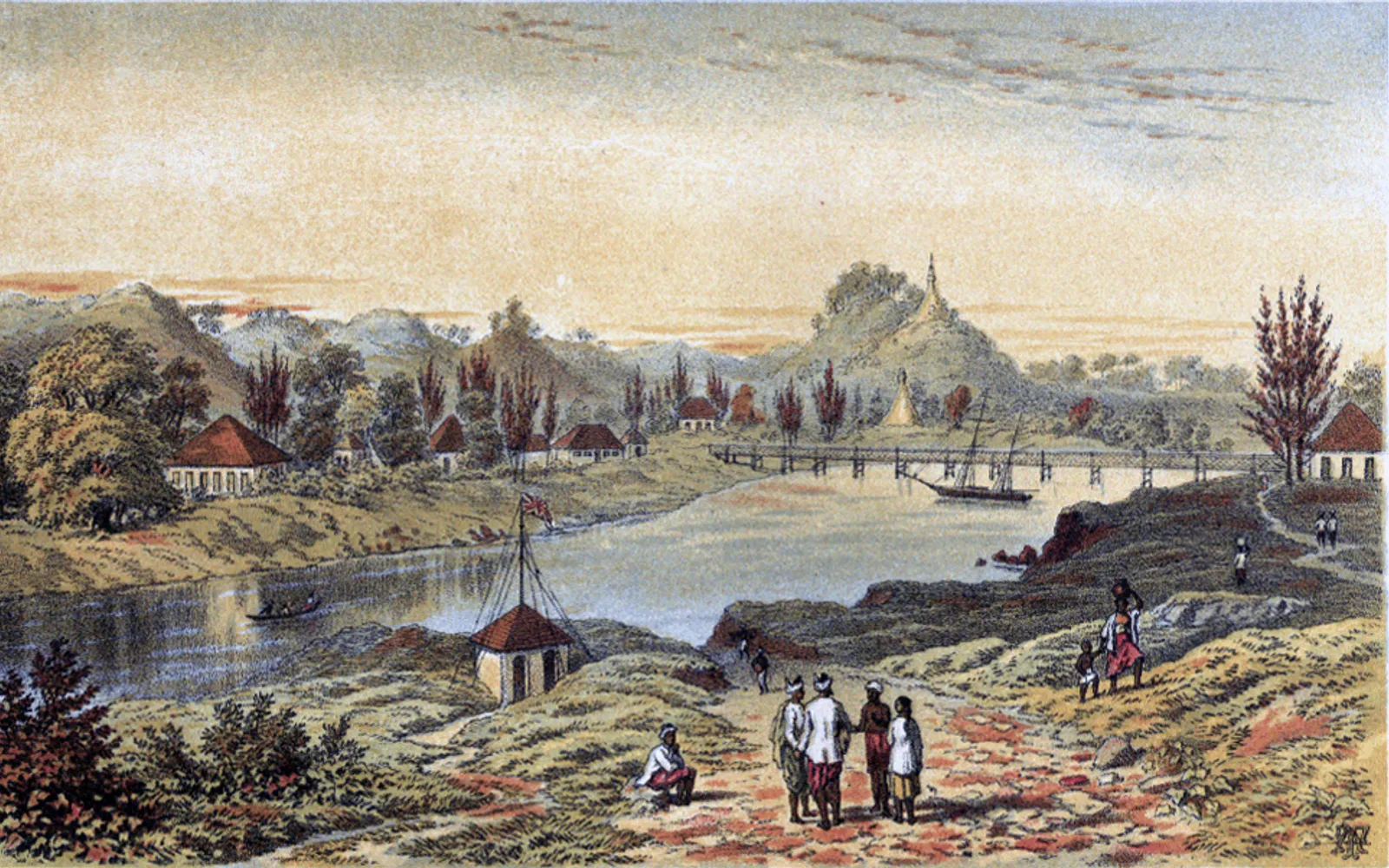
At the northern end of Ngapali lies a traditional fishing village where life has followed the same pattern for centuries. Fishermen leave before dawn and return with full loads of fresh catch in the morning. A small fish market opens on the beach and sells straight off the boats. Colourful wooden boats, drying nets, and the smell of salt air mixed with smoke from a grilling fire make up a scene you won't find at any luxury resort.
- Arrive between 6 and 7 a.m. to watch fishermen unload and buy fresh fish. The market is small and sells out fast.
- Asking permission before photographing is appreciated and shows respect. Children sometimes ask for money.
- Small restaurants in the village serve fresh seafood at a fraction of resort prices. Worth trying for lunch.
 #3
#3 Ngapali Snorkeling Reefs
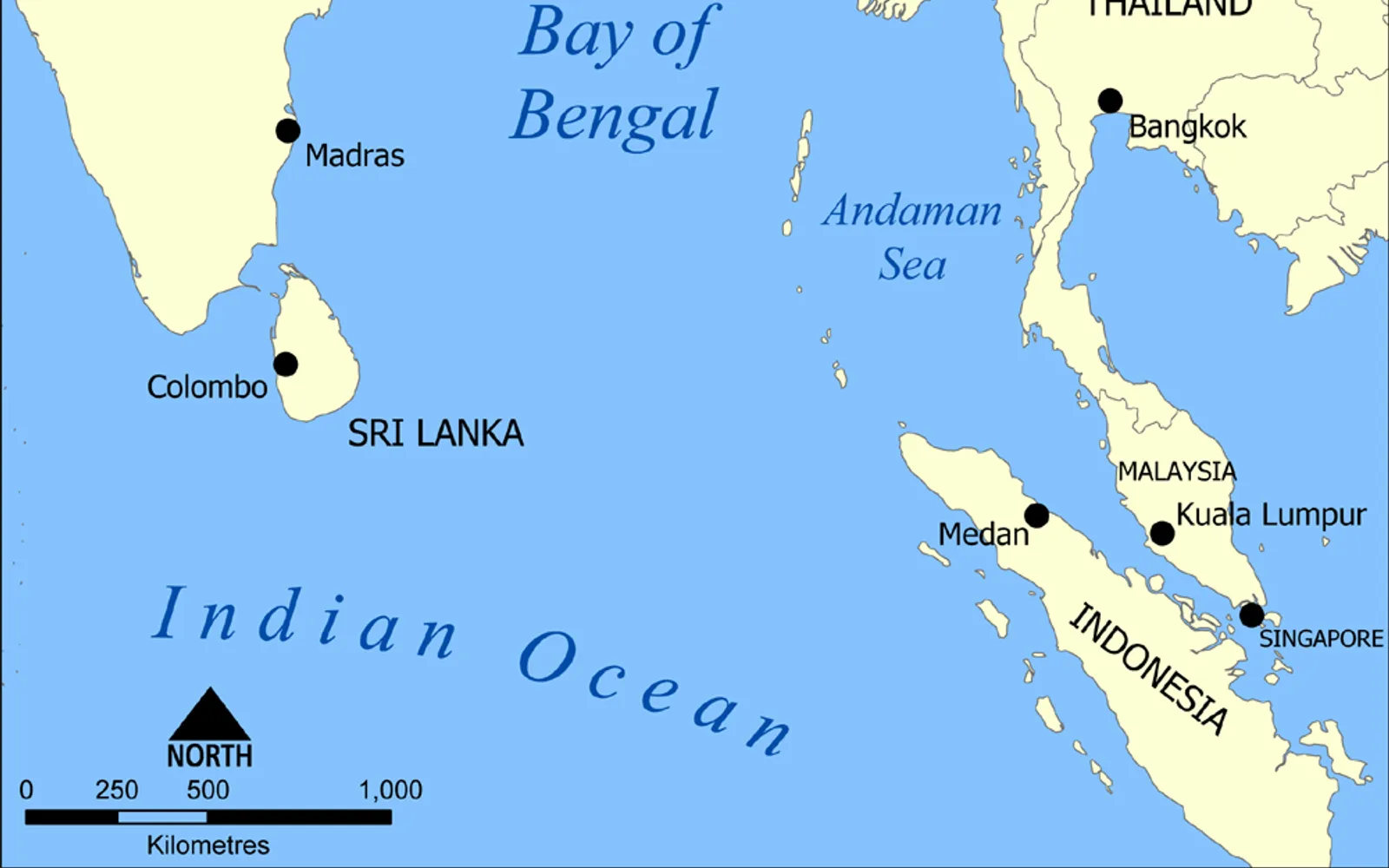
The water around Ngapali is clear enough for snorkeling without going far, but the better reefs sit around small islands 15 to 30 minutes away by boat. Expect varied fish species, bright soft corals, and — with some luck — sea turtles. Snorkeling trips run through resorts and local operators during the dry season. Always ask locals whether visibility is good that day, as it varies a lot with the season.
- Book trips through your resort or beach equipment-rental shops. Prices run around $15–25 per person including boat and gear.
- Water is clearest December–March. Visibility starts to drop in the early rainy season (April–May).
- Do not step on or touch the coral — the ecosystem here is relatively intact precisely because visitor numbers remain low.
 #4
#4 Ngapali Sunset Boat Trip
Sunset over the Bay of Bengal at Ngapali is considered one of the finest in Southeast Asia, and there's a simple reason: no island or obstruction stands between the beach and the horizon. Charter a boat and head out 20 to 30 minutes before the sun goes down to catch the view from the middle of the water. A local fishing boat floats quietly in the calm sea — a cold beer or a coconut in hand — and the whole thing is as straightforward as it sounds, but it stays with you.
- Charter a boat through your resort or negotiate directly with fishermen on the beach. Around $10–20 per boat for 2–4 people.
- Leave shore 30 minutes before sunset — ask resort staff for the exact sunset time each day.
- Bring a light jacket. The sea breeze in the evening is cooler than it feels on the beach.
 #5
#5 Thandwe Pagodas and Temples
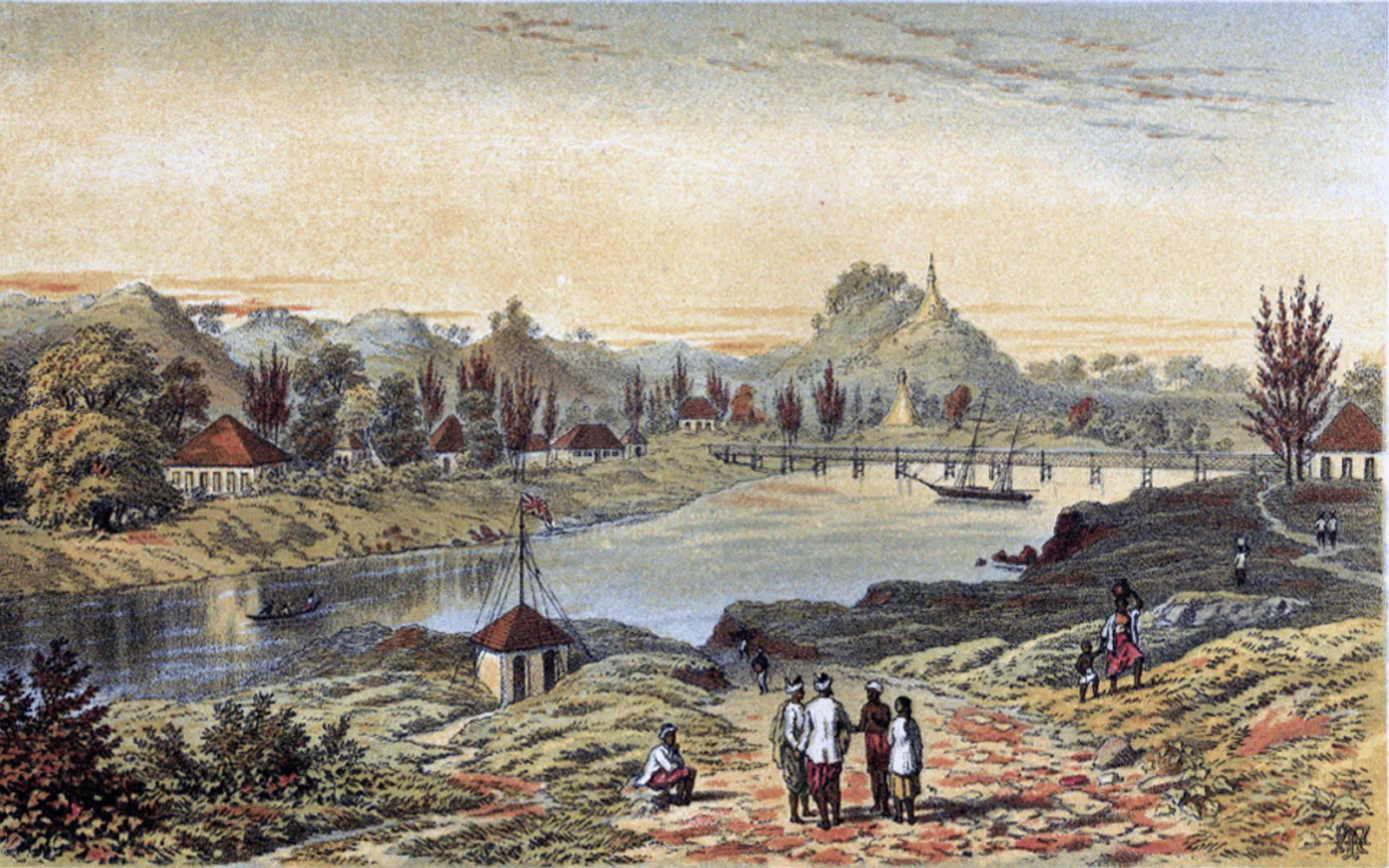
Thandwe, the town nearest Ngapali Beach, is home to centuries-old pagodas and Buddhist temples in the Rakhine style — visually distinct from central Myanmar. Nandaw Temple and several pagodas in town are hundreds of years old and still in active use. Locals come to make merit in the morning. The atmosphere is quiet: novice monks in orange robes walk in lines, families make offerings, daily life carries on. It's the kind of local scene the beach resorts can't offer. Dress modestly before entering.
- Wear long sleeves and long trousers or a longyi. Remove footwear every time before entering temple grounds.
- 7–9 a.m. is best — monks are on their alms round and locals are at prayer. Midday is very hot and the energy is gone.
- Rent a motorbike or hire a local taxi from the beach to Thandwe including waiting time — around $10–15.
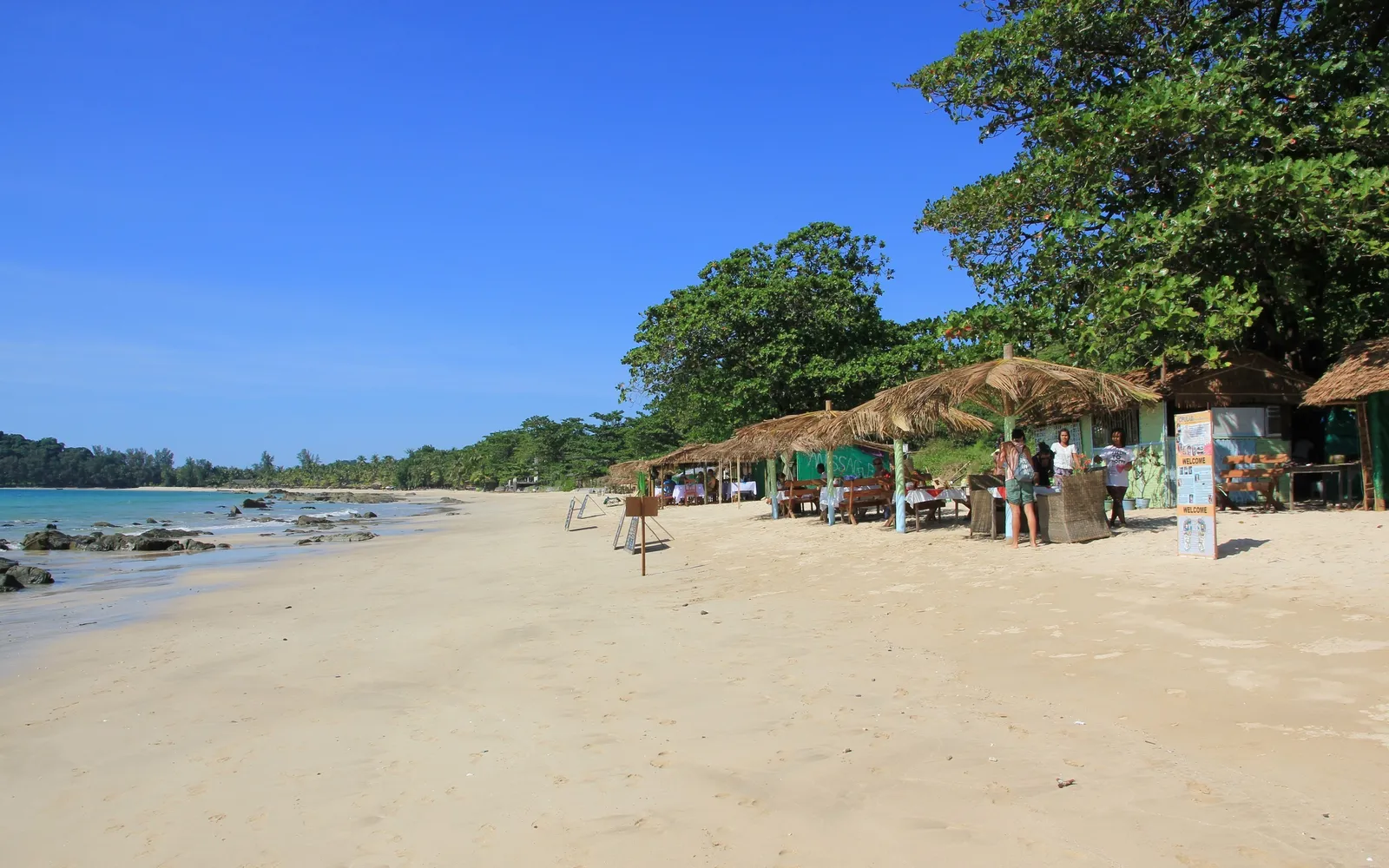 #6
#6 Ngapali Hilltop Viewpoint
A low hill behind the resort zone gives a full panoramic view of Ngapali's entire beach — the long white arc, the sea changing colour with depth, and an open Bay of Bengal horizon with nothing blocking it. The trail up is steep and unpaved, with no formal development. Ask resort staff or a local guide to take you; some sections pass through dense vegetation. The view is worth every step.
- Wear closed, non-slip shoes. The trail is steep dirt and not suitable for sandals.
- Go at sunrise or just before sunset — golden light turns the sea through several shades of blue. Midday is too hot.
- Ask your resort to arrange a local guide (a small tip is expected). The trail has no signs.
Tours, tickets & activities in Ngapali Beach
Day tours, attraction tickets and travel essentials for Ngapali Beach — book ahead on Klook with mobile e-tickets.
Affiliate links — we may earn a commission at no extra cost to you.
Before You Pack
Ngapali suits travelers who want a genuinely quiet beach — not a crowded resort strip. The best window is November–April (dry season, calm sea). Note that the monsoon from May through October brings heavy rain and rough water. Book accommodation in advance and bring cash, as ATMs are limited.