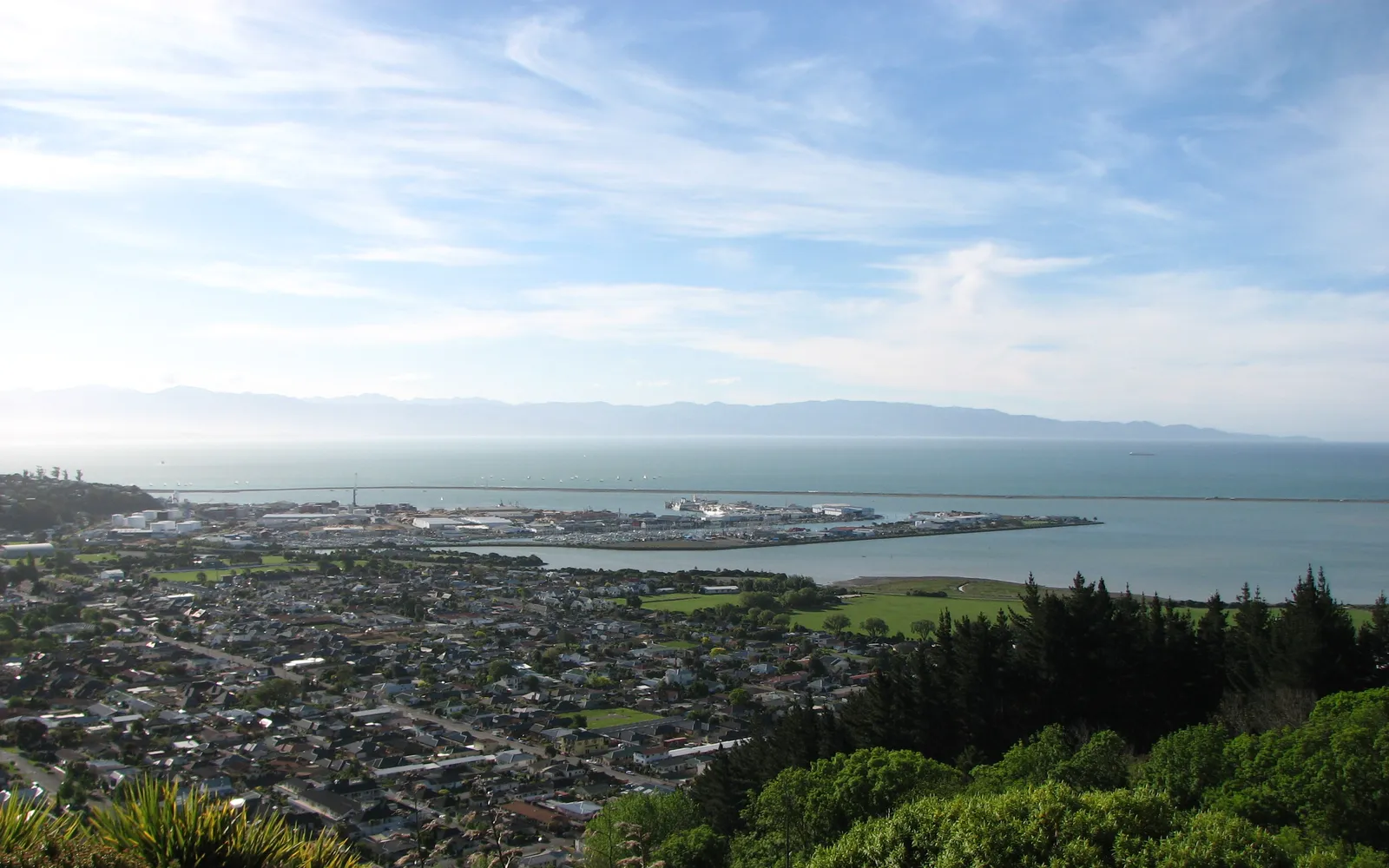
Nelson is New Zealand's number-one commercial fishing port, and Tasman Bay — the bay that wraps around the city — is the source of some of the freshest seafood you'll find anywhere. New Zealand green-lipped mussels ship to markets worldwide, but eating them here, straight from the bay, is cheaper and better than anywhere else on earth. Beyond the sea, the Nelson-Tasman region gets more sunshine than almost anywhere else in New Zealand, which means the fruit, vegetables, and farms surrounding the city are serious — and the food here reflects that pride in local, farm-fresh ingredients.
 #1
#1 New Zealand Green-Lipped Mussels
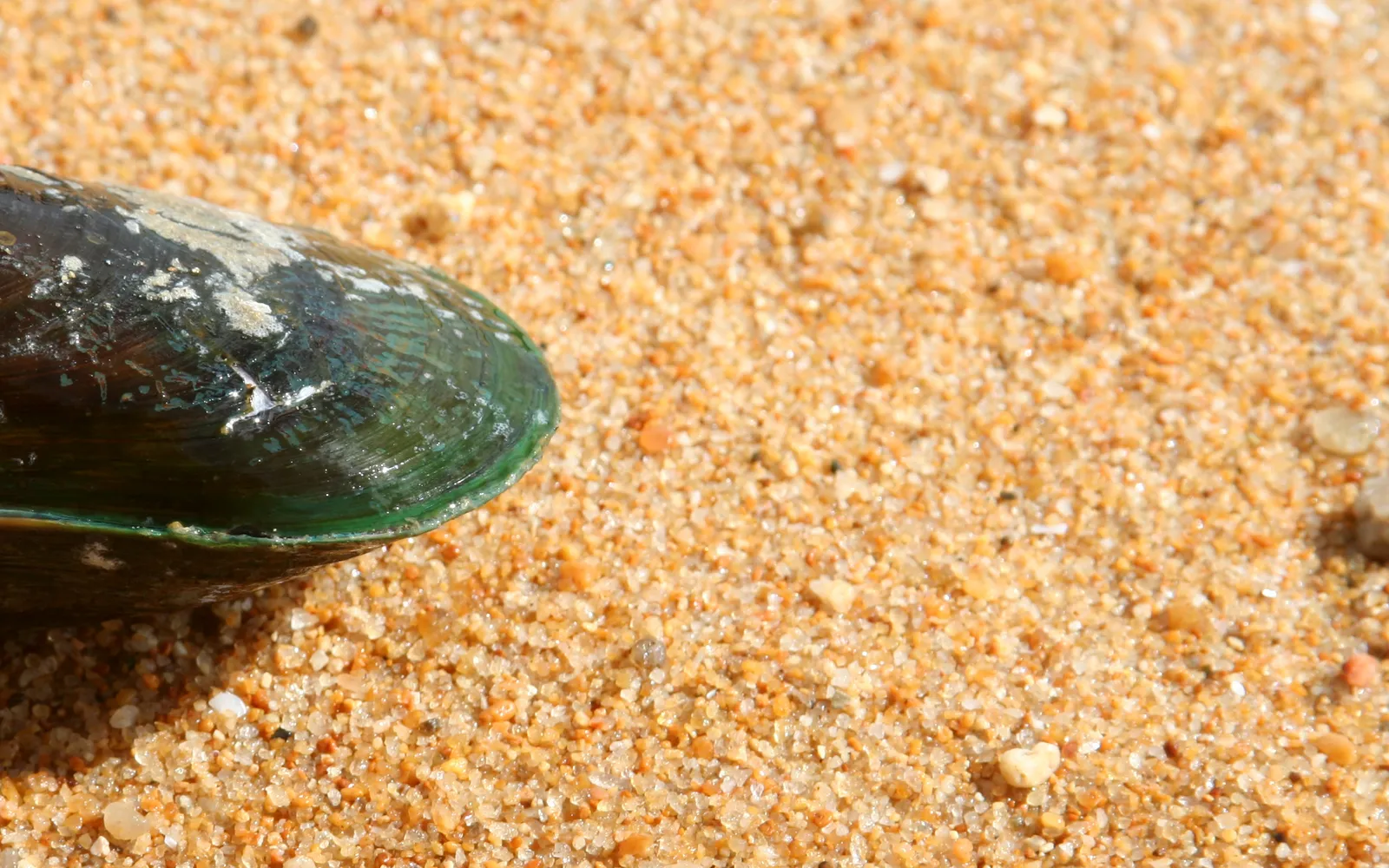
Perna canaliculus — the green-lipped mussel — is endemic to New Zealand and found nowhere else. It runs 2 to 3 times larger than a common mussel, with orange-yellow flesh that's sweet and clean-tasting without any fishiness. Nelson is the largest mussel-farming hub in the country. You can eat them steamed with garlic, grilled with cheese, or served half-shell with lemon sauce. Prices in Nelson are significantly lower than in other cities because this is where they're actually farmed — and buying them raw at the morning fish market to cook yourself is even cheaper.
- Buy fresh mussels at the fish market on the Nelson port — far cheaper than restaurants, and fresher because they come direct from the bay farms.
- The easiest preparation: steam with white wine and garlic for 5 to 7 minutes until every shell opens. Don't cook longer or the flesh turns rubbery.
- Any mussel whose shell hasn't opened after steaming should be discarded immediately — a closed shell means the mussel died before cooking.
 #2
#2 Fish and Chips
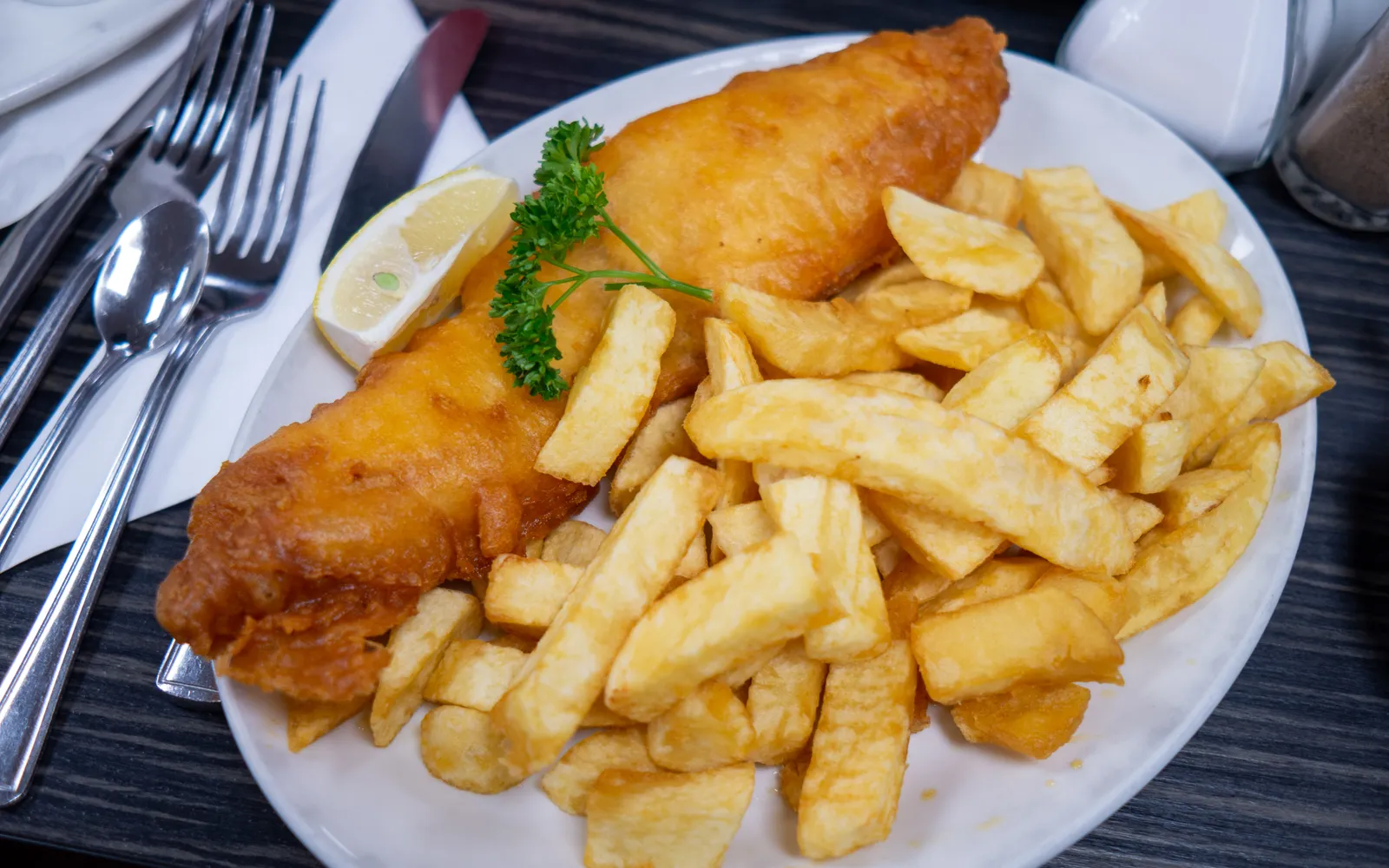
New Zealand's most beloved casual meal. In Nelson, the fish arrives from the port the same day it's caught — typically Tarakihi, Snapper, or Blue Cod depending on the season. It's battered in a thin beer batter and fried until crisp outside and tender inside, served with thick-cut British-style chips, sea salt, and fresh lemon. Eating the parcel on the beach is a classic New Zealand experience that even serious food critics admit nothing quite replaces. The price is modest and the quality consistently rivals dedicated seafood restaurants.
- Order whatever fish the shop says is fresh that day — don't fixate on species. Today's fresh catch beats your favourite fish from frozen every time.
- Eating on Tahunanui Beach or at Nelson Haven is the complete experience. The seagulls will try to claim a share — fair warning.
- Ask if they have Blue Cod — it's the most prized fish on the South Island, with thick white flesh and a sweeter, milder flavour than other species.
 #3
#3 New Zealand Roast Lamb
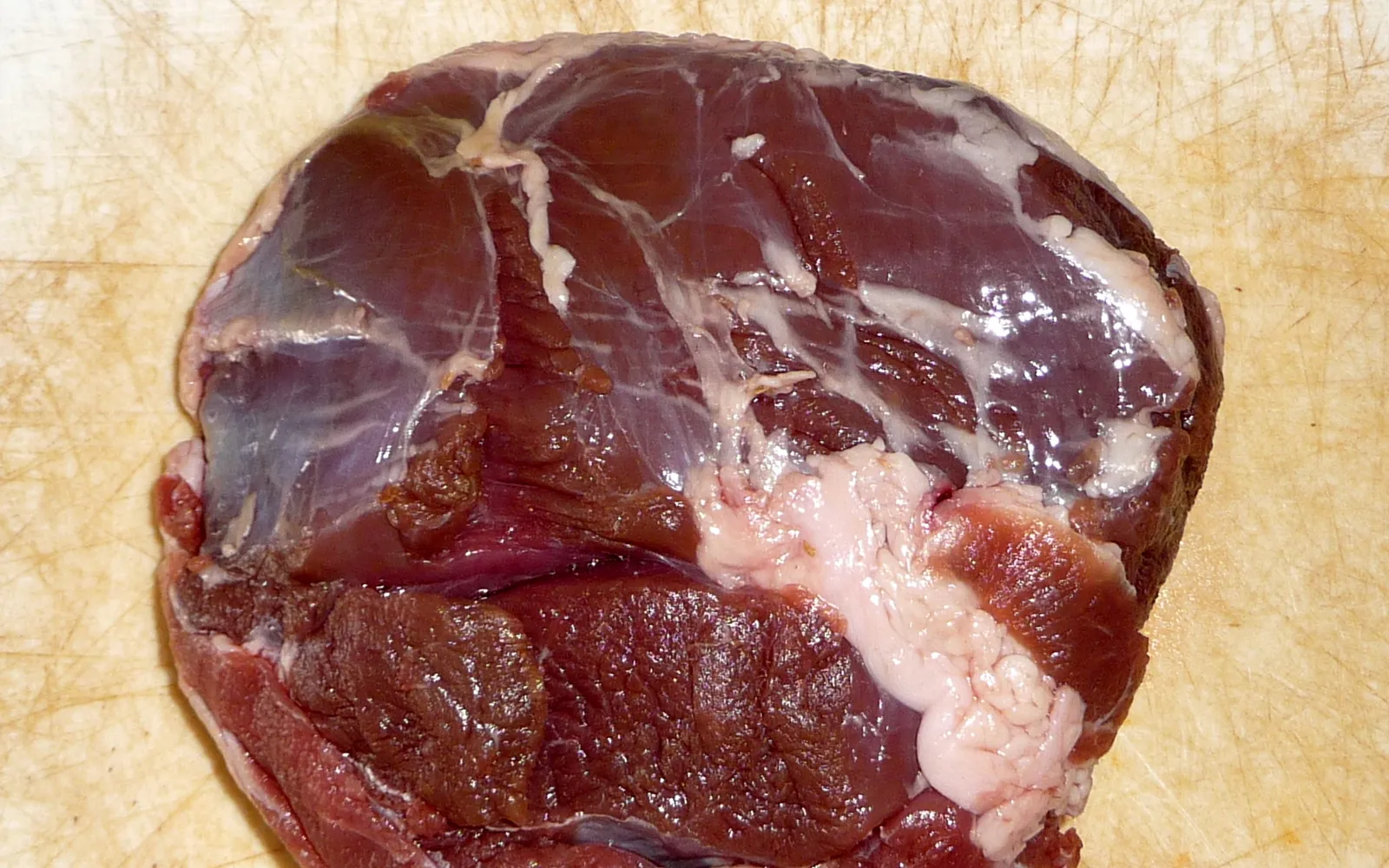
New Zealand produces some of the highest-quality lamb in the world, and the difference from lamb you might have had elsewhere is immediate. There's almost no gamey smell because the sheep roam freely on natural pasture all year — no growth hormones, no overcrowding. The flesh is pale pink, tender, and gently sweet; it needs little more than salt and pepper, though mint sauce is the classic pairing. Rack of Lamb and Lamb Shanks are the two cuts worth ordering. Because it's a local ingredient, prices are reasonable even in sit-down restaurants.
- Order medium-rare to preserve the tenderness. Well-done dries the meat out and loses the mild sweetness that makes New Zealand lamb worth trying.
- Pub bistros in Nelson usually serve lamb at lower prices than fine-dining restaurants — same-quality ingredients, less overhead.
- Countdown or New World supermarkets in Nelson sell fresh lamb at very low prices if you have access to a stove or barbecue.
 #4
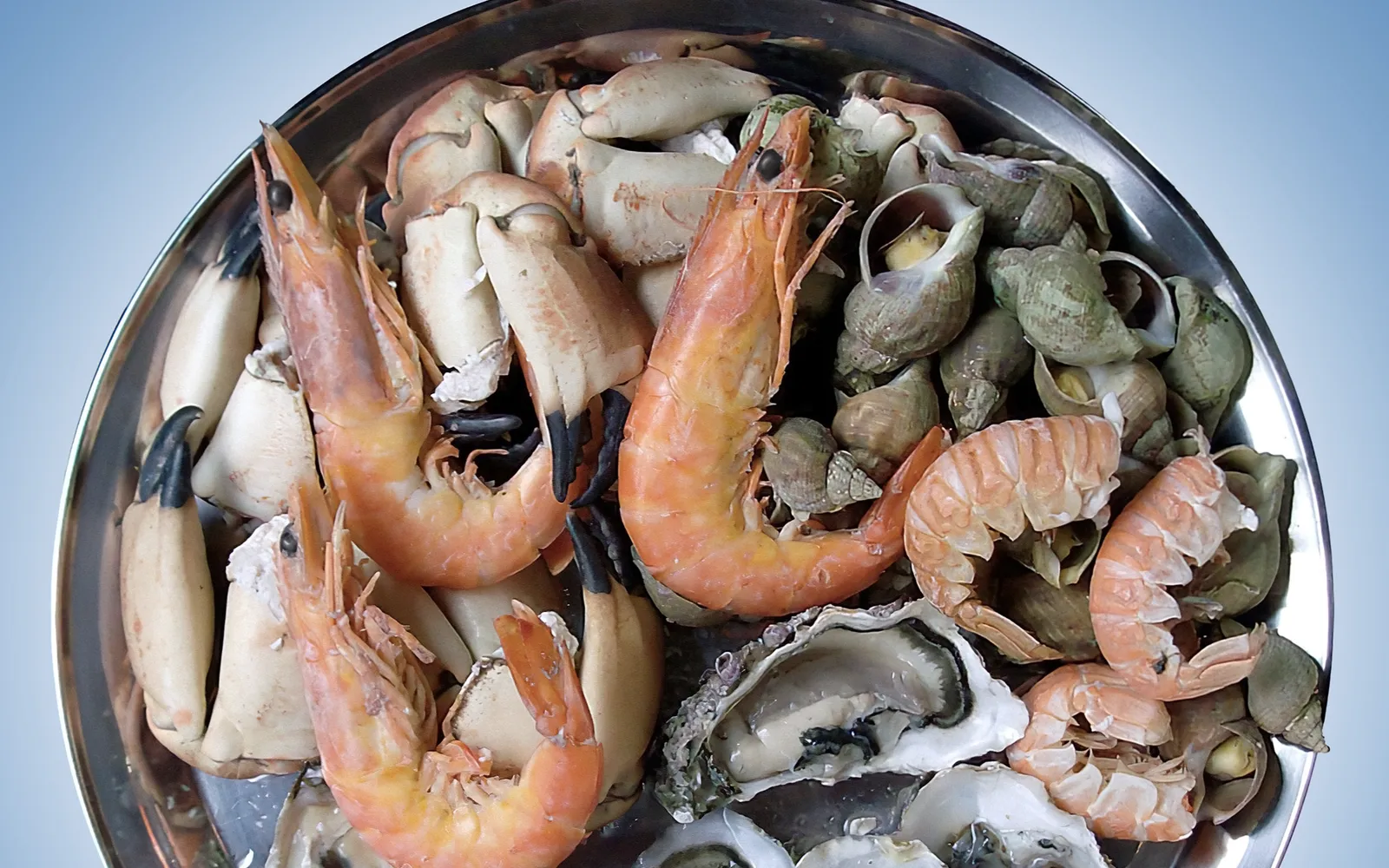
#4 Nelson Scallops
Scallops from Tasman Bay are widely regarded as the best in New Zealand. The cold, clean, plankton-rich water produces flesh that's noticeably sweet with a clean ocean flavour. Nelson is one of the country's main scallop-export hubs, but the best way to eat them is fresh at a waterside restaurant in town — whether grilled in butter and garlic, steamed Asian-style, or served raw as sashimi. Each preparation lets the quality of genuinely fresh ingredients do the work. Retail prices at the port fish market are more than half what you'd pay in Auckland.
- Medium-sized scallops are ideal for grilling — large ones are slow to cook through; very small ones overcook too easily.
- Ask the restaurant which farm the scallops came from. Farms in Tasman Bay tend to be fresher than those shipped up from the southern South Island.
- If buying raw to cook at home, store them in the fridge for no more than 24 hours and cook them immediately after removing from the cold — do not refreeze.
 #5
#5 Pavlova
New Zealand's national dessert — though Australia still disputes ownership, the argument hasn't been settled in 100 years and probably won't be. Either way, the pavlova here is exceptional: a meringue shell that's crisp on the outside and soft as marshmallow inside, topped with thick whipped cream and fresh fruit — kiwifruit, passionfruit, strawberries, and blueberries. It appears at every festival and family table in New Zealand. Nelson grows many of the fruits used to top it locally, which means the fruit layer is fresher and more fragrant than you'll find in most cities.
- The Saturday Nelson Market has home-baker stalls selling fresh pavlova — the flavour is noticeably different from commercial bakery versions.
- Pavlova must be eaten the day it's made. After that, the meringue absorbs moisture, goes soft, and loses the crunch that defines it.
- The large rounds sold at bakeries are designed to serve 6 to 8 people. Don't order a whole one for one or two people.
 #6
#6 Nelson-Marlborough Wine and Cuisine
The Nelson-Marlborough region is one of New Zealand's most respected wine-producing areas — particularly for Sauvignon Blanc, which has earned genuine international recognition. Several vineyards around Nelson are open for tours, tastings, and meals among the vines. The best Modern New Zealand restaurants in the city pair their menus intelligently with local wine — shellfish, fresh fish, lamb, and farm produce from nearby are the backbone. This is farm-to-table cooking that actually means what it says.
- The Nelson Farmers Market runs every Wednesday, and the Saturday Market is a concentrated spot for organic produce, local cheese, and farm goods from nearby properties.
- Wine tastings at vineyards typically cost NZ$10 to NZ$20, waived when you buy a bottle. Neudorf Vineyards and Waimea Estates are both well regarded.
- Nelson's Pinot Noir holds up well against Marlborough's — worth trying if you prefer a lighter, fruit-forward red.
Where to stay in Nelson for this trip
A well-located hotel means less commuting and more sightseeing. Here are real, top-rated stays in Nelson — compare Agoda · Booking · Trip.com in one click.
Wakefield Quay House
Affiliate links — we may earn a commission at no extra cost to you. Details
The Sails Nelson
Affiliate links — we may earn a commission at no extra cost to you. Details
Admirals Motor Inn
Affiliate links — we may earn a commission at no extra cost to you. Details
Trailways Hotel Nelson
Affiliate links — we may earn a commission at no extra cost to you. Details
Tours, tickets & activities in Nelson
Day tours, attraction tickets and travel essentials for Nelson — book ahead on Klook with mobile e-tickets.
Affiliate links — we may earn a commission at no extra cost to you.
Before You Pack
The best eating in Nelson happens at waterside restaurants and the local fresh markets. Don't miss the Saturday Nelson Market at Trafalgar Square — fresh shellfish, local cheese, farm fruit, and home-baked goods all in one place. If you're hungry after shopping, find a fish and chip shop near Nelson Haven port, where the fish is fresher than anything you'll get further into the city.