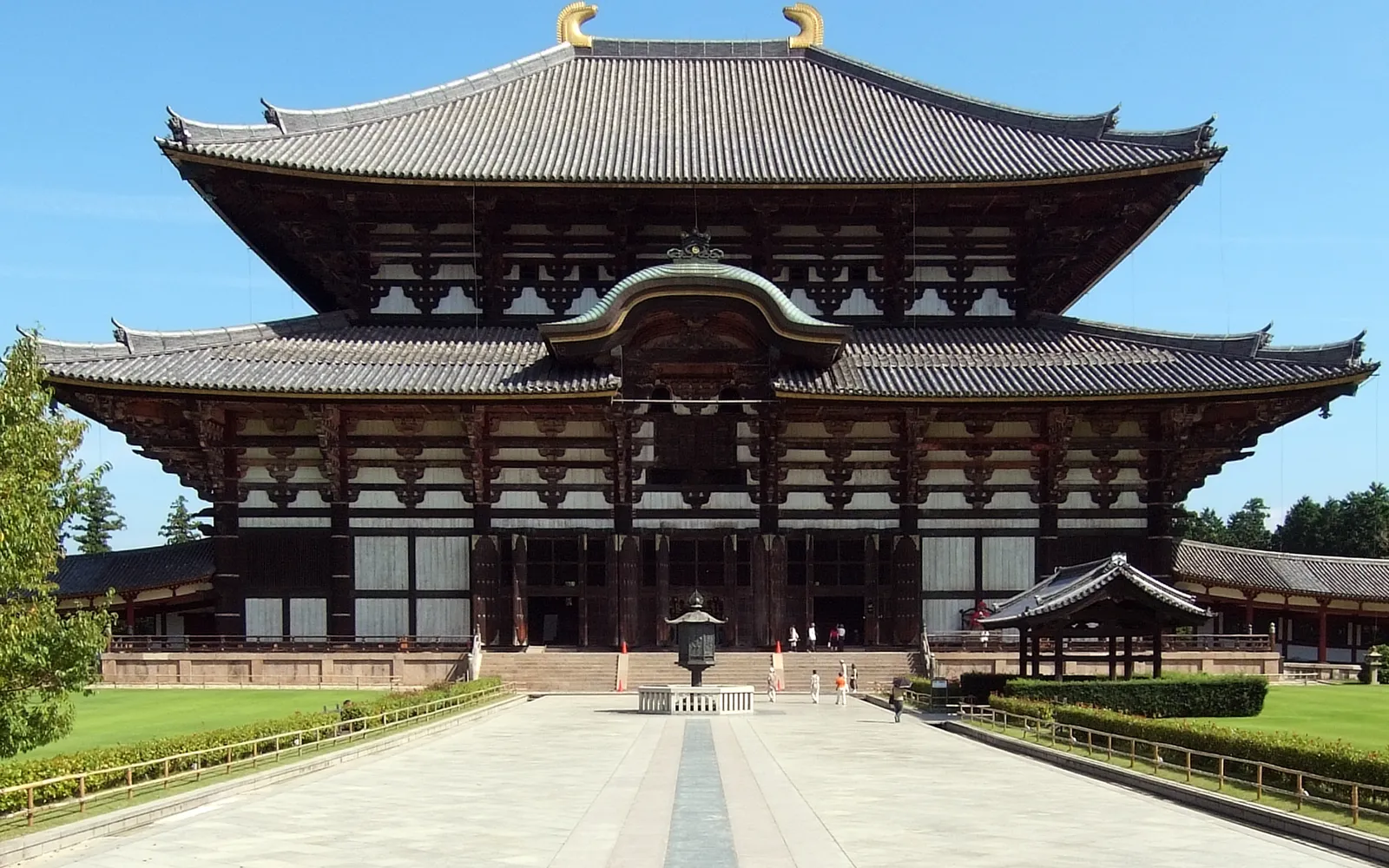
Nara is Japan's oldest capital, founded in 710 AD and packed with Buddhist and Shinto heritage sites on the UNESCO World Heritage list. The most famous draw is the free-roaming deer wandering Nara Park — animals the Japanese have revered for centuries as sacred messengers of the gods. Beyond the giant temple halls, the city has serene Japanese gardens, an Edo-period merchant quarter, and an unobstructed 360-degree panorama from the top of Mount Wakakusa.
 #1
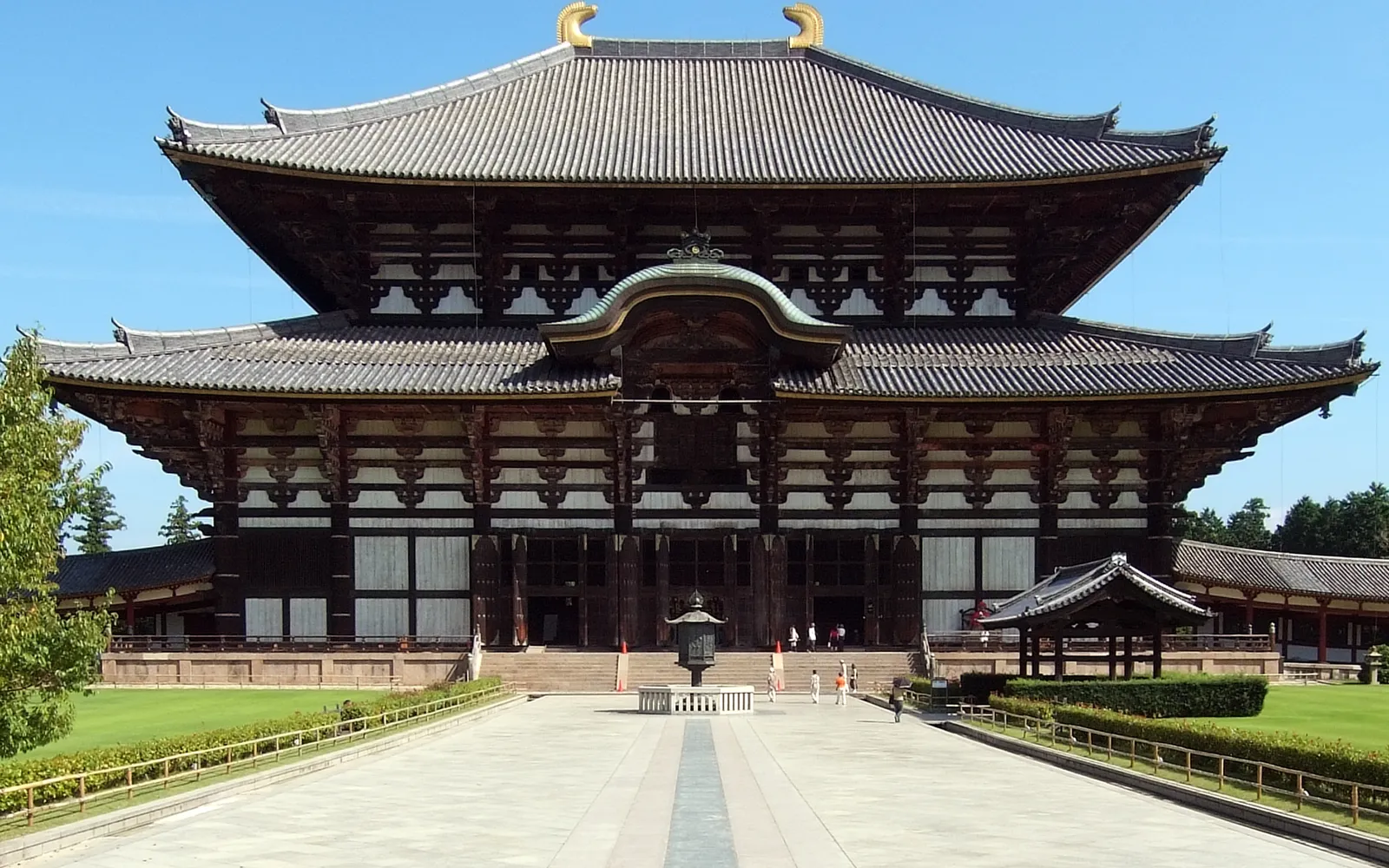
#1 Tōdai-ji
Tōdai-ji ranks among Japan's most celebrated temples, built in 752 AD on the orders of Emperor Shomu. The main hall — the largest wooden building in the world — houses the Daibutsu, a bronze Buddha standing 15 metres tall and weighing 500 tonnes, decorated with more than 130 kg of pure gold. The entire complex is a UNESCO World Heritage Site.
- Arrive before 9 am to beat the crowds
- Try squeezing through the hole in one of the wooden pillars — it's said to match the size of the Buddha's nostril and brings good luck
- Buy tickets online in advance to skip the queue
 #2
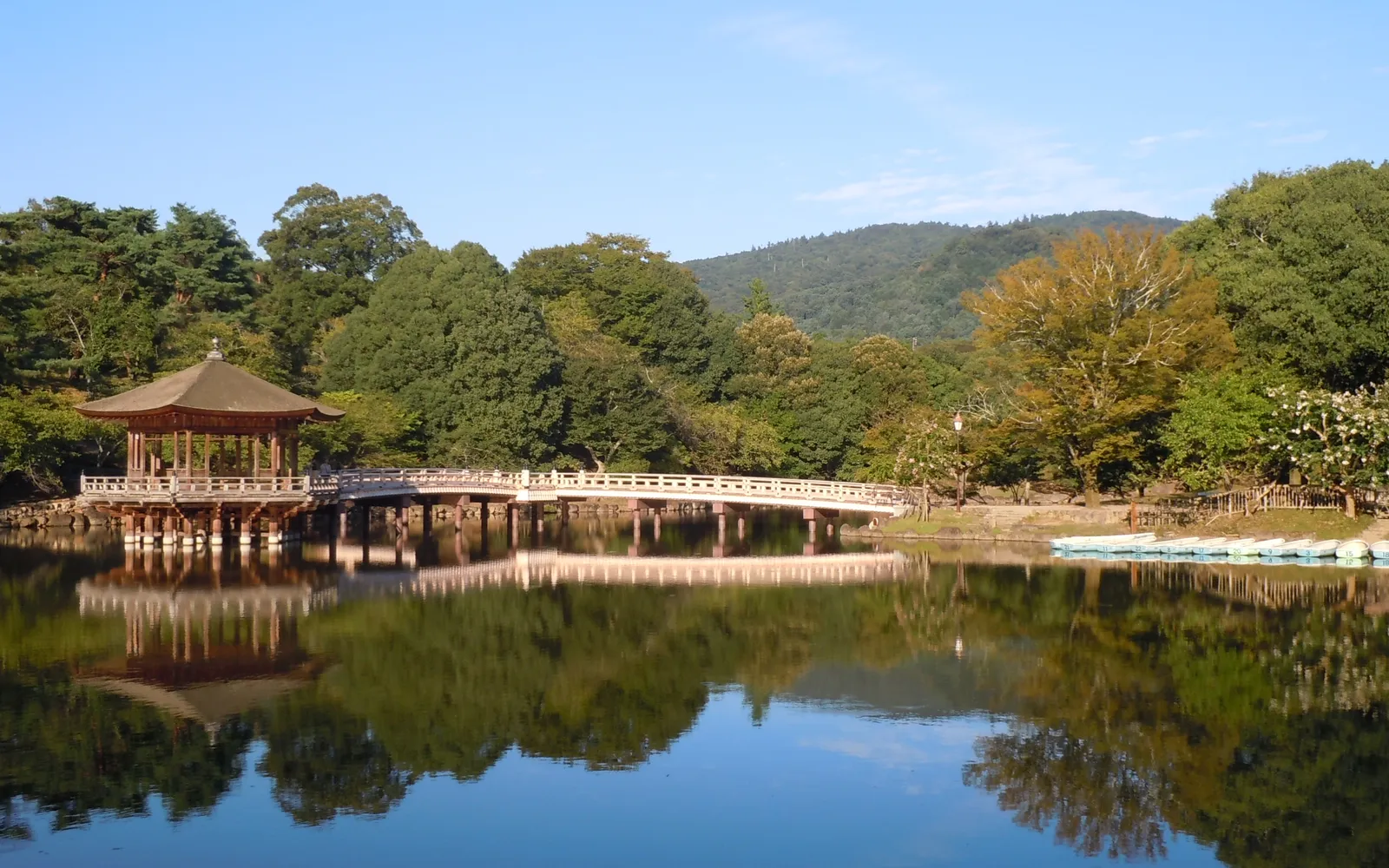
#2 Nara Park
Nara Park is a 502-hectare public park where more than 1,200 sika deer roam freely around the clock. In Shinto legend, a deity descended on a white deer to the Kasuga Shrine, making the deer here sacred from ancient times. Travelers can buy shika senbei (deer crackers) for 200 yen and feed them directly.
- Keep the cracker bag behind your back — the deer are clever and will pull at bags
- Bow toward a deer and some will bow back
- Be cautious October–November: male deer can be aggressive during the rutting season
 #3
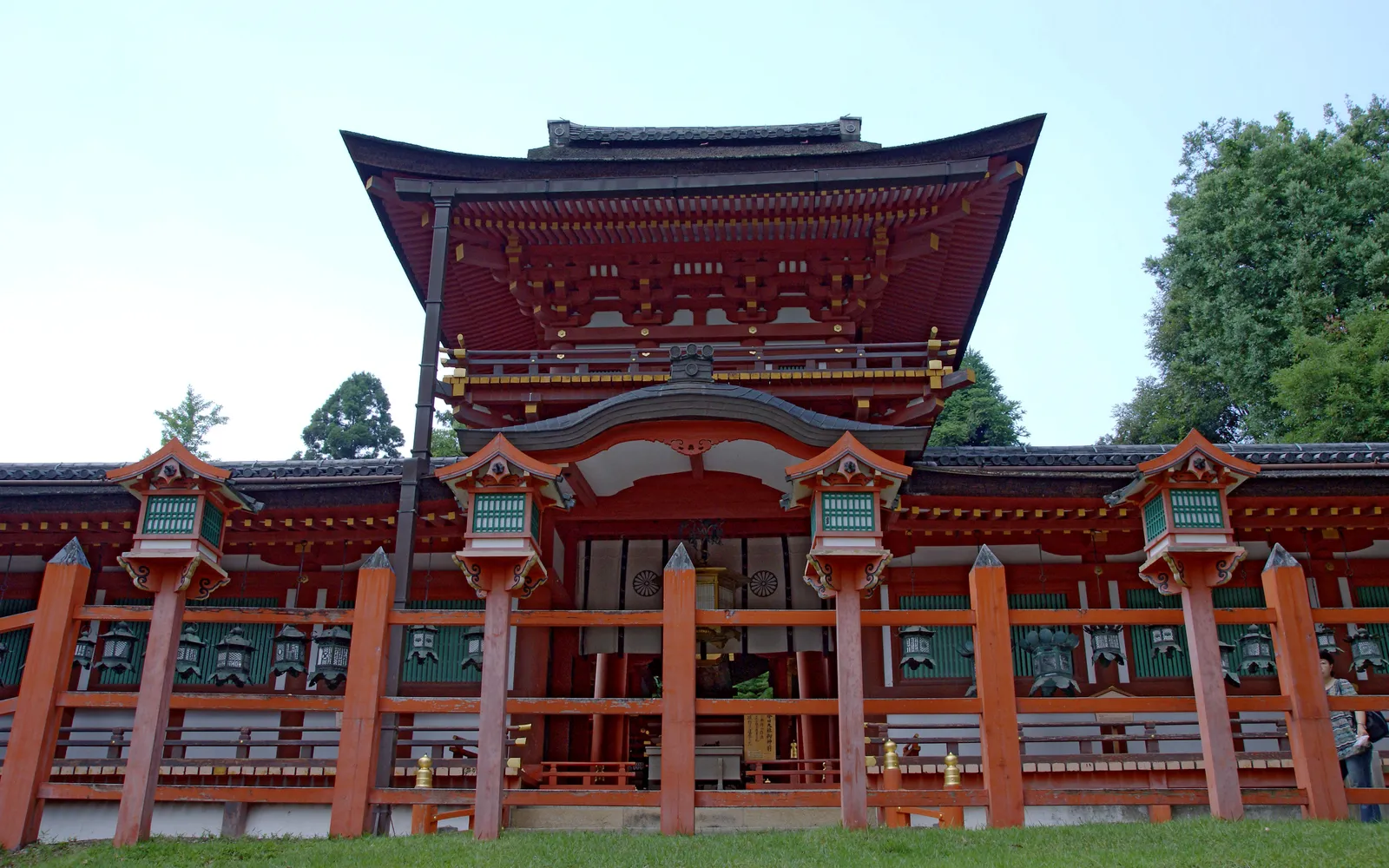
#3 Kasuga Taisha
Kasuga Taisha was founded in 768 AD by the Fujiwara clan — the most powerful family in Japanese history. The path to the shrine is flanked by more than 2,000 stone lanterns, and inside hang another 1,000 bronze ones. The vermilion-painted buildings are a UNESCO World Heritage Site, part of the Historic Monuments of Ancient Nara.
- Visit during the Mantoro festival (February and August) when every single lantern is lit simultaneously
- The 800-metre approach runs through an ancient World Heritage Forest
- The shrine enshrines four deities, one for each cardinal direction
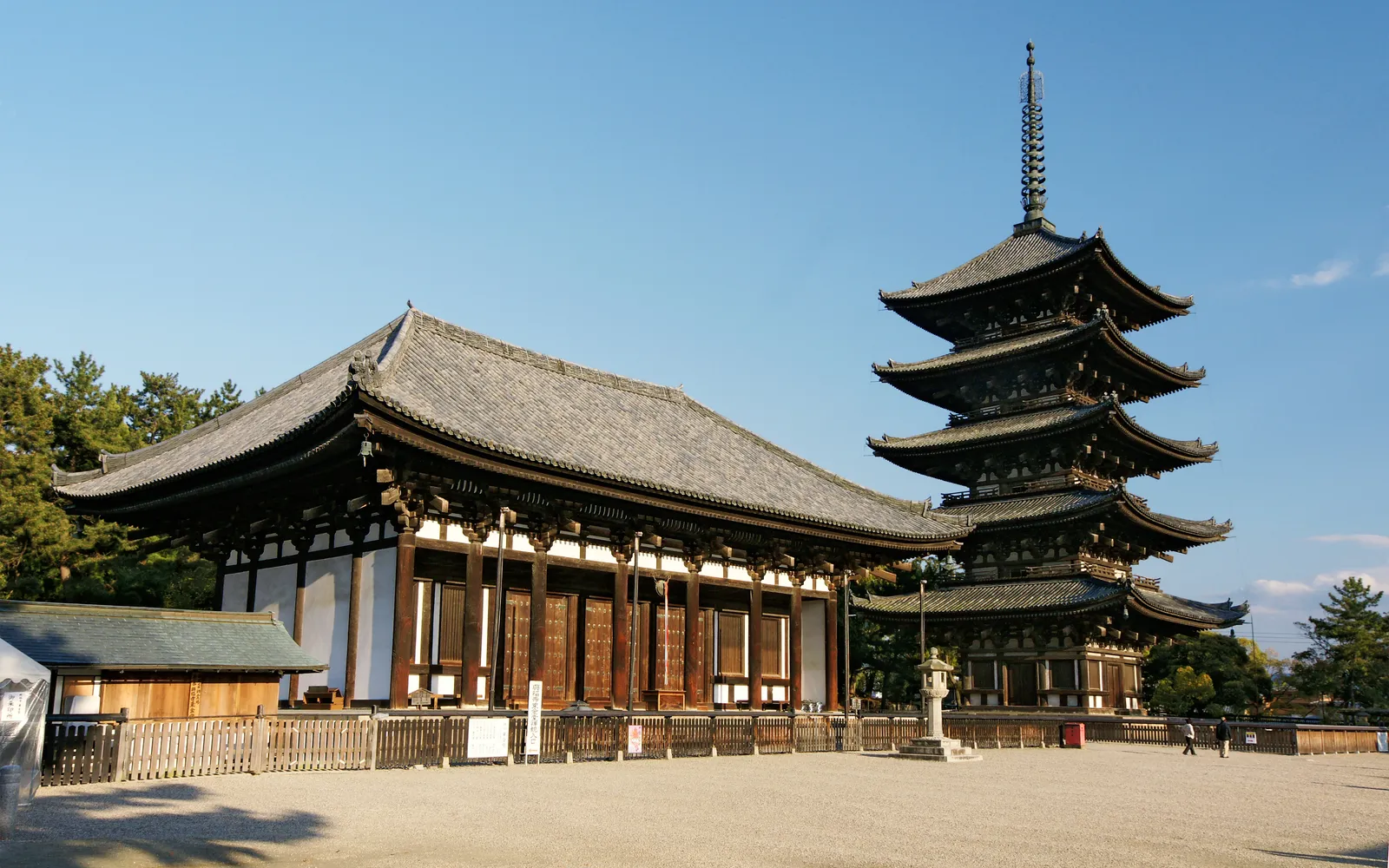 #4
#4 Kōfuku-ji
Kōfuku-ji served as the clan temple of the Fujiwara family and once held more than 150 buildings at its peak. The five-storey pagoda — 50.1 metres tall, built in 730 AD on the orders of Empress Komyo — is the second-tallest wooden pagoda in Japan and a UNESCO World Heritage Site. The reflection of the pagoda in Sarusawa Pond is one of Nara's most recognisable images.
- Sarusawa Pond is most photogenic in the early morning and late afternoon
- The Nara National Museum nearby holds rare Nara-period sculptures worth seeing
- During the Lantern Festival in mid-February, lanterns float across the entire pond
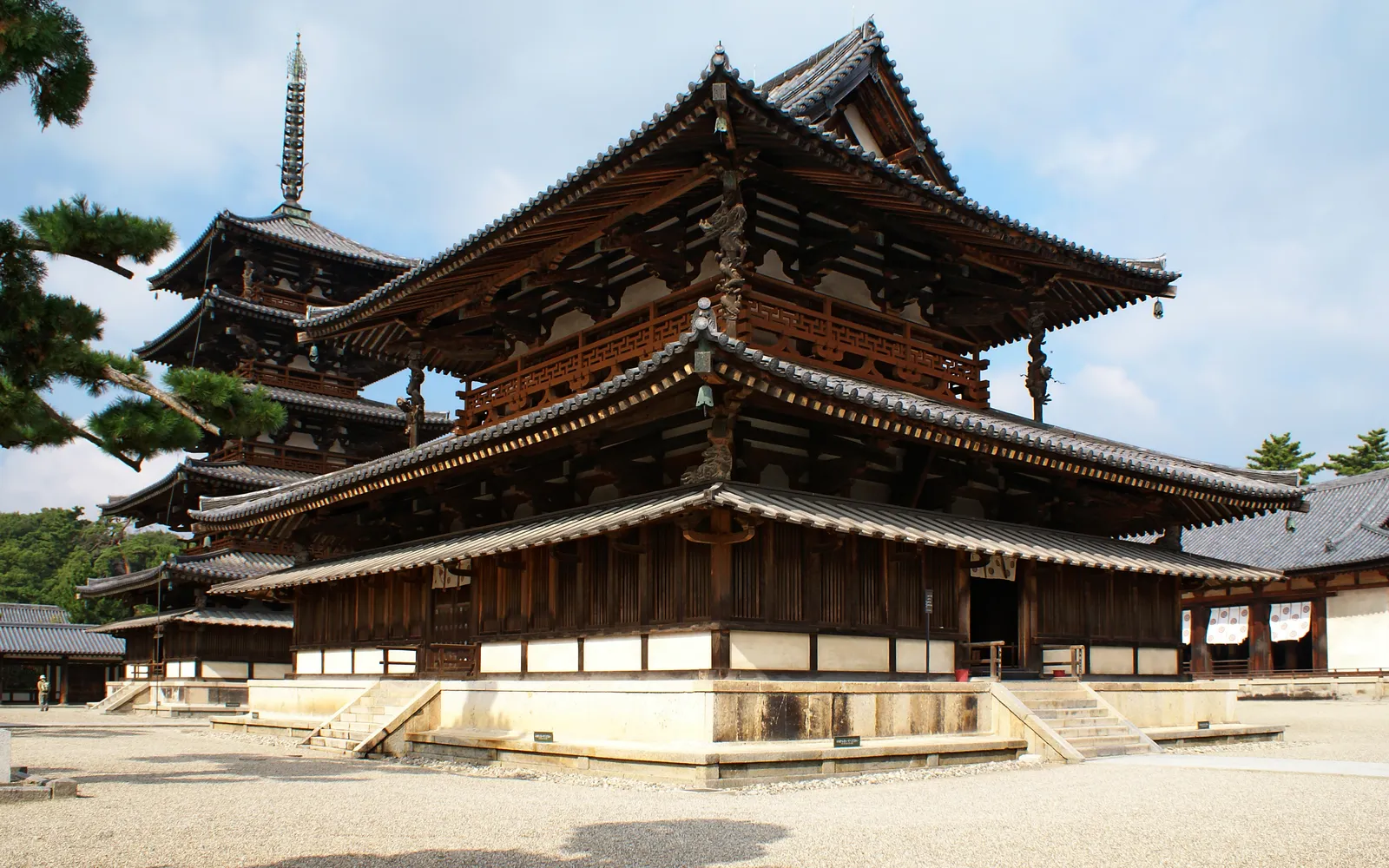 #5
#5 Hōryū-ji
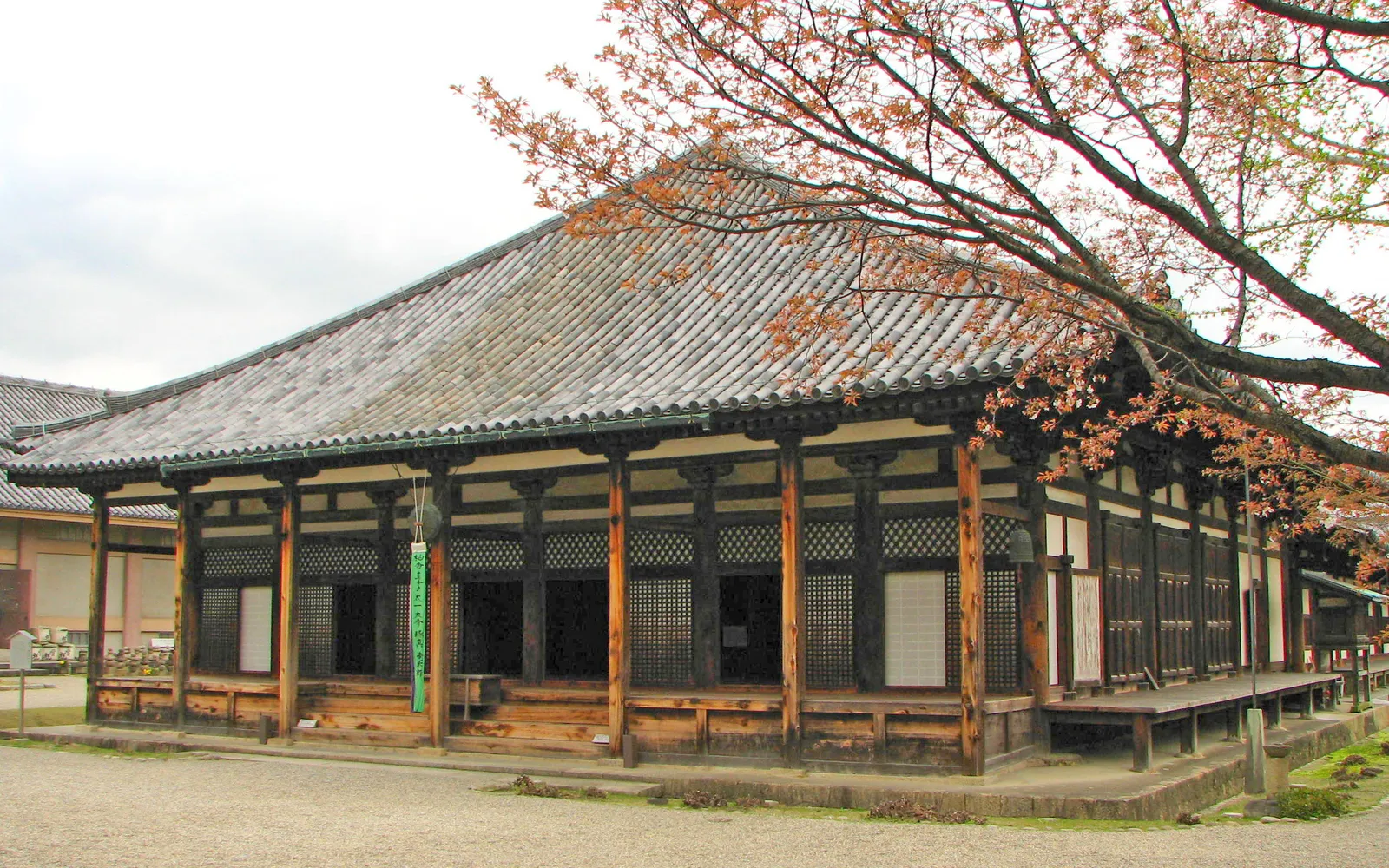
Hōryū-ji is Japan's oldest temple, built by Prince Shotoku in 607 AD. It contains the oldest surviving wooden structures in the world — a five-storey pagoda and a main hall both dating to the 7th century. All 48 buildings on the grounds are listed as a UNESCO World Heritage Site.
- Allow at least 2 hours — the complex is large
- The Gallery of Temple Treasures holds more than 300 ancient Buddhist sculptures
- The temple closes 22–28 February every year
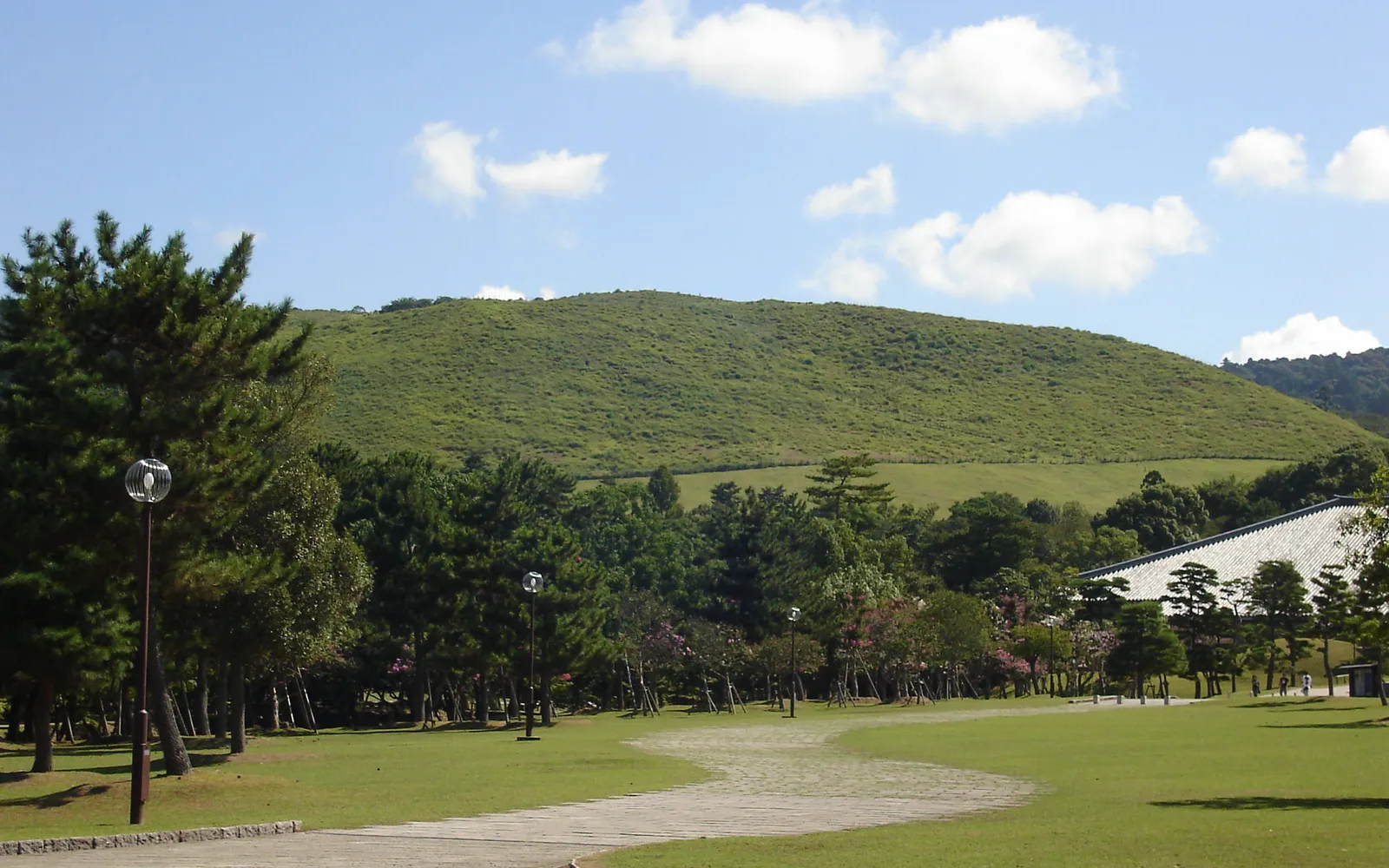 #6
#6 Mount Wakakusa (Wakakusayama)
Wakakusayama is a low grass-covered hill rising 342 metres behind Nara Park. From the top, the view stretches 360 degrees across Nara city and the Yamato Basin with nothing in the way. The night view has been recognised as one of Japan's three best new night panoramas. Every late January the Yamayaki ceremony sets the entire hillside ablaze in an ancient grass-burning ritual.
- The walk up takes 30–40 minutes from the entrance
- Open March through December only — closed during winter
- Admission 150 yen; there are multiple tiers on the way to the summit viewpoint
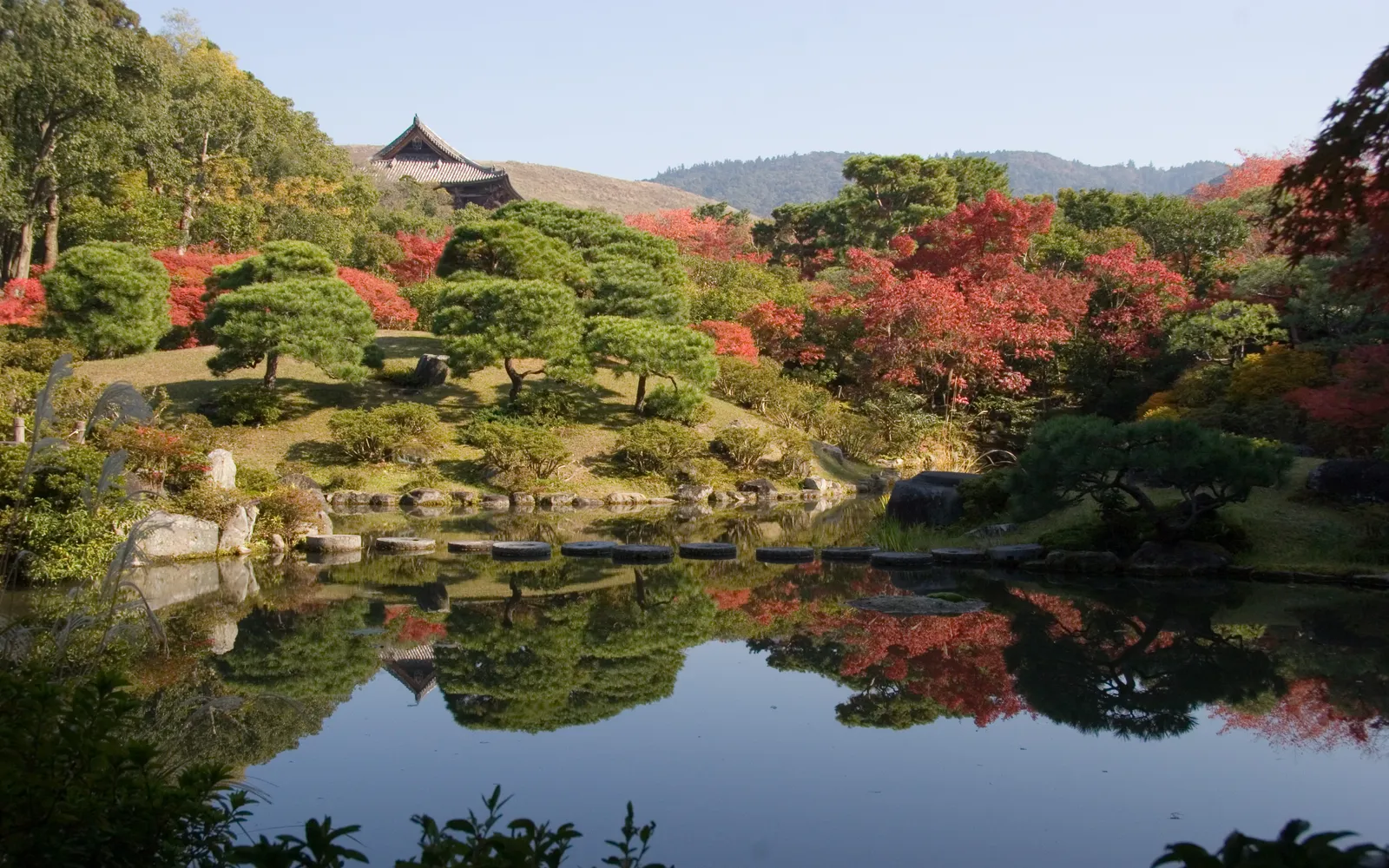 #7
#7 Isuien Garden
Isuien is a <em>shakkei</em> (borrowed-scenery) Japanese garden designed so that the mountains and the roofline of Tōdai-ji appear as a natural backdrop. The garden has two sections: the front section dates to the mid-Edo period (17th century), and the rear section was built in 1899 by a wealthy merchant. Both are arranged around ponds fed by water drawn from the Yoshikigawa river.
- Admission 1,500 yen, which includes the Neiraku Museum
- Tea ceremony in the teahouse overlooking the pond costs an additional 500 yen
- Autumn foliage in November is the garden's most spectacular season
 #8
#8 Naramachi
Naramachi is a preserved Edo-period merchant quarter full of long, narrow <em>machiya</em> townhouses. Today the lanes are lined with souvenir shops, stylish cafés, restaurants inside old wooden buildings, and local craft studios — an easy half-day wander. There is a free merchant-house museum to visit, and the atmosphere is far quieter than the bustle of Nara Park.
- Try Narazuke — vegetables pickled in sake lees — sold as a local speciality throughout the district
- Naramachi Koshi-no-Ie is a well-preserved merchant townhouse open to the public free of charge
- Restaurants here are noticeably cheaper than those near the station
Where to stay in Nara for this trip
A well-located hotel means less commuting and more sightseeing. Here are real, top-rated stays in Nara — compare Agoda · Booking · Trip.com in one click.
Ryokan Asukaso
Affiliate links — we may earn a commission at no extra cost to you. Details
Onyado Nono Nara Natural Hot Spring
Affiliate links — we may earn a commission at no extra cost to you. Details
JW Marriott Hotel Nara
Affiliate links — we may earn a commission at no extra cost to you. Details
Nara Visitor Center & Inn
Affiliate links — we may earn a commission at no extra cost to you. Details
Tours, tickets & activities in Nara
Day tours, attraction tickets and travel essentials for Nara — book ahead on Klook with mobile e-tickets.
Affiliate links — we may earn a commission at no extra cost to you.
Before You Pack
Nara is 45 minutes from Kyoto or Osaka — the right distance for a full day trip and short enough to warrant an overnight stay if you want the temples to yourself before the first tour groups arrive.