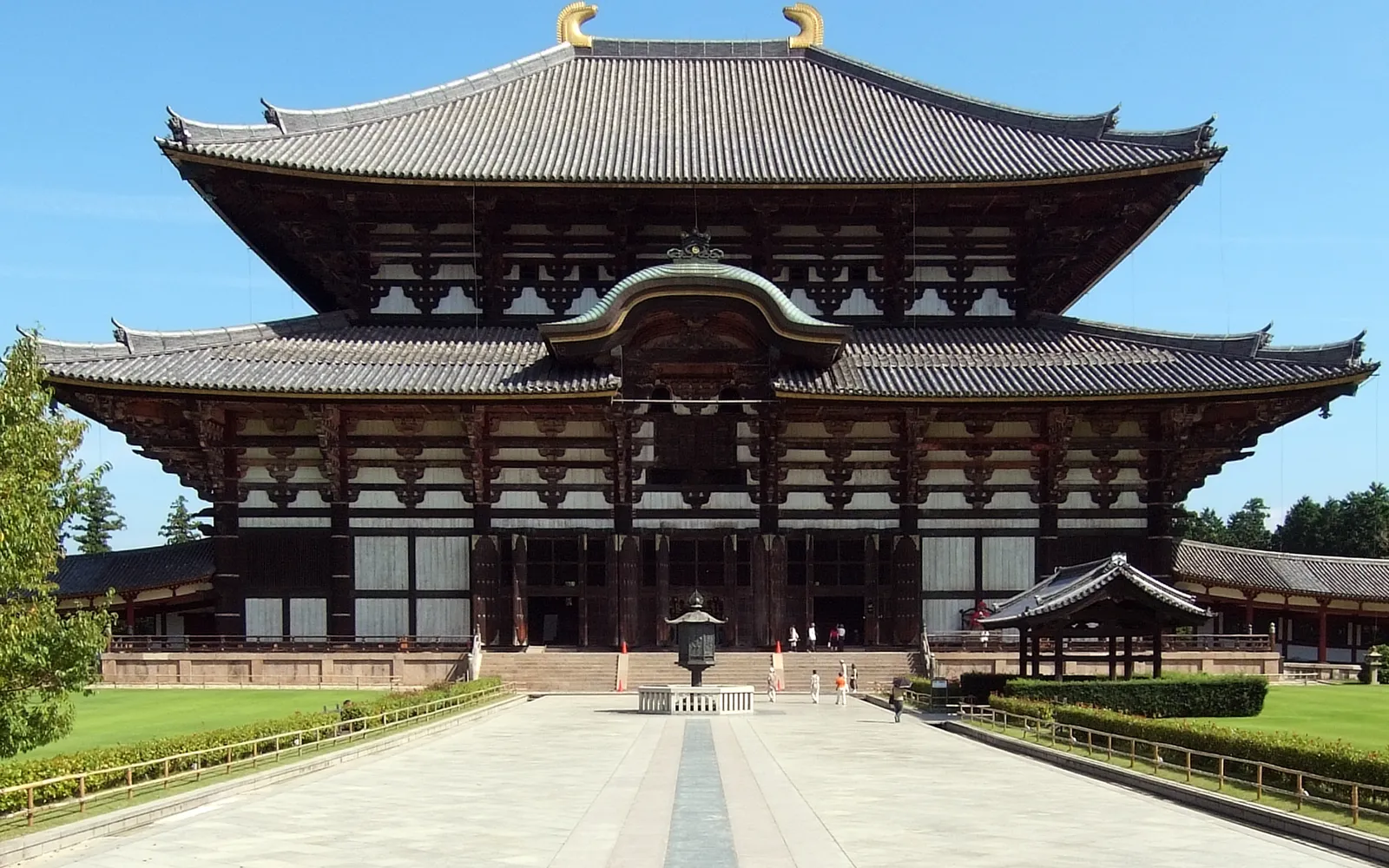
Nara is famous for more than deer and temples — the city is also the birthplace of several local foods with histories stretching back hundreds to over a thousand years. Kakinoha-zushi and Miwa sōmen are dishes you simply cannot find made like this anywhere else in the world, right alongside Narazuke pickles fermented in sake lees for months on end. Each dish reflects a culinary tradition passed down since the Nara period of the 8th century.
 #1
#1 Kakinoha-zushi
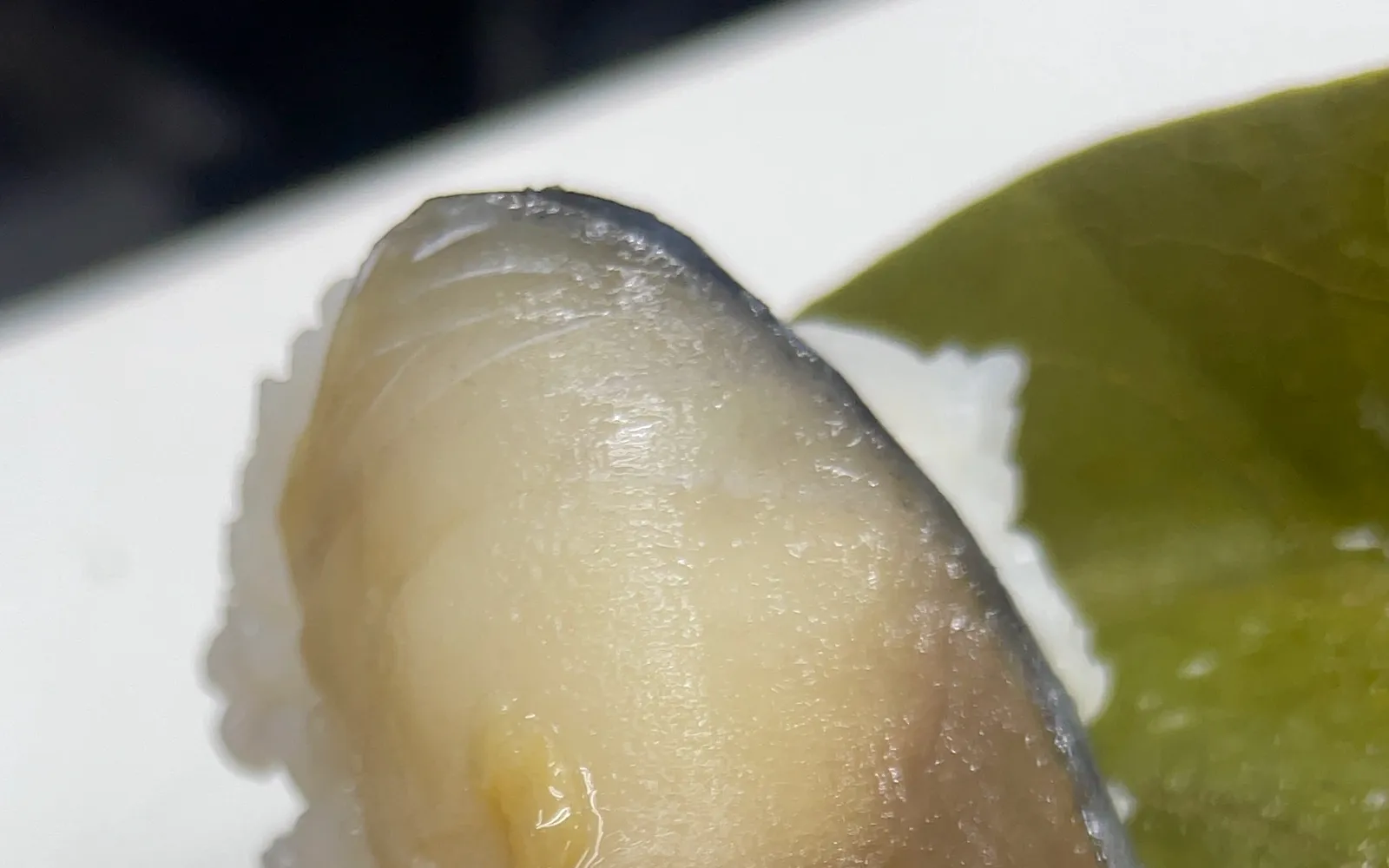
Kakinoha-zushi is vinegared rice topped with salted mackerel or salmon and wrapped in a persimmon leaf. Its history stretches back to the Edo period, when fishermen used persimmon leaves — which have natural antibacterial properties — to preserve sushi during mountain transport. The leaf itself is not eaten, but its faint fragrance seeps gently into the rice. Today it is Nara's single most popular souvenir.
- Hiraso and Tanaka are the oldest brands, with multiple branches across Nara.
- Take-home boxes use bamboo packaging — best eaten on the first day.
- Both mackerel (aya) and salmon versions are available; try one of each.
 #2
#2 Narazuke
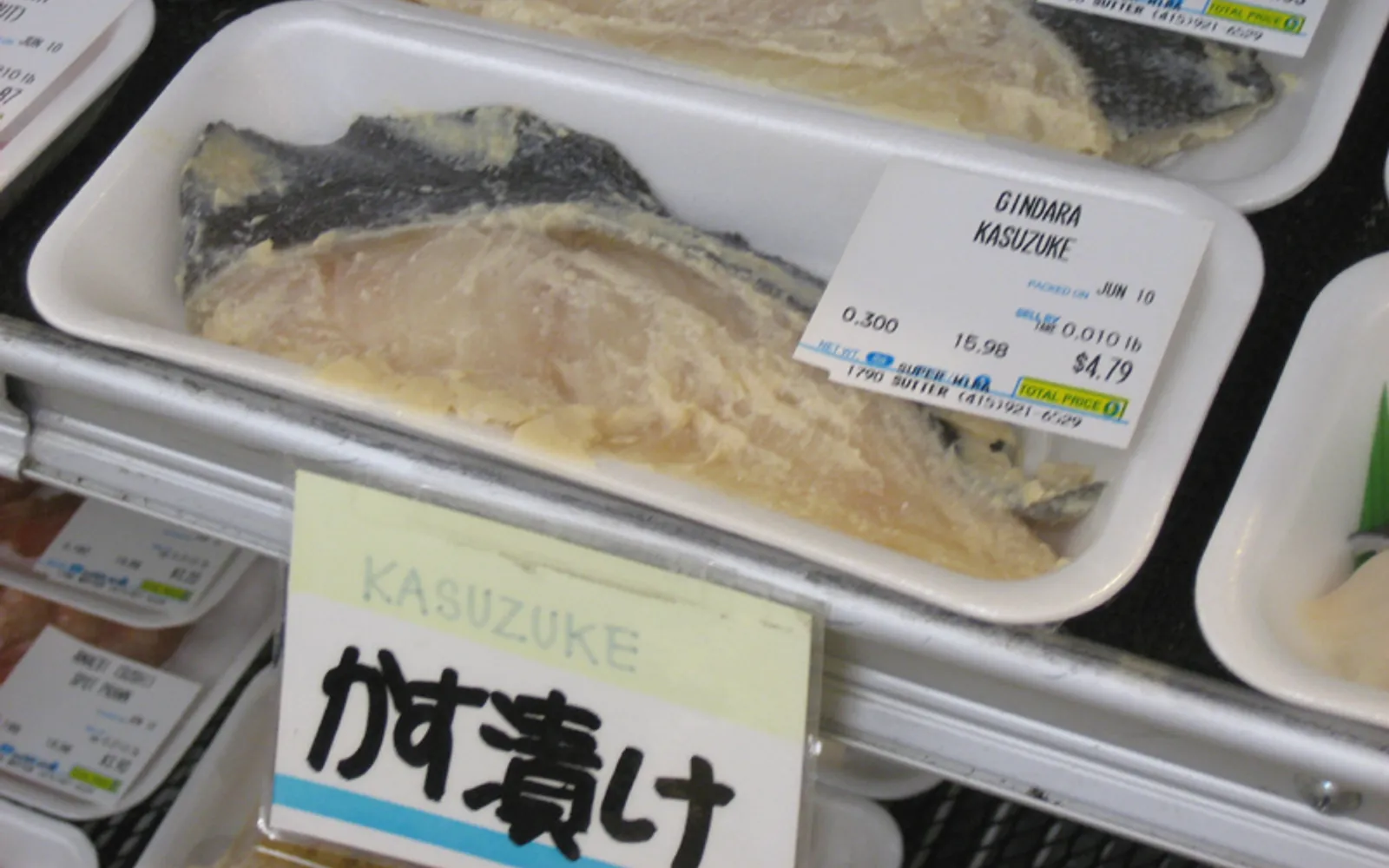
Narazuke is a pickle with a history of over 1,300 years. Vegetables — cucumber, daikon, ginger, and white melon — are packed into sake lees (sake kasu) and re-packed in fresh lees multiple times. This process turns the vegetables a deep golden brown, giving them an intense sake aroma, a firm crunch, and a rich, complex flavor that pairs perfectly with plain rice. It is Nara's oldest signature souvenir.
- Flavor varies by fermentation length — 1-year, 2-year, and 3-year batches are all available.
- Mori Narazuke, founded in 1869, uses no added preservatives or chemicals.
- Longer fermentation means deeper flavor but higher price — choose based on your preference.
 #3
#3 Miwa Sōmen
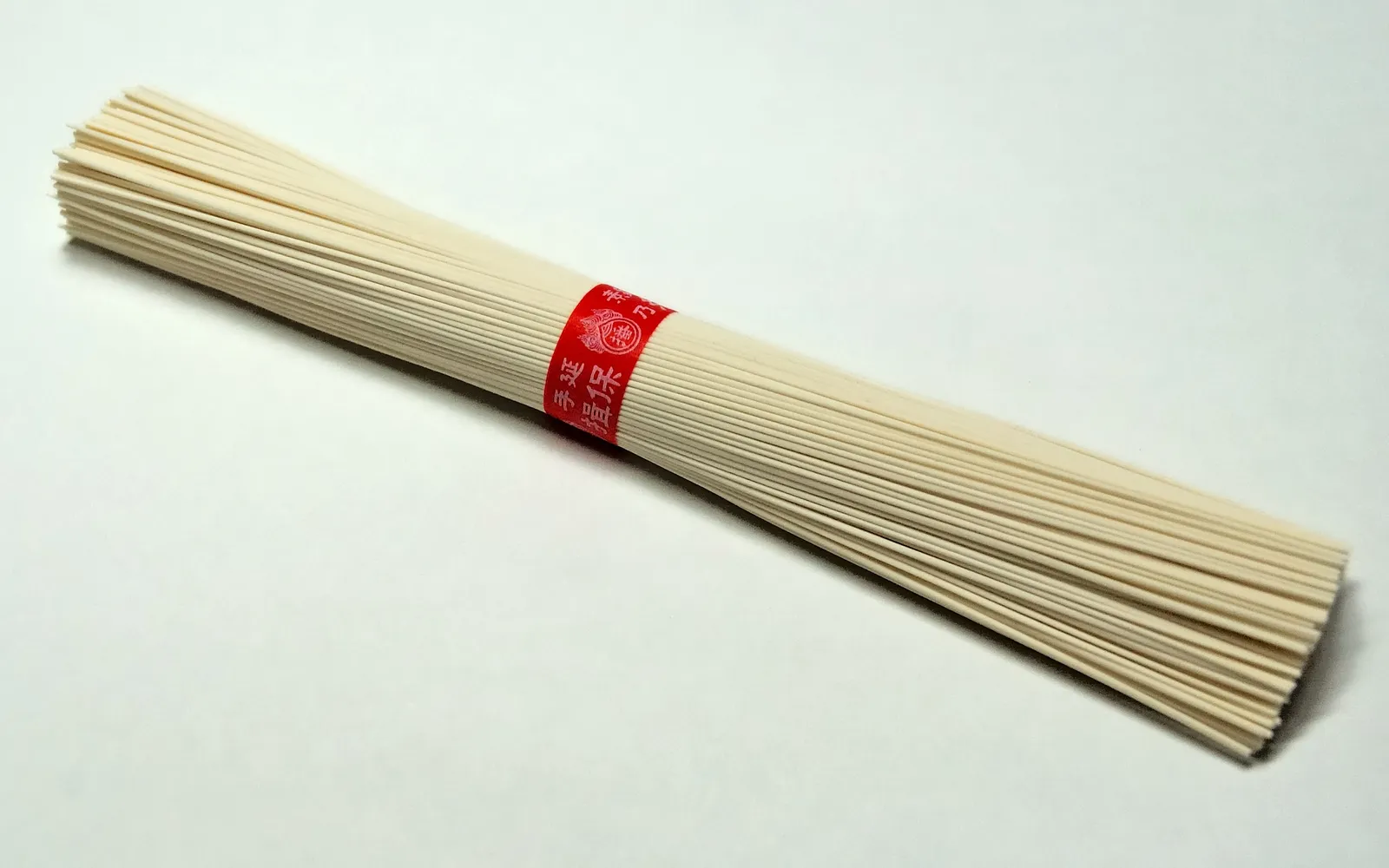
Miwa sōmen are razor-thin wheat noodles considered the oldest of their kind in Japan. They trace their origins to the Miwa district of Sakurai in Nara — dating back roughly 1,300 years to the Nara period. The strands are silky-smooth and pleasantly springy without breaking easily. They are eaten cold with a soy-based dipping sauce in summer, or simmered in hot broth — a preparation called nyūmen — in winter.
- Restaurants in front of Ōmiwa Shrine in Sakurai serve the most traditional preparations.
- Dried Miwa sōmen makes an excellent souvenir with a long shelf life.
- Nagashi sōmen — noodles flowing down a bamboo flume — is a seasonal experience worth seeking out.
 #4
#4 Warabi-mochi
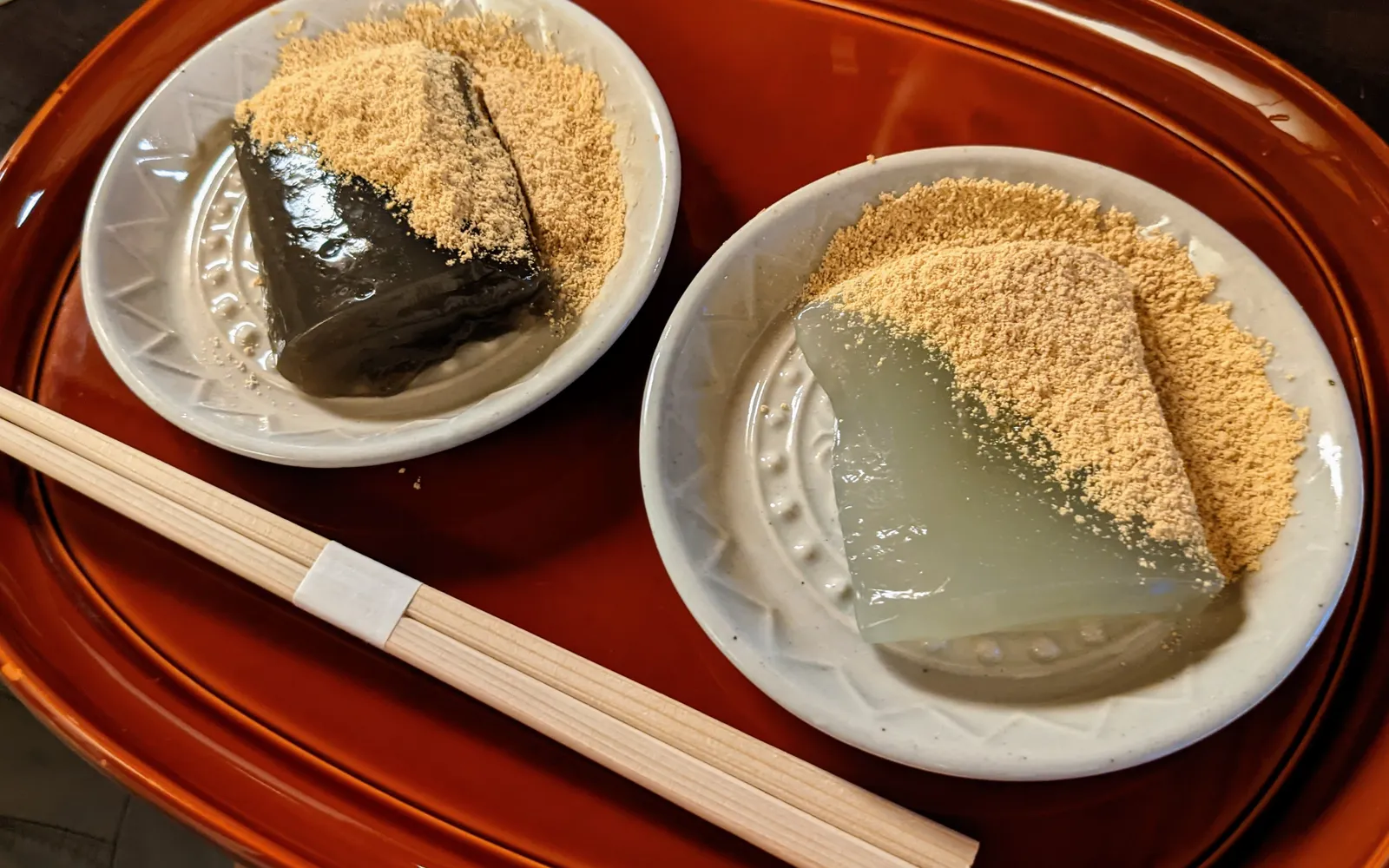
Nara's warabi-mochi differs from versions elsewhere because it is made from genuine bracken starch (warabi starch) — rarer and more expensive than substitute starches. The result is a translucent, jelly-like texture that is softer and chewier than imitations. It is served cold, dusted with roasted soybean flour (kinako) and drizzled with black sugar syrup. Eat it at the shop for the best texture — the consistency changes noticeably if left to sit. Nara has a stronger reputation for this sweet than most other cities.
- Eat immediately after it is served; warabi-mochi hardens as it cools or sits.
- Shops in Naramachi typically make it fresh daily — better than pre-packaged versions.
- Price varies significantly by bracken-starch quality; ask the shop before ordering.
 #5
#5 Kuzumochi / Kuzukiri
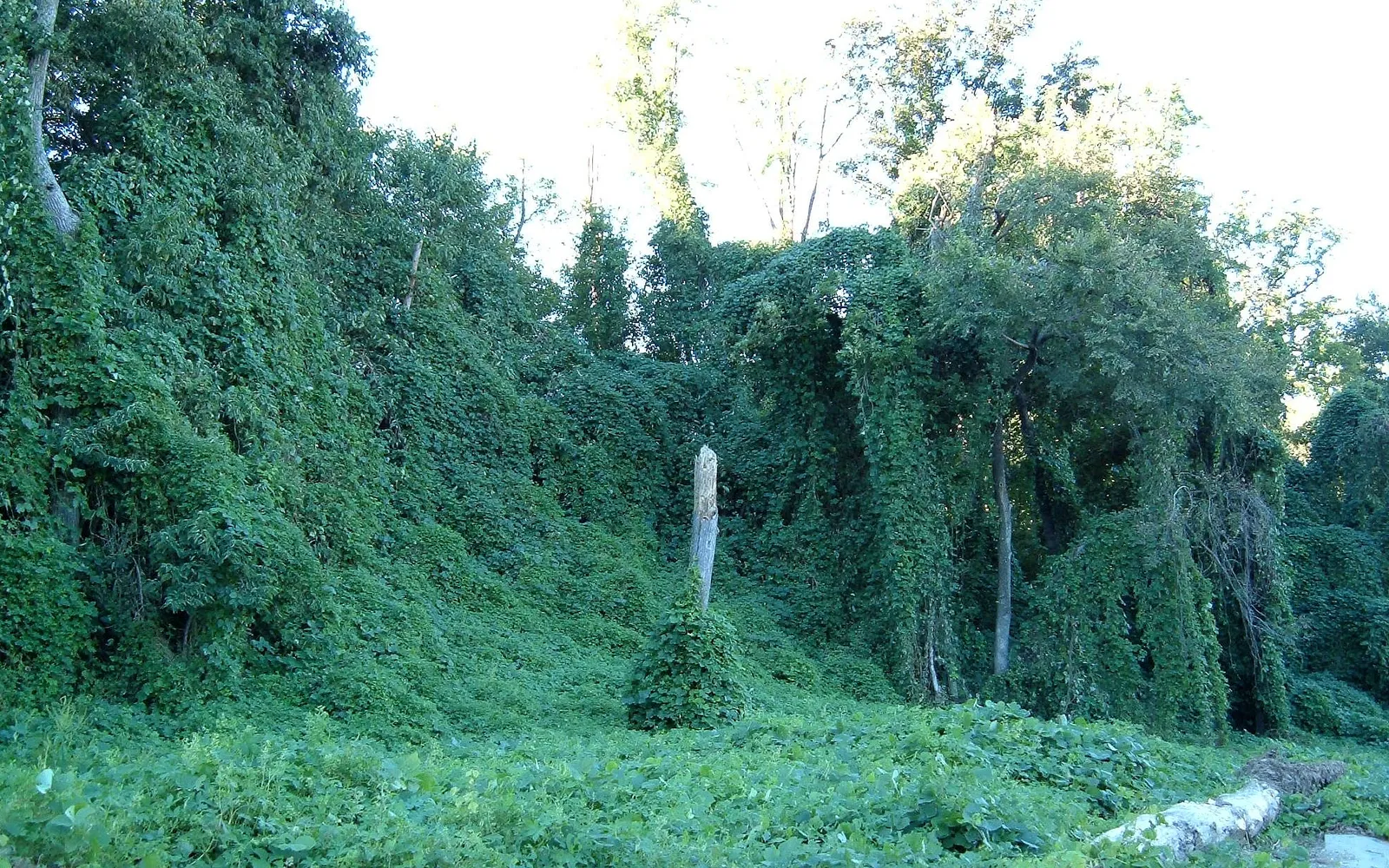
Kuzumochi is made from arrowroot starch (kuzu starch) extracted from plant roots in the Yoshino forests south of Nara, with a production history dating back to the 17th and 18th centuries. The texture is clear, smooth, and slippery — similar to jelly but chewier. It is served with black sugar and soybean flour. Kuzukiri is the noodle form made from the same starch, eaten cold in summer or warm in winter. Yoshino Honkuzu is considered the finest and most expensive arrowroot starch in the world.
- Honkuzu is pure white with a subtler flavor than blended varieties — check the label before buying.
- Kuzukiri at traditional shops is often served in bamboo boxes alongside tea.
- Dried kuzu powder makes a good take-home ingredient for making sweets yourself; sold in Nara souvenir shops.
 #6
#6 Tenri Ramen
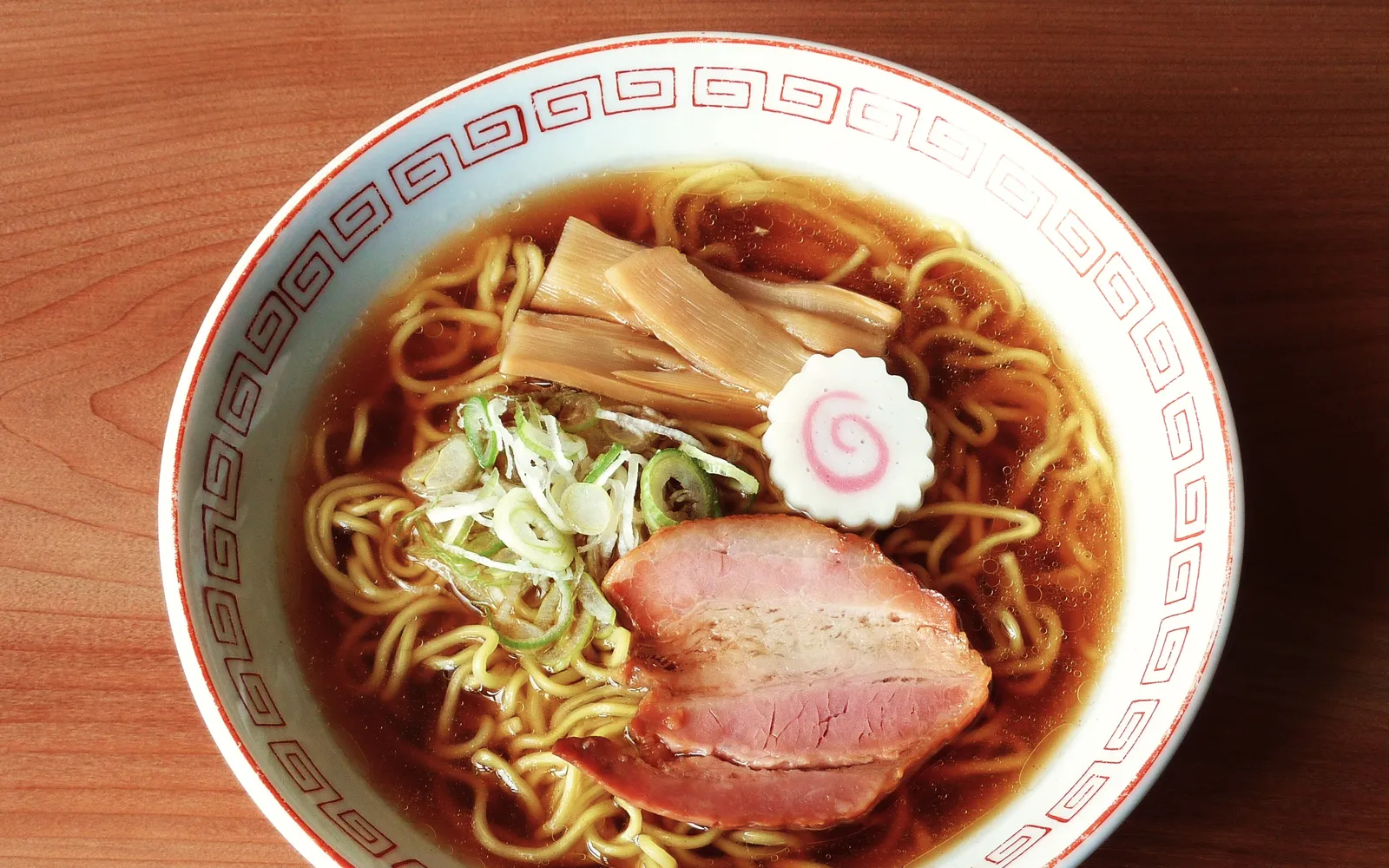
Tenri ramen is a regional style originating in Tenri City within Nara Prefecture. The broth is made from pork and chicken bones blended with soy sauce and red chili, producing a deep reddish-orange color. The bowl comes topped with softened cabbage, sliced pork, garlic, and Chinese green onions — rich, well-rounded, with a mild heat. It has a strong following among locals and has grown into a B-grade gourmet experience that visitors to Nara increasingly make a point of trying.
- Tenri Stamina Ramen (天理スタミナラーメン) is the most famous originator of the style.
- A bowl costs 600–900 yen — an easy, affordable lunch.
- Raw garlic can be added for a sharper flavor — best saved for days without important meetings.
Where to stay in Nara for this trip
A well-located hotel means less commuting and more sightseeing. Here are real, top-rated stays in Nara — compare Agoda · Booking · Trip.com in one click.
Ryokan Asukaso
Affiliate links — we may earn a commission at no extra cost to you. Details
Onyado Nono Nara Natural Hot Spring
Affiliate links — we may earn a commission at no extra cost to you. Details
JW Marriott Hotel Nara
Affiliate links — we may earn a commission at no extra cost to you. Details
Nara Visitor Center & Inn
Affiliate links — we may earn a commission at no extra cost to you. Details
Tours, tickets & activities in Nara
Day tours, attraction tickets and travel essentials for Nara — book ahead on Klook with mobile e-tickets.
Affiliate links — we may earn a commission at no extra cost to you.
Before You Pack
The Naramachi district and Sanjō-dōri are the best starting points for working through all of these local specialties. Many of the shops have been open for generations and are still using the same recipes they always have.