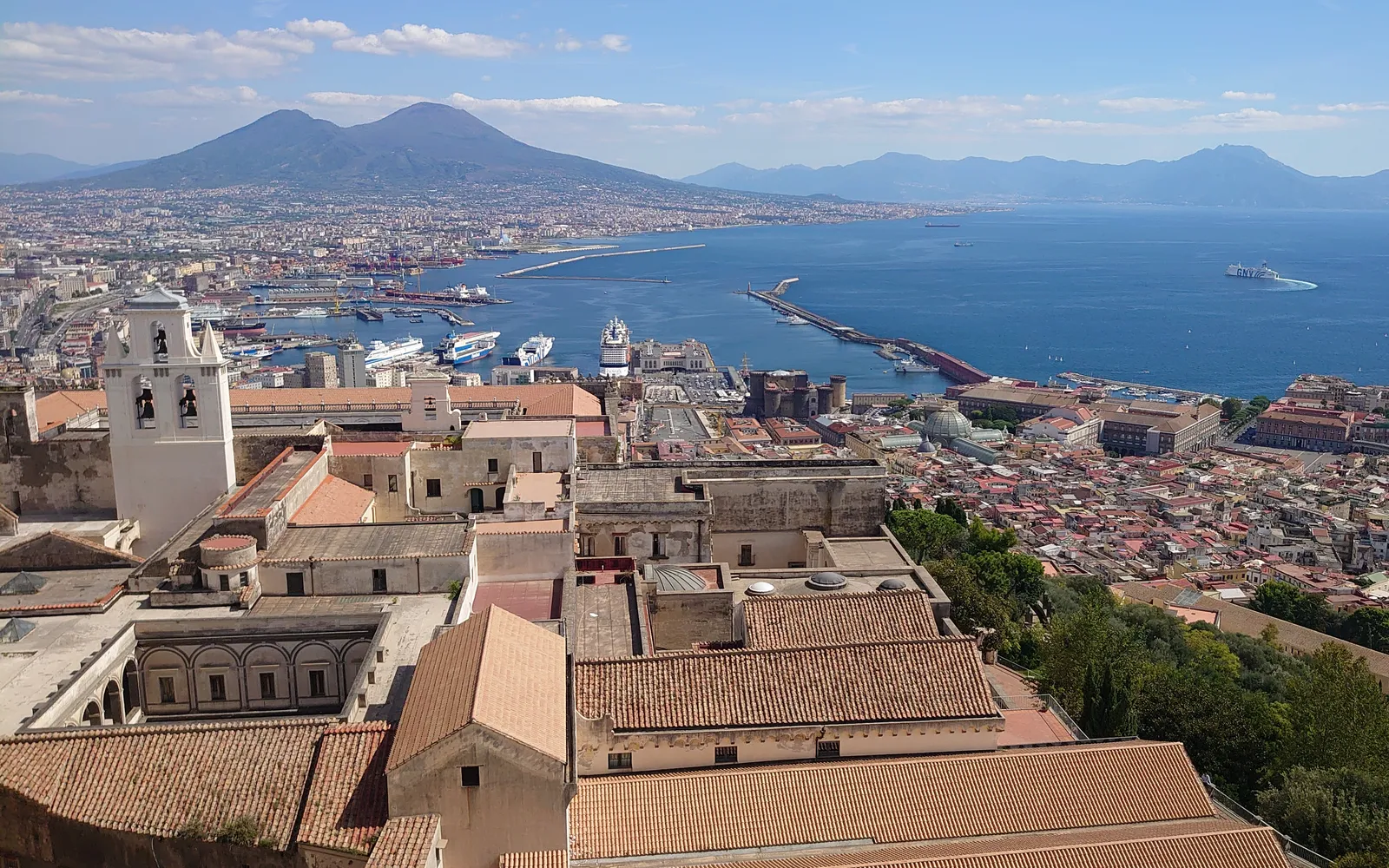
Naples is loud, chaotic, and charged with an energy you won't find anywhere else. Under that disorder sits one of the deepest layers of history in Europe — a Roman city frozen in volcanic ash, a museum holding the finest Roman treasures in the world, and waterfront castles that have stood for centuries, all within a few dozen kilometres of each other. Brace for the traffic, keep your bag in front of you, and don't let the chaos talk you out of visiting one of the most arresting cities in Italy.
 #1
#1 Pompeii
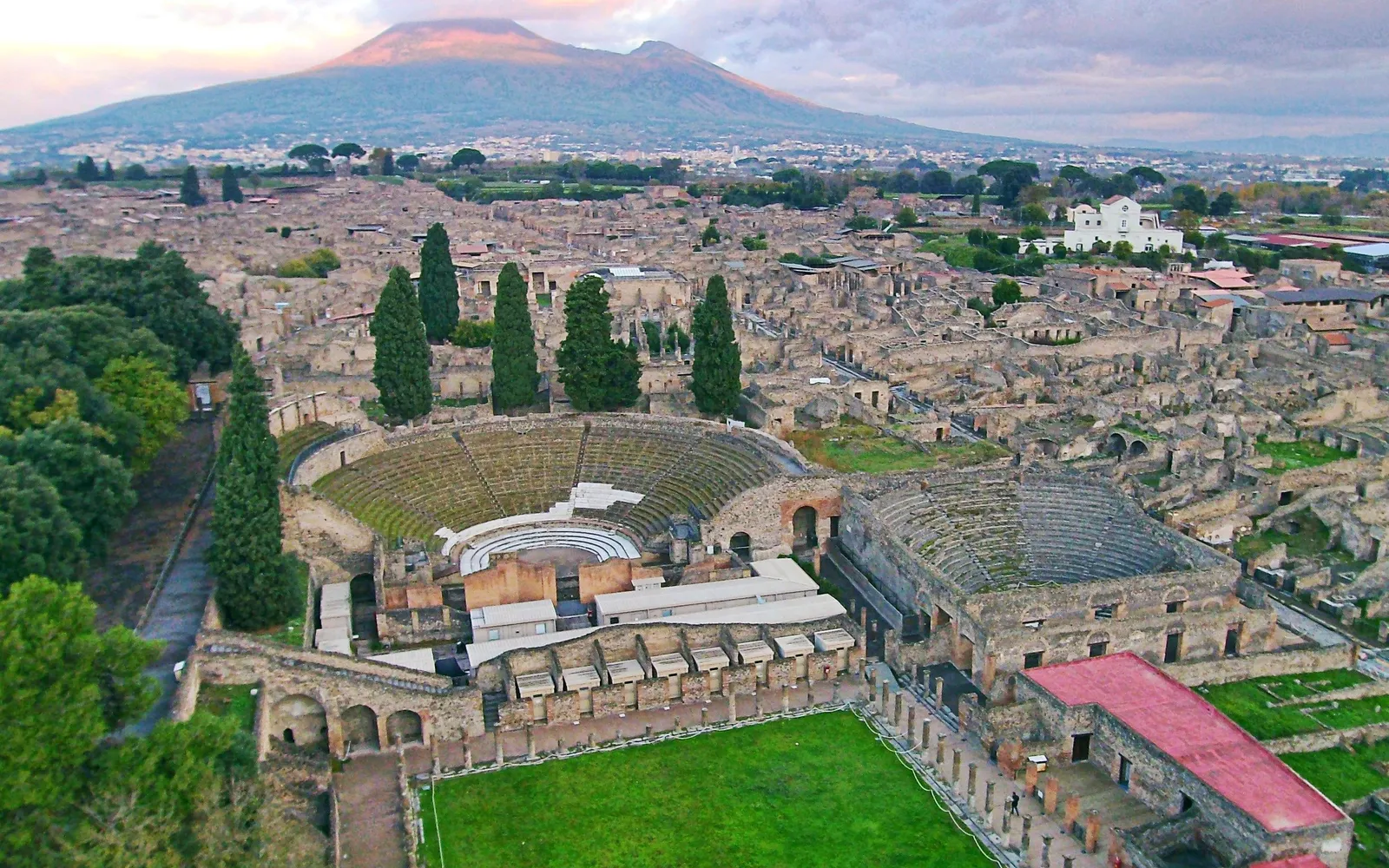
One of the most remarkable archaeological sites on earth — a Roman city buried by Vesuvius in AD 79 and rediscovered in the 18th century. Walk along intact Roman stone streets past townhouses, temples, shops, and bread ovens that still hold their shape. Human casts hardened in ash are displayed in the on-site museum. The scale of what was lost in a single day makes the place unlike anything else you'll visit.
- Buy tickets online in advance at ticketone.it — €22 per person. The queue at the gate runs extremely long, especially in summer.
- Rent an audio guide: on-site signage is minimal, and the context makes all the difference.
- Wear flat, grippy shoes. The Roman stone streets are uneven and slippery when wet. High heels are genuinely dangerous here.
 #2
#2 Mount Vesuvius
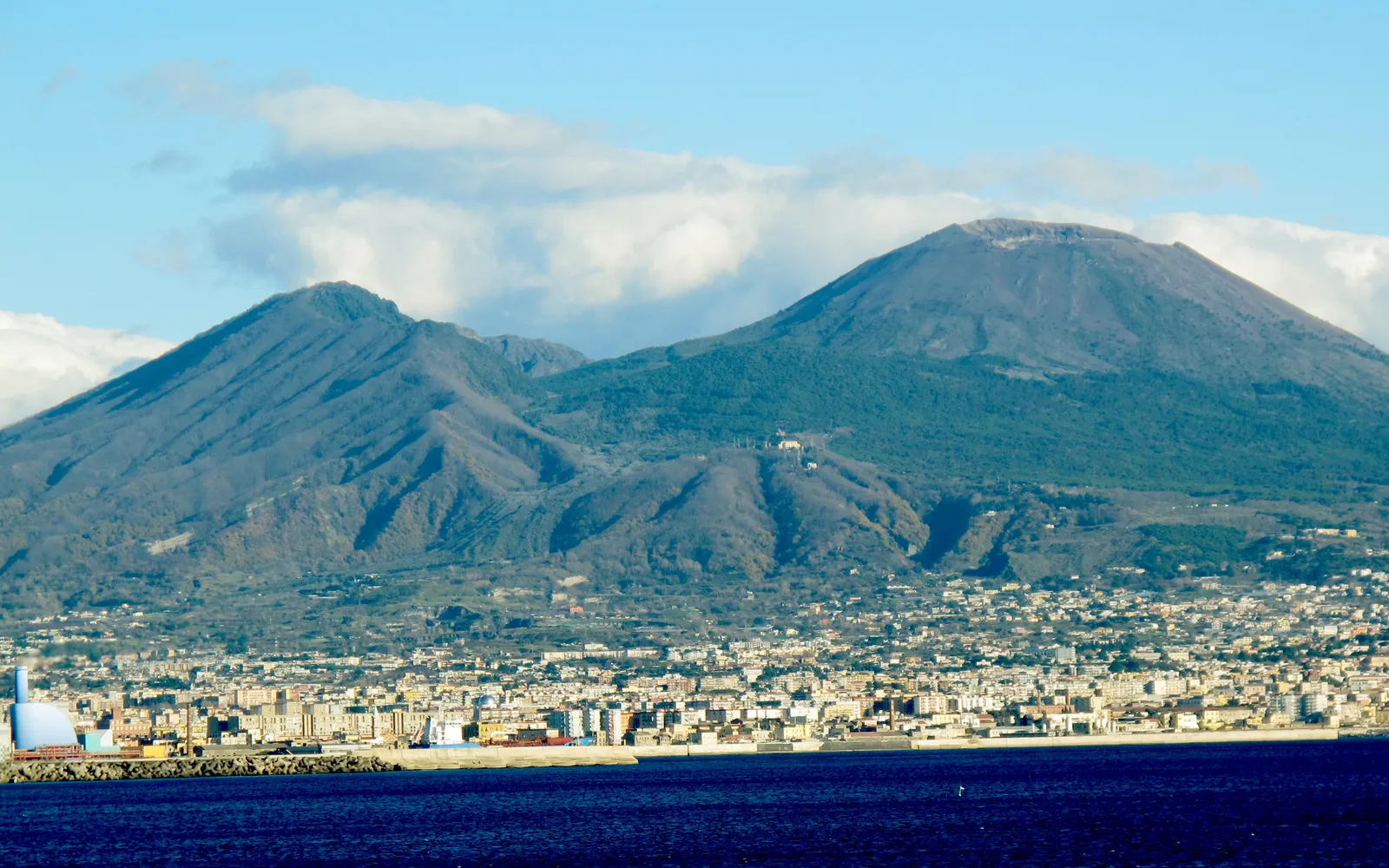
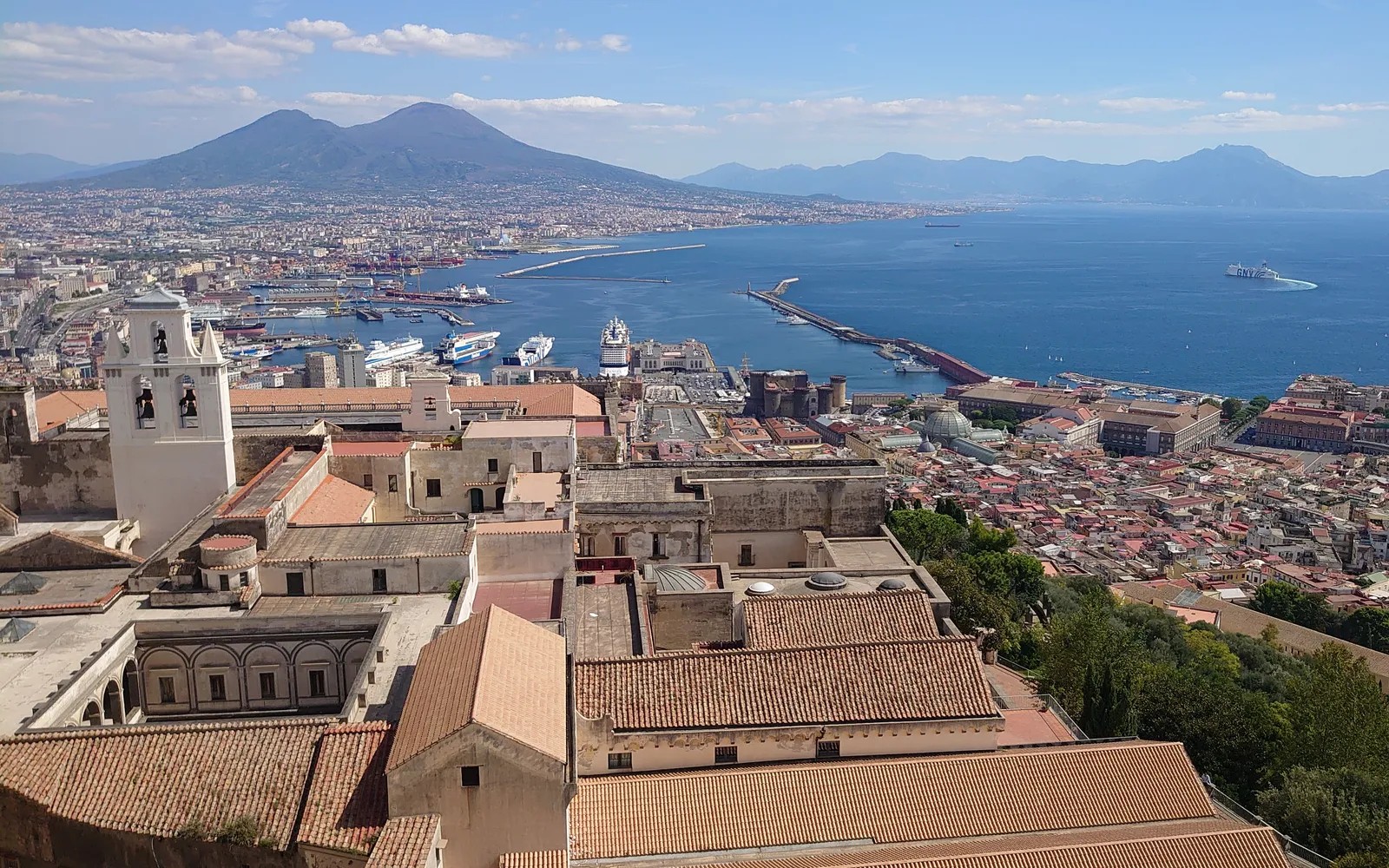
The only active volcano on the European mainland, and the most famous in the world for destroying Pompeii in AD 79. Today you can walk to the crater rim in about 30 minutes. From the top you see the Bay of Naples, the island of Capri, and the city all at once. The crater is more than 300 metres wide and over 200 metres deep, with sulphurous smoke still drifting out — a reminder that this is not a dormant mountain.
- Entrance is €15, which includes a guide. The trail is moderately steep and takes around 30 minutes. Grippy shoes are essential.
- The summit runs 5–10°C cooler than the base even in summer — bring a windproof layer.
- Open status can change without much notice. Check parconazionaledelvesuvio.it before you travel.
 #3
#3 Castel Nuovo
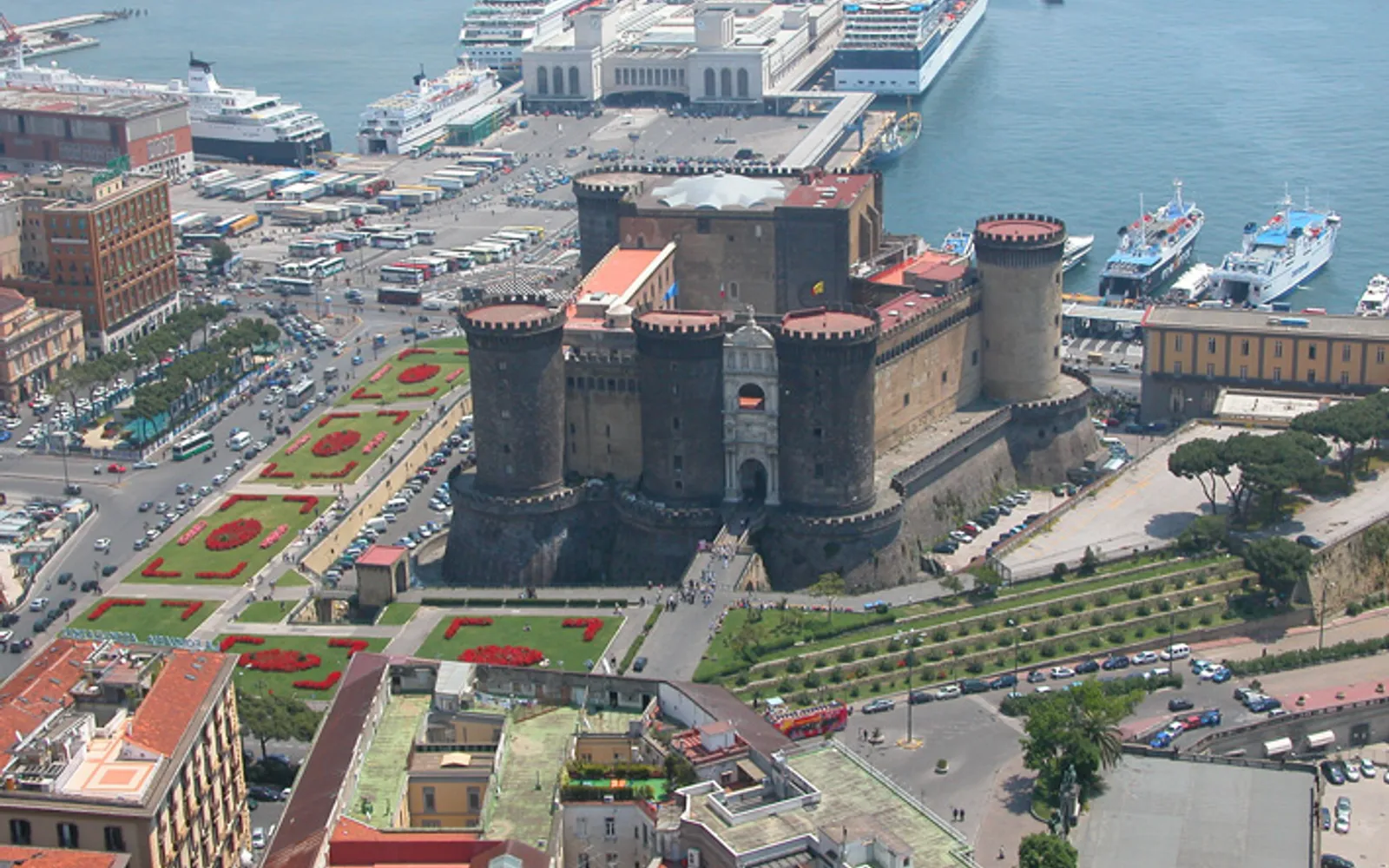
A 13th-century fortress built by Charles I of Anjou and the most recognisable landmark on Naples' waterfront. The body of the castle is built from dark basalt, which throws the white marble Triumphal Arch of Alfonso — a fine Renaissance gateway — into sharp contrast. Inside, the Cappella Palatina houses original 14th-century frescoes. The tower rooftops give clear views over the bay and the Molo Beverello ferry terminal.
- Admission €6, open Monday–Saturday 09:00–19:00, closed Sunday. The museum inside is small but the artwork is genuinely interesting.
- The best angle for photography is from across Piazza Municipio at sunset.
- The castle sits right beside the ferry terminal for Capri and Ischia — easy to combine with a same-day island trip before boarding.
 #4
#4 Spaccanapoli
A single straight street that slices through the old city with remarkable precision — the name literally means 'split Naples in two'. The route traces back to Greek antiquity. Along its length: Baroque churches, souvenir shops, pizza counters, street food stalls, and residents going about their day. The atmosphere is relaxed and genuinely local, though you should watch for fast-moving motorbikes and keep your bag on the front of your body. Turn into the side alleys and you'll find a church around almost every corner.
- Keep your bag, phone, and camera in front of you at all times. Pickpocketing is a real issue in crowds — the street is popular and busy.
- Stop at Piazza del Gesù Nuovo and the Santa Chiara church midway along the route. The cloister's majolica-tiled courtyard is exceptional.
- The street is at its most alive between 19:00 and 22:00 — restaurants and bars fill up and you get a clear picture of what Naples actually feels like at night.
 #5
#5 Castel dell'Ovo
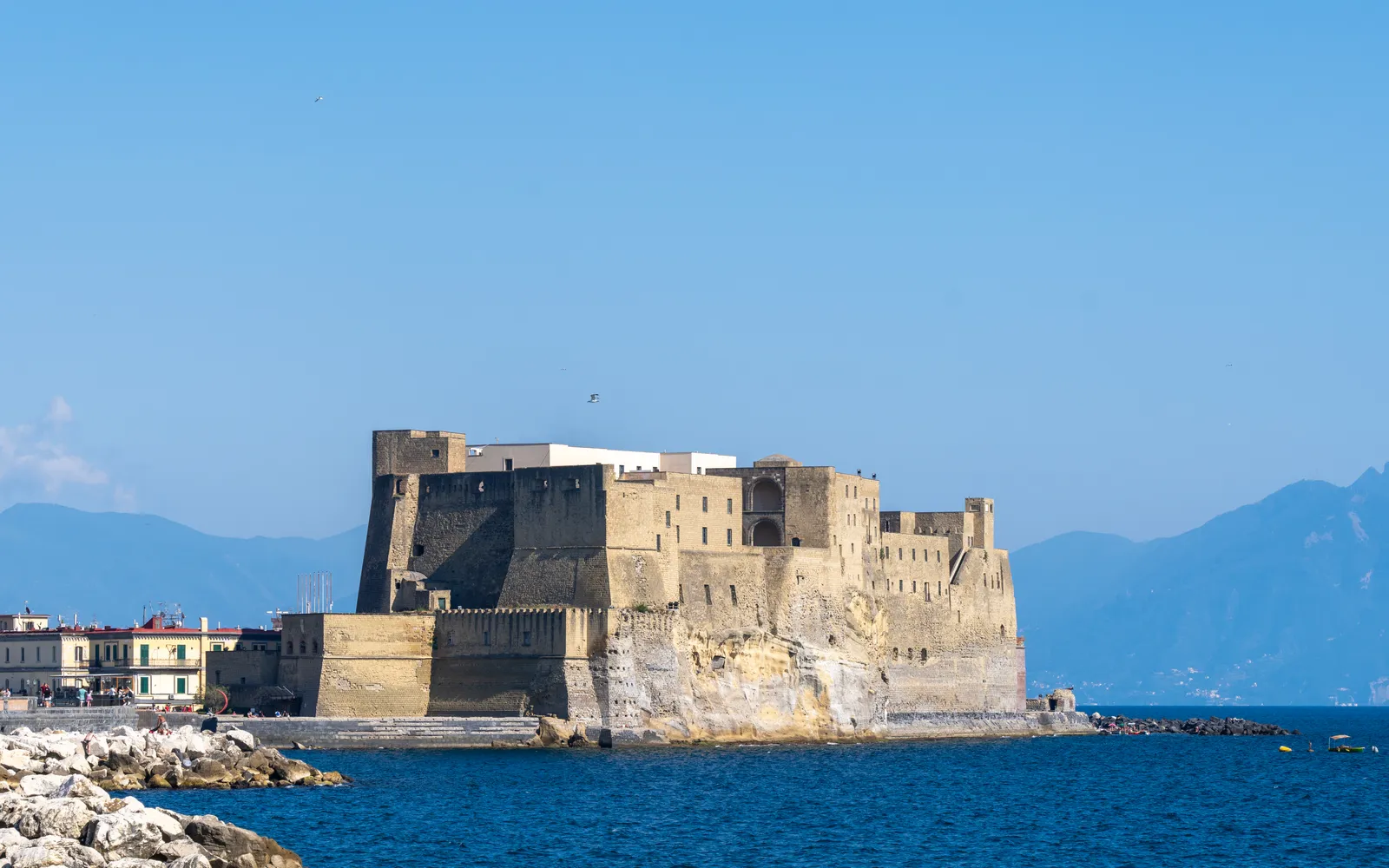
The oldest castle in Naples, built on a small rock that juts out from the Santa Lucia shore. The name — 'the egg' — comes from a legend that the Roman poet Virgil hid a magical egg under the foundations: if the egg breaks, the city falls. The structure layers Greek origins over Norman additions. Entry is free, and the rooftop terraces give the best skyline and bay views in the city.
- Free admission, open daily 09:00–19:30 (Sunday 09:00–14:00). No entry charge, though temporary exhibitions inside may have their own ticket.
- Sunset from the castle rooftop looking toward Vesuvius is one of the best photography spots in Naples.
- The Borgo Marinaro neighbourhood directly below the castle has several good seafood restaurants — a natural dinner stop after exploring.
 #6
#6 National Archaeological Museum of Naples
One of the most important archaeological museums in the world, holding treasures excavated from Pompeii and Herculaneum after Vesuvius buried them, alongside the great Farnese collection of Greek and Roman antiquities. Highlights: the Farnese Hercules — a massive Roman wrestling figure — the large Alexander the Great mosaic from Pompeii, and the Secret Cabinet displaying adult-themed Roman artefacts. Budget at least 2–3 hours to cover the main sections.
- Admission €18, open Wednesday–Monday 09:00–19:30, closed Tuesday. Buy tickets online or arrive early to avoid queues.
- The Secret Cabinet requires advance booking or a request at the front desk — visitor numbers are capped.
- Download the MANN app (the museum's own acronym) before you go — it has recommended routes and English-language object notes for the key pieces.
Where to stay in Naples for this trip
A well-located hotel means less commuting and more sightseeing. Here are real, top-rated stays in Naples — compare Agoda · Booking · Trip.com in one click.
Grand Hotel Vesuvio
Affiliate links — we may earn a commission at no extra cost to you. Details
Hotel Piazza Bellini & Apartments
Affiliate links — we may earn a commission at no extra cost to you. Details
Hotel Il Convento
Affiliate links — we may earn a commission at no extra cost to you. Details
Grand Hotel Parker's
Affiliate links — we may earn a commission at no extra cost to you. Details
Tours, tickets & activities in Naples
Day tours, attraction tickets and travel essentials for Naples — book ahead on Klook with mobile e-tickets.
Affiliate links — we may earn a commission at no extra cost to you.
Before You Pack
Naples is at its best in spring (March–May) and autumn (September–November), when the heat eases and the streets are less crowded. Plan at least 3–4 days to cover the city itself, Pompeii, and Vesuvius. And keep the same habits the whole time: bag on the front, don't stop in unlit alleys, and stay alert.