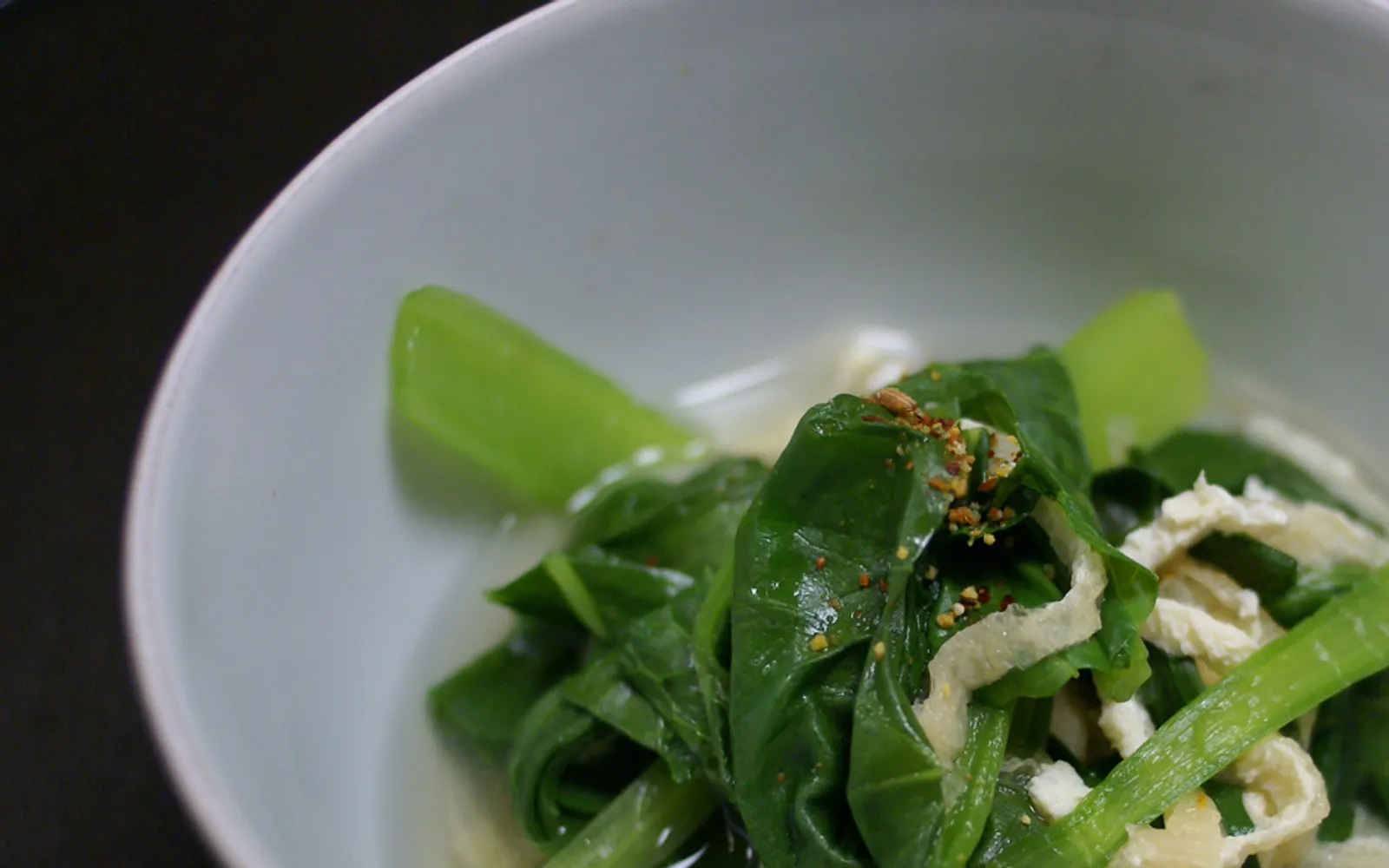
Nagoya-meshi (名古屋めし) is the collective name for Nagoya's local dishes — bolder and more intense than Japanese food elsewhere, because they lean on hatcho miso: soybeans fermented for over 2 years in cedar barrels from nearby Okazaki city, producing a near-black paste dense with umami. Many of these dishes were invented in Nagoya and are genuinely hard to find anywhere else in Japan. Serious food lovers say you have to fly here to taste them properly.
 #1
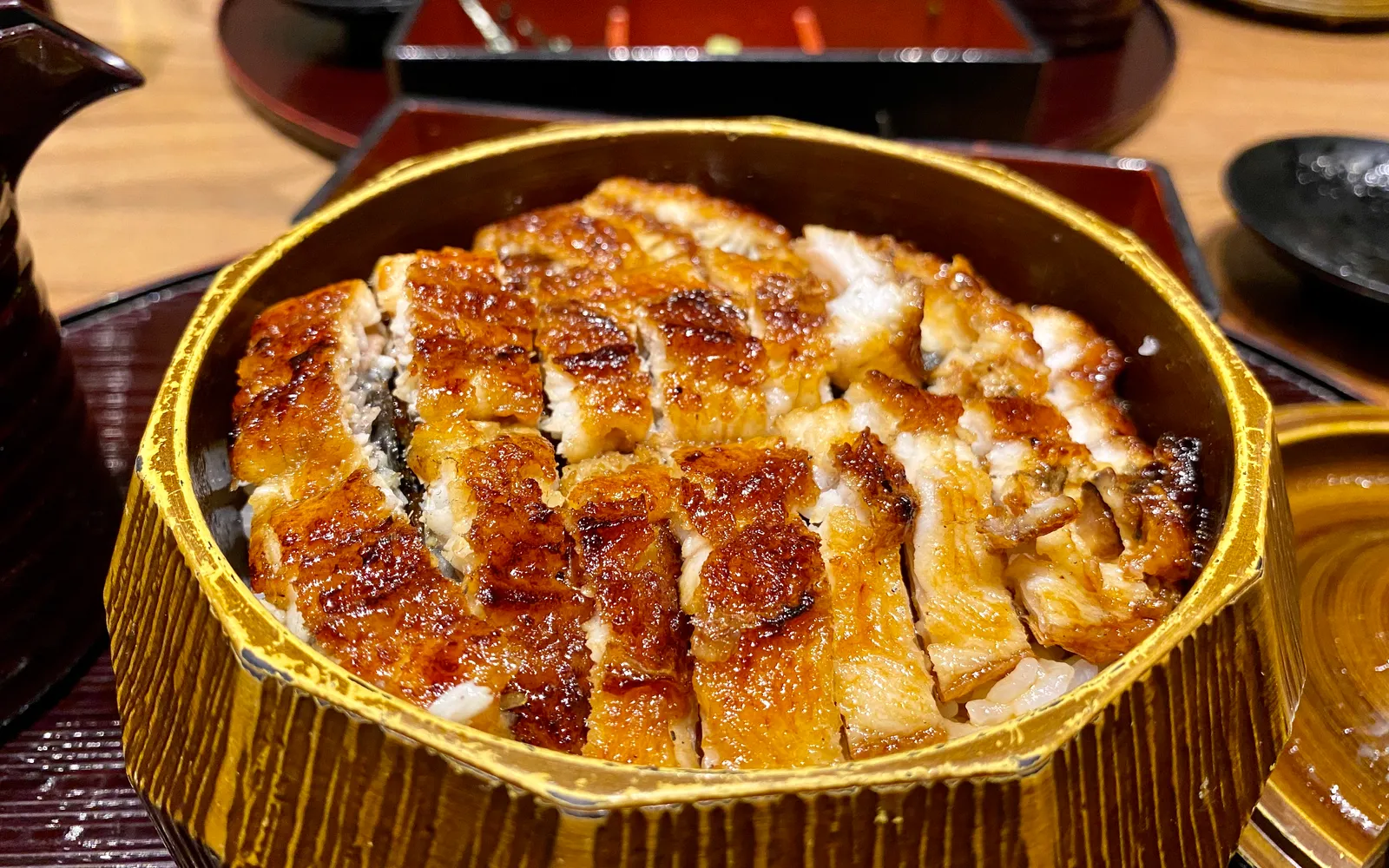
#1 Hitsumabushi
Hitsumabushi is freshwater eel grilled over charcoal with a sweet soy glaze, sliced into pieces and served over rice in a round wooden ohitsu box. The signature eating style runs 3 rounds from one bowl: first plain on its own, then with spring onion, wasabi, and dried seaweed, and finally with hot dashi broth or green tea poured over — eaten as ochazuke. The most famous restaurant is Atsuta Horaiken, in business since 1873.
- The third round — poured with broth as ochazuke — is the best way to finish it. Don't skip it.
- Atsuta Horaiken queues up fast; arrive before opening to avoid a long wait.
- Expect to pay around ¥3,500–5,000 per bowl — reasonable for this quality.
 #2
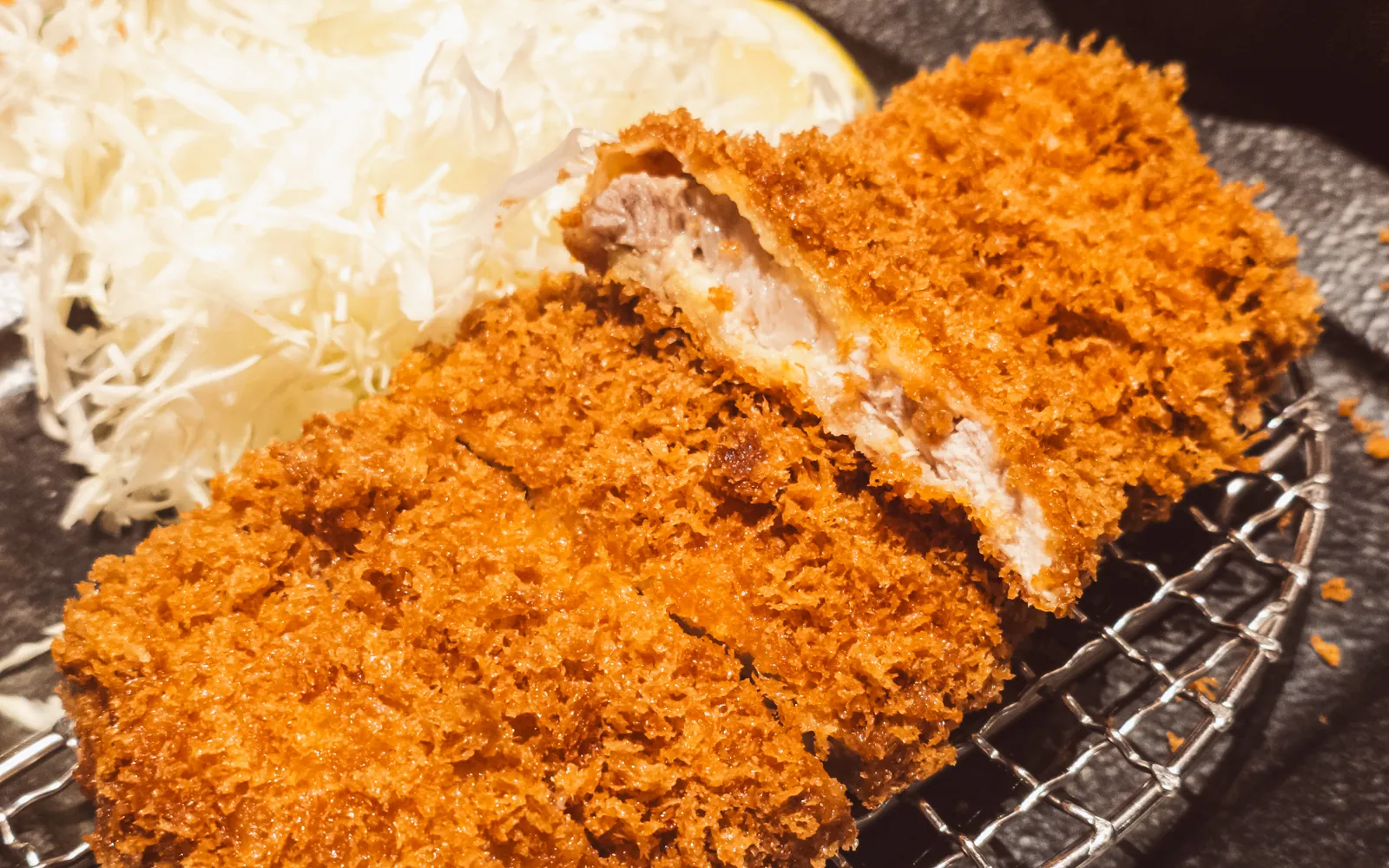
#2 Miso Katsu
Miso katsu is tonkatsu — breaded, deep-fried pork — finished with a thick hatcho miso sauce instead of the usual tonkatsu sauce. The dark miso from Okazaki, fermented in cedar barrels for at least 2 years, delivers umami intensity close to a rich BBQ sauce. The dish traces back to yatai (street stalls) in the late 1940s, when Nagoya vendors started dipping kushikatsu skewers into pots of dotenabe miso stew.
- Yabaton is the original chain — there's a branch in every major shopping centre.
- Most restaurants offer unlimited rice refills. The thick miso sauce makes rice disappear fast.
- Order hire-katsu (tenderloin) instead of rosu (loin) if you want a leaner, more tender cut.
 #3
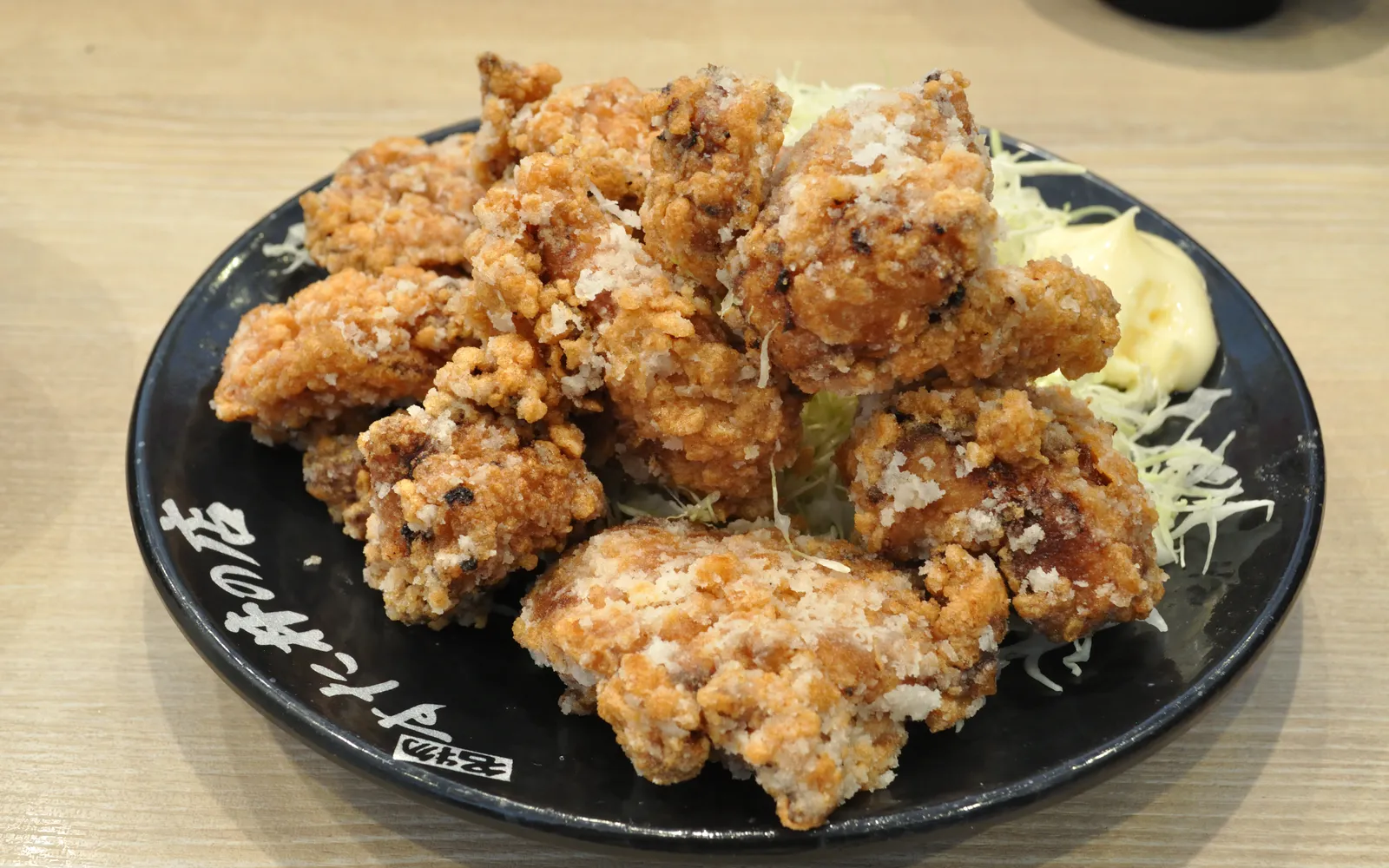
#3 Tebasaki
Tebasaki is Nagoya-style twice-fried chicken wings: the first fry at low heat to cook them through and keep the inside tender, the second at high heat to crisp the skin. They come coated in a rich sauce and dusted with coarse white pepper. The style was invented in 1963 by Otsube Kengo, and today rival chains Yamachan and Furaibo both have national followings. Cold hoppy beer and a pile of tebasaki is how Nagoya locals spend a Friday night.
- Yamachan uses the whole wing including the tip; Furaibo uses only the mid-joint. Try both to compare.
- Eat them straight out of the fryer — the flavour drops off as they cool.
- Priced at around ¥300–500 per plate, they're very affordable. Order more than you think you need.
 #4
#4 Miso Nikomi Udon
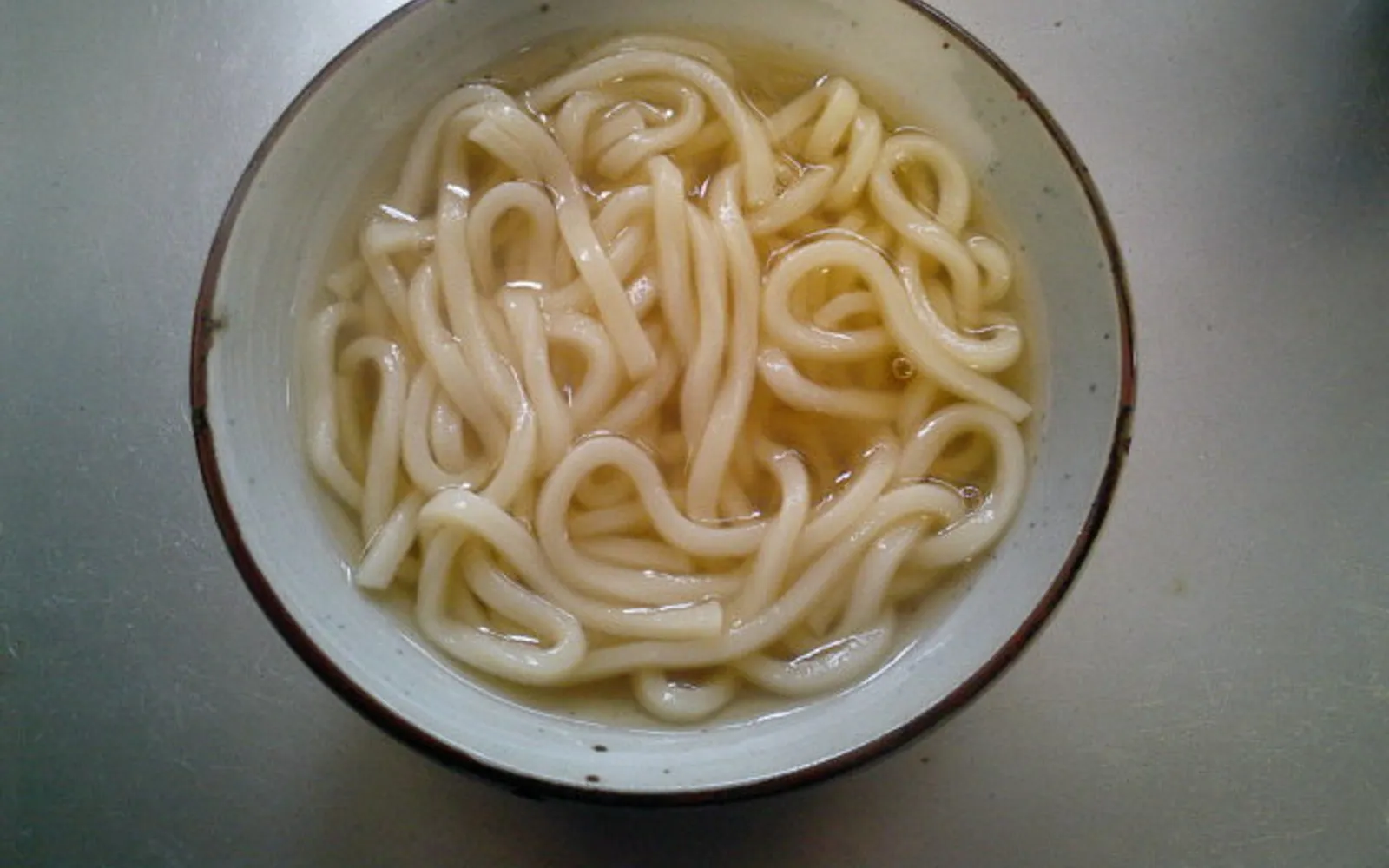
Miso nikomi udon is thick udon noodles simmered in a clay pot that arrives still boiling at your table. The broth is built on hatcho miso and fish dashi — no sweeteners or starch added as in milder miso soups — so the flavour is deeply intense. The noodles are not pre-cooked; they go raw into the broth and the starch they release naturally thickens the soup as they cook. Yamamotoya Honten, founded in 1907, is the longest-running home of this dish.
- The pot lid doubles as a serving plate — a custom at traditional shops.
- Drop a raw egg into the hot broth to make it richer and silkier.
- Best suited to winter; a single pot will warm you through completely.
 #5
#5 Kishimen
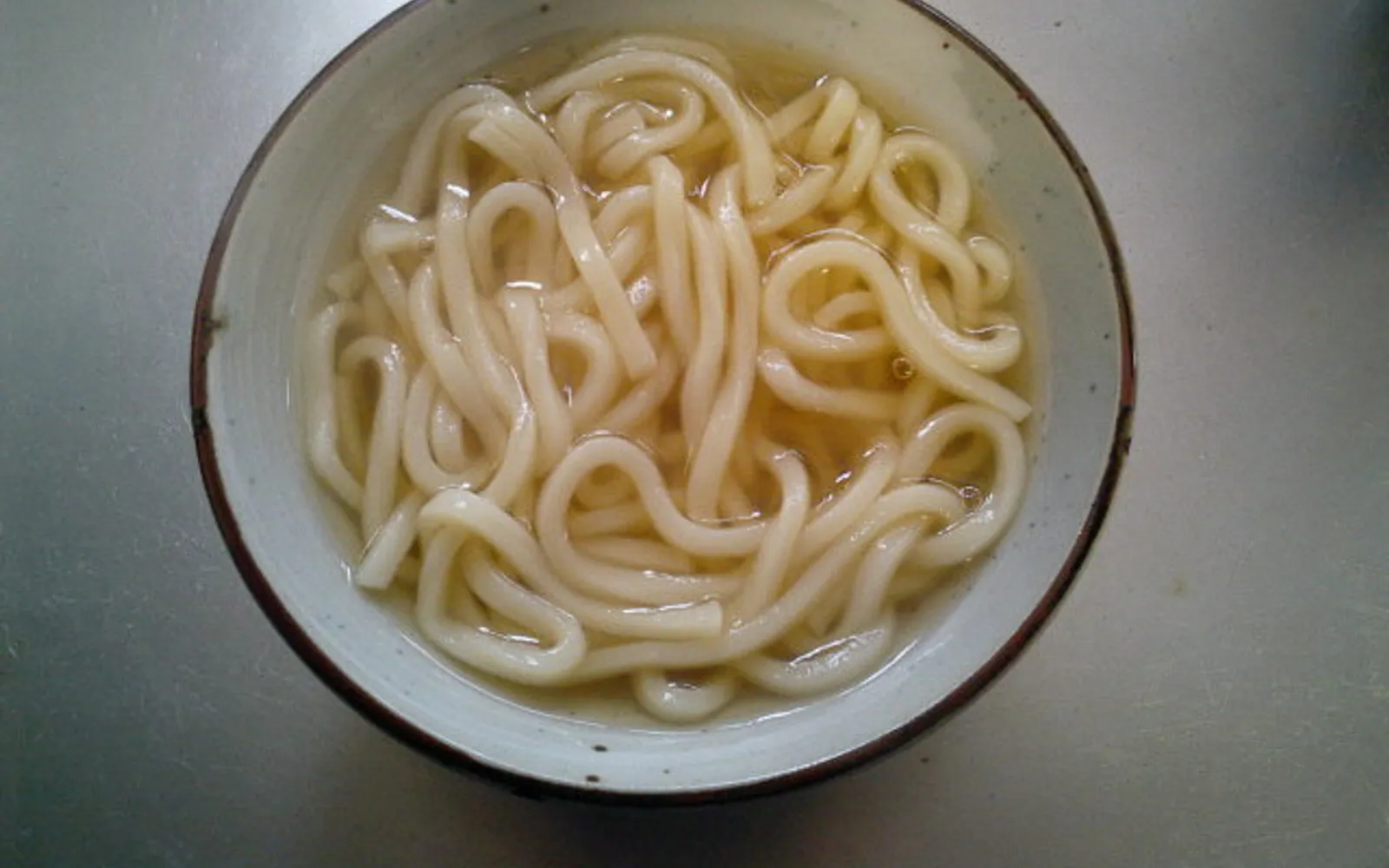
Kishimen is a flat noodle unique to Aichi Prefecture — just 1 mm thick but 7–8 mm wide, giving it a silky, slippery texture unlike regular round udon. It's served in a light, clear soy-based broth, a complete contrast to the dark miso soups on this list. This has been everyday food for Nagoya residents since the Edo period. The standing kishimen stall on the Nagoya Station platform is one of the most-visited spots on the city's food trail.
- The platform stall inside Nagoya Station's Shinkansen concourse is a classic piece of Japanese everyday dining.
- Try it both hot and cold — the texture and taste are noticeably different.
- Very cheap at around ¥400–600 a bowl. Works as breakfast or a snack before catching a train.
 #6
#6 Taiwan Ramen
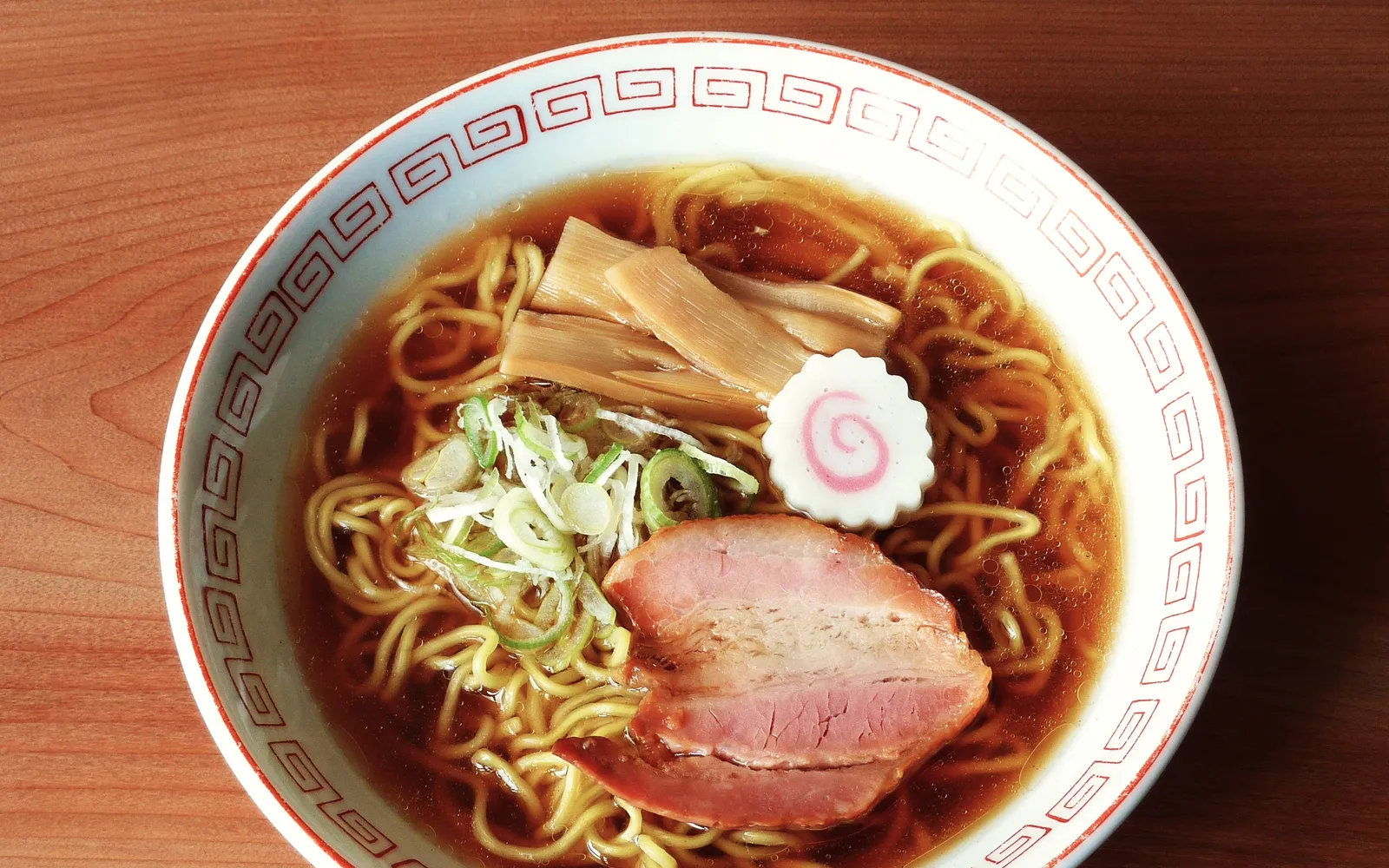
Taiwan Ramen was invented in Nagoya in the late 1960s by Kaku Meiko, the Taiwanese owner of restaurant Misen, who adapted a staff meal recipe into a public menu item by cranking up the heat. The base is a mild chicken-bone broth, but the topping — spicy stir-fried minced pork with red chilli, plenty of garlic, Chinese chives, and bean sprouts — makes it a serious bowl. Despite the name, this dish was created entirely in Nagoya and does not exist in Taiwan.
- The Imaike branch of Misen is the original location; there is also a branch inside Nagoya Station.
- Specify your spice level when ordering — it goes from mild to face-numbingly hot.
- Still serving past 10 pm, which makes it a natural stop after a night out.
Where to stay in Nagoya for this trip
A well-located hotel means less commuting and more sightseeing. Here are real, top-rated stays in Nagoya — compare Agoda · Booking · Trip.com in one click.
The Strings Hotel Nagoya
Affiliate links — we may earn a commission at no extra cost to you. Details
Nagoya Marriott Associa Hotel
Affiliate links — we may earn a commission at no extra cost to you. Details
Richmond Hotel Nagoya Shinkansen-guchi
Affiliate links — we may earn a commission at no extra cost to you. Details
The Strings Hotel Nagoya
Affiliate links — we may earn a commission at no extra cost to you. Details
Tours, tickets & activities in Nagoya
Day tours, attraction tickets and travel essentials for Nagoya — book ahead on Klook with mobile e-tickets.
Affiliate links — we may earn a commission at no extra cost to you.
Before You Pack
Nagoya's food is a flavor world you genuinely won't find anywhere else in Japan. If you only have time for one meal, go with hitsumabushi or miso katsu — those are the two dishes Nagoya people are most proud of.