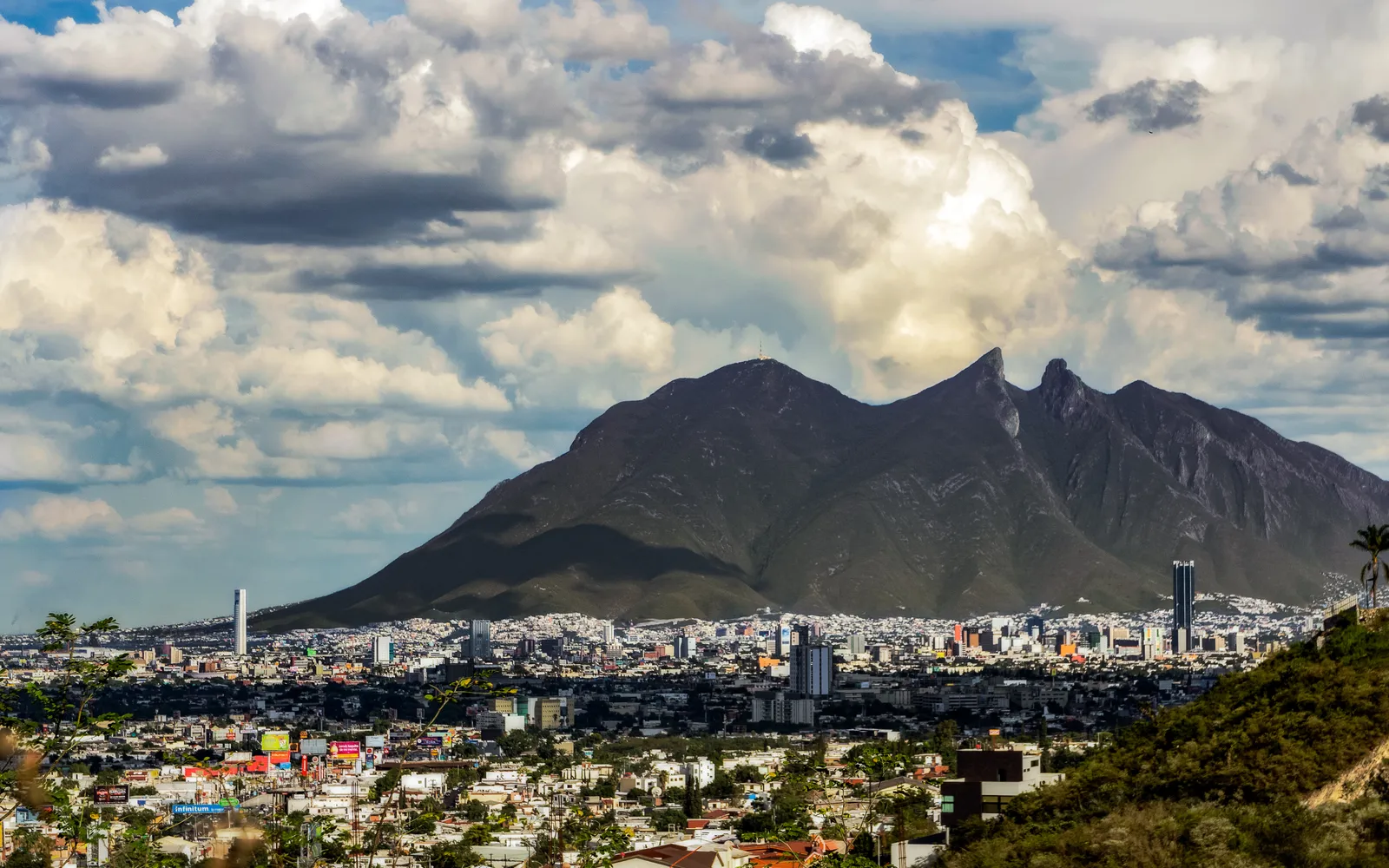
Monterrey is Mexico's second-largest city — one that pairs serious urban scale with dramatic natural scenery. The Sierra Madre Oriental rings the city on every side, giving each street corner a mountain backdrop that most cities only dream of. Within that frame you'll find one of the largest public plazas in the world, a cave system that formed 50 to 60 million years ago and is reachable as a day trip, a colonial neighborhood where 300-year-old Spanish buildings now house bars and galleries, and a 140-hectare industrial park built on the footprint of a steel foundry that opened in 1900. Three days gets you through the essentials; this guide covers the 8 stops worth your time.
 #1
#1 Cerro de la Silla
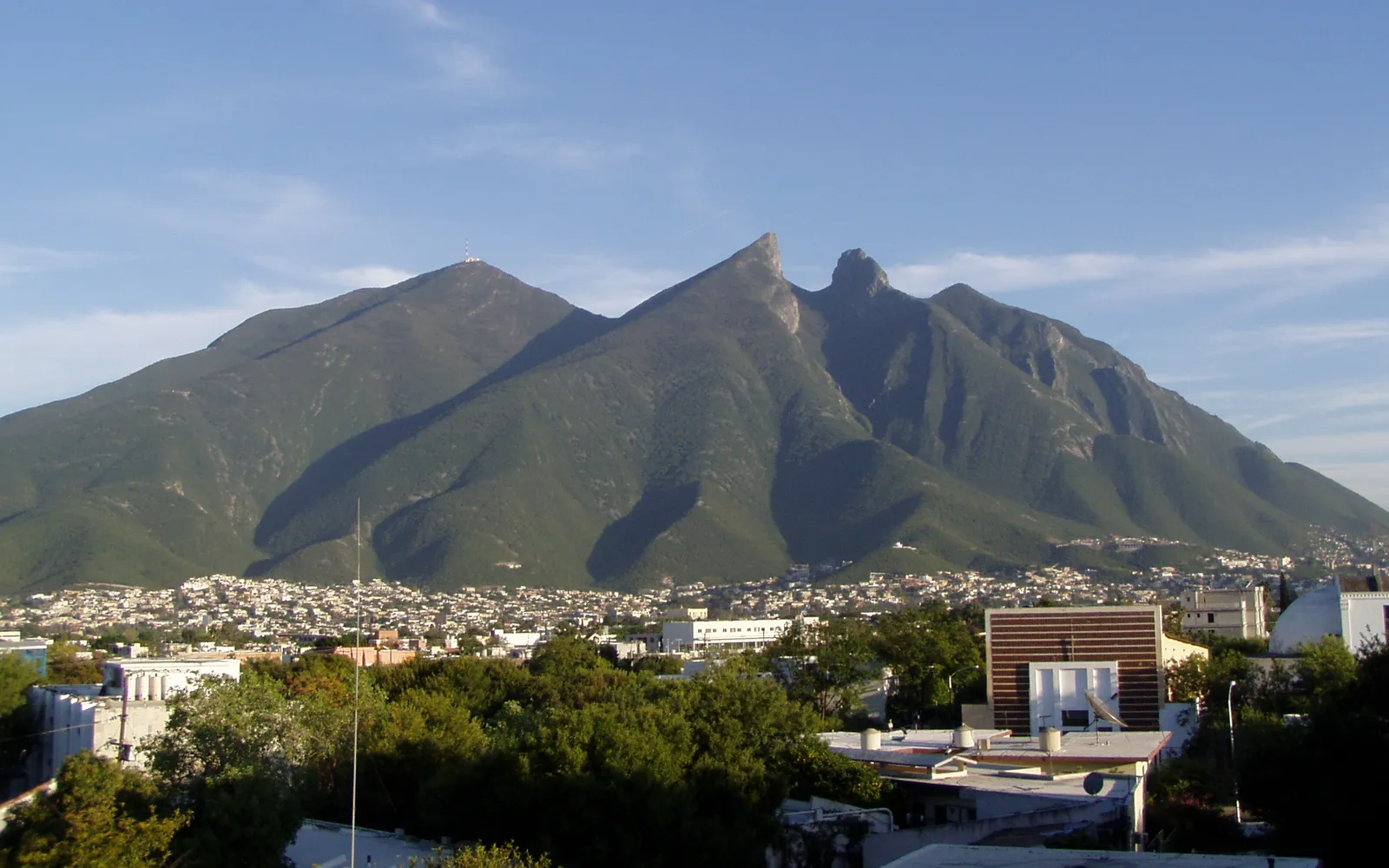
The double-peaked mountain that appears on the city's coat of arms and every postcard shot of Monterrey. It rises to 1,820 metres above sea level, and its name — <em>silla</em>, Spanish for saddle — describes the distinctive silhouette created by its two summits. Hikers can reach the top via a 14-kilometre trail that rewards the effort with panoramic views over the entire metro area unlike anything you'll find on a viewpoint platform.
- Start before 6:00 a.m. to beat the heat and weekend crowds.
- Go with a guide or an experienced hiking partner — some sections are steep and the route is not entirely marked.
- Bring at least 2 litres of water, sunscreen, and sturdy hiking boots.
 #2
#2 Macroplaza
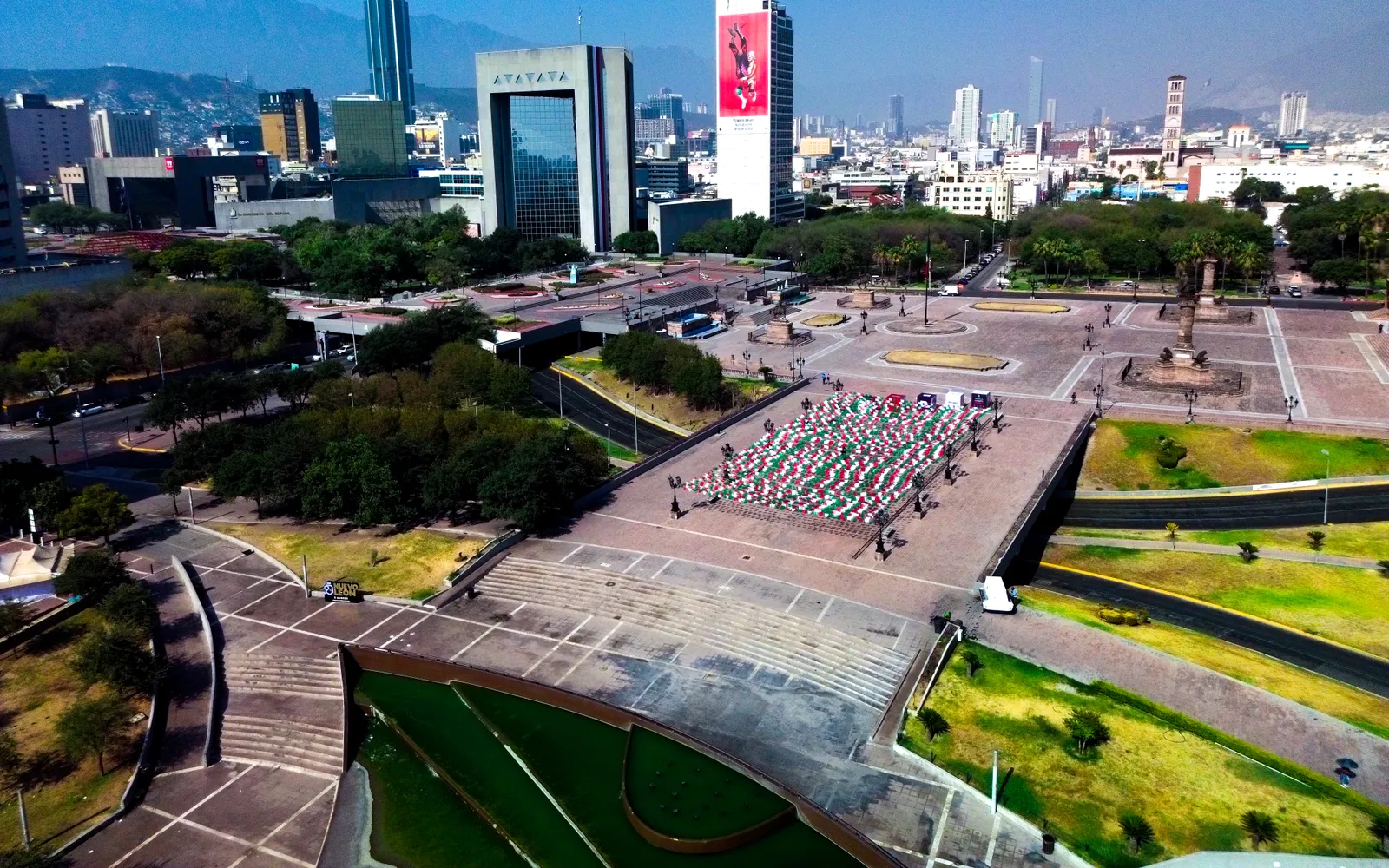
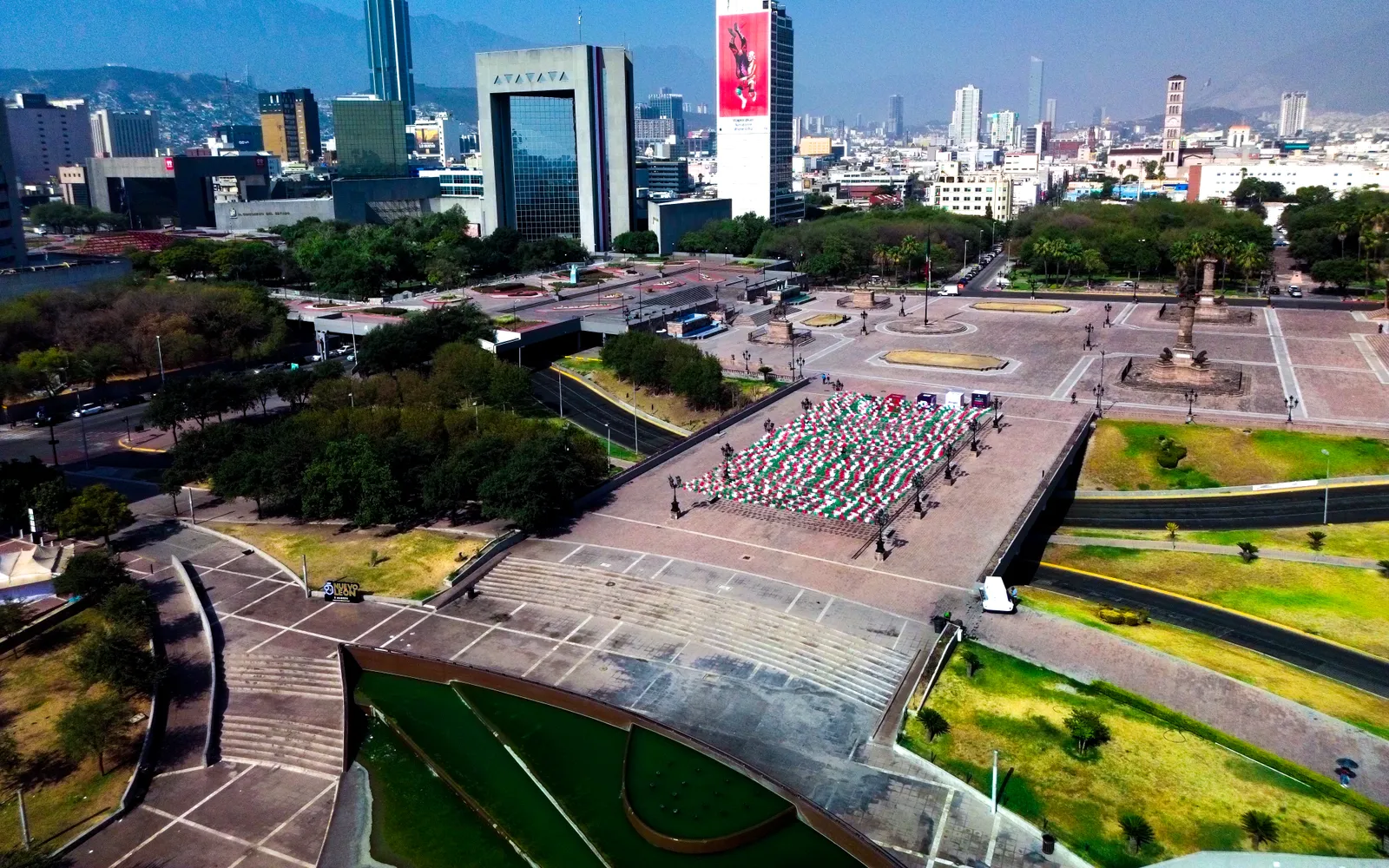
At over 400,000 square metres, Macroplaza is one of the largest civic plazas in the world. A single axis connects the Museum of Mexican History, the MARCO contemporary art museum, the city hall, and Monterrey Cathedral. The orange-red Faro del Comercio tower at the centre is a public artwork that projects a green laser beam on special evenings. The marble paving catches the light beautifully in the late afternoon.
- Walk the full length from MARCO to the Museum of Mexican History — it's all on one straight axis.
- Friday and Saturday evenings bring live music and pop-up art markets.
- Wear comfortable shoes: the plaza is large and midday sun on open stone is intense.
 #3
#3 Fundidora Park
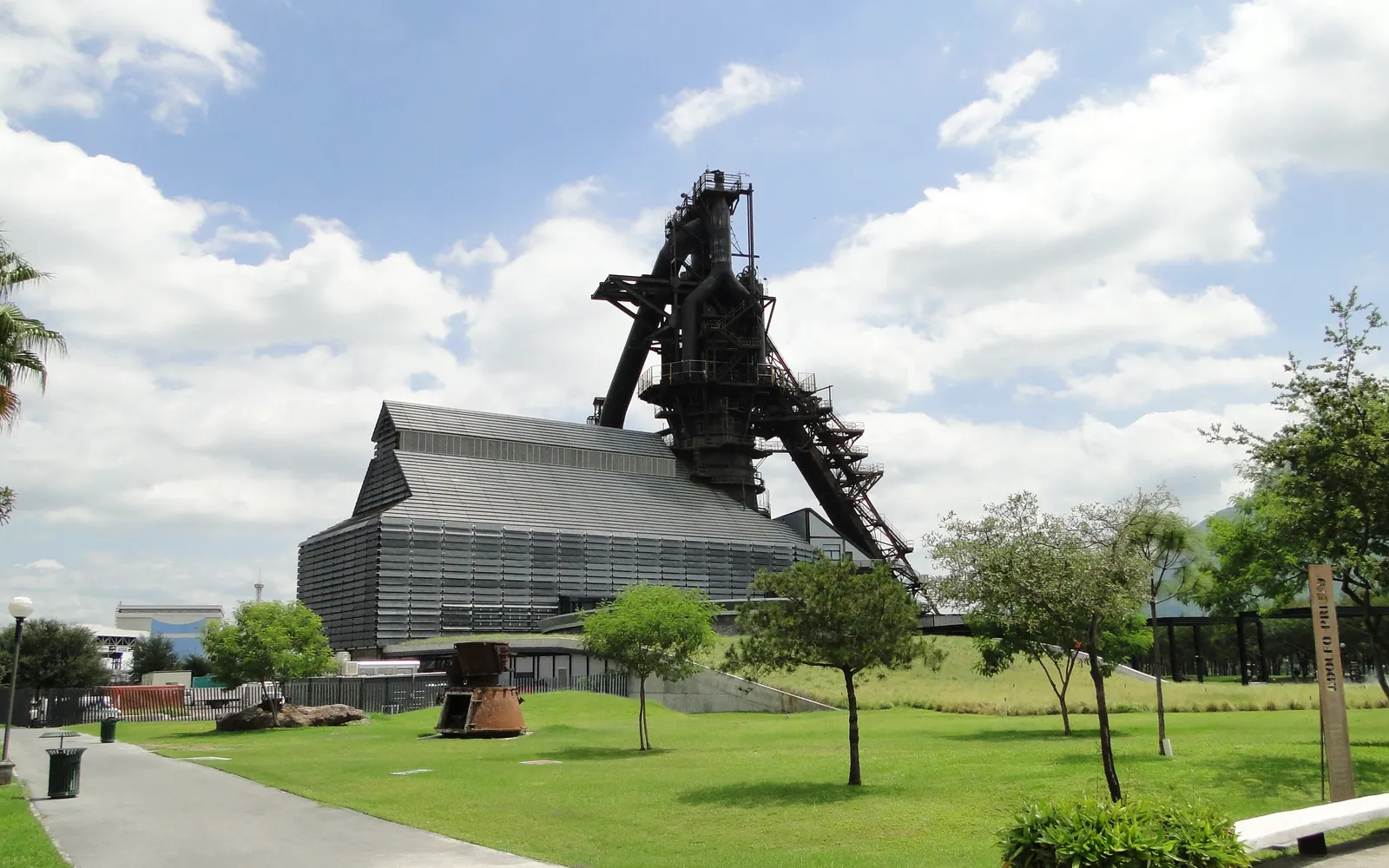
A 140-hectare park built on the site of the Fundidora steelworks, founded in 1900. The original blast furnaces still stand as industrial monuments. Today the grounds hold the Museo del Acero Horno 3 (inside one of the old furnaces), a sports stadium, an ice rink, outdoor activity areas, and cycling paths. Every September the site hosts the Festival Internacional de Santa Lucía, a nationally prominent beer and culture festival.
- Rent a bike inside the park — there are several rental points and it's an inexpensive way to cover the full site.
- The Museo del Acero Horno 3, set inside the old furnace itself, is genuinely impressive.
- On weekends there are food markets and family activities throughout the grounds.
 #4
#4 Santa Lucía Riverwalk
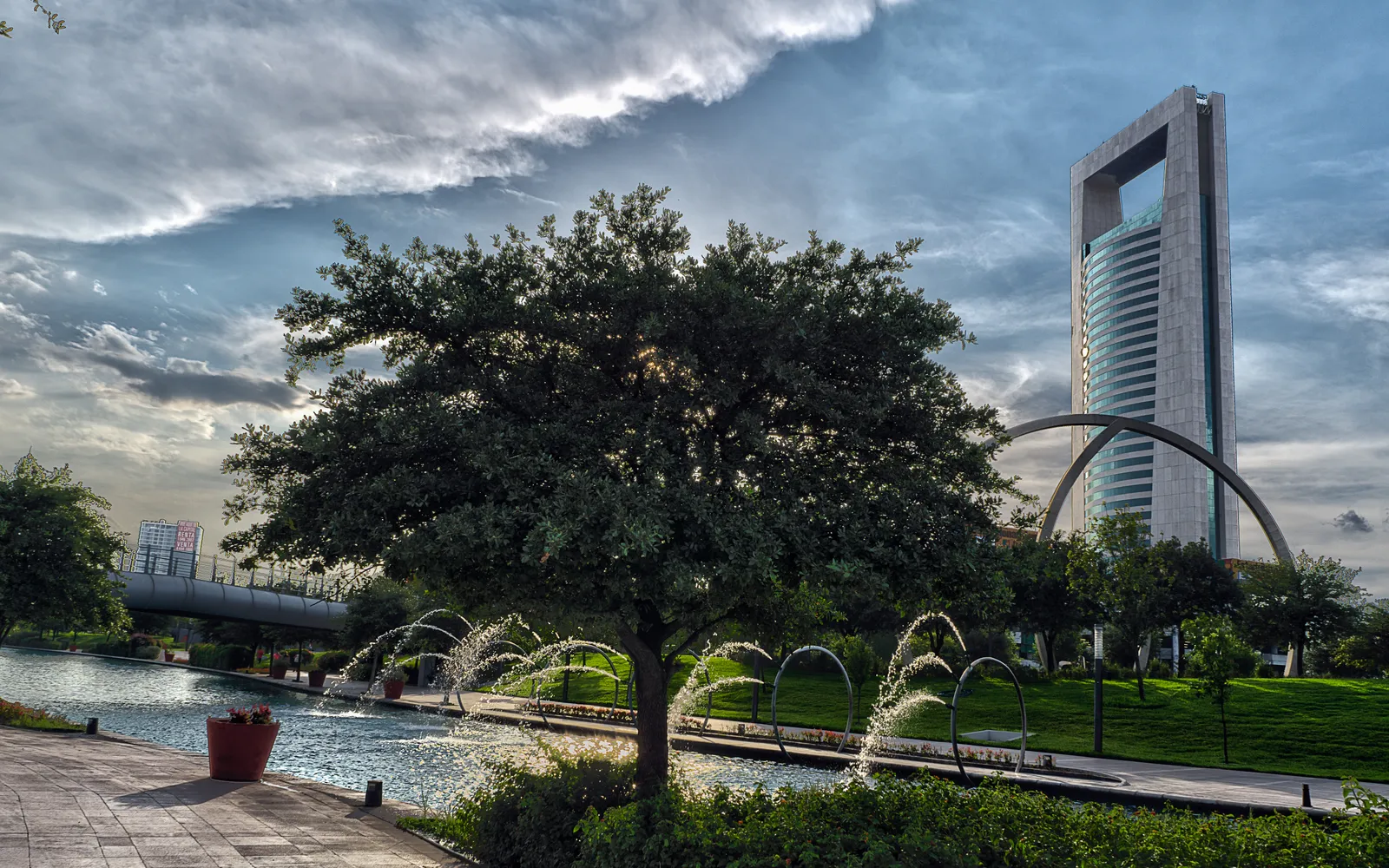
The longest artificial canal in Latin America — 2.5 kilometres, built in 2007 — runs through the city centre linking Macroplaza to Fundidora Park. You can walk the full length or take a short boat ride, passing fountains, public sculptures, and cafés and restaurants on both banks. The design drew inspiration from San Antonio's River Walk, though the result feels distinctly its own.
- The Paseo en Lancha boat ride takes about 25 minutes and gives you a different angle on the city for a modest fare.
- Evening is when it looks best — lights reflecting off the water make it a popular spot for couples and photographers.
- Free Wi-Fi runs the entire length if you need to check maps or post photos.
 #5
#5 Grutas de García
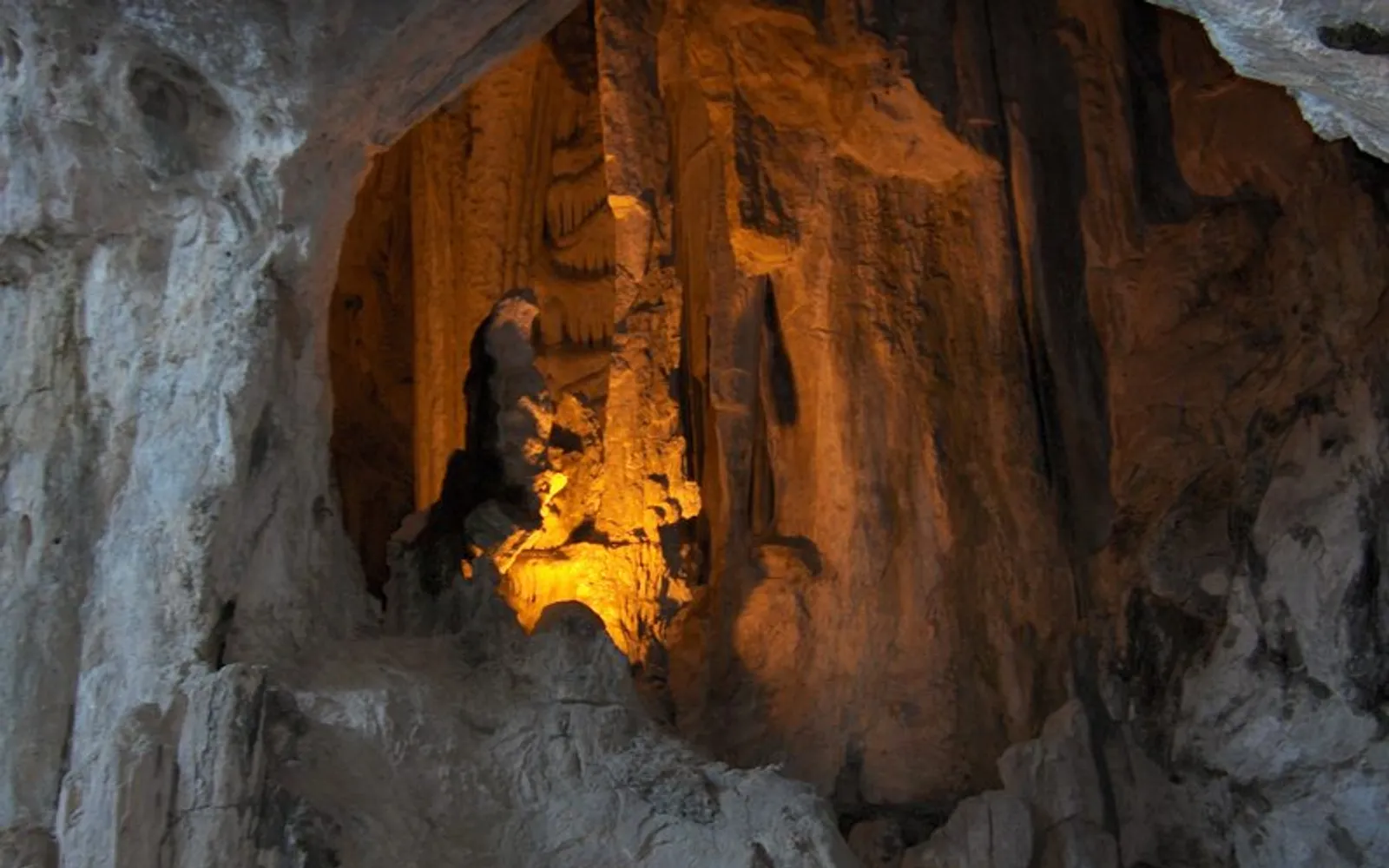
The largest cave system in northeastern Mexico. The caverns formed 50 to 60 million years ago beneath an ancient sea, and marine fossils — shells and snails — are still visible embedded in the walls. Stalactites and stalagmites in unusual shapes line a 2-kilometre walking route through the cave interior. A 5-minute cable car ride up the hillside gets you to the cave entrance, with long views over the mountain range on the way. Inside, the temperature holds at 18°C year-round regardless of how hot it is outside.
- Bring a light jacket even in summer — 18°C inside the cave feels cold after outdoor heat.
- The cable car ride up to the entrance has excellent views; pause to photograph from the car.
- Open 09:00 to 17:00 daily. Book tickets online in advance on holiday weekends.
 #6
#6 MARCO — Museo de Arte Contemporáneo
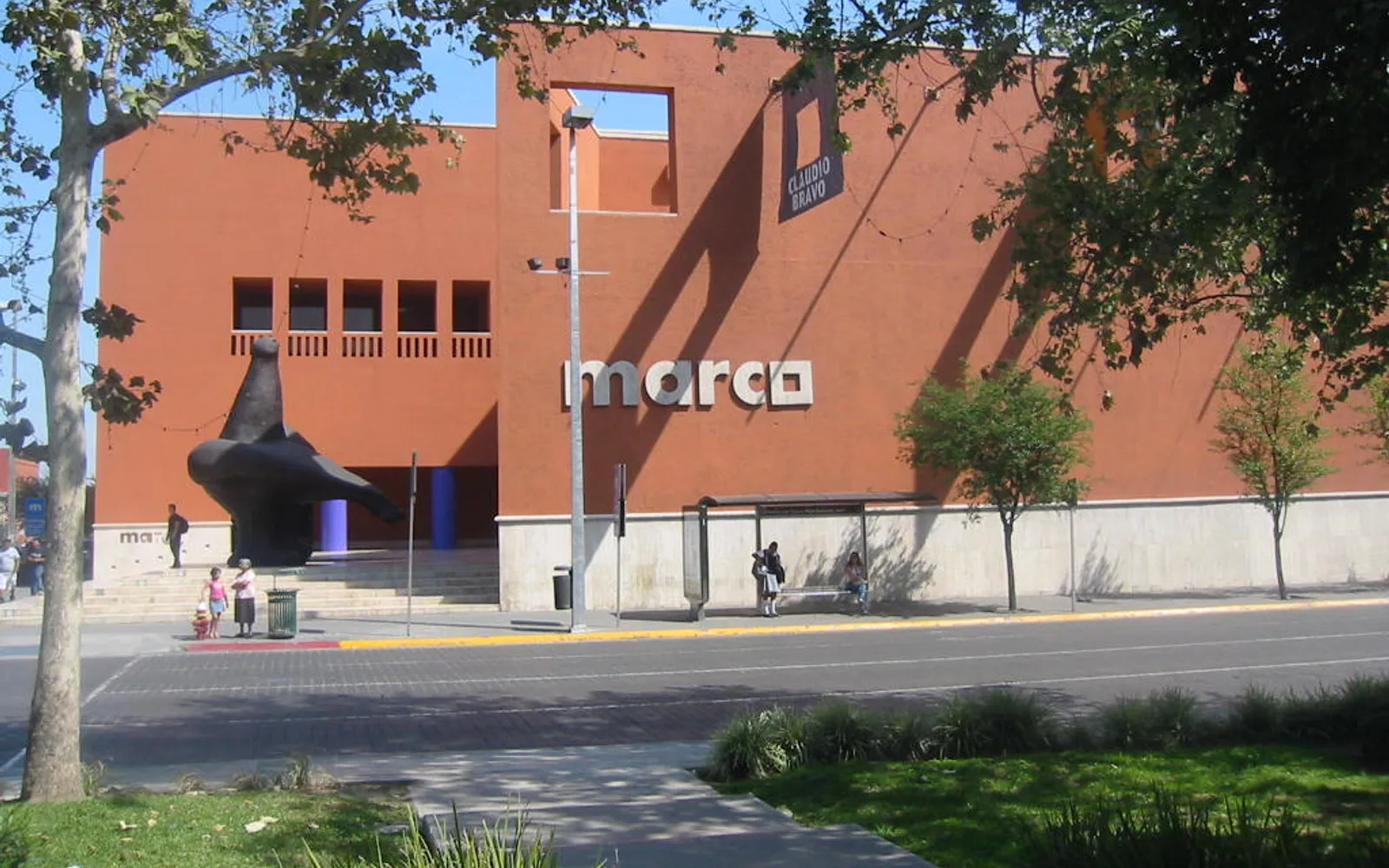
One of Mexico's leading contemporary art museums, designed by architect Ricardo Legorreta and opened in 1991. The geometric volumes in orange and white have become an architectural landmark in their own right. Inside, the permanent and rotating collections focus on Latin American and Mexican contemporary artists. The inner courtyard holds a large red-dove sculpture — a symbol of peace — and the rotating international exhibitions run throughout the year.
- Entry is free on Tuesdays; other days the admission fee is reasonable.
- The inner sculpture courtyard (Patio de las Esculturas) is open for photography at any time.
- The art bookshop stocks quality art books and gifts worth browsing.
 #7
#7 Barrio Antiguo
Monterrey's oldest neighbourhood, where Spanish colonial buildings over 300 years old have been converted into bars, cafés, art galleries, and restaurants. Padre Mier and Morelos streets fill up with locals and visitors every evening. Bold murals cover the alley walls throughout the district. This is the city's most lively concentration of nightlife and street culture.
- Thursday to Saturday nights are the busiest; bars run until 2:00 or 3:00 a.m.
- During the day it's quieter — good for walking the colonial architecture and visiting galleries.
- Keep valuables out of sight after midnight and stick to groups in unfamiliar streets.
 #8
#8 Cola de Caballo Waterfall
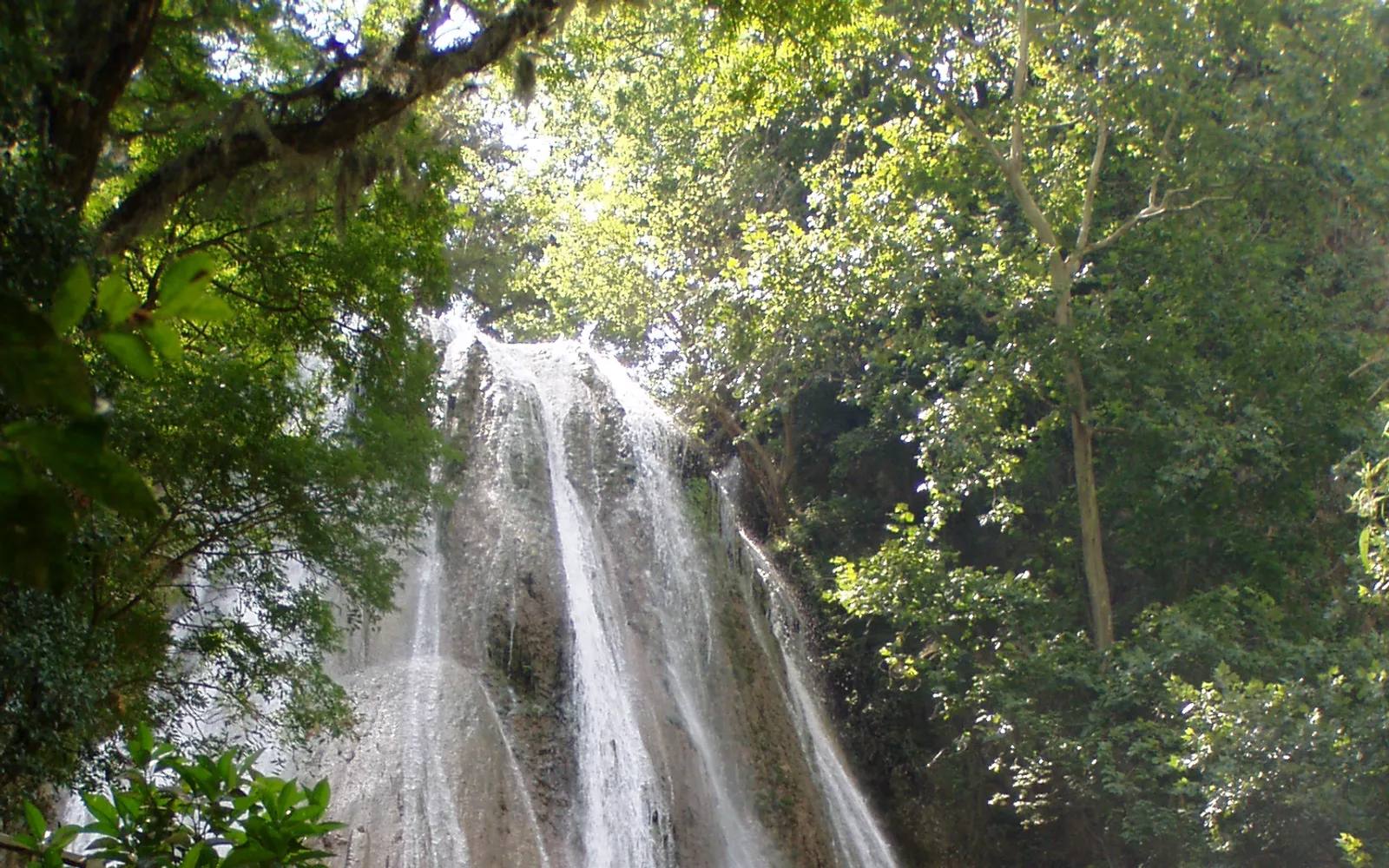
A 25-metre waterfall inside the Cumbres de Monterrey National Park, named for the way its water fans out in a thin sheet — <em>cola de caballo</em> means horse's tail in Spanish. The water drops from a rock face into a clear pool surrounded by dense pine and oak forest. The trail from the car park to the falls is 2 kilometres, suitable for all ages and fitness levels, and the contrast with the dry heat of the city is immediate.
- Leave early to avoid traffic and full car parks on weekends and holidays.
- The trail is easy — fine for children and older adults; allow about 1 hour for the full walk.
- June to September (rainy season) sees the waterfall at its fullest and most photogenic.
Where to stay in Monterrey for this trip
A well-located hotel means less commuting and more sightseeing. Here are real, top-rated stays in Monterrey — compare Agoda · Booking · Trip.com in one click.
JW Marriott Hotel Monterrey Valle
Affiliate links — we may earn a commission at no extra cost to you. Details
Grand Fiesta Americana Monterrey Valle
Affiliate links — we may earn a commission at no extra cost to you. Details
Safi Royal Luxury Metropolitan
Affiliate links — we may earn a commission at no extra cost to you. Details
InterContinental Presidente Monterrey
Affiliate links — we may earn a commission at no extra cost to you. Details
Tours, tickets & activities in Monterrey
Day tours, attraction tickets and travel essentials for Monterrey — book ahead on Klook with mobile e-tickets.
Affiliate links — we may earn a commission at no extra cost to you.
Before You Pack
Monterrey makes a strong case that northern Mexico is more than desert scenery. This is a city where natural scale, industrial history, and a genuinely active street culture meet in the same place. Give it at least 3 days to get past the surface.