Milan is not just luxury brands and Fashion Week. Behind the business-city facade sits a cathedral that took 600 years to build, a Leonardo da Vinci fresco that reshaped the history of art, and an old canal district that has reinvented itself as the city's best bar-hopping strip after dark. Once you arrive, don't spend every hour in the boutiques — there is far more to this city than that.
 #1
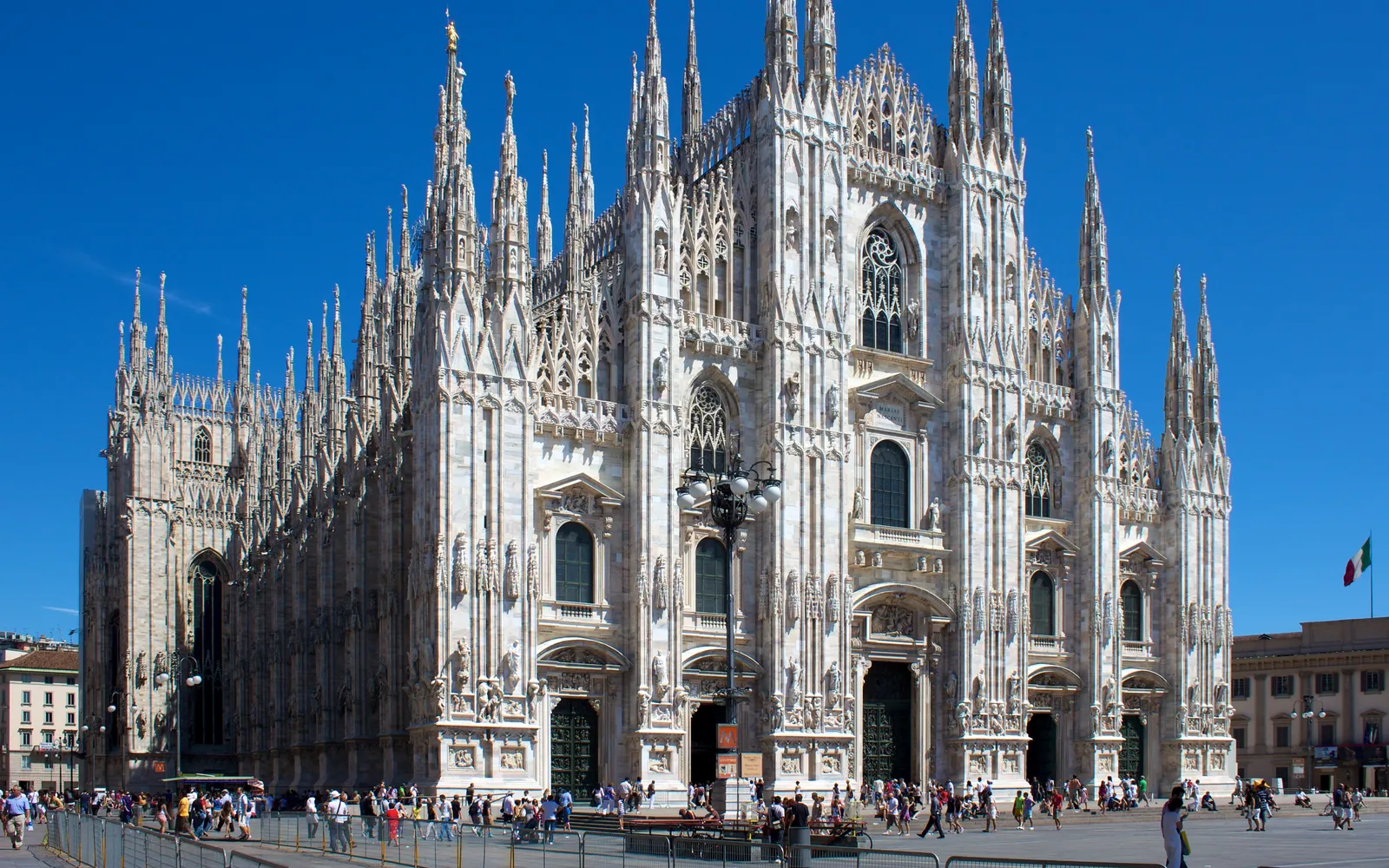
#1 Milan Cathedral (Duomo di Milano)
The largest Gothic cathedral in the world, built over <strong>600 years</strong> — construction began in <strong>1386</strong> and finished under Napoleon. More than <strong>135 spires</strong> and <strong>3,400 marble statues</strong> cover the exterior in extraordinary detail. The rooftop terrace is open for panoramic views of Milan, with the Alps visible on a clear day. It is the defining symbol of northern Italy.
- Book tickets online in advance, especially in high season. The cathedral-plus-rooftop combo costs roughly €15–20 and saves significant queue time.
- Take the stairs to the rooftop instead of the lift if you want to get close to the spires and photograph the marble statues in detail.
- Entry to the interior is free but modest dress is required — no bare shoulders or knees. Bring a cover-up.
 #2
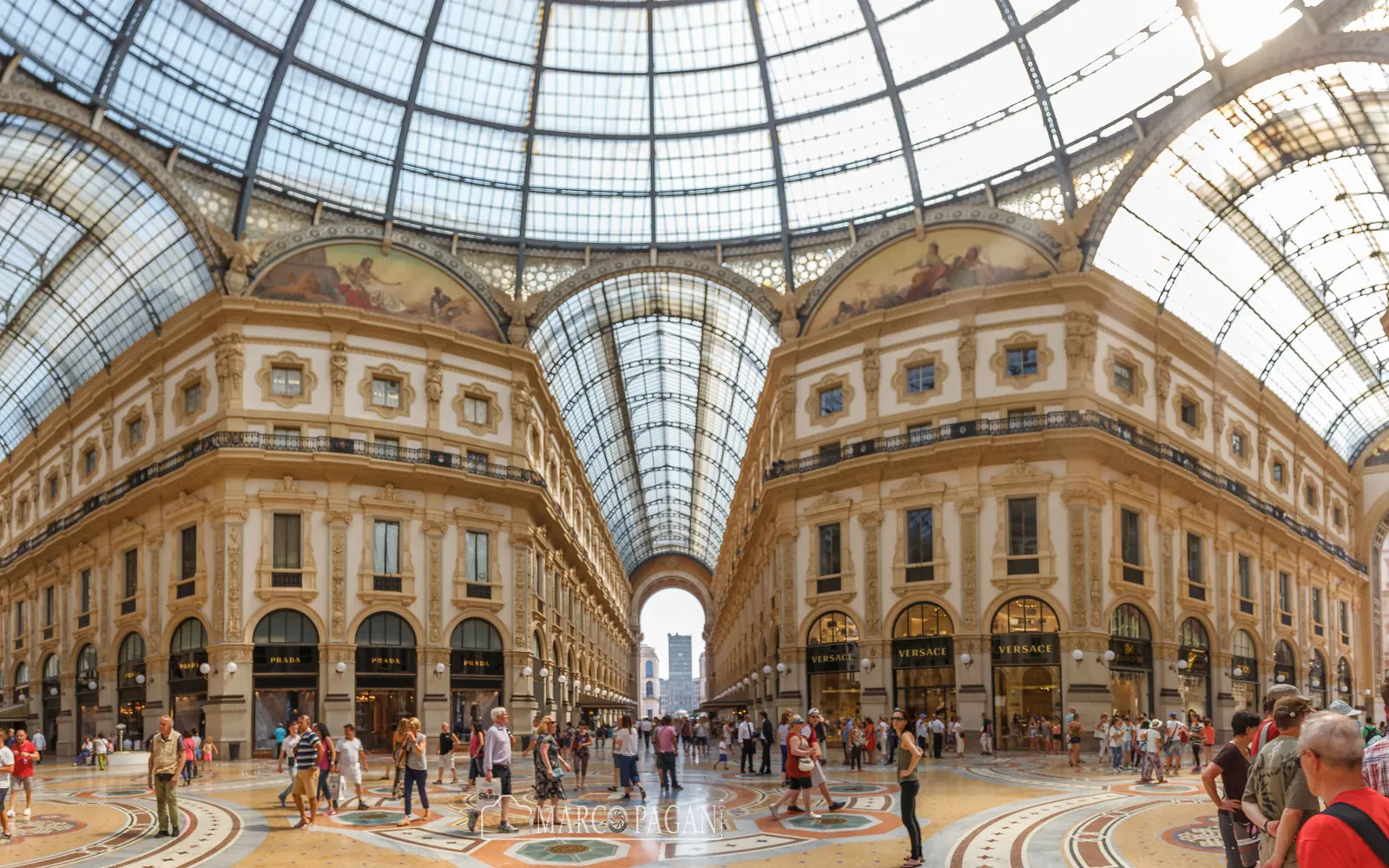
#2 Galleria Vittorio Emanuele II
The most beautiful glass-roofed arcade in the world, completed in <strong>1877</strong>. It serves as both a covered passage linking the Duomo to Teatro alla Scala and as a symbol of Italian prosperity after unification. The central octagonal glass dome and the intricate mosaic floor survive in excellent condition. Inside you will find flagship luxury stores, <strong>Caffè Campari</strong> — open since <strong>1867</strong> — and the handsome Rizzoli bookshop.
- Step on the mosaic bull in the centre of the Galleria and spin three times on your heel — an old tradition believed to bring good luck, though you may need to wait your turn during busy periods.
- Coffee at Caffè Campari costs 2–3 times the city average, but the <strong>150-plus years</strong> of atmosphere makes it worth it at least once.
- Between 6 pm and 8 pm the Galleria lights up beautifully — a good time for photos and an evening stroll.
 #3
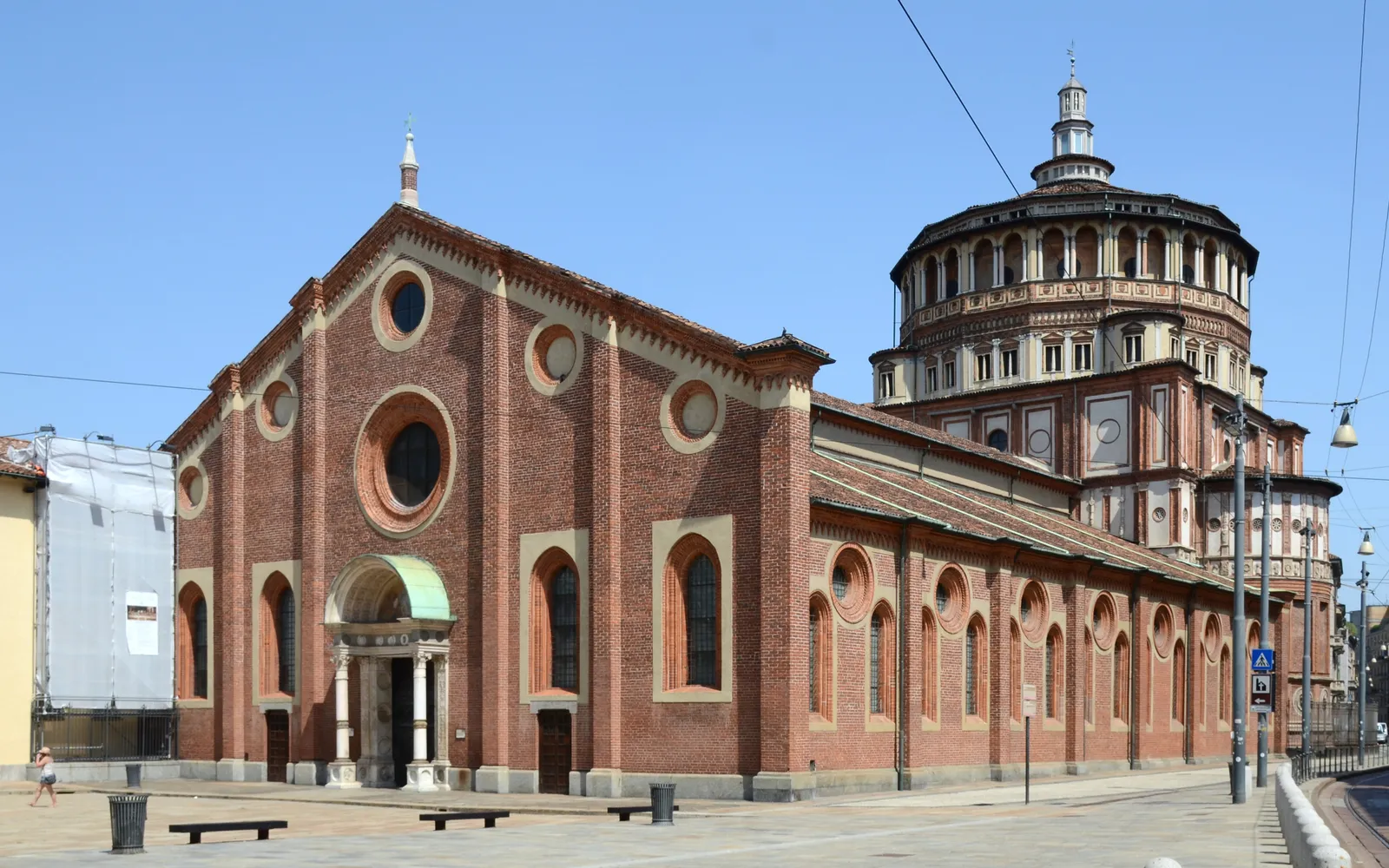
#3 The Last Supper (Cenacolo Vinciano)
Leonardo da Vinci painted <em>The Last Supper</em> between <strong>1495 and 1498</strong> on the refectory wall of the adjoining convent. It is widely considered one of the most influential works of art in human history. The mural measures <strong>4.6 × 8.8 metres</strong> and depicts the moment Christ announces that one of the twelve apostles will betray him. The range of emotion across the twelve figures still stops viewers cold every time.
- Online advance booking is absolutely essential. Tickets sell out weeks ahead in high season at roughly €15. There is no walk-in access.
- Viewing groups are capped at <strong>30 people</strong> for <strong>15 minutes only</strong> — make those minutes count by reading up on the figures and their expressions beforehand.
- The church of Santa Maria delle Grazie itself is a UNESCO World Heritage Site and worth examining closely before you leave.
 #4
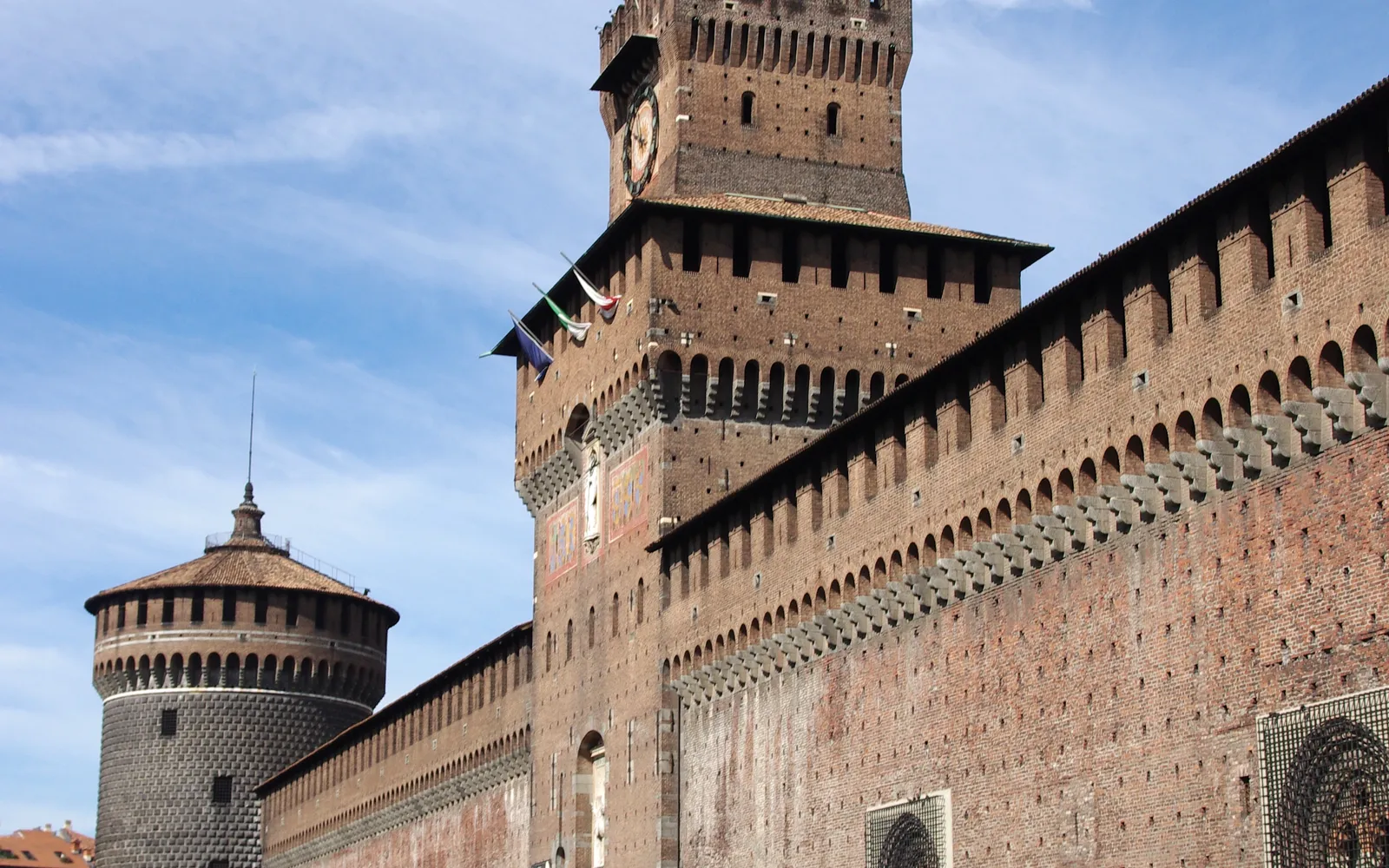
#4 Sforza Castle
A vast red-brick fortress that has stood in the heart of Milan since the <strong>15th century</strong>, serving as both residence and military headquarters for the powerful Sforza family who ruled the city. Today the castle houses several museums, including an art museum holding Michelangelo's final sculpture. Behind the castle lies <strong>Parco Sempione</strong>, one of Milan's most pleasant green spaces.
- The Parco Sempione gardens and the castle courtyard are free to enter. Museum admission inside costs around <strong>€5</strong> — very good value for Michelangelo's last work alone.
- <em>Pietà Rondanini</em>, the sculpture Michelangelo was still working on the day he died, is displayed in the innermost museum wing. It is an emotionally powerful piece unlike anything else in the city.
- Weekends draw large crowds — a weekday visit is noticeably calmer.
 #5
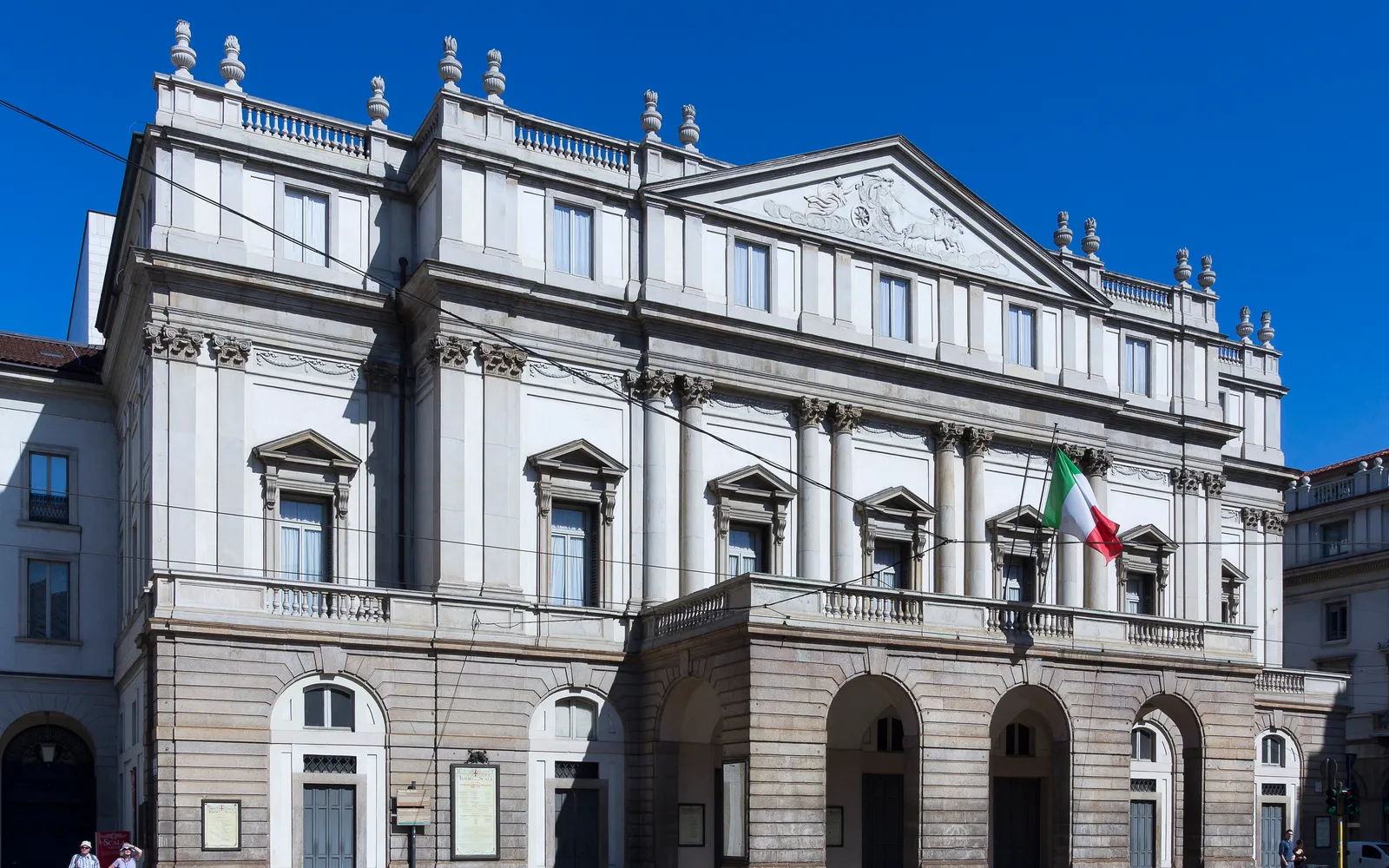
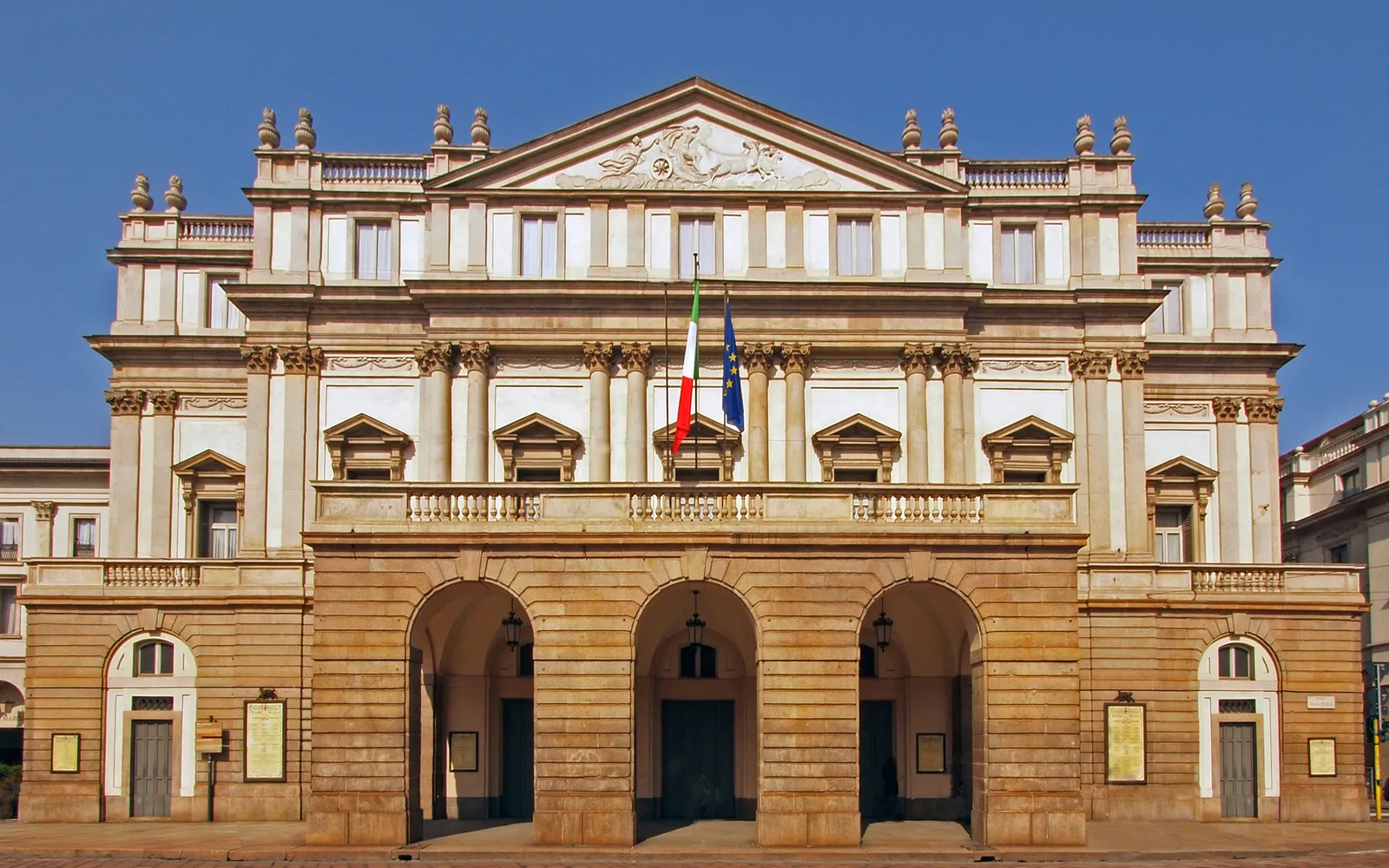
#5 Teatro alla Scala
The greatest opera house in the world, open since <strong>1778</strong> during the golden age of Italian opera. Verdi, Puccini, and Bellini all gave their works their world premieres on this stage. The gilded auditorium and the celebrated six-tier gallery remain unchanged from the original design. The museum inside the building displays costumes and personal effects from the legends of opera.
- Opera tickets during the main season (<strong>December–June</strong>) sell out months ahead; prices range from <strong>€15 to €250</strong> depending on seat location.
- The <strong>Museo Teatrale alla Scala</strong> is open every day 9:00 am–5:30 pm at <strong>€9</strong> — ideal if you are not seeing a performance but want to absorb the history.
- To visit the auditorium itself, time your visit around rehearsal schedules — ask museum staff which days allow access.
 #6
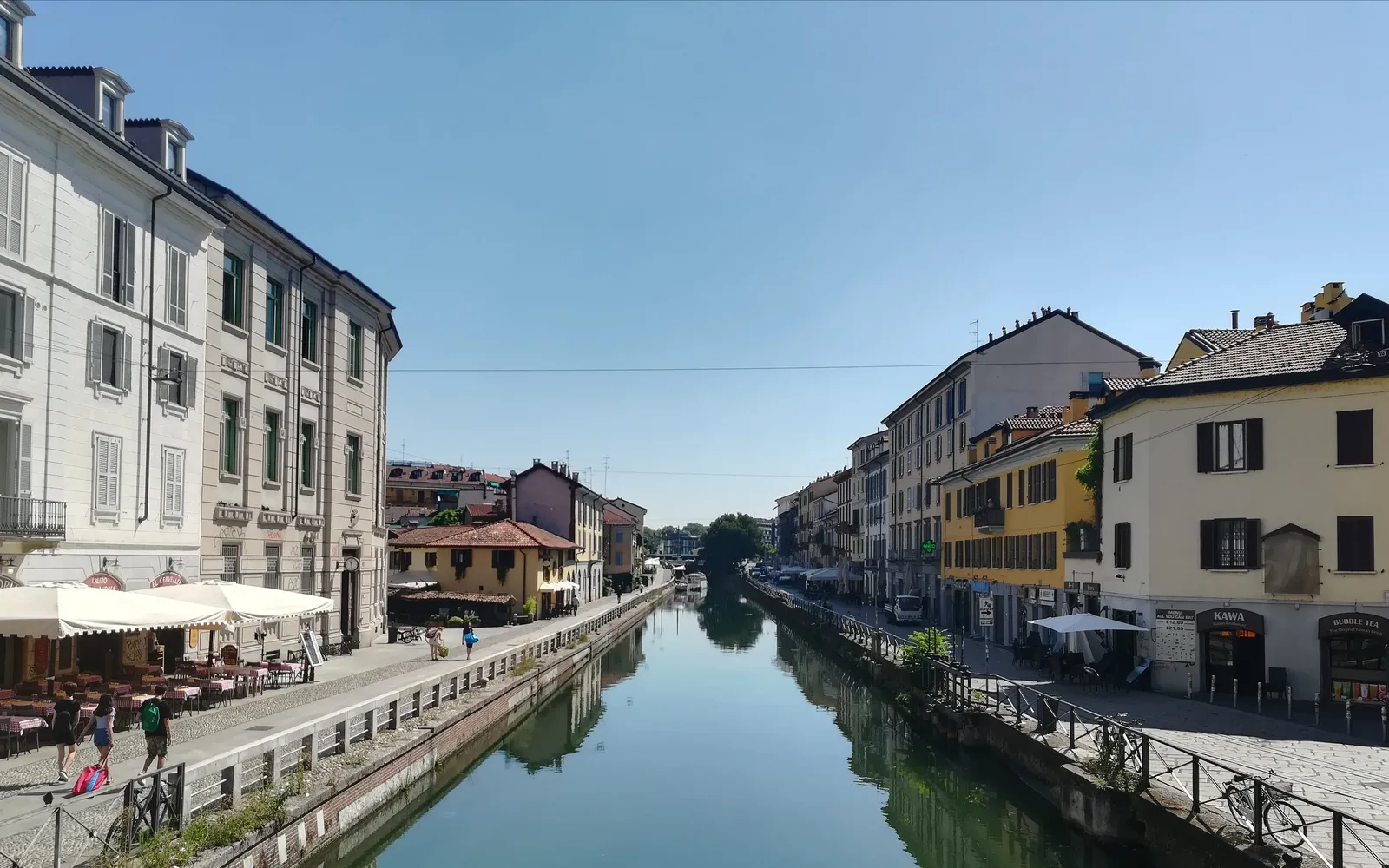
#6 Navigli District
A network of old canals that Leonardo da Vinci helped design in the <strong>15th century</strong>, now Milan's most vibrant lifestyle district. The canal banks are lined with restaurants, bars, art galleries, and vintage shops. Between <strong>6 pm and 9 pm</strong>, Milanese Aperitivo Hour kicks in: order one cocktail and help yourself to the free snack spread that bars lay out as standard practice. The atmosphere is relaxed and completely different from the city centre.
- Aperitivo works like this: pay <strong>€8–12</strong> for a cocktail and the buffet of nibbles is included — genuine value and a real local custom.
- A Sunday street market along the canal runs monthly, with vintage goods and craft items worth browsing. Check the schedule before you go.
- Do not arrive before 3 pm — most places open in the evening and the neighbourhood is at its best after 7 pm.
Where to stay in Milan for this trip
A well-located hotel means less commuting and more sightseeing. Here are real, top-rated stays in Milan — compare Agoda · Booking · Trip.com in one click.
Ostello Bello Grande
Affiliate links — we may earn a commission at no extra cost to you. Details
Excelsior Hotel Gallia, a Luxury Collection Hotel, Milan
Affiliate links — we may earn a commission at no extra cost to you. Details
Hotel Berna
Affiliate links — we may earn a commission at no extra cost to you. Details
NYX Hotel Milan by Leonardo Hotels
Affiliate links — we may earn a commission at no extra cost to you. Details
Tours, tickets & activities in Milan
Day tours, attraction tickets and travel essentials for Milan — book ahead on Klook with mobile e-tickets.
Affiliate links — we may earn a commission at no extra cost to you.
Before You Pack
Milan works well year-round, but spring (March–May) and autumn (September–November) offer the most pleasant weather. Watch out for Milano Fashion Week (February and September) — hotels fill up fast and prices climb. Plan for 3–4 days to cover all the highlights without feeling rushed.