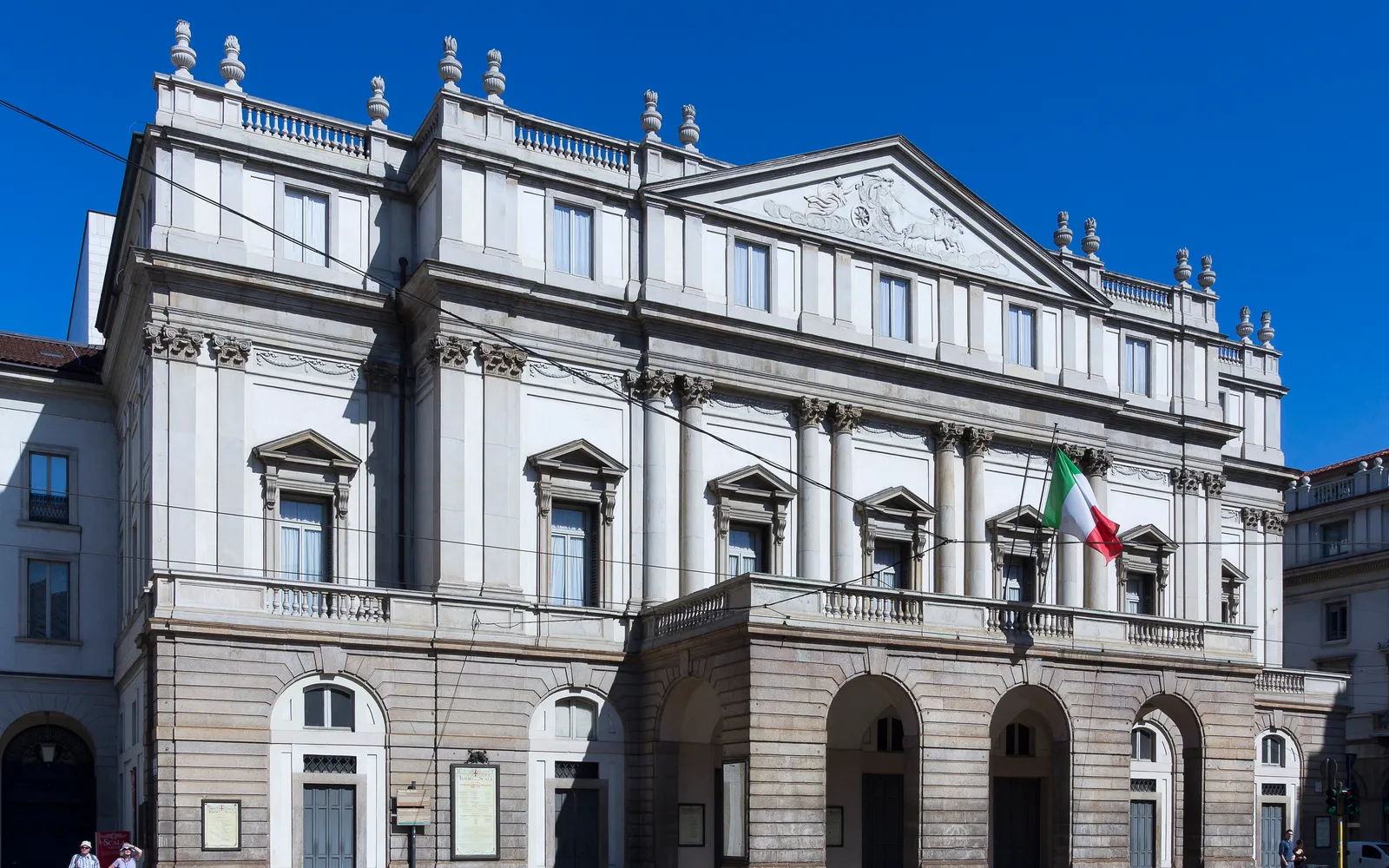
Milanese and Lombard cooking is nothing like the sharp, acidic flavors of southern Italy. It leans instead on butter, bone marrow, and Parmesan — rich, deep, and warming. Milan winters are cold and foggy, and this food is the logical answer. Skip the pizza when you arrive: Milan is not a pizza city. Order the local classics instead and you will not be disappointed.
 #1
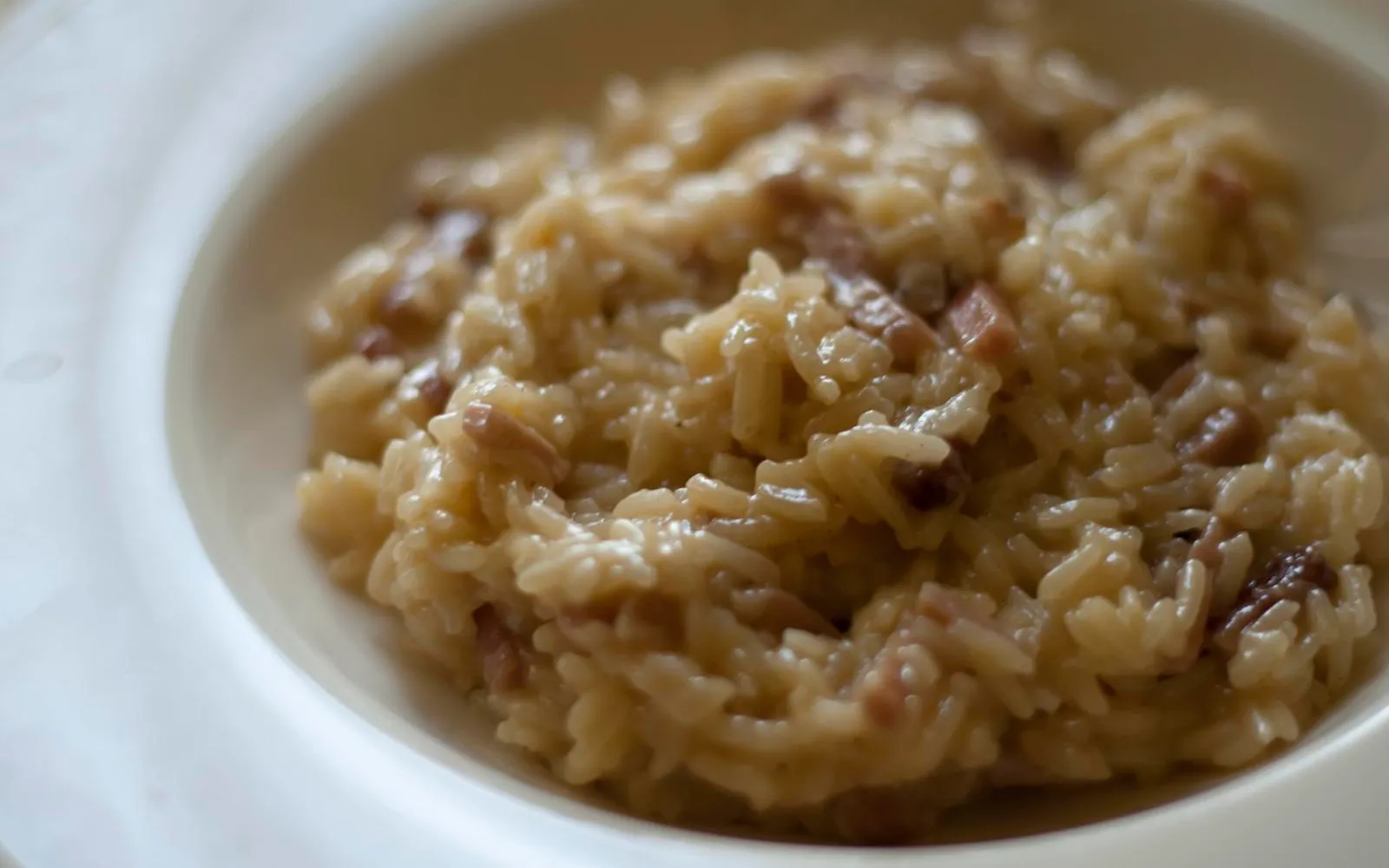
#1 Risotto alla Milanese
Milan's signature dish traces its origin to 1574. Legend has it that a glassworker decorating the Duomo's windows added saffron to rice as a joke on the cook — and accidentally created a recipe the world has been replicating ever since. Arborio rice is ladled slowly in beef broth until it turns silky and creamy, then finished with saffron, cold butter, and a generous hand with Parmesan. That deep golden color is something no other recipe can replicate.
- Good risotto should be served all'onda — flowing like a wave when you tilt the plate, never stiff. A solid, clumped risotto was made ahead and reheated.
- It is classically paired with Ossobuco as a single meal — the definitive Lombard combination.
- Order it as a primo (first course), as Italian tradition dictates — not as a side dish. The portion is sized for one course.
 #2
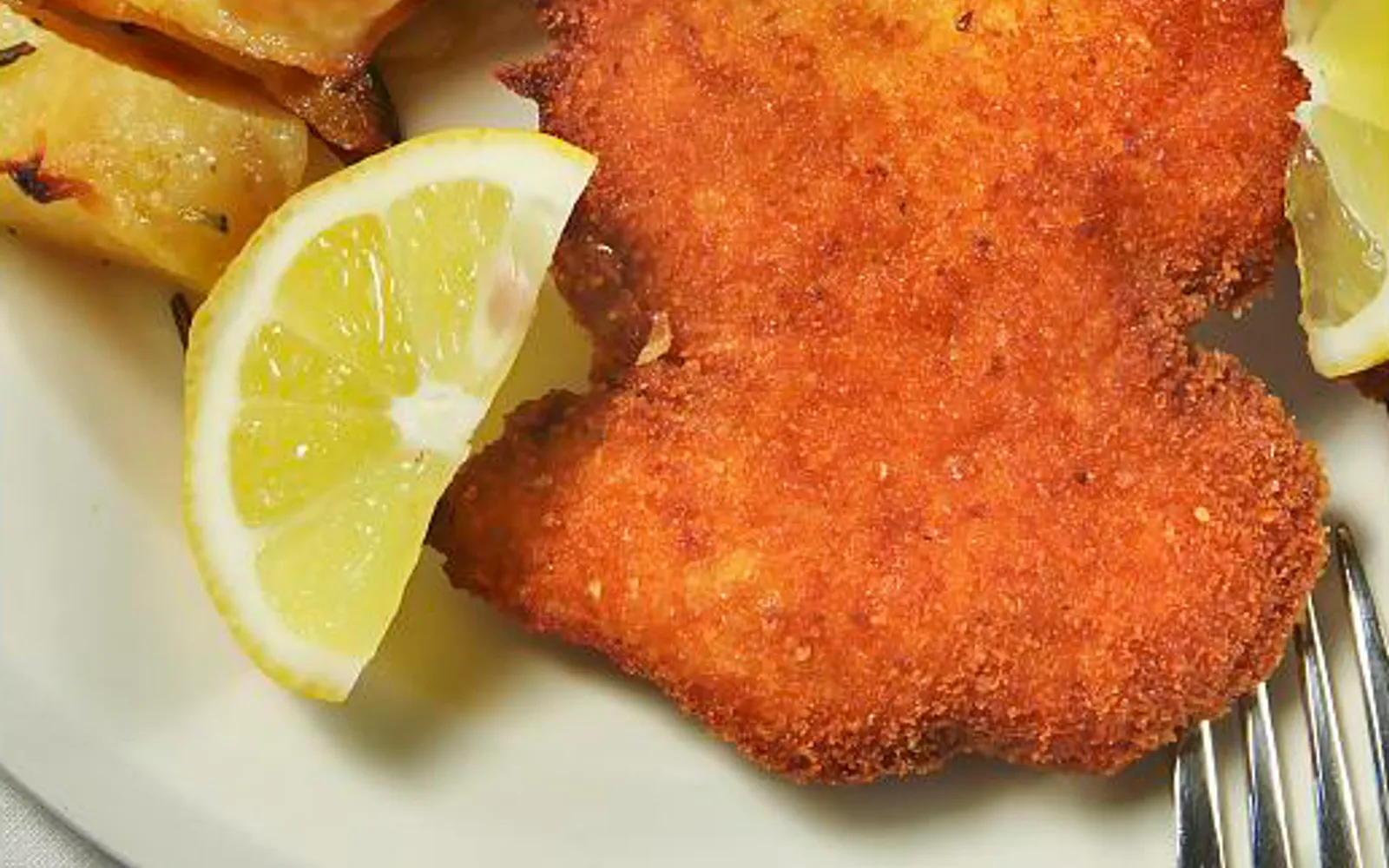
#2 Cotoletta alla Milanese
This is the original, distinct from the Austrian Wiener Schnitzel despite the visual resemblance. The Milanese version uses bone-in veal (alla monachina), dipped in egg and fresh breadcrumbs, then fried in butter until thick, golden, and butter-soaked. A standard portion overhangs the plate — a deliberate symbol of Milanese generosity. Nutritionists may wince, but the flavor is impossible to forget.
- The real thing is made from bone-in veal (vitello). If a restaurant uses pork or chicken, the price drops — and it is no longer the original.
- Squeeze fresh lemon over it before every bite. The acidity cuts the butter richness and lifts the flavor considerably.
- This dish is heavy. Order it as your only main (secondo) and skip the risotto primo unless you are very hungry.
 #3
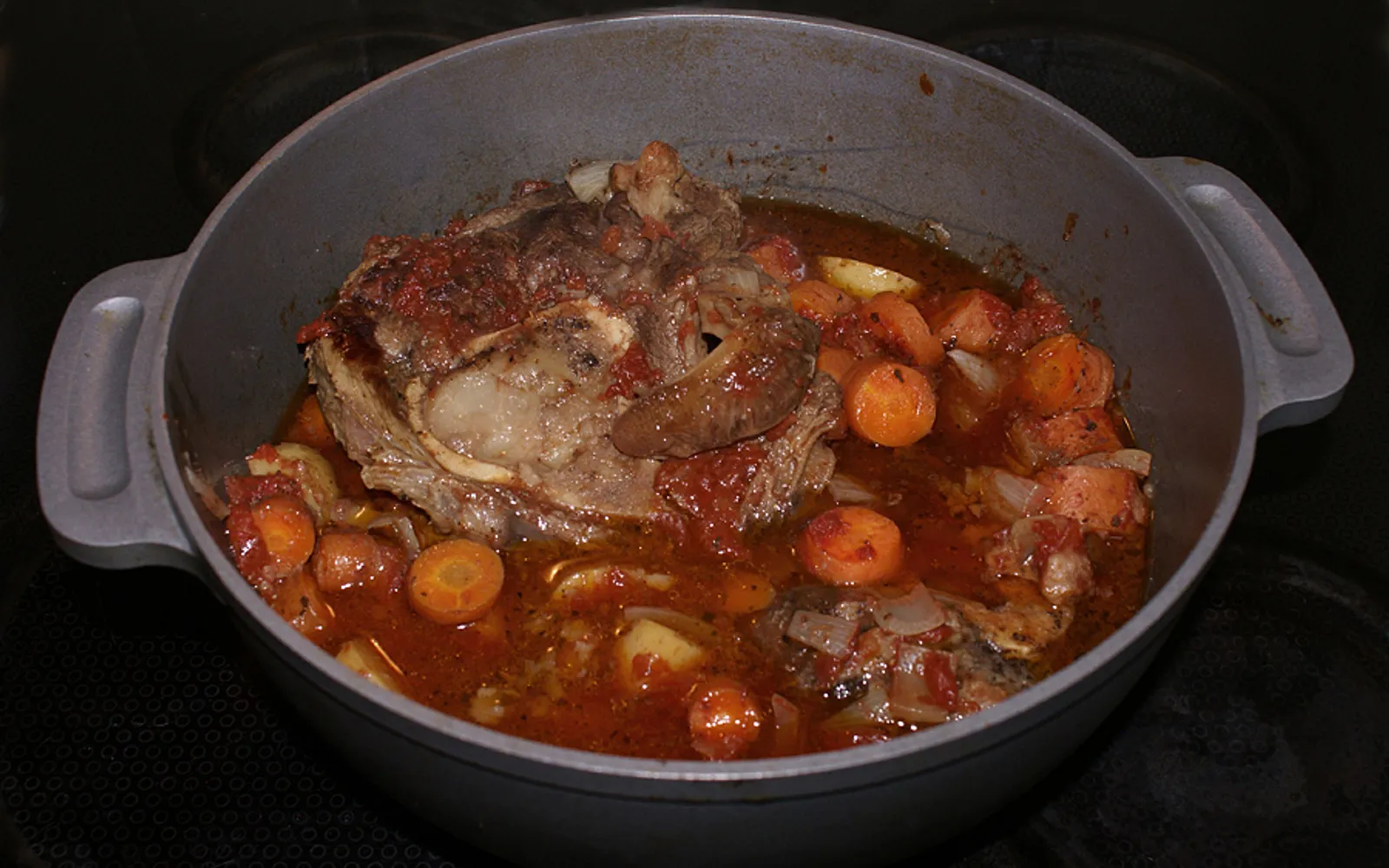
#3 Ossobuco
The name means hollow bone, and that is exactly what makes it: the marrow inside the veal leg bone is the heart of the dish. The shank is slow-braised in white wine, beef broth, tomatoes, onion, carrot, and celery until the meat falls away from the bone. It arrives with gremolata — lemon zest, garlic, and flat-leaf parsley — stirred in just before serving for a hit of fresh fragrance. It almost always comes alongside saffron risotto, forming Milan's most iconic duo.
- Use a small spoon to scoop the marrow out of the bone cavity. Milanese diners consider this the best part of the plate — rich, silky, and completely without any off flavor.
- Order it as your secondo alongside Risotto alla Milanese for a complete, authentic Lombard meal.
- November through March is peak Ossobuco season. Cold weather makes a steaming braised pot taste like exactly what it is.
 #4
#4 Panettone
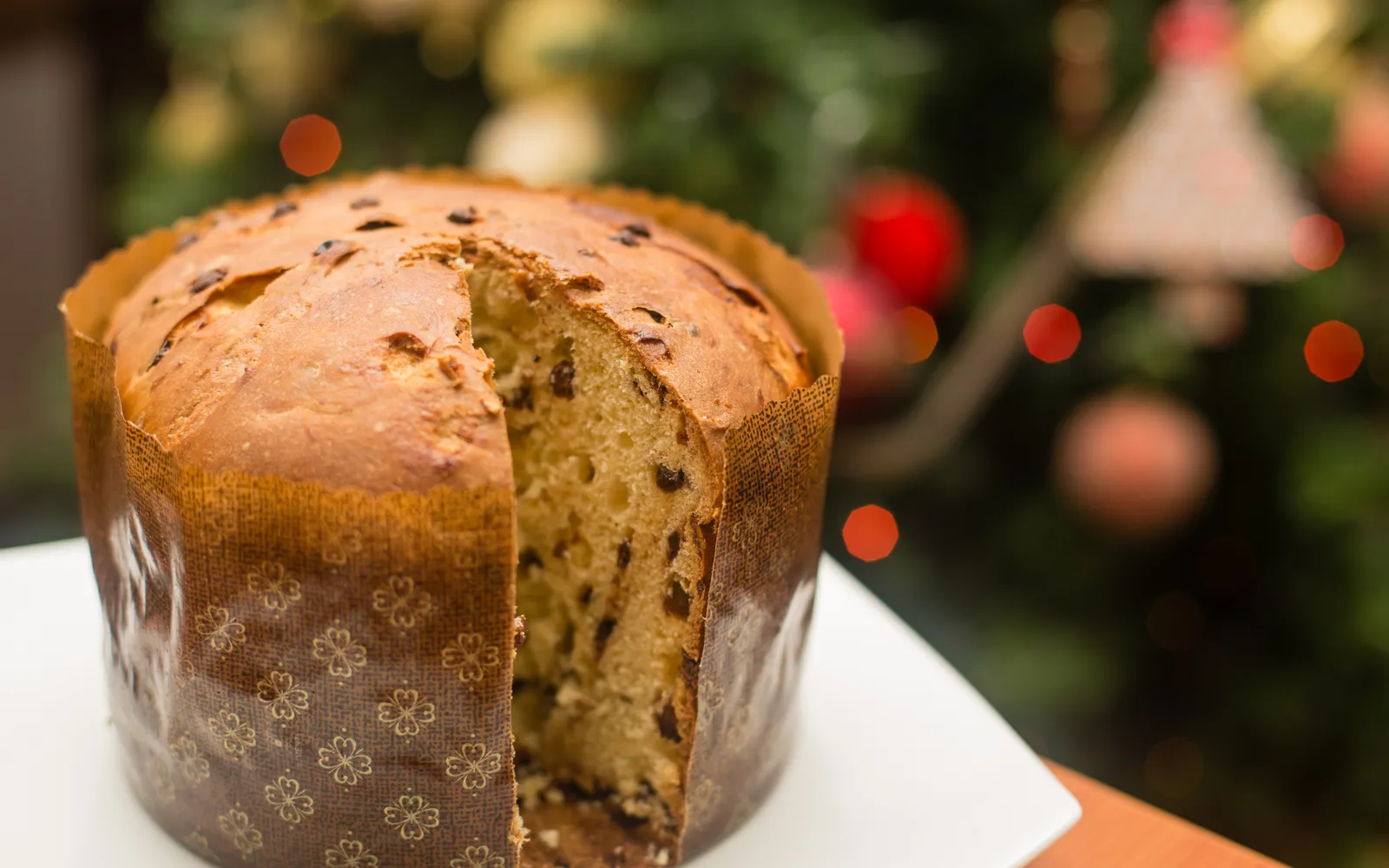
A leavened, pillow-light sweet bread that has been Milan's Christmas symbol since the Middle Ages. Legend attributes it to a 15th-century chef at the Sforza court. The dough ferments over several days before raisins, candied orange peel, and sugared citron are folded in, then the loaf rises high in its distinctive cylindrical mould. It sells year-round in Milan, but the Christmas window — when every shop competes to produce its freshest, finest recipe — is when you want to try it.
- Artisan panettone from an old pasticceria is in a different league from the industrial brands in the supermarket. Try a long-established shop in Brera or Porta Venezia.
- Serve it with mascarpone cream or zabaione (a warm sweet wine sauce) — the Milanese way on Christmas Day.
- A good panettone in its gift box makes an excellent souvenir: light, beautifully packaged, and a genuine piece of Milanese food culture.
 #5
#5 Cassoeula
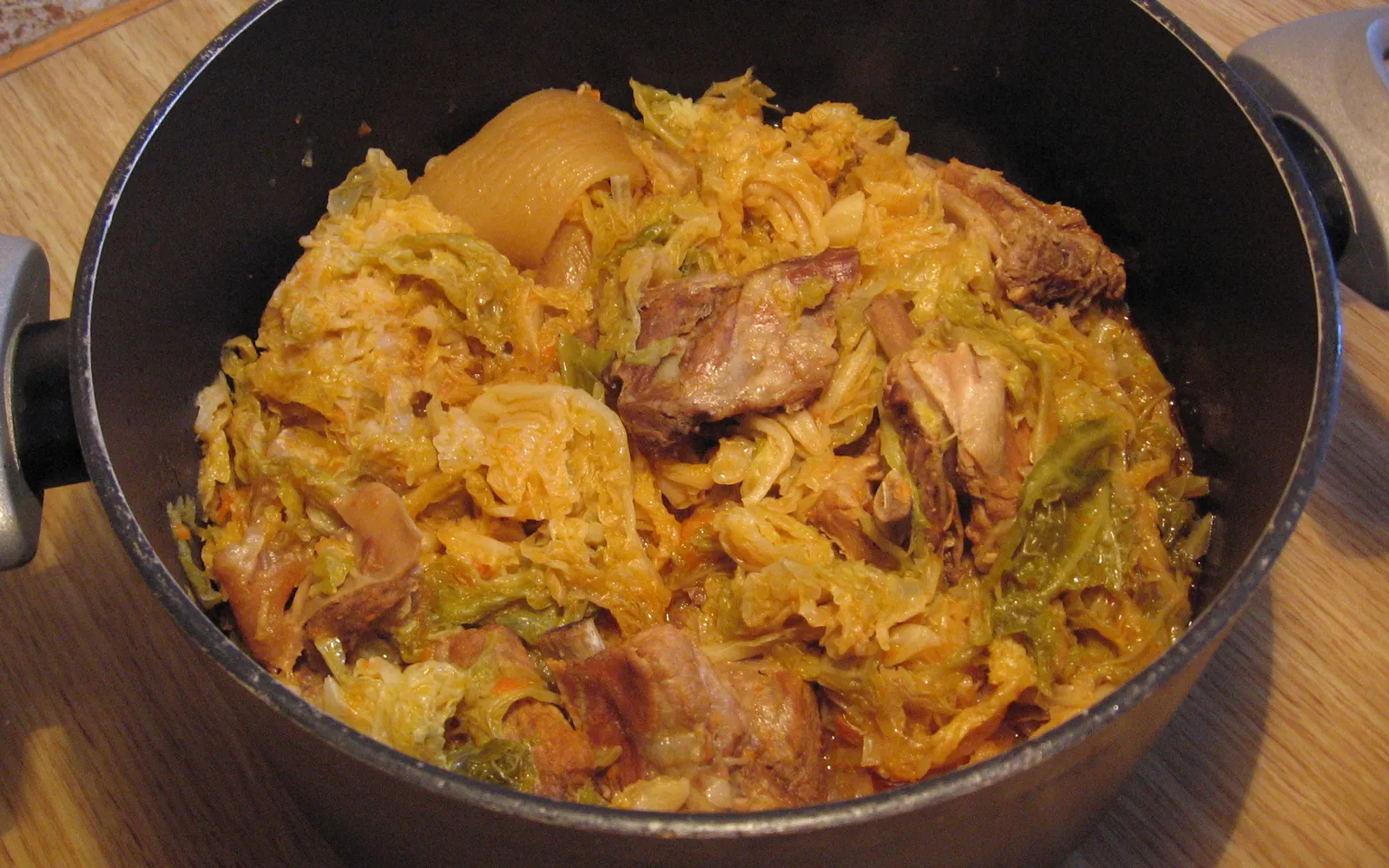
The most honest and unadorned winter dish in the Lombard repertoire. It uses the overlooked cuts of the pig — ears, trotters, ribs, and offal — slow-cooked with white savoy cabbage in white wine until everything collapses into a thick, concentrated stew. It arrives on a bed of soft yellow polenta. Cassoeula is what Lombard farmers made in the cold months when the temperature dropped enough to slaughter a pig. Several modern Milanese chefs still cook it with pride.
- It is primarily a winter dish (November through March). Outside that window, many restaurants drop it from the menu.
- Polenta is essential — it is not optional. Ask for an extra portion to soak up the rich braising liquid.
- Not suitable for anyone unfamiliar with offal. Ask the restaurant how much offal is in the day's version before ordering.
 #6
#6 Aperitivo Milanese
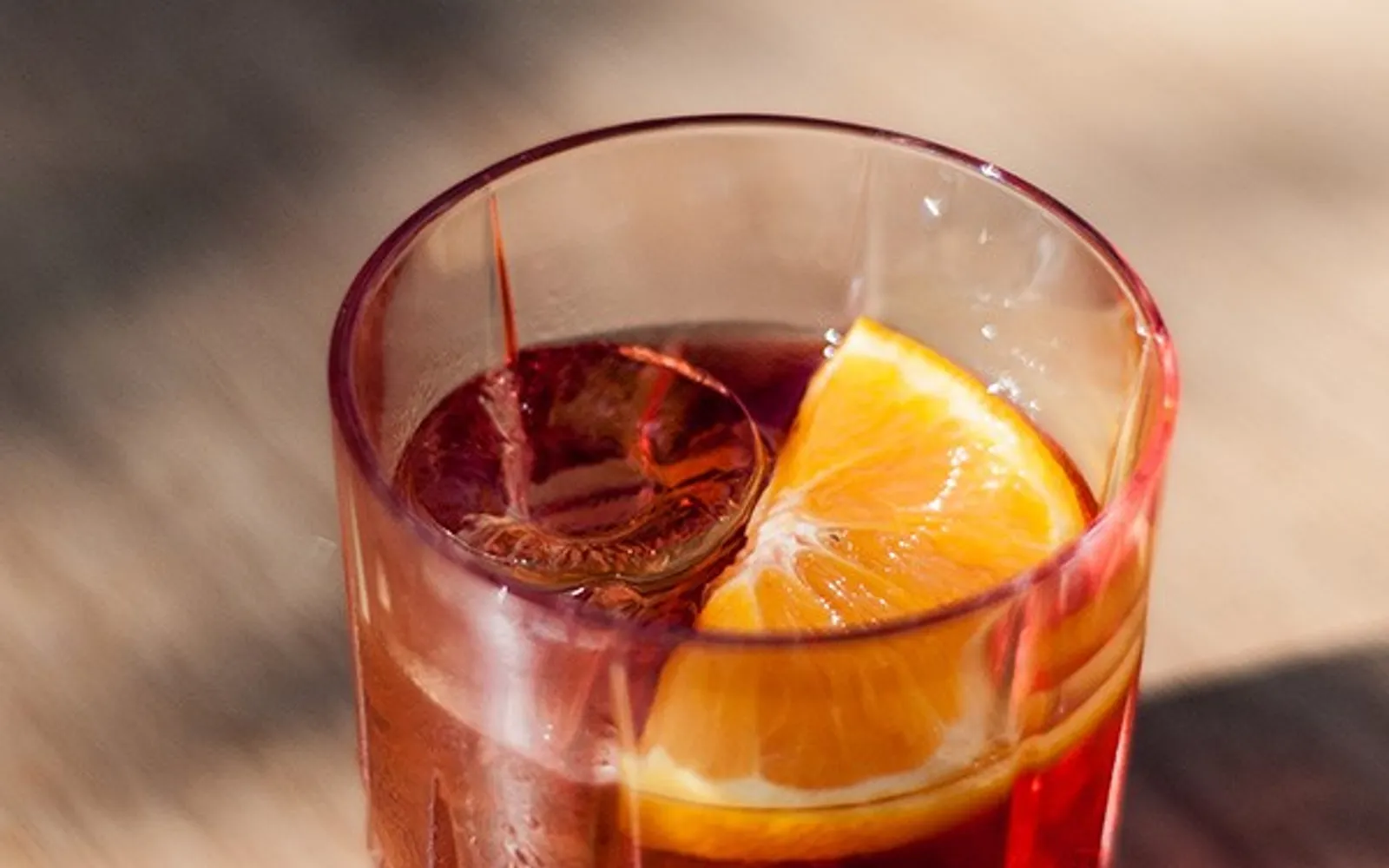
No other Italian city does this quite like Milan. Between 18:00 and 21:00, bars across the city set out a free buffet of snacks for anyone who orders a single drink — typically priced at 8–12 euros. The spread ranges from olives, cheese, and salami to bruschetta, and in the better bars, pasta and risotto. The two most popular drinks are Aperol Spritz and the Negroni, both Italian inventions. The tradition goes back to the industrial era, when factory workers needed a way to decompress after a shift.
- The more ordinary the bar looks and the more locals inside, the better and more varied the snacks. Avoid bars positioned right outside major tourist sights.
- The Negroni is intensely bitter — not for everyone. If you are unsure, start with an Aperol Spritz: sweeter and more approachable.
- If the snack spread is generous enough, aperitivo can replace dinner entirely — good for the budget and genuinely the best way to experience local culture.
Where to stay in Milan for this trip
A well-located hotel means less commuting and more sightseeing. Here are real, top-rated stays in Milan — compare Agoda · Booking · Trip.com in one click.
Ostello Bello Grande
Affiliate links — we may earn a commission at no extra cost to you. Details
Excelsior Hotel Gallia, a Luxury Collection Hotel, Milan
Affiliate links — we may earn a commission at no extra cost to you. Details
Hotel Berna
Affiliate links — we may earn a commission at no extra cost to you. Details
NYX Hotel Milan by Leonardo Hotels
Affiliate links — we may earn a commission at no extra cost to you. Details
Tours, tickets & activities in Milan
Day tours, attraction tickets and travel essentials for Milan — book ahead on Klook with mobile e-tickets.
Affiliate links — we may earn a commission at no extra cost to you.
Before You Pack
The best Milanese food almost always comes from old trattorias with a seasonal menu. If a kitchen still does risotto alla mantecatura — stirring cold butter in vigorously until it turns genuinely creamy rather than just serving watery rice — that is the sign the owner still cares about the tradition.