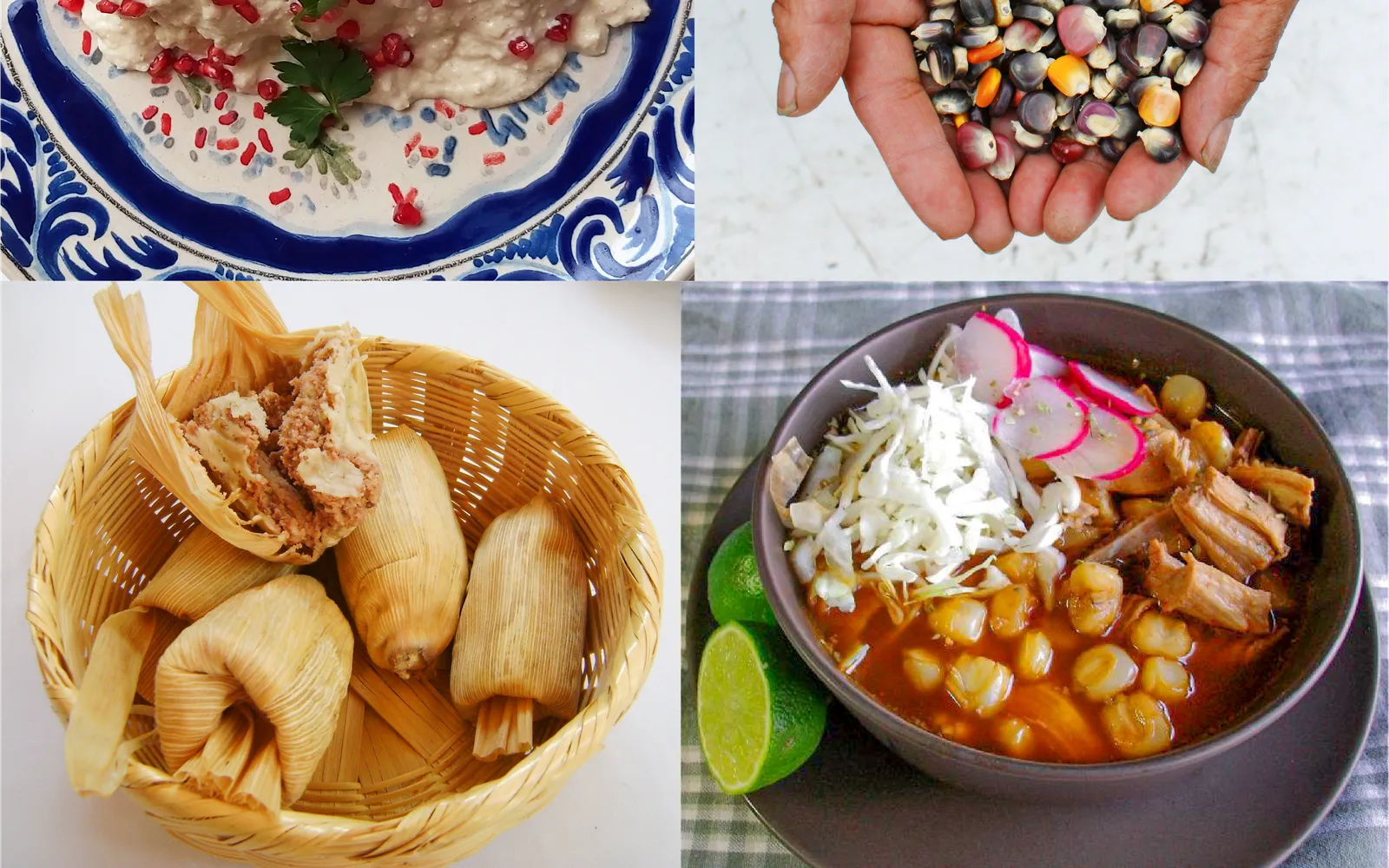
In Mexico City, food is culture — not merely sustenance. Mexican food was inscribed on UNESCO's Intangible Cultural Heritage list in 2010, a recognition of its roots in Aztec civilisation layered with Spanish, African, and Middle Eastern influence. From taco stands open until 3 a.m. to fine-dining restaurants on the World's 50 Best list, the city covers every level.
 #1
#1 Taco al Pastor
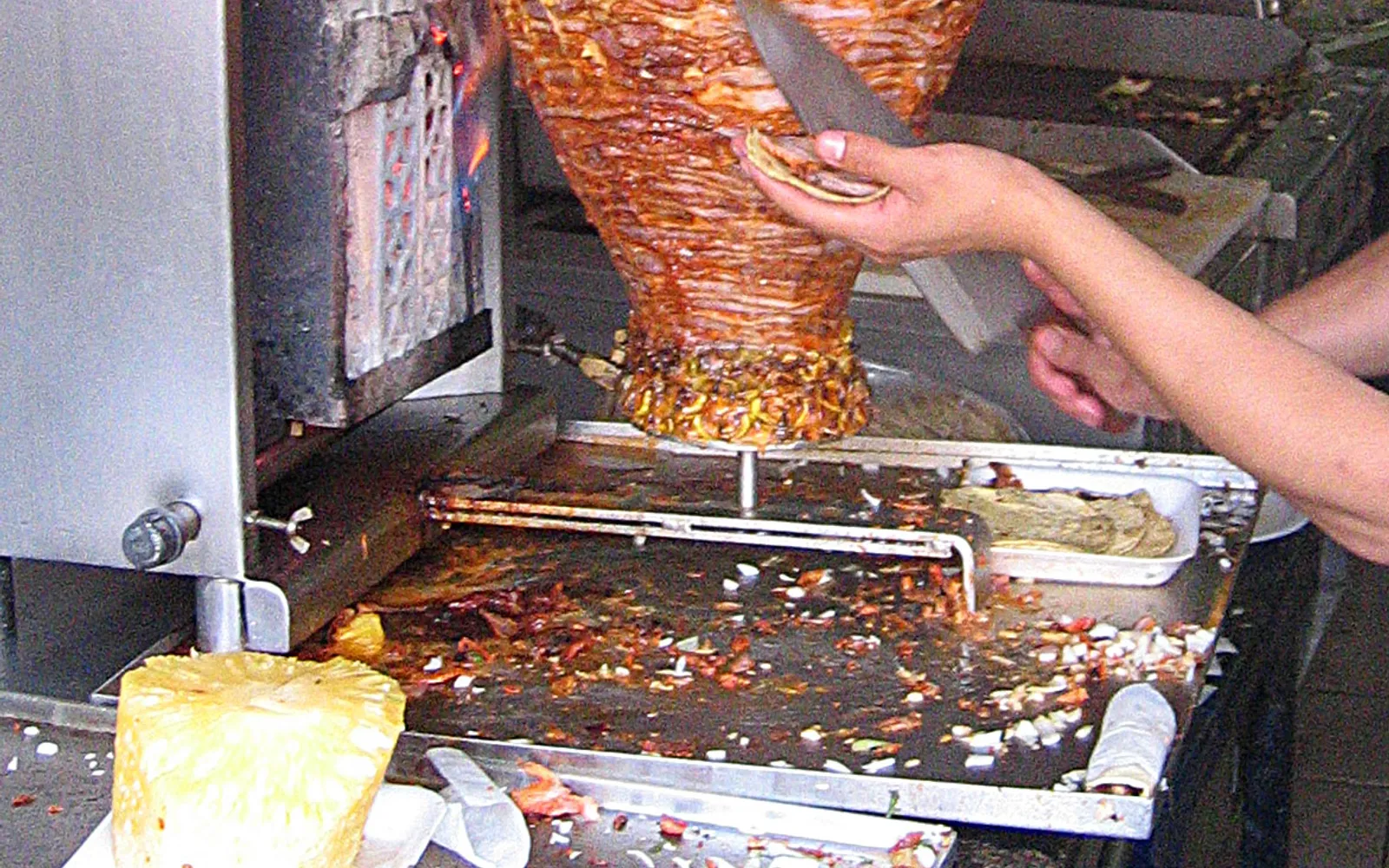
The king of Mexico City tacos, inspired by the spit-roasting technique that Lebanese immigrants brought over in the 20th century. Pork is marinated in a red sauce of achiote and guajillo chillies, then stacked onto a vertical trompo and roasted over high heat for hours. The meat is shaved thin onto a corn tortilla, finished with a squeeze of lime, white onion, coriander, and a slice of fresh pineapple. Every bite is complex.
- El Huequito on Calle Ayuntamiento has been running for over 60 years and is considered one of the original al pastor spots in the city.
- Look for a stall with a large, densely loaded trompo — a thick column of meat is the clearest sign of a serious operation.
- Order with both Salsa Verde and Salsa Roja; if you're unsure about heat, ask for mild first.
 #2
#2 Tamale
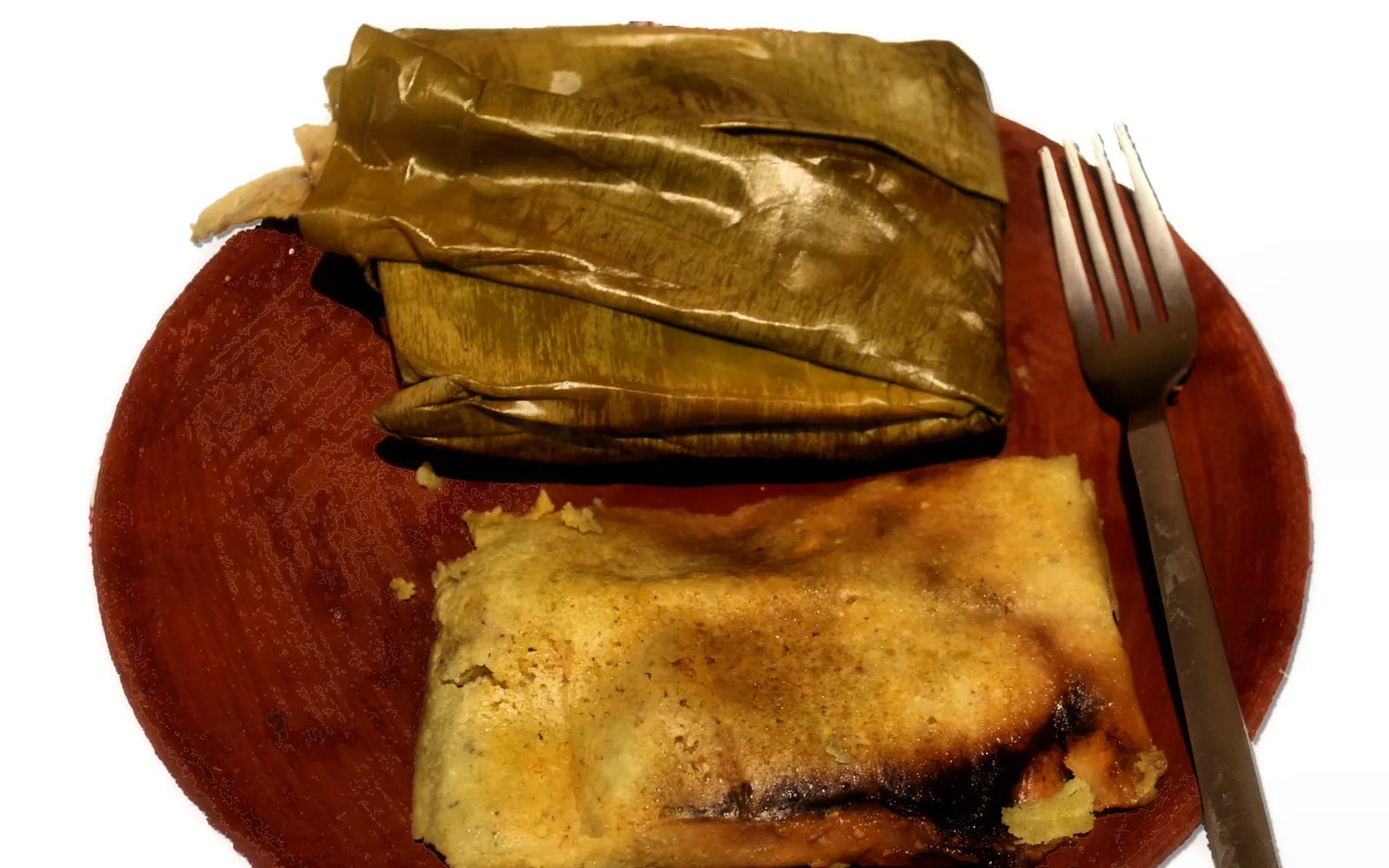
A ceremonial food with more than 5,000 years of history — the Aztecs once offered tamales to their gods. Made from masa (corn dough) wrapped around fillings such as chicken in green salsa, pork, or cheese, then folded in corn husks or banana leaves and steamed until cooked through. The flavour is simple but deep. Traditionally eaten alongside a hot cup of atole (a warm corn drink), tamales are the classic Mexican breakfast.
- Tamale carts appear on the streets between 7 a.m. and 9 a.m., especially on weekdays.
- Mercado de Medellín in the Roma neighbourhood carries tamales from multiple Mexican states, each with its own regional recipe.
- If you hear a recorded voice calling out 'Tamales' in a residential side street, stop — those are the neighbourhood's freshest batch.
 #3
#3 Mole
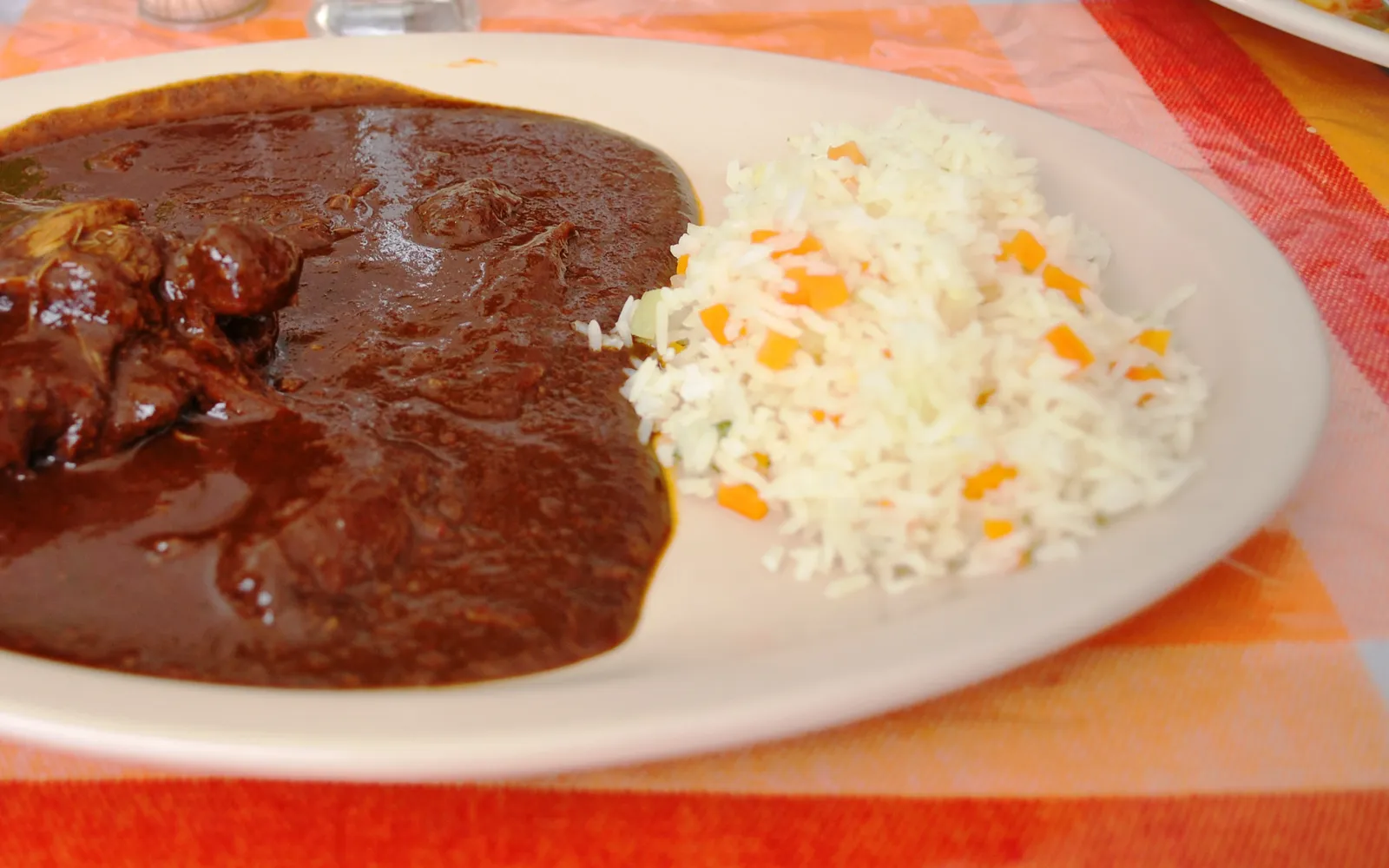
The most complex sauce in Mexican cooking. Some recipes contain more than 30 ingredients — multiple dried chillies, chocolate, nuts, pumpkin seeds, bread, and spices — simmered for hours until deep black. Mole Negro is the classic version most popular in Mexico City, spooned over poached chicken or turkey. It reads richer than sweet, with a subtle heat and a character entirely its own.
- El Cardenal at Palma 23 in the Centro has been known for its mole since 1969 — it serves breakfast and lunch only.
- Try Mole Verde (green, made from pumpkin seeds) if you're not drawn to the bitterness of chocolate-based sauces.
- Bottled mole paste from Mercado de Medellín makes an excellent thing to bring home.
 #4
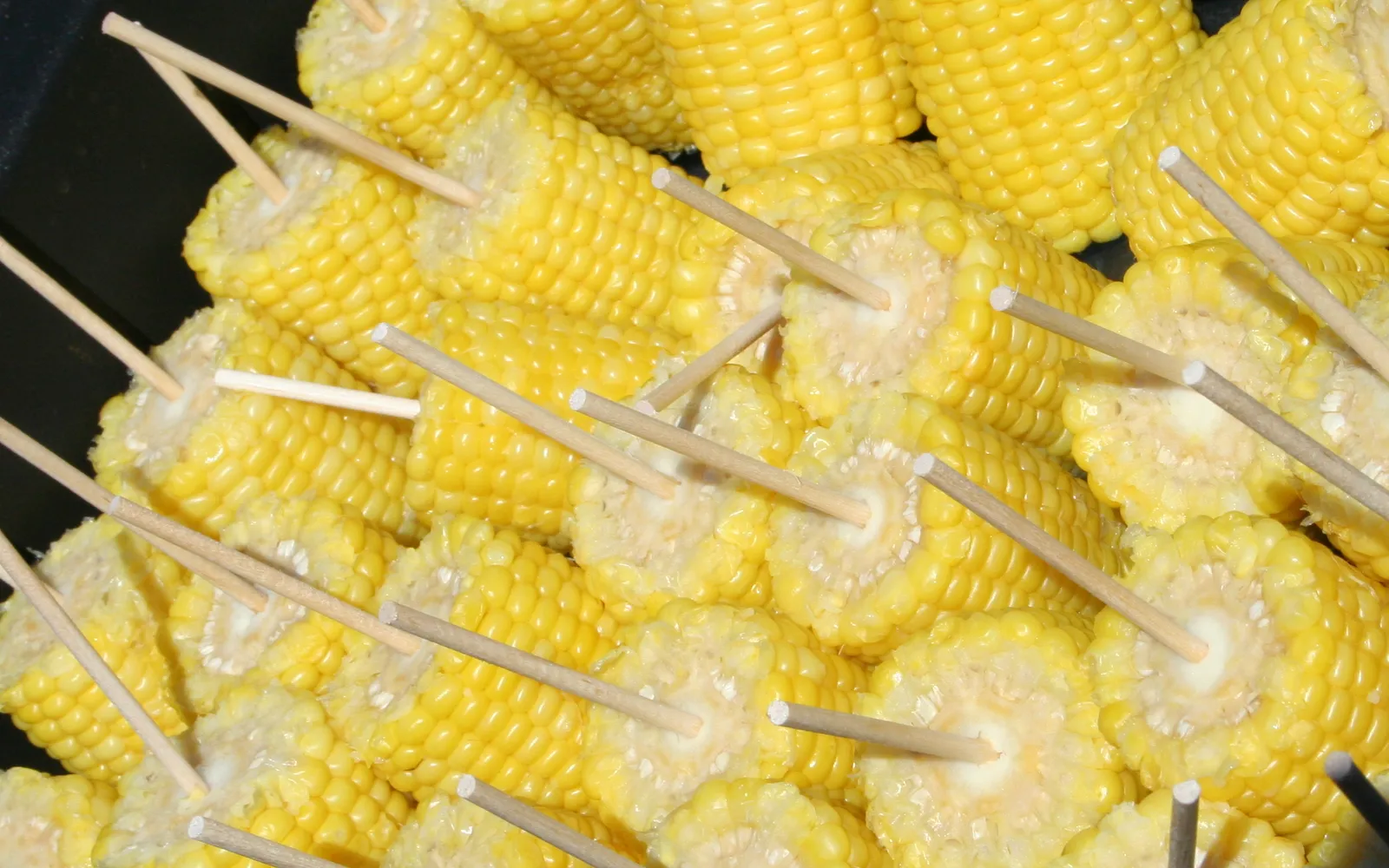
#4 Elote
A roasted or grilled corn cob brushed with mayonnaise or crema, rolled in crumbled Cotija cheese, squeezed with fresh lime, and dusted with chilli powder or Tajín. The alternative version is esquites — corn kernels cut off the cob and served in a paper cup. A street snack embedded in Mexican culture for hundreds of years, it's easy to find in every public park in the city.
- Ask the cart vendor for extra crema and cheese — they'll add more at no charge.
- Tajín is Mexico's all-purpose seasoning: sour, salty, and mildly spicy. Add a generous shake.
- Chapultepec Park has the highest density of elote carts — especially on weekends.
 #5
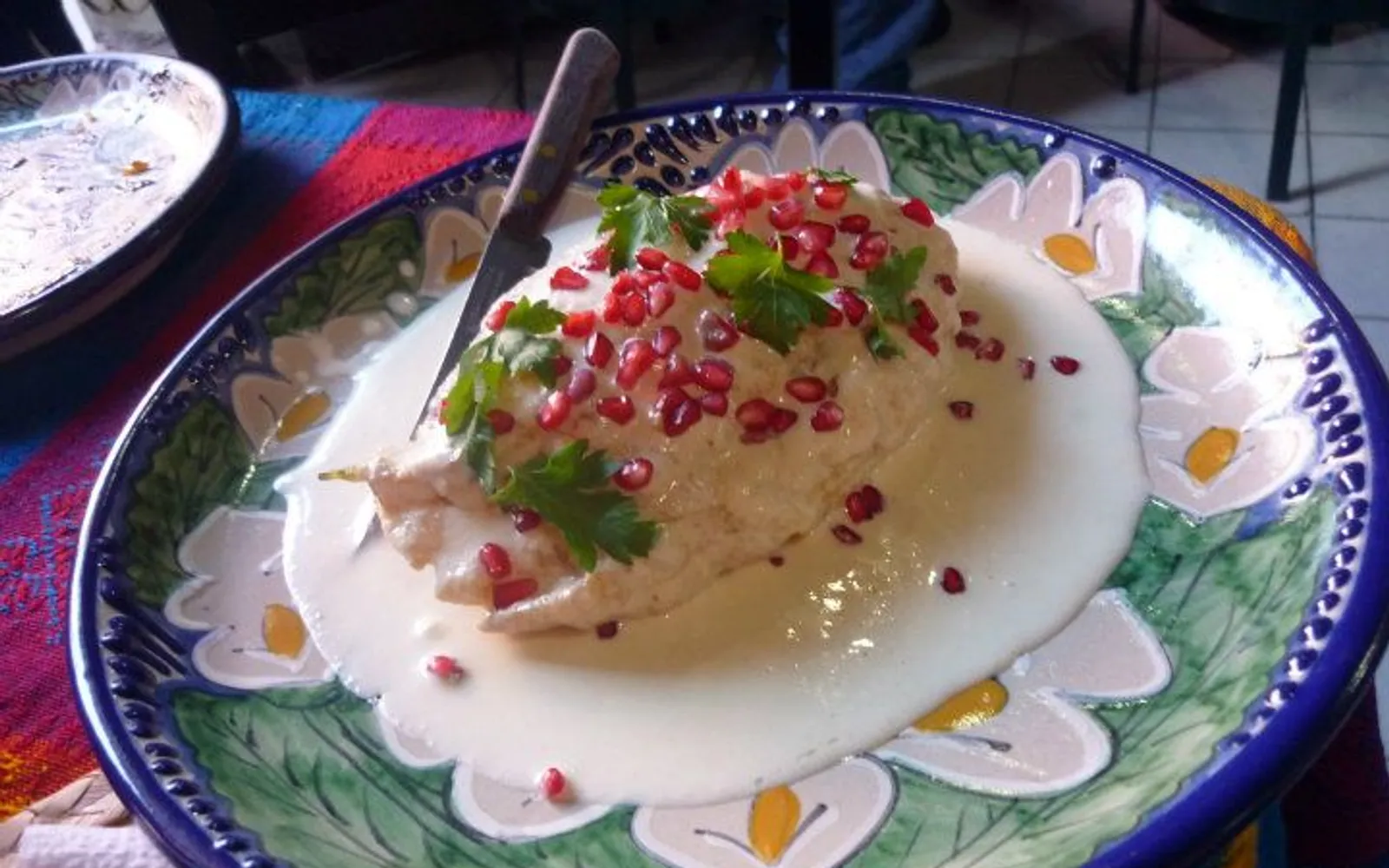
#5 Chiles en Nogada
The most visually striking and symbolically layered dish in Mexican cooking. A green Poblano pepper is stuffed with picadillo — a filling of minced meat, dried fruit, nuts, and spices — then covered in a creamy white nogada sauce made from fresh walnuts, and finished with red pomegranate seeds and green coriander. The three colours mirror the Mexican flag. The recipe originated in the city of Puebla during a banquet for Emperor Agustín I.
- It is only available July–October, when fresh walnuts and pomegranates are in season.
- Sanborns at Casa de los Azulejos serves a reliable classic version.
- If you find the dish too rich, ask for the enchilada-style preparation rather than steamed.
 #6
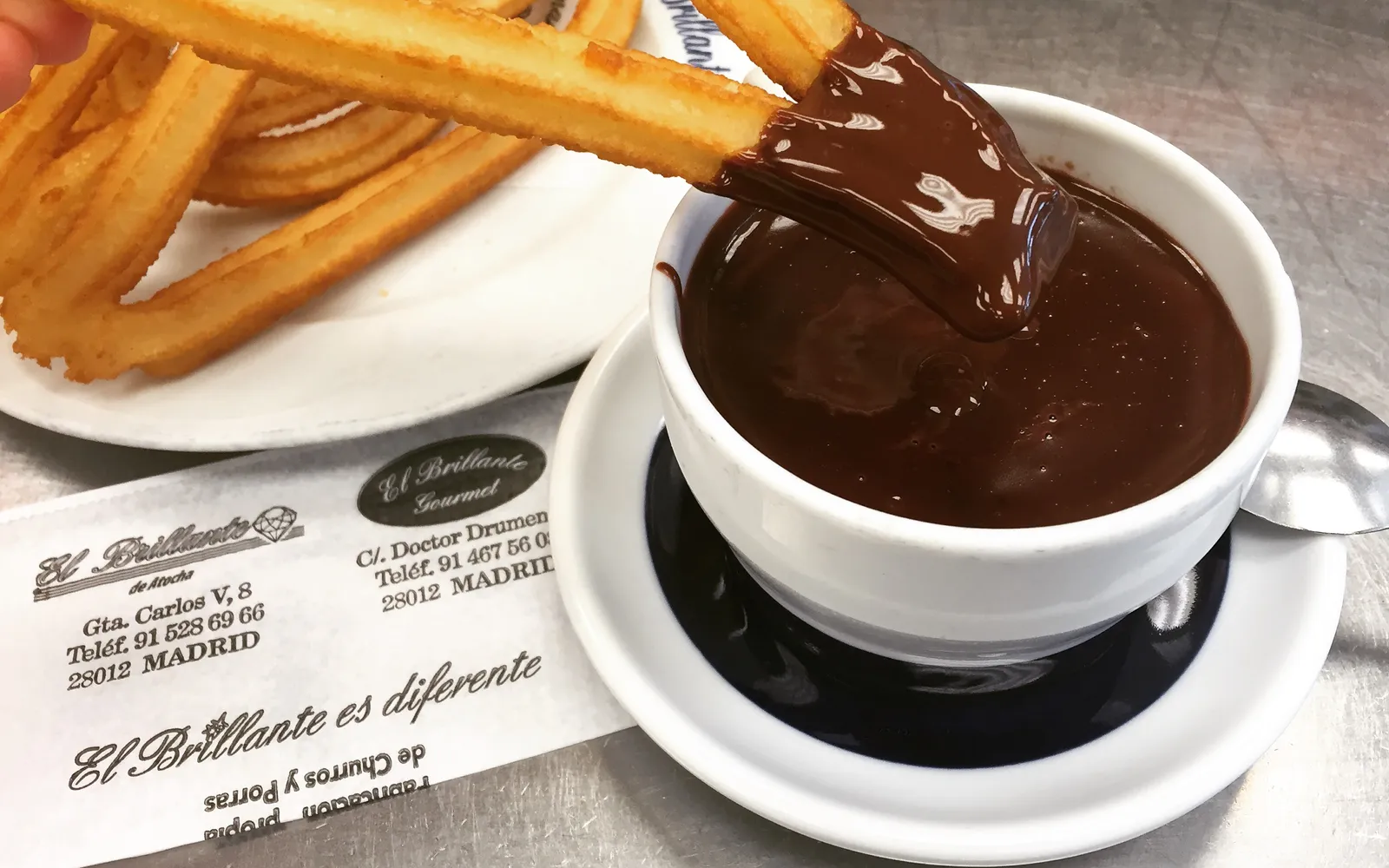
#6 Churro
A Spanish-origin fried-dough stick that Mexico has made entirely its own. Fried in very hot oil until the outside is shatteringly crisp, then rolled in cinnamon sugar straight out of the pan. Served with thick hot chocolate for dipping, or with cajeta (caramel cream). Some churro shops in Mexico City have been running since the 1940s and still draw a queue every day.
- El Moro at Eje Central Lázaro Cárdenas 42 is the oldest churro shop in the city and operates 24 hours a day.
- Order churros recién hechos (just fried) to get the maximum crunch.
- Try them with Chocolate de Agua — the traditional water-based hot chocolate rather than the milk version.
Where to stay in Mexico City for this trip
A well-located hotel means less commuting and more sightseeing. Here are real, top-rated stays in Mexico City — compare Agoda · Booking · Trip.com in one click.
Las Alcobas, a Luxury Collection Hotel, Mexico City
Affiliate links — we may earn a commission at no extra cost to you. Details
Casa Polanco Hotel Boutique
Affiliate links — we may earn a commission at no extra cost to you. Details
Four Seasons Hotel Mexico City
Affiliate links — we may earn a commission at no extra cost to you. Details
Las Alcobas, A Luxury Collection Hotel
Affiliate links — we may earn a commission at no extra cost to you. Details
Tours, tickets & activities in Mexico City
Day tours, attraction tickets and travel essentials for Mexico City — book ahead on Klook with mobile e-tickets.
Affiliate links — we may earn a commission at no extra cost to you.
Before You Pack
Mexico City food is something you have to eat to understand. No photo or video captures it fully — the layered flavours, the wood-smoke smell, the energy of a night market alive at every hour. Make every meal here count.