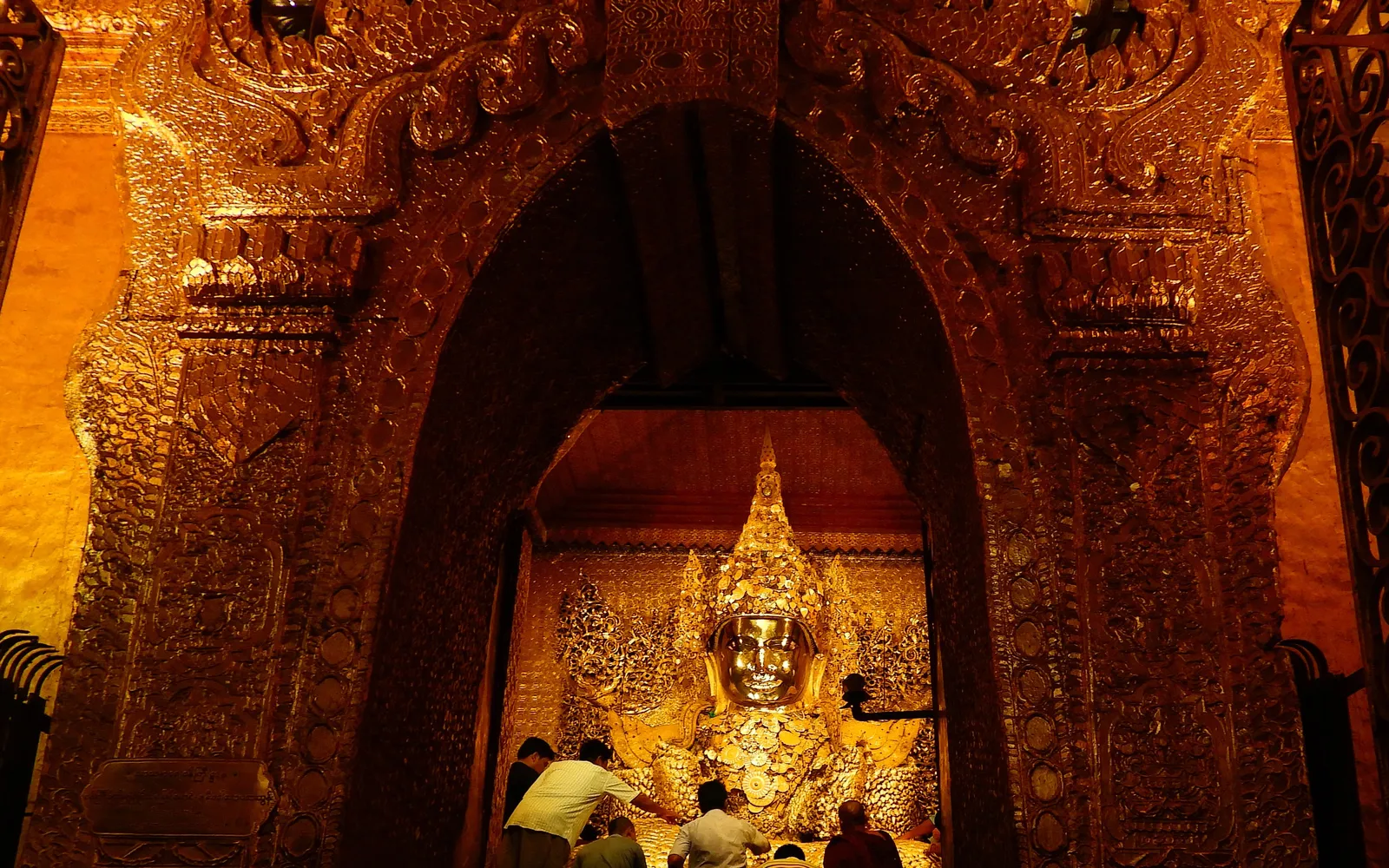
Mandalay is the spiritual heart of Myanmar — a city that still breathes the soul of the old Burmese kingdom through its pagodas, palaces, and centuries-old craft traditions. From the sunset over Mandalay Hill to the sound of monks chanting at dawn, the city delivers an emotional depth you won't find anywhere else. Given the current political situation in Myanmar, travelers should check the latest advisories before planning a trip.
 #1
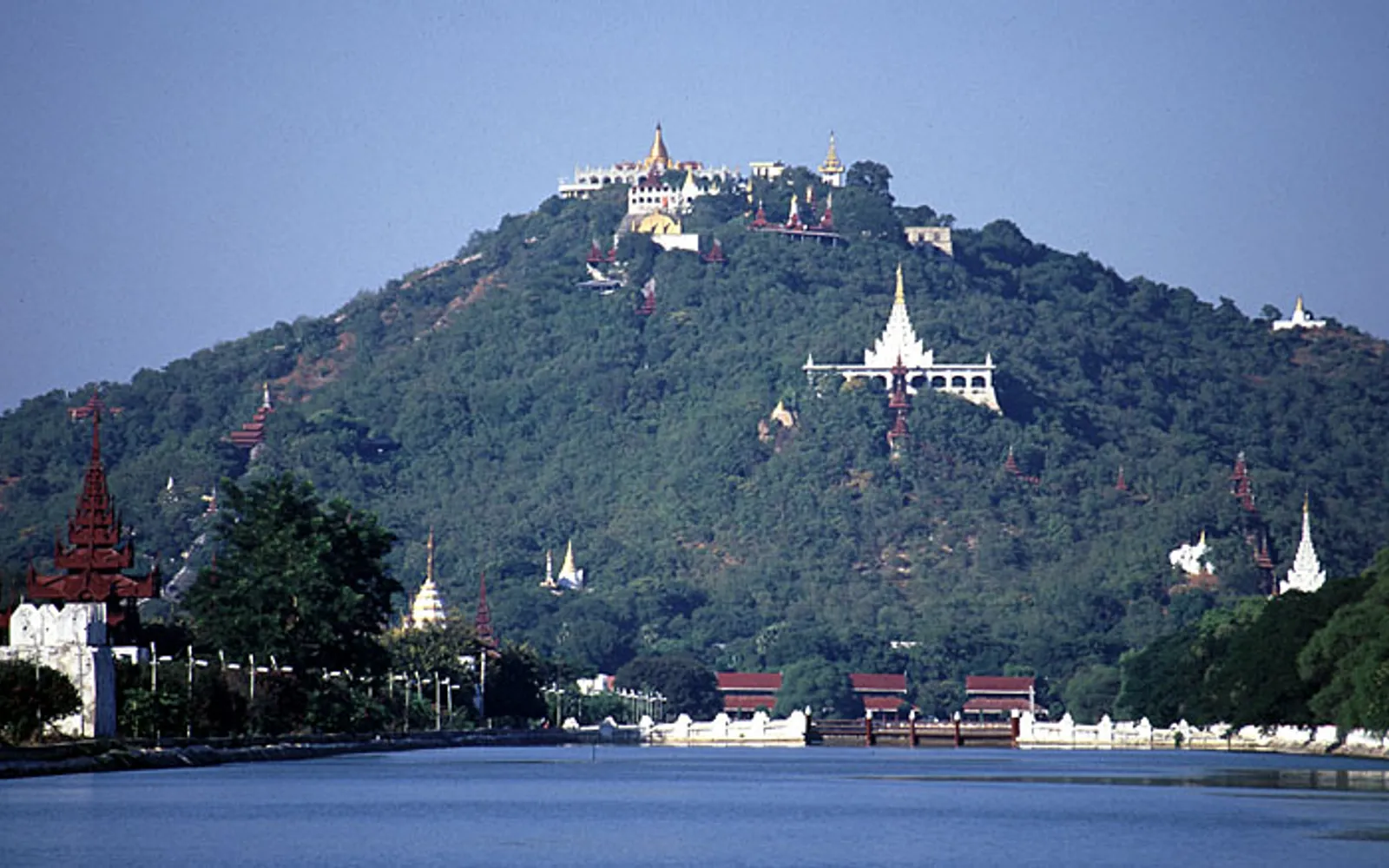
#1 Mandalay Hill
This sacred hill rises 236 metres above the plain and, according to Buddhist tradition, was prophesied by the Buddha himself as the site of a great Buddhist city. A covered stairway climbs 1,729 steps to the top, lined with Buddha images and shrines the entire way. At the summit, a gilded pagoda crowns the hill and rewards you with a 360-degree panorama of Mandalay city, the Irrawaddy River, and distant mountain ranges. It is the finest sunset viewpoint in the city and an important pilgrimage site for Buddhists.
- Remove your shoes before climbing — this is standard practice at all religious sites in Myanmar. The steps are kept clean.
- If you'd rather not climb all the way up, shared minibuses run to a drop-off point near the summit for a small fare.
- Arrive at least 30 minutes before sunset to find a good spot and settle in without rushing.
 #2
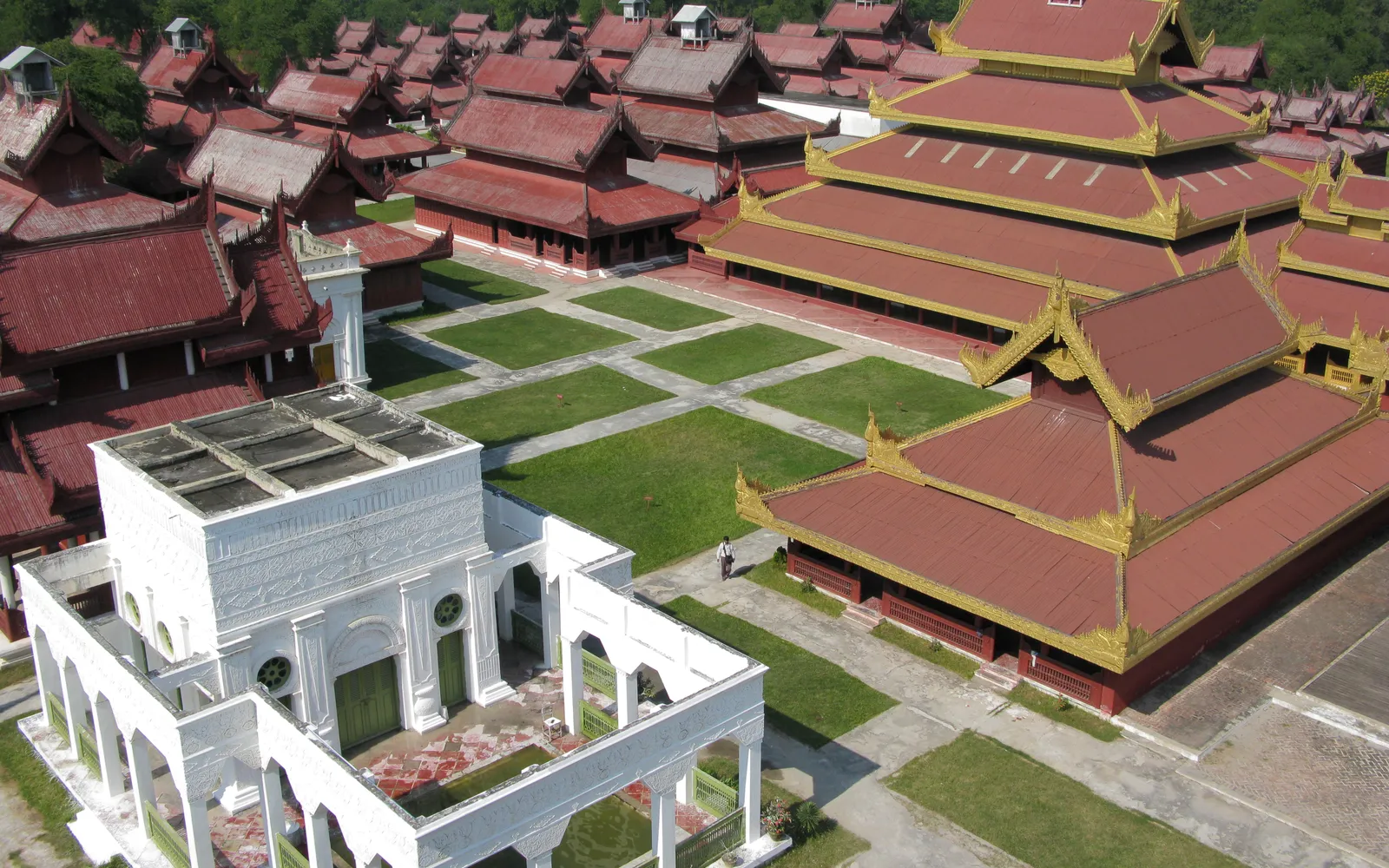
#2 Mandalay Palace
The last royal palace of the Burmese kingdom, built in 1857 by King Mindon when he moved the royal capital to Mandalay. The main complex was rebuilt after being destroyed in World War II, but the reconstruction faithfully preserves the grandeur of classic Burmese palace architecture. The Nanmyin watchtower is an original structure that has stood since the founding. The square moat surrounding the compound is especially beautiful at sunset, and the perimeter road makes for a pleasant cycle. Note that the grounds are still an active military base — you'll need to show your passport to enter.
- Admission is included in the Mandalay Archaeological Zone ticket, priced at around US$10 and valid for multiple days.
- Climb the Nanmyin watchtower for a city-wide view that offers a completely different perspective from Mandalay Hill.
- The cycling path around the moat runs about 8 km and is the most atmospheric way to take in the palace's reflections on the water.
 #3
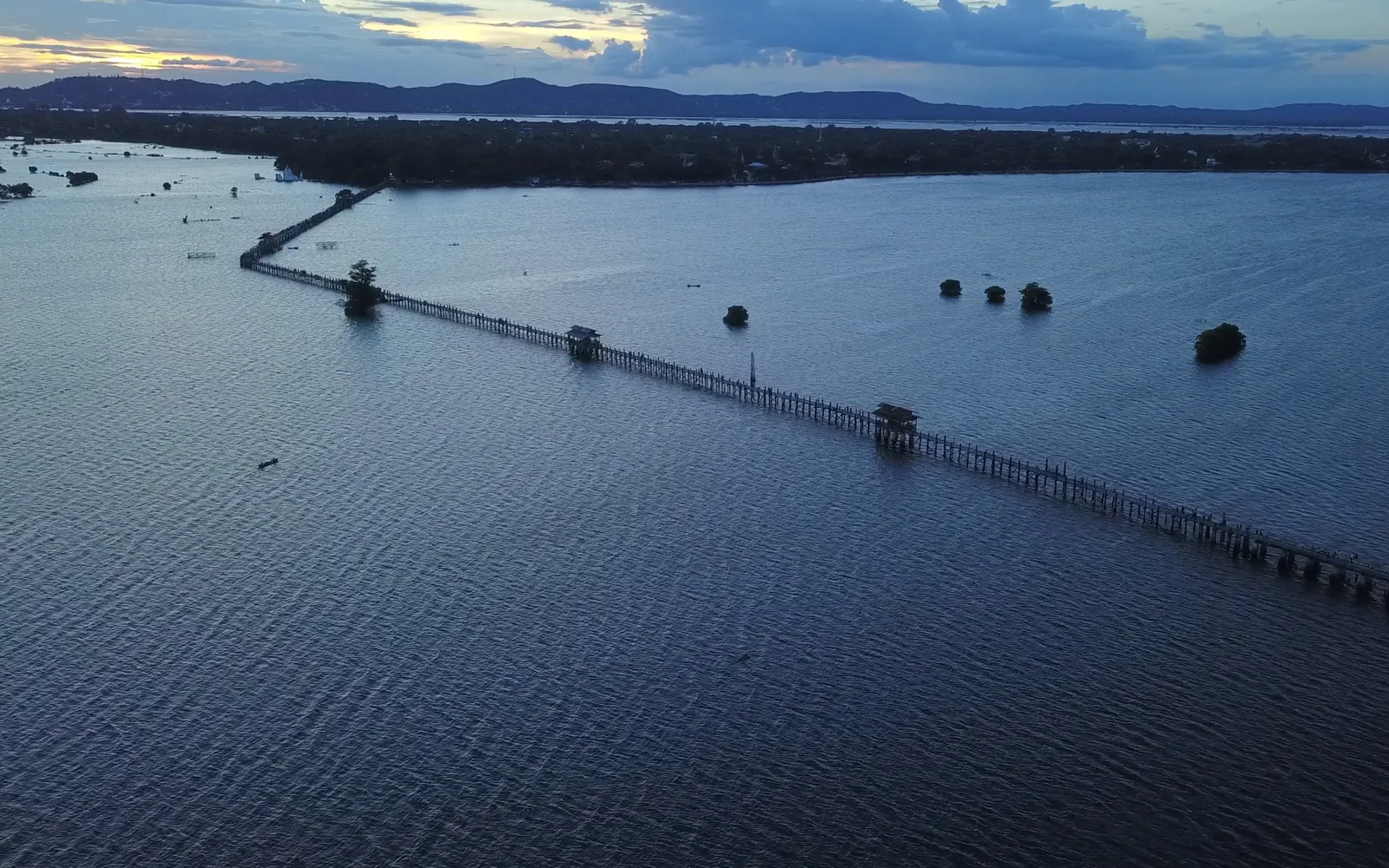
#3 U Bein Bridge
The longest teak bridge in the world, stretching more than 1.2 kilometres across Taungthaman Lake. It was built over 180 years ago using teak timber salvaged from the old Inwa palace, and more than 1,000 wooden pillars still stand in the water today. This is not a tourist set-piece — the bridge is a daily commute for monks and villagers heading to their fields and the market. The image of monks in burgundy robes crossing the teak planks at sunset is one of the most enduring photographs in Southeast Asia.
- Hire a rowing boat (around 5,000–8,000 kyat) to view the bridge from the water at sunset — the perspective is far more dramatic than walking across it.
- In the dry season (November–March) the water drops and the tall pillars are fully exposed; when the lake is high, the bridge appears to float just above the surface.
- Don't rush. Walk slowly and watch the locals who actually use this bridge every day — that's what makes it worth the trip.
 #4
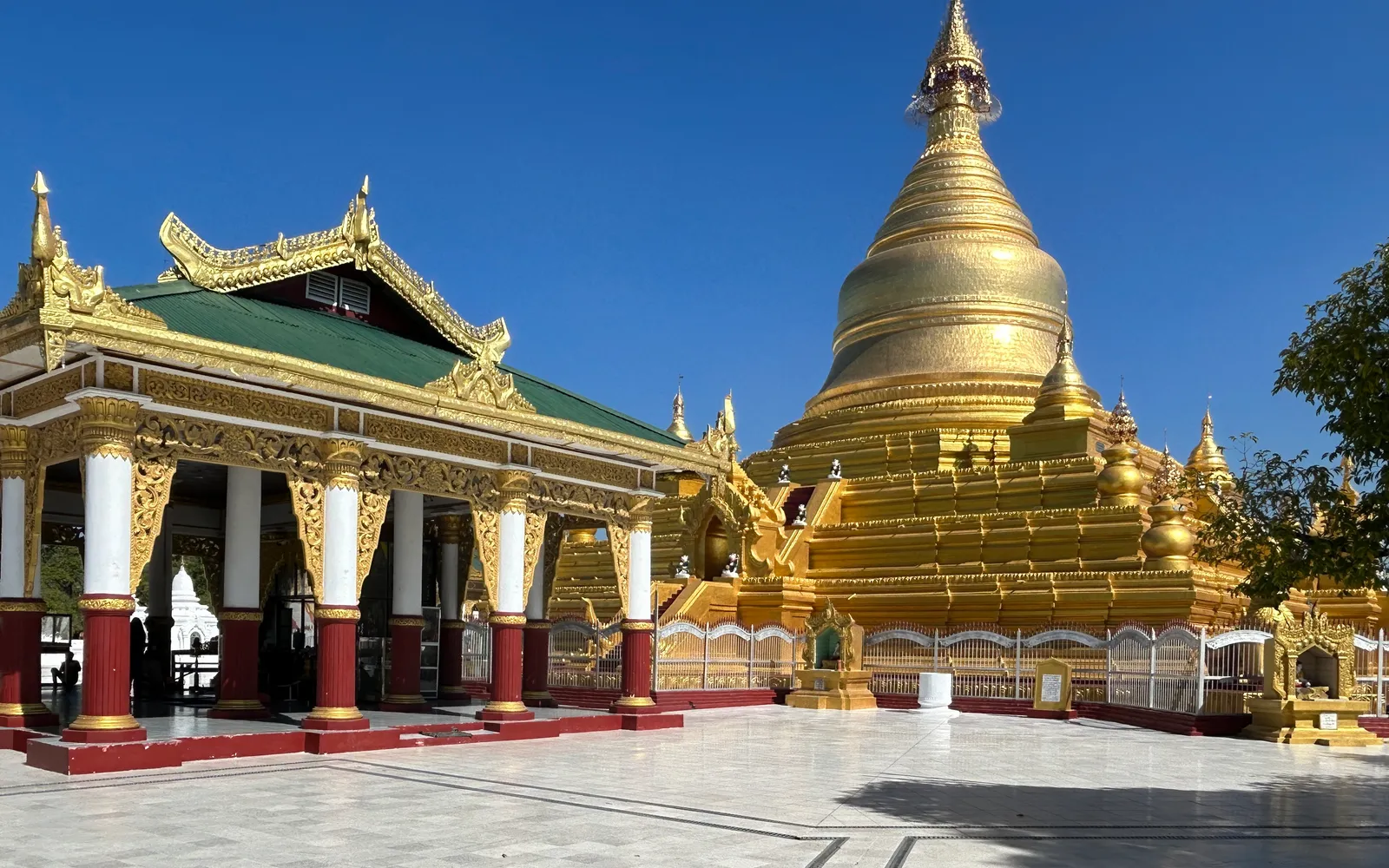
#4 Kuthodaw Pagoda
Known as the world's largest book, this compound contains 729 white marble slabs, each one inscribed with a full page of the Burmese Tipitaka (Buddhist canon) in the Burmese script. King Mindon commissioned the entire complex in 1868. The central golden stupa is ringed by the orderly rows of marble shrines in a layout that is both architecturally impressive and deeply calming. Monks and pilgrims come to chant here every morning. The pagoda is almost always visited together with Mandalay Hill, which is just a short walk away.
- You can walk between the marble slabs and read the inscriptions — each slab is numbered to mark its place in the Tipitaka.
- Early morning, 6–8 am, is the best time: monks walk through chanting, incense drifts through the compound, and the light is soft.
- Frame a wide shot down the rows of marble slabs stretching into the distance — it makes for a genuinely striking composition.
 #5
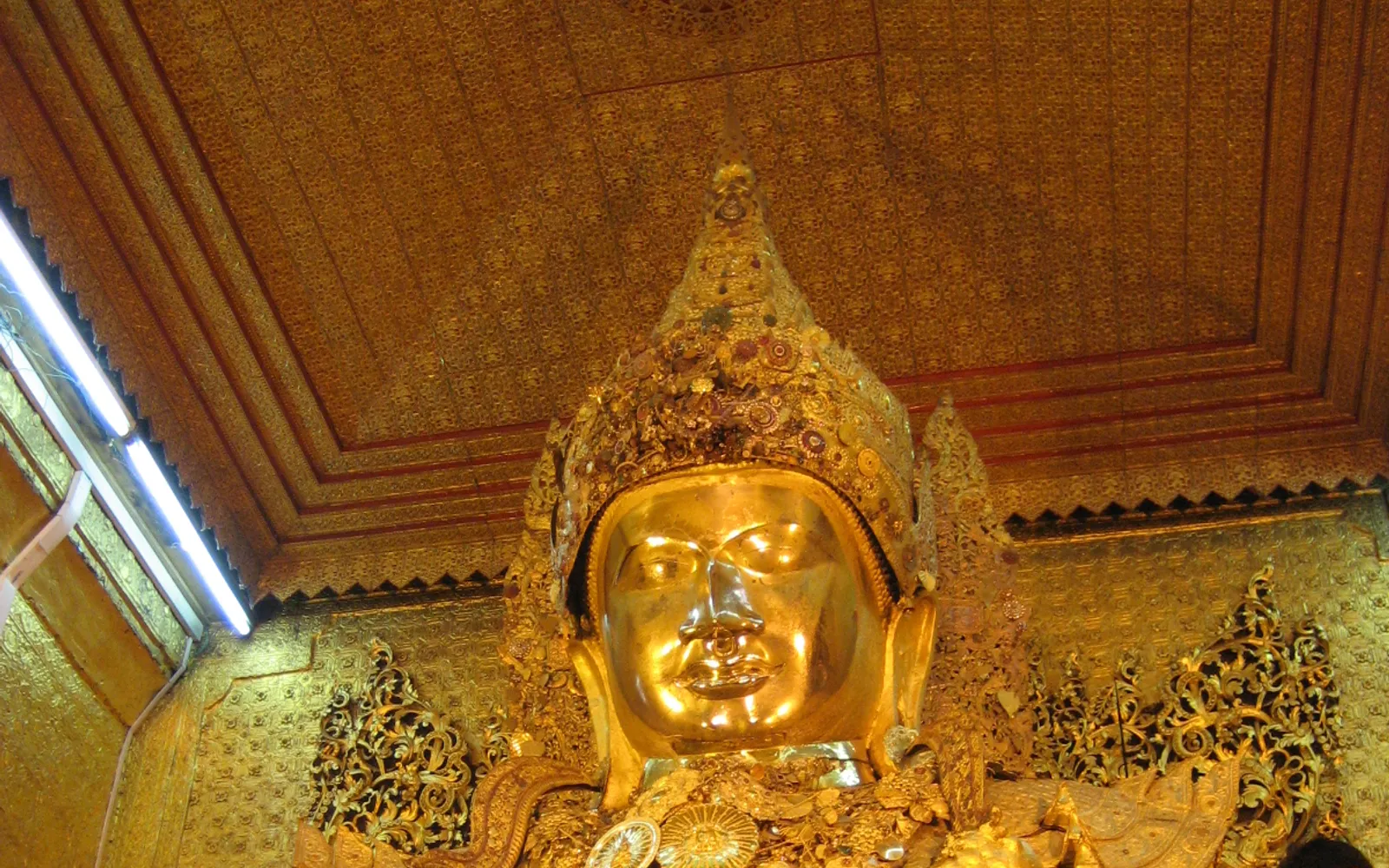
#5 Mahamuni Buddha Temple
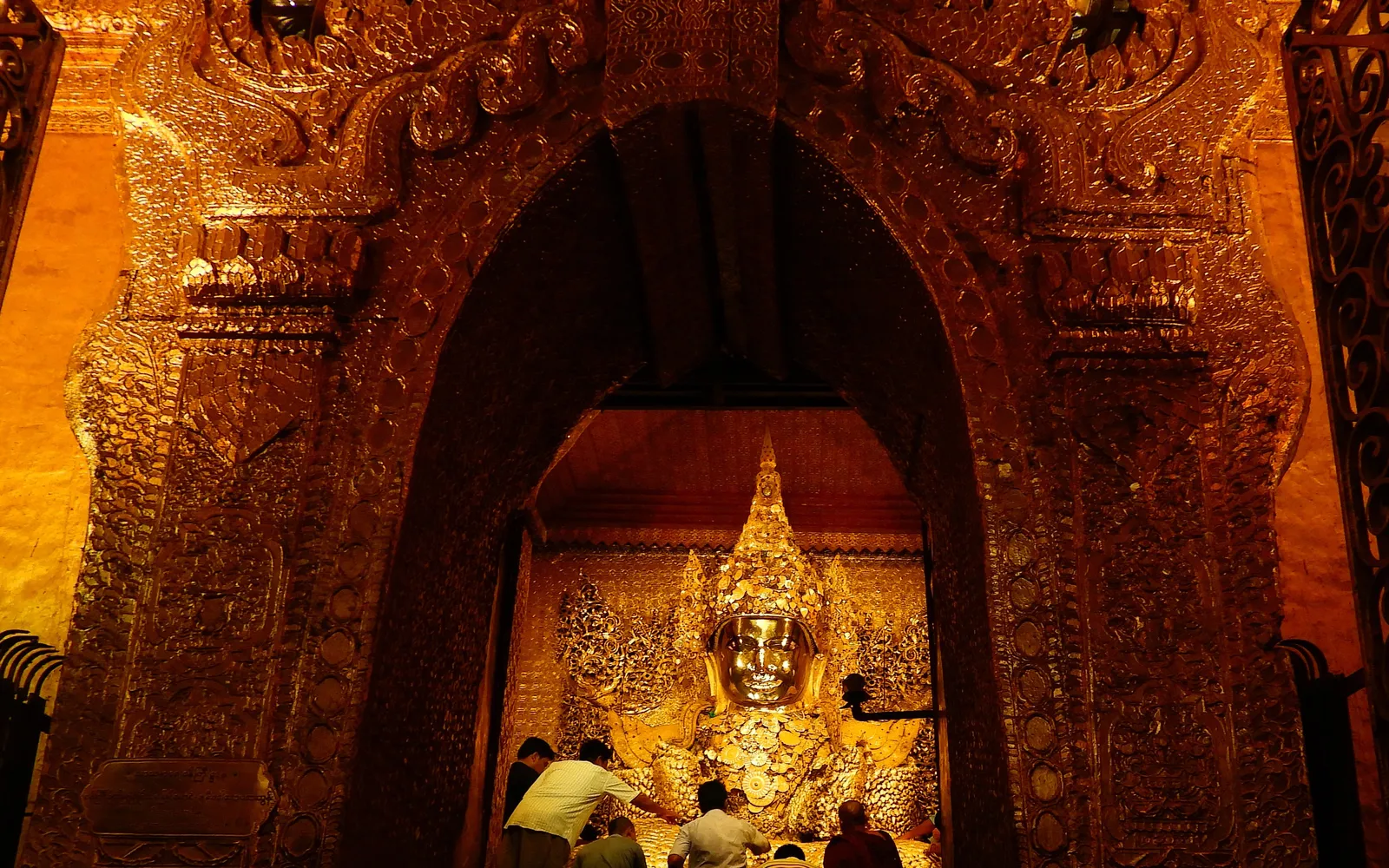
One of Myanmar's most sacred temples, home to the Mahamuni Buddha image, believed to be more than 2,000 years old. Burmese Buddhists hold that this is one of only five likenesses the Buddha himself permitted to be made in his own image. Male devotees may enter the inner shrine to press gold leaf directly onto the statue — the accumulated layers now exceed 15 centimetres in thickness. The ritual face-washing ceremony, performed every morning at 4 am, is one of the most significant religious observances in the country and is open for visitors to witness.
- Women may enter the temple but must observe from outside the inner shrine — they cannot apply gold leaf directly to the image as men can.
- The face-washing ceremony begins at 4:00 am. If you want to attend, set an early alarm and dress modestly.
- Outside the temple, stalls sell Burmese lacquerware, pottery, and handicrafts at reasonable prices — a good spot to pick up something to bring home.
 #6
#6 Mandalay Crafts Quarter and Zegyo Market
Mandalay is the living center of Burmese craftsmanship. The streets around 36th–38th Street are lined with workshops where teak carvers, marble Buddha sculptors, gold-leaf beaters, and silk weavers practice their trades in open-front shops — visitors are welcome to watch at no charge. Zegyo Market in the city center is Mandalay's main commercial bazaar, selling everything from <em>longyi</em> cloth and spices to Burmese gemstones, in an atmosphere that remains thoroughly and authentically local.
- Workshops are free to enter and you're under no obligation to buy — but purchasing directly from the artisan will get you a far better price than a tourist shop.
- Hand-beaten Burmese gold leaf is a lightweight, affordable souvenir. Watch it being made on 36th Street and buy a pack directly from the workshop.
- Zegyo Market opens early — arrive before 10 am for the freshest produce and best atmosphere before the midday heat sets in.
Tours, tickets & activities in Mandalay
Day tours, attraction tickets and travel essentials for Mandalay — book ahead on Klook with mobile e-tickets.
Affiliate links — we may earn a commission at no extra cost to you.
Before You Pack
Mandalay is most comfortable to visit between November and February, when the weather is cool and dry. Plan for at least 3–4 days to cover all the highlights, including a boat or taxi trip out to Amarapura and U Bein Bridge. Renting a motorbike or hiring a taxi by the day is strongly recommended — the sights are spread across a large area and getting between them on foot is impractical.