
Malang is a university city with a food culture shaped by three influences: Javanese, Peranakan Chinese, and Dutch colonial. Bakso Malang — the city's signature meatball soup — has a reputation across Indonesia for its distinct recipe that drops crispy fried wontons straight into the broth. Beyond bakso, there's Rawon, a thousand-year-old black beef soup darkened by keluak seeds; Cwie Mie, a thin-noodle dish brought by Hokkien Chinese settlers; and fresh apple products from the nearby hill town of Batu, which sits at 900 metres and has over 2 million apple trees — earning it the nickname Kota Apel, the Apple City of Indonesia.
 #1
#1 Bakso Malang
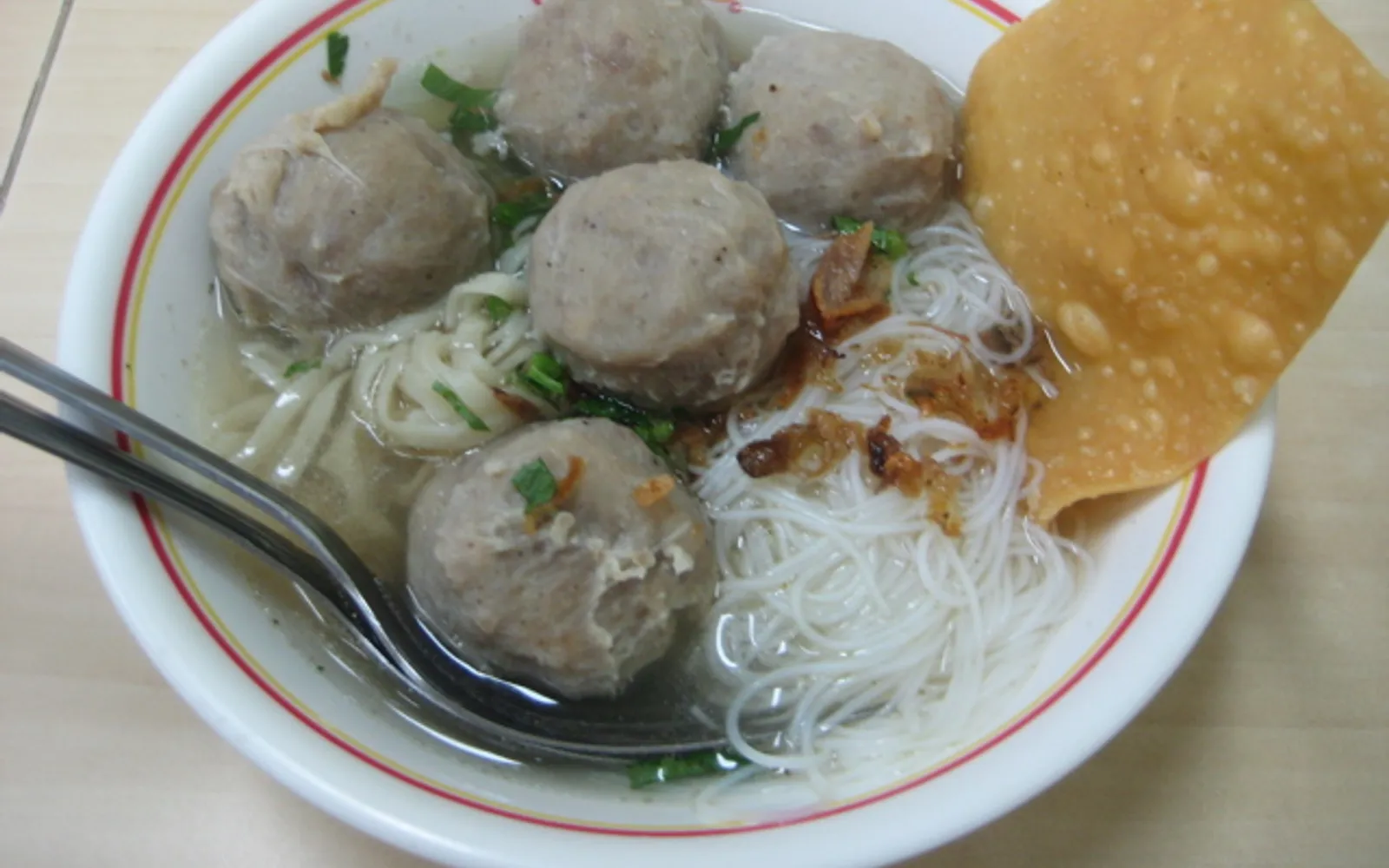
Bakso Malang is the dish that made this city famous across Indonesia. What sets it apart from meatball soups elsewhere is the combination: multiple sizes of beef meatball, crispy fried wontons submerged in the broth, firm tofu, bean sprouts, and noodles in a rich, clear beef stock. The most storied spot is <strong>Bakso President</strong>, which has been open since 1977, and <strong>Bakso Bakar Pahlawan Trip</strong>, which grills its meatballs over charcoal — a Malang twist you won't find in other cities.
- Bakso President on Jalan Zainul Arifin is the name travelers mention most — opens in the afternoon, arrives early to avoid the queue.
- Grilled bakso (Bakso Bakar) is a Malang original. It tastes better than it sounds — the char adds something the broth version doesn't have.
- Prices are very reasonable: 15,000–30,000 rupiah per bowl (around USD $1–2), so ordering a second round is easy on the budget.
 #2
#2 Rawon
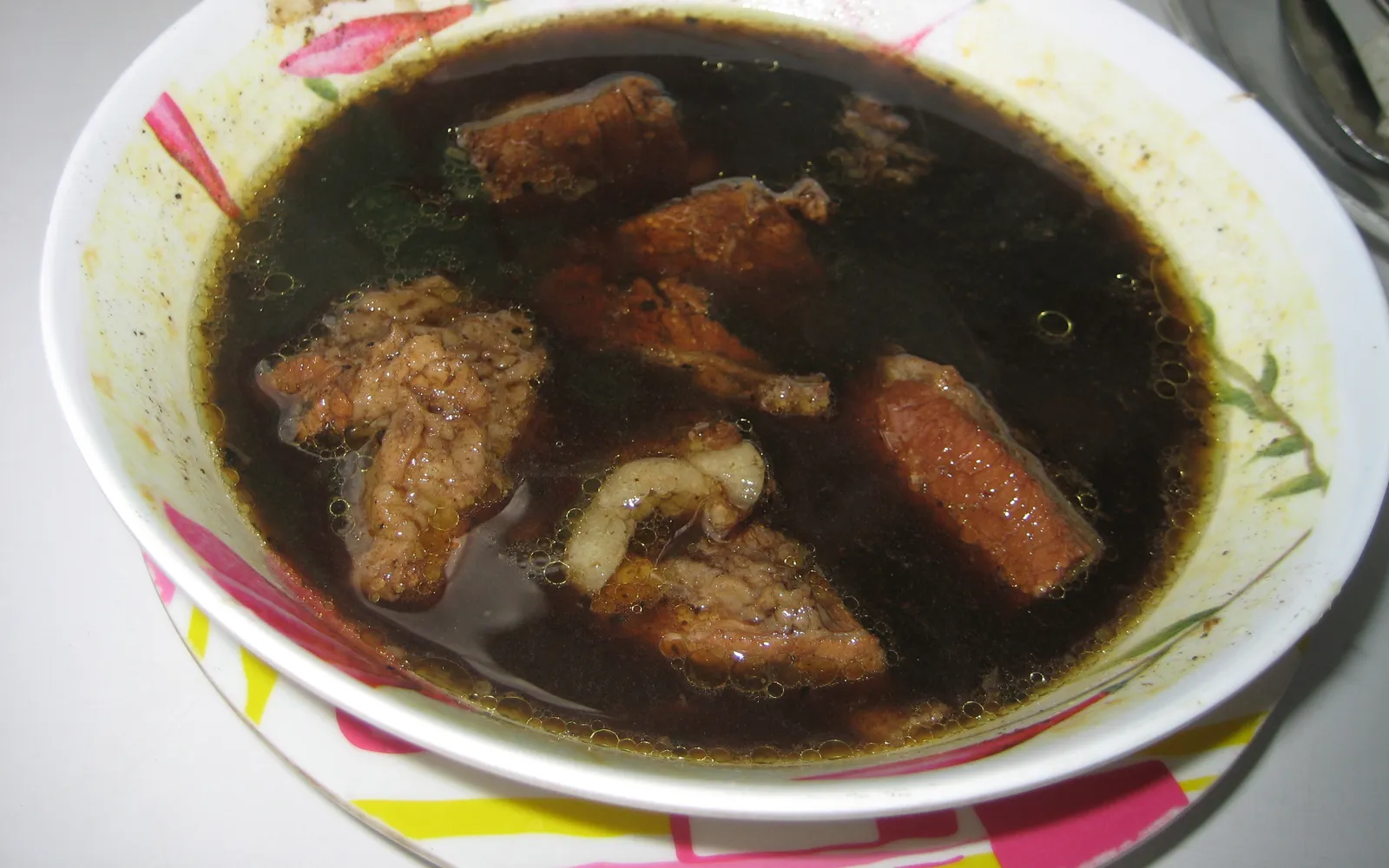
Rawon is an East Javanese beef soup with a history stretching back over a thousand years — it appears in the <strong>Taji inscription of 901 CE</strong>. The inky black color and earthy, mildly bitter depth come from <em>keluak</em> (Pangium edule) seeds, balanced against long-simmered beef that falls apart at a touch. It arrives with steamed rice, bean sprouts, salted egg, crispy dried shrimp, and fresh chillies on the side. In 2024, TasteAtlas ranked Rawon the best soup in the world.
- Rawon Setan (Devil's Rawon) in Surabaya is the most famous single restaurant, but Malang's own shops are just as good and far less crowded.
- Ask for fresh bird's eye chillies instead of chilli sauce — the difference in heat and fragrance is significant.
- The longer the broth simmers, the richer it gets. Old-school shops start their pots at midnight before opening in the morning.
 #3
#3 Cwie Mie Malang
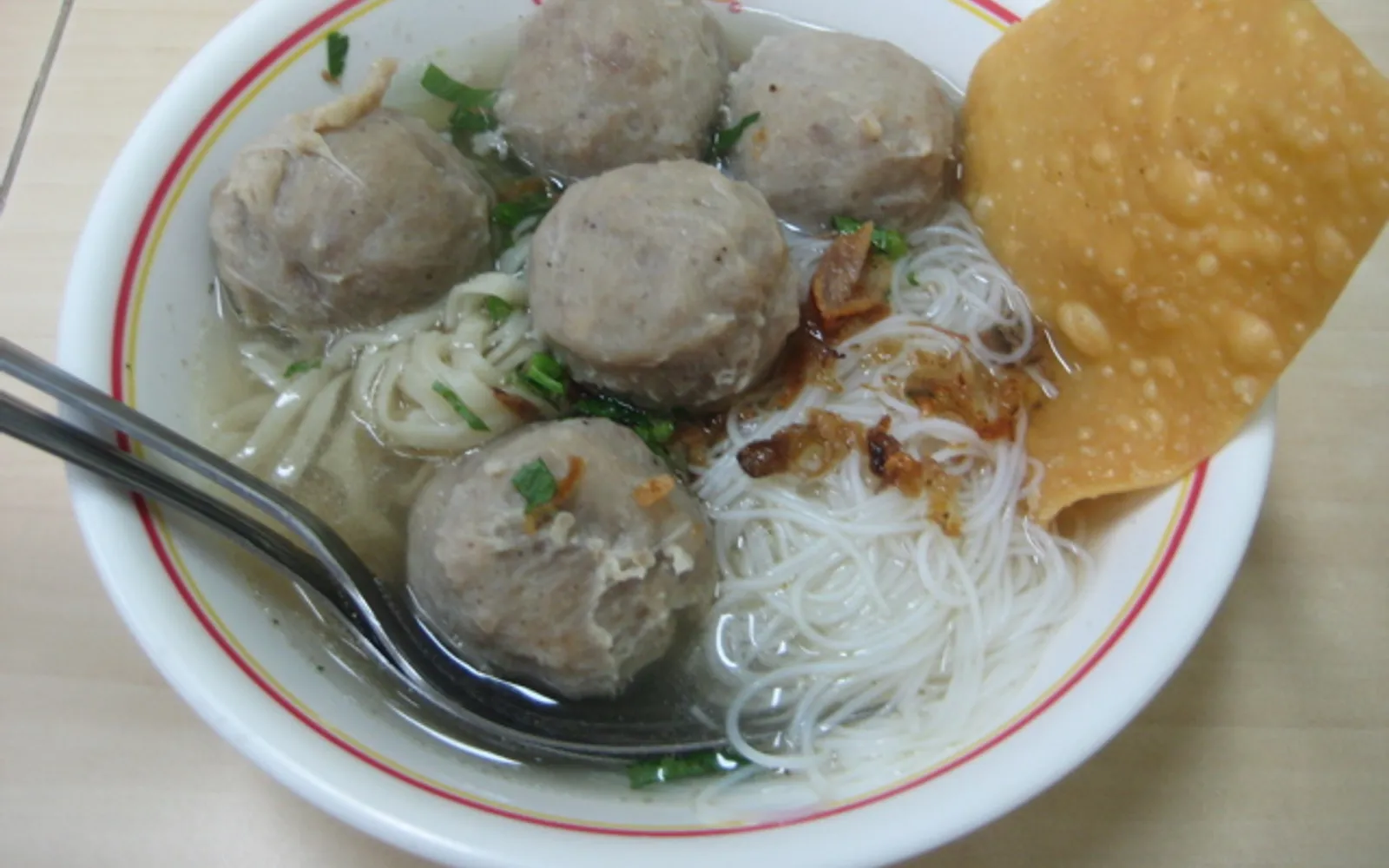
Cwie Mie is Malang's own noodle dish, tracing its roots to Hokkien Chinese settlers who put down roots during the Dutch colonial period. Thin, springy noodles are served dry, tossed in a special sauce with seasoned minced chicken, crispy fried wontons, lettuce, and crispy shallots. The broth comes in a separate cup on the side — a detail that makes it distinctly Malang. Some founding shops have been serving the original recipe since the colonial era.
- Cwie Mie Depot Hok Lay on Jalan Martadinata is the original shop, open for decades — arrive before noon as the good batches sell out.
- Free refills of hot broth are standard at most shops; use it to adjust how rich the dish feels as you eat.
- Eat it while it's hot. The dry noodles absorb the broth quickly and lose their texture if left to sit.
 #4
#4 Batu Apple Products
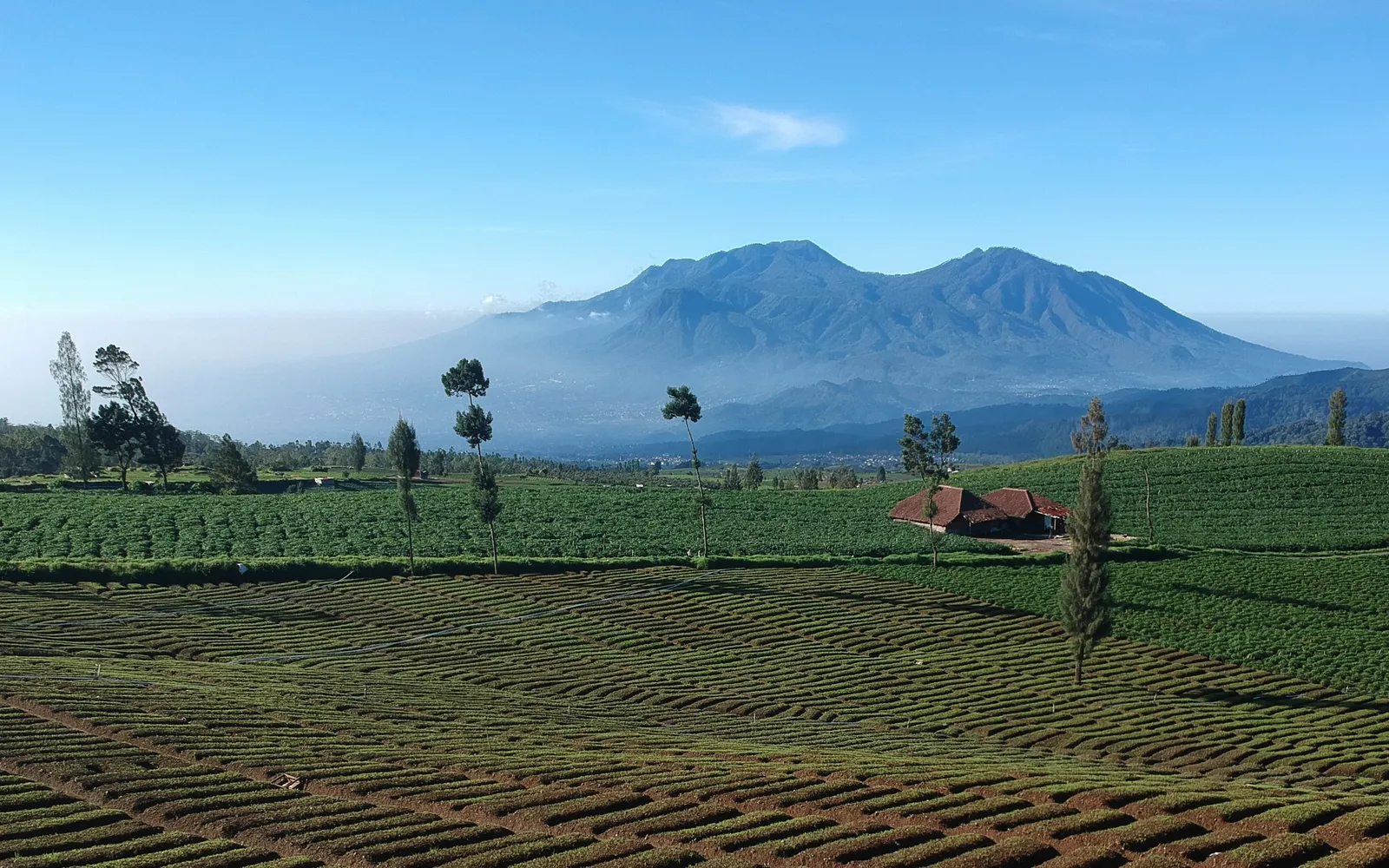
Batu sits 20 km from Malang at around 900 metres above sea level — cool enough to grow apples at scale. The town has over <strong>2 million apple trees</strong>, primarily the Manalagi and Rome Beauty varieties, earning it the title <em>Kota Apel</em> — Indonesia's Apple City. Visitors can pick fruit directly from trees at various <em>Agrowisata</em> (agri-tourism) orchards, then shop for processed products: apple jam, fresh-pressed juice, apple cider vinegar, and apple chips to take home.
- Harvest season (May–September) gives you the freshest fruit to pick and lower prices than the markets in town.
- Apple chips (<em>keripik apel</em>) are easy to pack, reasonably priced, and last the journey home — the most practical souvenir from the area.
- Kusuma Agrowisata is the largest and best-organized tourist orchard. Entry tickets are inexpensive, and the setup is clear enough that you don't need a guide.
 #5
#5 Sate Kelinci Batu
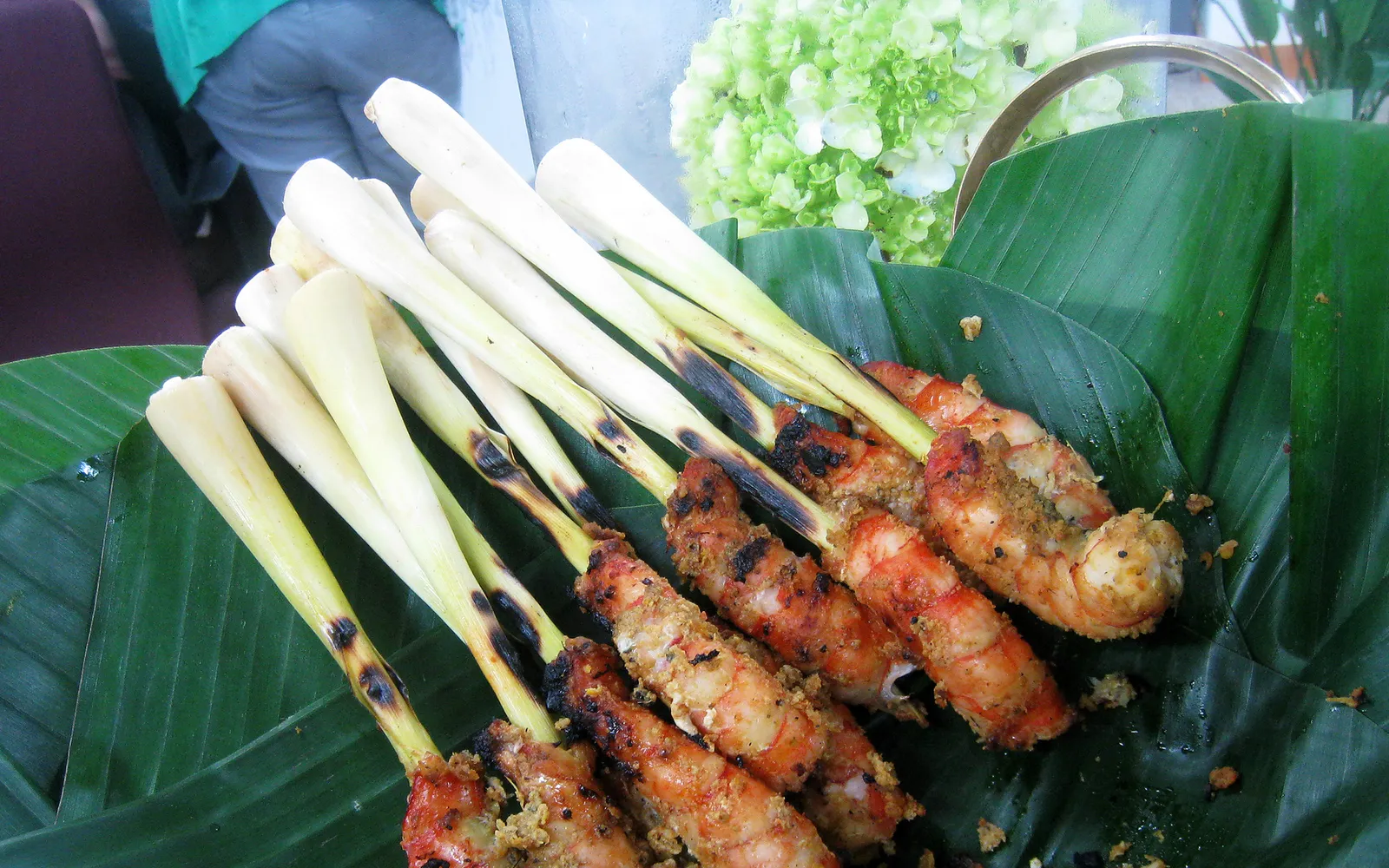
<em>Sate Kelinci</em> — rabbit satay — is a specialty almost impossible to find outside the Batu-Malang area. The rabbit meat is marinated in spices and coconut milk, then grilled over coconut-shell charcoal until crisp on the outside and tender within. It arrives with a thick peanut sauce and <em>lontong</em> (sticky rice steamed in banana leaf). Javanese weekend visitors who make the trip up to Batu treat this as a non-negotiable stop.
- The best Sate Kelinci stalls cluster along Jalan Payung and around the Batu market — that stretch is worth seeking out specifically.
- Rabbit is leaner than chicken with a slightly more delicate flavour. If you're eating it for the first time, it's an easier entry point than it might sound.
- At roadside stalls, check that the skewers are being grilled fresh to order, not reheated — the freshly grilled version is noticeably better.
 #6
#6 Rujak Cingur
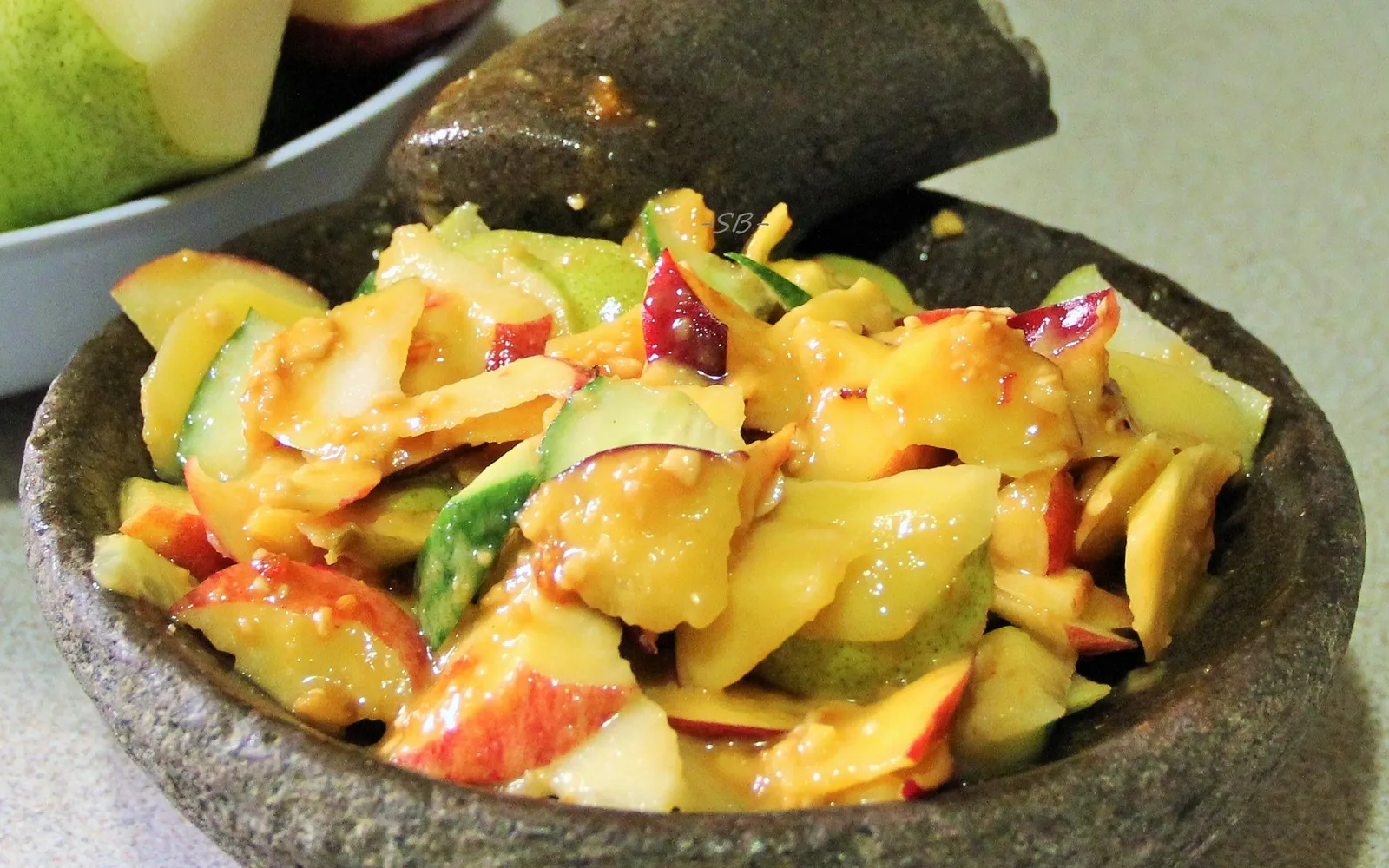
Rujak Cingur is East Java's signature salad — and an experience in contrasts. <em>Cingur</em> means mouth in Javanese, and the defining ingredient is thinly sliced boiled cow's muzzle, mixed with raw vegetables, sour fruit, tofu, tempeh, rice vermicelli, and drizzled with a bold peanut-and-dried-shrimp sauce darkened by fermented shrimp paste. Sweet, salty, spicy, and deeply savoury in a single bowl. It's the kind of dish you eat to understand what East Javanese food actually is.
- Not keen on cow's muzzle? Ask the vendor to leave it out — the flavours from the sauce and vegetables hold the dish together well on their own.
- The shrimp paste (<em>terasi</em>) gives the sauce a pungent, powerful aroma that hits before you taste it. That's the point — it's the backbone of the flavour.
- Eat it immediately after the sauce is poured. Rujak Cingur softens fast and is best in the first few minutes.
Where to stay in Malang & Bromo for this trip
A well-located hotel means less commuting and more sightseeing. Here are real, top-rated stays in Malang & Bromo — compare Agoda · Booking · Trip.com in one click.
Hotel Tugu Malang
Affiliate links — we may earn a commission at no extra cost to you. Details
Golden Tulip Holland Resort Batu
Affiliate links — we may earn a commission at no extra cost to you. Details
Jiwa Jawa Resort Bromo
Affiliate links — we may earn a commission at no extra cost to you. Details
The Singhasari Resort
Affiliate links — we may earn a commission at no extra cost to you. Details
Tours, tickets & activities in Malang & Bromo
Day tours, attraction tickets and travel essentials for Malang & Mount Bromo — book ahead on Klook with mobile e-tickets.
Affiliate links — we may earn a commission at no extra cost to you.
Before You Pack
Malang's food is a direct record of its history — layers of Javanese intensity, the gentle sweetness of coconut palm sugar, and the crunch and depth that came in with the Chinese settlers. If you leave without trying the bakso and the Rawon, you've only seen half the city.