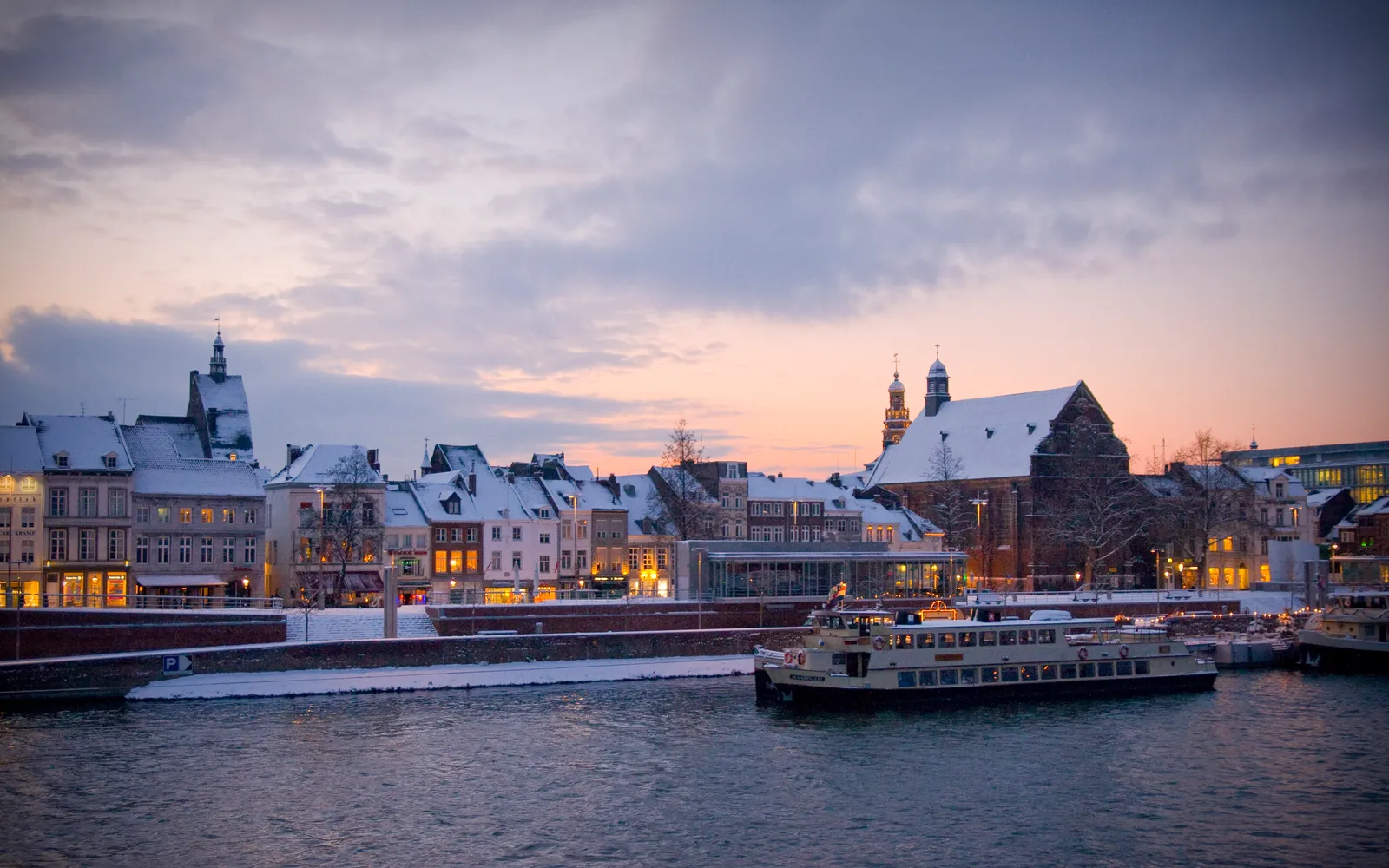
The Dutch regularly vote Maastricht the most liveable city in the country — and the moment you cross an ancient stone square, taste wine inside a cave carved from a hillside, or stand reading in a Gothic church whose nave is now lined floor-to-ceiling with bookshelves, you understand exactly why. The city is compact but dense with stories, and nothing about it resembles Amsterdam.
 #1
#1 Vrijthof Square
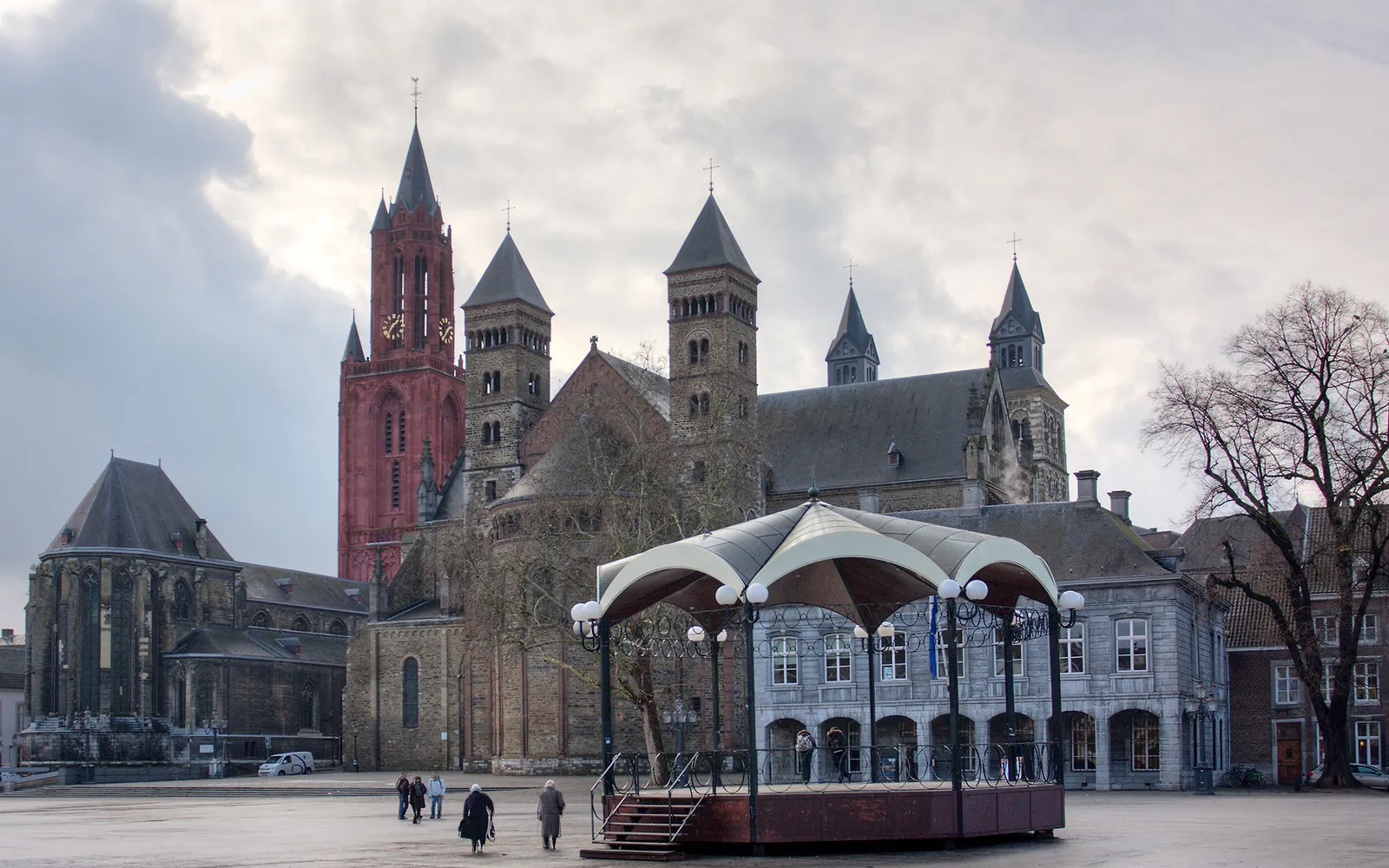
The beating heart of Maastricht. This broad, ancient stone square is flanked on two sides by Sint Servaasbasiliek and Sint Janskerk, with cafés and restaurants running long terraces along the perimeter. In summer it becomes an open-air concert venue; December brings the largest Christmas market in the Netherlands; February turns it into the chaotic, joyful centre of carnival. Even on an ordinary weekday, the square has real pulse.
- Terrace cafés around the square charge more than the side streets — but the view makes a morning coffee here genuinely worth it.
- Sint Servaasbasiliek charges an entry fee; admission is free only during service hours.
- The square is car-free, easy to stroll in any direction, and connects directly to the main shopping street.
 #2
#2 Boekhandel Dominicanen
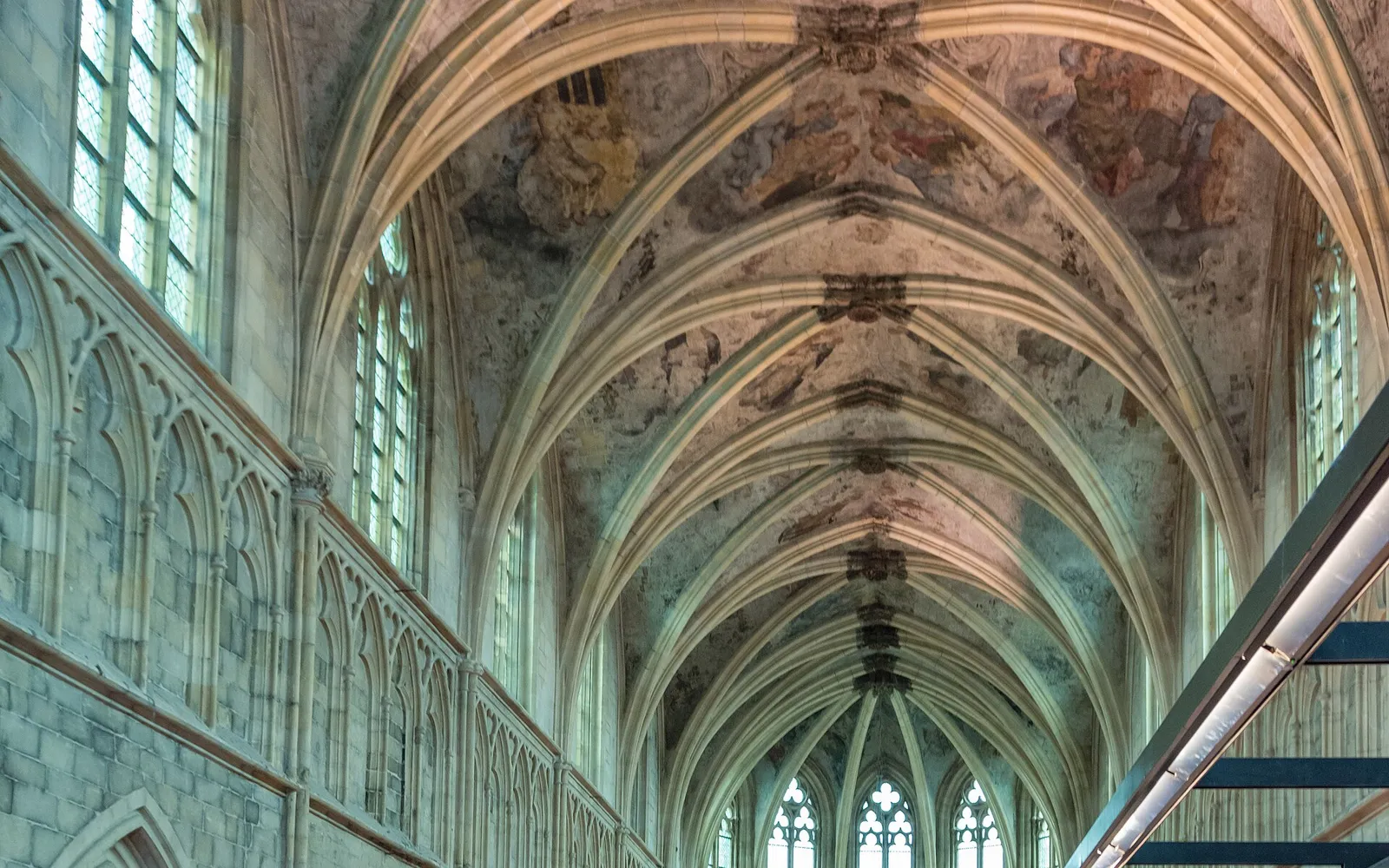
The Guardian has voted this the most beautiful bookshop in the world on multiple occasions. It occupies a 700-year-old Dominican church that has been brilliantly repurposed: three storeys of sleek black shelving rise inside a high-ceilinged nave whose vaulted roof still carries its original frescoes intact. The collision of ancient and contemporary is so striking that even visitors with no intention of buying a book feel compelled to stop and take a photograph.
- The third floor has an open balcony where you can look down over the entire church — climb up and take a moment to take in the full scale.
- The in-house café serves espresso and Limburg cake; the atmosphere is unlike anywhere else.
- Most books are in Dutch and English; there is a section of cards and souvenirs well suited to travellers.
 #3
#3 Sint Pietersberg Caves
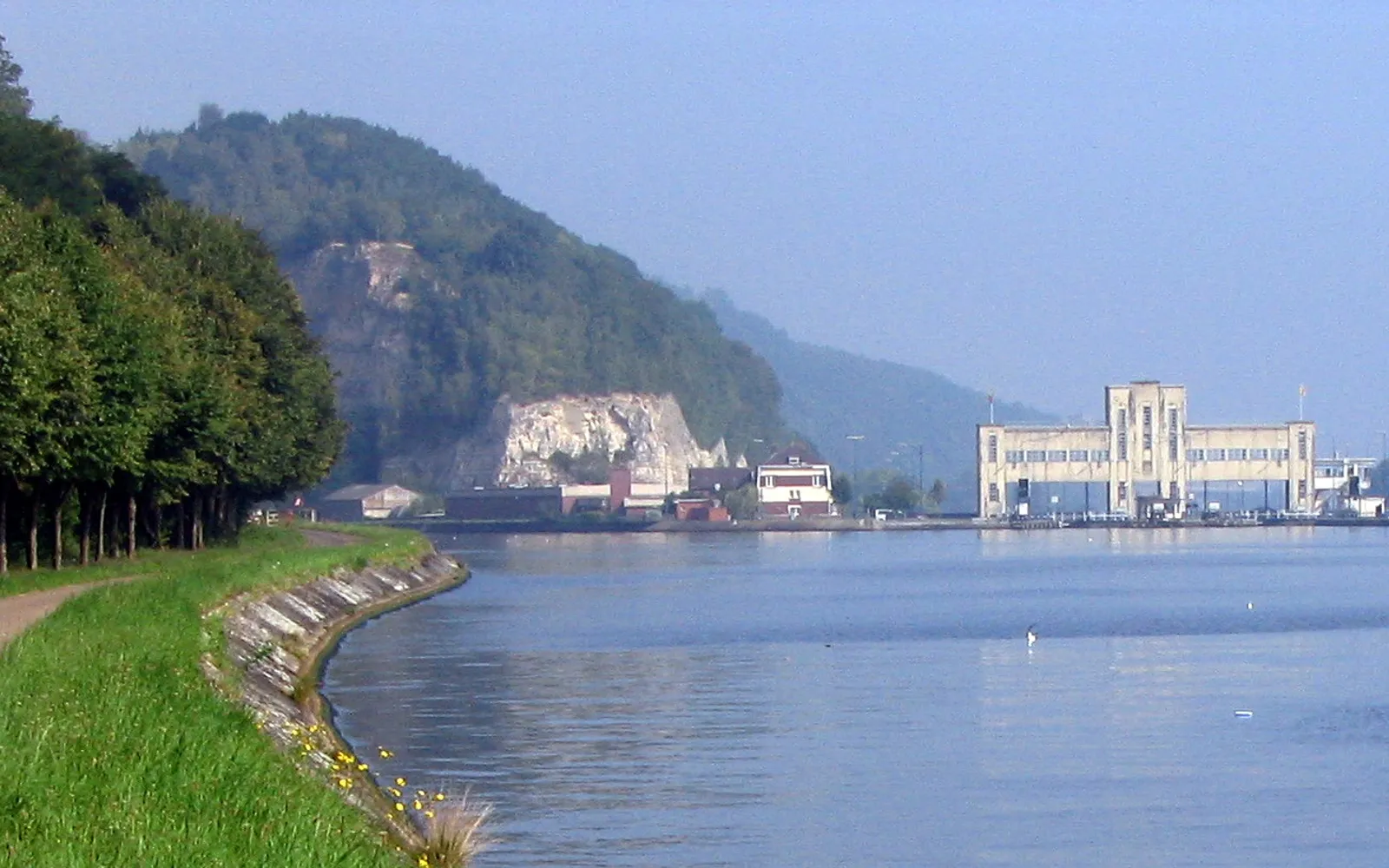
Beneath the hill south of Maastricht lies a network of more than 20,000 passages totalling 320 kilometres, quarried by hand from Roman times onward to supply the white sandstone (marl) used to build the city above. The walls are covered in carvings and signatures from hundreds of years of visitors. During World War II, residents hid Rembrandt paintings and other valuables here. Guided tours tell the full story as you walk.
- Book in advance at the VVV Tourist Office or online — tours fill fast, especially in summer.
- The cave temperature holds at 10–12 °C year-round; bring a layer even if you're visiting in midsummer.
- Two tour options are available: Zonneberg (quieter) and North Caves (longer, more WWII material) — North Caves is the better pick.
 #4
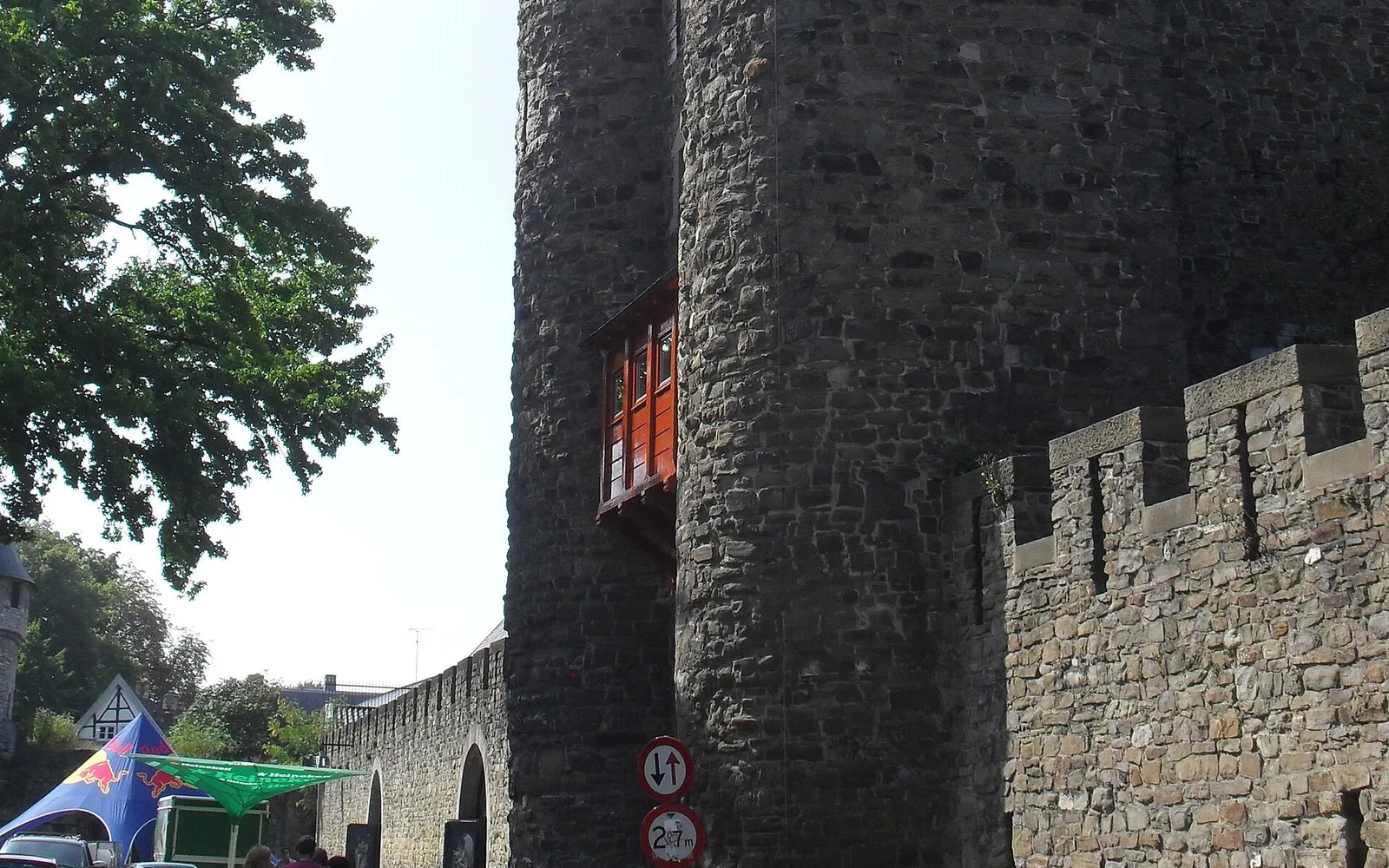
#4 Helpoort
The oldest surviving city gate in the Netherlands, built in 1229 from local white sandstone. Helpoort translates literally as 'Hell Gate': in the medieval period it was used to escort plague victims out of the city. It sits in Jekerkwartier, the quietest and most atmospheric neighbourhood in Maastricht, beside the clear, cool waters of the Jeker. The surrounding parkland is ideal for an evening walk.
- You can follow the old city wall further in both directions; at several points you can climb up onto the wall itself at no charge.
- The small cafés and artist studios scattered through Jekerkwartier are more rewarding than the main tourist strip.
- The interior of Helpoort is only accessible in summer (May–October), when local volunteers open it free of charge.
 #5
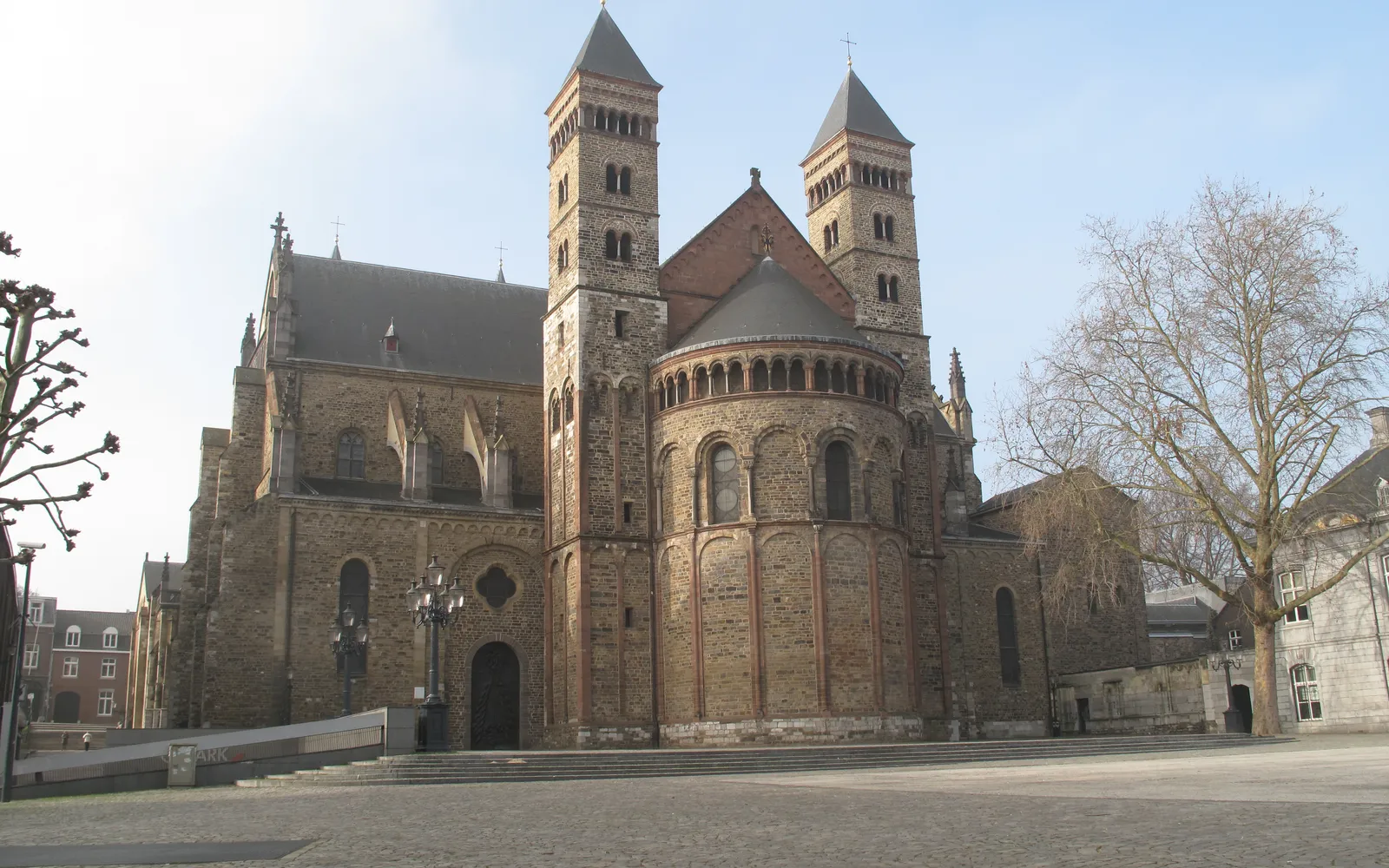
#5 Basilica of Saint Servatius
The oldest church in the Netherlands, built above the tomb of Bishop Saint Servatius, who brought Christianity to this region in the 4th century. The main structure is the most complete example of Romanesque architecture in the Benelux. The treasury inside holds religious jewellery, a golden reliquary, and valuables that survived centuries of war. The interior is cool and calm — a good place to sit quietly for a few minutes.
- Entry including the treasury runs approximately €9–12; for anyone with an interest in medieval history, the treasury alone is worth the price.
- Sint Janskerk (the red church) stands immediately adjacent, is free to enter, and has a tower you can climb for views over Vrijthof Square.
- The main entrance photographs best in morning light, especially in winter when low golden sun catches the brown stonework.
 #6
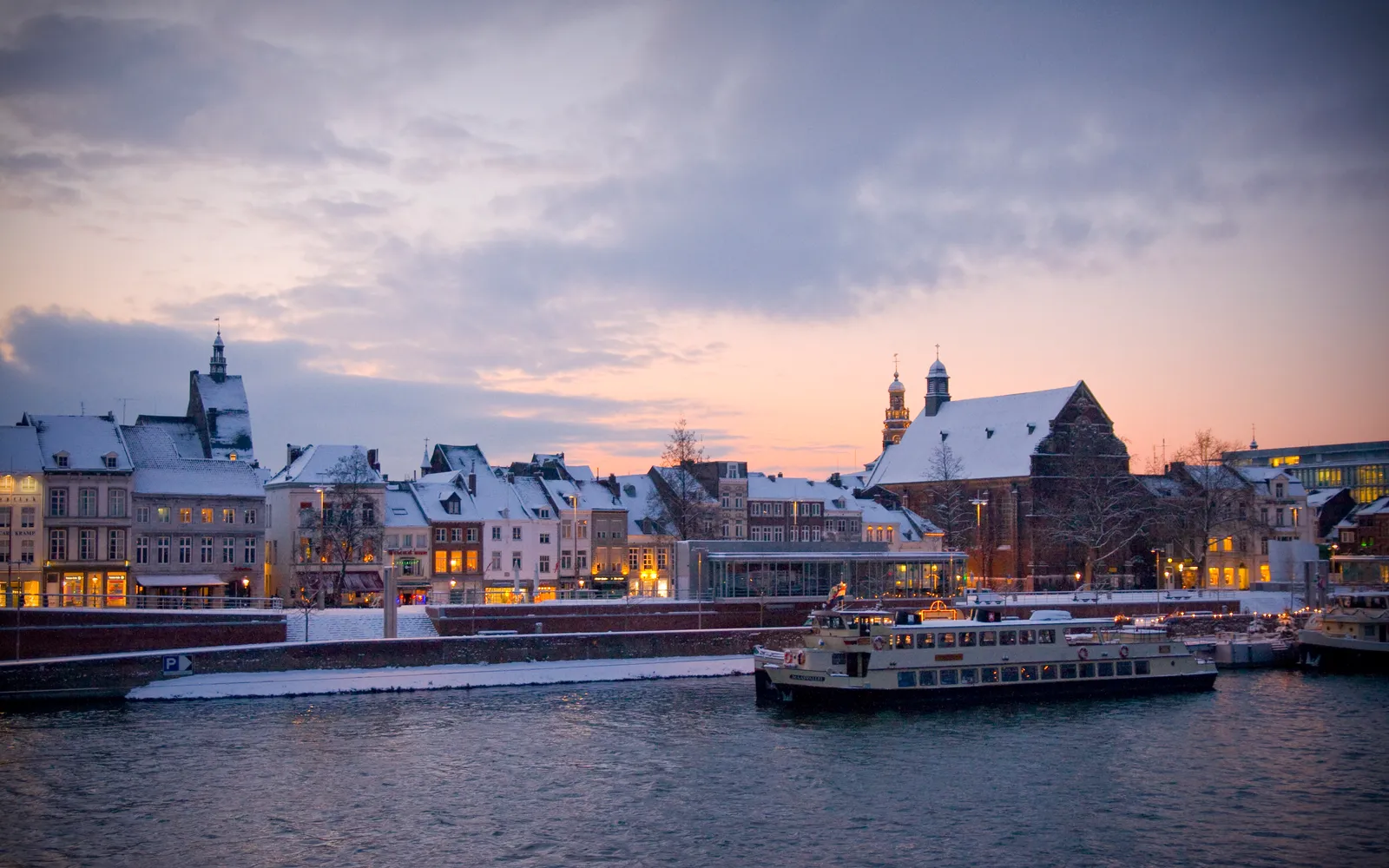
#6 Wyck Quarter and Maas Riverside
The neighbourhood on the east side of Sint Servaasbrug that many visitors walk past but Maastricht residents love. Rechtstraat is packed with vintage shops, artisan cheese sellers, Limburg wine merchants, and small cafés that exist nowhere else. The Saturday morning market at Markt sells organic vegetables, cheese, and seasonal flowers. The atmosphere here reflects genuine local life more than the old town on the western bank.
- The Saturday morning market at Markt runs 8 am–1 pm — the best place to buy Limburger cheese and local pastries.
- Rechtstraat has the highest concentration of independent boutiques in the city; Grote Staat is dominated by international chains.
- Sint Servaasbrug, the centuries-old bridge connecting the two banks, is worth crossing at sunset when the Meuse turns golden.
Where to stay in Maastricht for this trip
A well-located hotel means less commuting and more sightseeing. Here are real, top-rated stays in Maastricht — compare Agoda · Booking · Trip.com in one click.
Maison Haas Hustinx & Spa
Affiliate links — we may earn a commission at no extra cost to you. Details
The Social Hub Maastricht
Affiliate links — we may earn a commission at no extra cost to you. Details
Boutique Hotel Beaumont Maastricht
Affiliate links — we may earn a commission at no extra cost to you. Details
Kruisherenhotel Maastricht
Affiliate links — we may earn a commission at no extra cost to you. Details
Tours, tickets & activities in Maastricht
Day tours, attraction tickets and travel essentials for Maastricht — book ahead on Klook with mobile e-tickets.
Affiliate links — we may earn a commission at no extra cost to you.
Before You Pack
Maastricht is at its most spectacular during the February carnival and the December Christmas market, but autumn (September–November) brings mild weather, thin crowds, and comfortable conditions for wandering the old town. Plan for at least 2 full days to cover both the city above ground and the caves beneath Sint Pietersberg.