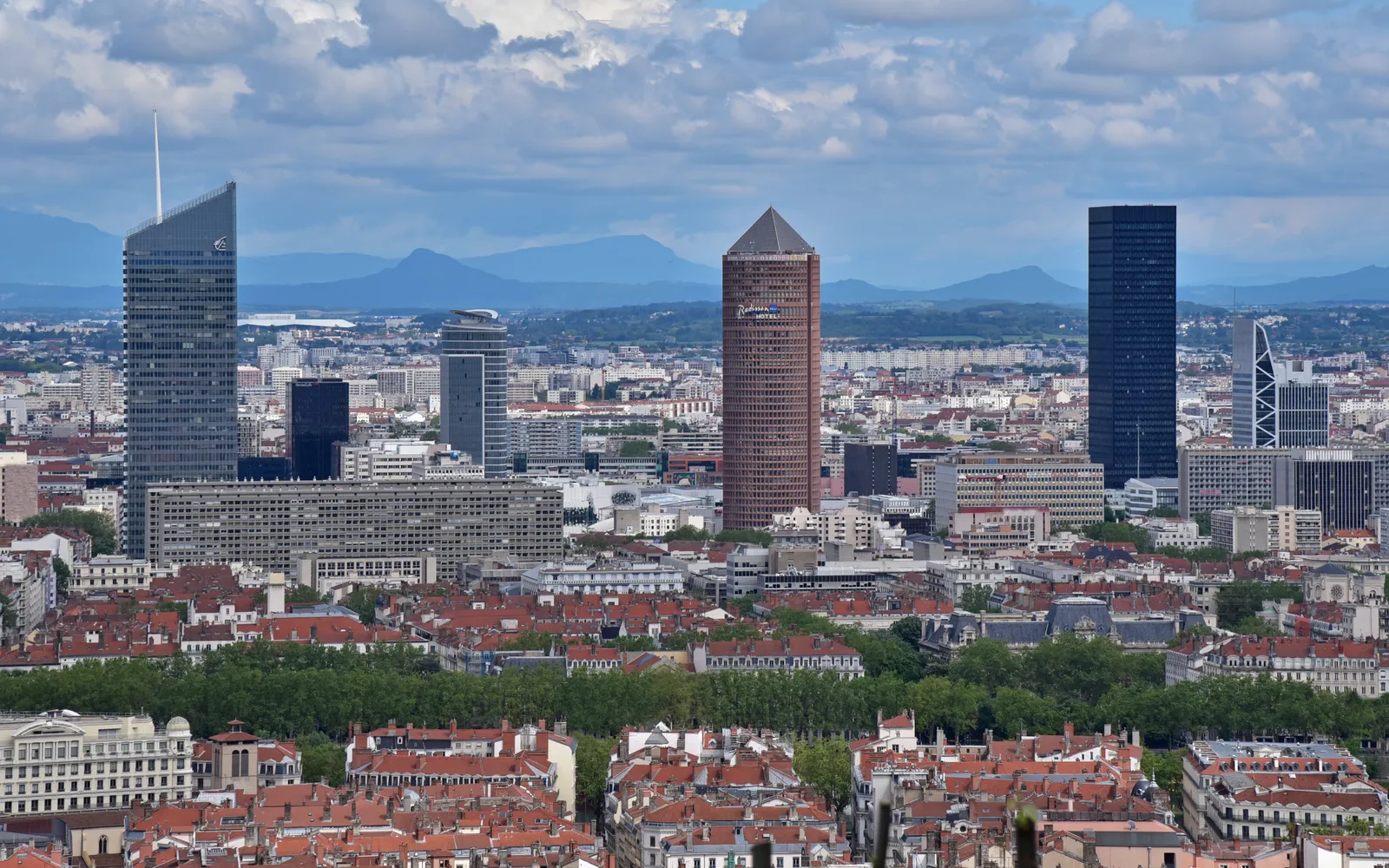
Lyon rarely gets the attention Paris does, yet most travelers who visit end up calling it their favorite city in France. Lyon is one of the few cities in the world where the entire historic center holds UNESCO World Heritage status — Roman, Gallo-Roman, and medieval architecture side by side in a single urban fabric. Add a food culture that serious eaters rank as the true culinary capital of France, and you have a city that keeps drawing people back.
 #1
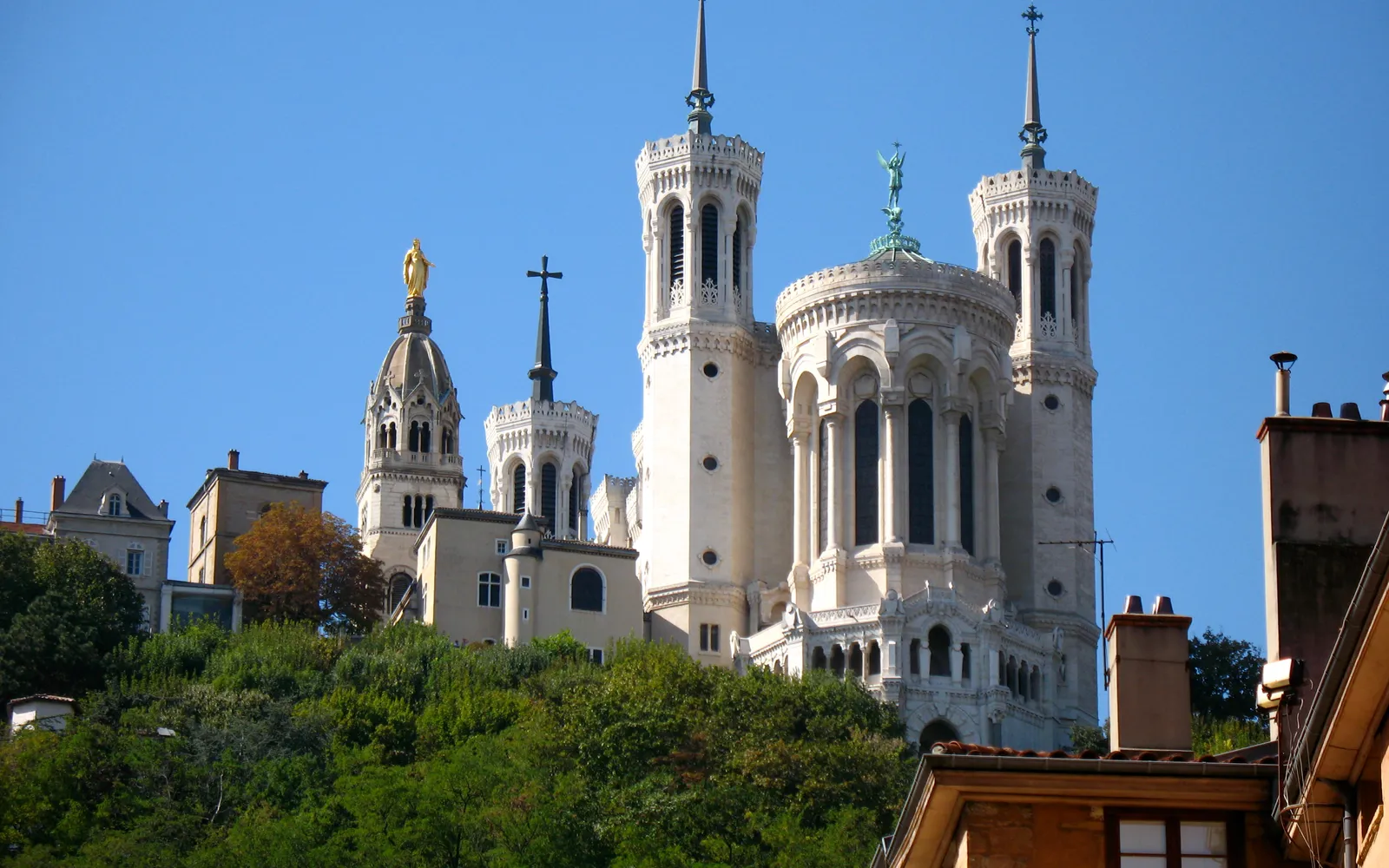
#1 Basilica of Notre-Dame de Fourvière
Lyon's most recognisable landmark, completed in <strong>1896</strong> on the summit of Fourvière hill with views across the entire city. The interior is lined with gold mosaic and Italian marble, and the outdoor terrace delivers a full panorama of Lyon and — on a clear day — the Alps. You can walk up or take the Fourvière funicular to the top in minutes. This is the one stop no visitor should skip.
- The Fourvière funicular costs <strong>€3.30</strong> one way and departs from the Saint-Jean station every 5–10 minutes. The walk up the steep staircase takes about 25 minutes.
- Entry to the basilica itself is free. The bell-tower observatory tour costs <strong>€6</strong> and offers the best views in Lyon.
- Come at around <strong>8 pm in summer</strong> for the sunset — golden light across the rooftops of Lyon is hard to beat.
 #2
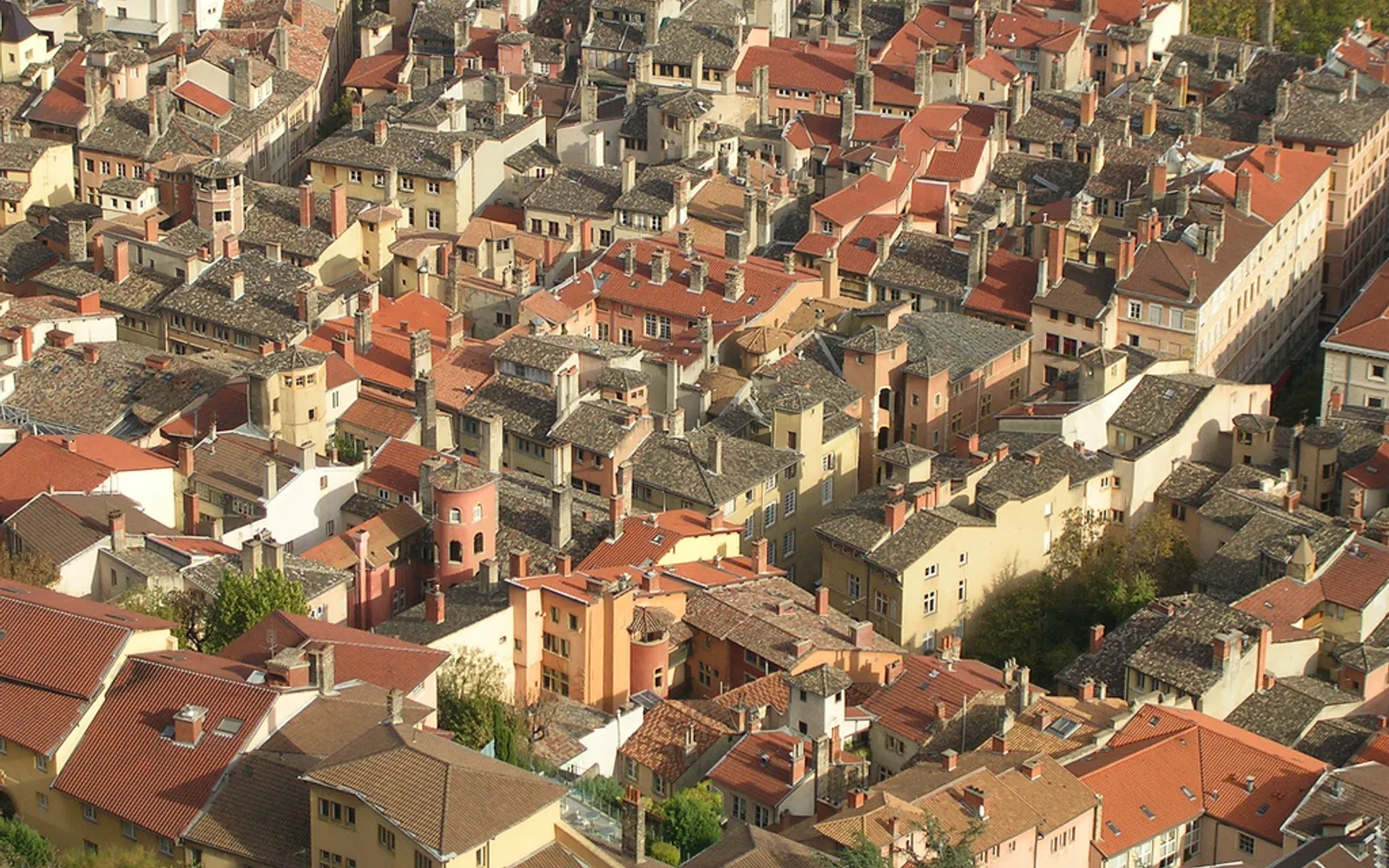
#2 Vieux Lyon
The UNESCO-listed old town is the <strong>largest and most complete Renaissance urban ensemble in Europe</strong>. The cobbled streets are lined with traditional bouchon restaurants, pastry shops, and art galleries. The highlight is the <em>traboules</em> — secret passageways threading between medieval buildings, with <strong>more than 40 routes</strong> still open to the public. You can spend an entire day here without running out of things to see.
- A free <em>traboule</em> map is available at the Lyon Tourist Office on Place Bellecour. Do not explore without it.
- Pickpockets work this area during high season. Keep your bag in front and stay alert around groups approaching from the side.
- Genuine traditional bouchons carry a red-and-green <strong>Authentique Bouchon Lyonnais</strong> certification. Avoid places with multi-language menus displayed out front.
 #3
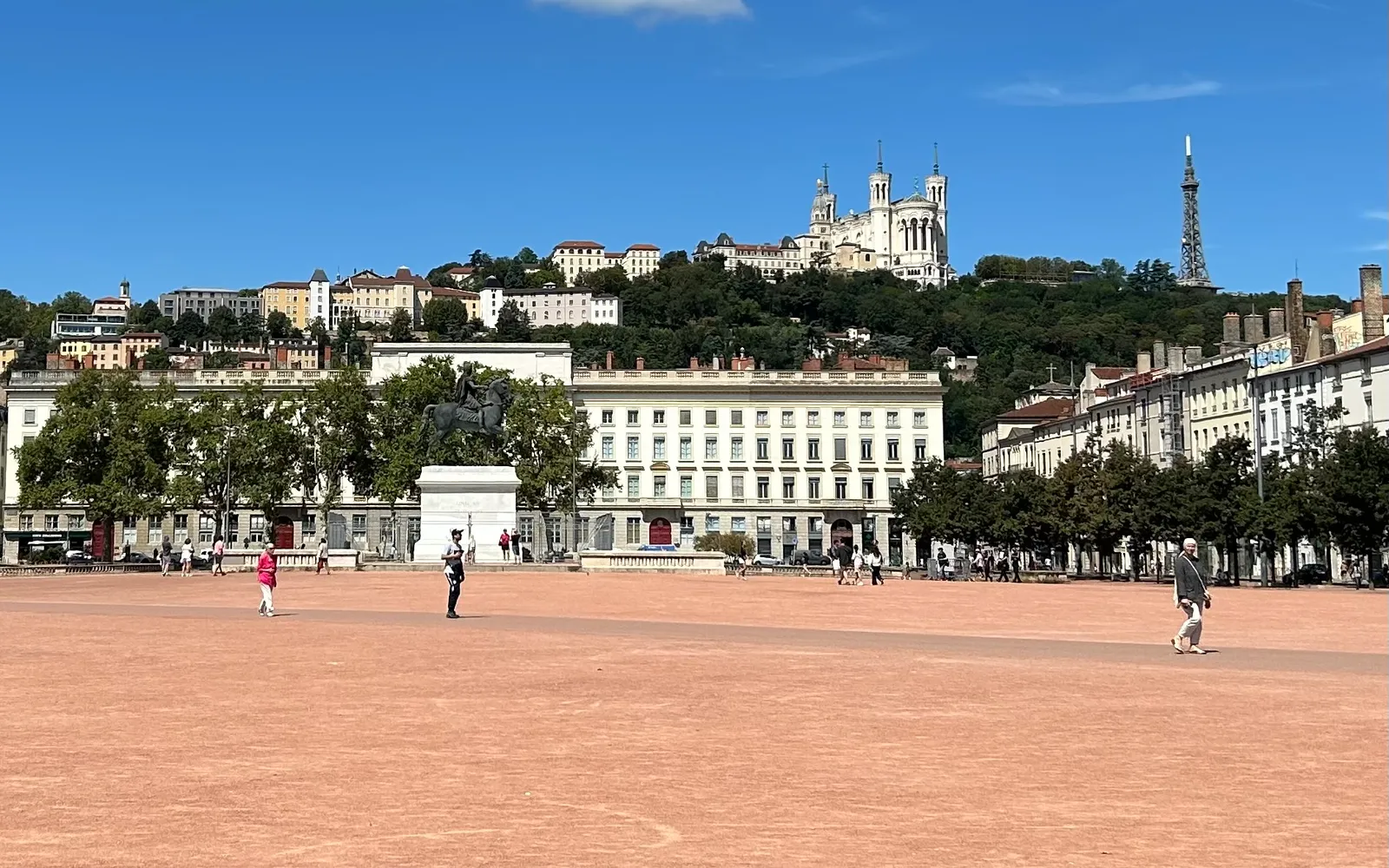
#3 Place Bellecour
The <strong>third-largest square in France</strong> and the second-largest traffic-free public square in Europe, covering more than <strong>60,000 square metres</strong> of red terracotta paving. The equestrian statue of Louis XIV serves as the city's main meeting point. From the north end you get a direct line of sight to the Basilica of Fourvière on the hill. The square is ringed by cafés, the famous Bernachon chocolatier, and the Lyon Tourist Office.
- The <strong>Lyon Tourist Office</strong> is on the eastern side of the square — pick up a Lyon City Card here before you start exploring. It covers the Metro, trams, and most major museums.
- During the <strong>Fête des Lumières</strong> in December, this square is the centrepiece of Europe's finest light festival.
- The open expanse offers almost no shade — in summer the midday sun is intense. Come early or in the evening.
 #4
#4 Parc de la Tête d'Or
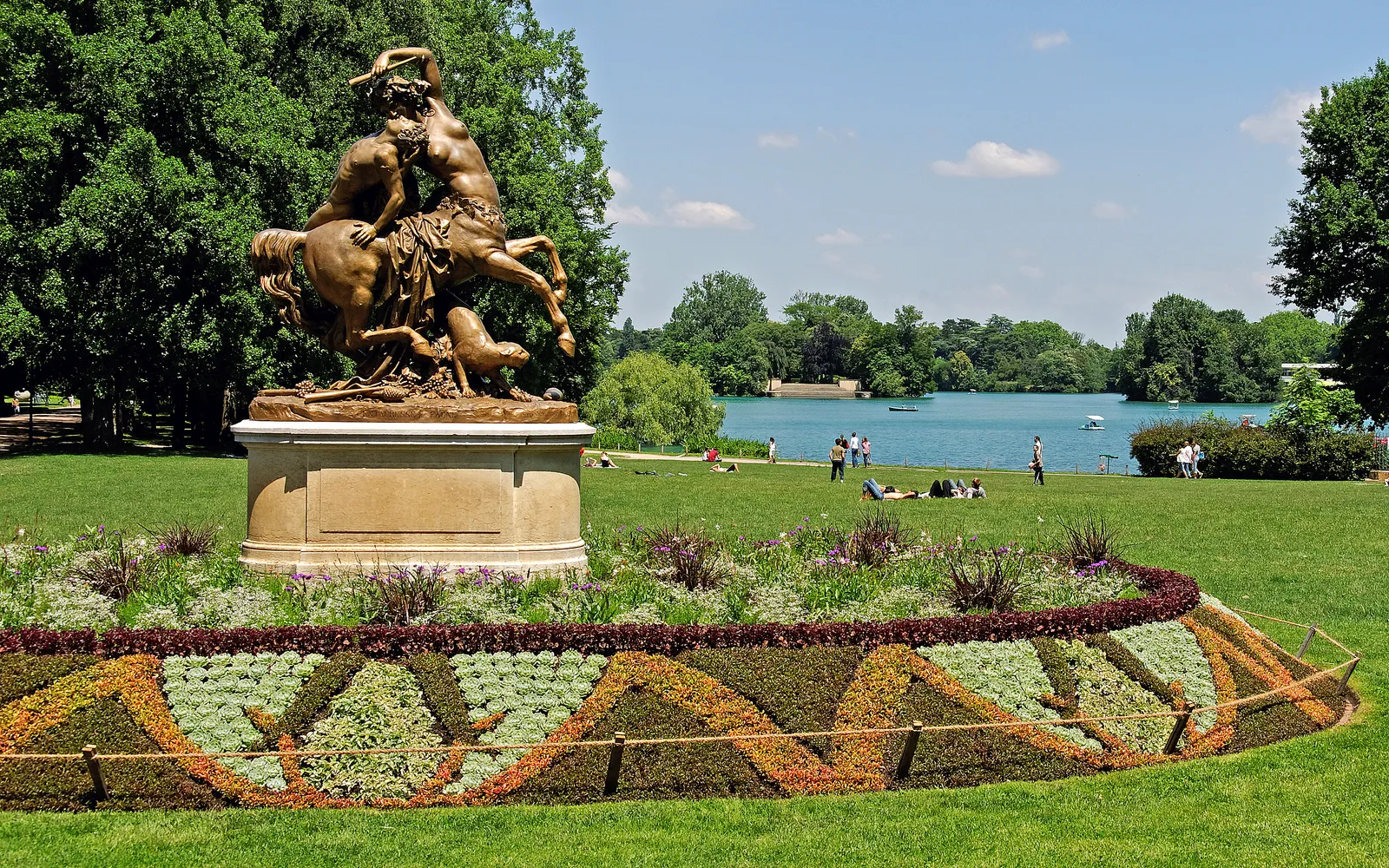
Lyon's most-loved public park stretches across <strong>117 hectares</strong> and includes a lake with rowing-boat hire, a free zoo, the largest rose garden in France (at its peak from May to June), and a botanical garden with rare species from around the world. Entry is free year-round, making it the perfect place to rest between sightseeing.
- The zoo inside the park is <strong>free to enter</strong> and houses giraffes, hippopotamuses, and hundreds of other species — a genuine highlight for families with children.
- The <strong>Roseraie</strong> rose garden is at peak bloom from late May through June, with over <strong>60,000 rose plants across 350 varieties</strong>. The fragrance carries across the whole park.
- Two-wheel and four-wheel bicycles can be hired inside the park for around <strong>€10–15 per hour</strong> — a pleasant way to loop the lake.
 #5
#5 Croix-Rousse
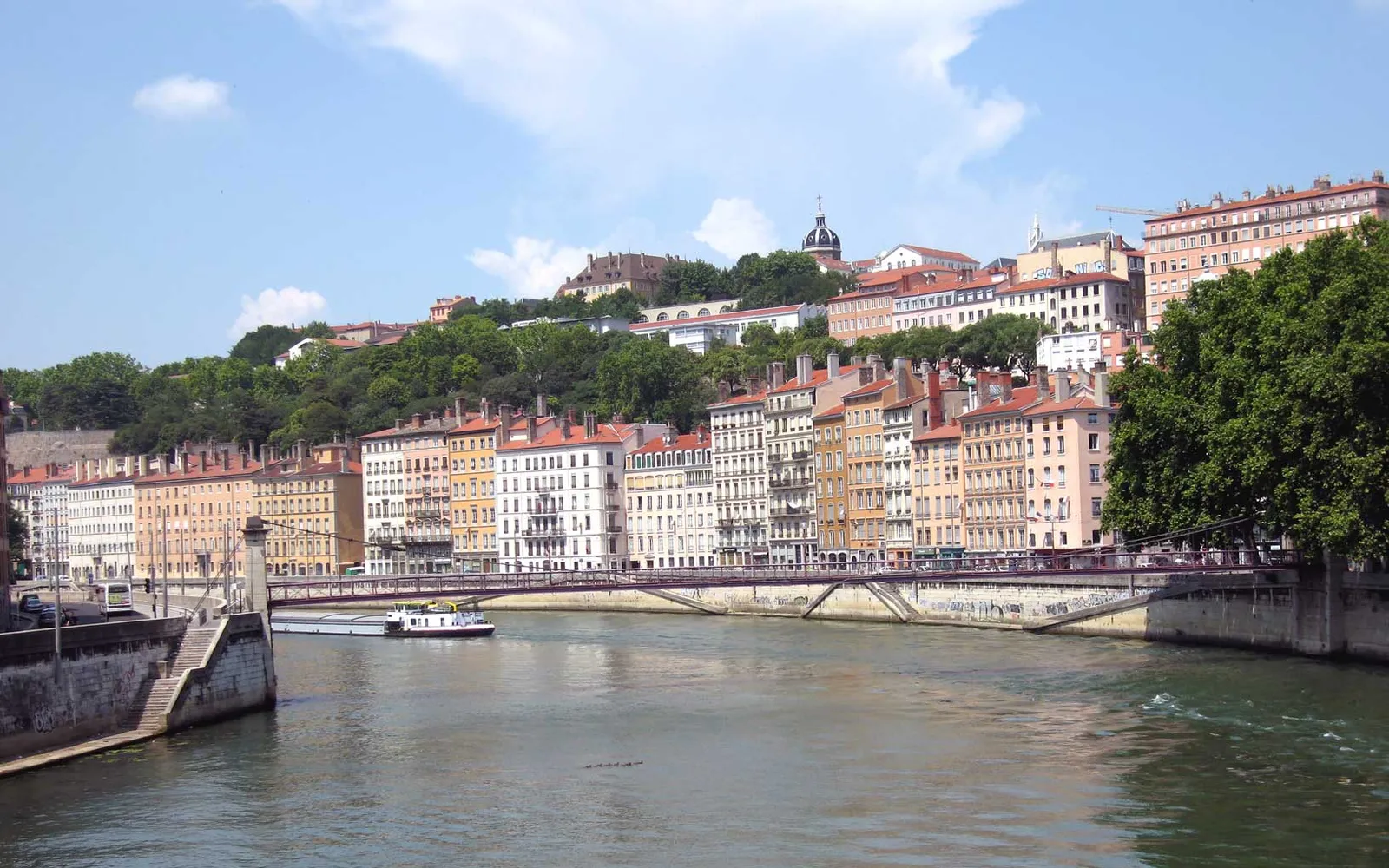
A former working-class neighbourhood that has become the most characterful artists-and-independent-café district in Lyon. In the <strong>19th century</strong> this was the centre of Europe's silk-weaving industry — the giant looms required unusually high ceilings, which is why the buildings here are taller than anywhere else in the city. The <em>traboules</em> here are longer and more complex than those in Vieux Lyon. A morning market runs <strong>Tuesday through Sunday on Boulevard de la Croix-Rousse</strong>, selling organic produce and local goods.
- The <strong>Maison des Canuts</strong> museum on Rue d'Ivry lets you watch traditional silk looms in operation and shop for high-quality Lyon silk. Entry is <strong>€7</strong>.
- The <strong>Croix-Rousse market</strong> opens Tuesday to Sunday, <strong>7 am–1 pm</strong>. For fresh pastries and a real sense of how Lyonnais live day-to-day, this is the place.
- The hill is genuinely steep. Wear comfortable shoes — the climb is enjoyable, but mind your knees on the way down.
 #6
#6 Gallo-Roman Theatre of Fourvière
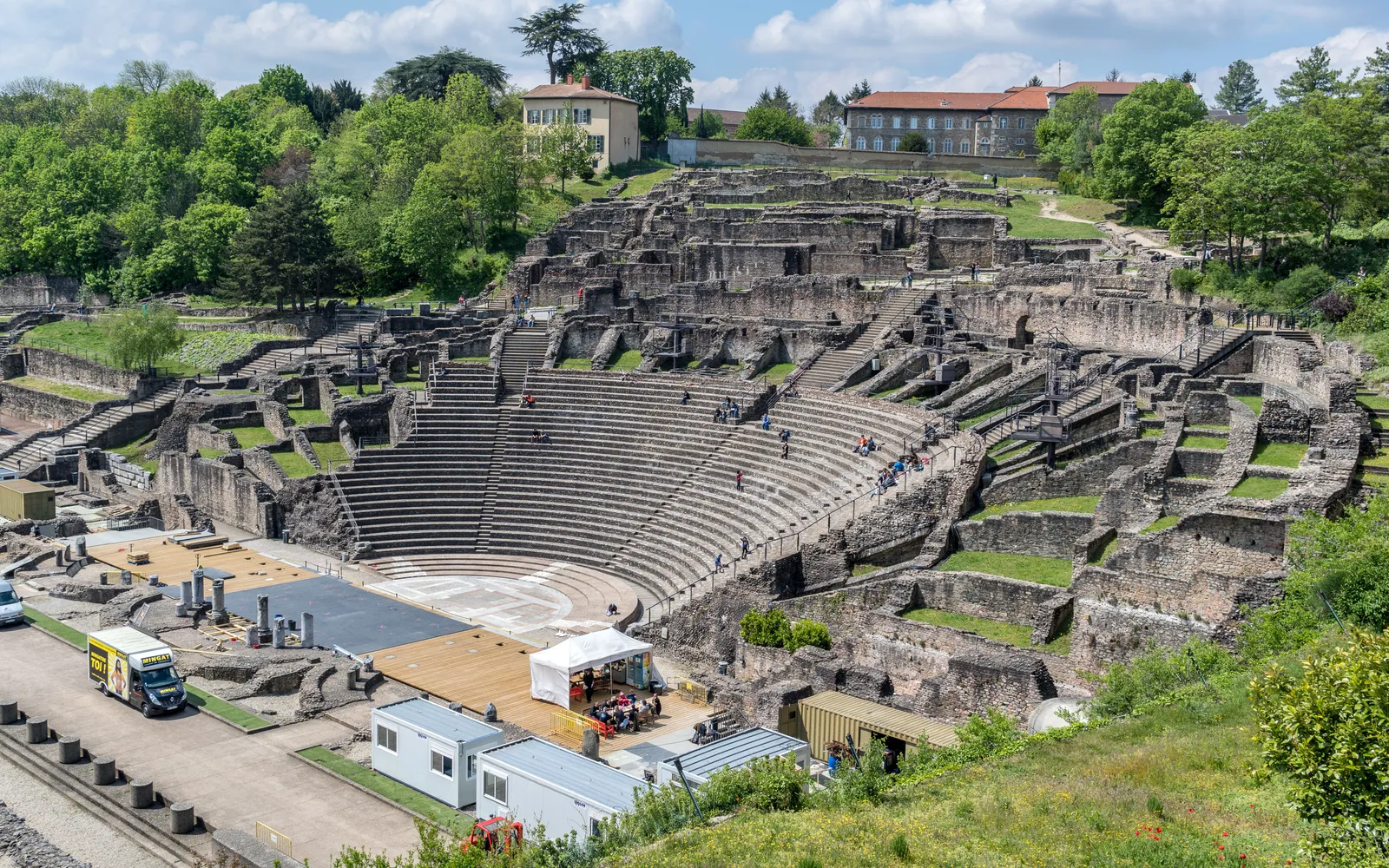
An open-air theatre built more than <strong>2,000 years ago</strong> when Lyon was still called <em>Lugdunum</em> and served as the capital of Roman Gaul. The theatre seats over <strong>10,000 people</strong>, remains in excellent condition, and is still used for concerts and the annual <strong>Nuits de Fourvière</strong> music festival every summer. Alongside it sits the <em>Odéon</em>, a smaller theatre with original marble mosaic flooring still intact. The Lugdunum museum is just a few steps away.
- The theatre ruins are <strong>free to visit year-round</strong>. The adjacent <strong>Lugdunum museum</strong> costs <strong>€8</strong> and holds the finest collection of Roman artefacts in Lyon.
- The <strong>Nuits de Fourvière</strong> festival runs every <strong>June through August</strong> — concerts inside a Roman theatre are about as atmospheric as it gets in Europe. Book weeks in advance.
- Combine this with a visit to the Fourvière Basilica on the same trip. Both sites sit on the same hill and are an easy walk from each other.
Where to stay in Lyon for this trip
A well-located hotel means less commuting and more sightseeing. Here are real, top-rated stays in Lyon — compare Agoda · Booking · Trip.com in one click.
ibis Styles Lyon Centre – Gare Part Dieu
Affiliate links — we may earn a commission at no extra cost to you. Details
Part Dieu Charial Suites & Chambres
Affiliate links — we may earn a commission at no extra cost to you. Details
Radisson Blu Hotel, Lyon
Affiliate links — we may earn a commission at no extra cost to you. Details
Félix Dort
Affiliate links — we may earn a commission at no extra cost to you. Details
Tours, tickets & activities in Lyon
Day tours, attraction tickets and travel essentials for Lyon — book ahead on Klook with mobile e-tickets.
Affiliate links — we may earn a commission at no extra cost to you.
Before You Pack
Lyon is best visited in May–June or September–October, when the weather is comfortable — warm without being oppressive, and cool without being cold. December brings the Fête des Lumières, when the entire city is transformed into what many consider the finest light festival in Europe. Plan at least 3 days to cover all the main districts properly.