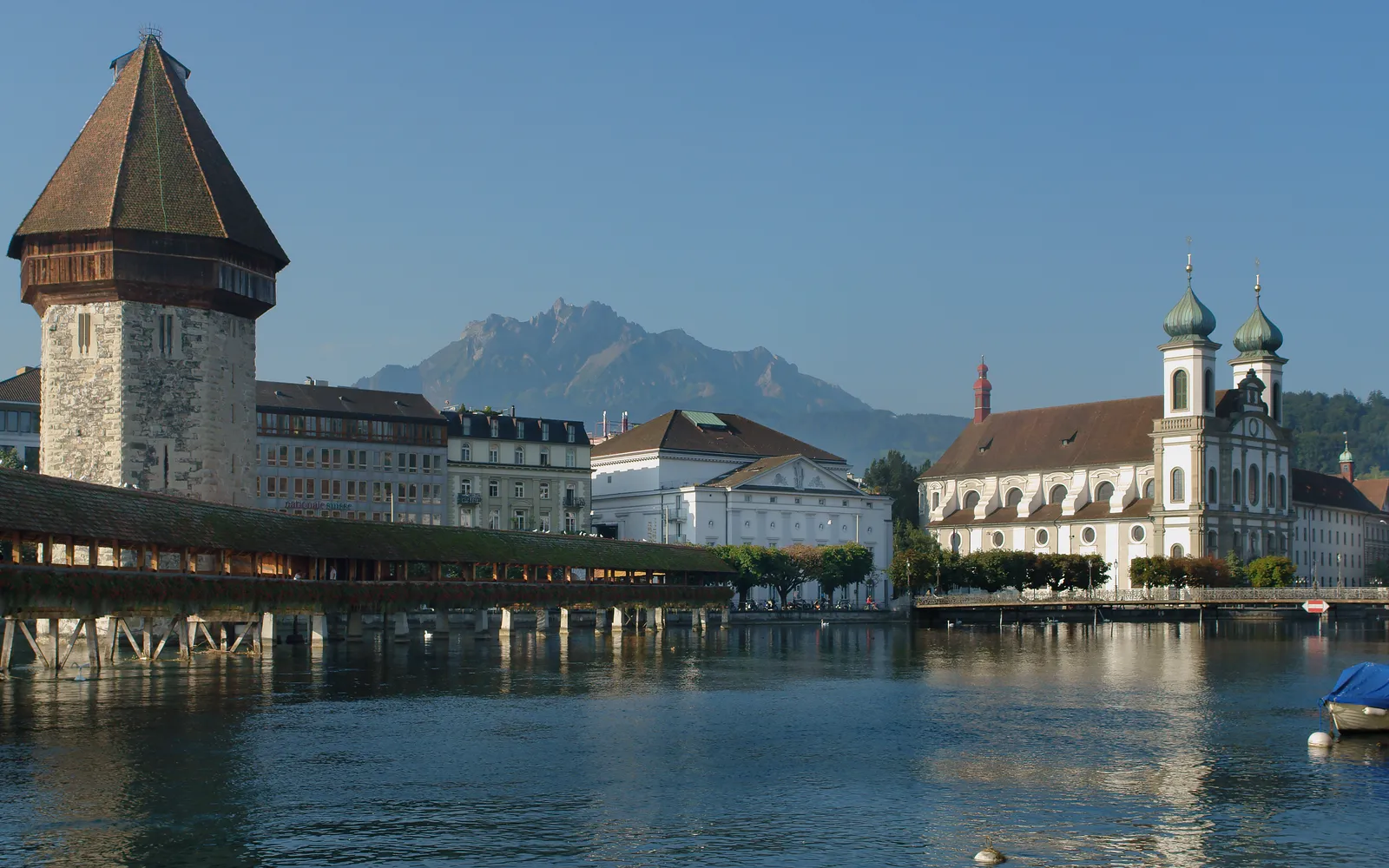
Lucerne and central Switzerland do not chase visual drama on the plate — but they hide extraordinary depth of flavor in their local ingredients. Luzerner Chügelipastete, an ancient creamy meat pie unique to this city, is the dish old Lucerne restaurants are most proud of. Fondue and raclette are the communal rituals the Swiss have kept since their Alpine days. Even the slightest chill in the air is excuse enough to dip bread into a pot of hot melted cheese.
 #1
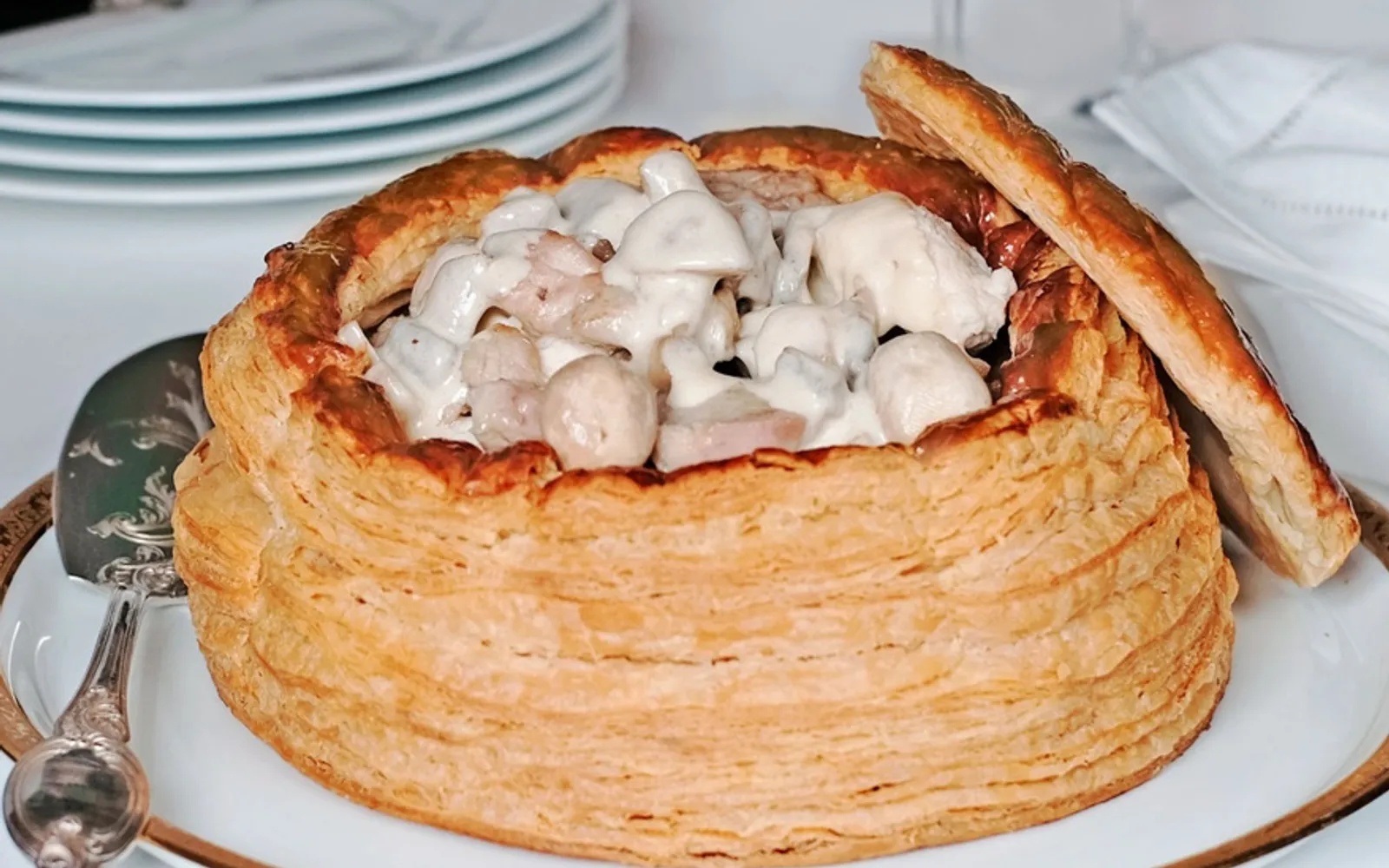
#1 Luzerner Chügelipastete
Lucerne's signature dish, with roots stretching back to the Middle Ages. A round, golden-baked pastry shell is opened at the table to reveal <em>Fleischkügelchen</em> — tiny meatballs — mushrooms, and in some recipes <em>Schüblig</em> sausage, all bathed in a rich cream and white-wine sauce. The flavor is deep, warm, and rounded. Locals have eaten this at festivals and special occasions since at least the 19th century.
- Ask the kitchen to serve it with blanched vegetables and Rösti for a complete Swiss meal on one table.
- Zunfthaus zu Pfistern on the banks of the Reuss is one of the oldest establishments that has been serving this dish for centuries.
- Expect to pay around 30–45 CHF per plate — not cheap, but this is a genuine, centuries-old taste of Lucerne.
 #2
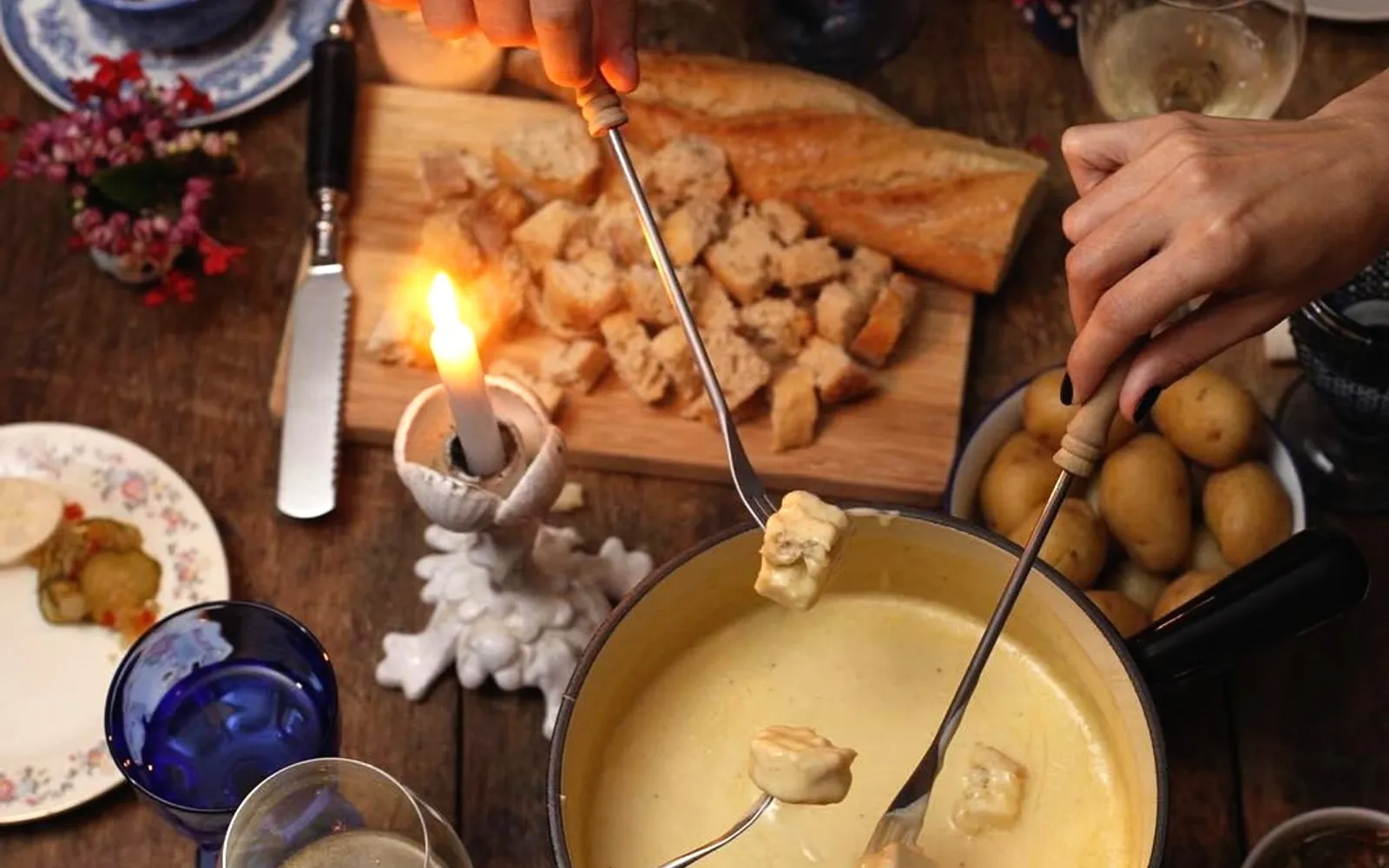
#2 Swiss Cheese Fondue
Switzerland's national dish and one of the world's great communal eating rituals. A clay pot called a <em>caquelon</em> holds Gruyère and Emmental melted together with white wine, garlic, and <em>Kirsch</em> (cherry brandy), served with cubed baguette for dipping on long forks. There is an old Swiss rule: drop your bread in the pot and you buy wine for the whole table — it keeps the mood excellent.
- Order Fondue Moitié-Moitié (half and half) — a blend of Gruyère and Vacherin Fribourgeois that is the most popular style in central Switzerland.
- Drink hot tea or white wine alongside. Cold water is traditionally avoided because Swiss lore holds that it solidifies the cheese in your stomach — true or not, the Swiss still believe it.
- October through March is peak fondue season. Some restaurants serve it year-round, but it is far more atmospheric in winter.
 #3
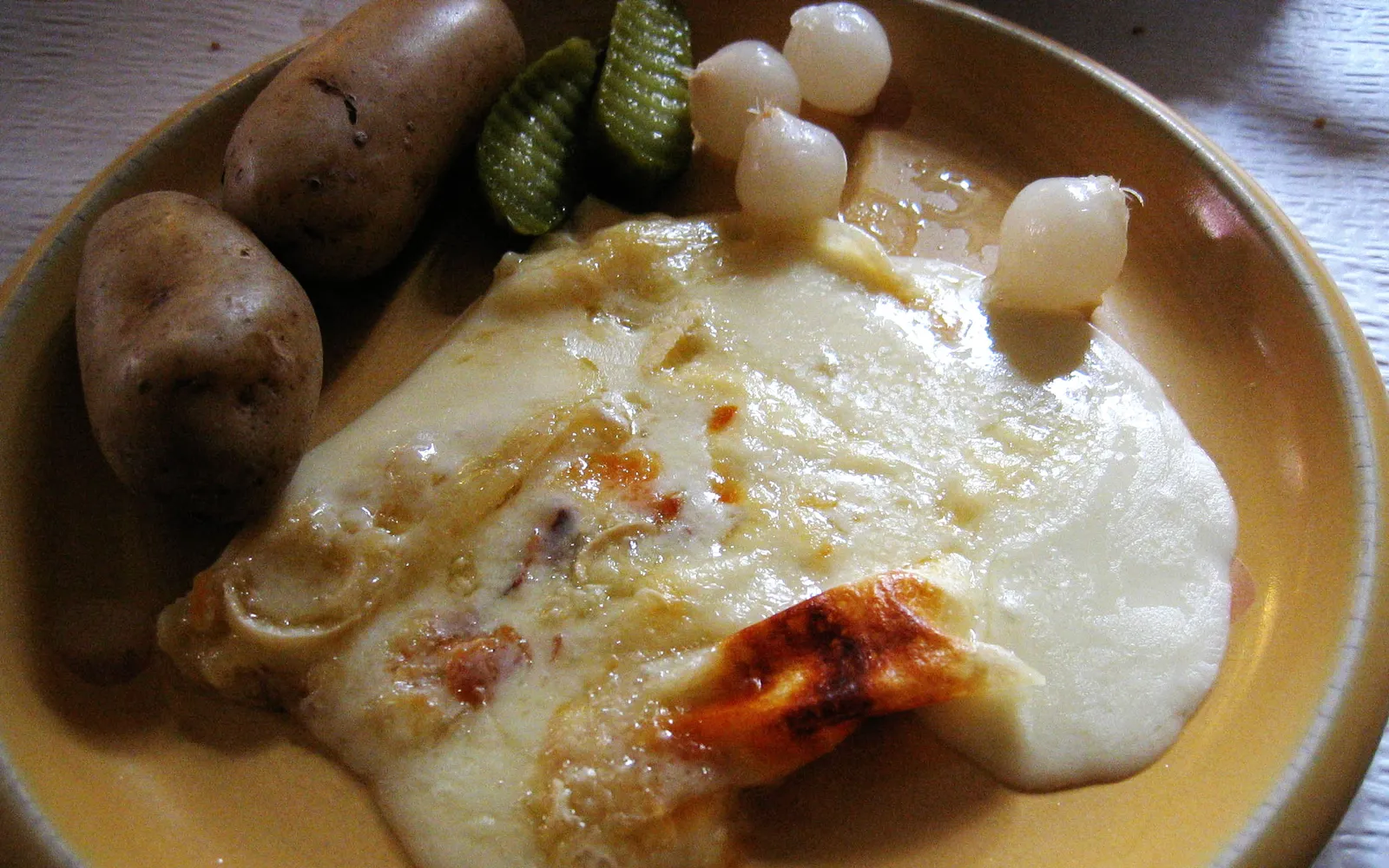
#3 Raclette
The simplest Alpine dish and one of the most satisfying. The name comes from the French <em>racler</em>, meaning to scrape. Traditionally, a half-wheel of Raclette cheese is held near a flame or electric element until the surface melts, then scraped directly onto boiled potatoes, pickled <em>Cornichons</em>, and cured meats. The flavor is salty, buttery, and lightly smoky — exactly right on a cold day. Modern restaurants often provide tabletop raclette grills so diners do the scraping themselves.
- Order extra boiled potatoes — half a kilogram of Raclette cheese needs at least 4 or 5 to absorb it properly.
- Look for cheese labelled Raclette du Valais AOP (the certified designation from the Valais region) for the best quality.
- The Luzern Winter Market in December has outdoor raclette stalls that are genuinely memorable.
 #4
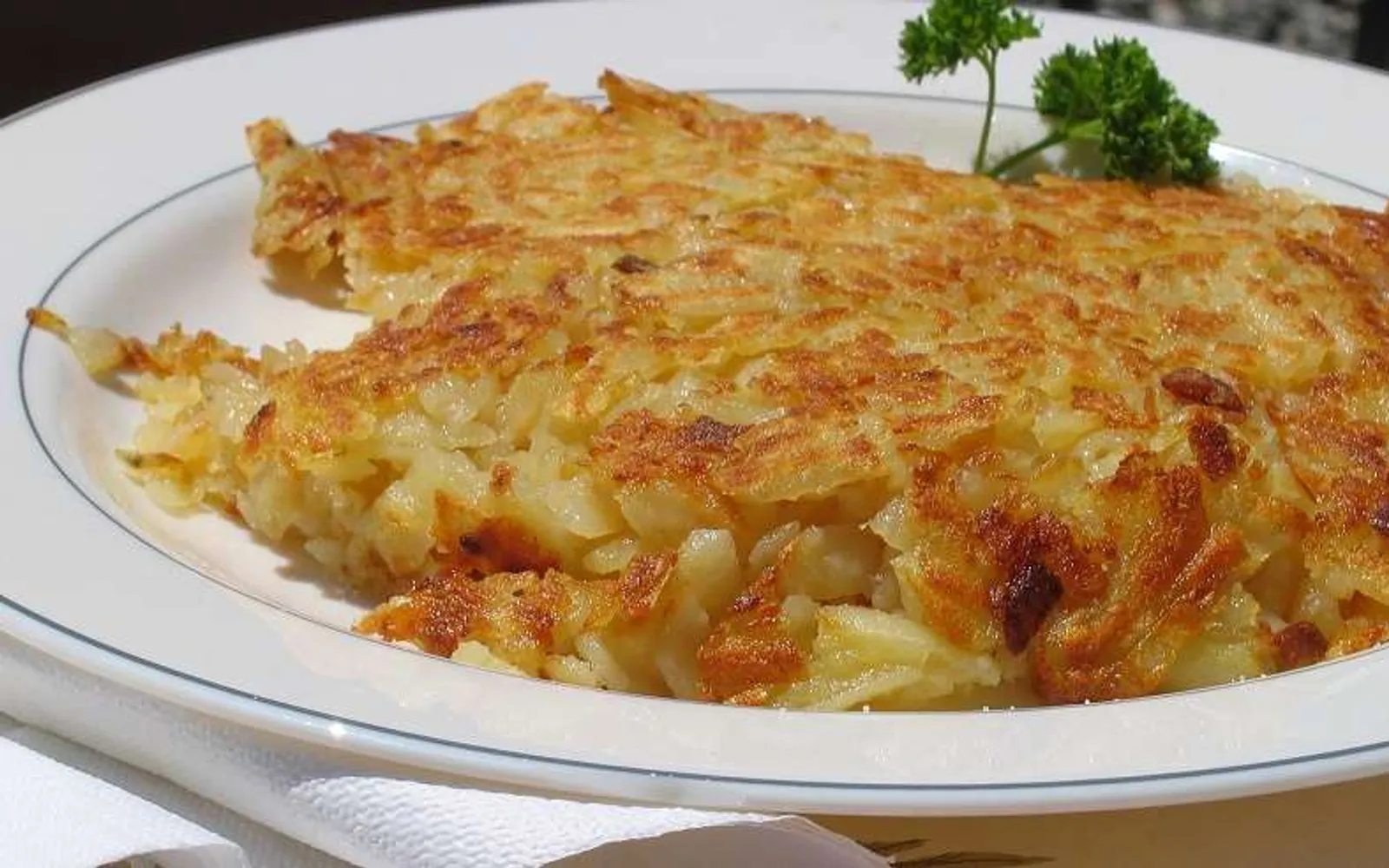
#4 Rösti
The rough equivalent of steamed rice for German-speaking Swiss — a coarse-grated potato cake fried in butter until both sides are crisp, like a thick, savory pancake. It originated in the Bernese Oberland as a farmer's breakfast, but today it appears as the main side dish at every meal alongside meat, fried eggs, cheese, or roasted vegetables. Good Rösti is made from potatoes boiled the night before, giving the flesh just enough dryness to stay fluffy inside while the outside turns properly crisp.
- Order <em>Rösti mit Spiegelei</em> (Rösti with a fried egg) — the most classic Swiss lunch combination.
- A restaurant Rösti beats a tourist-trap Rösti by a wide margin. Ask the kitchen to go extra crisp if you prefer.
- <em>Rösti Graben</em> (the Rösti Ditch) is the Swiss nickname for the cultural divide between German-speaking and French-speaking Switzerland — the German side eats Rösti, the French side eats fondue.
 #5
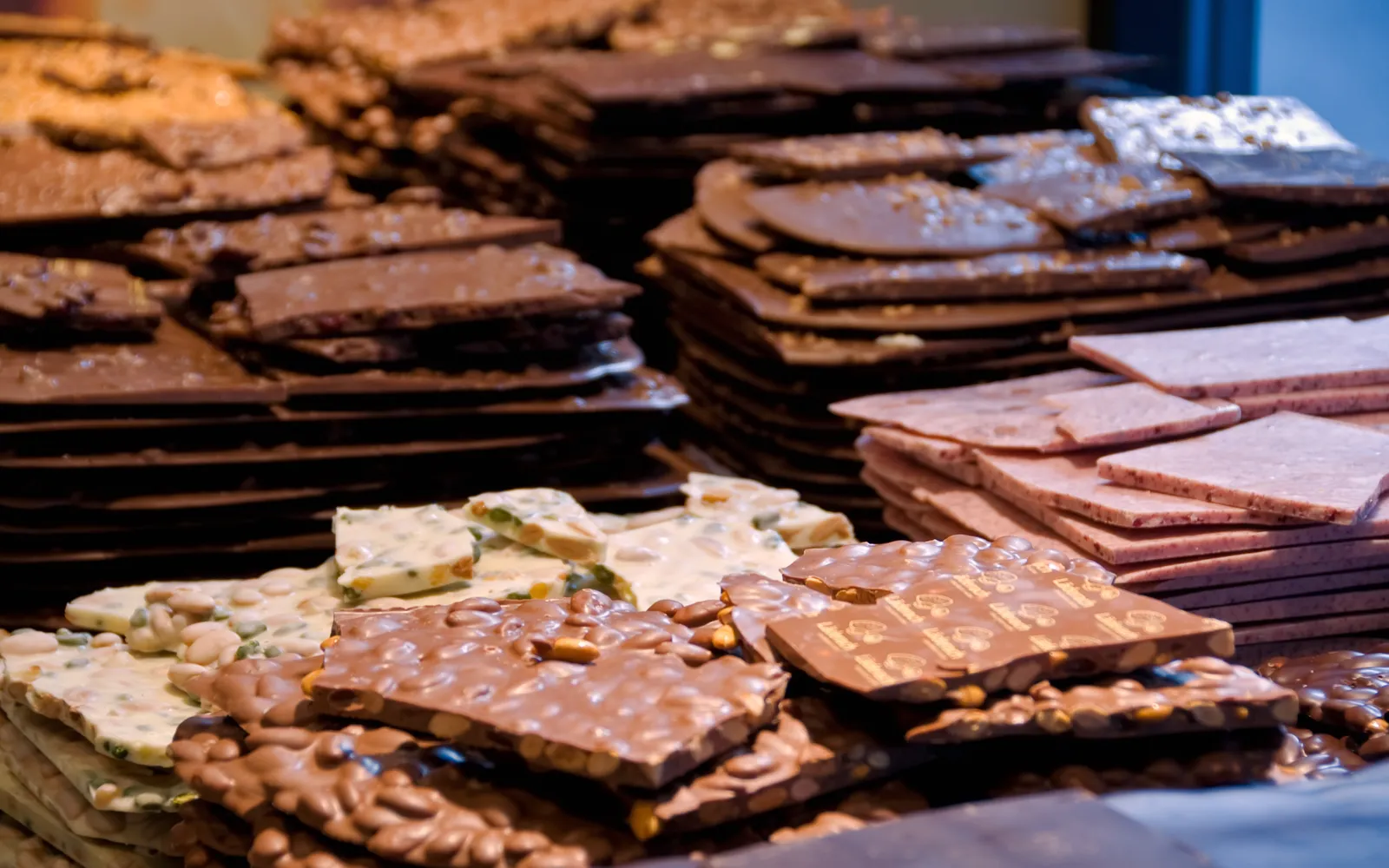
#5 Swiss Chocolate
Switzerland invented milk chocolate in 1875 and has held a top position in global chocolate quality ever since. Lucerne has its own local names worth knowing: <strong>Confiserie Heini</strong>, founded in 1957, and <strong>Confiserie Bachmann</strong> are Lucerne-specific chocolatiers that outperform airport brands by a clear margin. International names like Läderach also have shops here, with bars, truffles, and <em>Pralines</em> suited for gifts.
- Buy in-town rather than at the airport or tourist arcades — prices are 30–50% lower for the same product.
- Confiserie Bachmann and Confiserie Heini are the two Lucerne-specific shops to visit first.
- If you want to make chocolate yourself, Lucerne has workshop tours running about 2 hours and priced around 60–80 CHF.
 #6
#6 Birnweggen
A traditional baked good of central Switzerland made from thin yeast pastry wrapped around a dense filling of ground dried pears, walnuts, dates, raisins, spices, and in some recipes a splash of <em>Kirsch</em>. The filling is sweet and aromatic, a sharp contrast to the thin outer crust. It has been registered as a Swiss cultural heritage food product and is as much a souvenir as it is a snack.
- Bachmann is the name most associated with Birnweggen in Lucerne — available in individual sticks and gift boxes.
- Birnweggen keeps for several weeks at room temperature, making it one of the better gifts to carry home.
- Eat it with hot tea or strong Swiss coffee. On its own, the sweetness and density can be a bit much.
Where to stay in Lucerne for this trip
A well-located hotel means less commuting and more sightseeing. Here are real, top-rated stays in Lucerne — compare Agoda · Booking · Trip.com in one click.
Hotel Schweizerhof Luzern
Affiliate links — we may earn a commission at no extra cost to you. Details
Hotel des Balances
Affiliate links — we may earn a commission at no extra cost to you. Details
HITrental Chapel Bridge Apartments
Affiliate links — we may earn a commission at no extra cost to you. Details
Hotel Des Alpes
Affiliate links — we may earn a commission at no extra cost to you. Details
Tours, tickets & activities in Lucerne
Day tours, attraction tickets and travel essentials for Lucerne — book ahead on Klook with mobile e-tickets.
Affiliate links — we may earn a commission at no extra cost to you.
Before You Pack
Swiss food is typically served in large portions, and prices are high compared to most countries — but the quality of the ingredients is genuinely premium. Local restaurants not attached to hotels usually offer fairer prices and better cooking than tourist-facing establishments.