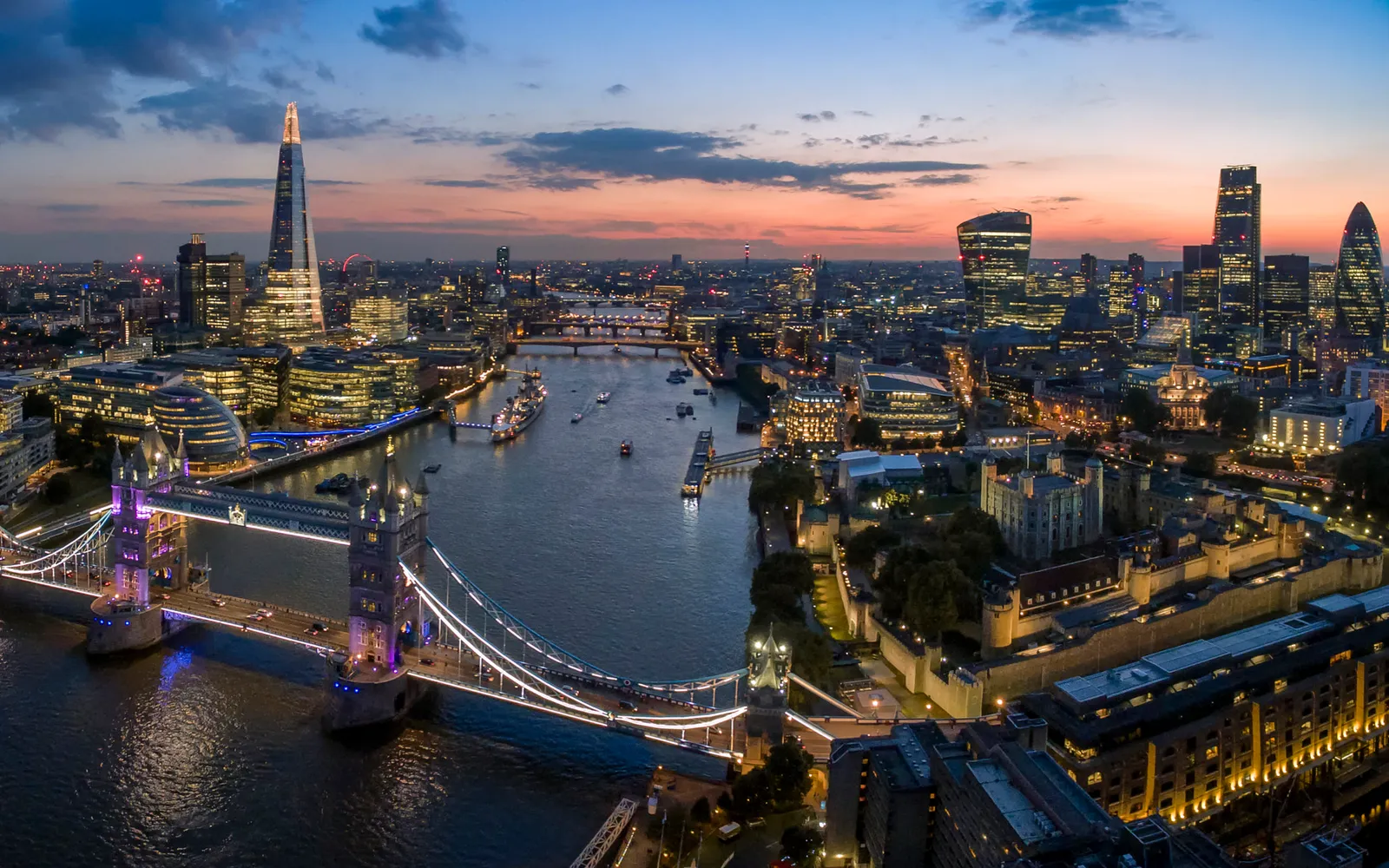
British food has been the butt of jokes for decades, but anyone who has actually eaten their way through London knows that reputation is long out of date. London today ranks among the best food cities on earth — Michelin-starred restaurants, street food markets, and traditional pubs all serving their respective classics at a high level. Here are the six dishes that define the city, each one worth seeking out.
 #1
#1 Fish and Chips
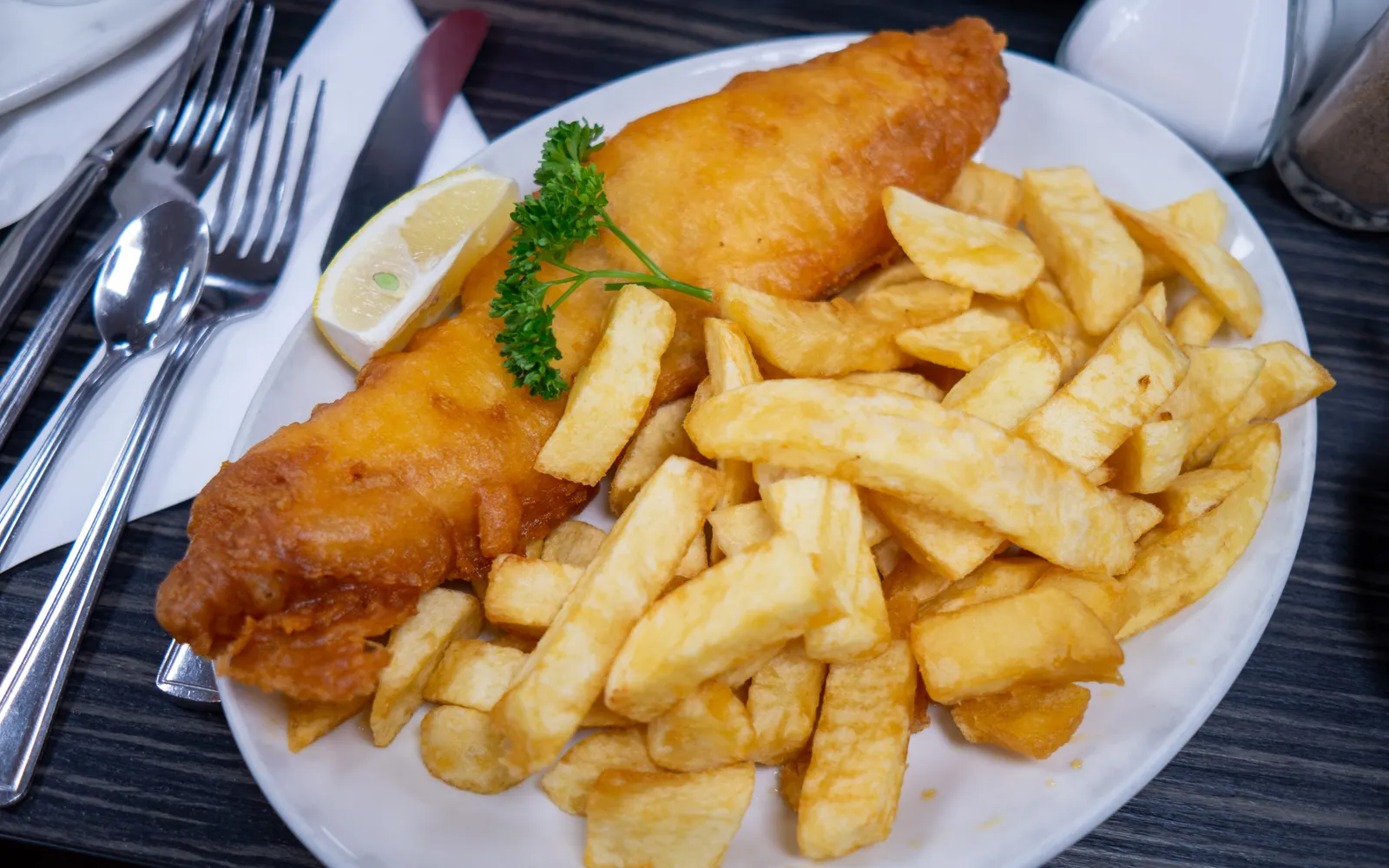
England's national dish has a history stretching back to the 19th century. Fresh cod or haddock is fried in a thin, crisp batter until deep golden, then served alongside thick-cut chips, malt vinegar, salt, tartare sauce, and mushy peas. Good traditional shops still use the correct oil and a house batter recipe unchanged for a century. The flavour is simple — but eat it straight from the fryer and you'll immediately understand why the British love it so much.
- Cod and haddock are the two traditional choices — both have white, flaky flesh. Plaice is thinner and lighter if you want a smaller portion.
- Splash on the malt vinegar and hit it generously with salt before eating. That's how it's done in Britain, and there's nothing to be shy about.
- Shops in tourist-heavy areas like Covent Garden can charge £15–20. Head to a neighbourhood chippy and you'll pay £8–12 — and the fish is often better.
 #2
#2 Full English Breakfast
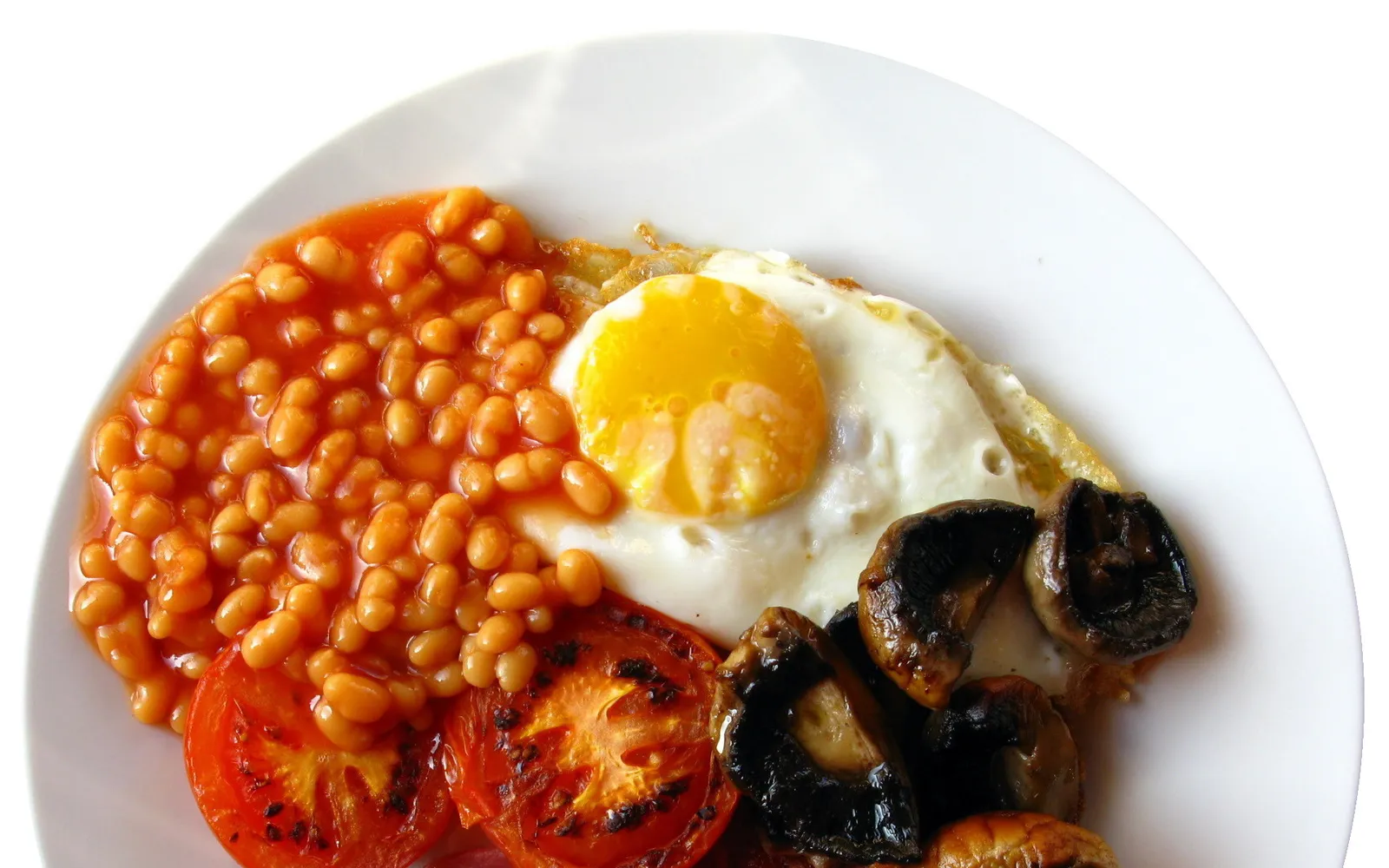
The full English is known the world over for good reason. A proper plate includes fried or scrambled eggs, crispy back bacon, Cumberland or Lincolnshire sausages, grilled tomato, grilled mushrooms, Black Pudding (blood sausage — request it if you're game), and baked beans in tomato sauce, all served with toast and a pot of English tea. It's filling enough to carry you through a full day of sightseeing, which is why most people eat it before heading out. At a standard greasy spoon café the price starts at just £7–10.
- The greasy spoon café — the unpretentious street-corner spot — is almost always better and cheaper than the hotel restaurant. Look for a handwritten sign advertising a Full English at £7–9.
- Black Pudding has a strong, rich flavour. Try one slice; if it's not for you, just ask for it to be left off.
- English Breakfast Tea is served with fresh milk — you'll be asked whether you want the milk poured first or after the tea. Either is fine; it's genuinely a matter of personal preference.
 #3
#3 Afternoon Tea
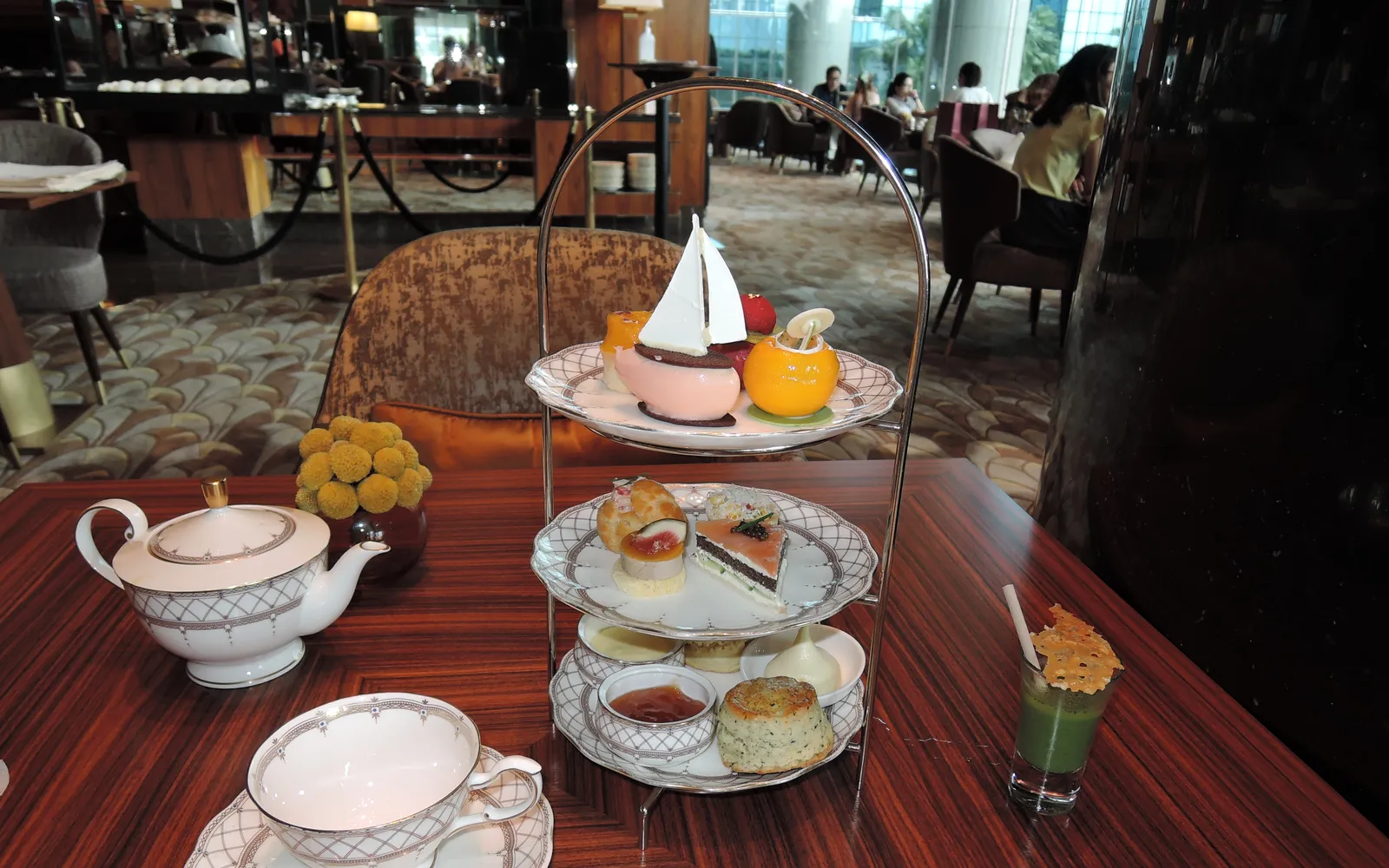
Afternoon tea as a formal ritual dates to the Victorian era of the 19th century, started by the Duchess of Bedford as a way to bridge the long gap between lunch and dinner. The classic three-tier stand holds cucumber sandwiches, egg-and-mayo sandwiches, and smoked salmon on the bottom tier; plain and fruit scones with clotted cream and jam in the middle; and an assortment of small cakes on top — alongside a selection of teas. At a top hotel the price runs £50–80 per person, but it is the kind of experience worth doing at least once.
- Always book ahead. Claridge's and The Ritz can require weeks of lead time. Mid-tier spots in the £30–45 range offer very high quality without the wait.
- The Cornish way to eat a scone: clotted cream first, then jam. The Devon way: jam first, then cream. Both camps feel strongly about this in England.
- If budget is a consideration, Fortnum & Mason on Piccadilly offers afternoon tea at around £65 per person. Independent cafés not attached to five-star hotels often charge half that.
 #4
#4 Sunday Roast
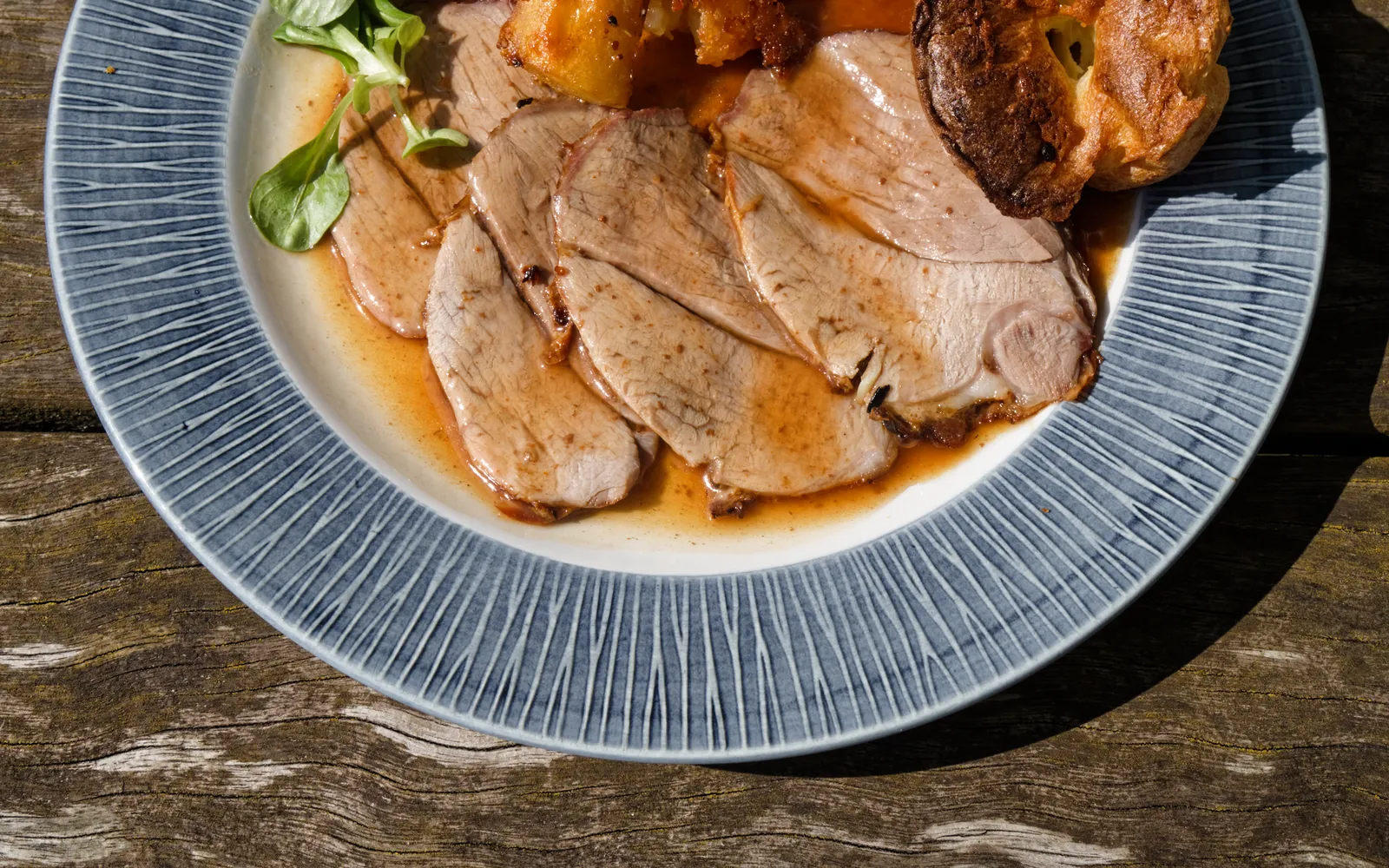
The Sunday roast is a weekly ritual for British families that has continued for centuries. Every Sunday, families and friends gather to share roasted meat — beef, chicken, pork, or lamb — alongside Yorkshire pudding (a baked batter that is considered non-negotiable), crispy-outside-fluffy-inside roast potatoes, roasted root vegetables, and a rich meat gravy. A good pub will source its meat from British farms and roast it fresh each Sunday. Eating it in an old pub with a proper atmosphere makes the whole thing feel complete.
- Arrive on time or book ahead — Sunday roast sells out quickly, especially between 1–3 pm.
- Ask the staff which cut of meat is best that day. Request your beef rare, medium, or well done. Always ask for extra gravy — it goes with everything on the plate.
- Expect to pay around £20–28 per person at a good pub, which includes vegetables and the Yorkshire pudding but not drinks.
 #5
#5 Pie and Mash
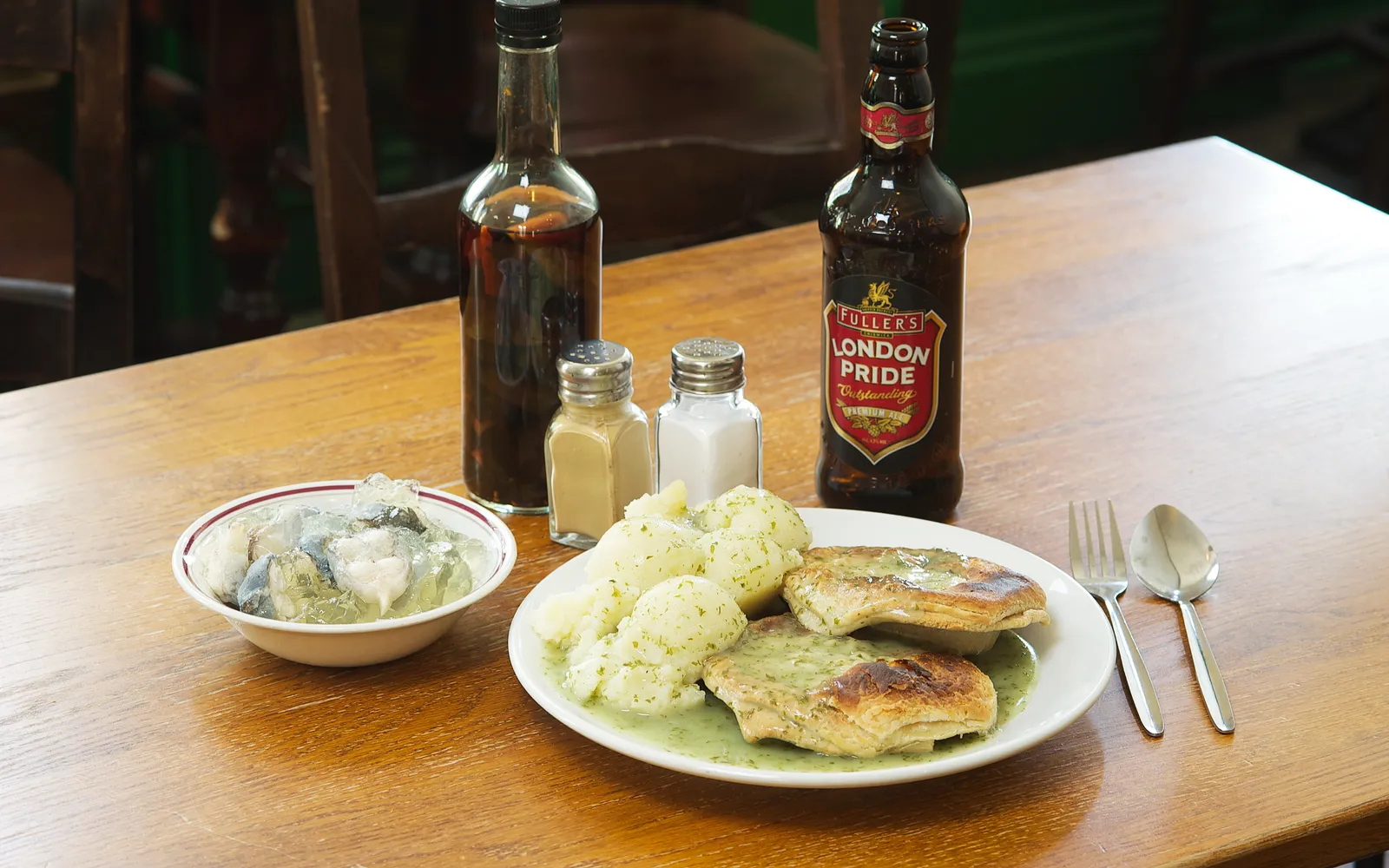
Pie and Mash is the authentic working-class food of East London, with a history of more than 200 years. A beef pie or jellied-meat pie in short-crust pastry sits on buttery mashed potato and is dressed with 'liquor' — a parsley-based pale green sauce made from eel stock — or a dark meat gravy. Some shops still serve Jellied Eels, the traditional dish of London's old labouring class. Prices are low: a plate costs just £5–8. Several shops have been trading for over a hundred years.
- The green liquor has a mild, savoury flavour — it is not spicy or heavy. Ask for extra at no charge.
- Jellied Eels are worth trying once: an unusual texture and a strong, distinctive flavour. Ask for a small portion first if you're unsure.
- M. Manze in Bermondsey has been open since 1902 and is one of the oldest pie and mash shops still operating in London.
 #6
#6 Beef Wellington
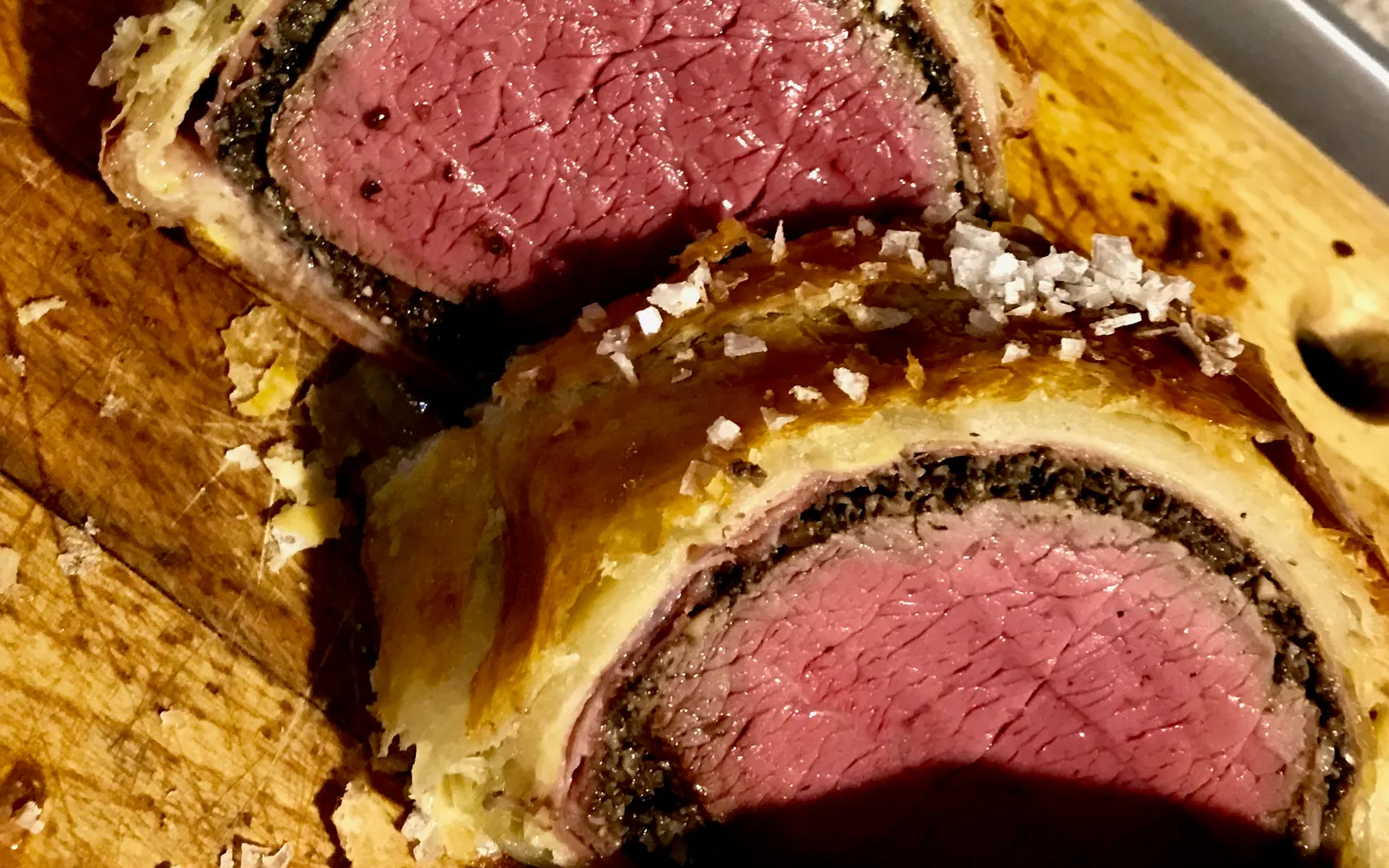
Beef Wellington is the signature test piece of serious British cooking. A beef tenderloin is coated in mustard and duxelles — finely chopped mushrooms cooked down until intensely concentrated — then wrapped in thin slices of Parma ham and enclosed in a puff pastry shell before being roasted until the outside is golden and crisp and the inside remains perfectly juicy. It is widely regarded as the highest expression of British chef skill and is typically served for special occasions. A good restaurant charges £35–55 for the dish.
- Order medium or medium-rare so the beef stays juicy inside. Well-done will dry out the fillet and lose the point of the dish.
- Many restaurants require advance notice or a pre-order when booking, as preparation starts several hours before service.
- Mid-range restaurants like Hawksmoor or The Savoy Grill offer versions that genuinely deliver — you do not need a Michelin-starred table to eat a great Beef Wellington.
Where to stay in London for this trip
A well-located hotel means less commuting and more sightseeing. Here are real, top-rated stays in London — compare Agoda · Booking · Trip.com in one click.
Claridge's
Affiliate links — we may earn a commission at no extra cost to you. Details
The Ritz London
Affiliate links — we may earn a commission at no extra cost to you. Details
The Connaught
Affiliate links — we may earn a commission at no extra cost to you. Details
The Savoy
Affiliate links — we may earn a commission at no extra cost to you. Details
Tours, tickets & activities in London
Day tours, attraction tickets and travel essentials for London — book ahead on Klook with mobile e-tickets.
Affiliate links — we may earn a commission at no extra cost to you.
Before You Pack
British food is at its best in old pubs that have been trading for centuries, or at food markets like Borough Market, which gathers the best small producers in the country under one roof. If you want to keep costs down, a fish and chips from a neighbourhood chippy will be tastier and cheaper than one sold in a tourist-area restaurant. The only rule: be willing to try.