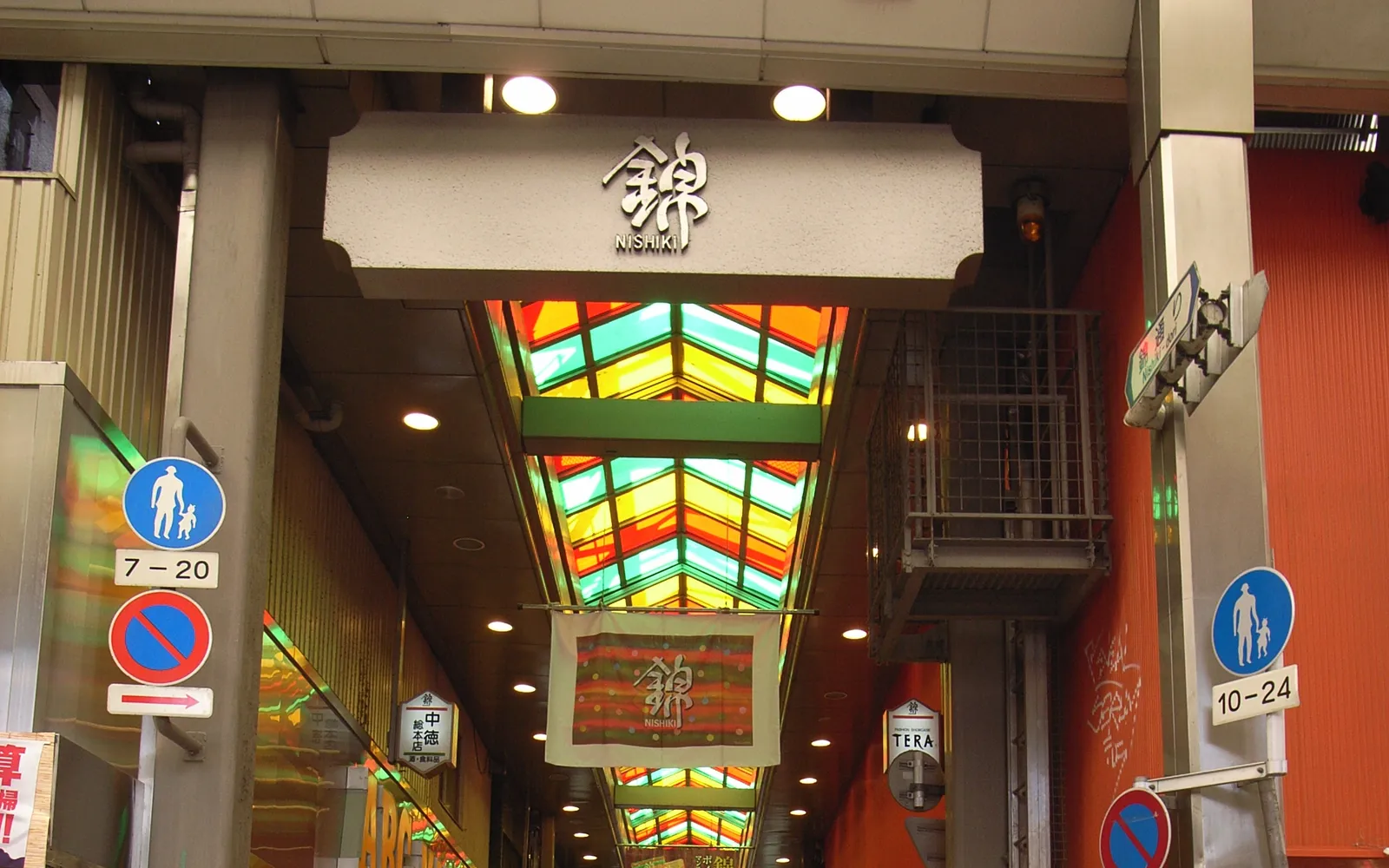
Kyoto is the beating heart of traditional Japanese culture — a city that served as the imperial capital for over a thousand years and survived World War II bombing largely intact, which is why its architectural treasures are still here. From the 10,000 vermilion torii gates of Fushimi Inari and the gold-leaf pavilion of Kinkaku-ji reflected in its pond, to the geisha quarter of Gion that still functions today, Kyoto is far more than an open-air museum. It is a city where past and present share the same street.
 #1
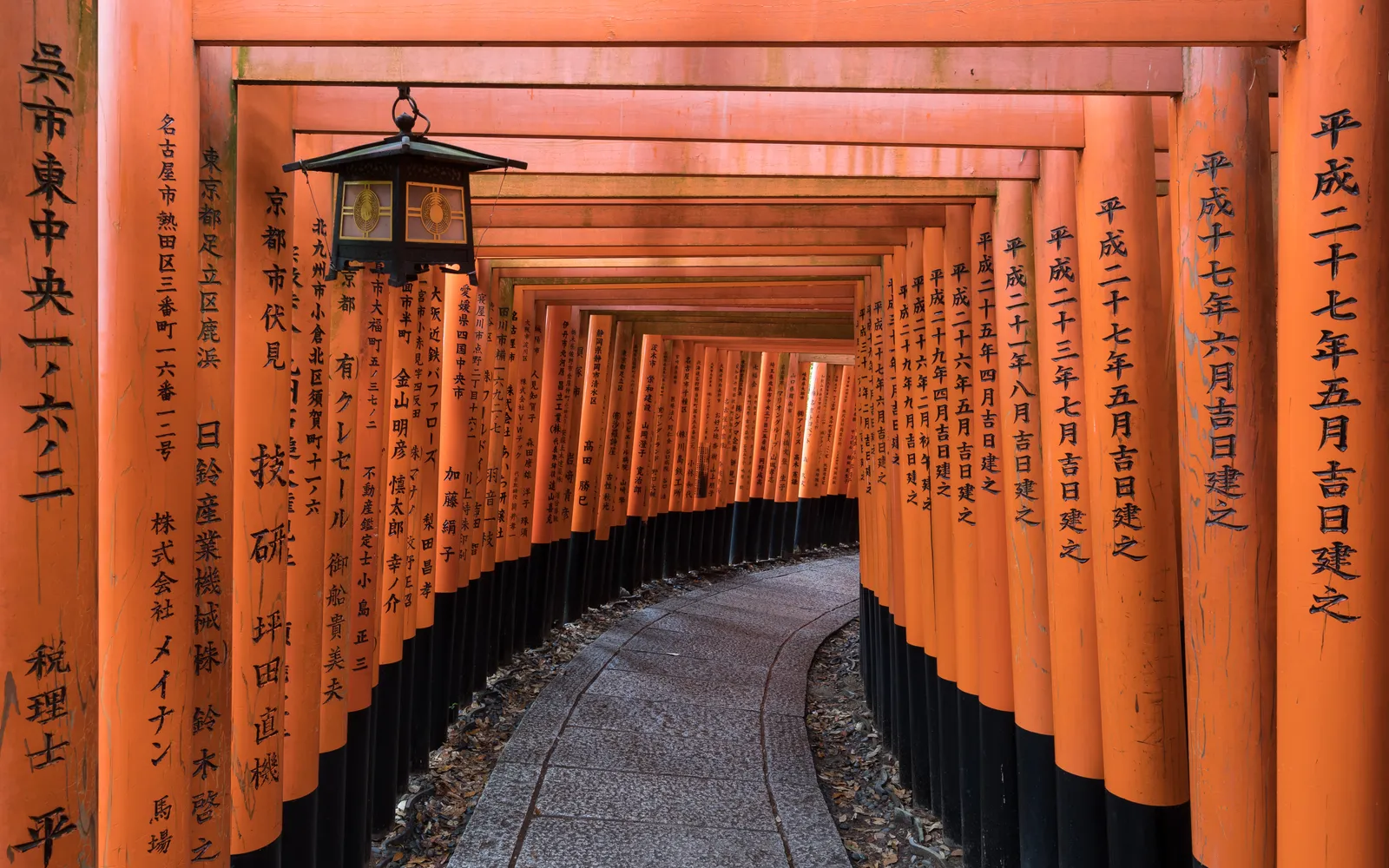
#1 Fushimi Inari-taisha
A Shinto shrine of global fame, dedicated to Inari — the deity of rice, agriculture, and commerce. The defining feature is Senbon Torii: more than 10,000 vermilion gates donated by businesses and individuals seeking blessings, stacked into a tunnel that runs the entire length of the trail up 233-metre Mount Inari. The full round-trip to the summit takes roughly 2 to 3 hours, but reaching the Yotsutsuji Intersection at the halfway point already gives you sweeping views of Kyoto.
- Arrive before 7 a.m. to photograph the gates without crowds
- The shrine is open 24 hours and admission is free
- Pick up a Kitsune (fox mask) souvenir from the stalls near the entrance steps
 #2
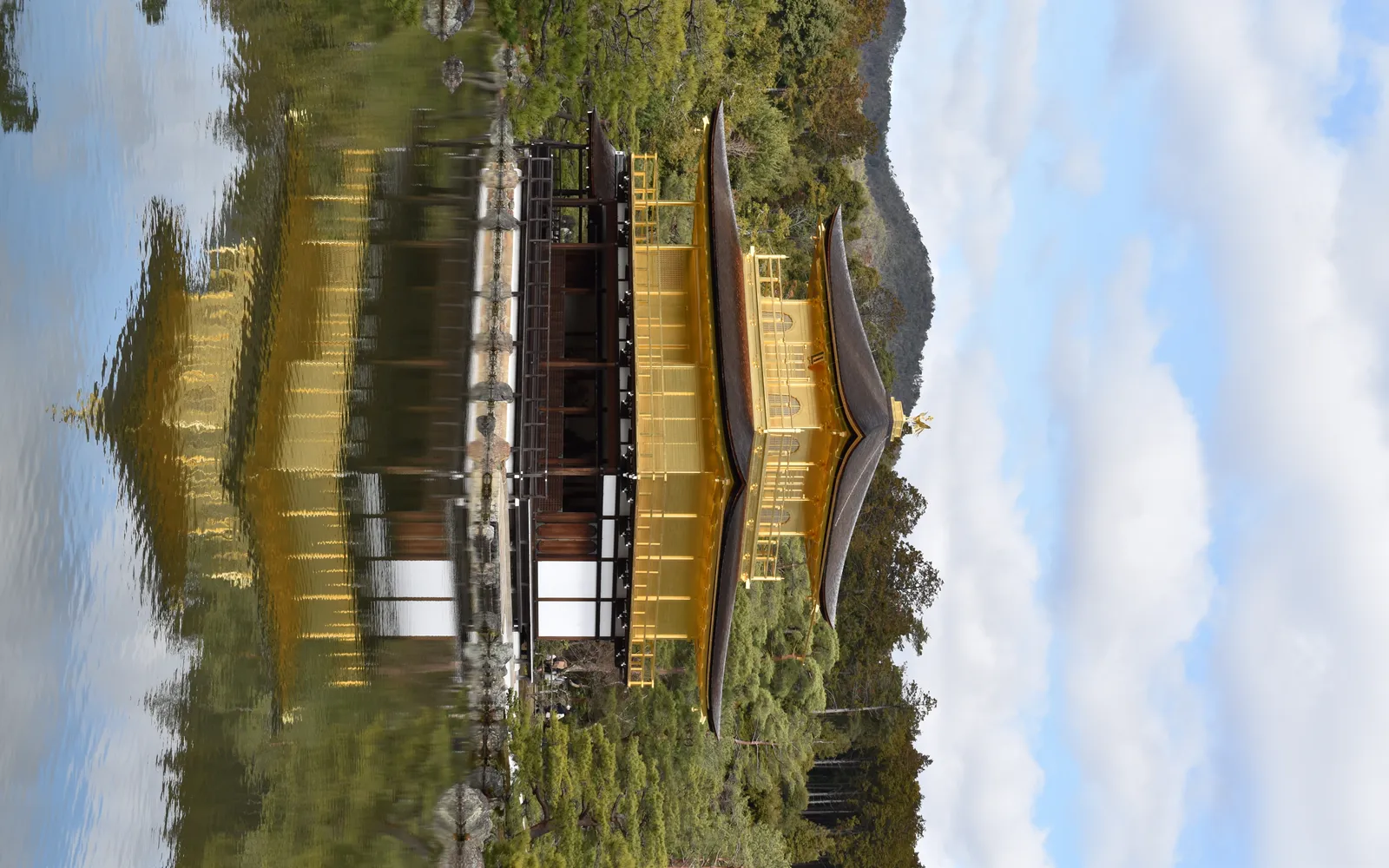
#2 Kinkaku-ji (Golden Pavilion)
One of the most recognisable symbols in Japan and a UNESCO World Heritage site. The three-storey pavilion has its top two floors covered in real gold leaf and sits at the edge of Kyoko-chi pond inside a garden designed in the Muromachi style. It was built in 1397 as a retirement villa for Shogun Ashikaga Yoshimitsu, and converted into a Zen temple after his death. The reflection of gold in the water is at its most striking on clear mornings.
- Arrive before 9 a.m. — tour groups start pouring in from 10 a.m.
- Admission is 500 yen and includes a gilded paper Omamori charm as a keepsake
- If snow falls in January or February, the gold against white is the best view the pavilion offers
 #3
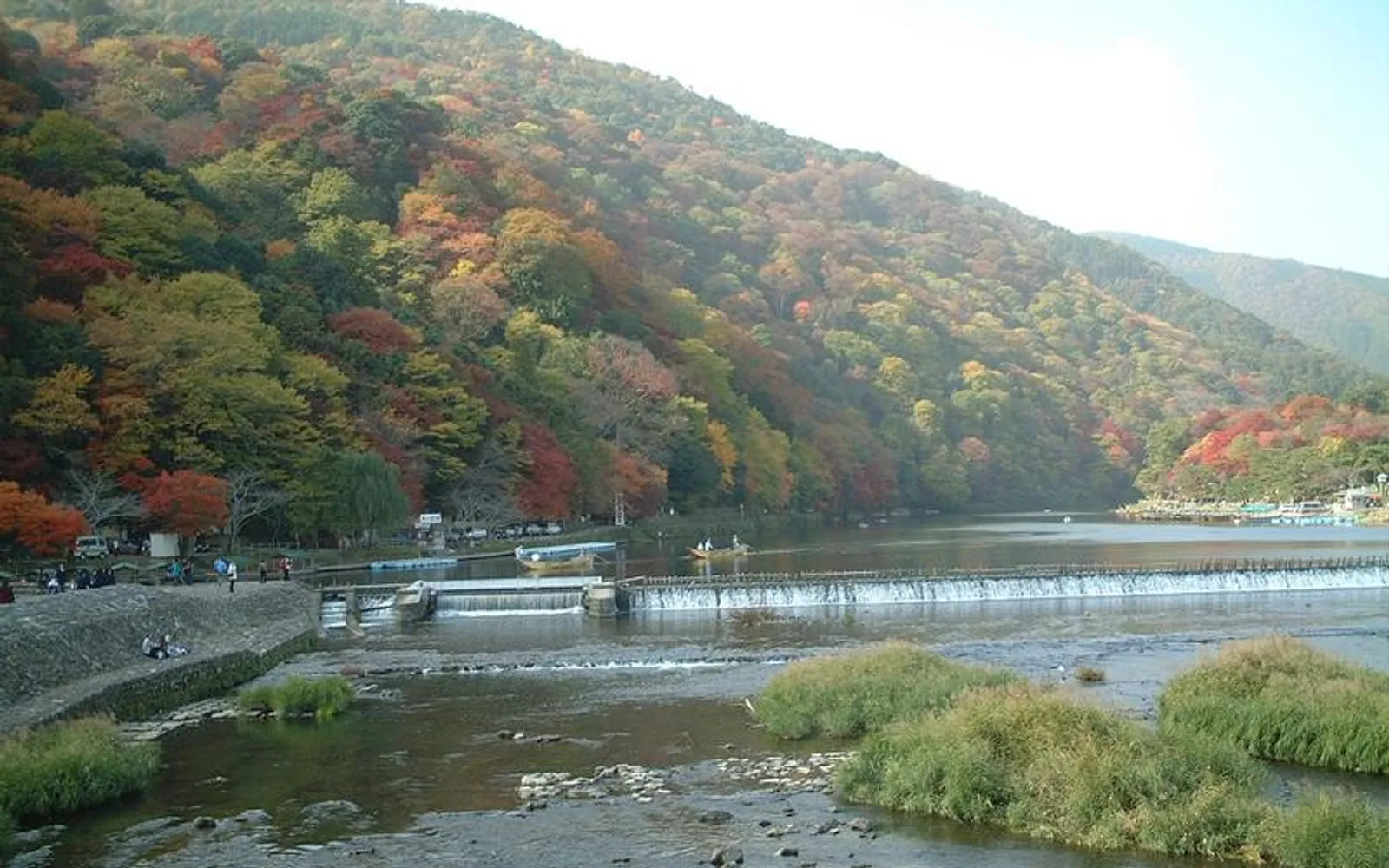
#3 Arashiyama Bamboo Grove
The most visually striking natural area in Kyoto, set on the slopes of Arashiyama along the Oi River. Stalks rising more than 10 metres form a roughly 500-metre natural green tunnel. The rustling sound of bamboo in the wind has been officially designated one of Japan's national soundscapes. The same area holds UNESCO World Heritage site Tenryu-ji, with its outstanding Japanese garden, and the Togetsukyo wooden bridge — more than 1,200 years old — spanning the river in a scene that peaks during autumn foliage.
- Go before 8 a.m.; the grove gets very congested by mid-morning
- Enter Tenryu-ji directly through its north gate from the grove — admission is 500 yen
- Rent a rowboat on the Oi River for views of Arashiyama from the water, around 1,500 yen for 30 minutes
 #4
#4 Kiyomizu-dera
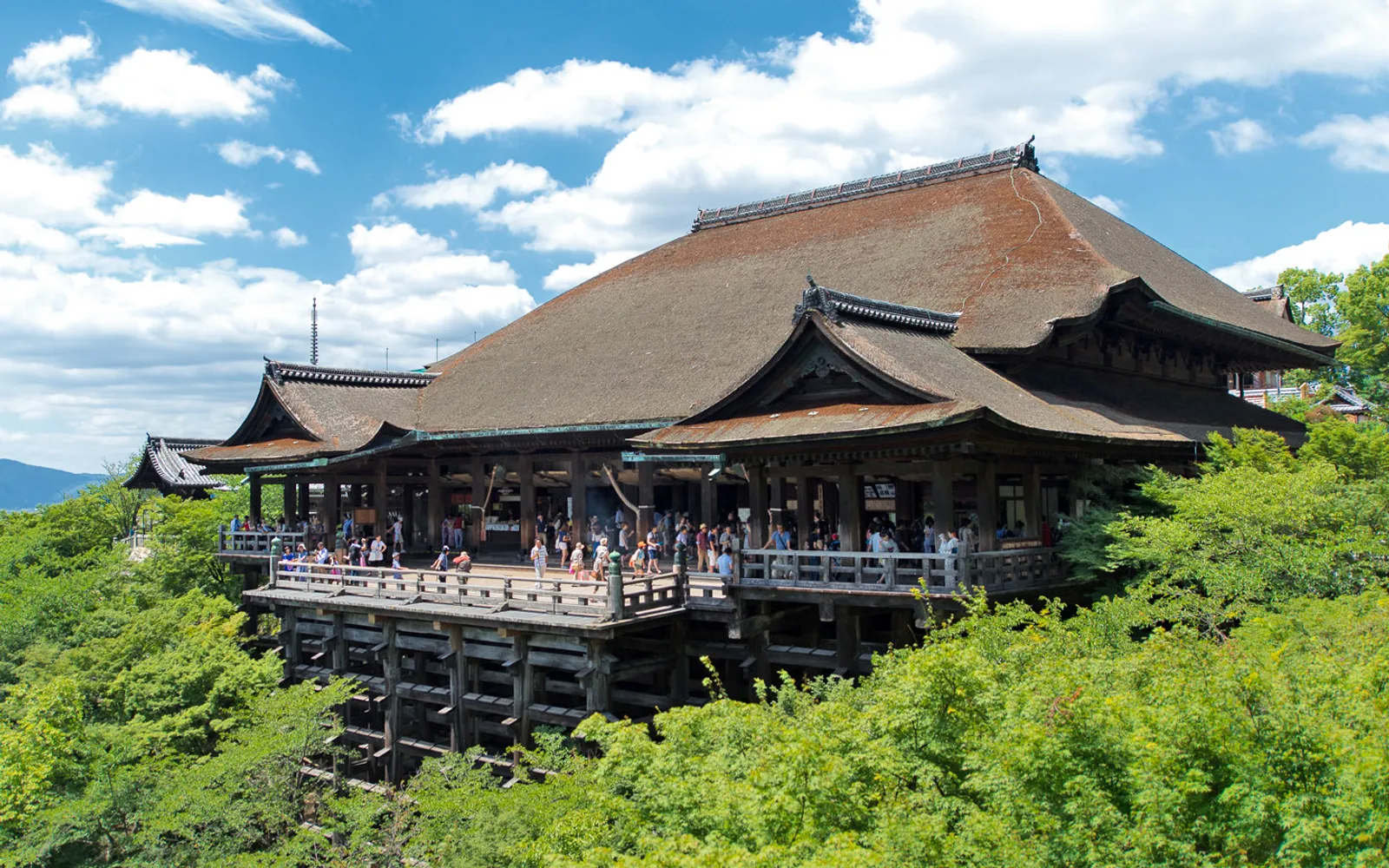
The oldest temple in Kyoto, founded in 778 and a UNESCO World Heritage site. The main hall is built into the cliff face of Mount Otowa using no nails — the current structure dates to 1633. Its main wooden veranda projects 13 metres out from the cliff and offers a panoramic view over the city. Below, the Otowa-no-taki spring divides into three streams, each said to grant a different blessing: longevity, success in studies, and good fortune in love.
- Walk downhill from the temple through the stone-paved lanes of Ninenzaka and Sannenzaka
- The Otowa-no-taki water is drinkable — use the ladles provided
- Watch your step on the steep stone stairs leading up from Higashiyama
 #5
#5 Gion District
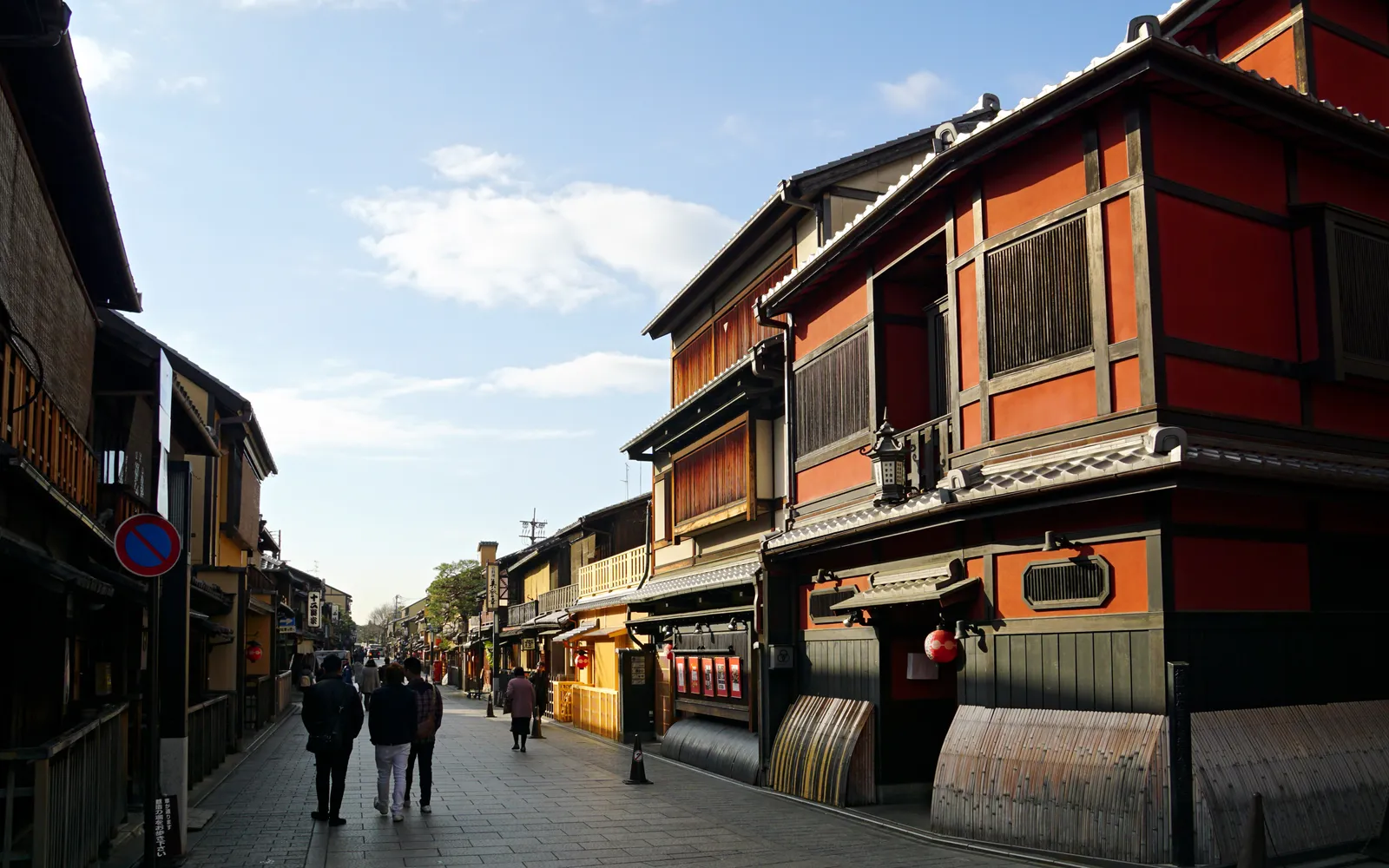
Kyoto's most famous historic entertainment district. Centuries-old wooden machiya townhouses line Hanamikoji Street, home to the last working community of geiko (geisha) and maiko (apprentice geisha) in Japan. Come at dusk and you may catch a geiko in a vividly coloured kimono making her way to an evening engagement on Hanamikoji. The nearby Shirakawa canal, lined with cherry trees, is equally lovely.
- Do not touch, grab, or block geiko and maiko, and never photograph them without permission
- Catch Gion Odori, a traditional geiko performance held in May
- Nishiki-koji and Higashiyama are close by — easy to combine on foot
 #6
#6 Philosopher's Path
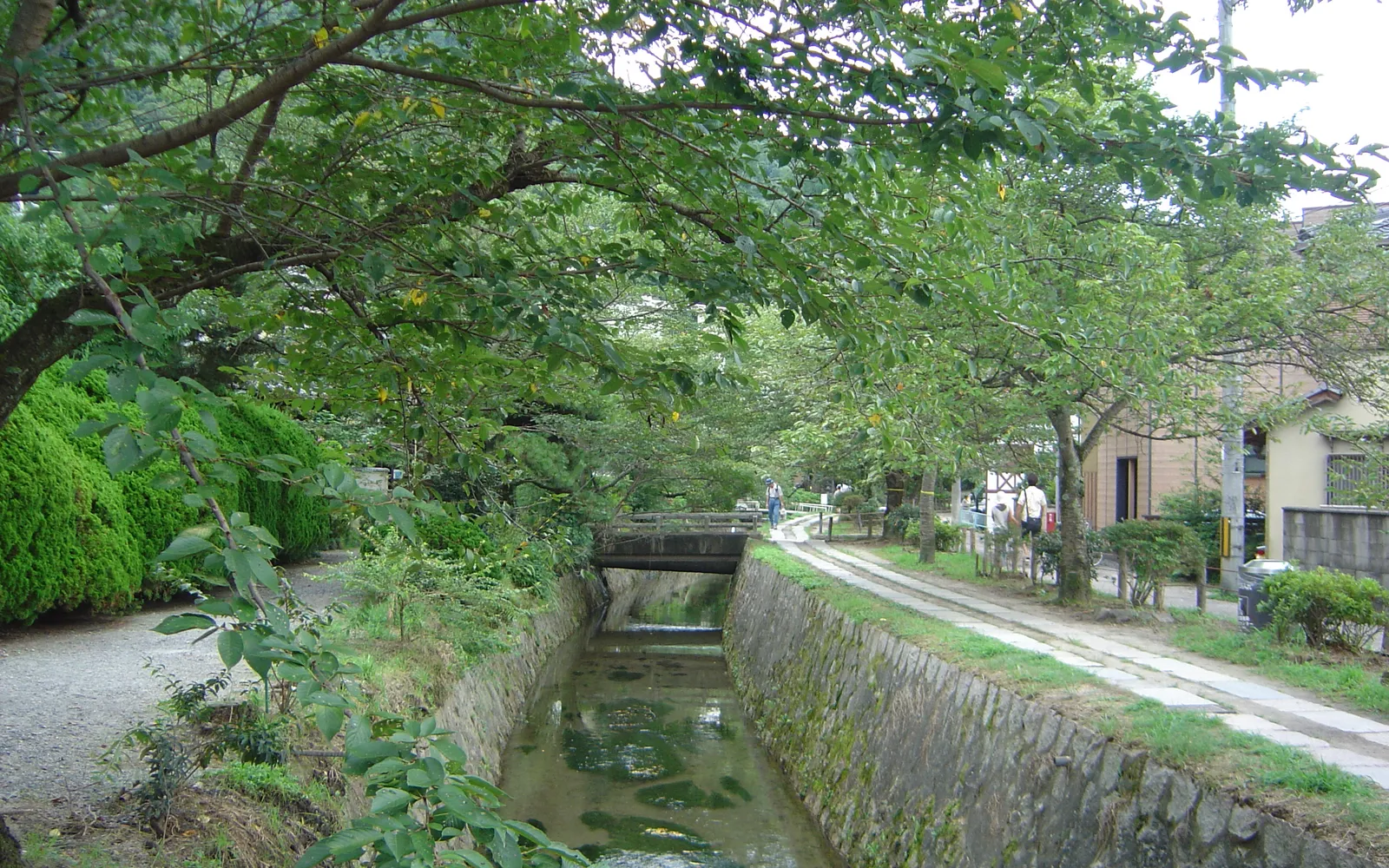
A roughly 2-kilometre canal-side walk — the quietest and most contemplative in Kyoto. The name comes from philosopher Kitaro Nishida of Kyoto University, who walked it daily in meditation. More than 400 cherry trees line the path, turning it into a pink tunnel during blossom season. The northern end arrives at Ginkaku-ji (Silver Pavilion), a Zen temple with a large sand garden sculpted into the shape of Mount Fuji, and a viewpoint over the city.
- Walk south-to-north, from Keage toward Ginkaku-ji, to move with the lighter crowd flow
- Several small cafes and sweet shops along the way occupy traditional Japanese houses
- Ginkaku-ji admission is 500 yen — the Kogetsudai sand-mound garden alone is worth the entry
 #7
#7 Nishiki Market
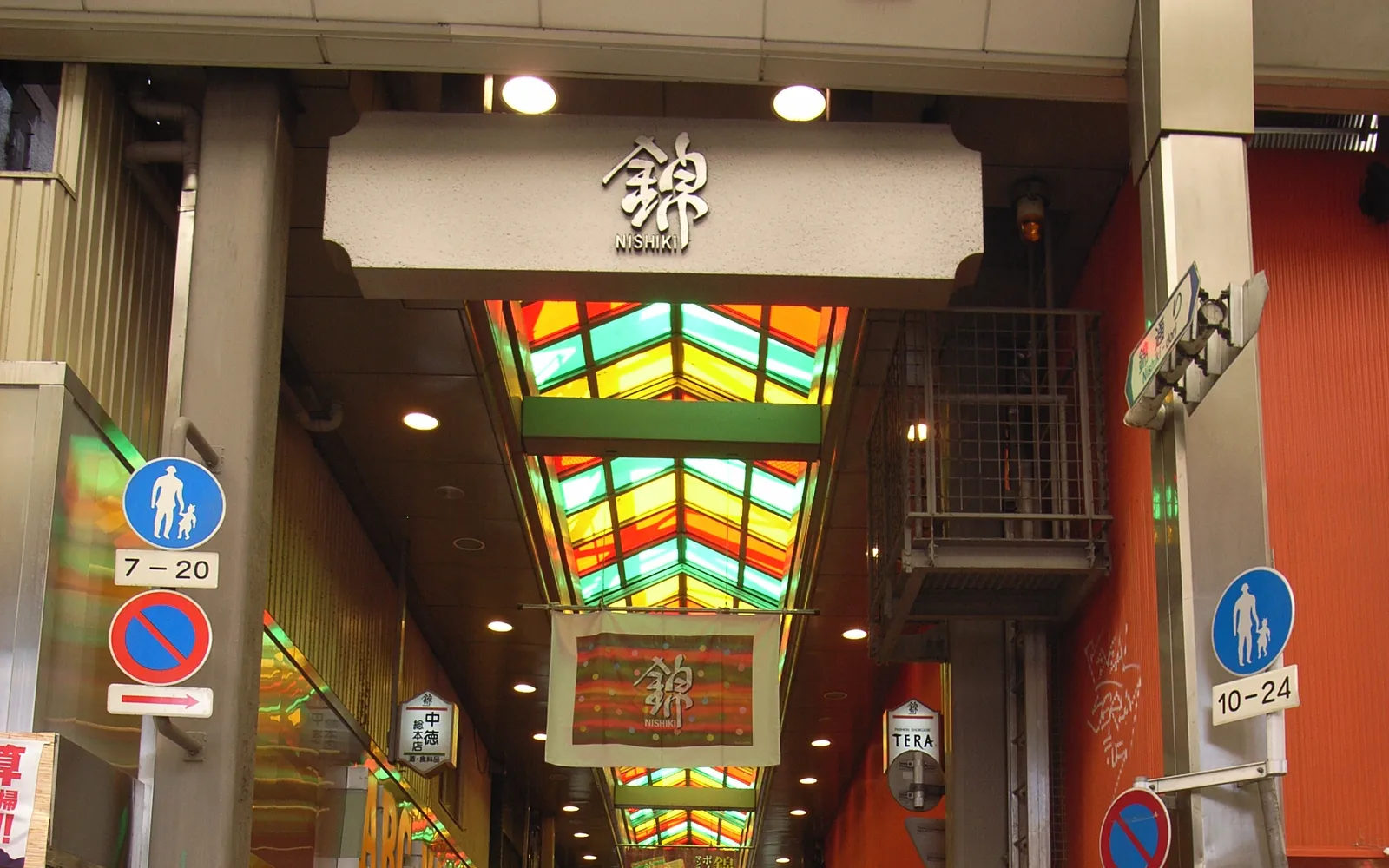
A covered market over 400 years old, stretching 400 metres through a narrow central lane — nicknamed Kyoto's Kitchen. More than 130 shops line both sides, selling Kyoto pickles (tsukemono), fresh tofu, yuba, grilled fish, traditional sweets, and street food including squid stuffed with fish roe, Kyoto-style rice balls, and the original Yatsuhashi cinnamon sweets. Built for grazing one bite at a time and picking up edible gifts.
- Most shops open 10 a.m.–6 p.m.; don't come late afternoon as stalls start closing
- Sampling before buying is welcomed at nearly every stall — tsukemono pickles make excellent, affordable gifts
- The western end of the market connects to the small but charming Nishiki Tenmangu Shrine
 #8
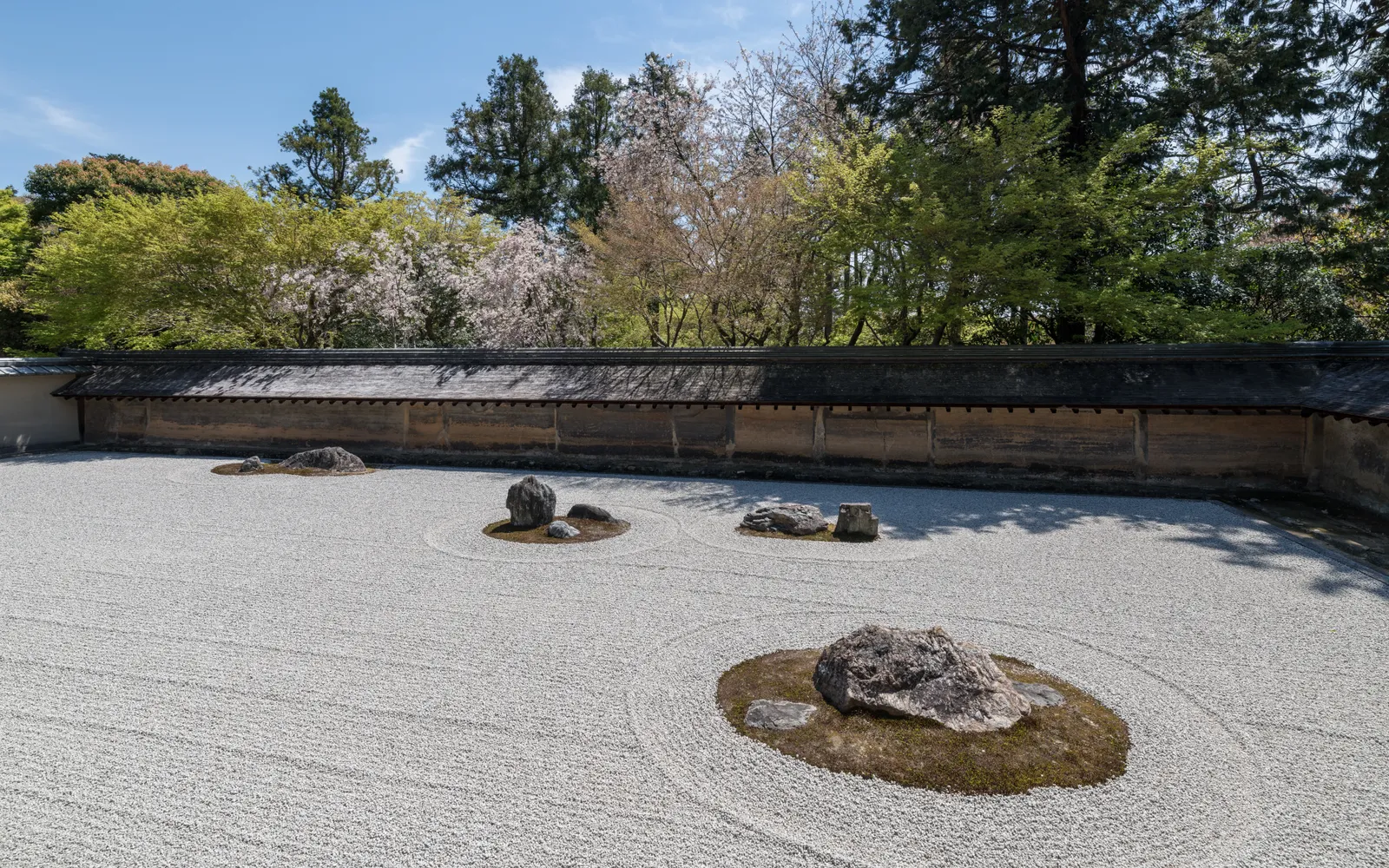
#8 Ryoan-ji
A UNESCO World Heritage Zen temple, home to the most famous dry rock garden (karesansui) in the world. Within a 30-by-10-metre rectangle, 15 stones of varying sizes are placed on white Shirogane sand raked into fine patterns. The garden's famous mystery: no matter which angle you view it from, exactly 14 of the 15 stones are visible — a Zen metaphor for the idea that perfection can never be fully perceived within a human lifetime.
- Sit quietly in front of the rock garden for a few minutes — rushing through defeats the purpose
- The Kyoyochi pond in front of the temple is spectacular during autumn foliage — don't skip it
- Ryoan-ji is only 15 minutes by bus from Kinkaku-ji — worth combining on the same day
Where to stay in Kyoto for this trip
A well-located hotel means less commuting and more sightseeing. Here are real, top-rated stays in Kyoto — compare Agoda · Booking · Trip.com in one click.
Kyoto Century Hotel
Affiliate links — we may earn a commission at no extra cost to you. Details
New Miyako Hotel
Affiliate links — we may earn a commission at no extra cost to you. Details
Hotel Keihan Kyoto Grande
Affiliate links — we may earn a commission at no extra cost to you. Details
APA Hotel Kyoto-eki Horikawa-Dori
Affiliate links — we may earn a commission at no extra cost to you. Details
Tours, tickets & activities in Kyoto
Day tours, attraction tickets and travel essentials for Kyoto — book ahead on Klook with mobile e-tickets.
Affiliate links — we may earn a commission at no extra cost to you.
Before You Pack
Kyoto rewards at least 3 to 4 days to properly cover the eastern Higashiyama zone, the western Arashiyama area, and the northern Kinkaku-ji corridor. Kyoto City Bus connects almost everywhere; renting a bicycle is a relaxed alternative for the flatter central districts.