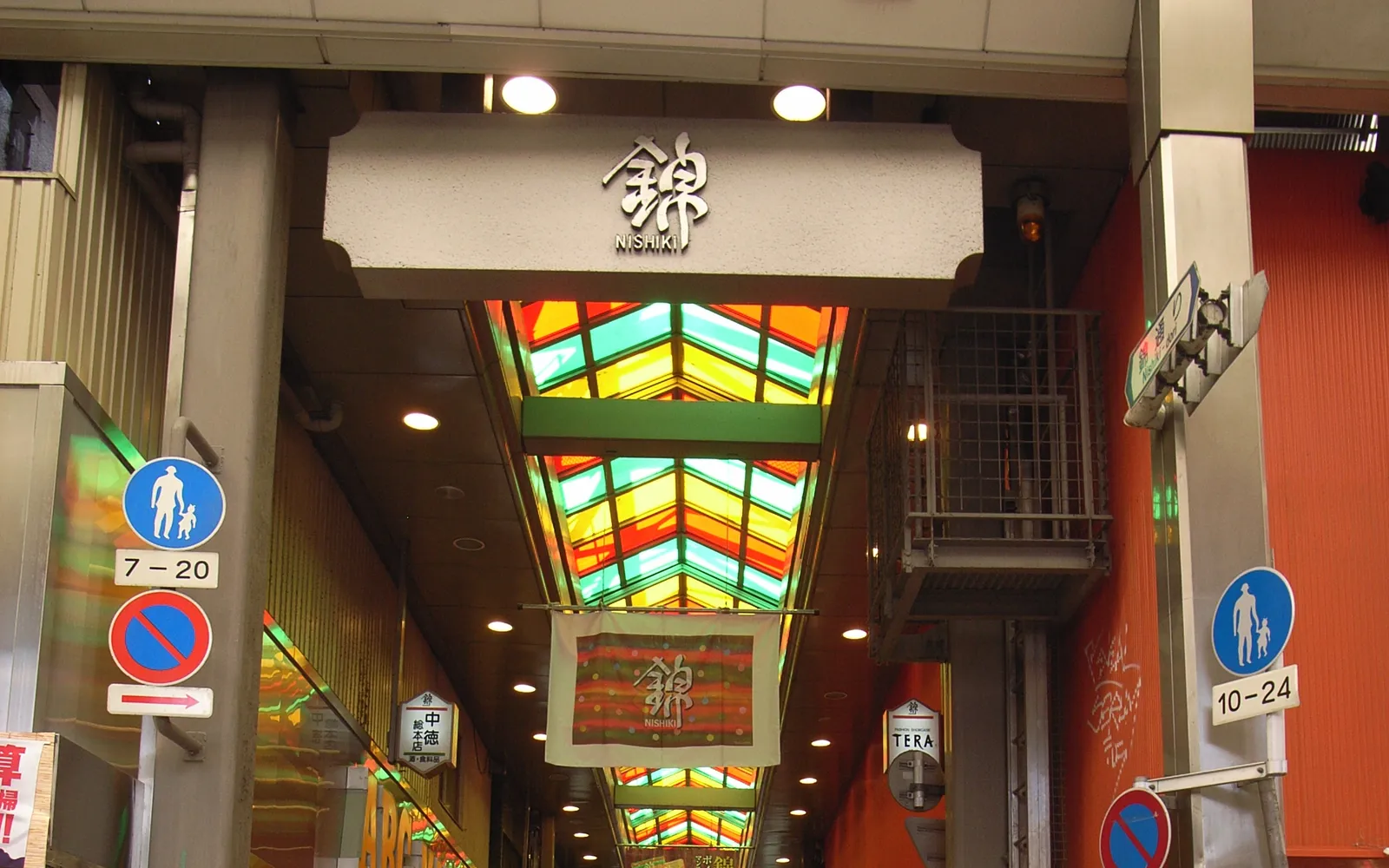
Kyoto has the deepest food culture of any city in Japan. More than a thousand years as the imperial capital and a center of Buddhist temples gave rise to Kyo-ryori — Kyoto-style cooking that prizes the beauty of form, seasonality, and local ingredients: tofu, pickled vegetables, and tea leaves. The city's high-quality groundwater is the foundation of what many consider Japan's softest tofu, while the tea gardens of Uji, just 20 minutes south, produce some of the world's finest matcha.
 #1
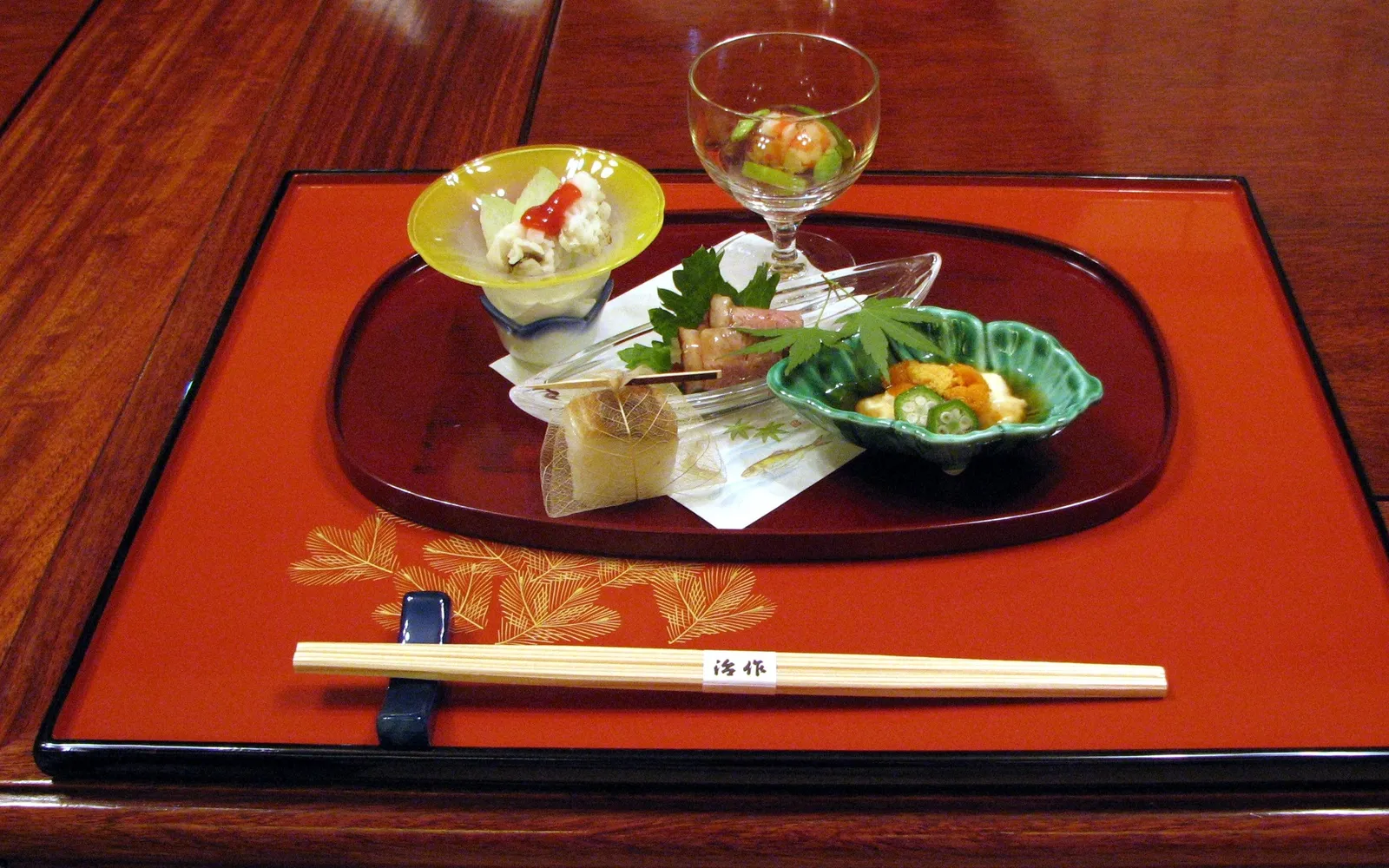
#1 Kaiseki
Japan's most refined multi-course format, evolved from the tea ceremony tradition right here in Kyoto. A full meal runs 8 to 12 courses or more: from the opening Sakizuke appetizer through Wanmono warm broth and Mukozuke sashimi all the way to dessert. Every dish speaks to the season through shape, color, and ingredients sourced from <strong>Nishiki Market</strong>. Prices start around <strong>5,000 yen</strong> and climb past <strong>50,000 yen</strong> depending on the restaurant.
- Michelin-starred kaiseki restaurants such as Mizai and Kikunoi require reservations weeks in advance
- A bento-style kaiseki lunch at 3,000–5,000 yen is a worthwhile and more accessible entry point
- Always declare dietary restrictions in advance — good restaurants will adapt the menu
 #2
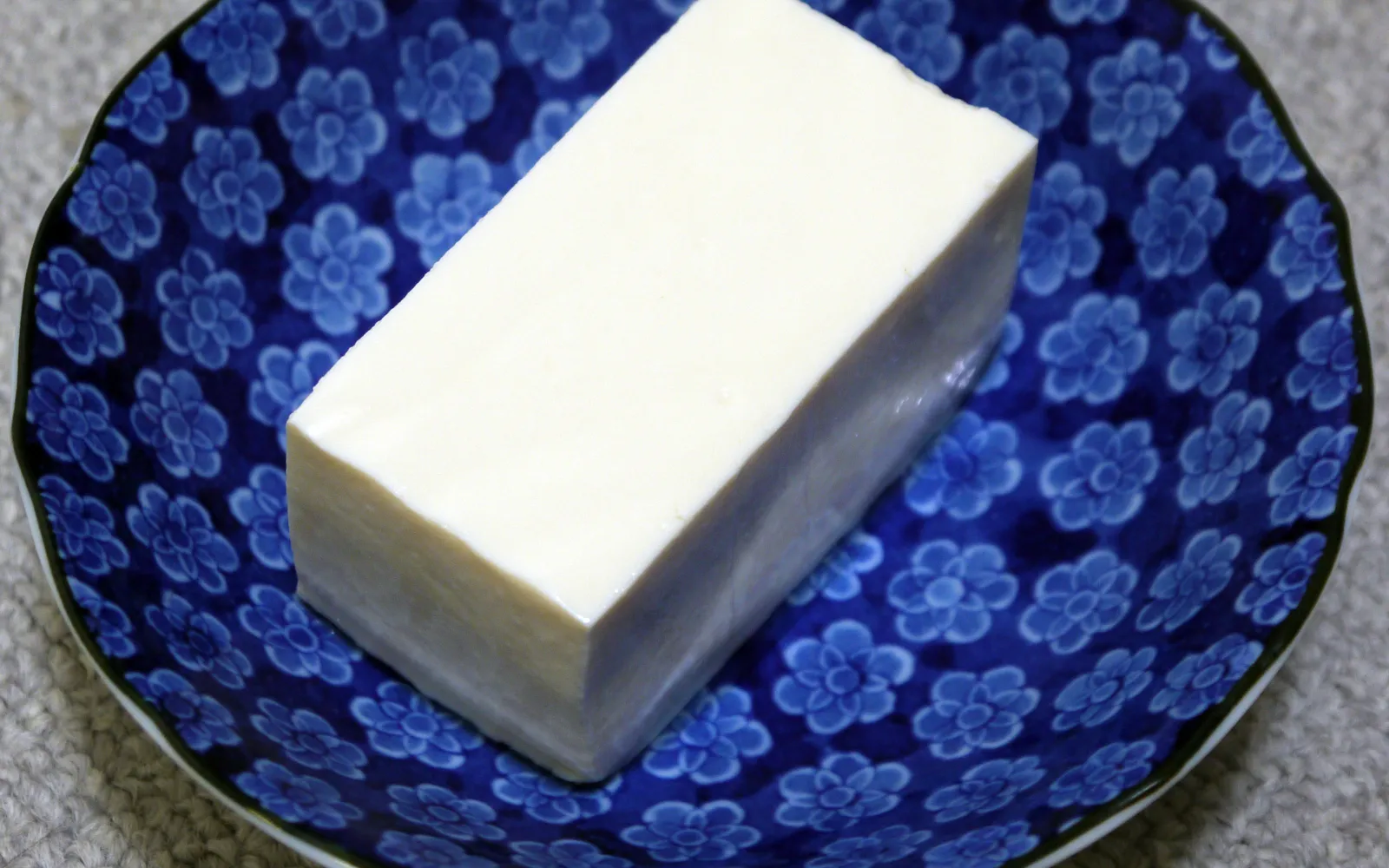
#2 Yudofu
A dish of deliberate simplicity, distilled from Kyoto's Buddhist food tradition over <strong>more than 300 years</strong>. Soft white tofu — made with Kyoto's prized groundwater — is simmered gently in a kombu seaweed stock and served with ponzu or soy sauce, sliced spring onion, and grated ginger. The pleasure is entirely in the tofu's silky texture and a broth restrained enough not to overwhelm it. <strong>Okutan</strong>, near Nanzen-ji, has been making yudofu since <strong>1635</strong>.
- Okutan near Nanzen-ji has been open for 380 years and remains the most reliable address for the dish
- Good tofu should be soft enough to barely hold its shape when lifted — that’s the benchmark
- Ideal for a lighter meal mid-sightseeing or any day your stomach wants a break
 #3
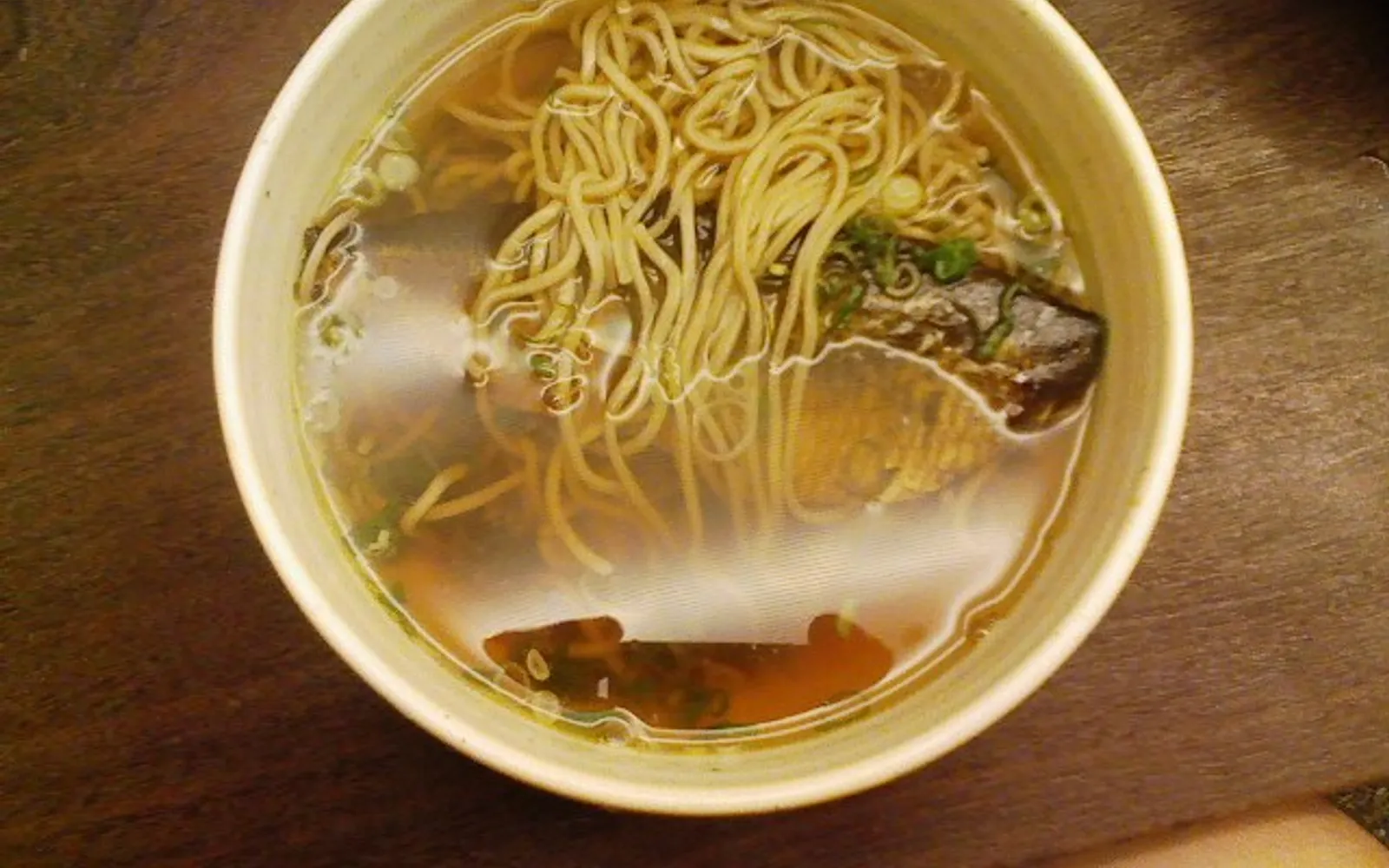
#3 Nishin Soba
Hot soba in Kyoto-style clear dashi broth, topped with nishin — herring — slow-simmered until tender in a sweet-salty Kyoto glaze. The recipe was invented in <strong>1882</strong> at <strong>Matsuba</strong> restaurant in Kyoto. Because Kyoto sits far inland and fresh sea fish was scarce, merchants developed the technique of reconstituting dried salt herring by braising it with sugar and sake until soft. The dish stands as a textbook example of Kyoto kitchen ingenuity with constrained ingredients.
- The original Matsuba branch at Shijo Ohashi is still open and is considered the definitive version
- Order cold soba in summer to fully appreciate the buckwheat noodle itself
- Kyoto soba often incorporates a small amount of Uji matcha, giving it a faint green color and delicate aroma
 #4
#4 Obanzai
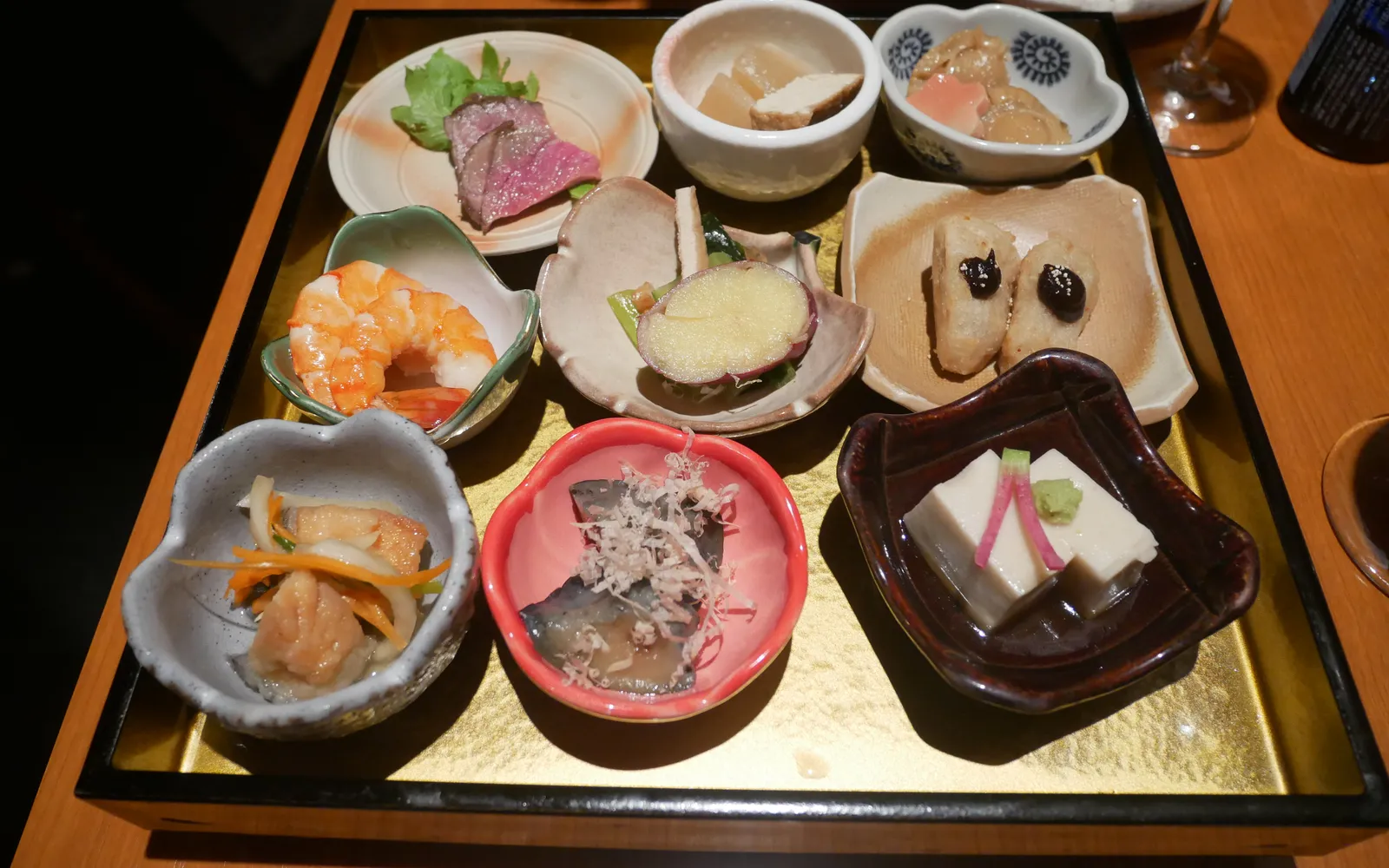
Kyoto's traditional home-style food, with the rule that at least <strong>50%</strong> of ingredients must come from Kyoto and must be in season. It arrives as a set of small dishes: pickles, simmered vegetables, tofu, braised fish, and steamed rice. Obanzai is the most unassuming way to eat in Kyoto, yet it illustrates the core principles of Kyo-ryori — cleanliness, balance, and respect for ingredients. Prices run <strong>1,000–3,000 yen</strong> per meal.
- Obanzai spots around Nishiki Market are more accessible than upscale restaurants — worth walking a few to compare
- Kyo-yasai (Kyoto heritage vegetables) such as Shogoin turnip and Kamo eggplant are found almost nowhere else
- A good choice for a weekday lunch between sights — reasonably priced and filling without being heavy
 #5
#5 Matcha
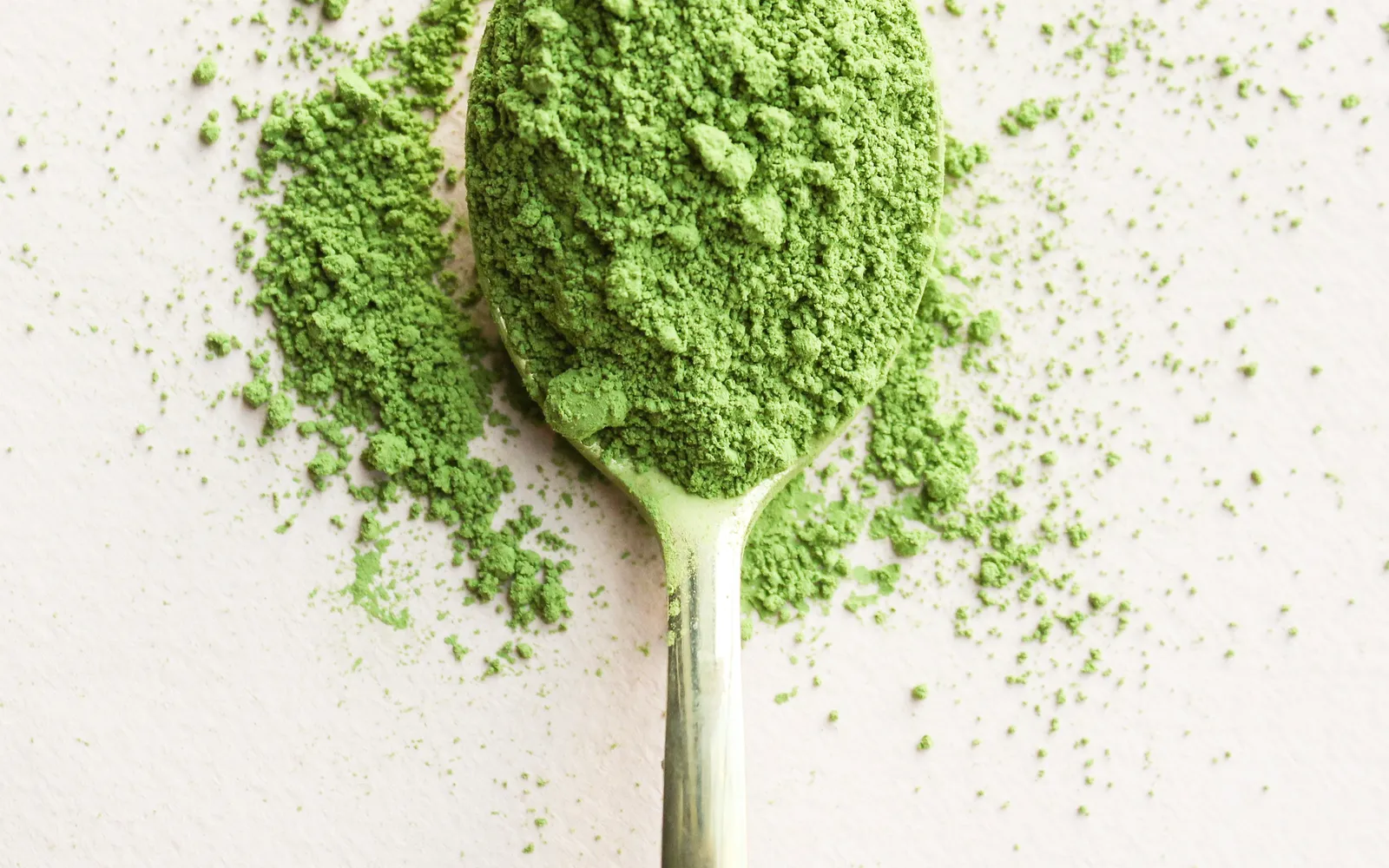
Kyoto is the global home of matcha. The finest tea-growing area is <strong>Uji</strong>, just <strong>20 minutes</strong> from central Kyoto — soil and climate there drive an exceptionally high umami concentration in the leaves. In Kyoto, matcha appears in every form: traditional tea-ceremony bowls (<em>chadō</em>), ice cream, lattes, warabi mochi, and elaborate parfaits. <strong>Gion Tsujiri</strong>, in the Gion district, has been one of the city's most celebrated matcha houses since <strong>1860</strong>.
- A matcha tea ceremony at a temple or cha-zen costs 1,500–3,000 yen and is the most authentic experience
- The matcha parfait at Gion Tsujiri has a queue — it’s worth it
- If you’re serious about matcha, add a day in Uji to visit the tea gardens and Byodoin, a UNESCO World Heritage Site
 #6
#6 Yatsuhashi
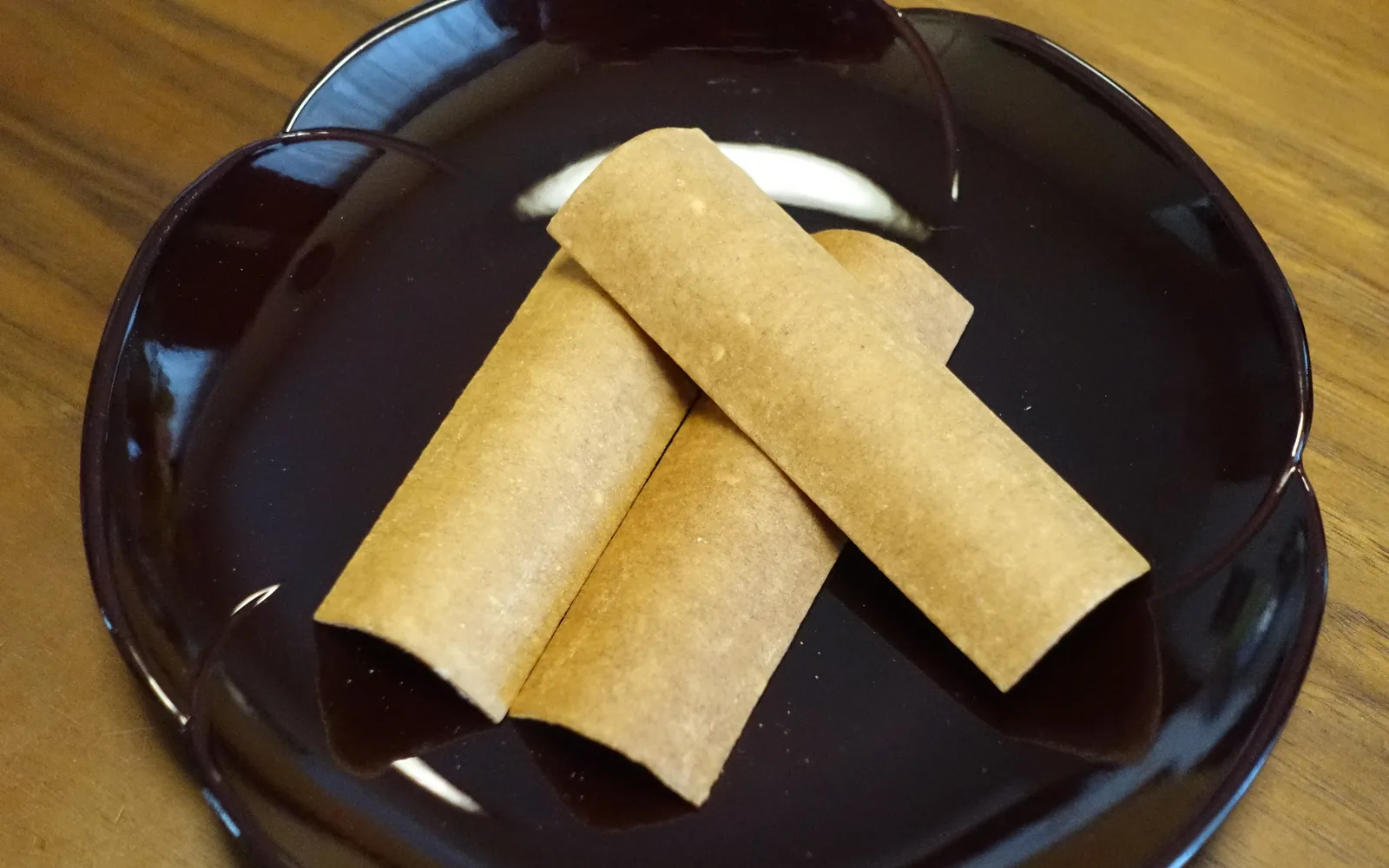
The confection most closely identified with Kyoto. Made from glutinous rice flour, sugar, and cinnamon, it comes in two main styles: <em>yakinishiki</em>, the baked crisp version with over <strong>300 years</strong> of history, and <em>nama yatsuhashi</em>, the soft, mochi-style wrapper filled with red bean paste that dominates modern shops. Today’s flavors go well beyond the original — matcha, chocolate, strawberry, citrus, and seasonal varieties. <strong>Okuhara</strong> has been producing yatsuhashi since <strong>1689</strong>.
- A box of nama yatsuhashi is the cheapest and most widely recognized souvenir you can bring from Kyoto
- Nishiki Wakamatsu inside Nishiki Market makes them fresh in-shop so you can watch the process
- The baked yakinishiki style keeps for 1–2 weeks, making it better for long-haul gifting
Where to stay in Kyoto for this trip
A well-located hotel means less commuting and more sightseeing. Here are real, top-rated stays in Kyoto — compare Agoda · Booking · Trip.com in one click.
Kyoto Century Hotel
Affiliate links — we may earn a commission at no extra cost to you. Details
New Miyako Hotel
Affiliate links — we may earn a commission at no extra cost to you. Details
Hotel Keihan Kyoto Grande
Affiliate links — we may earn a commission at no extra cost to you. Details
APA Hotel Kyoto-eki Horikawa-Dori
Affiliate links — we may earn a commission at no extra cost to you. Details
Tours, tickets & activities in Kyoto
Day tours, attraction tickets and travel essentials for Kyoto — book ahead on Klook with mobile e-tickets.
Affiliate links — we may earn a commission at no extra cost to you.
Before You Pack
Kyoto food is an experience worth at least one proper sit-down meal — a kaiseki or a traditional yudofu restaurant, even at a higher price point. It opens up an understanding of why Japanese food earned UNESCO Intangible Cultural Heritage status.