
Krabi's food is authentic southern Thai cooking shaped by centuries of trade across the Andaman Sea, Malay Peninsula, and Persia. The flavor profile is intense — hot, sour, and salty in sharp balance. Seafood pulled off small fishing boats each morning is cooked with southern curry pastes built from turmeric, dried chilies, and shrimp paste, producing a taste that diverges sharply from central Thai food. Krabi Town's morning market and Ao Nang's night market are the two best places to eat the way locals actually eat.
 #1
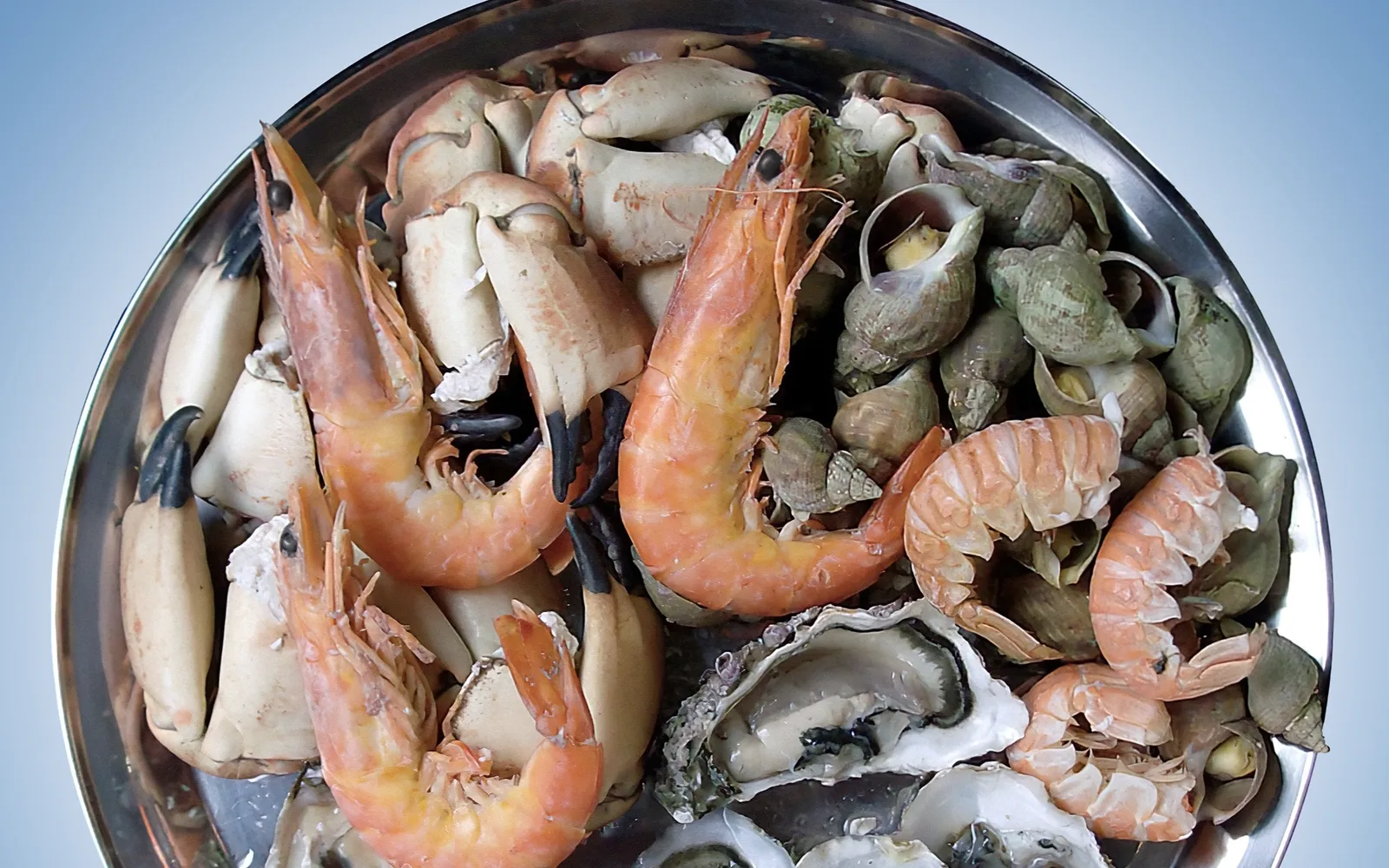
#1 Southern Thai Fresh Seafood
Krabi sits on the Andaman Sea, and fishing boats bring in blue swimming crab, banana prawns, fresh squid, and a wide range of fish every morning. That seafood gets cooked southern Thai style with assertive spice blends — pad cha (stir-fried with wild betel leaves and green peppercorns) or a fiercely flavored tom yum — producing an experience that bears almost no resemblance to the seafood you'd eat in Bangkok.
- Riverside restaurants in Krabi Town tend to be fresher and cheaper than those in Ao Nang.
- Ask the price before ordering anything sold by weight, such as crab or lobster.
- Try ordering the 'seafood set' where the owner picks the day's best catch — it's usually the better deal.
 #2
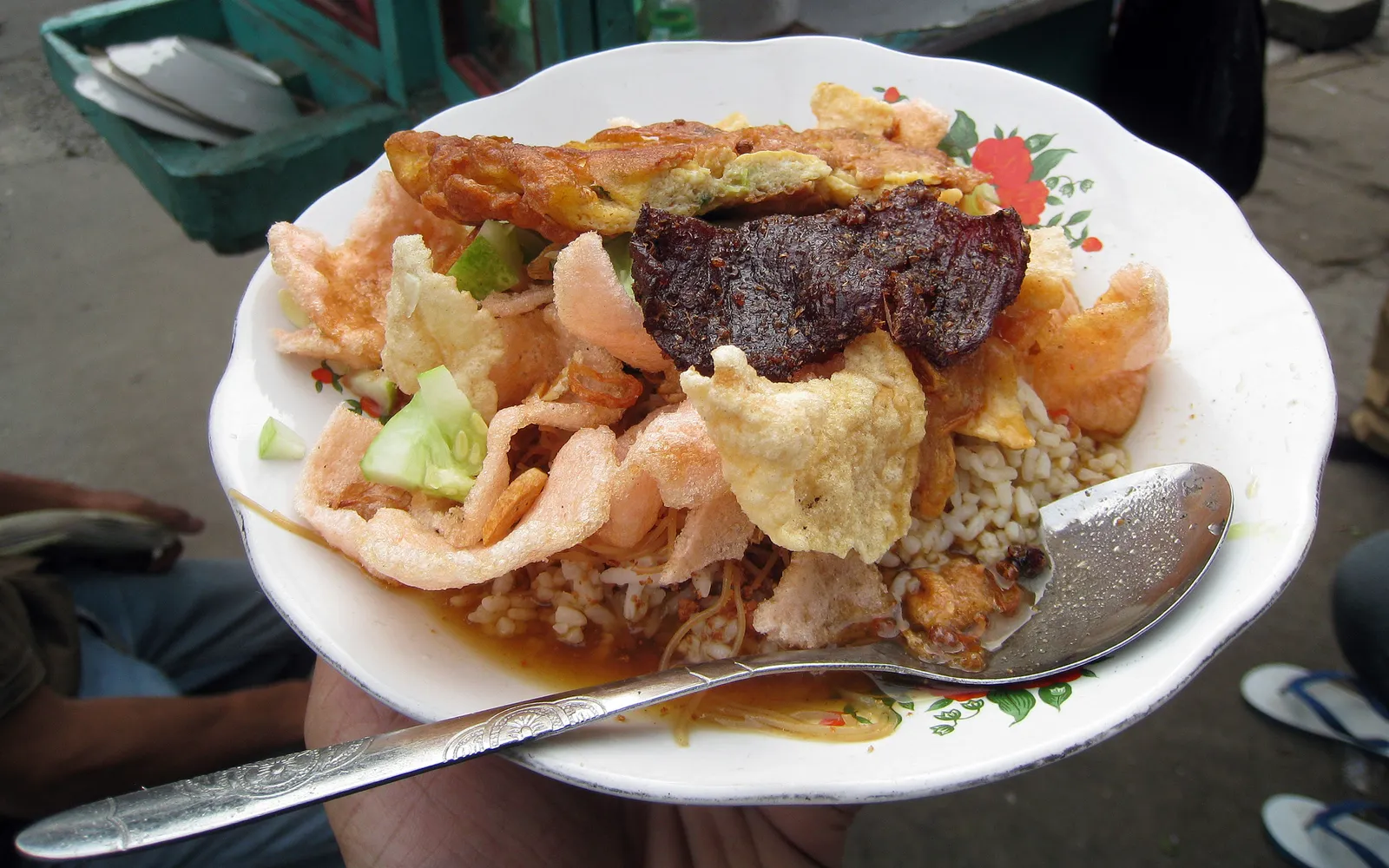
#2 Khao Yam (Southern Thai Rice Salad)
Khao yam is the signature rice salad of southern Thailand — cooked rice tossed with fresh herbs including lemongrass, kaffir lime leaves, torch ginger flower, toasted coconut, and dried shrimp, then dressed with budu, a savory-sweet fermented fish sauce with a rounded umami tang. It's the classic southern breakfast, nutritionally dense and genuinely refreshing.
- Krabi Town morning market sells it from 6:00 to 10:00 AM at 30–50 baht a plate.
- Ask for extra toasted coconut and dried shrimp if you want a richer flavor.
- Budu is the key dressing — requesting khao yam without it removes half the point of the dish.
 #3
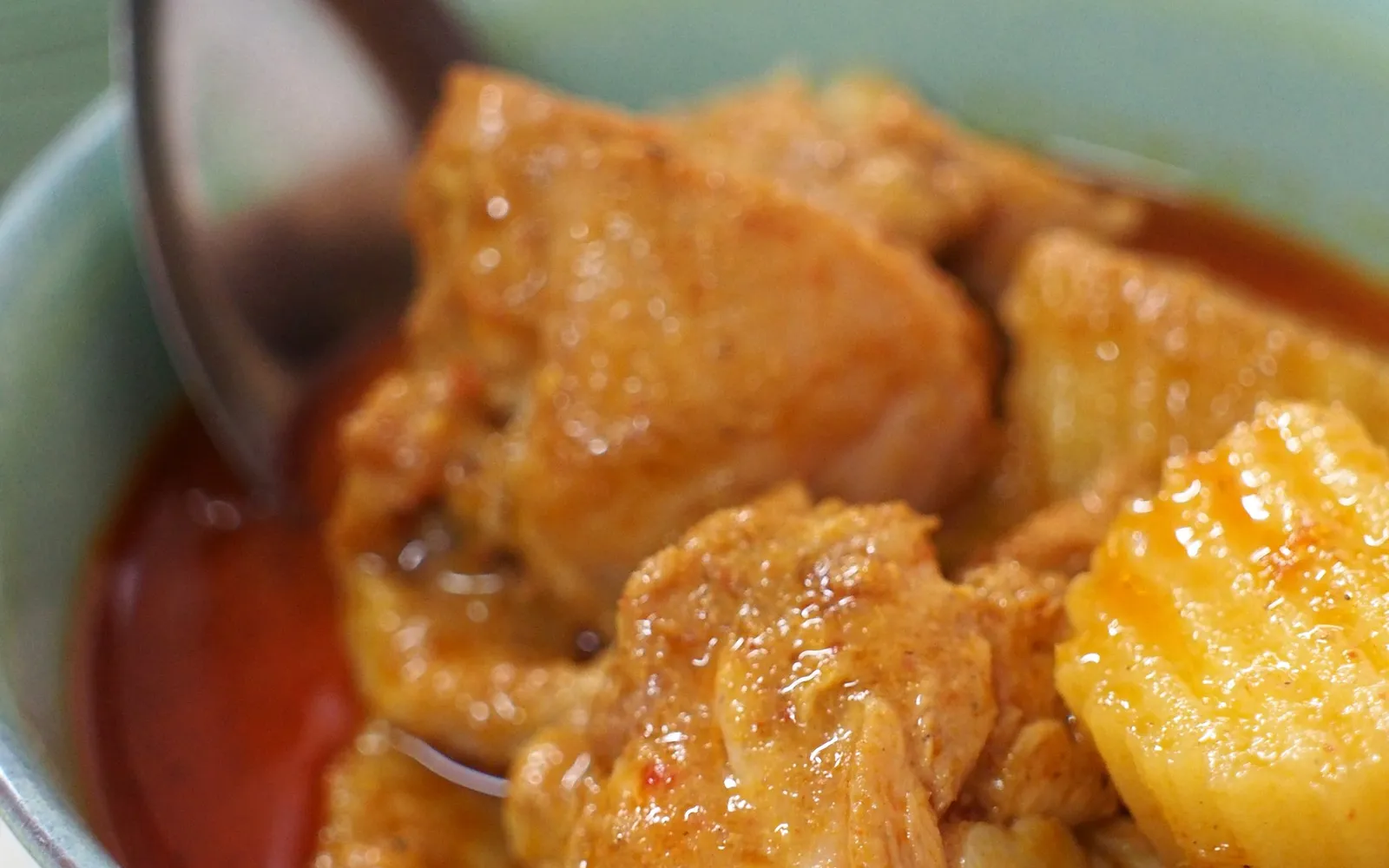
#3 Massaman Curry
Massaman curry has its roots in Persian and Malay influence that entered Thailand through the south. The paste uses warm spices — cardamom, cinnamon, cloves, and nutmeg — blended with Thai curry base and rich coconut milk. It's gentler than most southern Thai curries: sweet-salty rather than incendiary, and typically loaded with potato, onion, and peanuts. In Krabi it's most often made with beef or chicken.
- Muslim restaurants in Krabi generally make the best massaman, because the recipe comes from the same heritage as the dish itself.
- Eat it with hot roti rather than rice — many people find it the better pairing.
- The flavor improves overnight as the spices penetrate the meat — a good restaurant will have made it that morning from the night before.
 #4
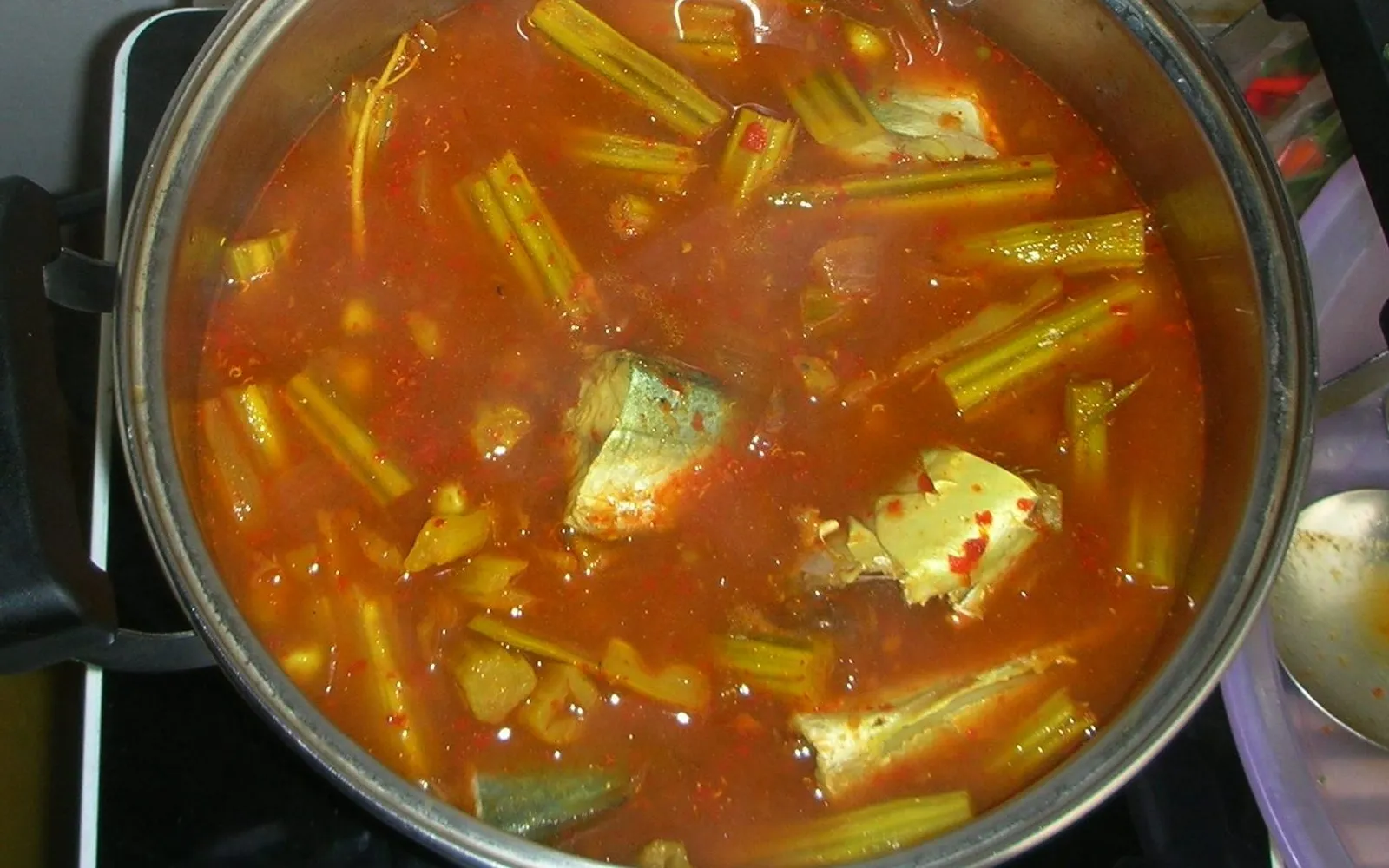
#4 Kaeng Som (Southern Sour Fish Curry)
Southern kaeng som is a completely different dish from the central Thai version. Turmeric is the dominant spice, turning the broth a vivid yellow. Sourness comes from garcinia and tamarind; heat comes from southern dried chilies; saltiness comes from shrimp paste. There is no coconut milk, so the flavor is sharp and clean. It's typically made with fresh seawater fish — snapper, mackerel, or prawns.
- It's genuinely very spicy for those not used to southern Thai food — ordering mild first is sensible.
- Eat it with raw vegetables like long beans and morning glory, which cut the heat.
- Rice-curry shops at the morning market serve the most authentic version — tourist-strip restaurants often tone it down.
 #5
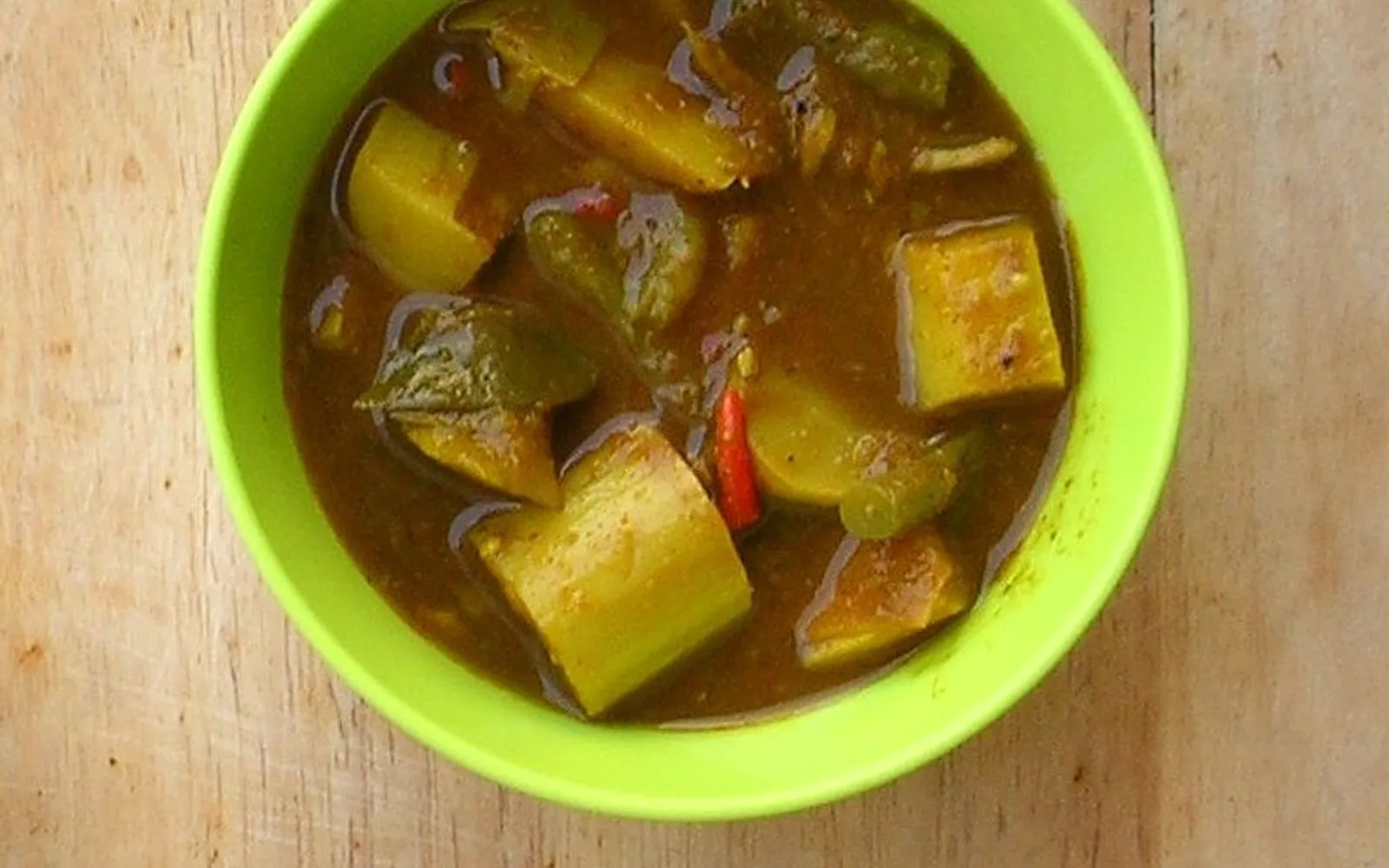
#5 Kaeng Tai Pla (Fermented Fish Organ Curry)
Kaeng tai pla is the boldest dish on the southern Thai table. It's made from tai pla — salted and fermented fish intestines — simmered with southern curry paste and vegetables including bamboo shoots, eggplant, and long beans. The result is intensely umami, pungent, fiercely spicy, and salty. Southerners are proud of it. The dish appears in Thai historical records dating back to the reign of King Rama II.
- The aroma is strong at first, but once you eat it over hot rice you'll understand why southerners love it.
- Order mild if you're new to southern Thai food, and always ask for extra raw vegetables.
- This dish is nearly impossible to find in Bangkok — Krabi is a genuine opportunity to try the real thing.
 #6
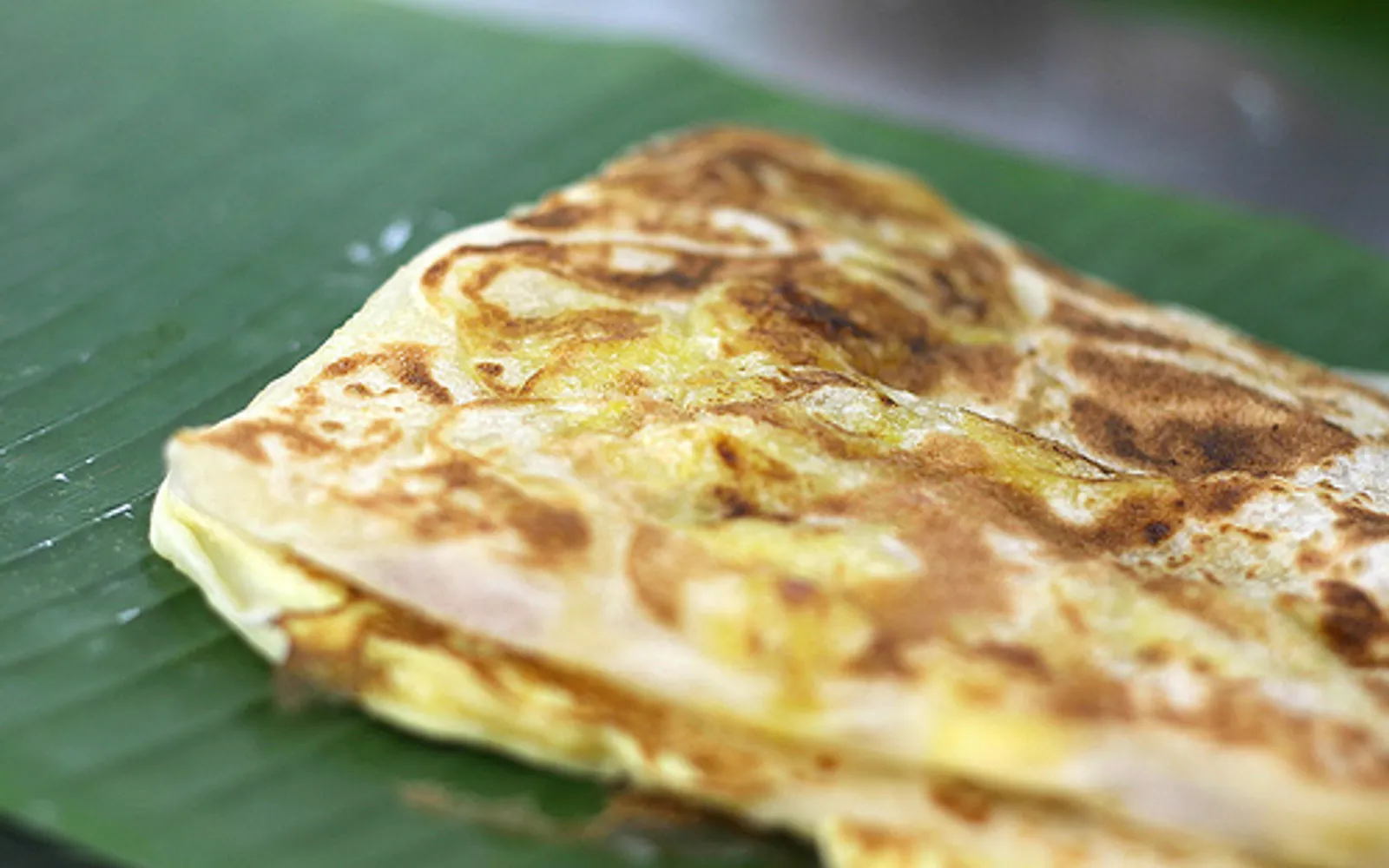
#6 Roti and Teh Tarik (Pulled Tea)
Roti and teh tarik are Malay Muslim food traditions that have taken deep root in Krabi. The roti is thin, crisp, and pan-fried — eaten with meat curry for dipping, or with condensed milk and sugar for a sweet version. Teh tarik is a strong-brewed tea that gets poured back and forth between two glasses until it's cooled, blended, and topped with a foam head. Together they're the default breakfast pairing for much of Krabi.
- Shops open before dawn — ideal for an early breakfast before island tours.
- Try egg roti or banana roti for a sweeter morning option.
- Teh tarik is best drunk immediately while still hot and frothy.
Where to stay in Krabi for this trip
A well-located hotel means less commuting and more sightseeing. Here are real, top-rated stays in Krabi — compare Agoda · Booking · Trip.com in one click.
Phulay Bay, a Ritz-Carlton Reserve
Affiliate links — we may earn a commission at no extra cost to you. Details
Rayavadee
Affiliate links — we may earn a commission at no extra cost to you. Details
Sand Sea Resort Railay
Affiliate links — we may earn a commission at no extra cost to you. Details
Bhu Nga Thani Resort & Villas Railay
Affiliate links — we may earn a commission at no extra cost to you. Details
Tours, tickets & activities in Krabi
Day tours, attraction tickets and travel essentials for Krabi — book ahead on Klook with mobile e-tickets.
Affiliate links — we may earn a commission at no extra cost to you.
Before You Pack
From a bowl of khao yam at breakfast to massaman curry at dinner, Krabi offers a depth of food culture that sets it apart from every other region in Thailand. Try at least one dish from each category on this list.