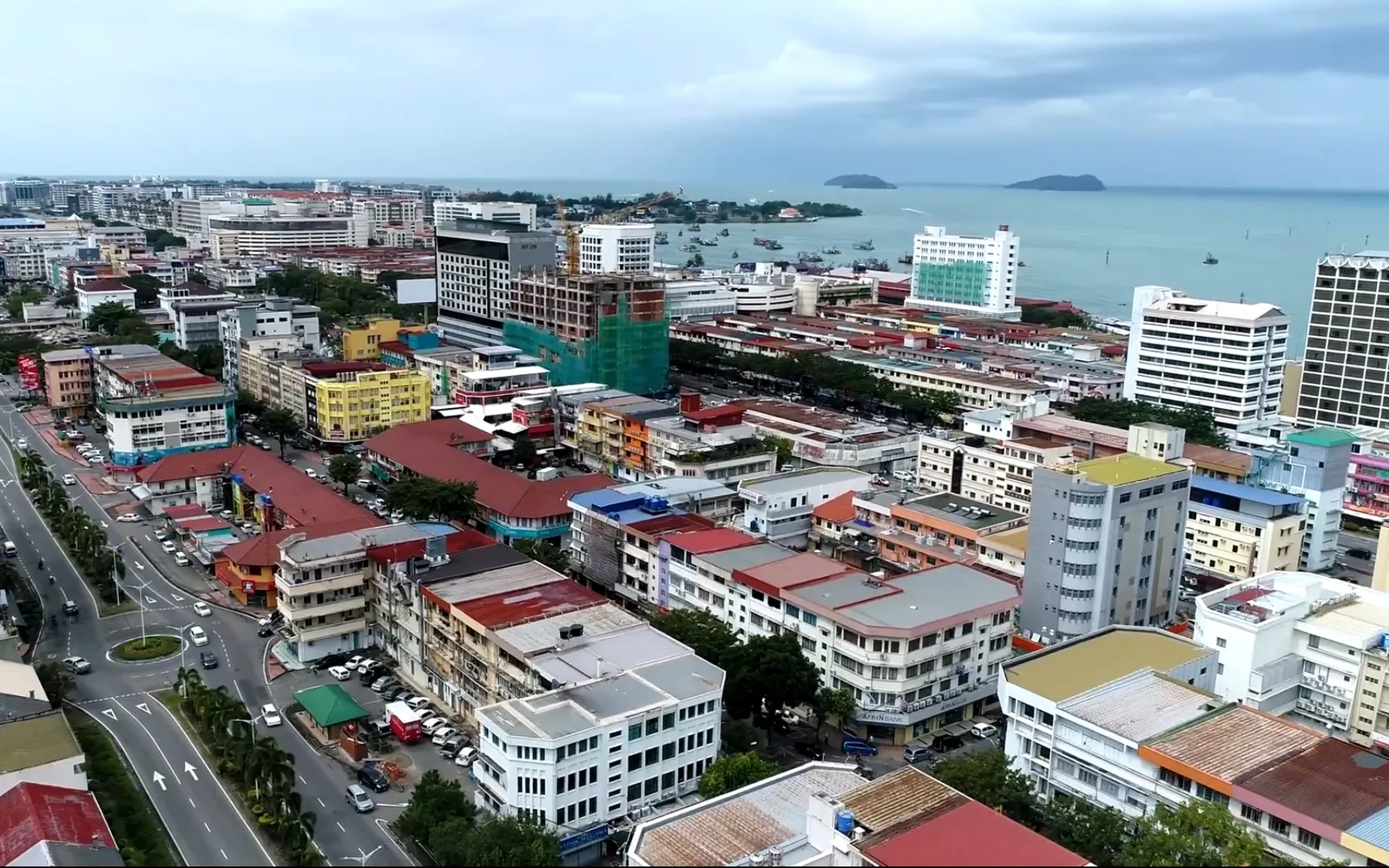
The food scene in Kota Kinabalu is a genuinely impressive mix: ultra-fresh seafood from the South China Sea, traditional dishes from the Kadazan-Dusun, Bajau, and Murut communities, and noodle recipes unique to Sabah. The waterfront night market and the Filipino Market are the beating heart of the eating culture here — where you can get lobster, squid, mantis prawns, and charcoal-grilled fish at prices locals actually pay.
 #1
#1 KK Waterfront Seafood
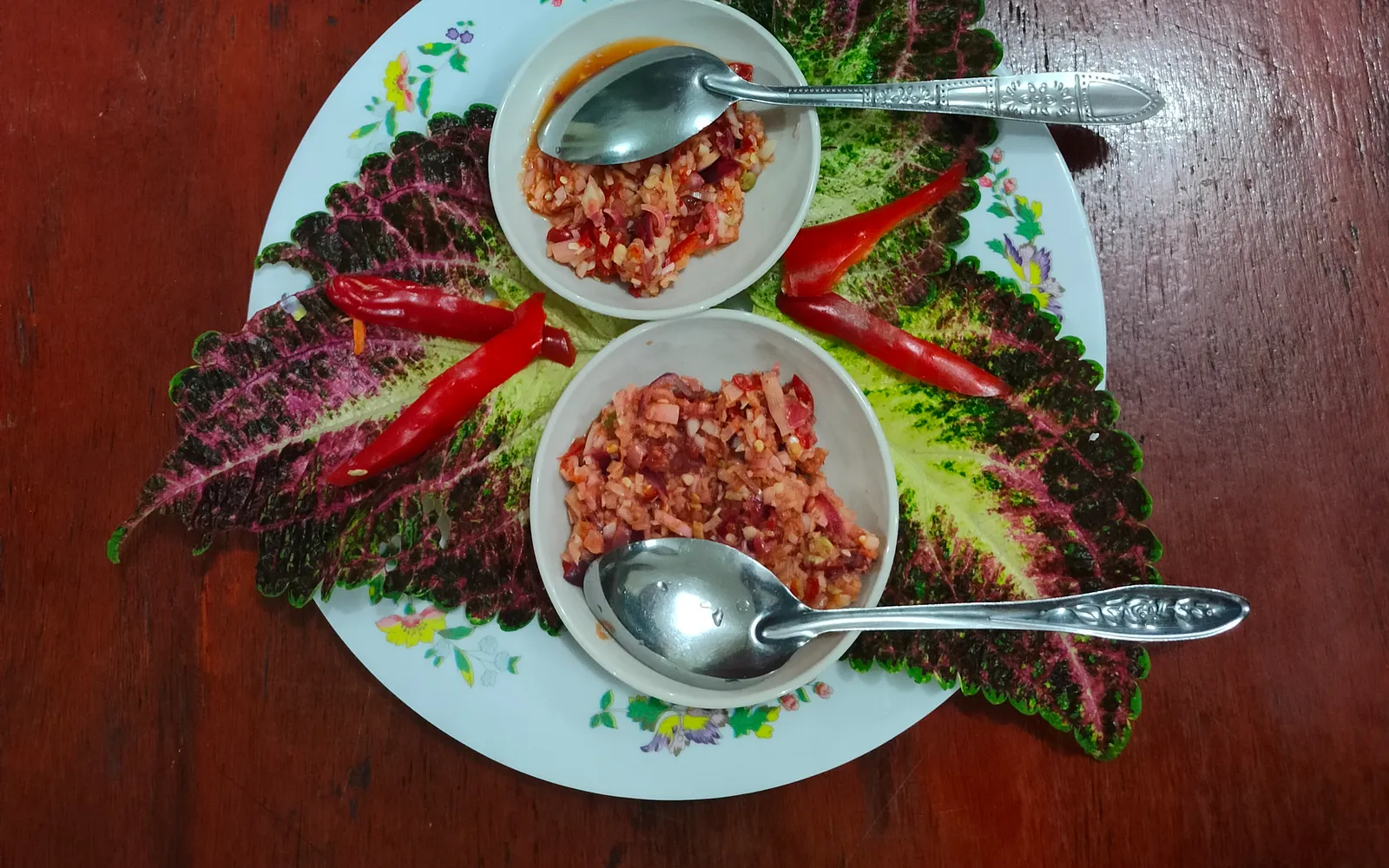
The heart of eating in KK is seafood caught that morning from the South China Sea, grilled over charcoal and served with fiery <em>sambal belacan</em>. Stingray, mantis prawns, salted-egg crab, butter prawns, grilled squid, and red snapper are all on offer — and noticeably cheaper than in Kuala Lumpur. The Filipino Market waterfront and Todak Food Market are the two most popular spots.
- Walk the ice displays first to see what's fresh, then order by species and weight directly with the vendor.
- Arrive between 17:00 and 19:00 to watch the sunset while your seafood grills over live charcoal.
- Bargaining is possible at the Filipino Market; Todak tends to have fixed prices.
 #2
#2 Hinava
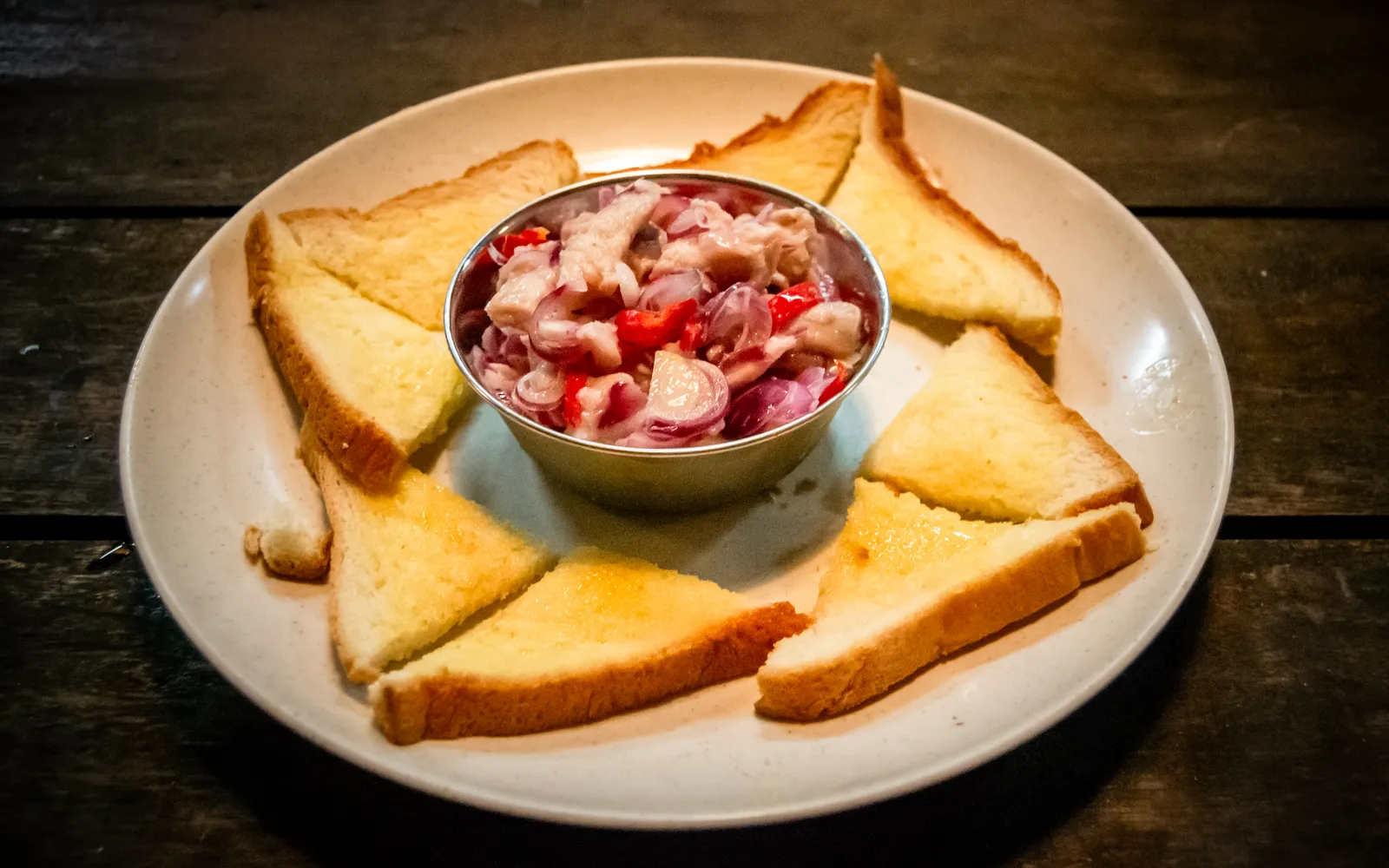
The most distinctive starter in Sabah: fresh ocean fish sliced thin and cured in lime juice until the flesh turns opaque — the same technique as Latin American ceviche — then tossed with chilli, shallots, fine-grated ginger, and dried seeds of <em>bambangan</em>, a wild mango native to Sabah. The result is sharp, lightly spicy, and refreshing. It has been listed as a Malaysian National Heritage Food since 2009.
- Find it at D'Place heritage restaurant or inside the Mari Mari Cultural Village.
- Order it as a starter — the acidity opens the appetite nicely before the main course.
- Mackerel is the most common fish in the traditional recipe, prized for its firm texture.
 #3
#3 Tuaran Mee
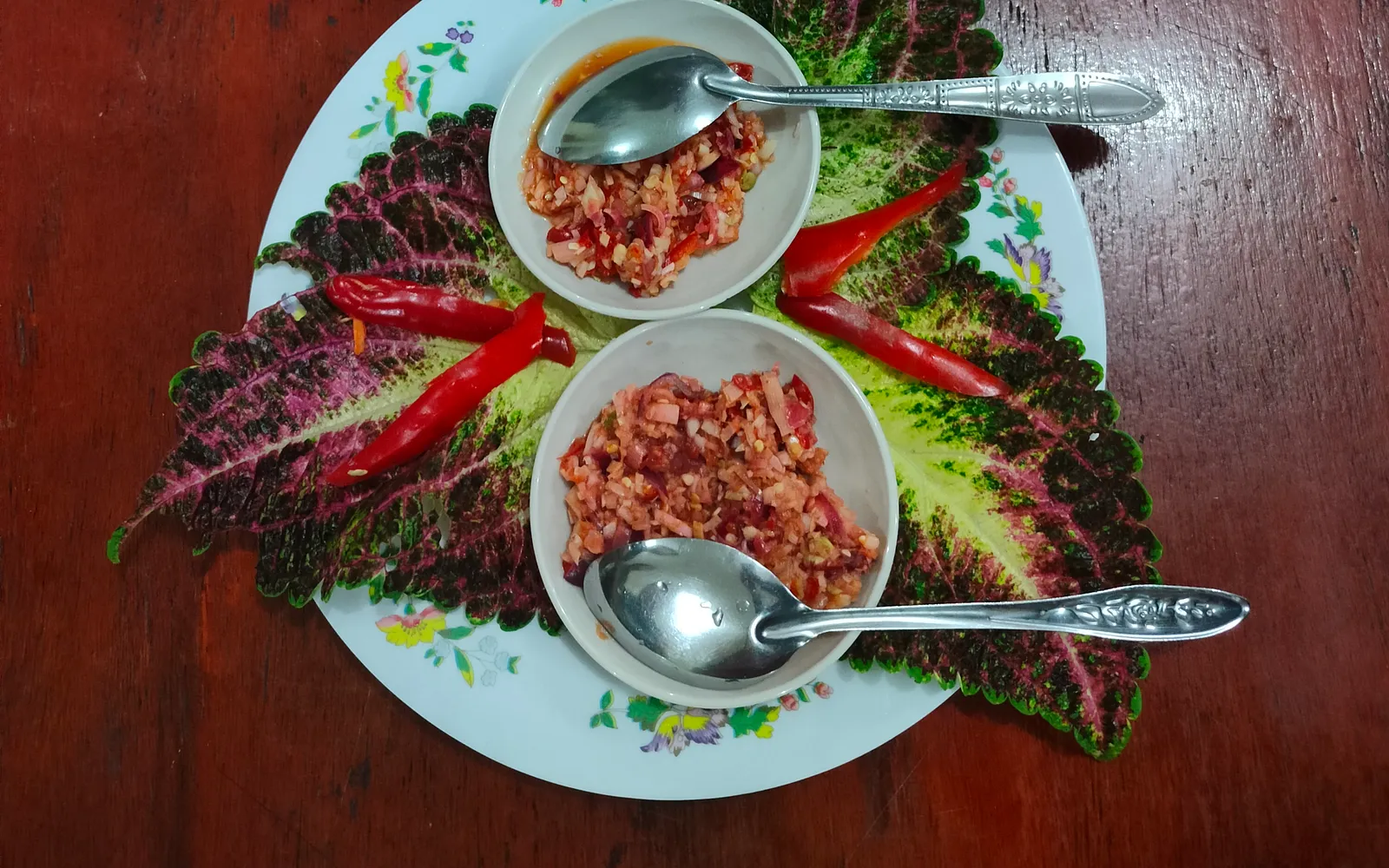
Hand-kneaded egg noodles from the town of Tuaran, wok-fried in a smoking-hot pan until the outside chars and the inside stays springy. Served with a fried egg, <em>char siu</em> (barbecue pork), vegetables, and clear broth alongside. The technique is precise: the noodles are first deep-fried in oil to prevent clumping, then steamed to reduce the crunch, then wok-tossed for aroma — a texture unlike any standard fried noodle.
- Well-regarded spots in central KK include Restoran Yee Fung and stalls inside Foh Sang Market.
- If you have time, drive the 30 km to Tuaran itself to try the original-source version.
- Both pork and chicken versions are available for those who don't eat pork.
 #4
#4 Salted Egg Crab and Butter Prawns
Two dishes worth ordering every time you sit down at a KK seafood table. The salted-egg crab uses large, firm-fleshed crab coated in a rich, creamy salted-egg yolk sauce with a deep savoury aroma. The butter prawns use tiger prawns or lobster tossed with butter, garlic, and curry leaves — crisp outside, tender inside, richly fragrant. Every waterfront seafood restaurant carries both, and prices are significantly lower than in Kuala Lumpur or Singapore.
- Both dishes are priced by weight — always confirm the price per kilogram before ordering.
- Milimewa Superstore Seafood Restaurant and Welcome Seafood have consistently strong reviews.
- Steamed buns or plain rice are the best vehicle for the salted-egg sauce left in the pan.
 #5
#5 Tenom Coffee (Kopi Tenom)
Coffee from the town of Tenom, on Sabah's interior highlands, is widely regarded as the best in Malaysia. Beans have been roasted in wood-fired rotating drums using the same traditional method for over 60 years, with no additives. The result is intensely dark with a distinct smoky aroma — drunk either black or with sweetened condensed milk. Bags are sold at markets and souvenir shops all over KK.
- Try it <em>kopi O</em> (black, unsweetened) first, then adjust with sugar or condensed milk to taste.
- The Yit Foh brand is the most widely known — available at every supermarket and souvenir shop in KK.
- Tenom coffee makes an excellent, lightweight, inexpensive gift for anyone who drinks coffee.
 #6
#6 Pinasakan
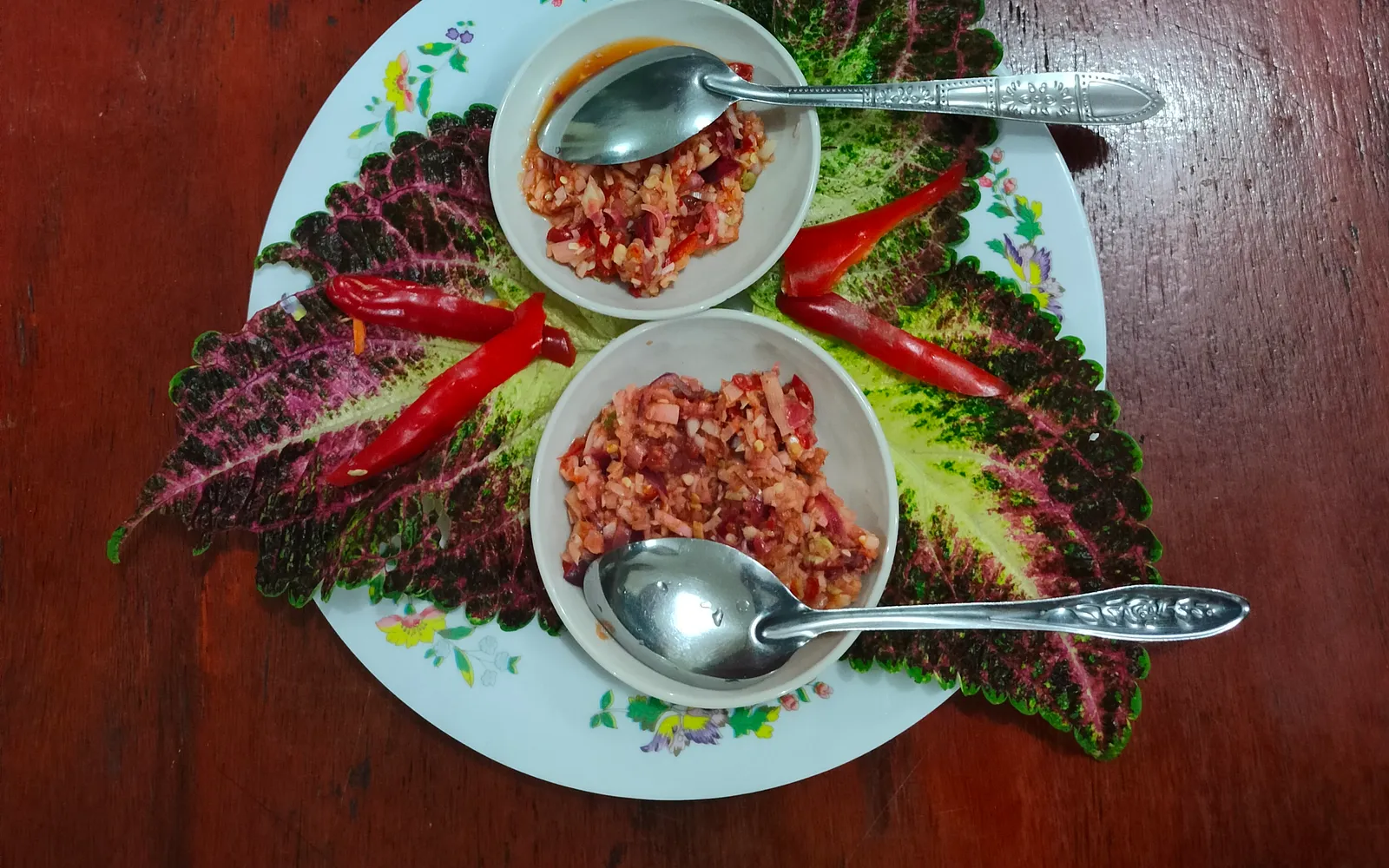
The most beloved main course of the Kadazan-Dusun people: river or sea fish simmered with fresh turmeric, turmeric leaves, and <em>bambangan</em> — the wild mango native to Sabah — producing a broth that is gently sour with a faint bitterness, layered with the aroma of fresh forest leaves. It is a dish that reflects a way of life closely tied to Sabah's rivers and rainforest, and is quite different in character from standard Malay curries.
- Available at D'Place and Hinava Restaurant in central KK.
- Eat with hot steamed rice and a side of local pickled vegetables for the full combination.
- Noticeably lighter and more complex than typical Malay curry — do not expect a coconut-milk base.
Where to stay in Kota Kinabalu for this trip
A well-located hotel means less commuting and more sightseeing. Here are real, top-rated stays in Kota Kinabalu — compare Agoda · Booking · Trip.com in one click.
Hotel Five 2 Kota Kinabalu
Affiliate links — we may earn a commission at no extra cost to you. Details
Hilton Kota Kinabalu
Affiliate links — we may earn a commission at no extra cost to you. Details
Le Méridien Kota Kinabalu
Affiliate links — we may earn a commission at no extra cost to you. Details
Hyatt Regency Kinabalu
Affiliate links — we may earn a commission at no extra cost to you. Details
Tours, tickets & activities in Kota Kinabalu
Day tours, attraction tickets and travel essentials for Kota Kinabalu — book ahead on Klook with mobile e-tickets.
Affiliate links — we may earn a commission at no extra cost to you.
Before You Pack
The food in KK delivers strong value relative to quality — especially the fresh seafood, which is consistently high-standard. Walk the evening markets first to browse, compare, and taste before committing to a full sit-down order.