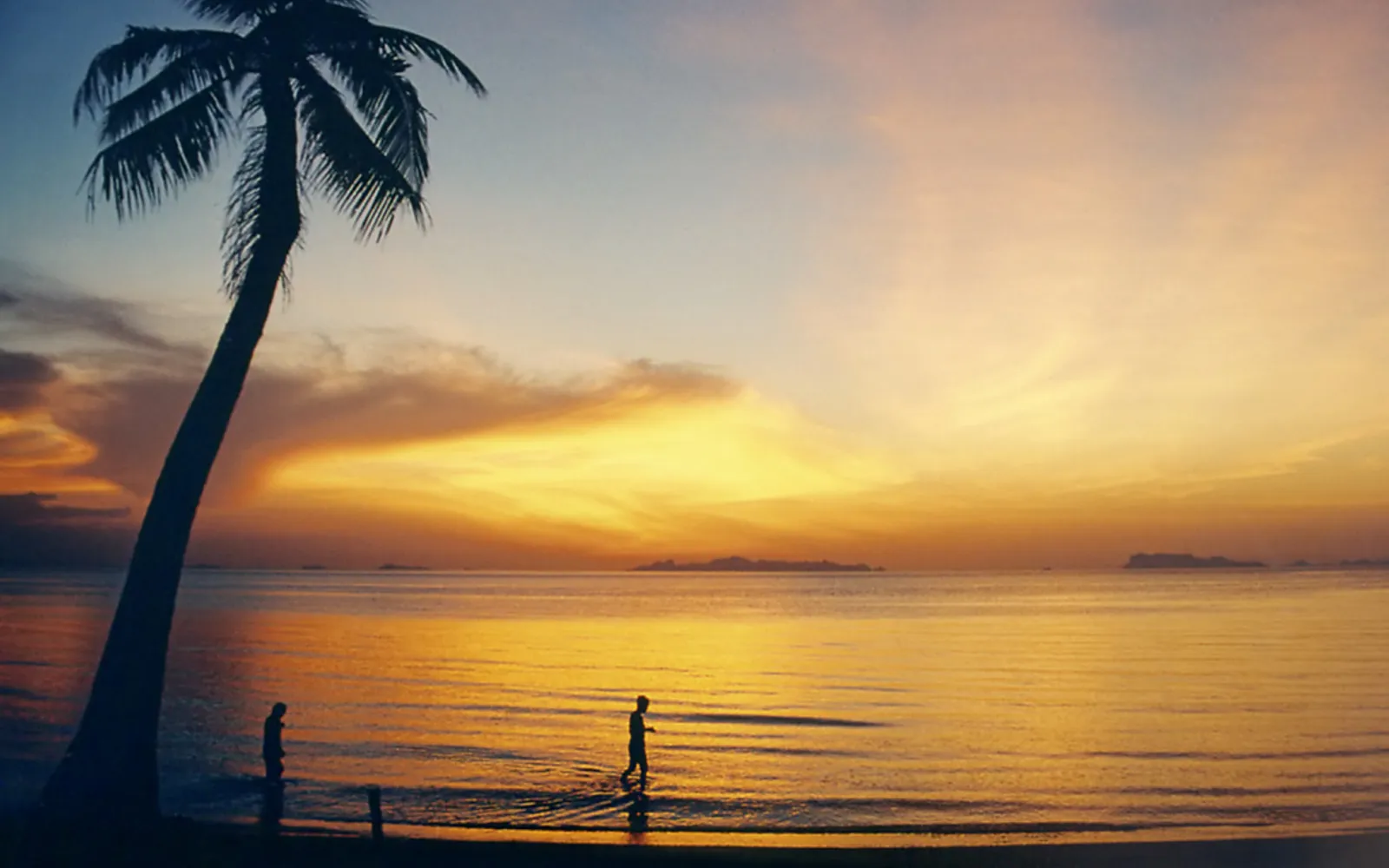
Koh Samui delivers beaches, nature, and culture in one compact island — a rare combination even by Thai standards. From a 12-metre golden Buddha visible from the plane on approach to the glass-clear waters of the Ang Thong archipelago, Samui has a pull that sets it apart. Spend a few days here and you can lie on white-sand beaches in the morning, snorkel a marine park in the afternoon, and pay respects at an ornate temple before dinner — all without hiring a guide or booking a complicated itinerary.
 #1
#1 Wat Phra Yai — Big Buddha Temple
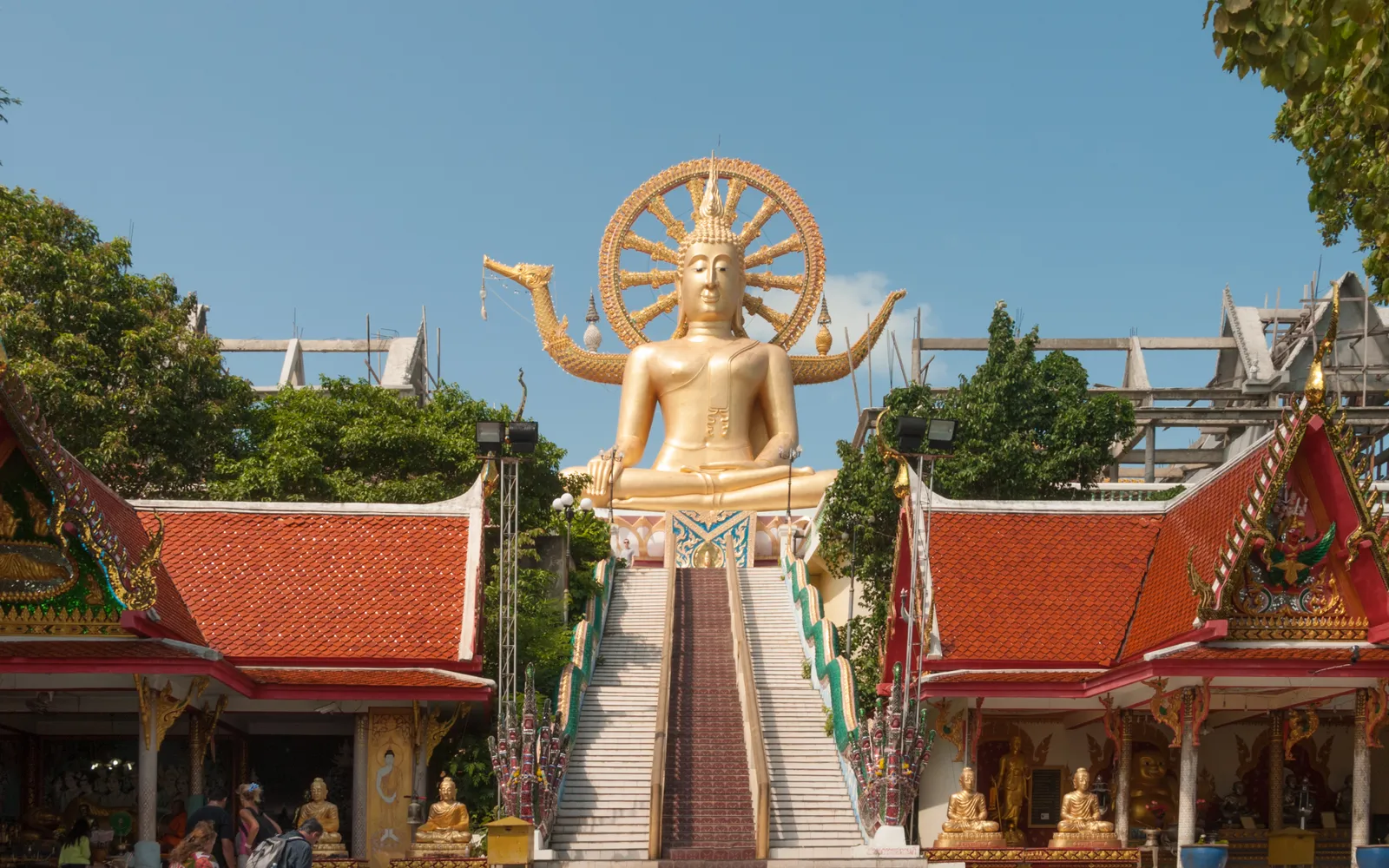
The defining landmark of Koh Samui — visible from the plane as it banks over the island to land. The 12-metre golden Buddha in the Maravijaya posture stands on the small islet of Koh Fan, connected to the main island by a short causeway. Built in 1972, the base tier features ornate statues of guardian devas and nagas. Souvenir shops and seafood restaurants line the surrounding area. Entry is free all day.
- Dress modestly — shorts and sleeveless tops are not allowed inside the temple grounds.
- Arrive before 9 a.m. for the best light and far fewer people.
- Wat Plai Laem is only 5 minutes away — easy to combine on the same morning.
 #2
#2 Chaweng Beach
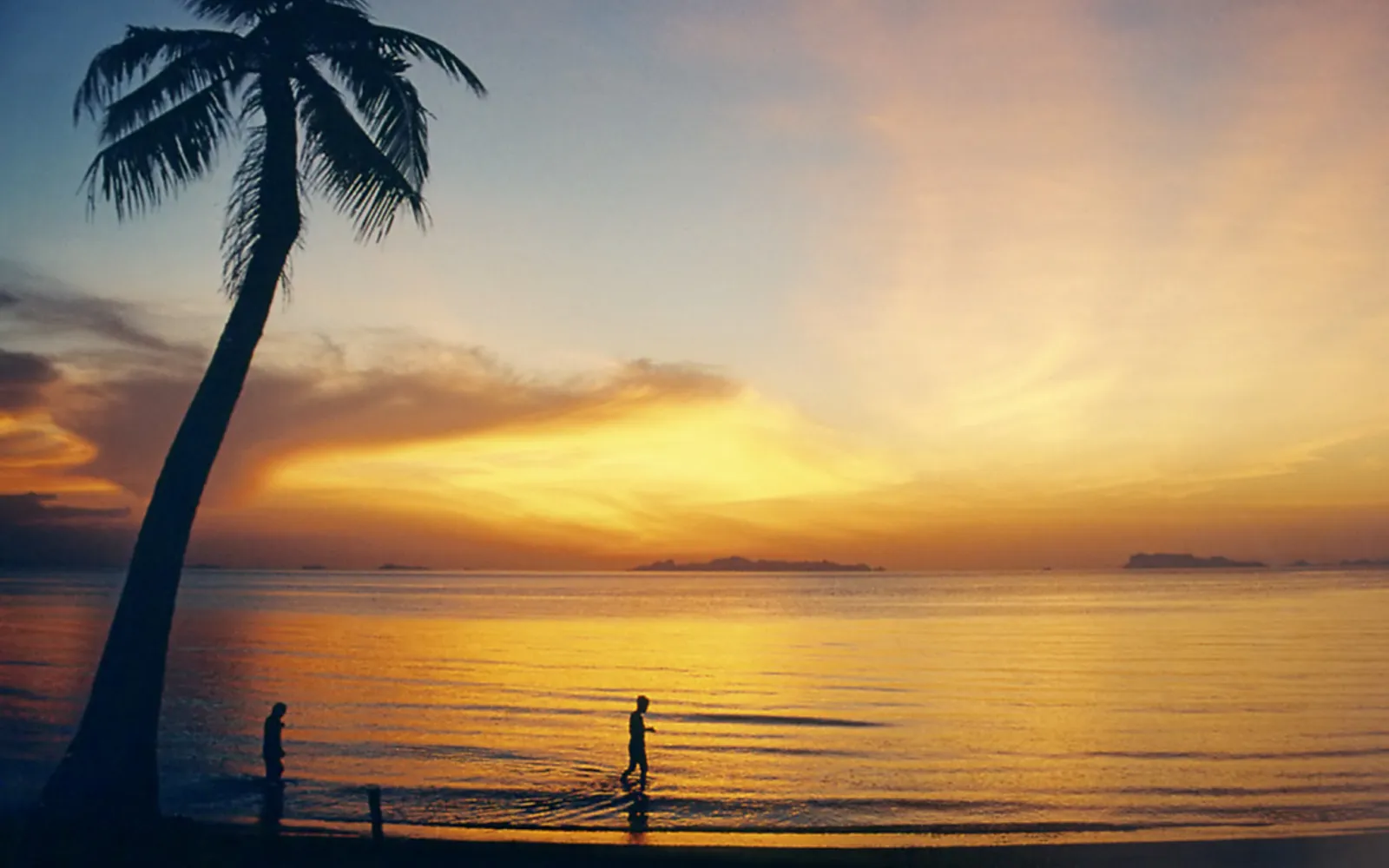
The longest and most lively beach on the island, stretching more than 7 kilometres of fine white sand and blue-green water. It suits every mood: sunbathing, swimming, windsurfing, jet-skiing, diving, and snorkelling are all available along the same shore. The northern end is flanked by five-star hotels, boutique resorts, beach bars, and restaurants; the central and southern sections are noticeably quieter. Chaweng is the one beach on Samui that genuinely works for every kind of traveller.
- The northern end has stronger waves — better for water sports. The central and southern sections are calmer and more suitable for swimming.
- Watch for the monsoon season (October–December): heavy swells and red warning flags mean the water is off-limits.
- Seafood restaurants along the beach get busy in the evenings — walk a few before choosing.
 #3
#3 Mu Ko Ang Thong National Marine Park
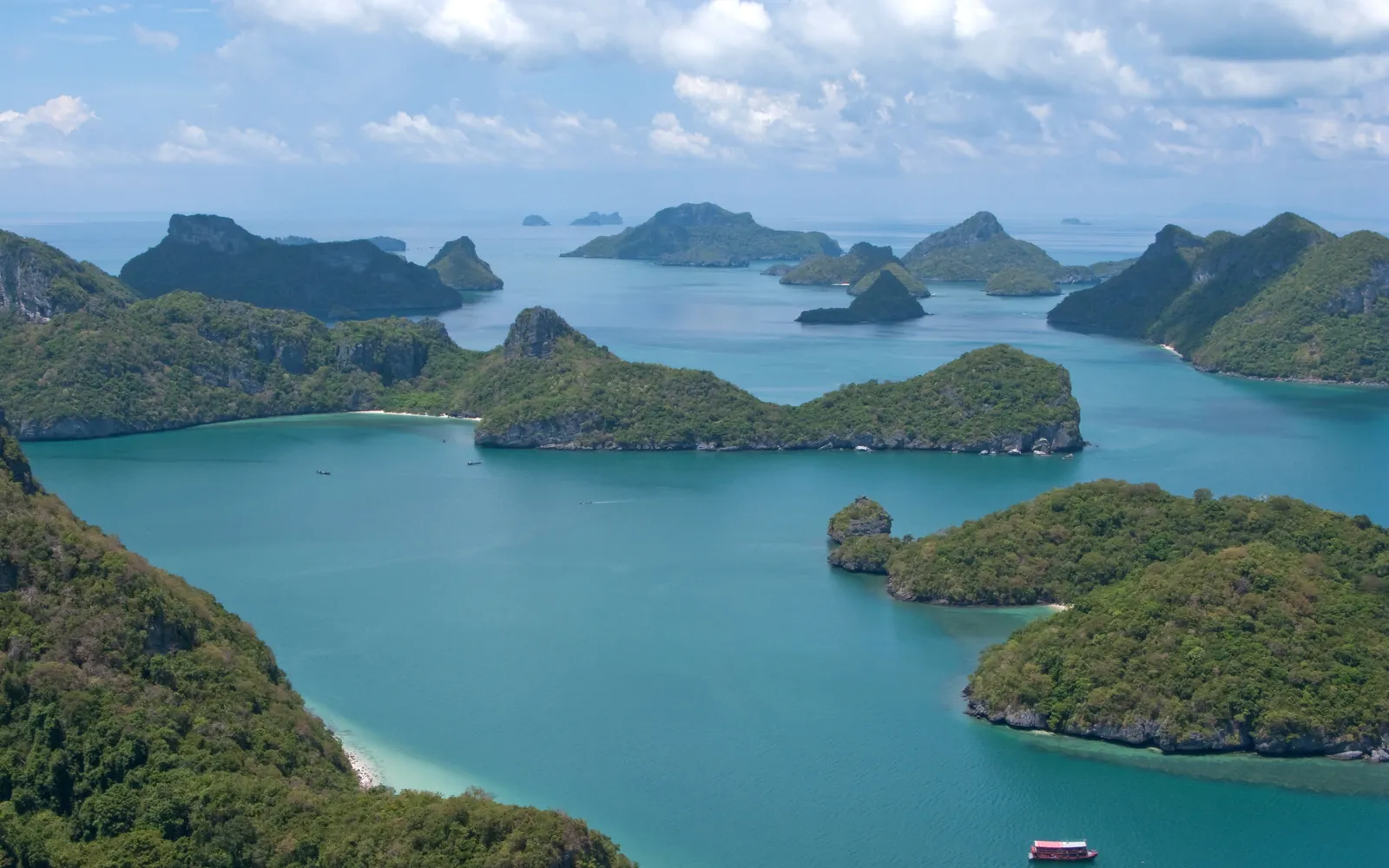
A national marine park made up of 42 islands covering more than 100 square kilometres of protected sea. The name Ang Thong — Golden Bowl — reflects the water's golden cast at certain times of day. The highlights are the Emerald Cove (a landlocked saltwater lake hidden in a valley), kayaking through sea caves, reef snorkelling, and a hilltop viewpoint with an unobstructed panorama of the archipelago. It ranks among the most striking natural sites in Thailand.
- Book ahead during peak season (December–April) — tours sell out quickly.
- Choose a tour that includes kayaking; it is the most rewarding activity the park offers.
- The park closes during the monsoon (June–September) — always confirm with the tour operator before booking.
 #4
#4 Hin Ta and Hin Yai — Grandfather and Grandmother Rocks
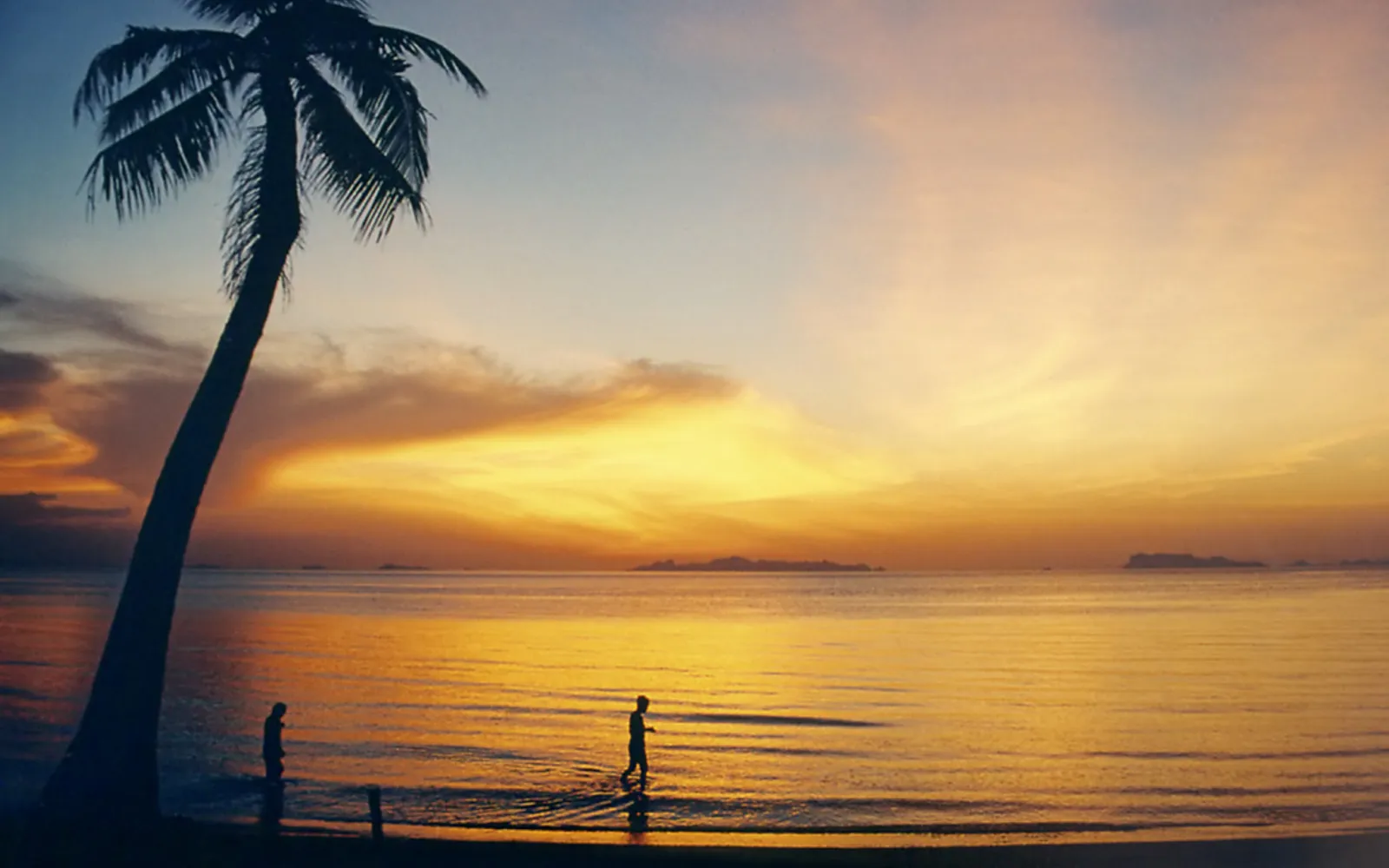
Two naturally sculpted granite boulders that have been an island icon for decades. They sit at the southern tip of Lamai Beach. Local legend says they are an elderly couple who shipwrecked and turned to stone — Hin Ta (Grandfather) is the more clearly defined of the two, which explains the name. Entry is free; souvenir stalls line the path. It is best treated as a short stop on a wider island loop rather than a half-day destination.
- Free to enter — the only cost is a 10-baht motorcycle parking fee.
- Morning or late afternoon light is far better than the harsh midday sun.
- Lamai Beach and Hua Thanon market are nearby — worth stopping for fresh food before or after.
 #5
#5 Na Muang Waterfall
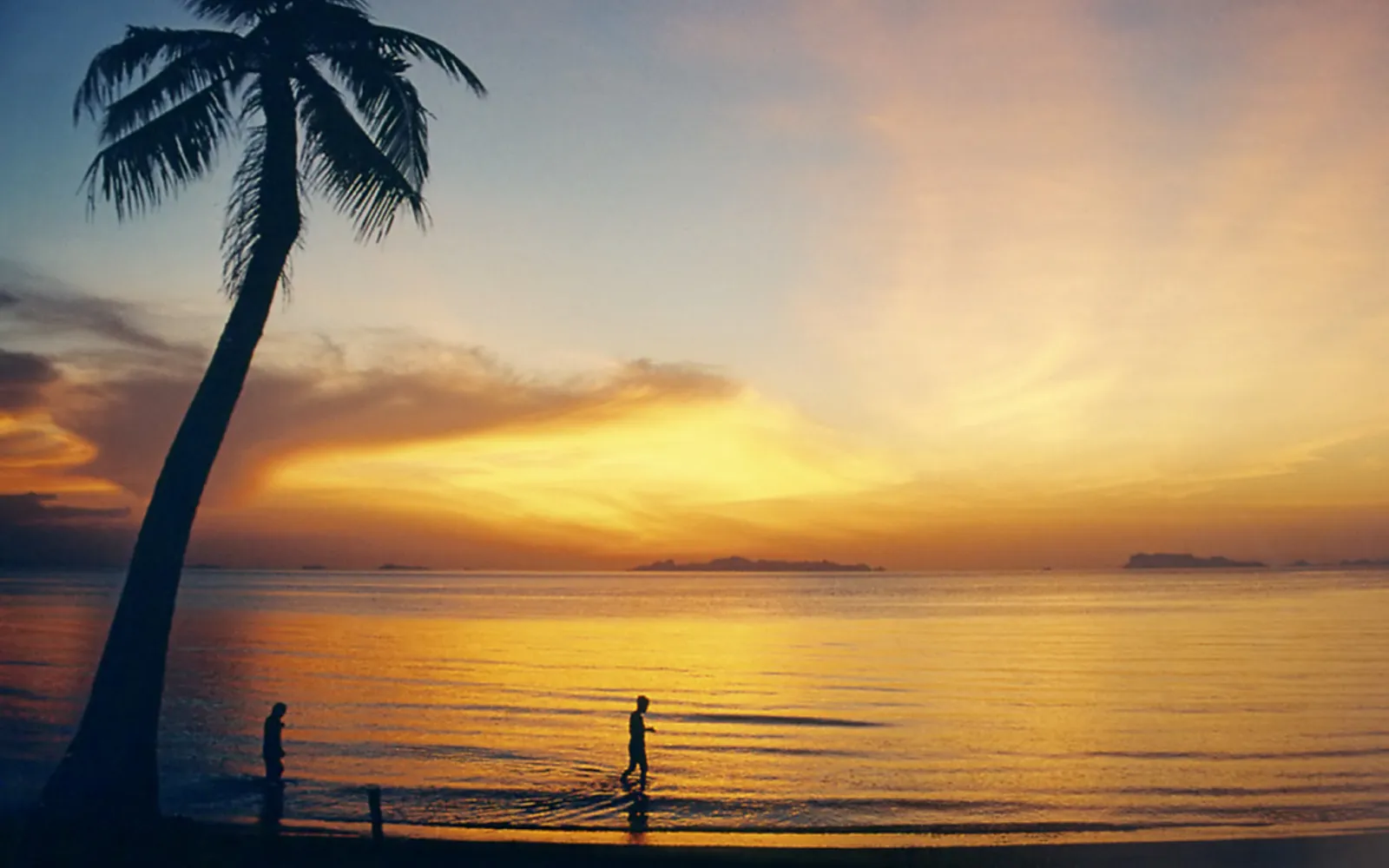
The most beautiful waterfall on the island. The name Na Muang comes from the purple-pink hue of the rock face the water runs over. There are two tiers: Na Muang 1 is an easy walk suitable for all ages, with a natural pool at the base; Na Muang 2 requires about 30 minutes of uphill trekking through forest trail but rewards with a taller cascade and stronger flow. Both are enclosed in tropical forest with wildlife. For nature-focused activity on Koh Samui, nothing else comes close.
- Elephant rides are offered near the Na Muang 1 entrance — consider your own position on wildlife-tourism activities before deciding.
- Wear non-slip footwear; the trail is wet and slippery, especially during the rainy season.
- January–March (dry season) sees reduced flow; October–December (wet season) produces the most powerful and photogenic falls.
 #6
#6 Fisherman's Village — Bophut
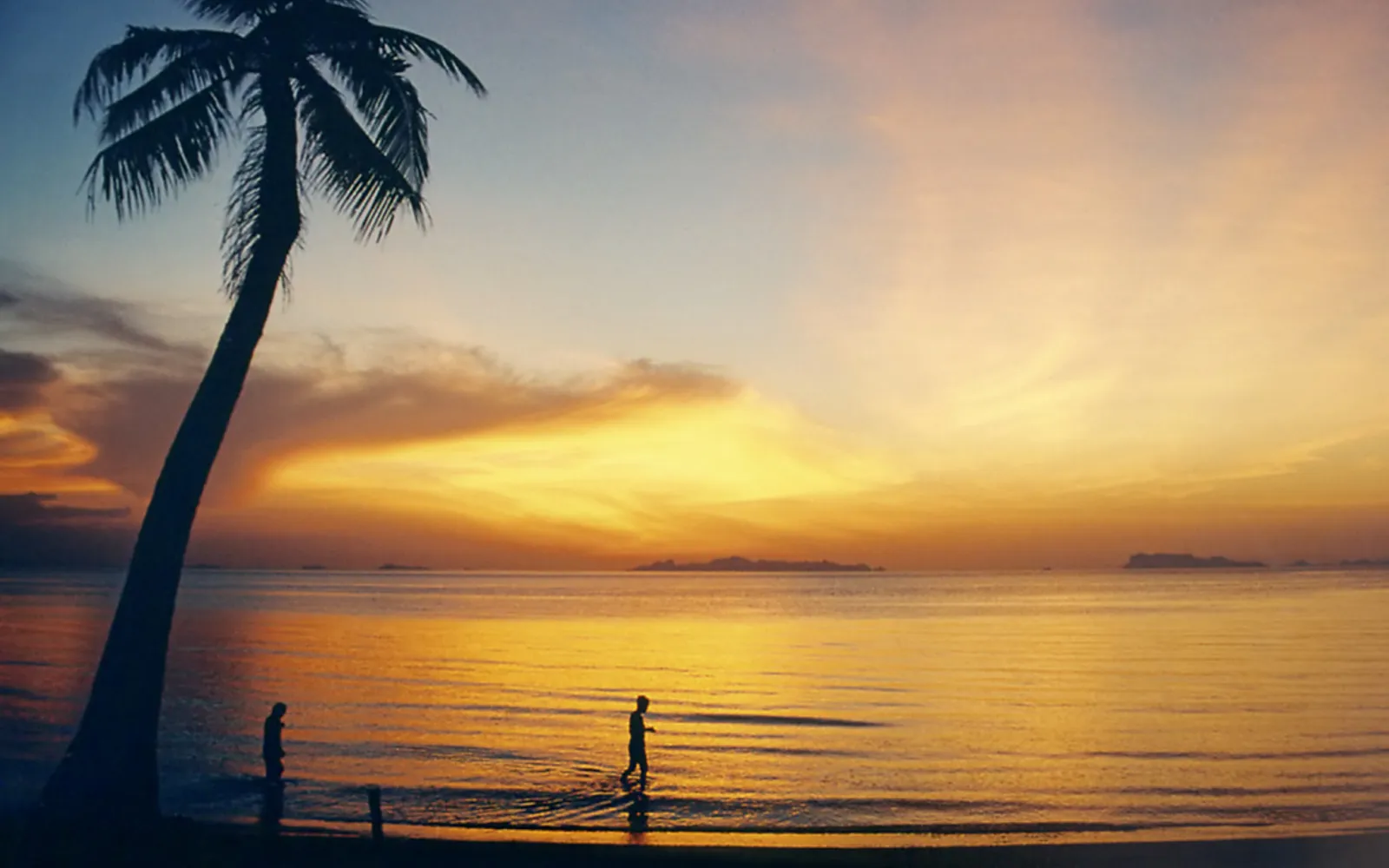
A historic quarter with roots in the Hainanese fishing families who settled here generations ago. Sino-Portuguese wooden shophouses line the beachfront road at Bophut, now converted into coffee shops, boutique hotels, seafood restaurants, and art galleries — all while keeping a relaxed, unhurried feel. Every Friday evening from 5:00 p.m. to 11:00 p.m. the road closes to traffic for the well-known Fisherman's Village Walking Street.
- Do not miss the Friday evening walking street — fresh food, local crafts, live music, and a genuine village atmosphere.
- Cafes and boutique shops in the quarter are open throughout the week, pleasant for a slow morning browse any day.
- Bophut Beach is significantly calmer than Chaweng — good if you want to avoid crowds.
 #7
#7 Wat Plai Laem
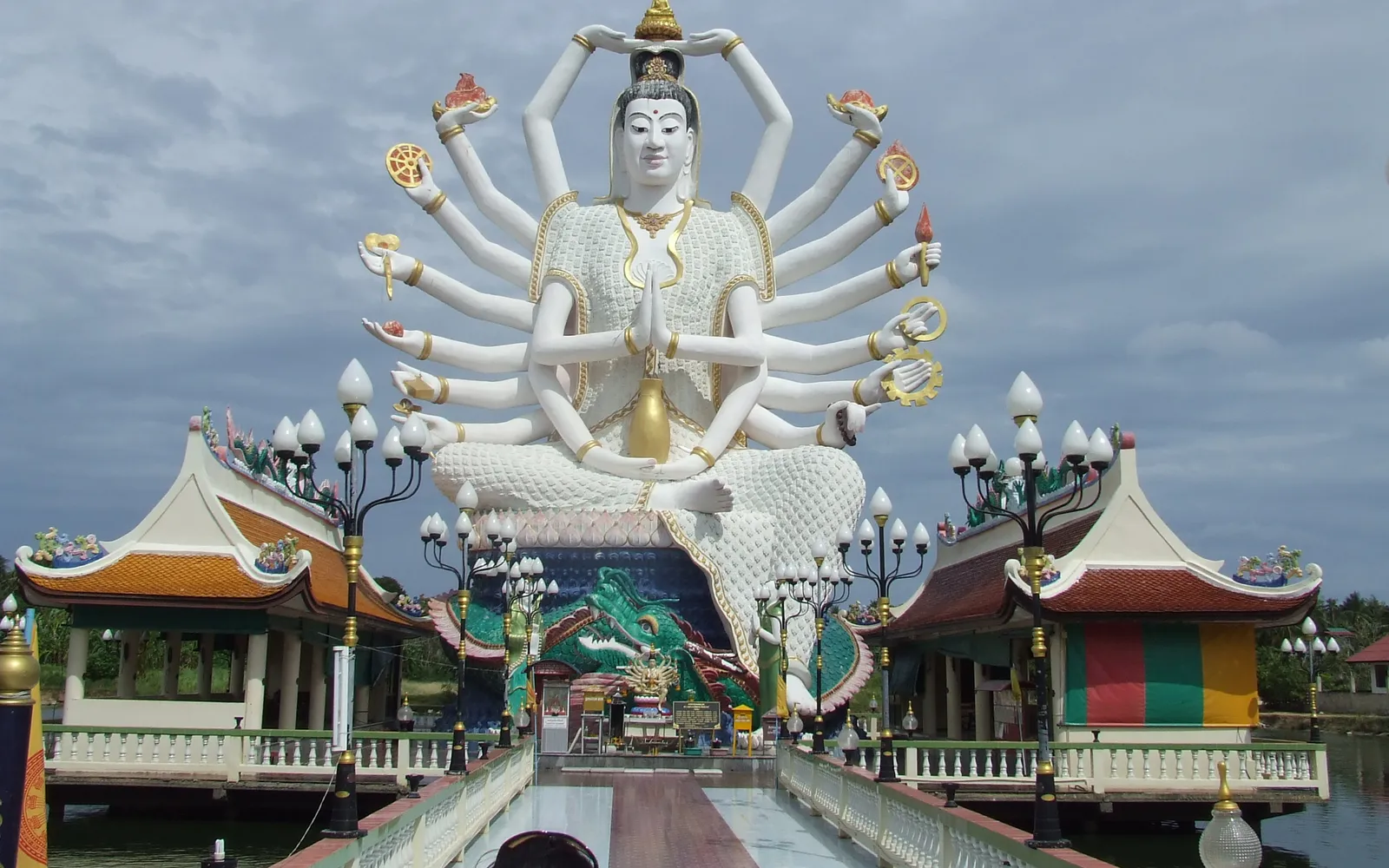
The most harmonious Thai-Chinese fusion temple on the island. The centrepiece is a large white 18-armed Guanyin statue standing in a pond filled with colourful fish. Visitors traditionally buy small bags of fish food sold inside the temple to feed them — releasing fish and turtles here is considered merit-making. The surrounding grounds feature vivid statues of various Chinese deities, designed by leading Thai artists. Wat Plai Laem is 2 km from Big Buddha, making it a natural pairing on the same visit.
- Open daily, no entry fee — modest dress required.
- Fish food bags are sold inside the temple and are inexpensive; feeding the fish is a popular activity.
- Photographs come out best in the morning when the light is soft and the crowds are thin.
 #8
#8 Lamai Beach
The second-largest beach on the island, running more than 4 kilometres of fine white sand. The atmosphere is more relaxed than Chaweng but still has enough going on — restaurants, spas, beach bars, and water sports cluster in the central section, while the southern end is where Hin Ta and Hin Yai rocks sit. Hua Thanon market near the centre opens every evening with fresh seafood and local produce. Lamai suits travellers who want some life around them without the full noise of Chaweng.
- Lamai Market opens every evening with fresh seafood at prices noticeably lower than Chaweng.
- Several spas on Lamai Beach offer good value and a relaxed setting that holds up against the resort options nearby.
- Moderate waves make this a reasonable spot for swimming and beginner surfing.
Where to stay in Koh Samui for this trip
A well-located hotel means less commuting and more sightseeing. Here are real, top-rated stays in Koh Samui — compare Agoda · Booking · Trip.com in one click.
Four Seasons Resort Koh Samui
Affiliate links — we may earn a commission at no extra cost to you. Details
Six Senses Samui
Affiliate links — we may earn a commission at no extra cost to you. Details
Vana Belle, a Luxury Collection Resort, Koh Samui
Affiliate links — we may earn a commission at no extra cost to you. Details
Anantara Bophut Koh Samui Resort
Affiliate links — we may earn a commission at no extra cost to you. Details
Tours, tickets & activities in Koh Samui
Day tours, attraction tickets and travel essentials for Ko Samui — book ahead on Klook with mobile e-tickets.
Affiliate links — we may earn a commission at no extra cost to you.
Before You Pack
Koh Samui is large enough to fill 3–5 days without repeating yourself. Renting a motorbike or car is strongly recommended — the attractions are spread around the entire island and public transport between them is slow. For the Ang Thong Marine Park trip, book a boat tour well in advance, especially during the December–April peak season.