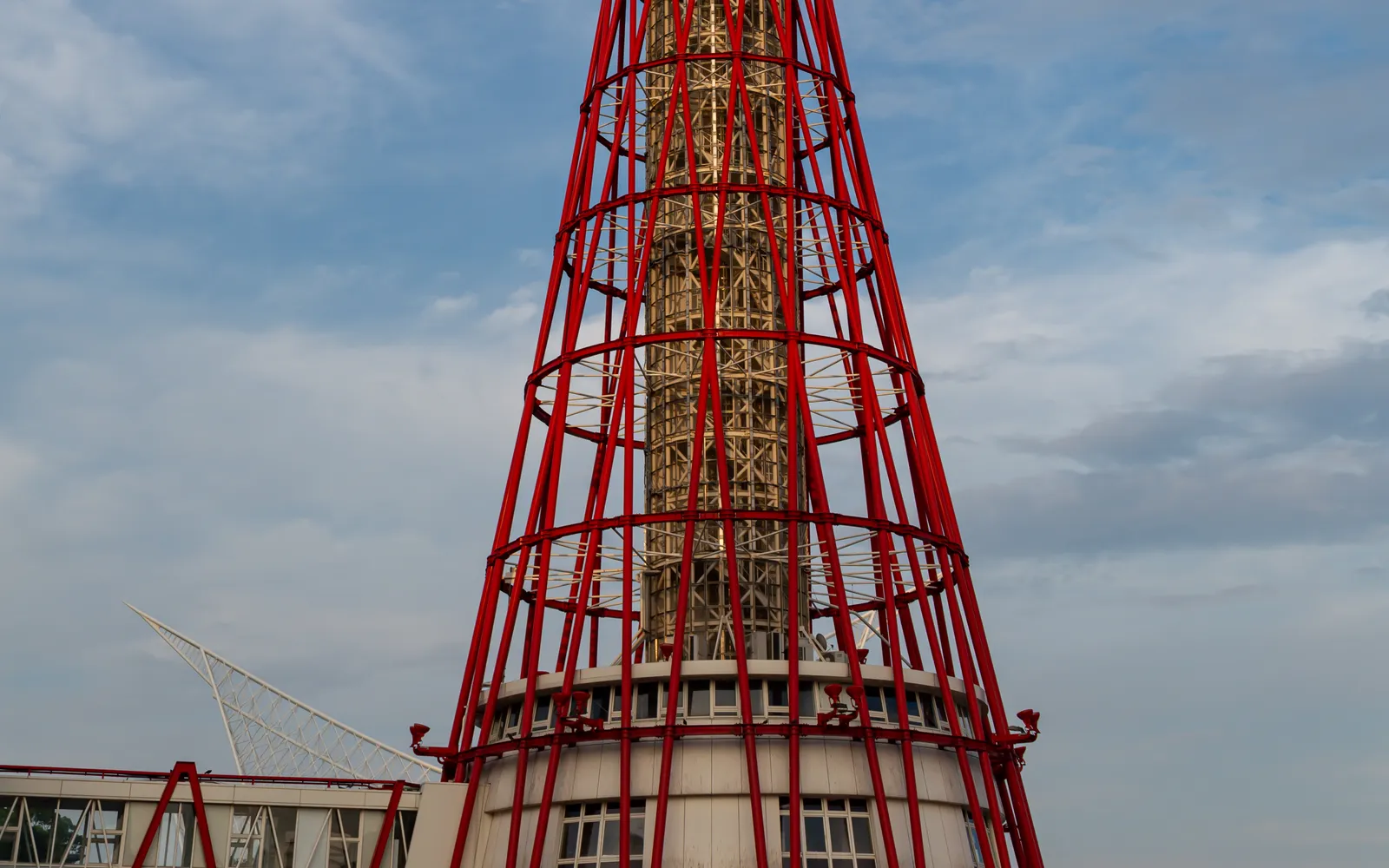
Kobe is far more than the Wagyu that made its name globally. This port city is the birthplace of Western food culture in Japan — back in the Meiji era, European merchants and chefs brought steaks, bakeries, and chocolate and fused them with Japanese flavours, producing a food identity unlike anywhere else in the country. Add the hyper-local street dish sobameshi to the mix, plus supremely fresh seafood pulled from the Seto Inland Sea, and Kobe holds its own against any city in Kansai.
 #1
#1 Kobe Beef
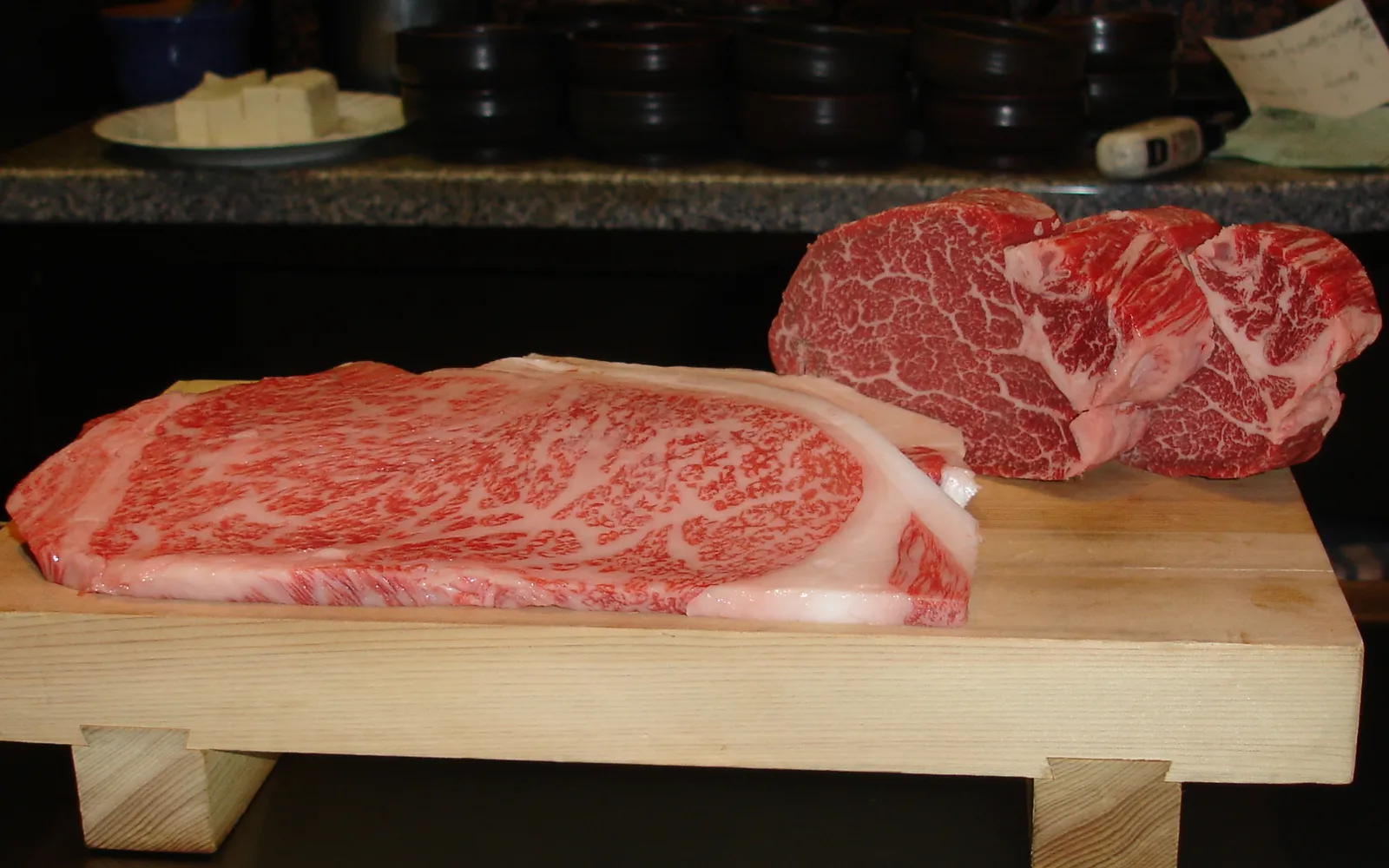
The most famous Wagyu in the world comes exclusively from Tajima Japanese Black cattle raised in Hyogo Prefecture, certified under a strict grading system before the Kobe Beef name is allowed. The extreme marbling — fat threading through every centimetre of the cut — delivers an intensity of flavour and a tenderness that genuinely dissolves on the tongue. Teppanyaki and simple steak preparations are preferred precisely to let the beef speak for itself.
- Any restaurant selling certified Kobe Beef must display accreditation from the Kobe Beef Marketing and Distribution Promotion Association — check before you order.
- If budget is a constraint, order Kobe beef as a korokke (croquette) or burger patty — the same cattle, a fraction of the price.
- Steak houses in the Kitano district tend to have a classically European atmosphere that fits the menu well.
 #2
#2 Sobameshi
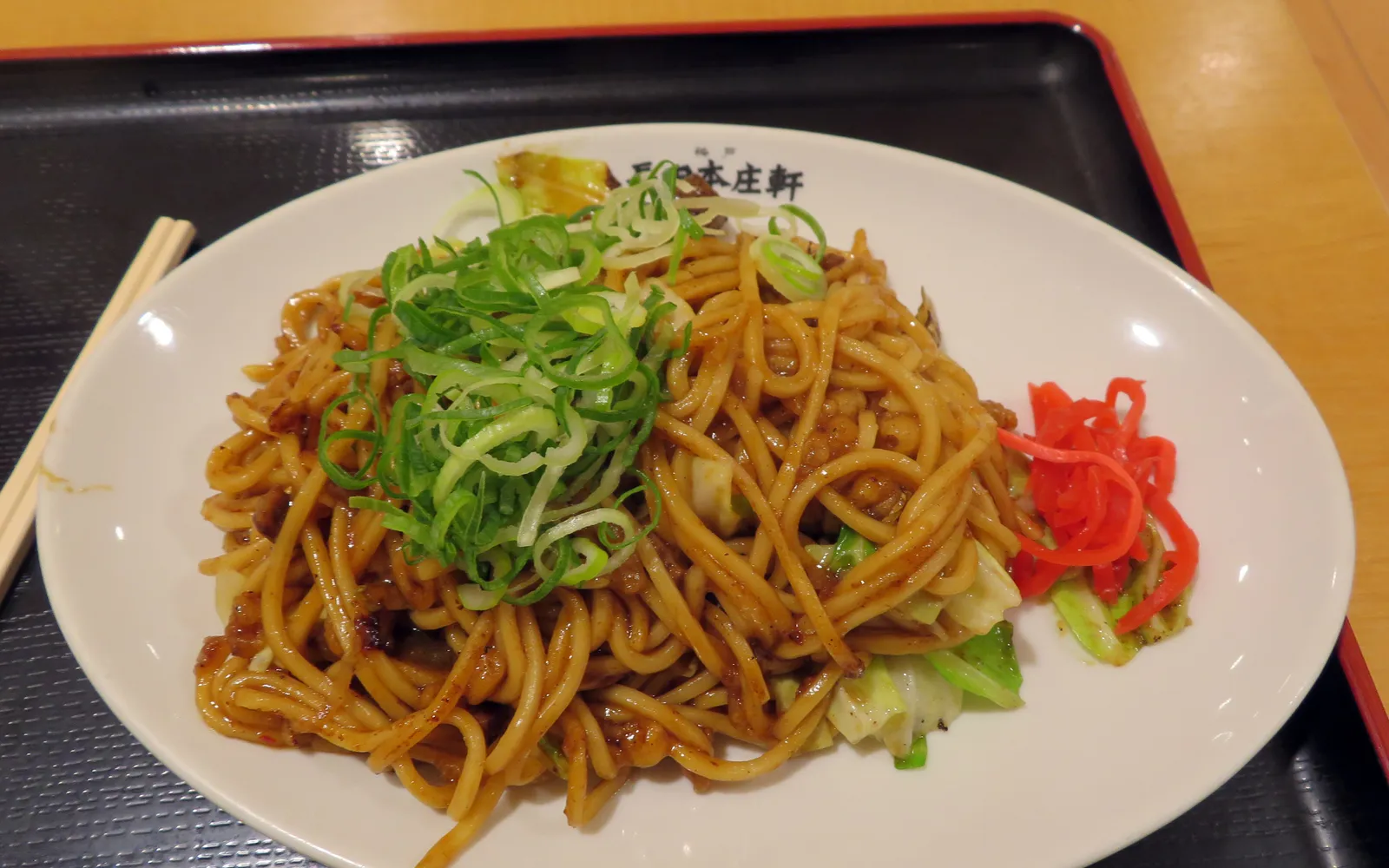
A strictly Kobe creation, sobameshi was born in the 1950s when factory workers asked a yakisoba vendor to fry their leftover rice into the noodles on the griddle. The off-menu hack caught on with regulars and eventually became one of the city's defining B-grade gourmet dishes. Cooked on a teppan with cabbage, meat, and Japanese sauce, the noodles and rice are chopped and pressed together until they form a single cohesive mass with a deep, savoury flavour.
- The Shin-Nagata district is where sobameshi originated — decades-old shops in that neighbourhood are the closest thing to the original.
- Ask for extra beef topping for a richer, more intense result — the combination works remarkably well.
- It's an affordable dish, ideal for lunch the day after a pricey steak dinner.
 #3
#3 Akashiyaki
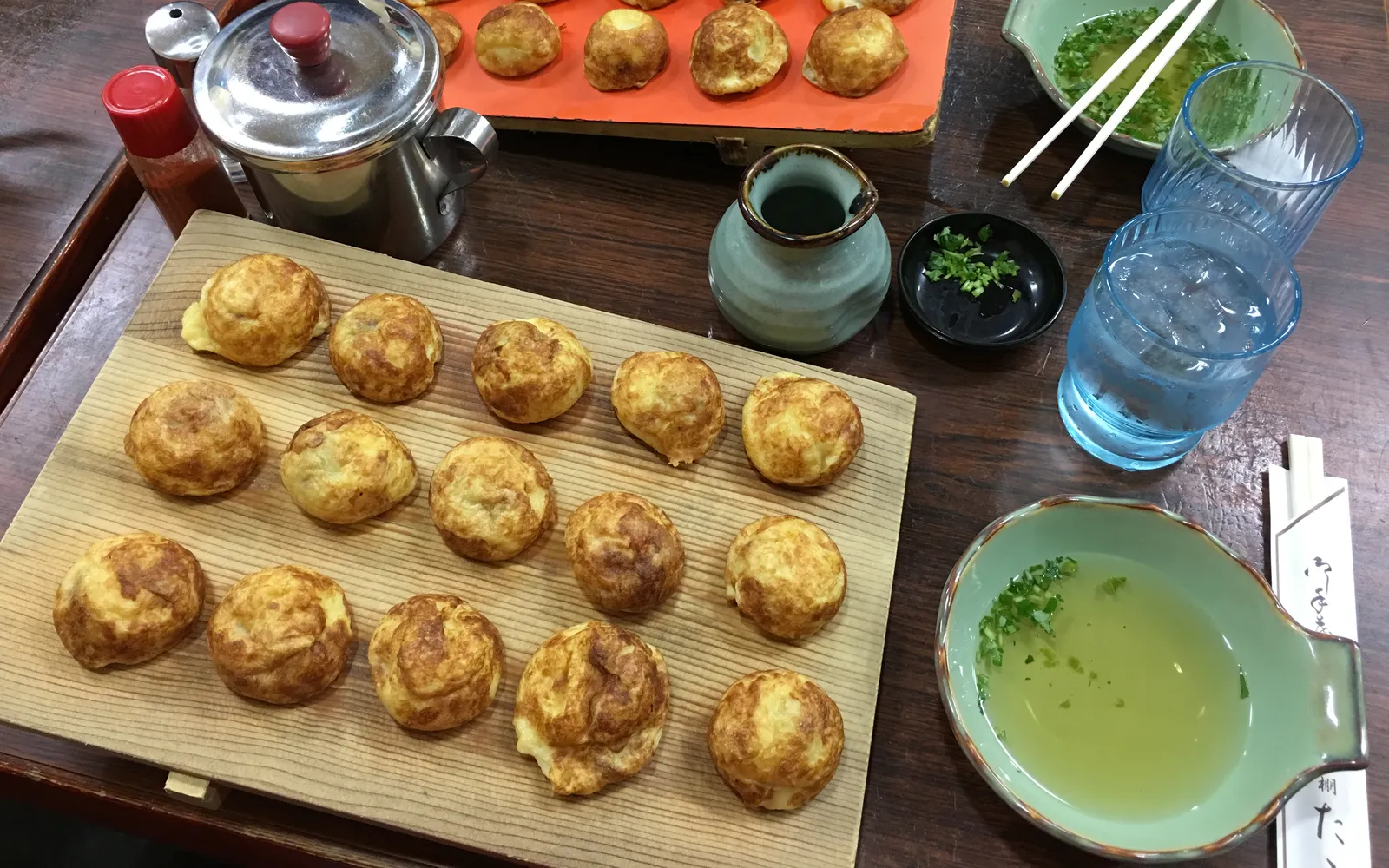
The original ancestor of takoyaki, akashiyaki comes from the city of Akashi, just down the coast in the same prefecture as Kobe. The key difference is the batter: akashiyaki uses a much higher proportion of egg, making each dumpling lighter, fluffier, and a deeper yellow than its Osaka descendant. There is no sauce — you dip each piece into hot dashi broth instead, producing a subtler, more delicate flavour that lets the egg and squid speak. Locals in Kobe regard akashiyaki as the original, and frankly the superior, version.
- Dip into the dashi and eat immediately — left to cool, the dumplings go soggy and lose their character.
- Order both akashiyaki and takoyaki on the same evening to compare them side by side.
- If your schedule allows a detour to Akashi city itself, the source restaurants there deliver the best version of all.
 #4
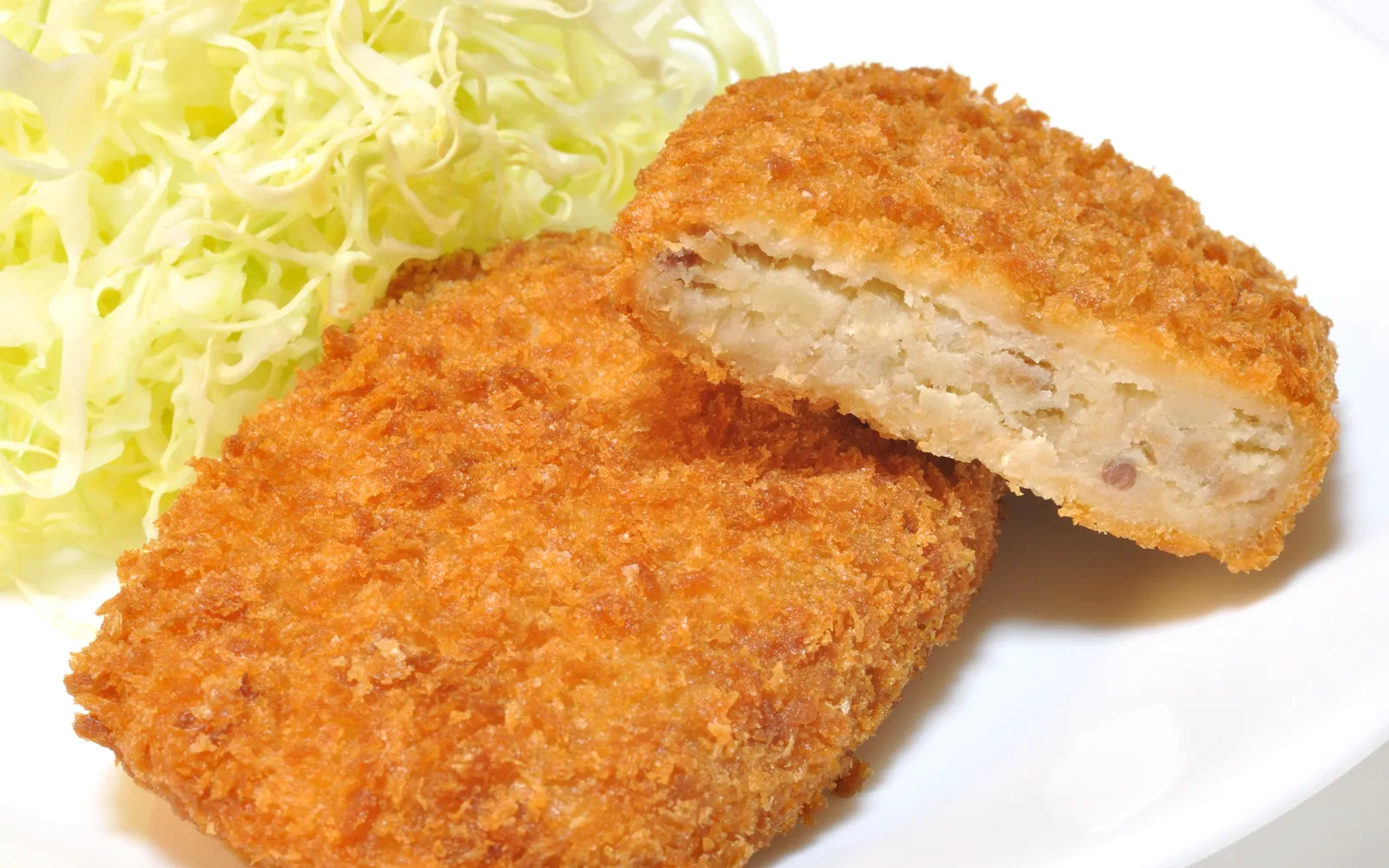
#4 Kobe Beef Korokke
The korokke — a Japanese adaptation of the Western croquette — reaches its natural apex in Kobe, where the city's extraordinary beef is mixed with potato and coated in panko breadcrumbs before frying. The outside is crunchy, the inside soft and flavourful, and the price is a fraction of a full steak. The butcher Moriya Shoten, founded in 1873, still sells korokke from its counter as a front-of-house staple.
- Moriya Shoten in Motomachi has been open for well over 140 years — the hot korokke straight off the counter is genuinely excellent.
- Eat it immediately while it's hot; left to cool it loses most of its appeal.
- It makes a far better edible souvenir than most gift-shop alternatives, and the price means you can buy for everyone in your group.
 #5
#5 Kobe Western Sweets
Kobe has the most deeply rooted Western pastry culture in Japan. From the late 19th century, European residents opened French, German, and Swiss bakeries and patisseries in the city — and those standards stuck. Today Kobe's pastry shops consistently outperform the national average in quality, turning out handmade chocolates, macarons, matcha cakes, and German-style pretzels at a level you'd expect from a serious European city.
- Juchheim, founded in Kobe in 1921, remains the city's most iconic bakery brand and a reliable benchmark.
- The Kitano district hides several small pastry shops on its side streets — walk slowly and duck into anywhere that looks good.
- Handmade chocolates make a far more distinctive gift than standard tourist souvenirs.
 #6
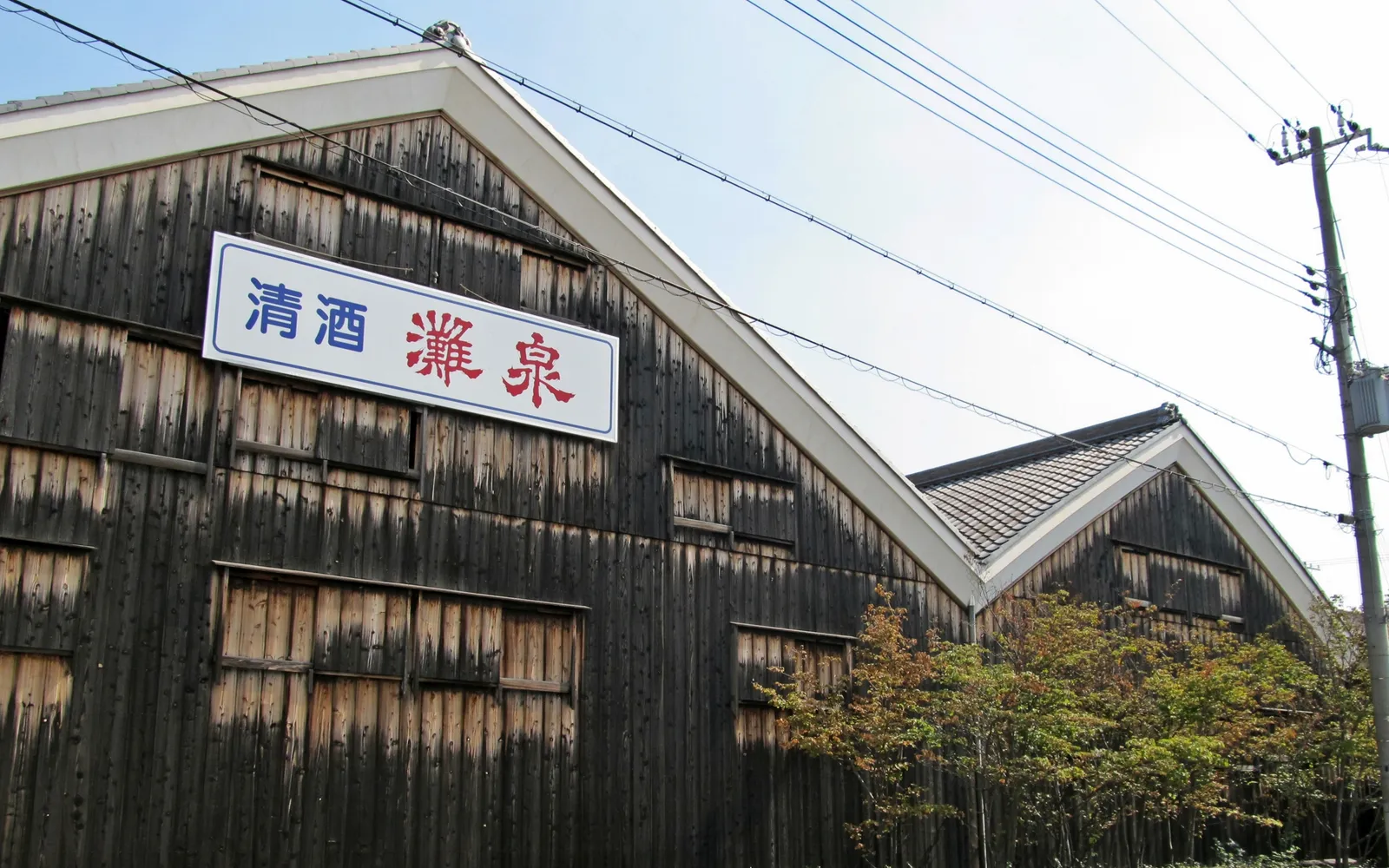
#6 Nada Sake
The Nada district in Kobe is Japan's single largest sake-producing zone, responsible for around 30% of national output — more than anywhere else in the country, including Fushimi in Kyoto. The secret is Miyamizu, a hard mineral water that flows down from the Rokko mountains. That mineral content produces a sake that is drier, fuller, and more robust than what softer-water regions can achieve. Renowned breweries including Hakutsuru, Kiku-Masamune, and Nadagiku all offer tastings — many of them free or very cheap.
- The Hakutsuru Sake Brewery Museum is free to enter and walks you through the full production process with well-made exhibits.
- Taste across multiple styles — Junmai, Ginjo, and Daiginjo — to understand how the same Miyamizu base produces different results.
- Brewery-exclusive bottles sold only on-site make exceptional gifts for anyone who appreciates sake.
Where to stay in Kobe for this trip
A well-located hotel means less commuting and more sightseeing. Here are real, top-rated stays in Kobe — compare Agoda · Booking · Trip.com in one click.
Hotel La Suite Kobe Harborland
Affiliate links — we may earn a commission at no extra cost to you. Details
Hotel Okura Kobe
Affiliate links — we may earn a commission at no extra cost to you. Details
ANA Crowne Plaza Kobe
Affiliate links — we may earn a commission at no extra cost to you. Details
Kobe Bay Sheraton Hotel & Towers
Affiliate links — we may earn a commission at no extra cost to you. Details
Tours, tickets & activities in Kobe
Day tours, attraction tickets and travel essentials for Kobe — book ahead on Klook with mobile e-tickets.
Affiliate links — we may earn a commission at no extra cost to you.
Before You Pack
Work through all six of these and you'll understand why Kobe has the most varied food culture in Kansai. Each dish carries the history of a port city that spent 150 years absorbing, adapting, and refining what arrived on its docks.