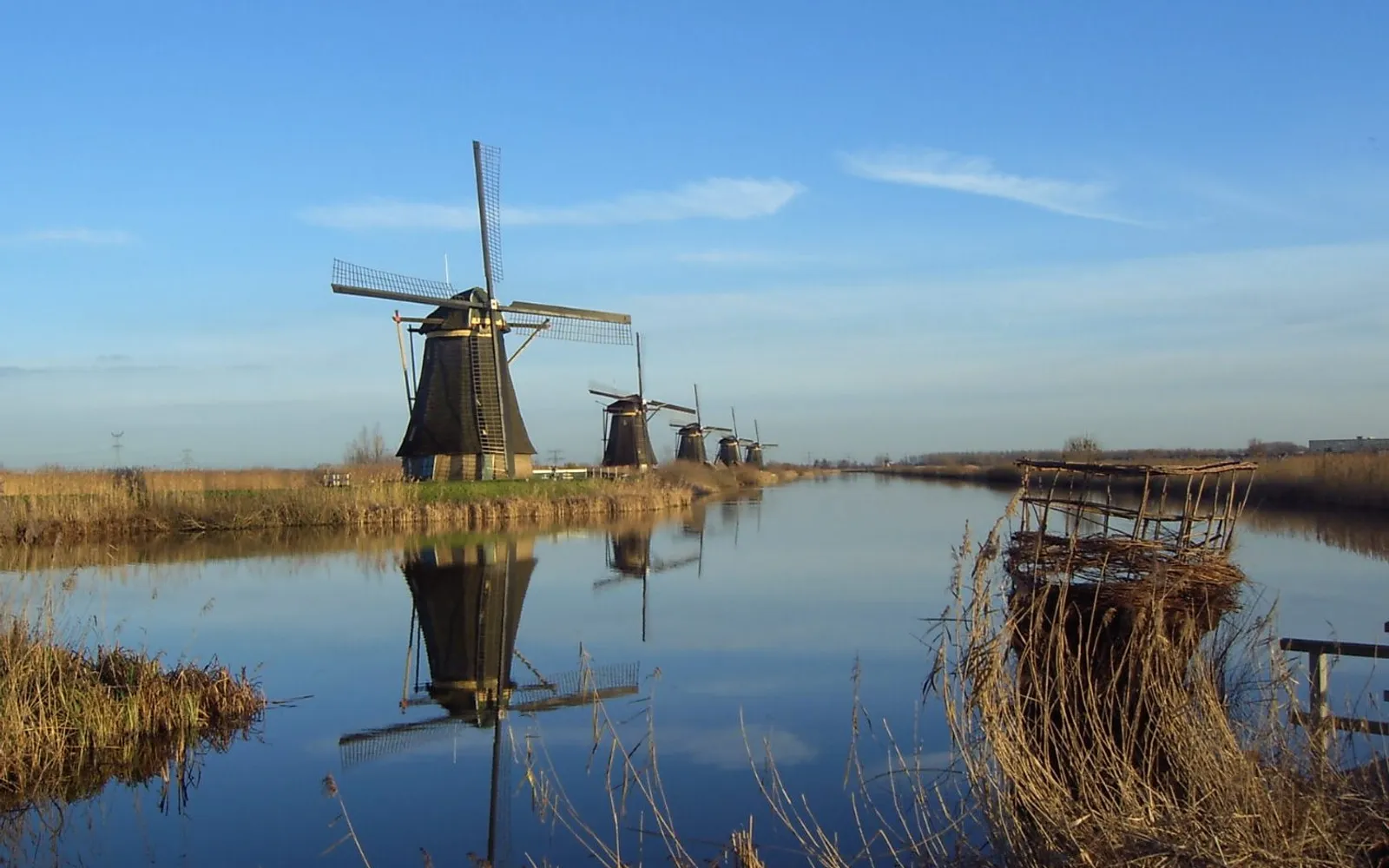
Kinderdijk is the image that comes to mind the moment anyone mentions the Netherlands. 19 windmills line nearly 2 kilometres of twin canals, still pumping water out of the low-lying polders just as they did 300 years ago. UNESCO inscribed the site in 1997 as outstanding evidence of Dutch water-management engineering — the system that keeps land lying more than 2 metres below sea level from flooding. Plan on half a day to a full day here; it makes a straightforward day trip from Rotterdam or Amsterdam.
 #1
#1 Kinderdijk Windmills
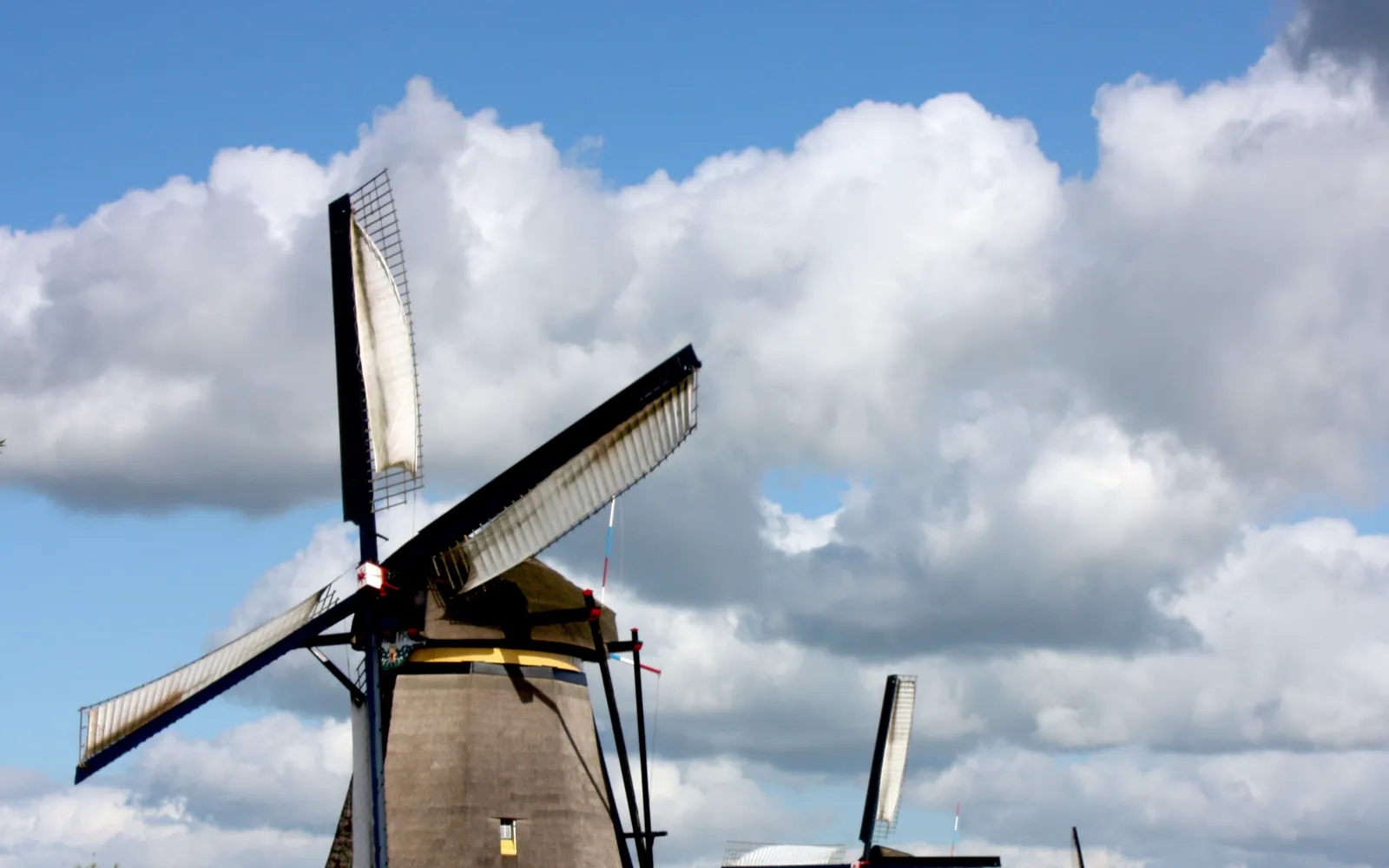
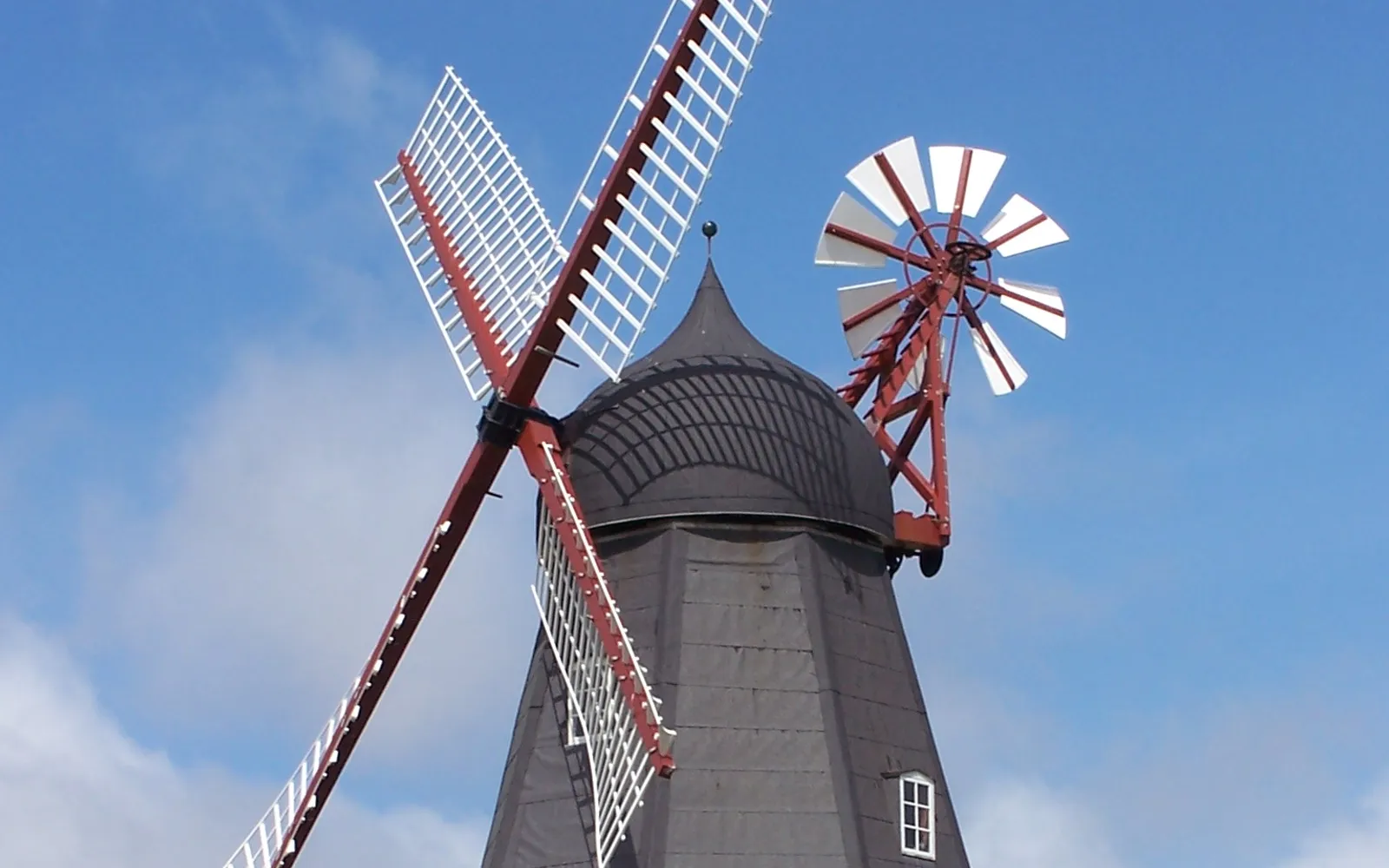
The main draw that earned Kinderdijk its World Heritage status. All 19 windmills were built between 1738 and 1740 to drain the Alblasserwaard polder, which sits more than 2 metres below sea level. Each mill stands close to 30 metres tall, and several are still home to Dutch families today. Two canal-side walking paths run the full length of the site — roughly 4 kilometres in total — and the combination of wind, water, and reflected sails produces a scene you simply cannot find anywhere else on earth.
- Walk the western bank (along the Lek) for the best angle on the windmills in a row — especially in the afternoon when the light comes from behind them.
- On Saturdays during Windmill Days (July–August), every mill turns at once. If your visit falls in that window, do not miss it.
- Site entry is free, but parking and boat tours are paid extras — check current prices at kinderdijk.nl before you go.
 #2
#2 Wisboom Pumping Station
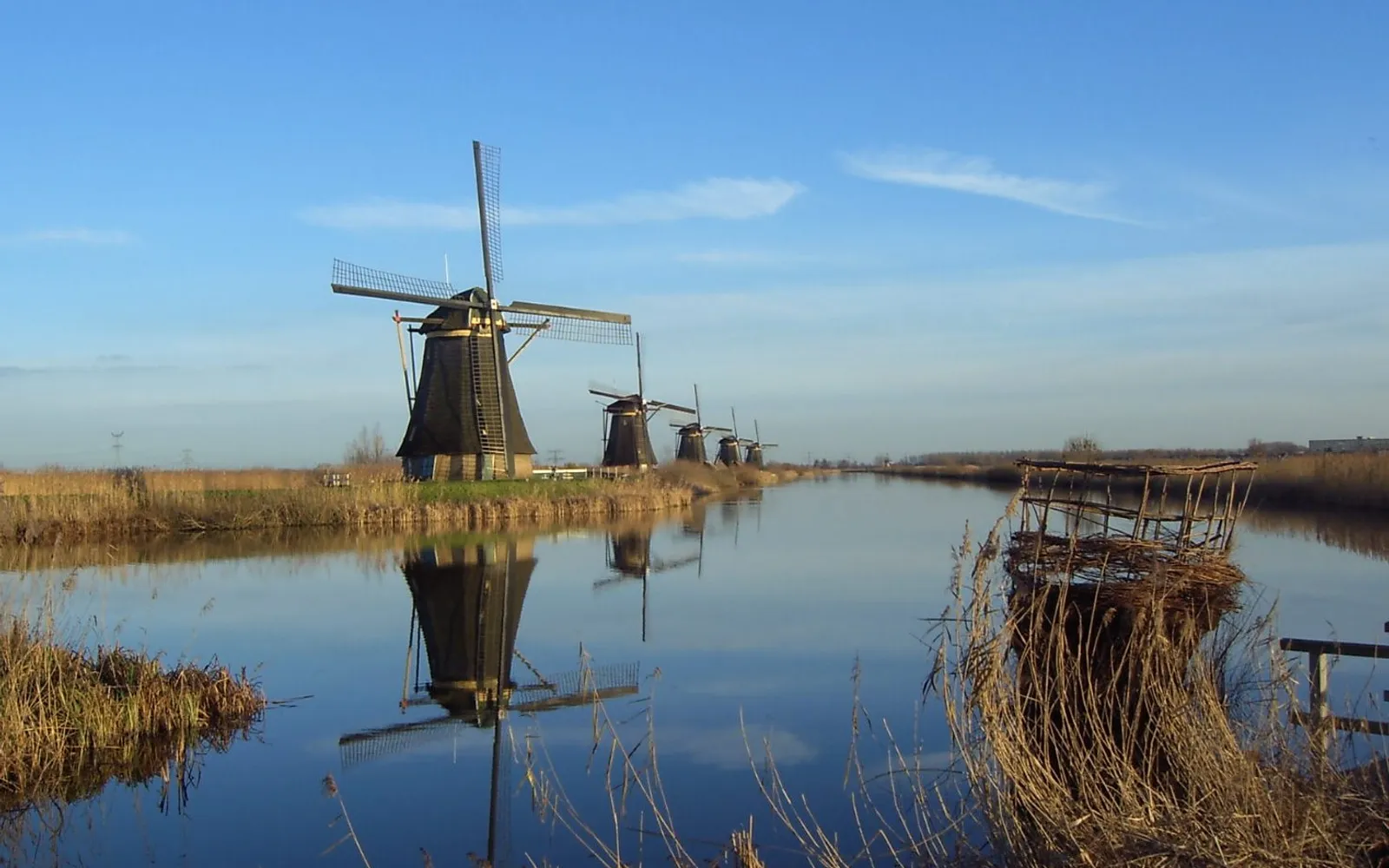
This pumping station worked alongside the windmills for centuries and is now a living museum that shows exactly how the Dutch drainage system operates. Inside you'll find the original steam-powered machinery and pumping equipment — still capable of demonstration runs — which makes it far easier to understand how the Dutch have managed a country that sits largely underwater. It is included in the combined ticket at Kinderdijk, and it is the right stop for anyone who wants the story behind the scenery rather than just a photograph in front of it.
- Buy the combination ticket that bundles the pumping station, a windmill interior, and the boat tour — it is cheaper than purchasing each separately.
- English-language signage throughout is clear and thorough; you do not need a guide if you can read the panels.
- Visit this first, before you walk the windmill trail — the context makes the rest of the site significantly more rewarding.
 #3
#3 Kinderdijk Canal Boat Tour
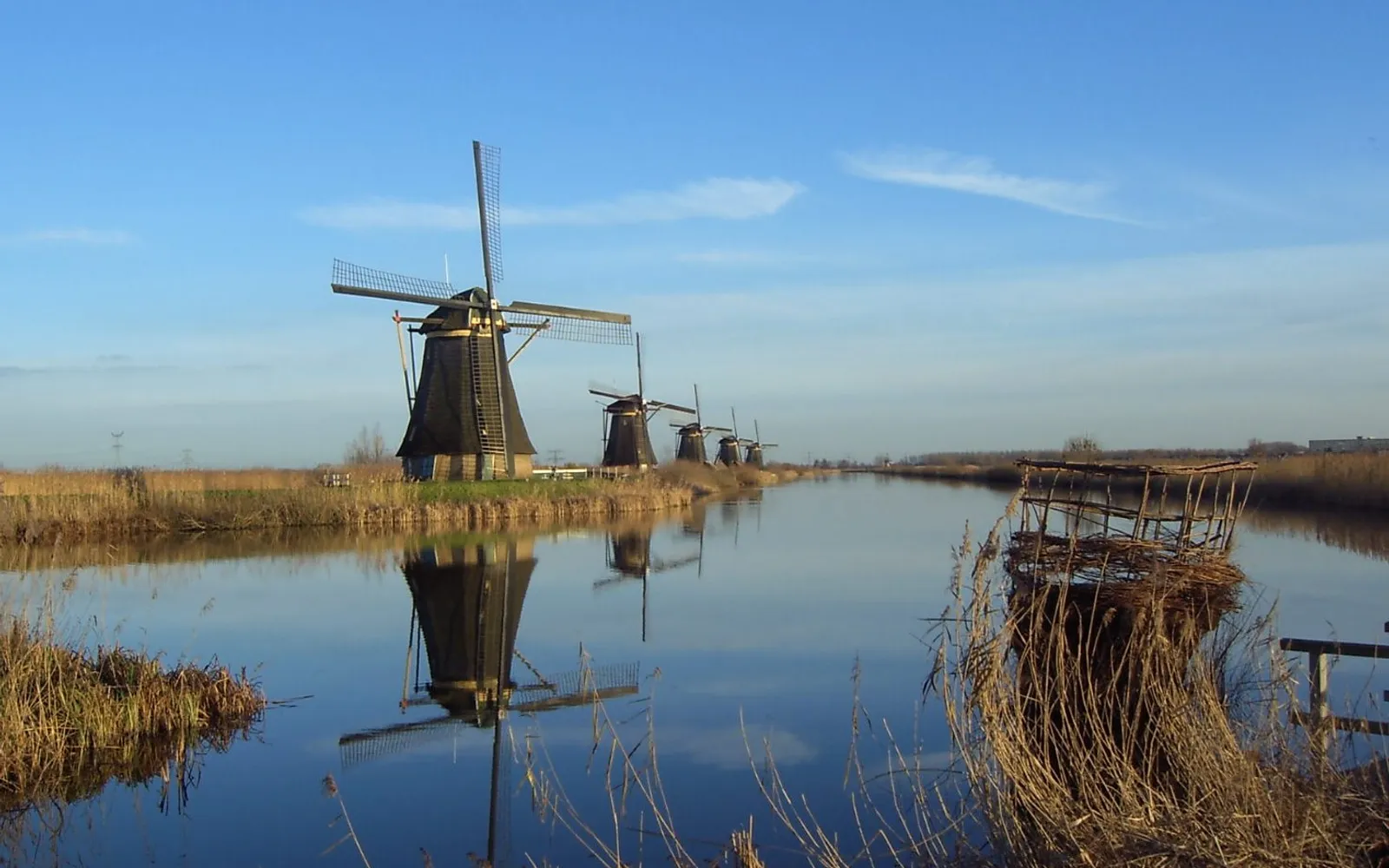
The best way to see Kinderdijk's windmills from a completely different angle. The boat moves slowly along two canals between the mills, giving you a water-level perspective — sails towering on both sides — that walking simply cannot replicate. Each trip runs around 30–45 minutes with English commentary. It is a good option for anyone who struggles with long walks, and children tend to love it. The open deck is spacious, but the wind out on the water is real; bring a jacket.
- Book seats online in advance during peak season (May–August) — weekends sell out fast.
- Sit at the front of the boat for the best forward view of the windmills and the clearest photos; it is windier up front, but the view is worth it.
- The combination ticket that includes the boat tour is cheaper than buying the tour separately — updated prices at kinderdijk.nl.
 #4
#4 Windmill Interior Visit
One of the most eye-opening experiences at Kinderdijk — and the one most visitors walk past. Select mills open their interiors to show the enormous wooden gear mechanisms that are still fully operational, along with the bedroom and tiny kitchen where a miller's family once lived in just a few square metres. The stairs are steep and you need both hands on the way up, but the view from the top windows — looking out over the full row of mills and the surrounding fields — makes it worth the climb.
- The stairs are steep and narrow; not suitable for young children or anyone with knee problems. Closed-toe shoes are strongly recommended.
- Inside it is dark and the air is close. The wooden walls are rough and the space is tight — shorts and thin layers are not ideal.
- English-speaking staff are stationed inside and happy to answer questions about daily life in a working windmill family.
 #5
#5 Kinderdijk Cycling Route
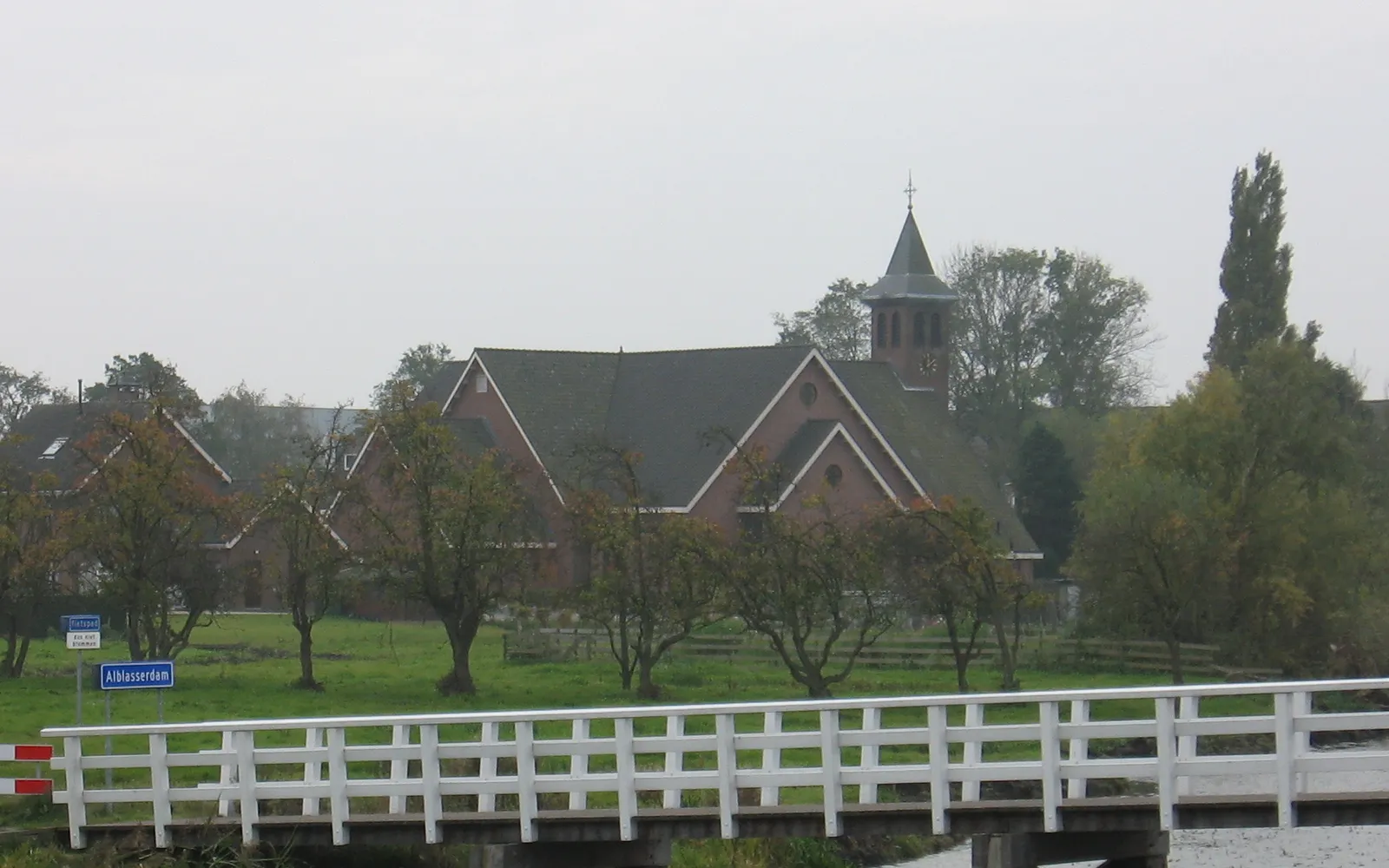
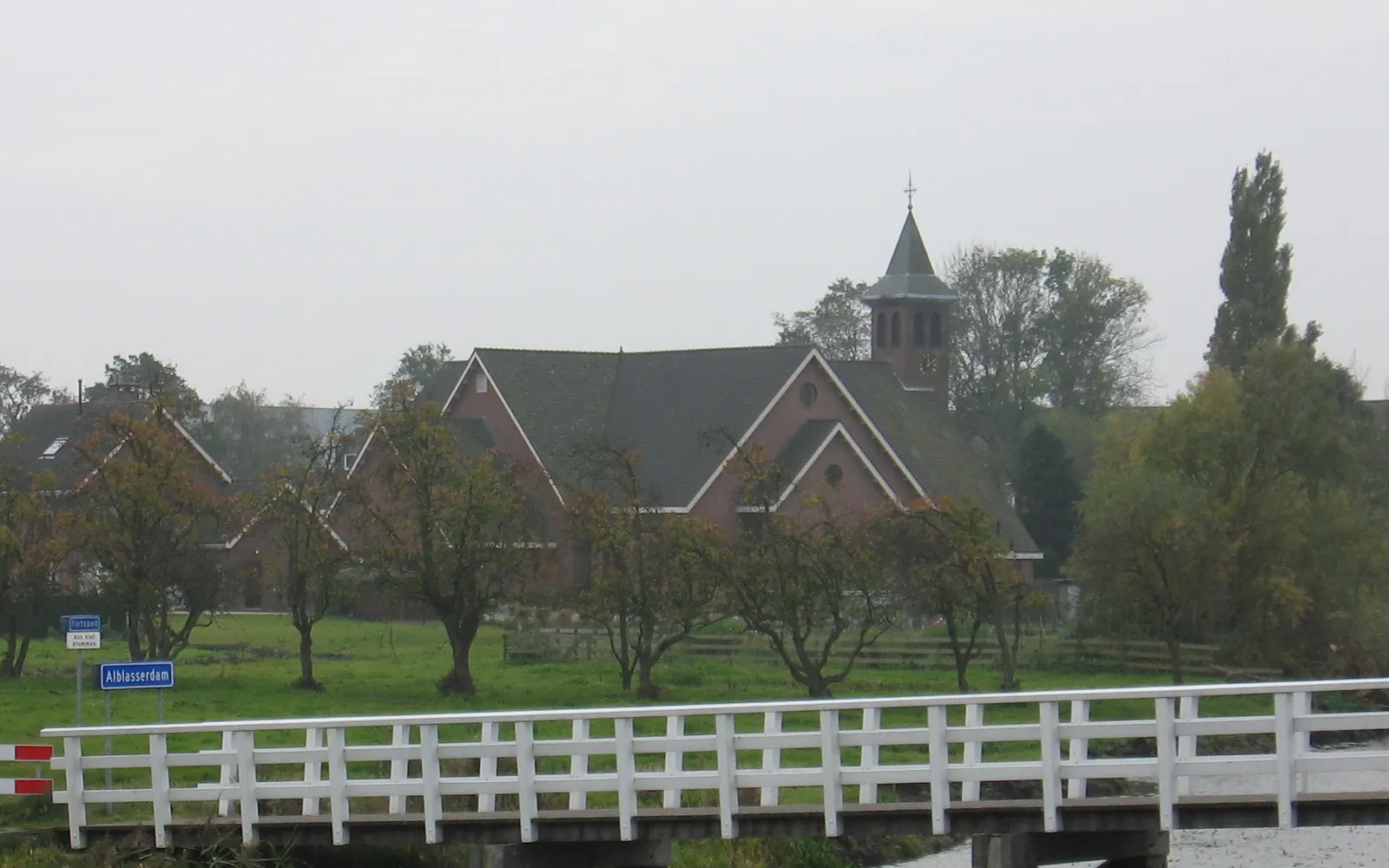
The most Dutch way to experience Kinderdijk is from a saddle. The terrain is perfectly flat and suits any type of bike. You can start in Alblasserdam, follow the canal to Kinderdijk and loop back — a round trip of roughly 10–15 kilometres through polders, farmland, and small Dutch villages. The landscape along the way is quieter and more expansive than the Visitor Centre area, and gives a much stronger sense of the countryside these windmills were built to protect.
- Bikes are available to rent at the Visitor Centre or at Rotterdam station — rent in the city if you plan a longer ride.
- The route is flat but the wind is persistent, especially in autumn and winter. A windproof layer is not optional.
- The Netherlands Cycling Routes app (LF Network) or Komoot navigates the cycle paths far more accurately than Google Maps.
 #6
#6 Alblasserdam and Kinderdijk Village
After the windmills, Alblasserdam — just 5 minutes away — is a genuine Dutch town rather than a tourist zone, with small canals, local cafés, and restaurants that the community actually uses. It is a noticeably calmer place. Kinderdijk village itself has older homes and a small harbour that photograph well. Either spot works for lunch or a coffee before heading back; food prices are considerably lower than at the Visitor Centre.
- Restaurants and cafés in Alblasserdam are mainly open for lunch — options thin out sharply in the evening.
- The Albert Heijn supermarket in town is open every day — good for picking up snacks and water before your visit at a fraction of the tourist-zone price.
- If you are travelling by train, Alblasserdam station is closer and has bus connections to Kinderdijk running throughout the day.
Where to stay in Kinderdijk for this trip
A well-located hotel means less commuting and more sightseeing. Here are real, top-rated stays in Kinderdijk — compare Agoda · Booking · Trip.com in one click.
Villa Augustus
Affiliate links — we may earn a commission at no extra cost to you. Details
Leonardo Hotel Papendrecht
Affiliate links — we may earn a commission at no extra cost to you. Details
Van der Valk Hotel Rotterdam Ridderkerk
Affiliate links — we may earn a commission at no extra cost to you. Details
Hotel Restaurant Kinderdijk
Affiliate links — we may earn a commission at no extra cost to you. Details
Tours, tickets & activities in Kinderdijk
Day tours, attraction tickets and travel essentials for Kinderdijk — book ahead on Klook with mobile e-tickets.
Affiliate links — we may earn a commission at no extra cost to you.
Before You Pack
Kinderdijk is at its best between April and October, when long daylight hours give you plenty of time to explore without rushing. In August, some mills turn every evening — a rare sight. Arrive early to beat the tour groups, and remember that the entire site is open to the elements; the wind can be fierce, particularly in winter.