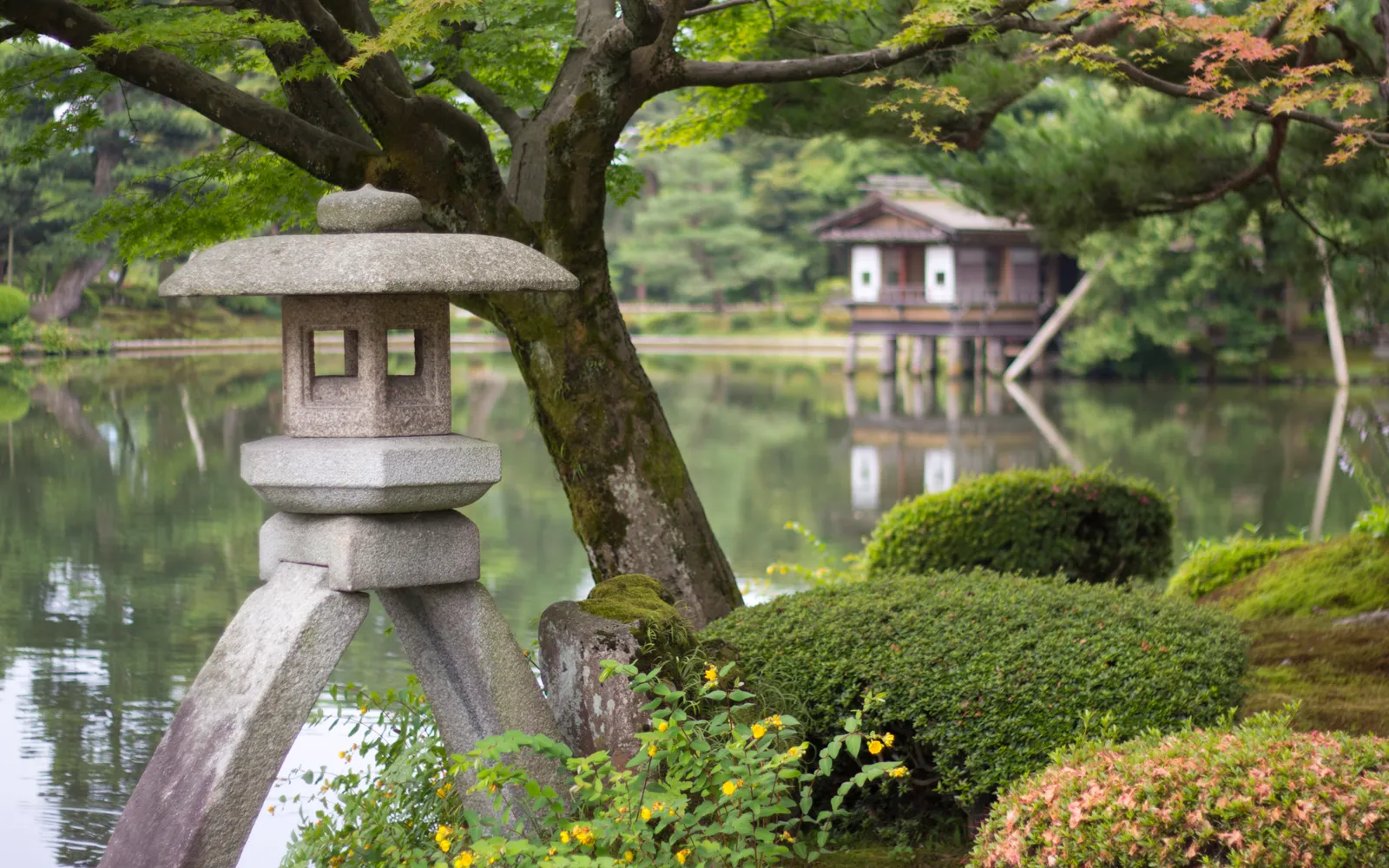
Kanazawa survived World War II without a single bomb — a rare miracle that left its Edo-period neighborhoods almost entirely intact. Kenroku-en Garden, the Higashi Chaya geisha district, the Kazuemachi riverside quarter, and the Nagamachi samurai lanes all stand as living evidence of the city's feudal-era grandeur. Kanazawa is also Japan's leading craft city: it produces 99% of the country's gold leaf and is home to Kutani pottery, a tradition that dates back to the 17th century.
 #1
#1 Kenroku-en Garden
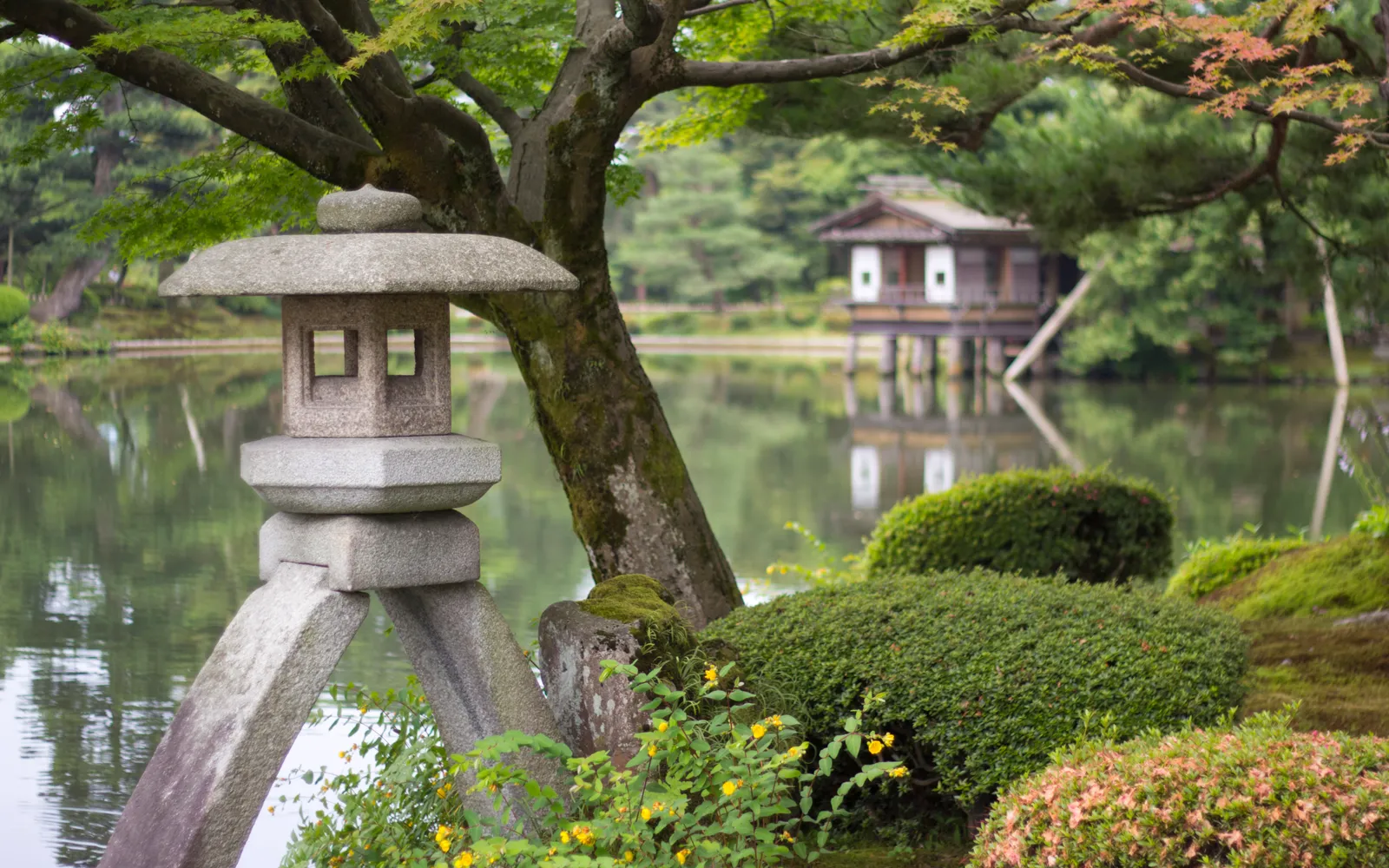
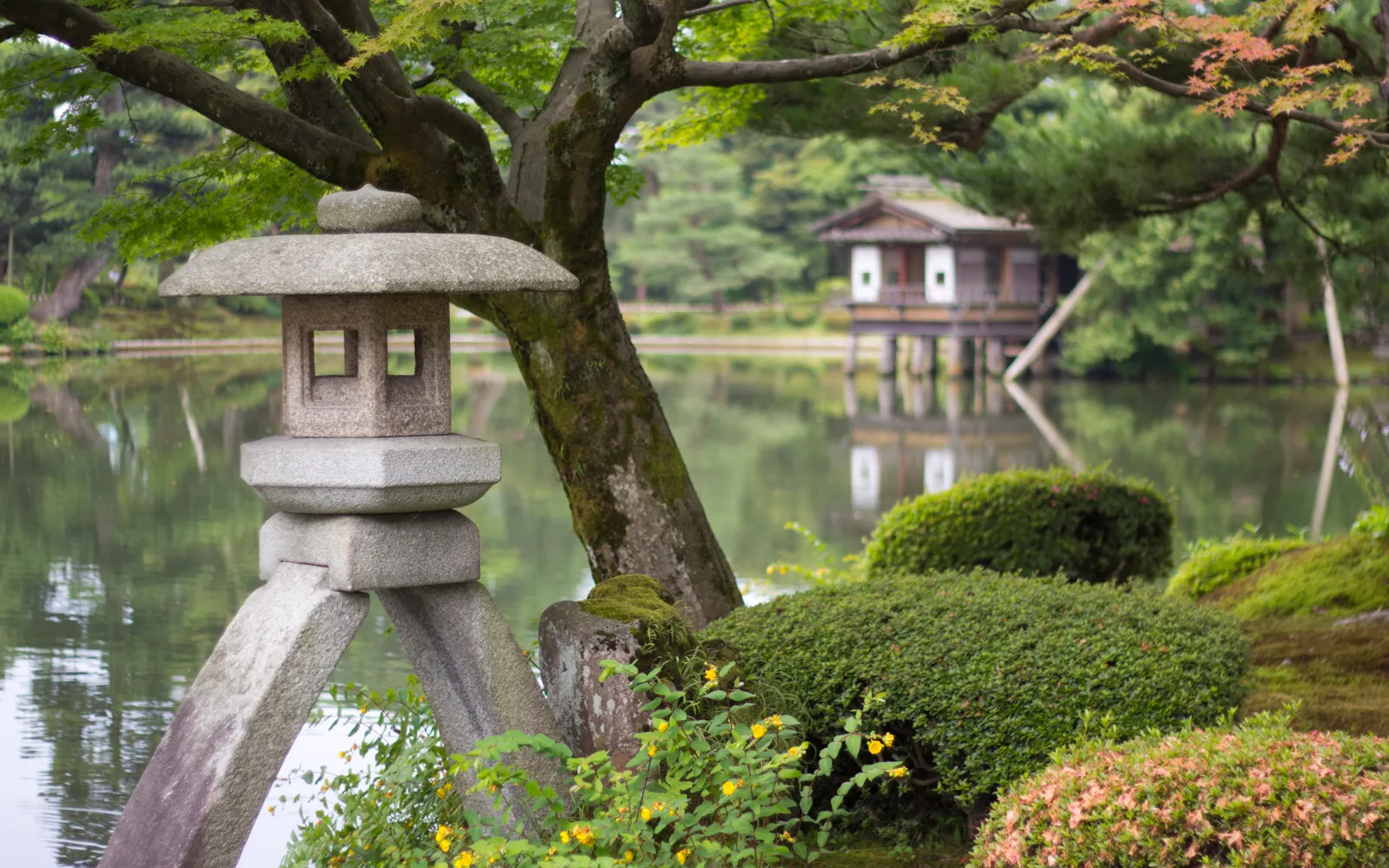
A 25-acre stroll garden built from the 17th century onward by the Maeda clan. The name Kenroku-en translates as 'garden of six attributes' — a reference to an ancient Chinese text that defined the ideal garden as possessing spaciousness, seclusion, artifice, antiquity, water, and panoramas. All six are here. The garden is beautiful in every season, but winter — when snow bends the pine branches and the groundskeepers prop them with tall poles in the traditional yukitsuri style — is something most travelers never forget.
- Arrive before 8:00 AM to beat tour groups and catch the best morning light.
- Spring (April) brings cherry blossoms; winter (December–March) brings snow and the pine-propping ceremony.
- Admission ¥320 for adults — open year-round except the last week of December and early January.
 #2
#2 Kanazawa Castle
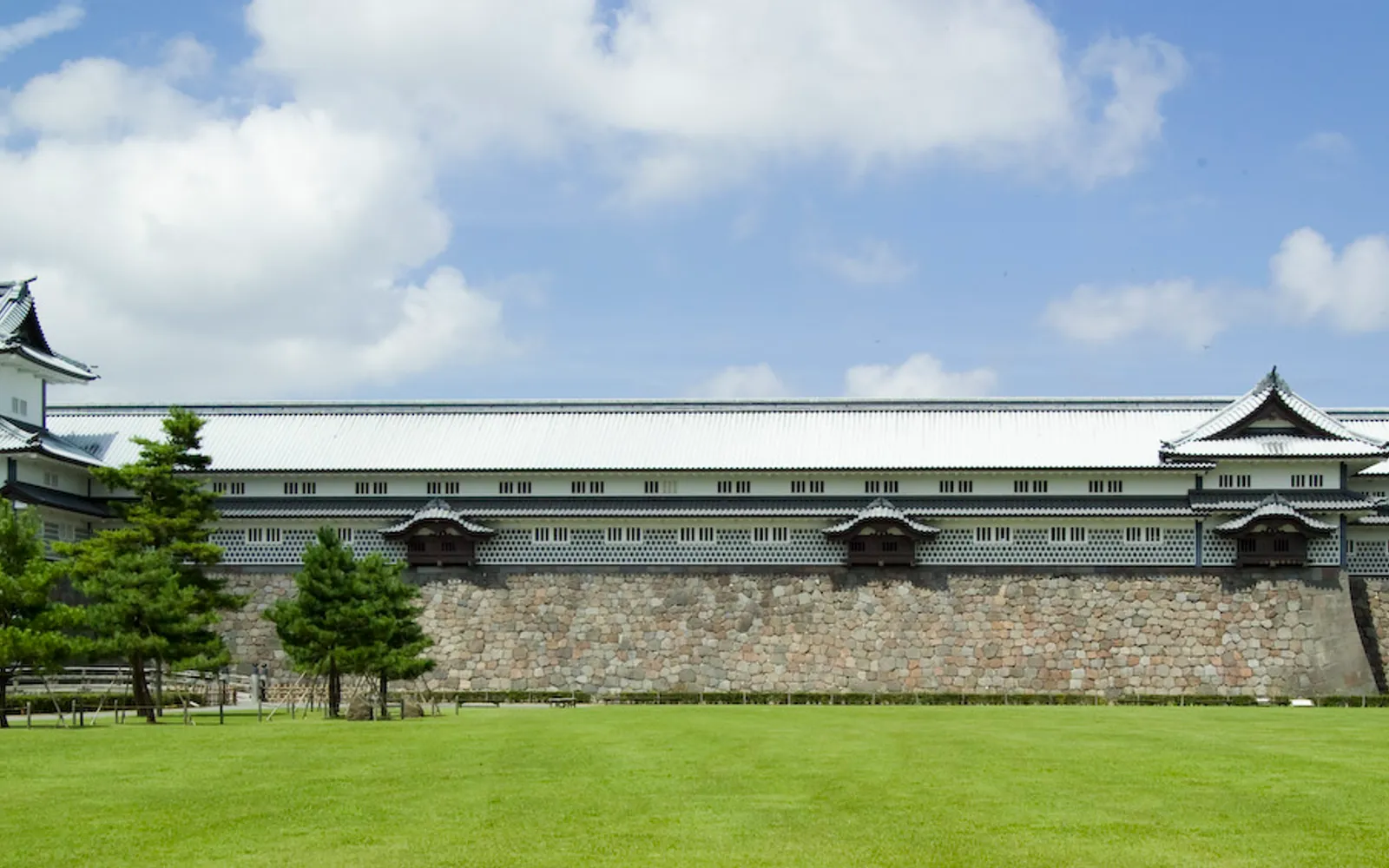
The home castle of the Maeda clan, who ruled the Kaga domain — the wealthiest in Japan outside the Shogunate itself. Built in the Sengoku period and painstakingly reconstructed in 2001, the white-walled Hishi-yagura turret has become the city's defining silhouette. The castle park holds more than 1,000 cherry trees, and a walkway connects directly to Kenroku-en next door.
- The castle park grounds are free to enter — the reconstructed buildings charge ¥320.
- The Hishi-yagura turret opens to visitors during select periods, typically major public holidays.
- In early April the cherry blossoms here draw locals in force — arrive early or stay after dark for the illuminations.
 #3
#3 Higashi Chaya District
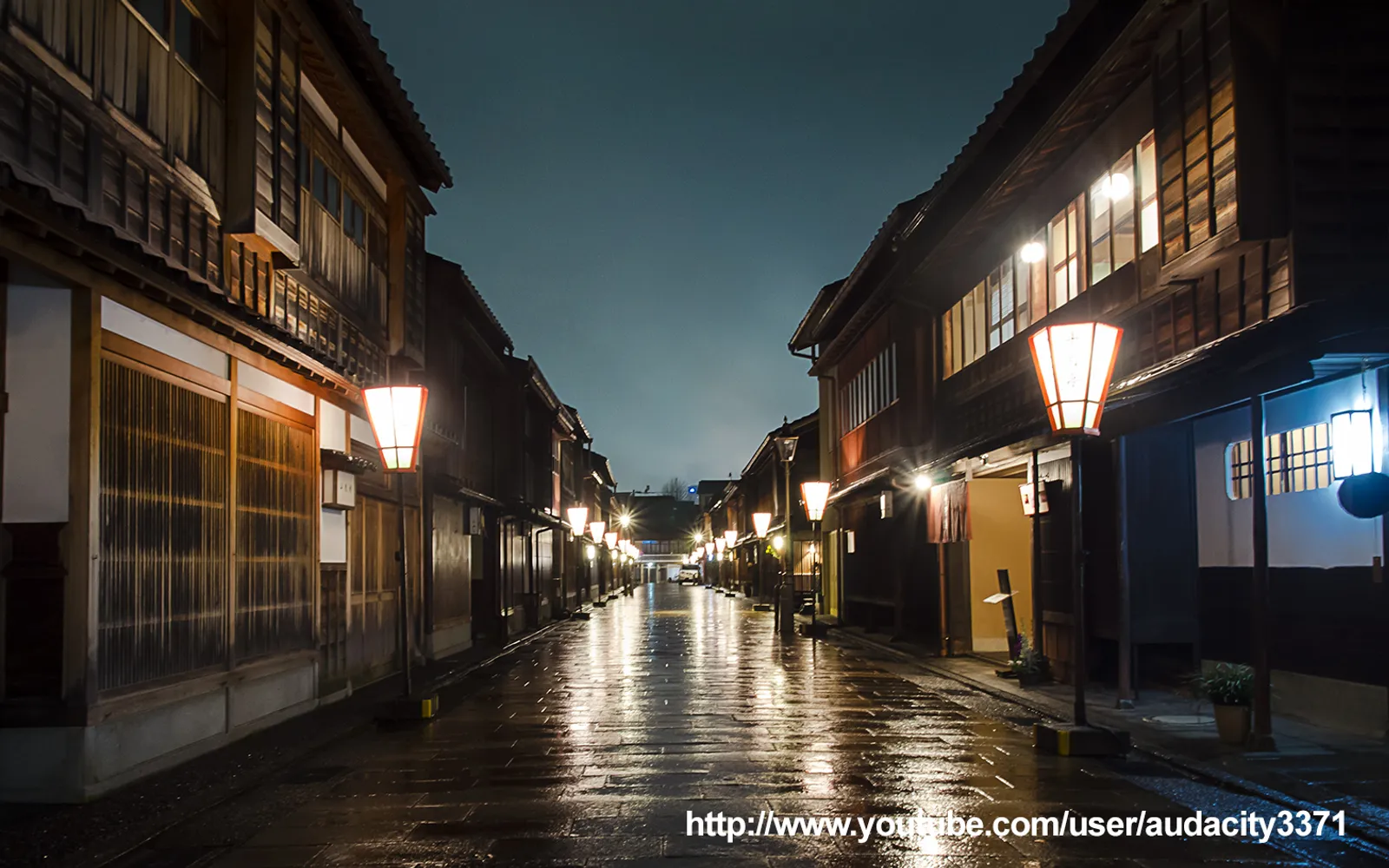
Kanazawa's largest and oldest geisha district, established in 1820. A 2-metre-wide stone lane runs between two-storey wooden machiya — each still fitted with the distinctive latticed koshi windows that gave the buildings their character. Several houses now operate as tearooms, gold leaf shops, and geisha museums. The atmosphere is most evocative in the early morning and at dusk.
- Ochaya Shima, an original teahouse, opens as a museum — you can see real geisha instruments and kimono inside.
- Gold leaf shops and gold-leaf soft-serve ice cream line the full length of the street.
- Come between 8–9 AM for a quiet walk before the day-tour groups arrive.
 #4
#4 Nagamachi Samurai District
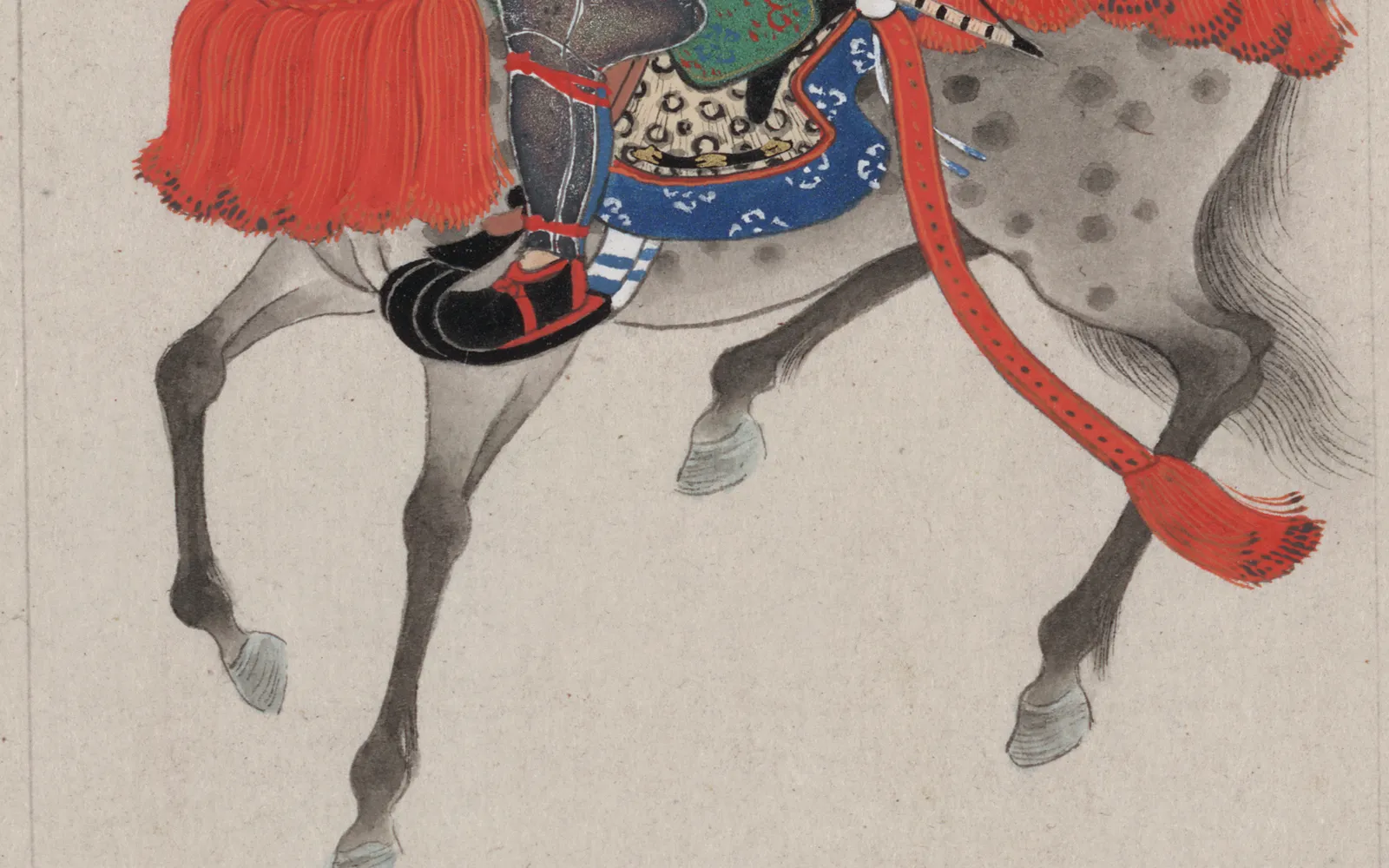
The residential quarter where Kanazawa's samurai families lived during the Edo period — and one of the few such districts in Japan that survived both war and fire. The narrow stone lanes, earthen dobei walls, and irrigation canals that ran here 400 years ago still run today. The Nomura Samurai House is open to visitors and contains a garden with a plum tree more than 400 years old.
- Nomura Samurai House is open daily; admission ¥550 — well worth it for the garden alone.
- Weekday mornings are nearly empty; you can photograph the lanes without anyone in the frame.
- Several studios in this district offer Kaga Yuzen silk dyeing — Kanazawa's own textile tradition.
 #5
#5 Myoryuji Temple (Ninja Temple)
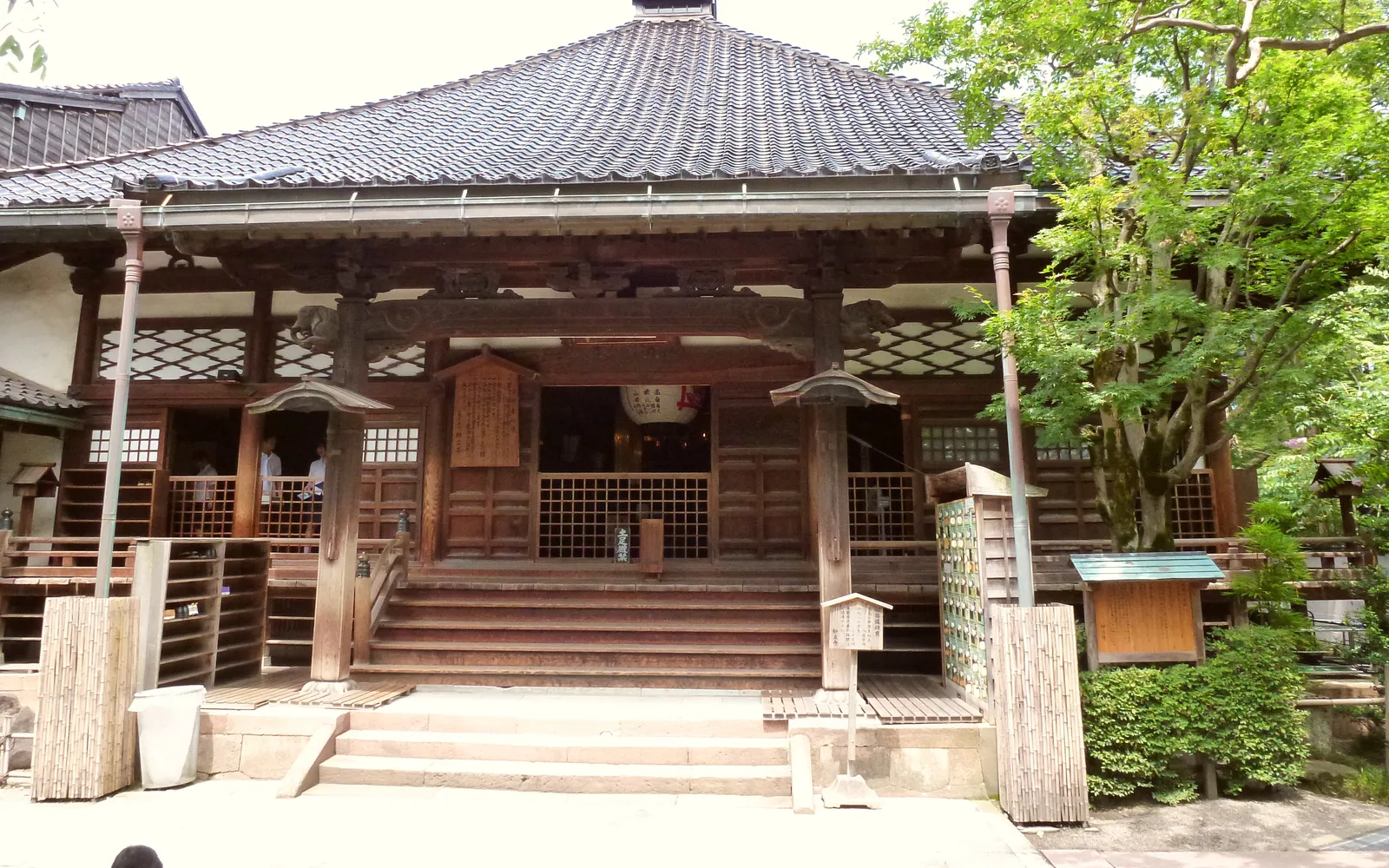
A Buddhist temple built by the Maeda clan in 1643. The nickname 'Ninja Temple' comes not from any ninja connection but from the building's elaborate defensive features: hidden rooms, a well that reportedly connects via tunnel to the castle, staircases designed to confuse intruders, and dark concealment chambers. The ingenuity of the design consistently stuns visitors.
- Advance telephone reservation required — no walk-ins accepted. Call +81-76-241-0888.
- Tours last approximately 50 minutes and are conducted in Japanese; English and multilingual leaflets are available on request.
- Photography is restricted to certain areas only — some of the best details are best held in memory anyway.
 #6
#6 21st Century Museum of Contemporary Art
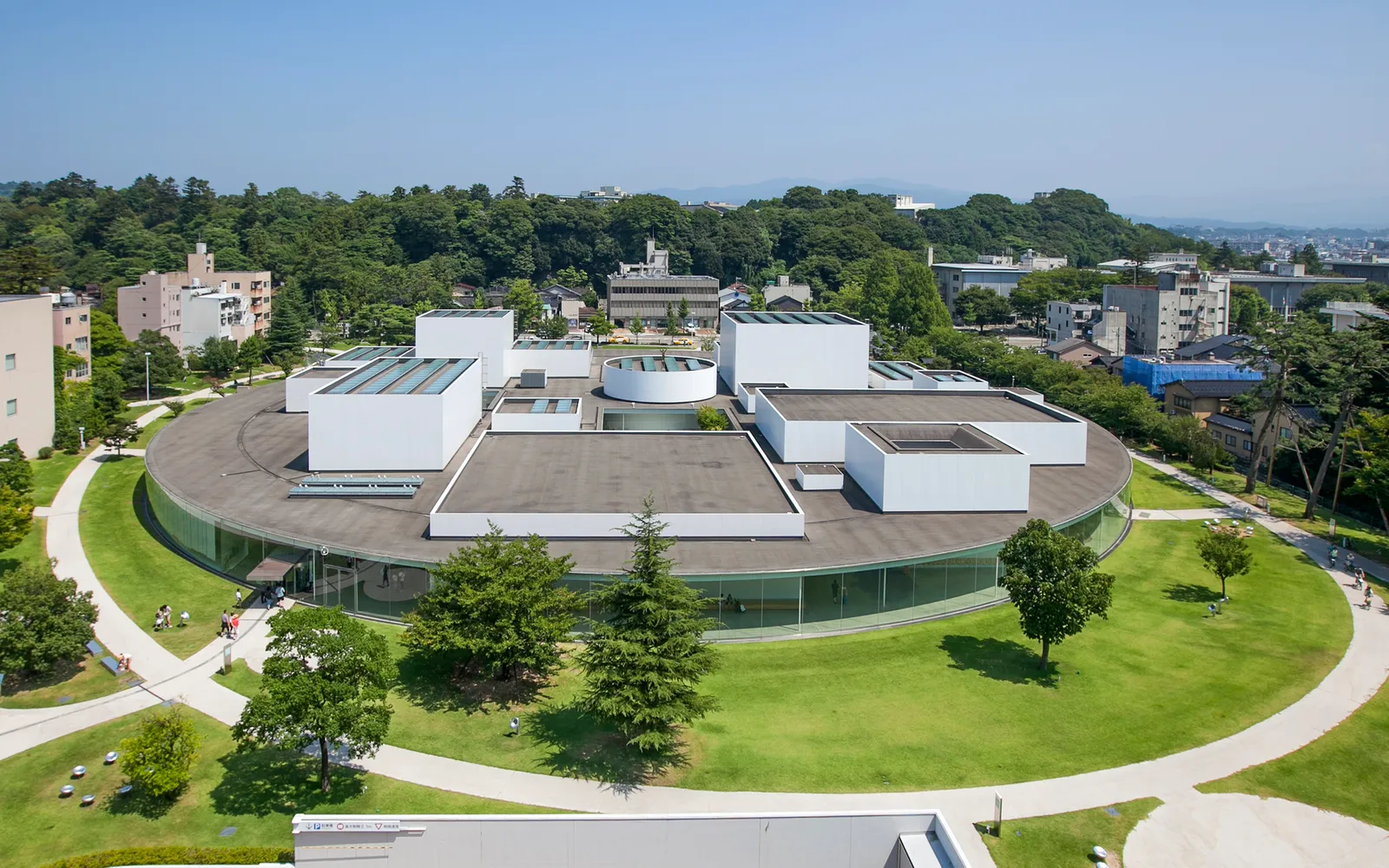
A circular museum designed by Pritzker Prize-winning architects SANAA and opened in 2004. Five entrances on all sides signal its openness to the community. The standout permanent work is Leandro Erlich's 'The Swimming Pool' — an installation that makes visitors feel as though they are standing on the bottom of a filled pool looking up at people above the surface. Some areas of the museum are free to enter.
- The free zone — outdoor courtyards and select permanent rooms — requires no ticket and is worth the visit on a tight budget.
- Exhibition zone tickets cost ¥1,000 — book online in advance during public holidays.
- The museum shop and café are thoughtfully curated; worth a stop even if you skip the paid galleries.
 #7
#7 Omicho Market
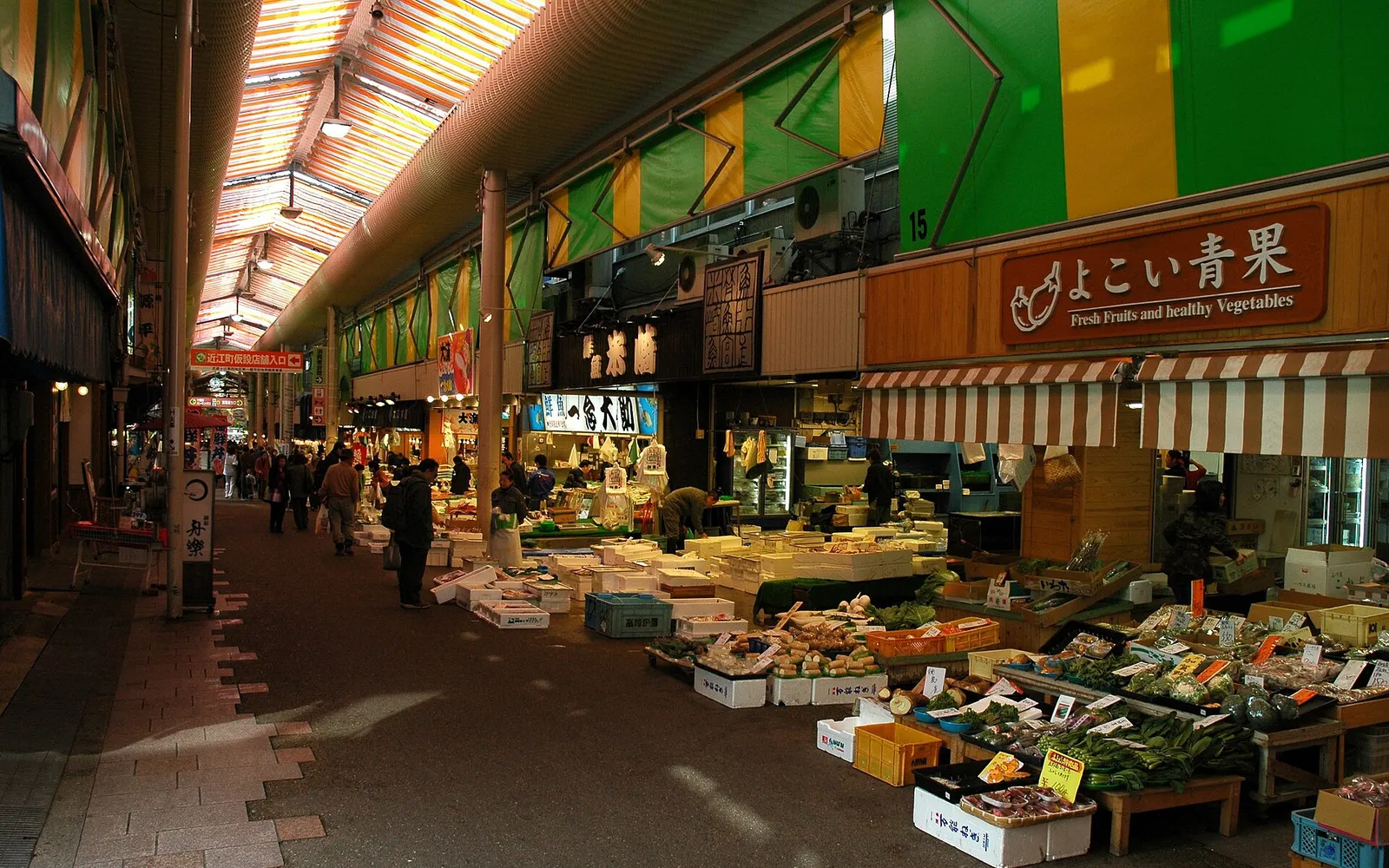
A covered market with more than 300 years of history, often called 'Kanazawa's Kitchen.' Over 170 stalls fill the open-roof halls, stacked with fresh fish from the Sea of Japan — snow crab (Zuwaigani), sweet shrimp, nodoguro (blackthroat seaperch), and more. Small counter restaurants inside the market serve donburi rice bowls piled with the day's catch at prices far below what you'd pay at a formal sushi restaurant.
- Come between 9–11 AM for the freshest fish and shorter queues.
- Many stalls have upstairs dining rooms — look for the small staircase beside the fish counter.
- Winter (November–March) is snow crab season; prices rise but the quality is at its peak.
 #8
#8 Nishi Chaya District & Kazuemachi
Kanazawa has three geisha districts. Nishi Chaya (west) and Kazuemachi (north) are considerably quieter than Higashi — better suited to travelers who want to avoid crowds. Nishi has a geisha museum and the flagship Hakuichi gold leaf shop. Kazuemachi, which runs along the Asano River, is best at dusk when warm lamplight reflects off the water.
- Nishi Chaya hosts the original Hakuichi branch — queues for their gold-leaf soft-serve are noticeably shorter than at the Higashi location.
- Kazuemachi is at its best from 17:00–19:00 when the setting sun hits the river.
- Both districts can be explored comfortably in 30–40 minutes each — there's no need to rush.
Where to stay in Kanazawa for this trip
A well-located hotel means less commuting and more sightseeing. Here are real, top-rated stays in Kanazawa — compare Agoda · Booking · Trip.com in one click.
Hyatt Centric Kanazawa
Affiliate links — we may earn a commission at no extra cost to you. Details
the square hotel KANAZAWA
Affiliate links — we may earn a commission at no extra cost to you. Details
Hotel Forza Kanazawa
Affiliate links — we may earn a commission at no extra cost to you. Details
Mitsui Garden Hotel Kanazawa
Affiliate links — we may earn a commission at no extra cost to you. Details
Tours, tickets & activities in Kanazawa
Day tours, attraction tickets and travel essentials for Kanazawa — book ahead on Klook with mobile e-tickets.
Affiliate links — we may earn a commission at no extra cost to you.
Before You Pack
Kanazawa suits travelers who want genuine old Japan without competing for space with crowds the way you do in Kyoto. Two days and one night is not enough — plan for at least 2 nights to do the city justice.