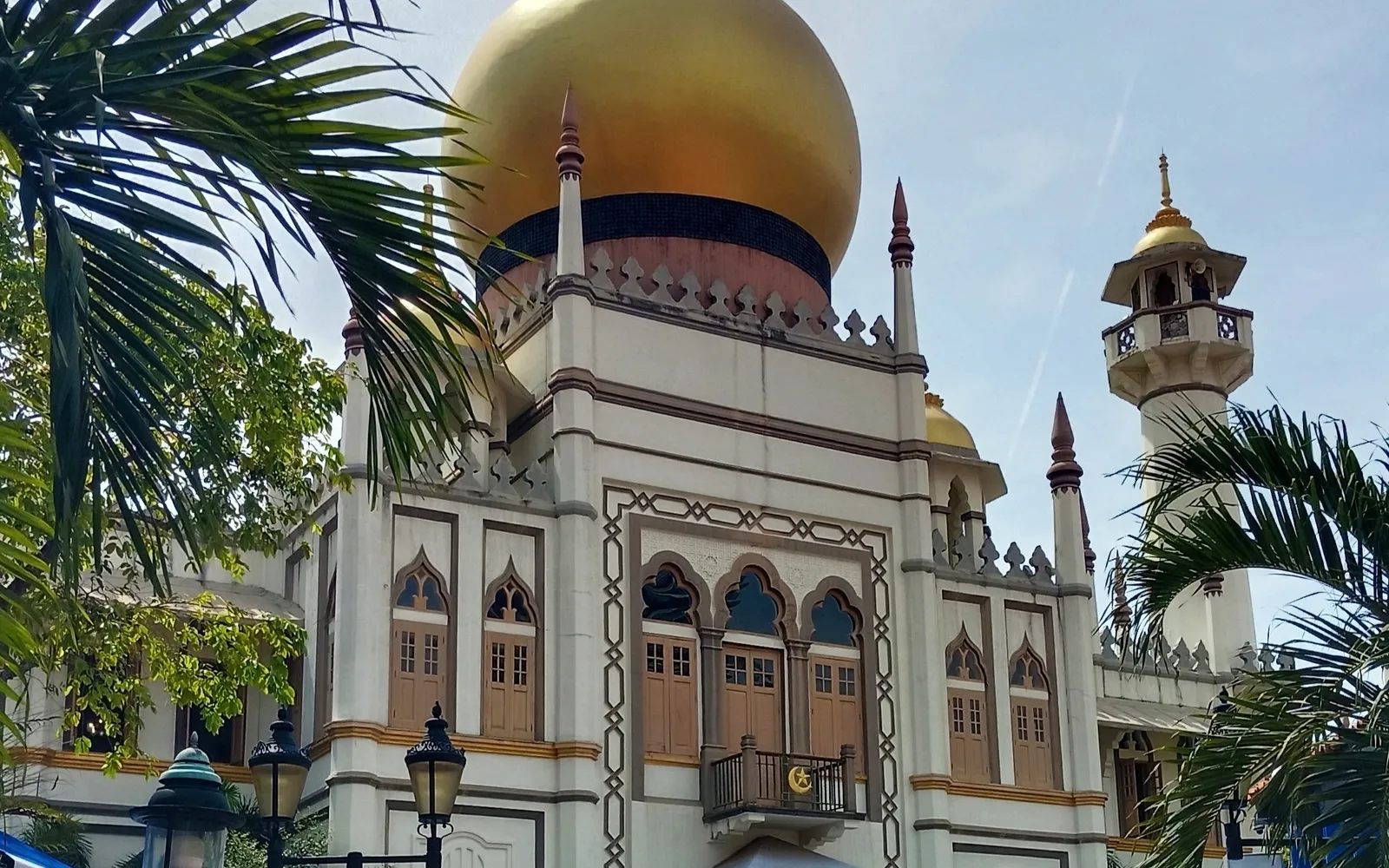
Kampong Glam is where Muslim Singapore tastes most itself — the food here traces directly to Arab traders, Malay settlers, and Indian Muslims who made this neighbourhood their base during the colonial era. Murtabak, nasi padang, and beef rendang are the three dishes you cannot skip. Many of the restaurants in this area have been operating for more than half a century, and they have held their original recipes fast.
 #1
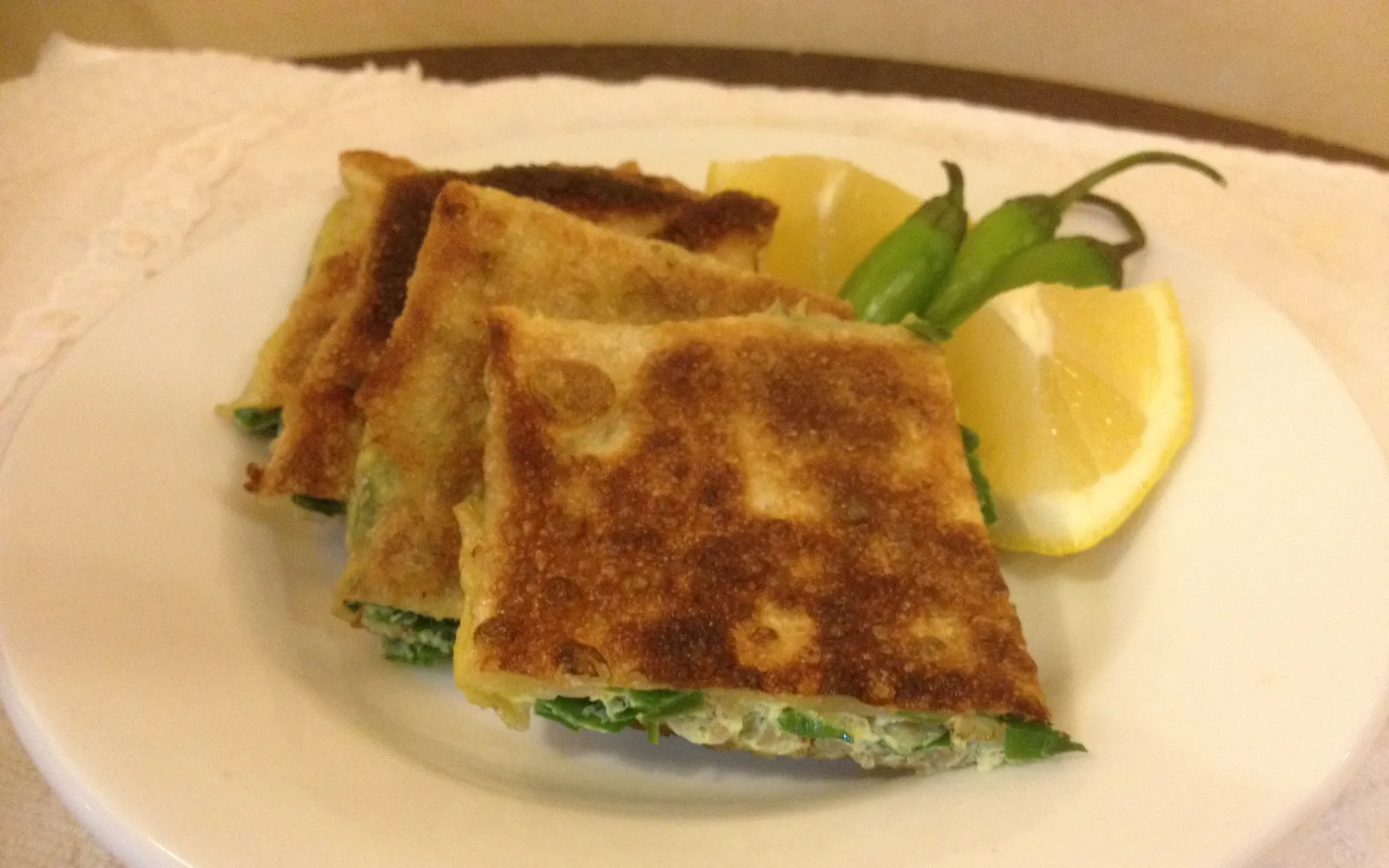
#1 Murtabak
A Muslim-style stuffed flatbread — thin, crisp dough folded around a filling of minced spiced meat, egg, and onion, then pressed into a square and fried until golden. It arrives with a curry dipping sauce and sweet-sour pickled vegetables. The best version in the neighbourhood comes from Zam Zam, open since 1908, where the fifth-generation owners still use the original recipe. They offer chicken, mutton, and beef.
- Zam Zam opens daily 07:00–23:00. Queues build at lunch — aim for 10:00–11:30 instead.
- Order murtabak alongside a curry sauce and teh tarik for the classic combination.
- Prices start at S$7–12 depending on your choice of filling.
 #2
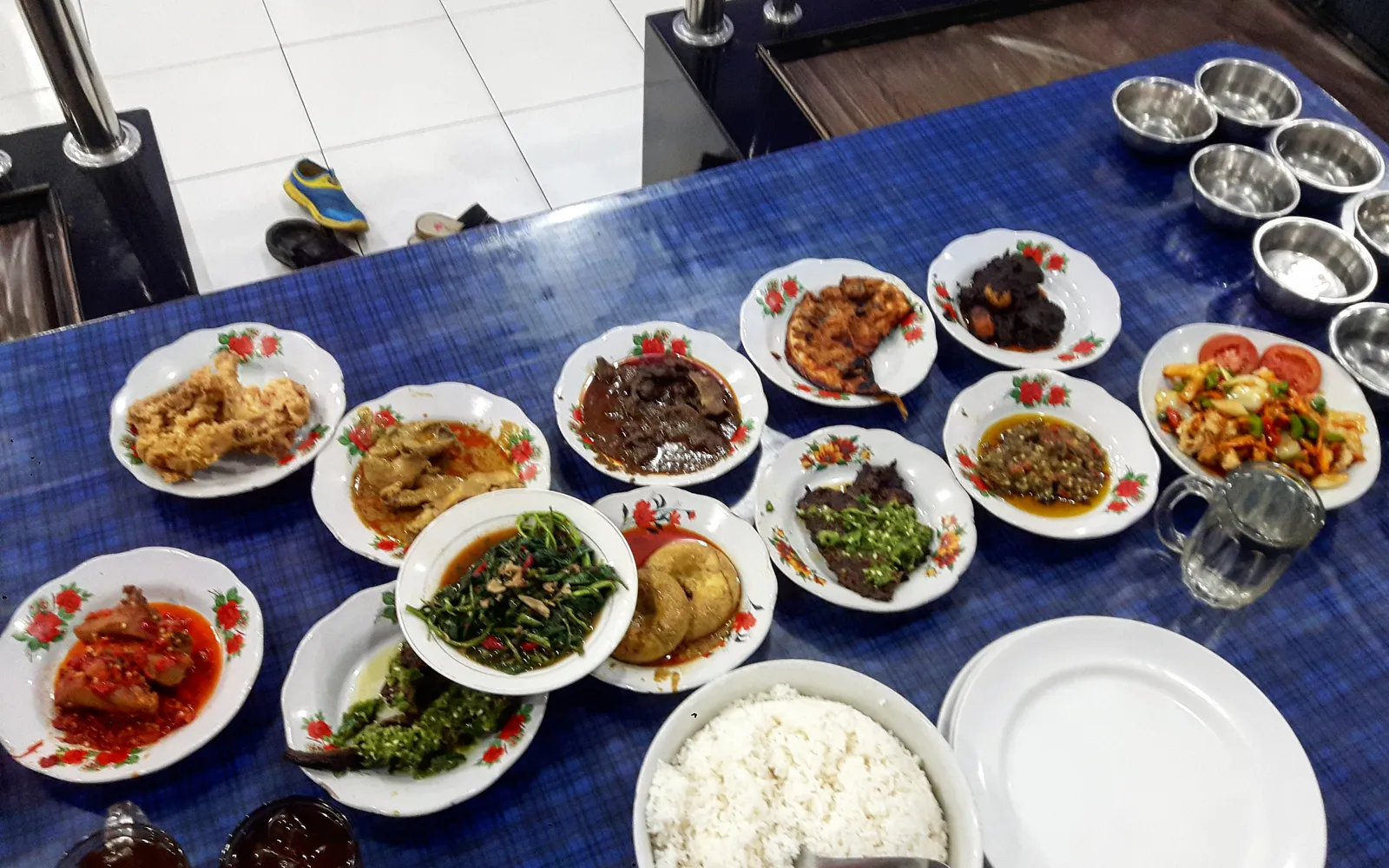
#2 Nasi Padang
A Minangkabau-style meal from West Sumatra, Indonesia — steamed rice served with a selection of side dishes displayed for you to choose from: beef rendang, chicken curry, fried fish, spiced stir-fried vegetables, and fiery sambal. You pay only for what goes on your plate. Hjh Maimunah, open since 1992, holds a Michelin Bib Gourmand and is an essential stop for anyone serious about the food here. Warong Nasi Pariaman has been running since 1948.
- Hjh Maimunah opens Monday–Saturday 07:00–20:00, closed Sunday. Most dishes sell out before 14:00.
- The flavours work together — pile several dishes on the same plate and eat them in combination.
- A long queue at Warong Nasi Pariaman means the food is still fresh.
 #3
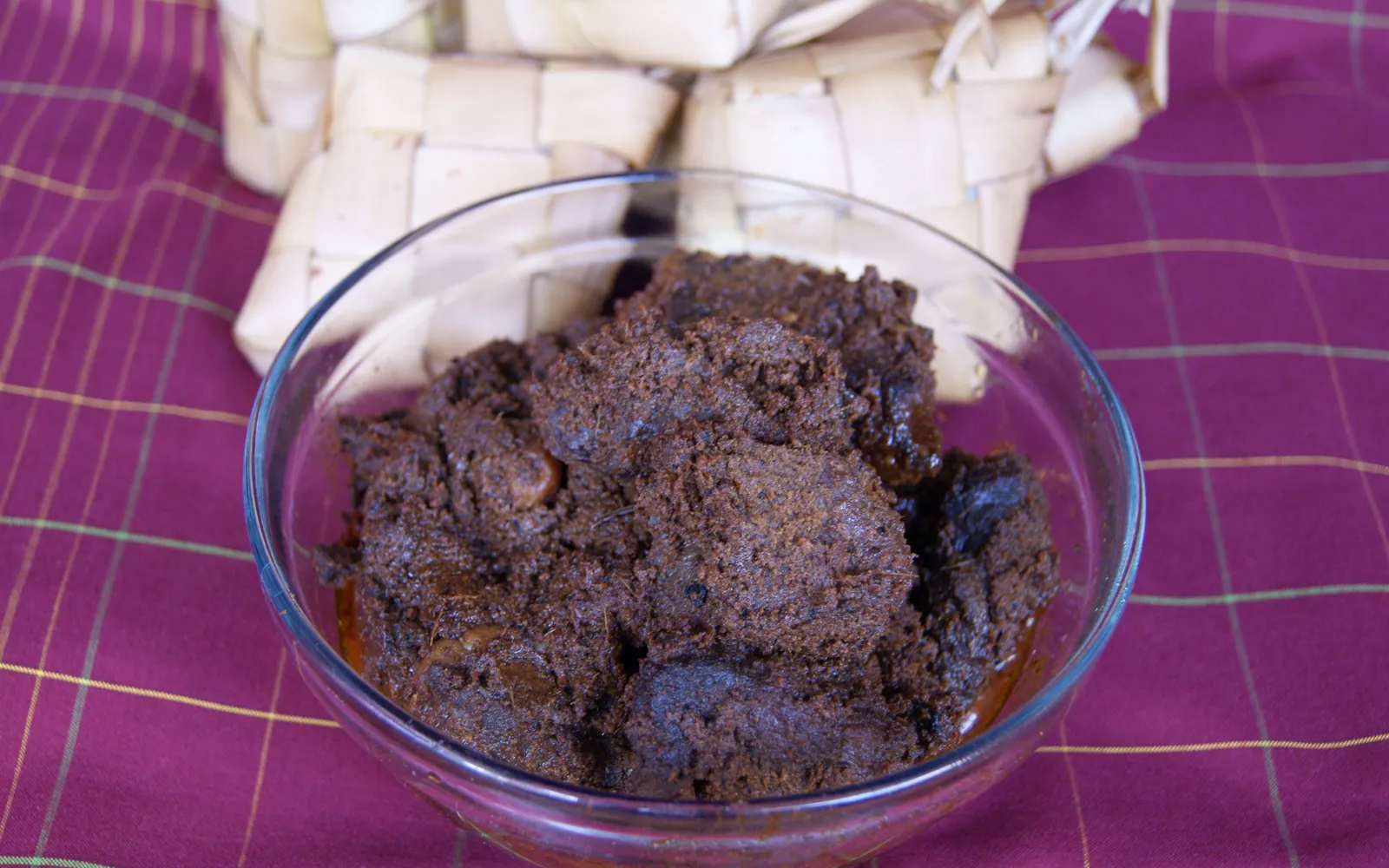
#3 Beef Rendang
The signature of Malay-Indonesian cooking. Beef is braised for hours in coconut milk combined with more than 10 spices — turmeric, lemongrass, galangal, chilli, and bay leaf — until the liquid reduces completely and absorbs into the meat. The outside carries a light crust; the inside stays tender and rich. Rumah Makan Minang, trading since 1954, is the reference point for authentic Minangkabau rendang in Singapore.
- Dry rendang is the traditional form; wet rendang (gravy spooned over rice) is the hybrid style. Try both.
- Rumah Makan Minang opens Monday–Saturday 10:00–19:00, and rendang sells out quickly.
- The longer the braise, the better the rendang — old shops typically start cooking before dawn.
 #4
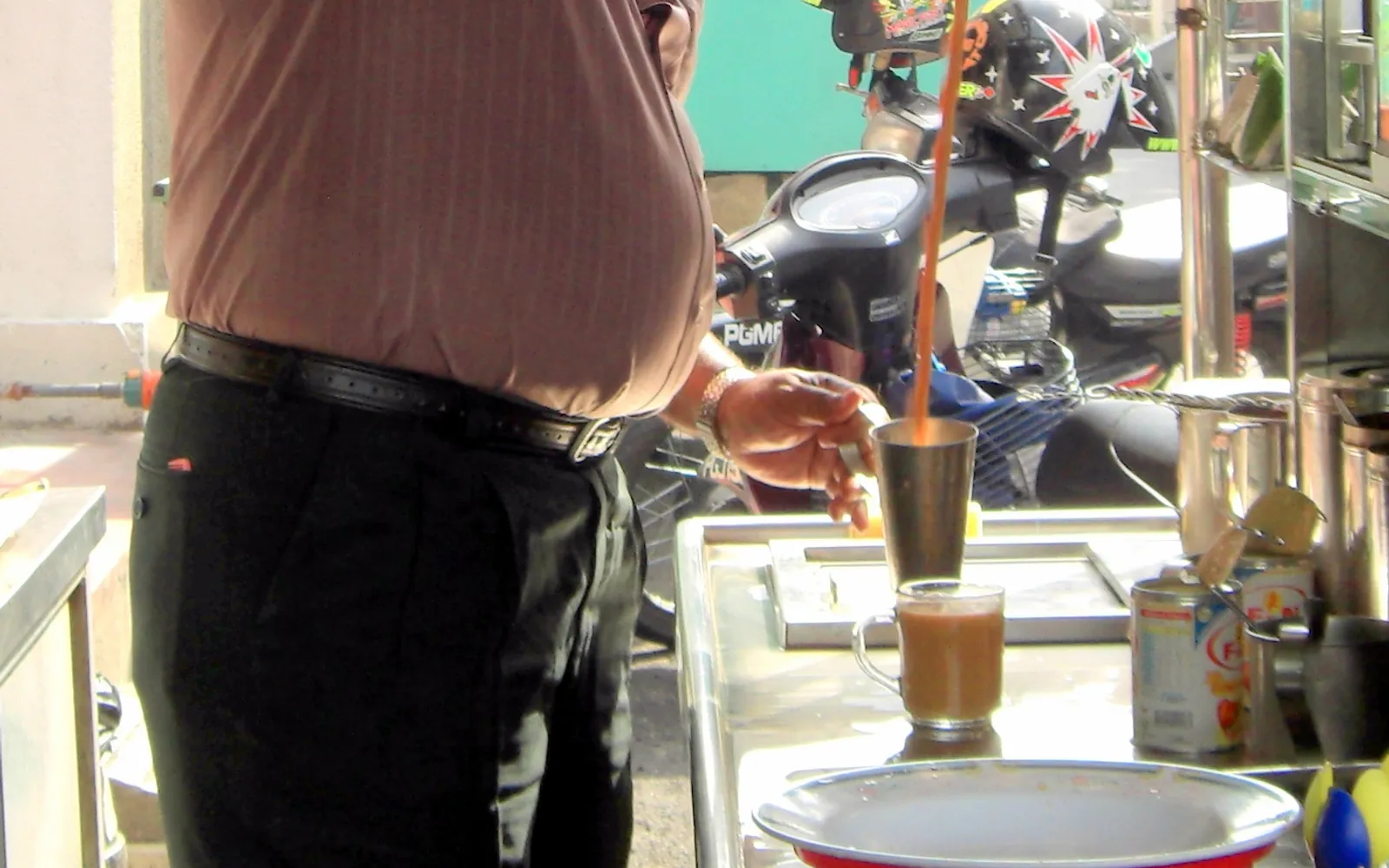
#4 Teh Tarik
The pulled-tea drink that defines Indian Muslim café culture across Malaysia and Singapore. Strong black tea is mixed with sweetened condensed milk, then repeatedly "pulled" — poured back and forth between two cups to build foam and cool the liquid to drinking temperature. Served hot, it is sweet, creamy, and carries a warmth that makes it the default pairing for breakfast and murtabak across the neighbourhood.
- Watch the barista pull the tea — a high arc is a sign of skill.
- A glass costs just S$1.20–1.80, considerably less than any mall drink.
- If you prefer less sweetness, say "kurang manis" — most stalls understand.
 #5
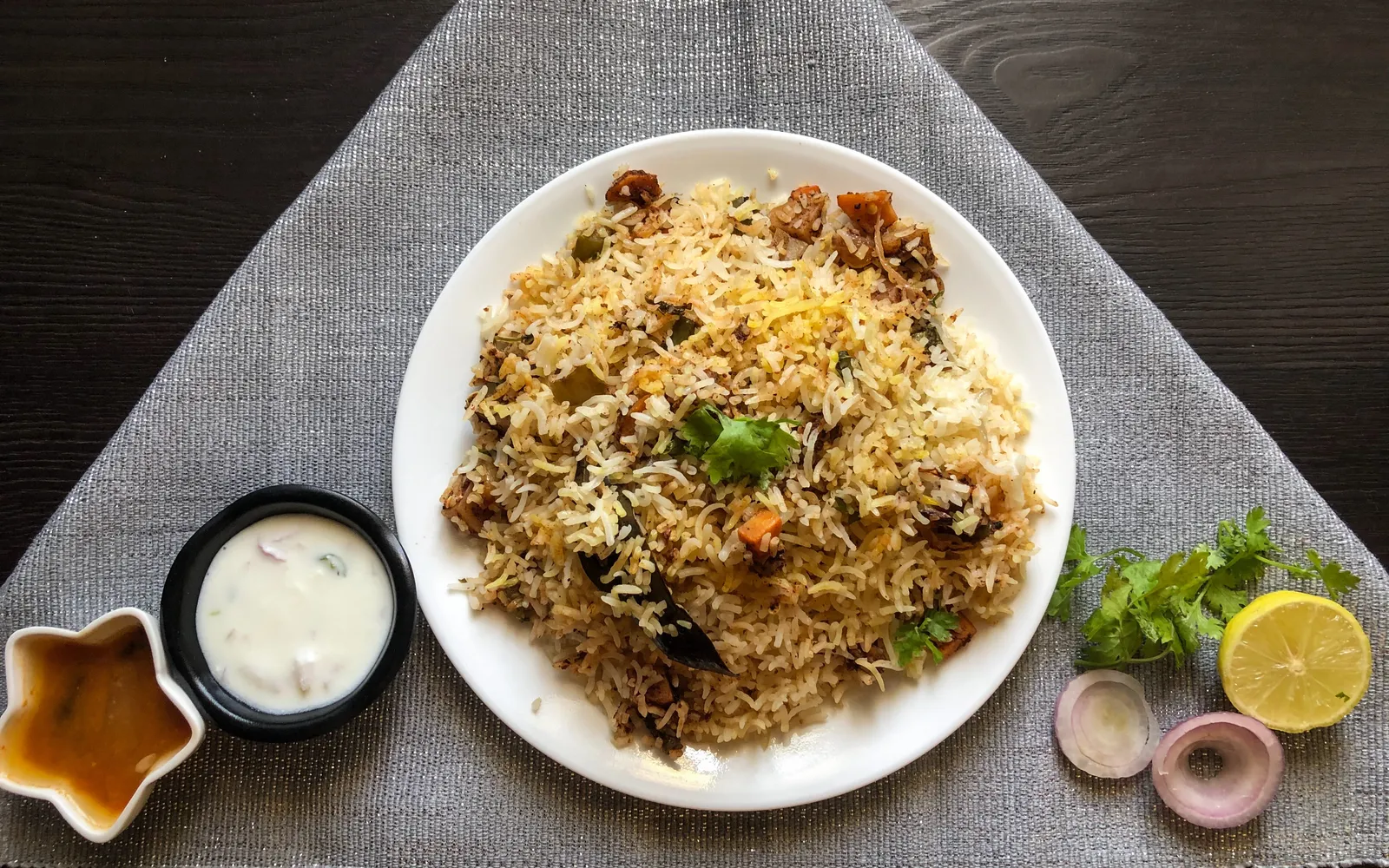
#5 Nasi Biryani
Indian slow-cooked rice that Singapore has shaped into its own recipe through local spices. Basmati rice is toasted with aromatics and cooked together with mutton, chicken, or fish in a sealed pot, so each grain absorbs the fragrance while staying separate. Zam Zam, with more than a century of trading behind it, is regarded as one of the finest addresses in the city for biryani.
- Order as a set to receive a curry sauce and pickled vegetable salad alongside.
- Fridays and public holidays draw long queues — go between 10:30 and 11:30 instead.
- Mutton biryani is the most traditional version; order it if it is available.
 #6
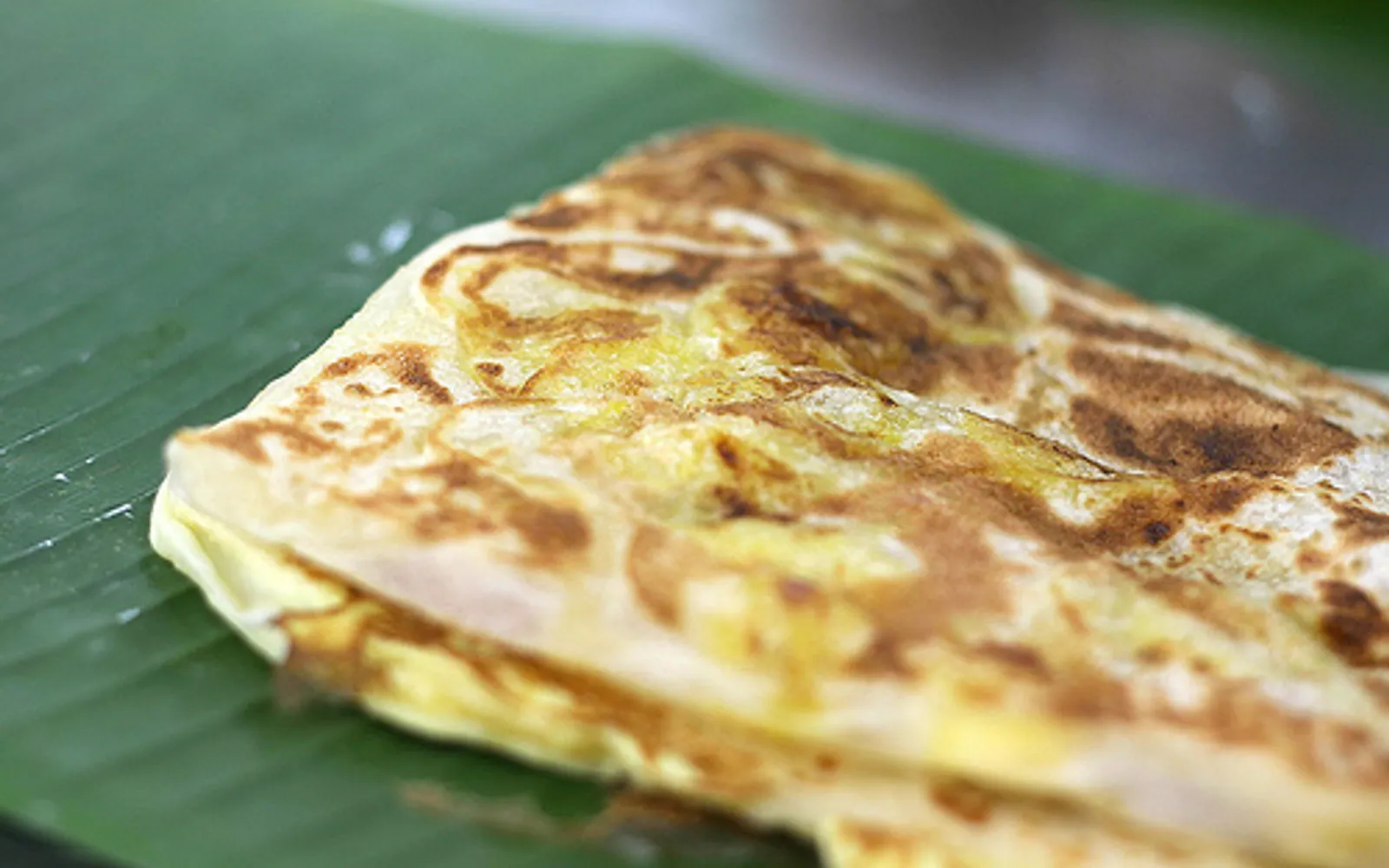
#6 Roti Prata
The Indian Muslim flatbread that became Singapore's everyday breakfast. Wheat dough is worked and stretched until nearly translucent, folded into layers, and fried in oil until golden and fragrant. It is served with a curry sauce or dal. Varieties include plain, egg, cheese, and a sweet banana version. Cheap, filling, and loved equally by locals and visitors.
- Plain prata costs S$1–1.50 — the cheapest option, and the free curry sauce comes with it.
- Watch the cook toss and stretch the dough before frying — the technique takes years to master.
- Ask for "crispy prata" and the cook will fry it a little longer.
Where to stay in Kampong Glam & Bugis for this trip
A well-located hotel means less commuting and more sightseeing. Here are real, top-rated stays in Kampong Glam & Bugis — compare Agoda · Booking · Trip.com in one click.
Frasers House, a Luxury Collection Hotel, Singapore
Affiliate links — we may earn a commission at no extra cost to you. Details
CUBE Boutique Capsule Hotel @ Kampong Glam
Affiliate links — we may earn a commission at no extra cost to you. Details
PARKROYAL on Beach Road, Singapore
Affiliate links — we may earn a commission at no extra cost to you. Details
Hotel NuVe Heritage
Affiliate links — we may earn a commission at no extra cost to you. Details
Tours, tickets & activities in Kampong Glam & Bugis
Day tours, attraction tickets and travel essentials for Kampong Glam & Bugis — book ahead on Klook with mobile e-tickets.
Affiliate links — we may earn a commission at no extra cost to you.
Before You Pack
The food in Kampong Glam is part of a living cultural heritage that UNESCO recognises as significant to Singapore. One visit here explains clearly why Singapore consistently ranks among the world's top food cities.