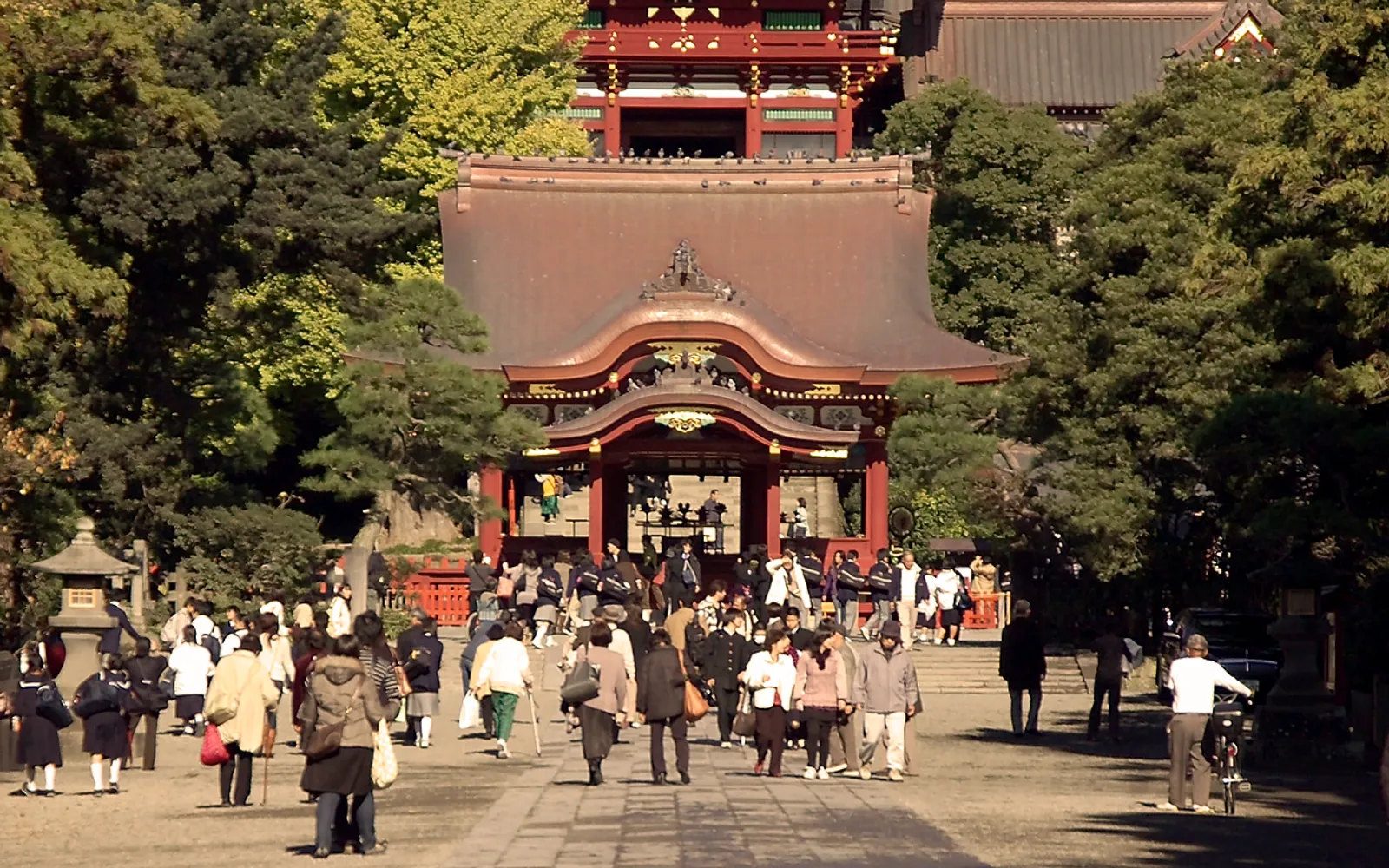
Kamakura served as the seat of Japan's first shogunate government from the 12th to 14th centuries before evolving into a destination that blends temples, shrines, and beaches with rare coherence. Just 50 minutes from Tokyo by train, it draws visitors year-round — for cherry blossoms in spring and for the blue-purple hydrangeas that fill its temple grounds every June.
 #1
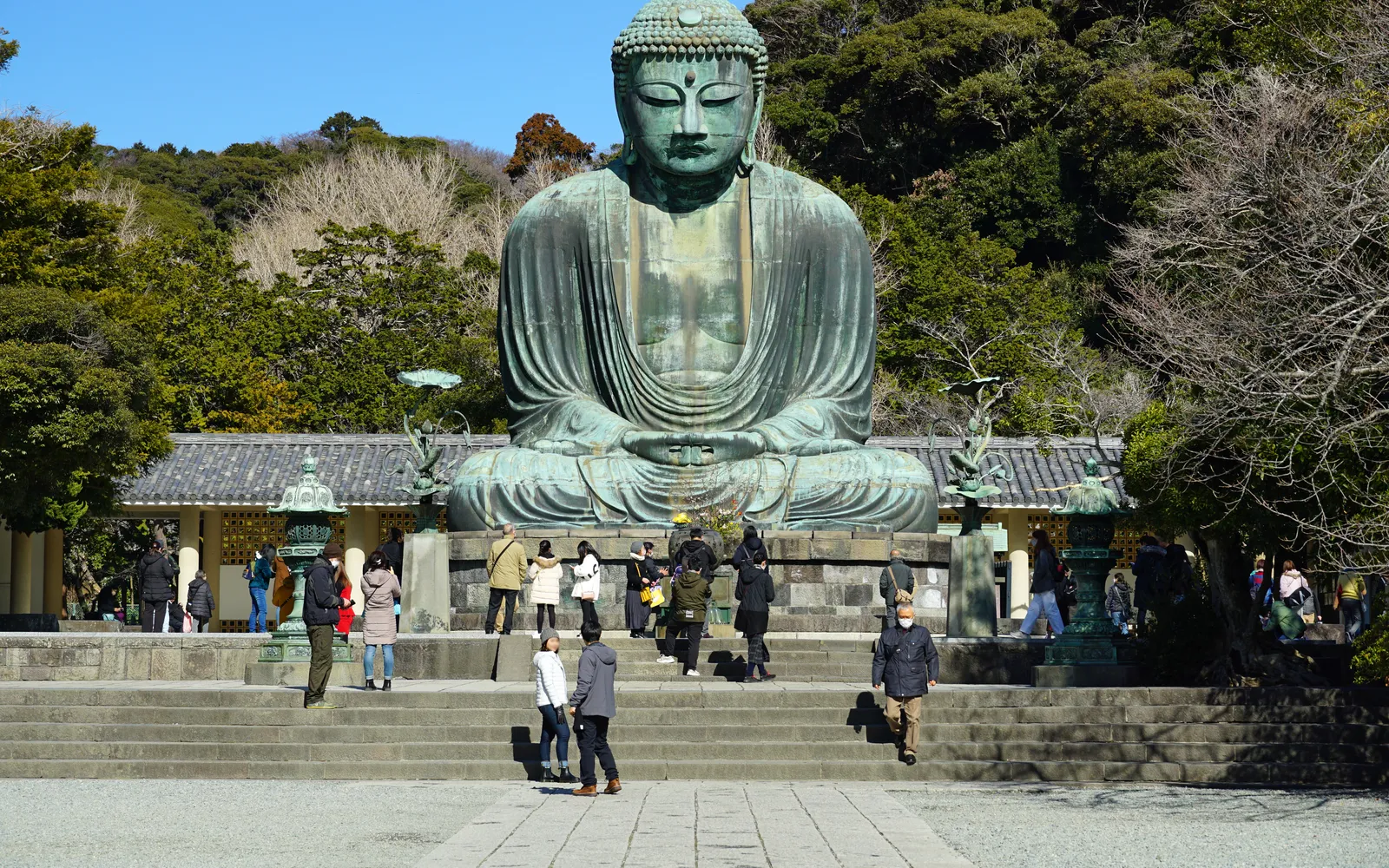
#1 Kōtoku-in Great Buddha
This bronze Amitabha Buddha stands <strong>11.31 metres</strong> tall and weighs over <strong>121 tonnes</strong>, cast in the 13th century and sitting open to the elements ever since. It was originally housed inside a hall, but storms and a tsunami destroyed the building — so the statue has stood exposed in the garden for more than <strong>700 years</strong>. For a small additional fee you can enter the hollow interior and see the bronze casting structure from inside.
- Arrive before 9 a.m. — crowds are thin and the light is ideal for photos
- Pay the extra ¥50 to enter the interior — well worth it
- Wear shoes you can slip off easily; you remove them before entering
 #2
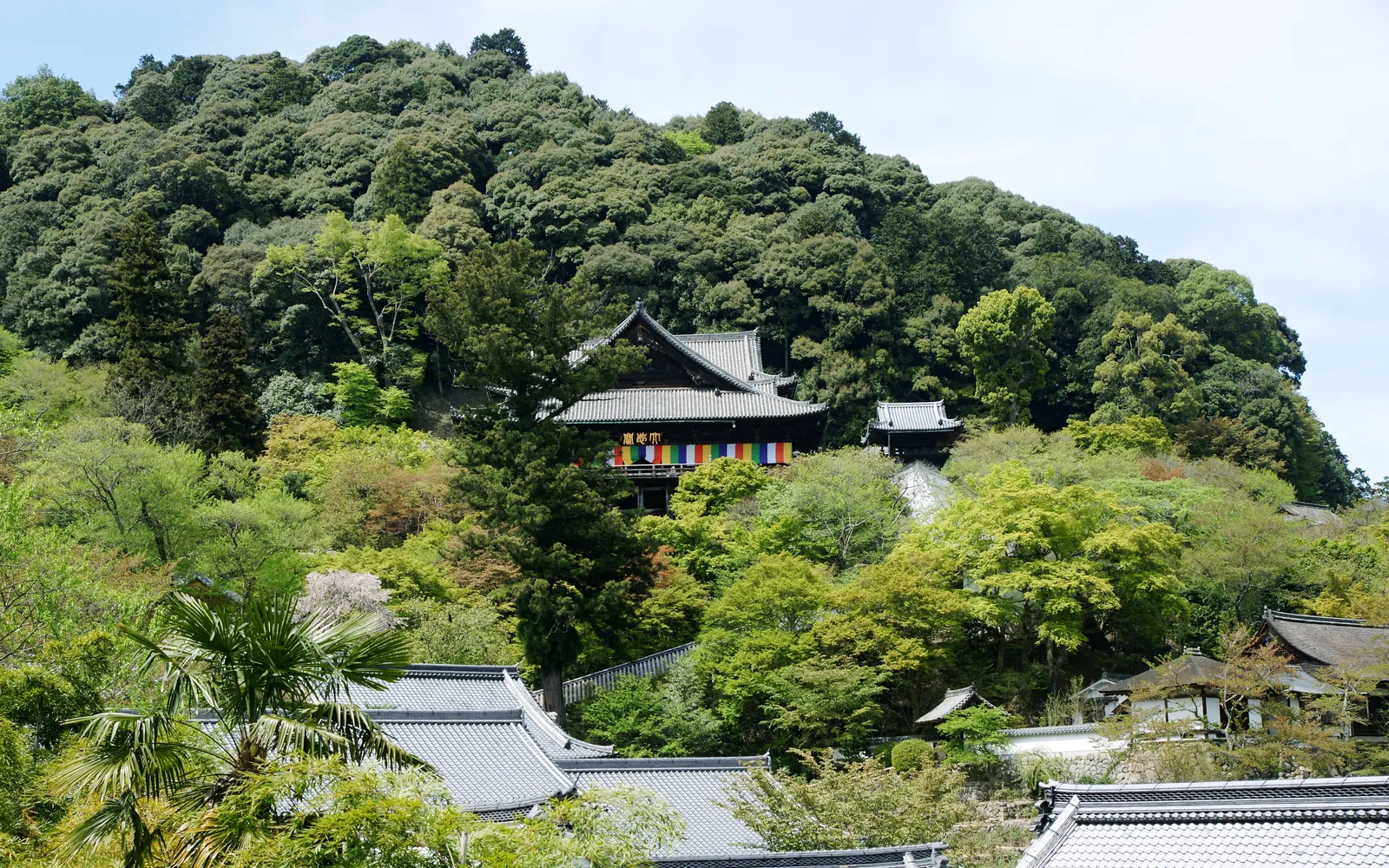
#2 Hasedera Temple
This temple is over <strong>1,300 years old</strong> and houses an <strong>11-faced, gold-lacquered Kannon</strong> (Bodhisattva of Mercy) standing <strong>9.18 metres</strong> tall — one of the largest wooden statues in Japan. On the hillside above, a garden of more than <strong>40 hydrangea varieties</strong> peaks in June, and an open terrace looks out across Sagami Bay.
- June is hydrangea season — book a timed-entry slot online in advance as it gets very crowded
- The lower Genji-ike pond garden is beautiful in every season
- The hilltop tea house serves matcha and traditional sweets
 #3
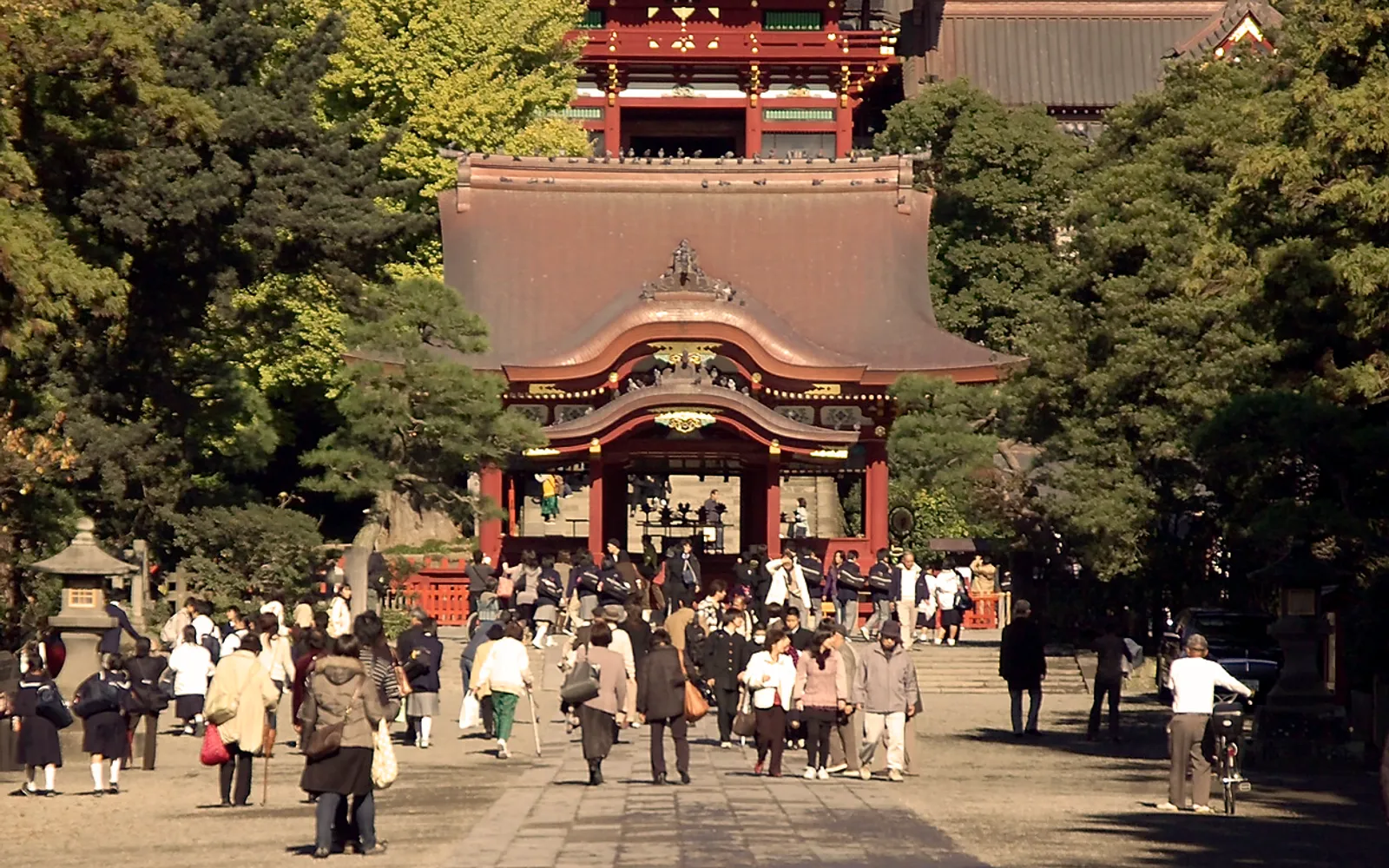
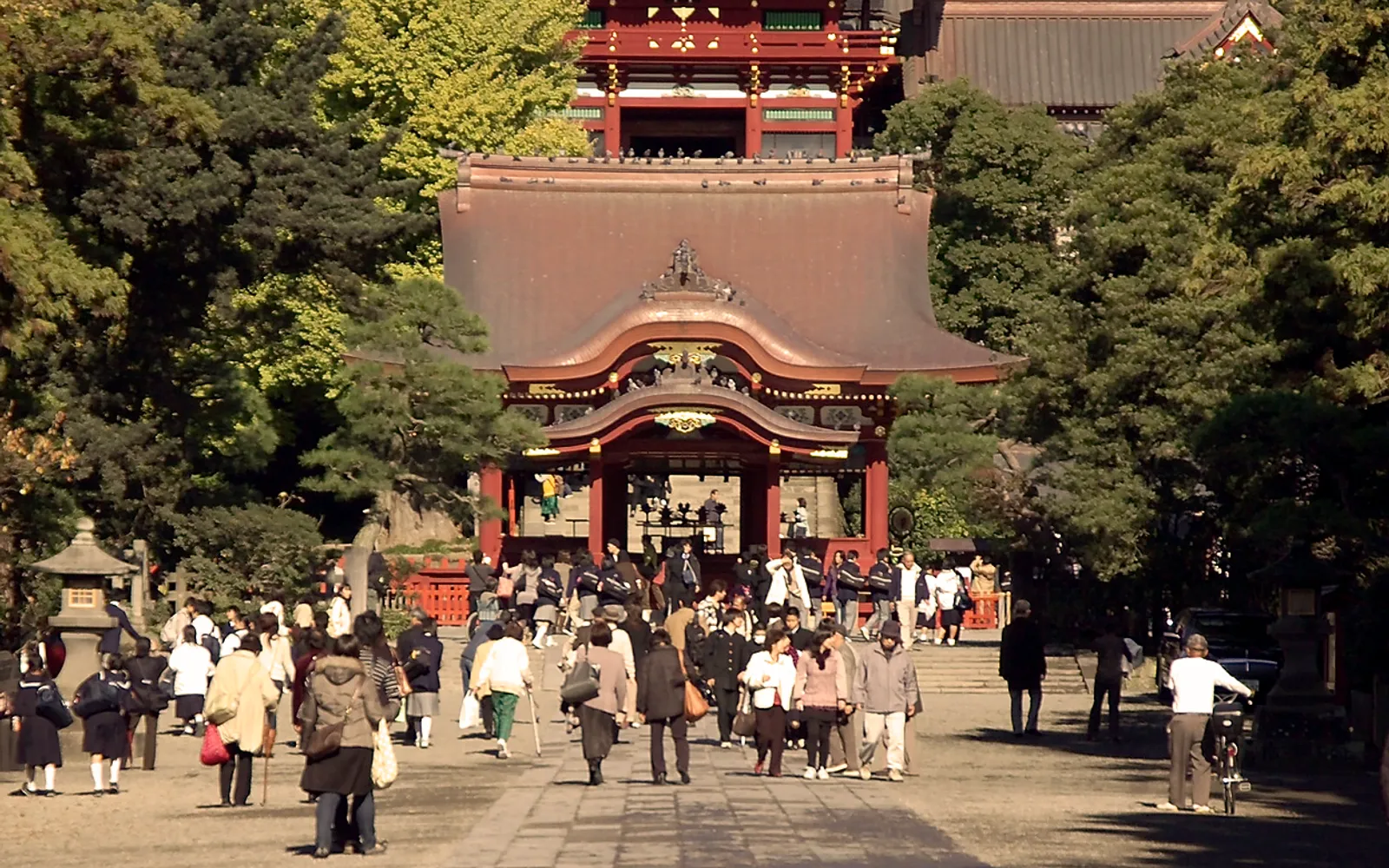
#3 Tsurugaoka Hachimangū
Kamakura's most important Shinto shrine, established by <strong>Minamoto no Yoritomo</strong> — founder of the Kamakura shogunate — in <strong>1191</strong>. A flight of <strong>61 stone steps</strong> leads up to the main hall on the hillside. Below, a mirror pond, a cherry-blossom garden, and a museum housing ancient swords and treasures fill out the grounds. The shrine draws around <strong>10 million visitors a year</strong>.
- A flea market runs every Sunday around the shrine precinct
- In April, the Wakamiya-oji approach road becomes a tunnel of cherry blossoms
- The treasure museum charges a separate admission fee
 #4
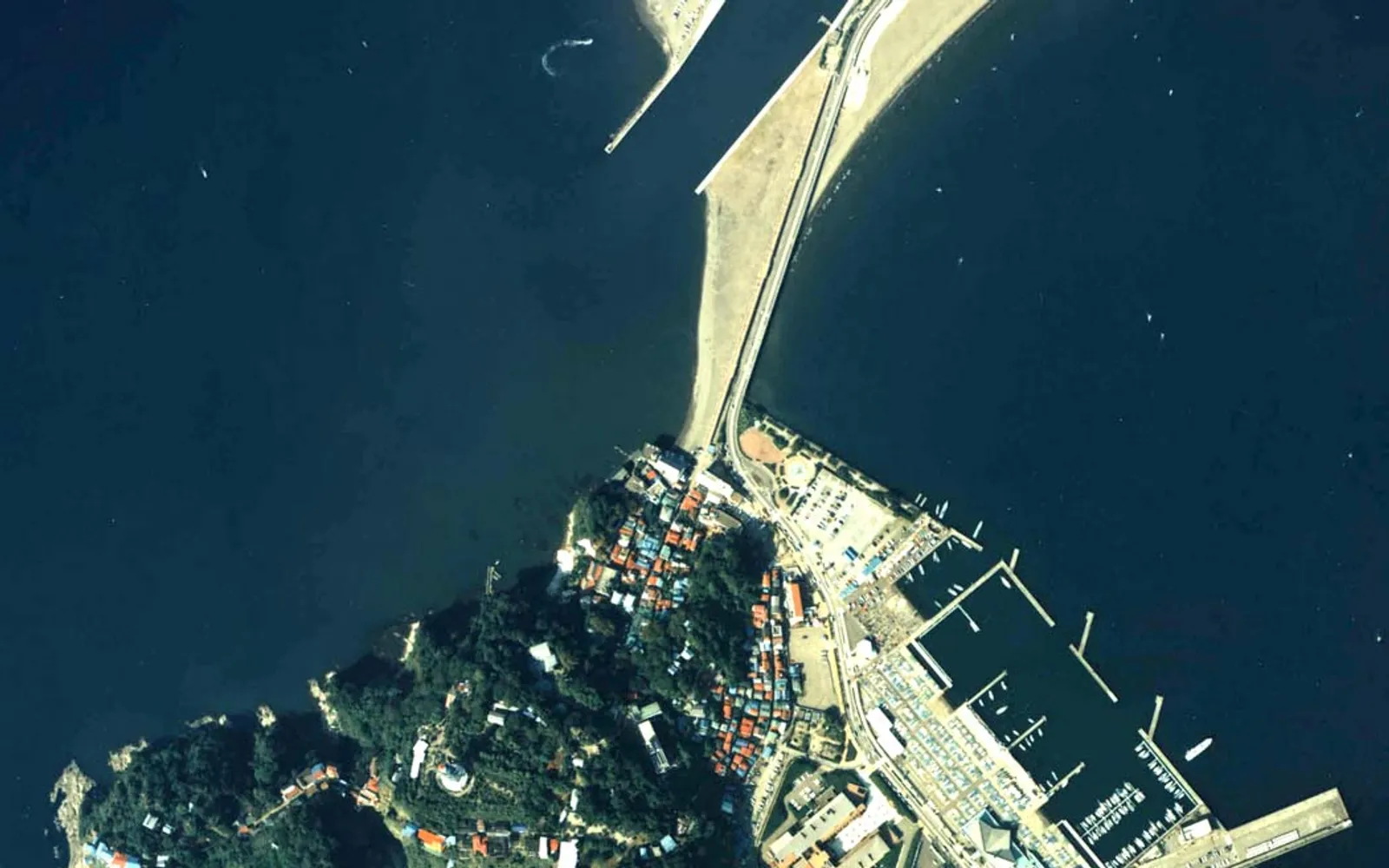
#4 Enoshima Island
A small island connected to the mainland by a <strong>600-metre pedestrian bridge</strong> across Sagami Bay. Inside you'll find the Benten Shrine, the candlelit Iwaya Caves, and the Enoshima Sea Candle observation tower with views of <strong>Mt Fuji</strong> on clear days. The popular surf beach sits just below. Enoshima Station on the Enoden line is only a few stops from Kamakura.
- Buy the Enoshima 1-Day Pass — cheaper than paying per attraction
- The two Iwaya Caves are atmospheric; go at low tide to reach deeper sections
- On a clear evening the observation tower gives you a Mt Fuji silhouette at sunset
 #5
#5 Komachi-dori Shopping Street
This <strong>500-metre</strong> shopping street links Kamakura Station to Tsurugaoka Hachimangū. Both sides are packed with fresh-sweet stalls, shirasu shops, souvenir stores, and matcha cafes. The crowd-pleasers: <em>Daibutsu-yaki</em> (Great-Buddha-shaped cakes), <em>warabi mochi</em>, and freshly fried croquettes eaten standing at the shop front.
- Walk from the station toward the shrine and graze as you go
- Local custom is to stop and eat in front of the shop — avoid walking and eating at the same time
- Weekday mornings are noticeably calmer than weekends
 #6
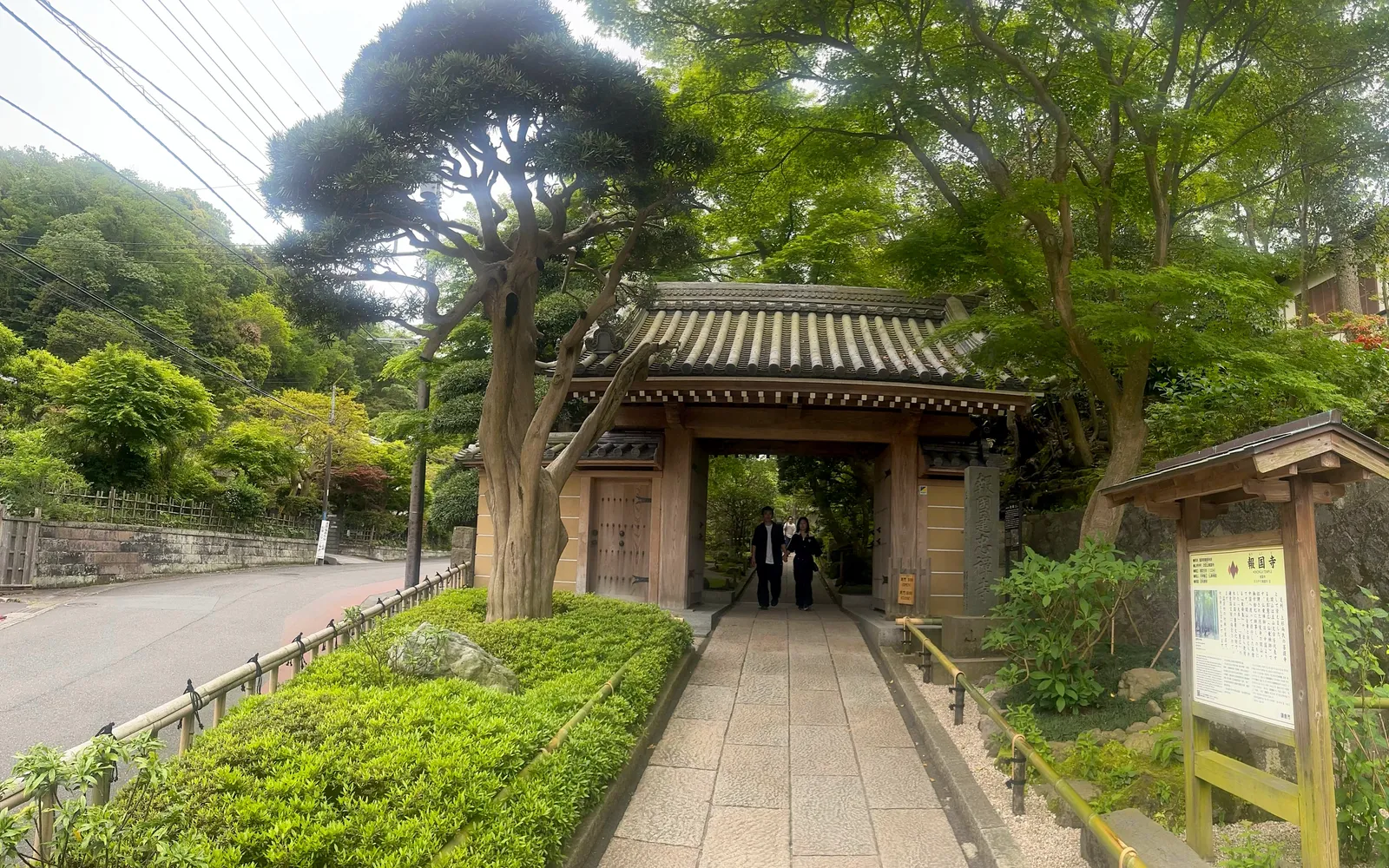
#6 Hokokuji Temple (Bamboo Temple)
A Rinzai Zen temple founded in the early 14th century, famous for its grove of over <strong>2,000 Moso bamboo</strong> culms. The towering stalks filter sunlight into a soft, still glow that makes the place feel genuinely quiet. Inside the grove is a tea house serving matcha with a view of the bamboo. Every Sunday morning the temple holds <strong>Zazen sitting meditation sessions</strong> for beginners.
- Combine the ¥300 temple entry with the ¥800 matcha-in-the-grove session — it's worth it
- Between 9 and 10 a.m. the light through the bamboo is at its best for photos
- It's out of the way — pair it with nearby Sugimoto-dera Temple to make the trip efficient
 #7
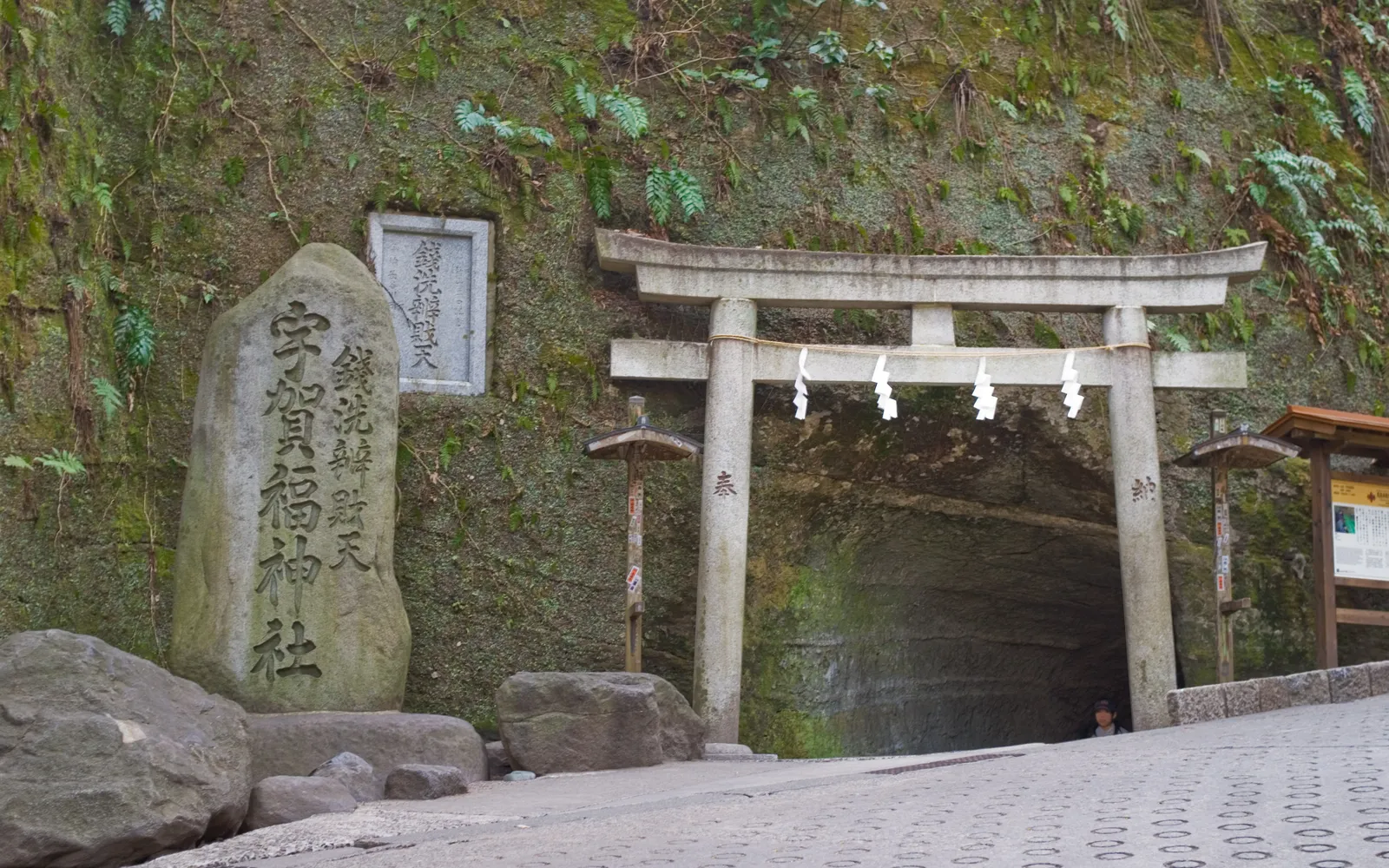
#7 Zeniarai Benzaiten Ugafuku Shrine
A cave shrine tucked inside a valley, reached through a narrow tunnel of red torii gates. Legend holds that money washed in the sacred spring inside the cave will multiply — and visitors still come to rinse banknotes and coins in the belief. The atmosphere inside is thick with incense smoke and candlelight, giving the place a genuinely otherworldly feel.
- Bamboo baskets for washing coins are provided free at the cave entrance
- The short walking path through the narrow bamboo forest on the approach is worth the detour
- Combine the route with nearby Sasuke Inari Shrine
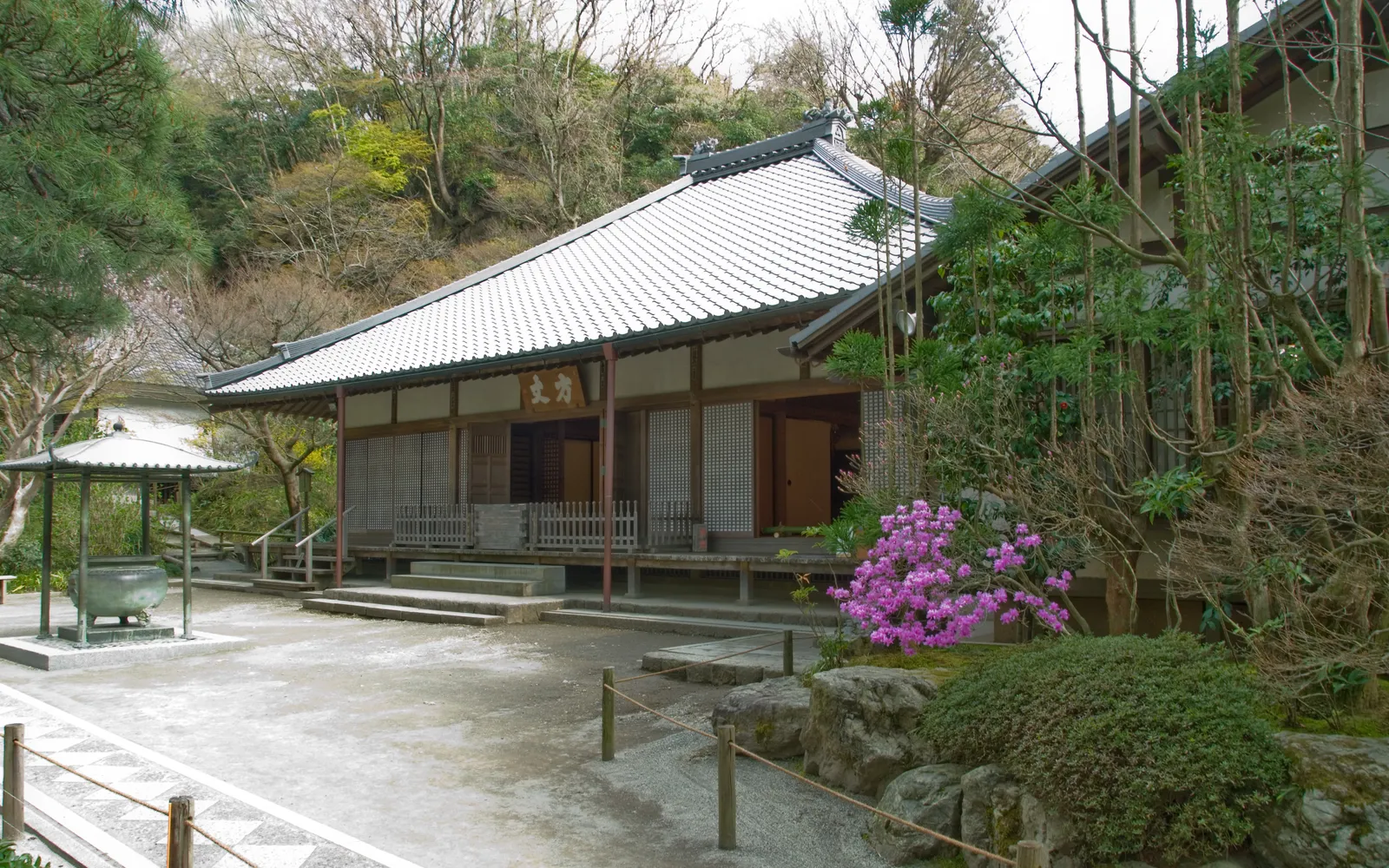 #8
#8 Meigetsu-in Temple
A small Zen temple in Kita-Kamakura known as <em>Ajisai-dera</em> (the hydrangea temple). Over <strong>2,500 hydrangea plants</strong> bloom in June, flooding the grounds in blue and purple against a backdrop of bamboo and stone walls. The highlight is the round Zen window (<em>Marumado</em>) — a circular frame that turns the rock garden beyond into a living painting.
- June is peak season; arrive right at opening (9:00) because it stays packed all day
- The rear garden opens only in June and October–early November (autumn foliage)
- Kita-Kamakura Station is just 10 minutes' walk away
Where to stay in Kamakura for this trip
A well-located hotel means less commuting and more sightseeing. Here are real, top-rated stays in Kamakura — compare Agoda · Booking · Trip.com in one click.
Kamakura COCON
Affiliate links — we may earn a commission at no extra cost to you. Details
Hotel Metropolitan Kamakura
Affiliate links — we may earn a commission at no extra cost to you. Details
Kamakura Seizan
Affiliate links — we may earn a commission at no extra cost to you. Details
WeBase Kamakura
Affiliate links — we may earn a commission at no extra cost to you. Details
Tours, tickets & activities in Kamakura
Day tours, attraction tickets and travel essentials for Kamakura — book ahead on Klook with mobile e-tickets.
Affiliate links — we may earn a commission at no extra cost to you.
Before You Pack
Kamakura is a walkable city — one full day covers all the main highlights comfortably. If you want to go deeper, one extra night lets you walk the Daibutsu Hiking Trail and catch the sunset from Enoshima.