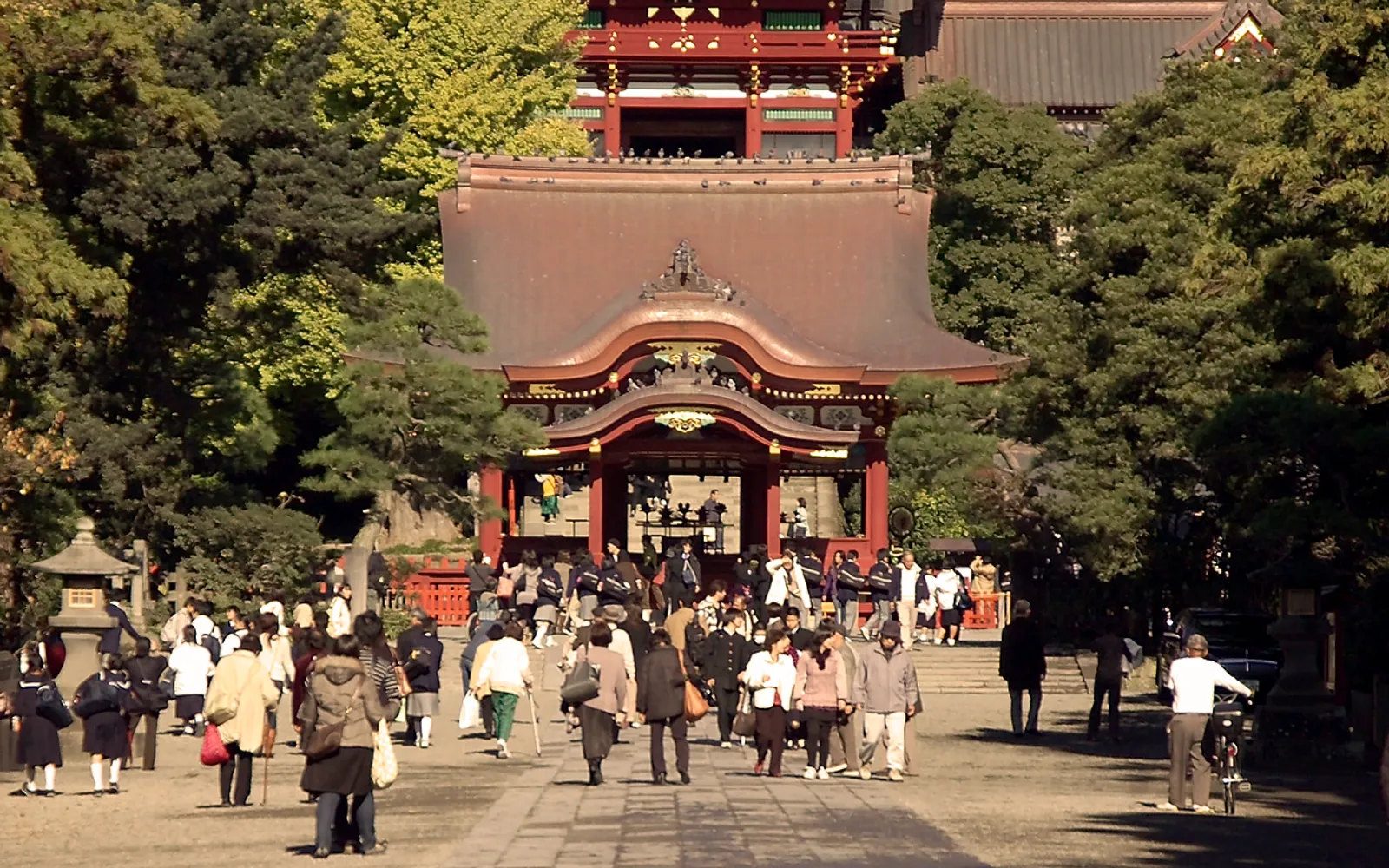
Kamakura sits right on Sagami Bay, which means its seafood — especially shirasu (whitebait) — arrives fresher here than almost anywhere else in Japan. That same coastal location exists alongside an 800-year Zen temple legacy, which gave rise to shojin ryori: a meticulously prepared vegetarian cooking tradition, and sweets that trace back to the Heian period. Komachi-dori shopping street is the entry point to all of it.
 #1
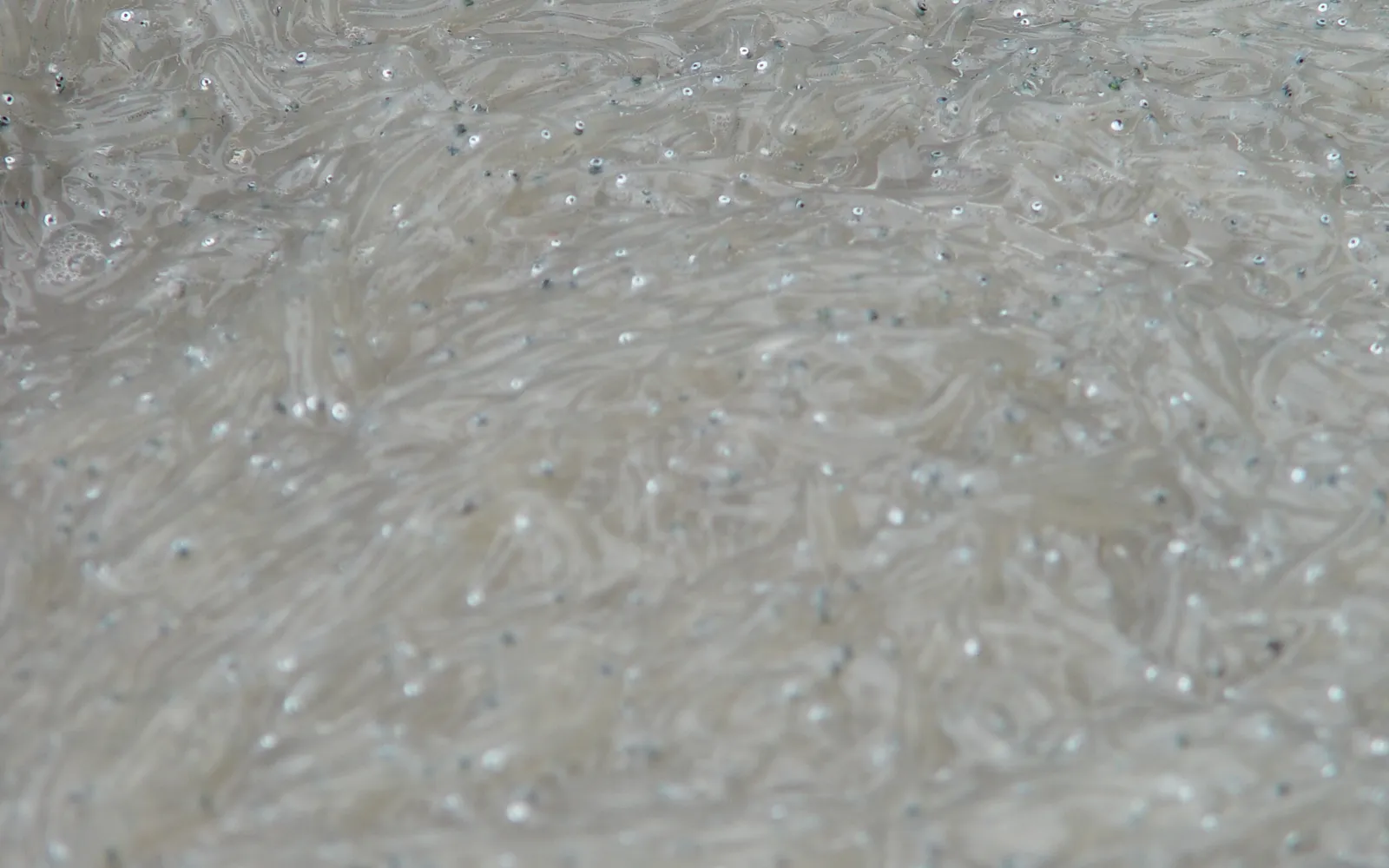
#1 Shirasu-don (Whitebait Rice Bowl)
Shirasu are the juvenile sardines and anchovies hauled in season (March–January) straight from Sagami Bay. The raw version — Nama Shirasu-don — has a soft, yielding texture and a clean ocean flavour. The blanched version, Kama-age, turns the fish white and slightly firmer. Both come topped with pickled ginger, soy sauce, and seaweed. It is a combination of flavours you will not find this fresh anywhere else.
- Nama Shirasu (raw) is only available March–January — there is a short winter closure
- Ask the restaurant whether they have Nama that day — if the boats went out, it is fresh; if there was a storm, it is not
- Restaurants near Hase Station and the seafront tend to have fresher stock than those further inland
 #2
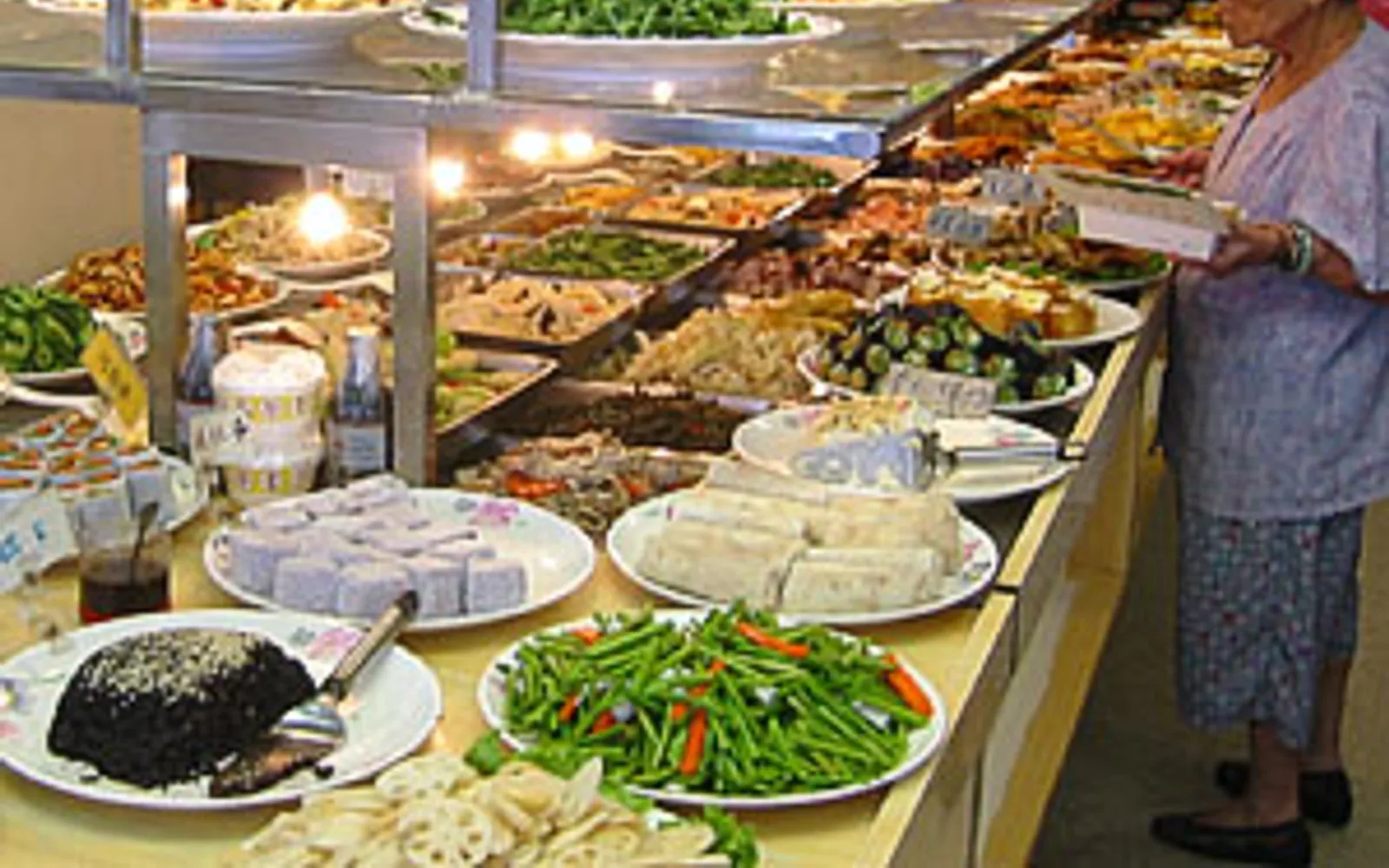
#2 Shojin Ryori (Zen Buddhist Vegetarian Cuisine)
A vegetarian cooking tradition codified by Zen monks more than 800 years ago — no meat, fish, eggs, or even onions and garlic. The main ingredients are yuba (tofu skin), mushrooms, seasonal vegetables, and grains, prepared with a precision that makes each mouthful surprisingly layered. Hachinoki restaurant in Kita-Kamakura has been serving this style since 1964.
- Always book in advance — well-known restaurants fill up fast, especially on weekends and public holidays
- Lunch sets are typically 30–40% cheaper than dinner
- Flag any dietary restrictions when you book — most restaurants are flexible
 #3
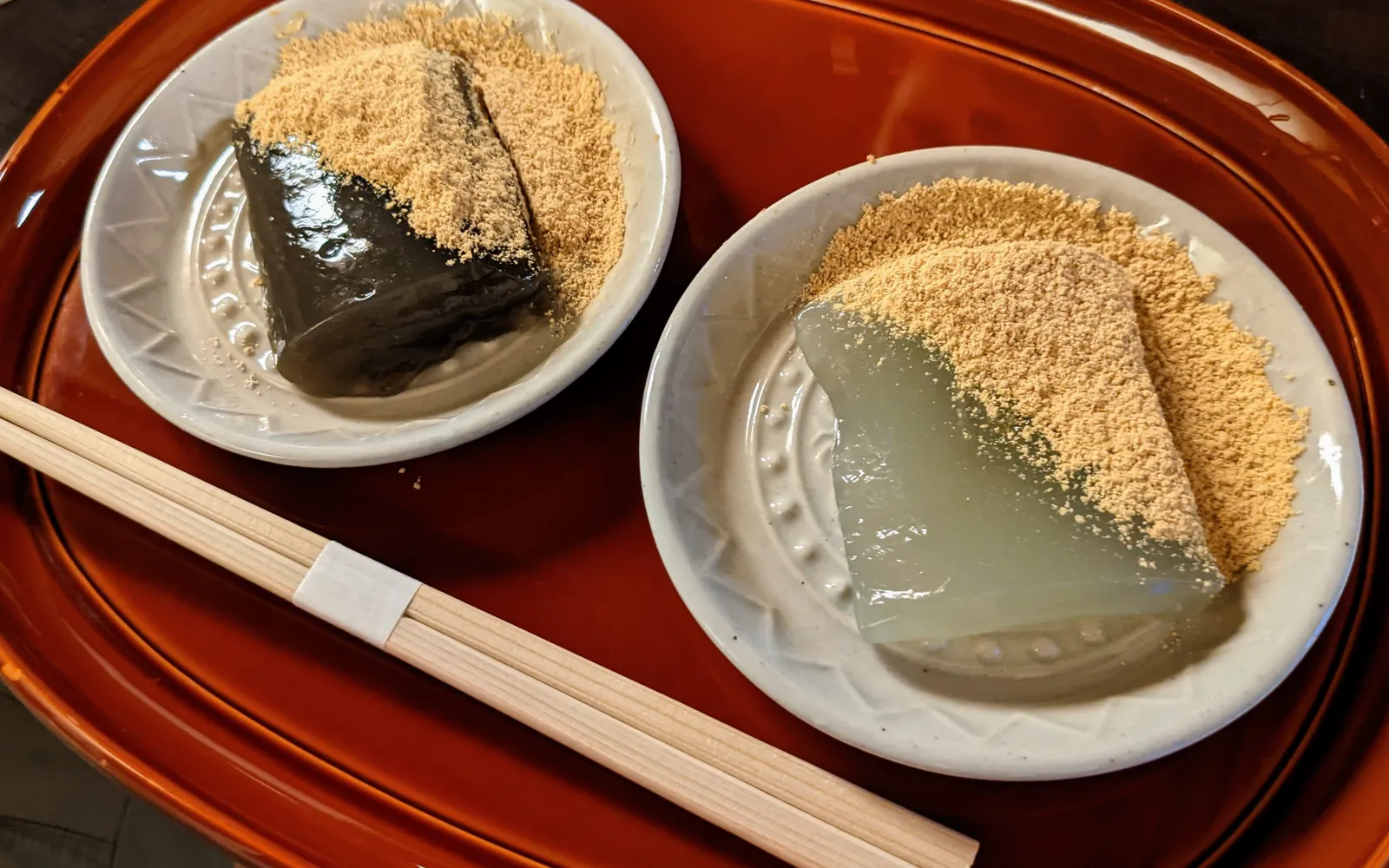
#3 Warabi Mochi
An ancient sweet made from bracken-root starch (warabi-ko) that was once reserved for the aristocracy during the Heian period. The texture is gelatin-soft and slightly bouncy, cool on the palate, dusted with kinako (roasted soy flour) that brings a rich, toasty sweetness. It is notably different from the glutinous-rice mochi most people know. Kamakura Kanmidokoro on Komachi-dori is a popular spot.
- Real warabi-ko starch is rare and more expensive — ask the shop whether they use it
- Eat within 2–3 hours of purchase; order and eat immediately, it does not travel well
- Many shops serve it alongside matcha — a classic pairing
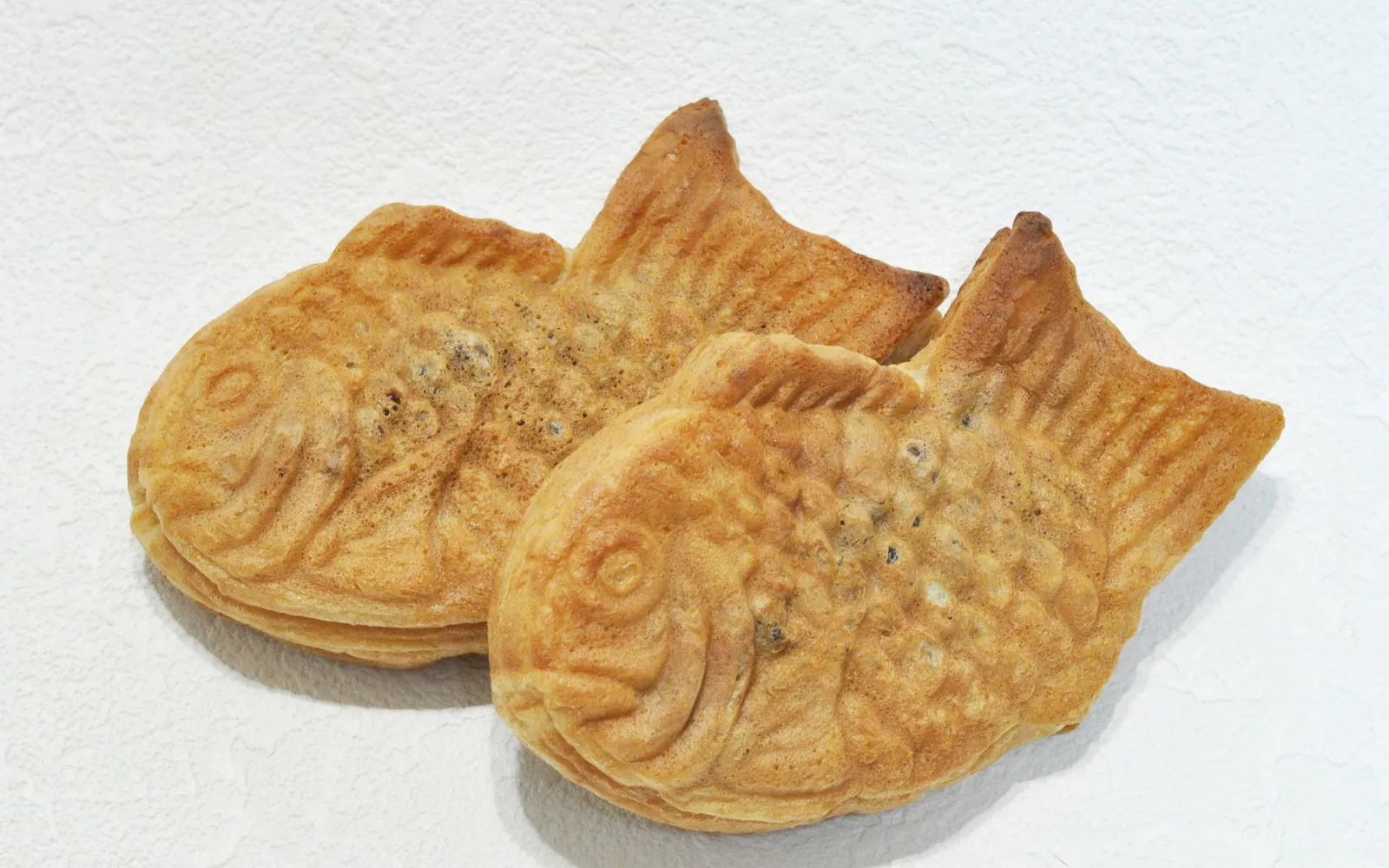 #4
#4 Daibutsu-yaki (Great Buddha Cake)
A Kamakura-exclusive sweet that takes the taiyaki fish-cake concept and replaces the mould with the shape of Kamakura's famous Great Buddha statue. Fillings include sweet red bean, custard, sweet potato, cream cheese, and bacon cheese — each supposedly linked to a different blessing: luck, love, or good health. Freshly pressed and sold warm out front.
- The sweet red bean (an) filling is the classic version and the top seller
- Queues peak 11:00–14:00 — go early in the morning or mid-afternoon to wait less
- They box multiple pieces for takeaway if you want to bring them back
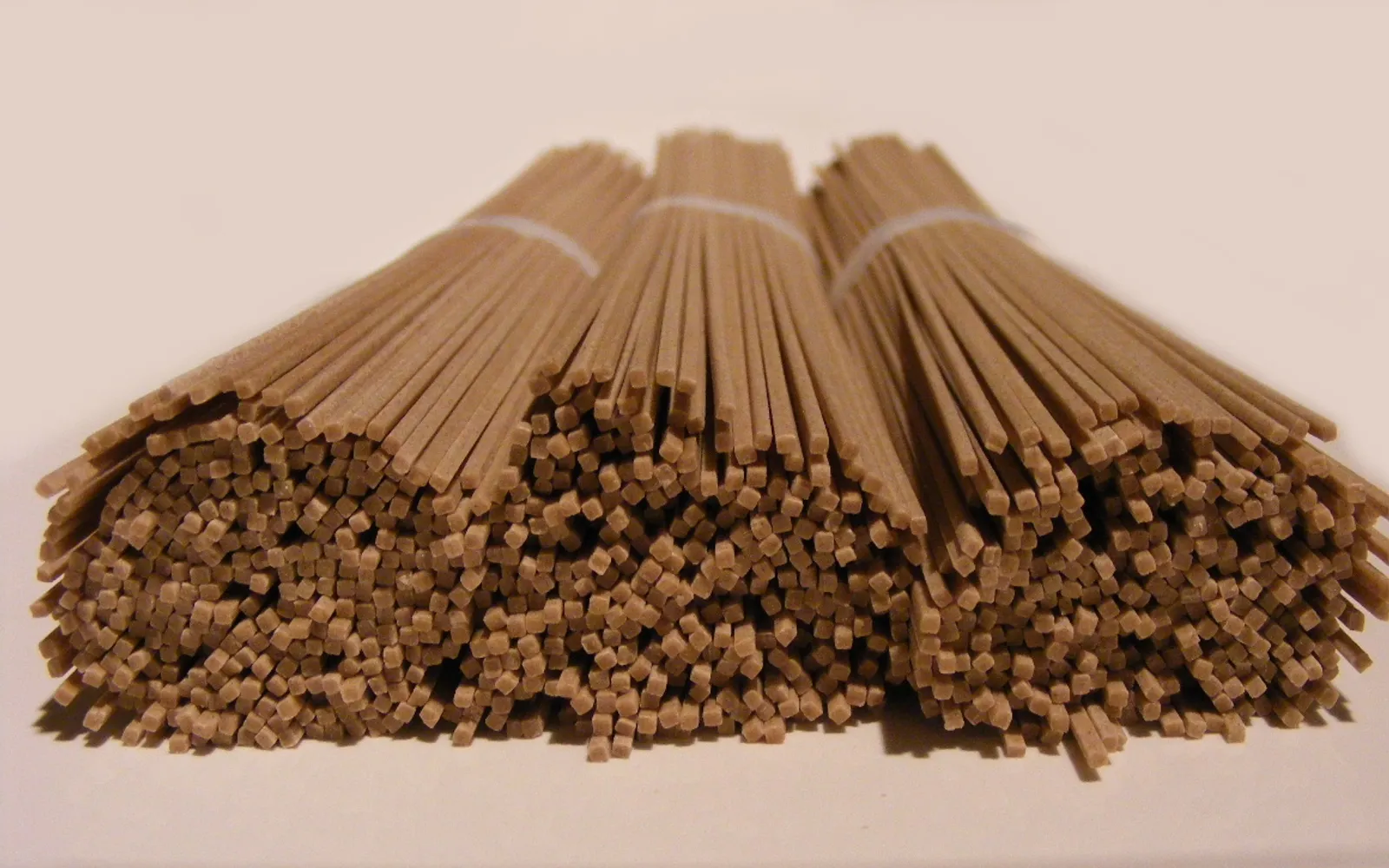 #5
#5 Teuchi Soba (Handmade Buckwheat Noodles)
Hand-cut noodles (teuchi) made by skilled craftspeople using buckwheat freshly milled each day. The noodles come out a deep grey with a faint nutty aroma — served cold (Zaru Soba) for dipping into a rich tsuyu broth, or hot in a dashi soup. Matsubara-an, set inside a traditional wooden building with an inner garden and pond, captures the old-town spirit of Kamakura as well as any single meal in the city.
- Order Zaru Soba (cold) — the noodle flavour comes through more clearly than in the hot version
- Ask for Soba-yu (the hot water the noodles cooked in) at the end — mix it with leftover tsuyu for a light soup to finish the meal
- Good shops fill up at noon; aim to arrive before 12:00 or after 13:30
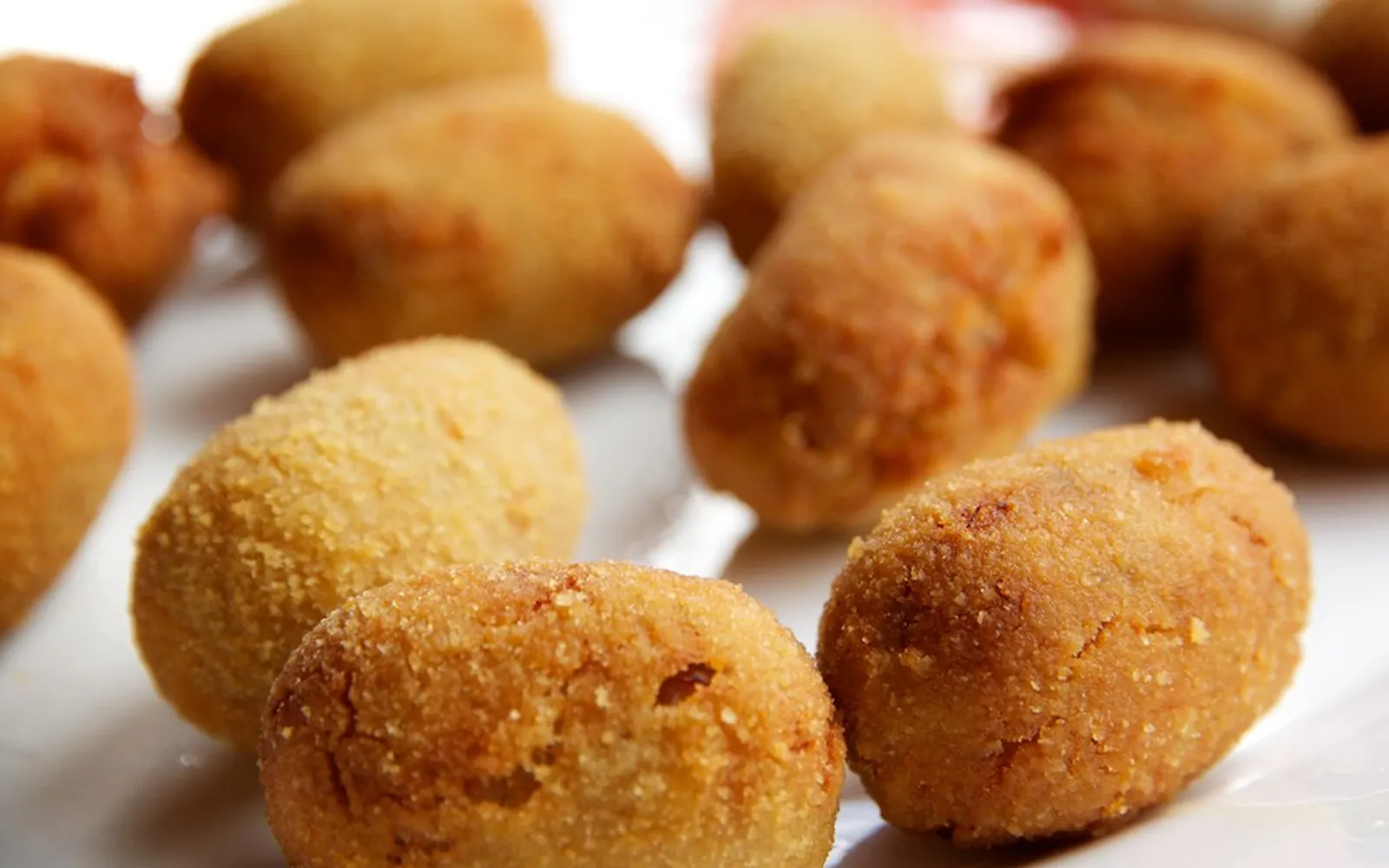 #6
#6 Menchi Katsu (Deep-Fried Minced Meat Croquette)
A palm-sized croquette, crisp on the outside and moist with seasoned minced meat within. It is the best-selling street food on Komachi-dori — stalls fry them fresh every ten minutes, filling the street with the sound of hot oil and the smell of sizzling meat. Priced at around 200–300 yen each, you buy one and eat it walking (or standing) — no table needed.
- Eat immediately after frying — if a batch just sold out, waiting a few minutes for the next one is worth it
- Kamakura Tenkichi and Kosuzu are the popular spots; expect long queues on weekends
- Avoid eating while walking — grab a seat out front or a bench in a nearby temple garden instead
Where to stay in Kamakura for this trip
A well-located hotel means less commuting and more sightseeing. Here are real, top-rated stays in Kamakura — compare Agoda · Booking · Trip.com in one click.
Kamakura COCON
Affiliate links — we may earn a commission at no extra cost to you. Details
Hotel Metropolitan Kamakura
Affiliate links — we may earn a commission at no extra cost to you. Details
Kamakura Seizan
Affiliate links — we may earn a commission at no extra cost to you. Details
WeBase Kamakura
Affiliate links — we may earn a commission at no extra cost to you. Details
Tours, tickets & activities in Kamakura
Day tours, attraction tickets and travel essentials for Kamakura — book ahead on Klook with mobile e-tickets.
Affiliate links — we may earn a commission at no extra cost to you.
Before You Pack
Kamakura pulls off a combination — coastal seafood and temple tradition on the same street — that few places manage. On a first visit, try at least the shirasu-don, warabi mochi, and daibutsu-yaki, and you will understand why travelers come back every season.