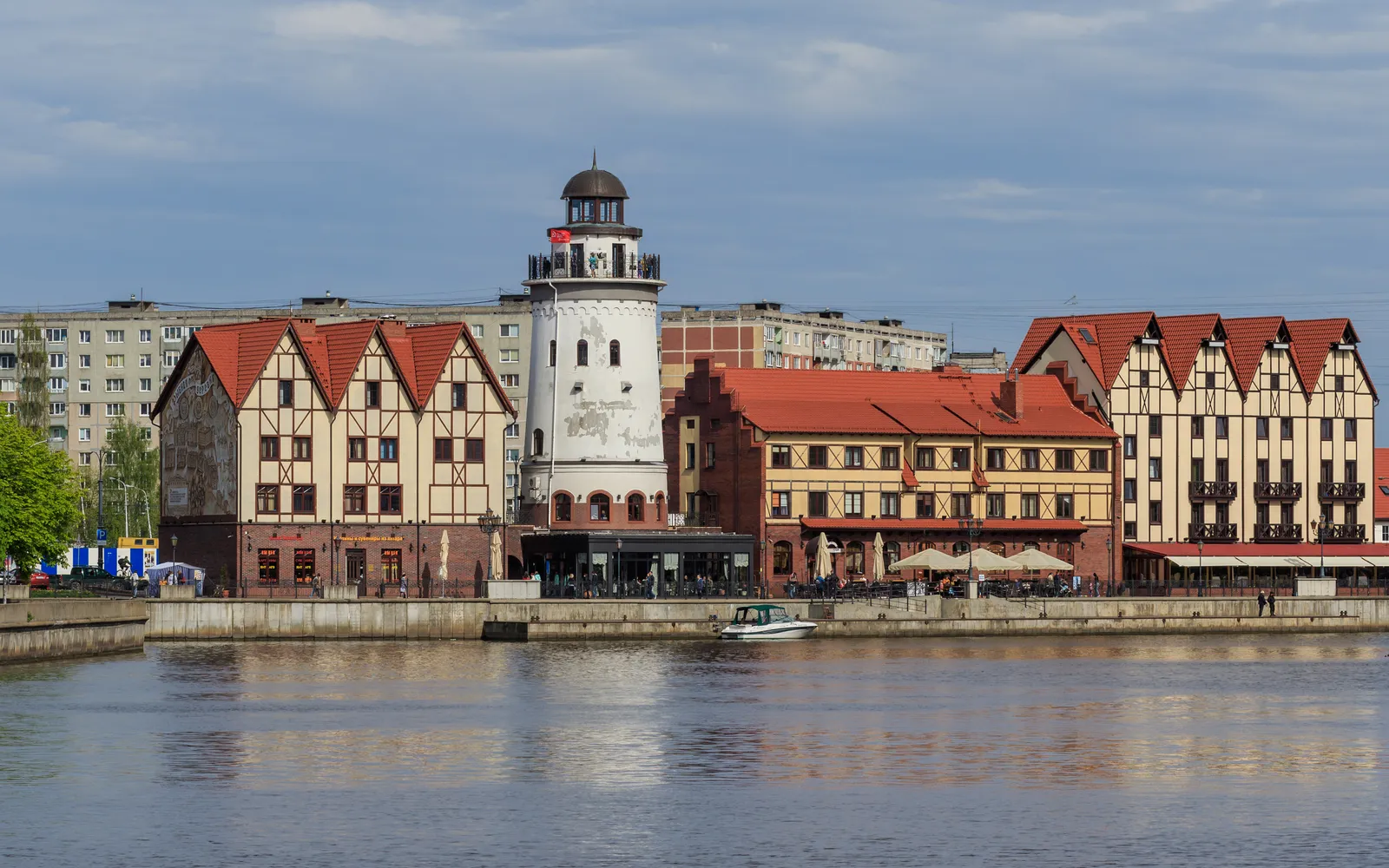
Kaliningrad is not a destination most travelers know well, but for anyone drawn to European history and the Baltic coast, this city is a genuine find. Once Königsberg — heart of East Prussia, birthplace of philosopher Immanuel Kant, and the most prosperous port on the Baltic — it was reshaped by the Second World War and Sovietisation. Yet the Gothic cathedral, the amber fortress, and the UNESCO-listed Curonian Spit still tell the story of what it once was with remarkable clarity.
 #1
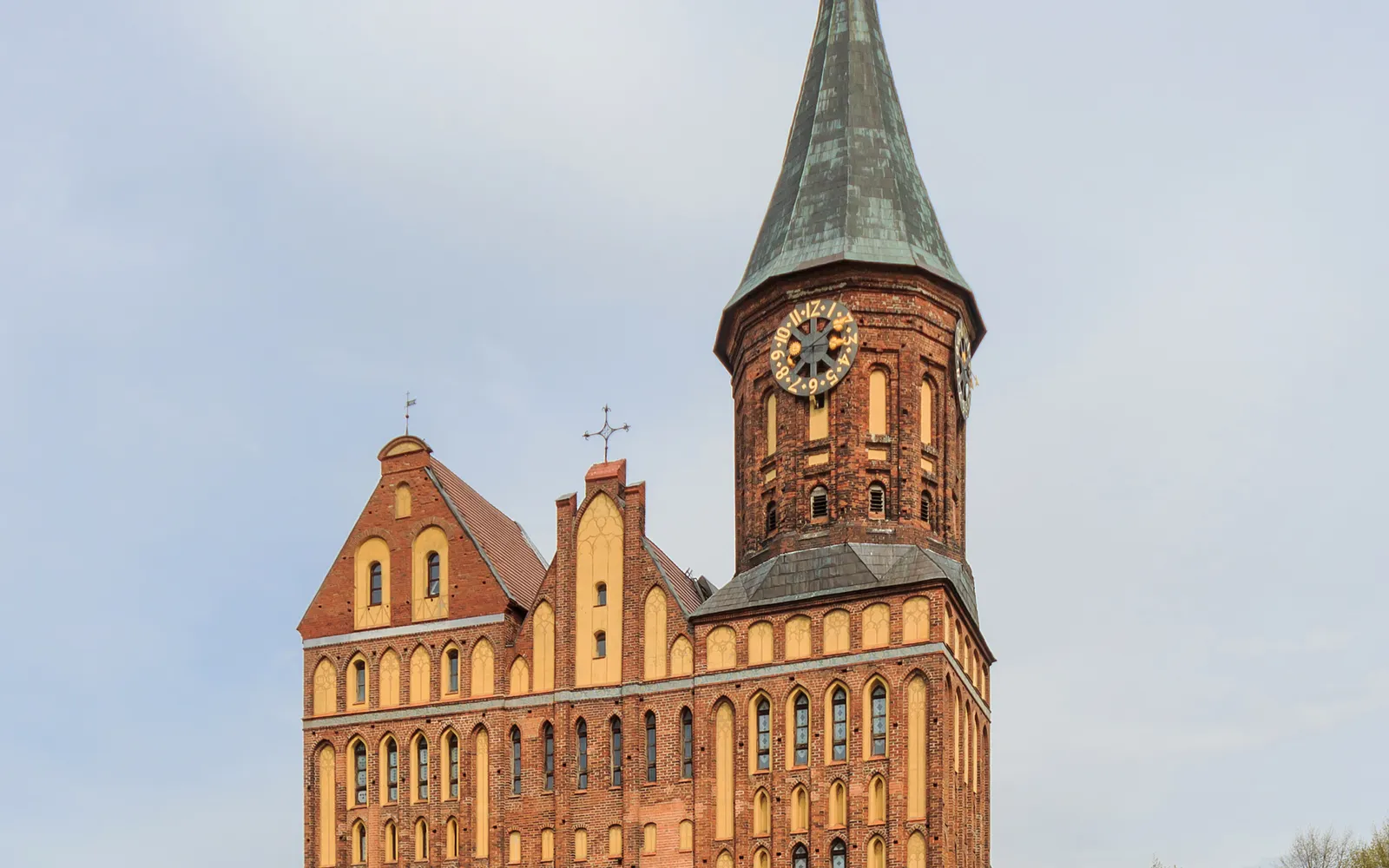
#1 Königsberg Cathedral
The most distinctive landmark in Kaliningrad and the anchor of its Prussian heritage. The red-brick Gothic cathedral was built in the 14th century, survived the Second World War only partially, then underwent a major restoration in the 1990s. Inside, you will find the tomb of Immanuel Kant — the philosopher was born and died in this city — plus a compact museum tracing Königsberg's history. A large pipe organ still holds classical concerts here every week.
- Entry costs 350–450 roubles and includes the upper-floor museum. Organ concerts run Saturday and Sunday and require a separate ticket.
- You can climb the tower for elevated views over the city — the staircase is narrow and steep, so this one is for people comfortable with heights.
- Kant Island around the cathedral is quiet and pleasant; walking the perimeter is free. The view from the river bridges at dusk is the best in the city.
 #2
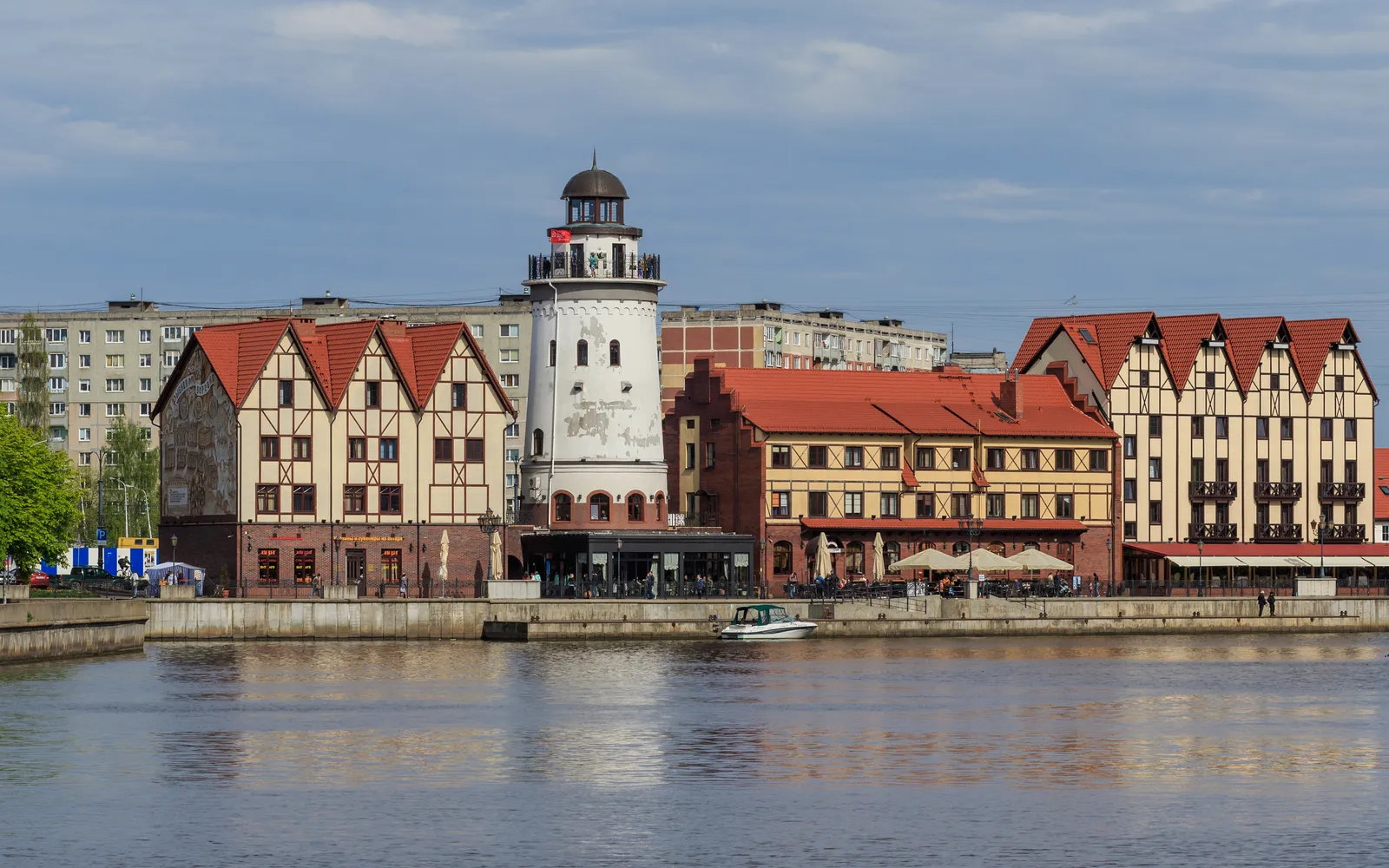
#2 Fishing Village, Kaliningrad
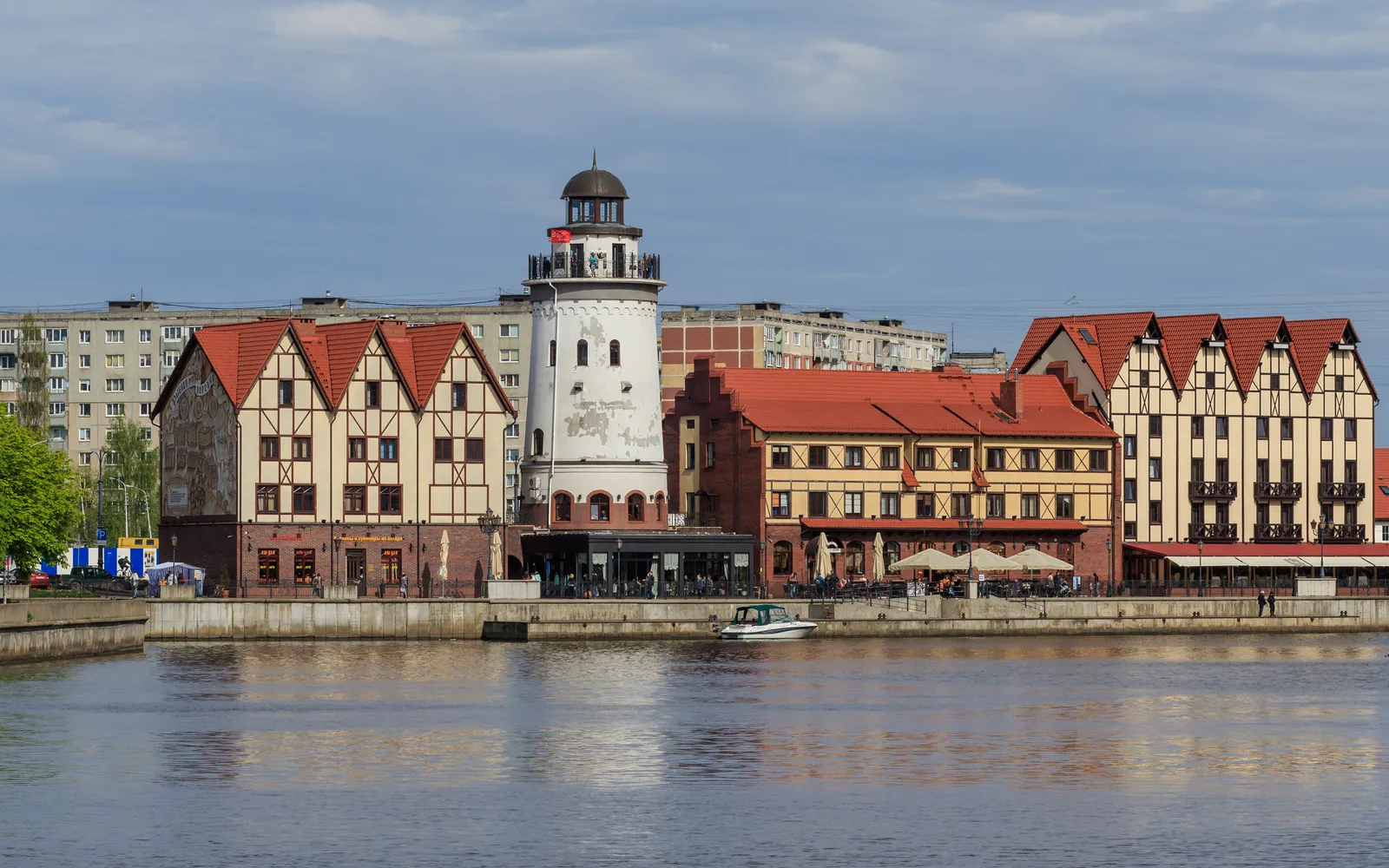
A riverside development built from the 2000s onward that reconstructs the look of 17th-to-19th-century Königsberg using photographs and historic plans as blueprints. The buildings are new, but the design fidelity to the old quarter is genuinely impressive. Restaurants, contemporary bars, souvenir shops, and a small pier for river tours fill the district — it is a favourite spot for locals on weekday evenings and weekends alike.
- Restaurants here are pricier than elsewhere in the city, but the views across the river to the cathedral make it worthwhile.
- The tall clock tower is open to visitors for panoramic views — 200 roubles to climb, and the best vantage point in the city.
- At night, the lit facades reflect off the water far more dramatically than by day; this is the better time to photograph the district.
 #3
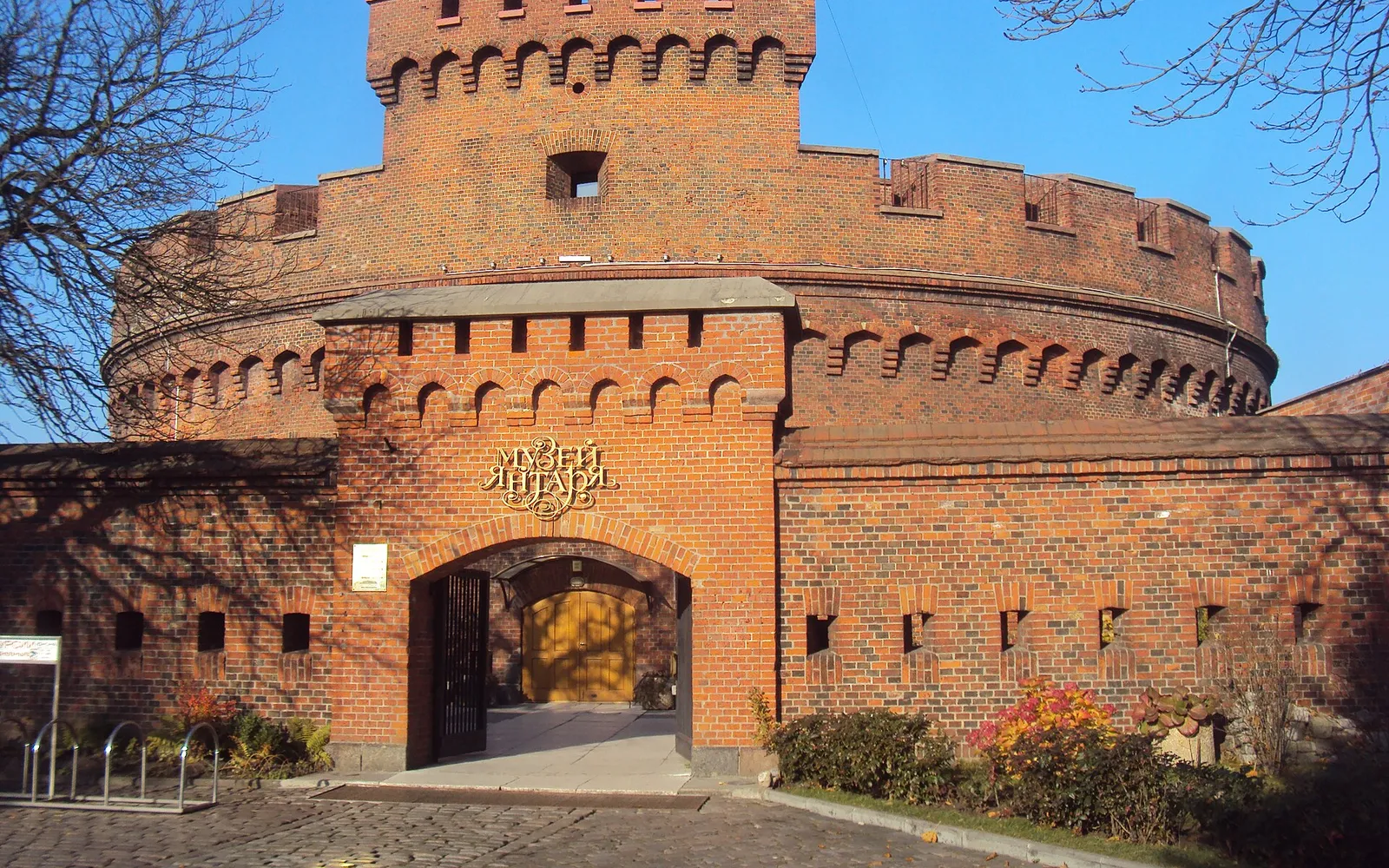
#3 Amber Museum, Kaliningrad
Kaliningrad and the surrounding Baltic coast produce more than 90% of the world's amber supply. The museum, housed inside a 19th-century red-brick fortress, holds the most complete amber collection anywhere — raw lumps weighing several kilograms, specimens with insects and plant matter preserved inside for 40–50 million years, intricately carved amber art, and a recreation of the famous Amber Room from the Catherine Palace. The ground floor sells certified genuine amber at prices more reasonable than the tourist-market stalls outside.
- The upper floors display amber with tiny creatures trapped inside — mosquitoes and spiders tens of millions of years old that you need a magnifying glass to examine properly.
- The shop on the ground floor sells certified amber; compare prices with the street market before you buy. Plastic imitations are sold widely elsewhere.
- English-language guided tours run on select days — check the schedule in advance, or rent an English audio guide.
 #4
#4 Curonian Spit
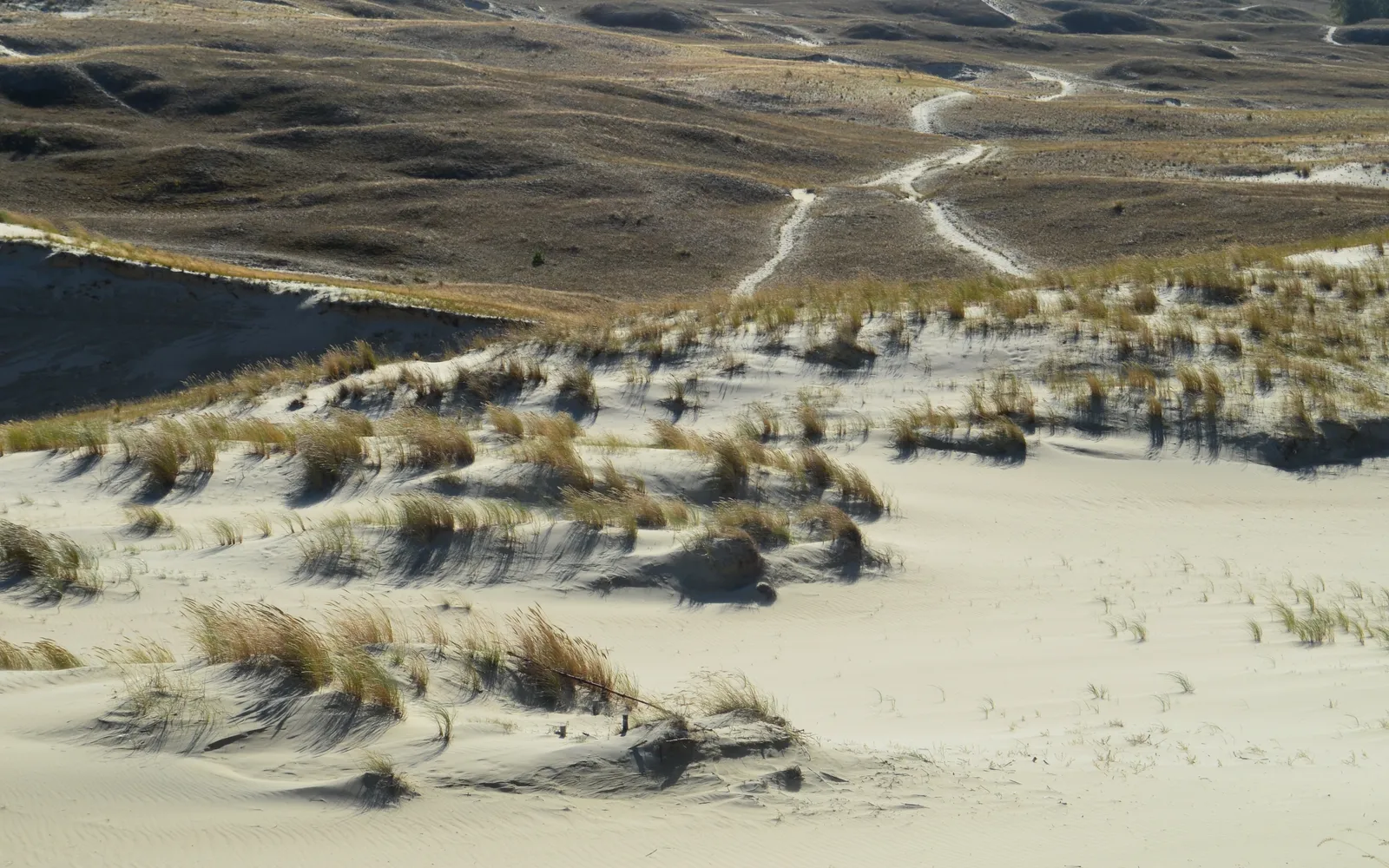
A UNESCO World Heritage Site: a natural sand peninsula stretching 98 kilometres, separating the Baltic Sea from the freshwater Curonian Lagoon, and ranging just 400 metres to 3.8 kilometres wide. The Russian section covers the southern 45 km; Lithuania holds the northern half. The dunes called Dead Dunes — reaching 67 metres — are the largest shifting sand dunes in Europe. Dense pine forest and a cycling path run the full length; the Baltic side is exposed enough for wind sports, the lagoon side is calm and quiet.
- Entry to the national park costs 300 roubles per person; vehicles are charged an additional 150 roubles.
- Rent a bicycle in Zelenogradsk or Morskoe and ride the trail — 10–20 km per trip depending on how far you go. Cycling beats driving here by a wide margin.
- The Dead Dunes are a 20-minute walk from the car park. Wear easy-on footwear — the sand gets extremely hot in summer.
 #5
#5 Museum of the World Ocean
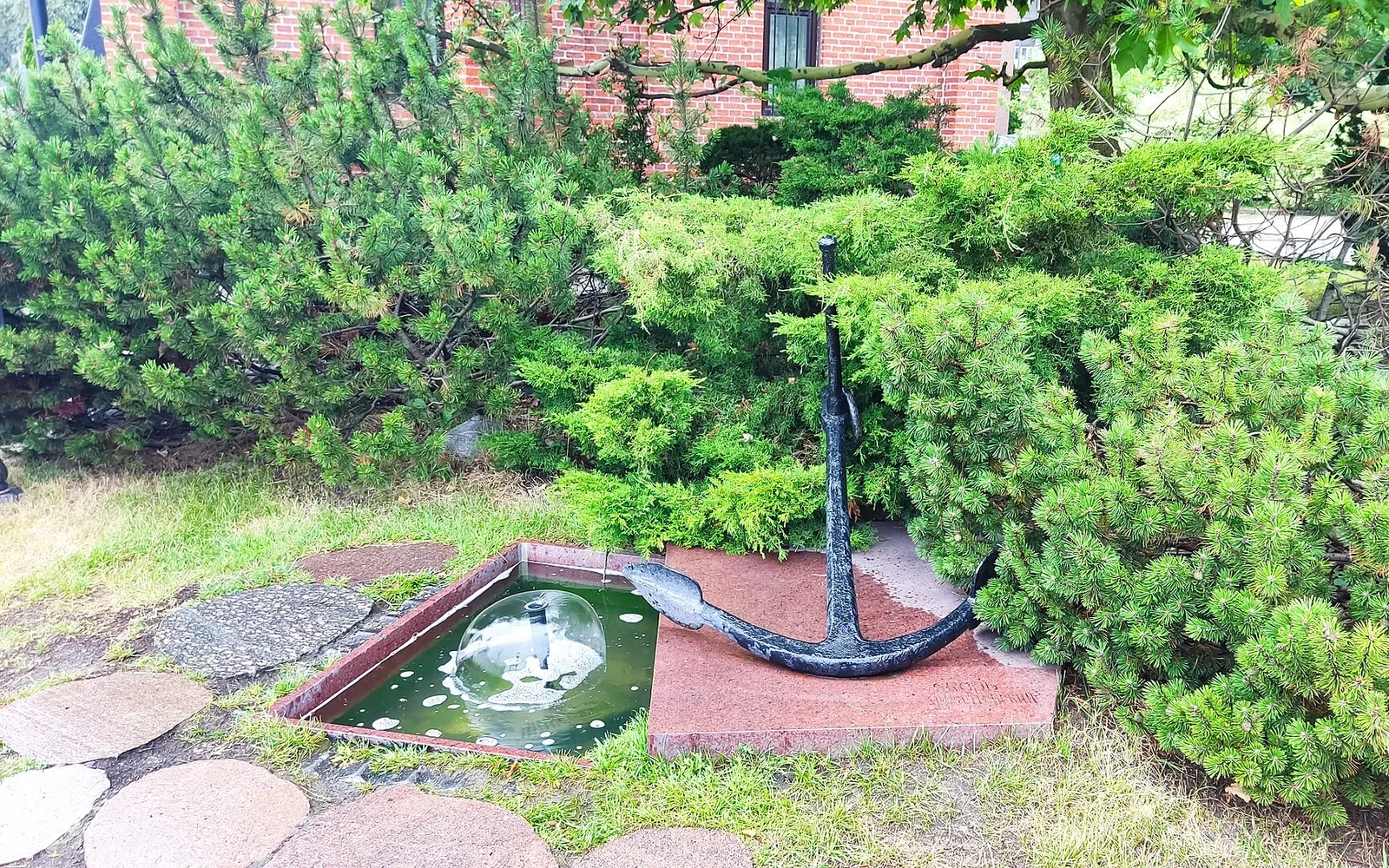
The most impressive maritime science museum in Russia, with exhibits spread across indoor halls and several full-size vessels permanently moored at the quay. The highlight is Soviet submarine B-413 — you walk through the actual hull and feel exactly how cramped life was for submariners during the Cold War. The complex also includes a research ship and a historic destroyer, marine life displays, ocean-floor maps, and an exhibition on Baltic amber.
- Buy the combined ticket that covers all buildings and all vessels — it is significantly better value than buying entries separately. Expect to pay around 600–700 roubles.
- The B-413 access corridor is very narrow; people with claustrophobia or a larger build may find it difficult. Check before committing.
- The museum is large — budget at least 2–3 hours and decide in advance which sections interest you most.
 #6
#6 Königsberg Fortification Gates
Königsberg's Prussian ring of city walls left behind 7 major gates still in good condition, spread across the modern city. Each has the characteristic red-brick Gothic form. Rossgarten Gate is now a well-known bar; Brandenburg Gate operates as a museum; King's Gate (Королевские ворота), built during the reign of Frederick William IV, houses an exhibition on the city's history. Tracking down all the gates on foot or by bike is a genuinely good way to read the shape of the old city.
- Download a map of all 7 gates from the Kaliningrad tourism website before you set out.
- King's Gate opens as a museum and a natural meeting point for walking tours — entry is 200 roubles and signage is available in English.
- Combine this with a visit to the Amber Museum on the same day; they sit in the same part of the city.
Where to stay in Kaliningrad for this trip
A well-located hotel means less commuting and more sightseeing. Here are real, top-rated stays in Kaliningrad — compare Agoda · Booking · Trip.com in one click.
Crystal House Suite Hotel & SPA
Affiliate links — we may earn a commission at no extra cost to you. Details
Radisson Blu Hotel, Kaliningrad
Affiliate links — we may earn a commission at no extra cost to you. Details
Mercure Kaliningrad Center
Affiliate links — we may earn a commission at no extra cost to you. Details
Heliopark Kaiserhof Hotel
Affiliate links — we may earn a commission at no extra cost to you. Details
Tours, tickets & activities in Kaliningrad
Day tours, attraction tickets and travel essentials for Kaliningrad — book ahead on Klook with mobile e-tickets.
Affiliate links — we may earn a commission at no extra cost to you.
Before You Pack
Kaliningrad is at its best in summer (June–August), when the days are long, the Curonian Spit shines blue and gold, and the peninsula is full of energy. Autumn (September–October) brings its own rewards — golden pine forests and a quieter pace. Allow at least 3–4 days to cover both the city and a day trip to the Curonian Spit. Note: always check the latest Russian visa requirements and travel conditions before you book.