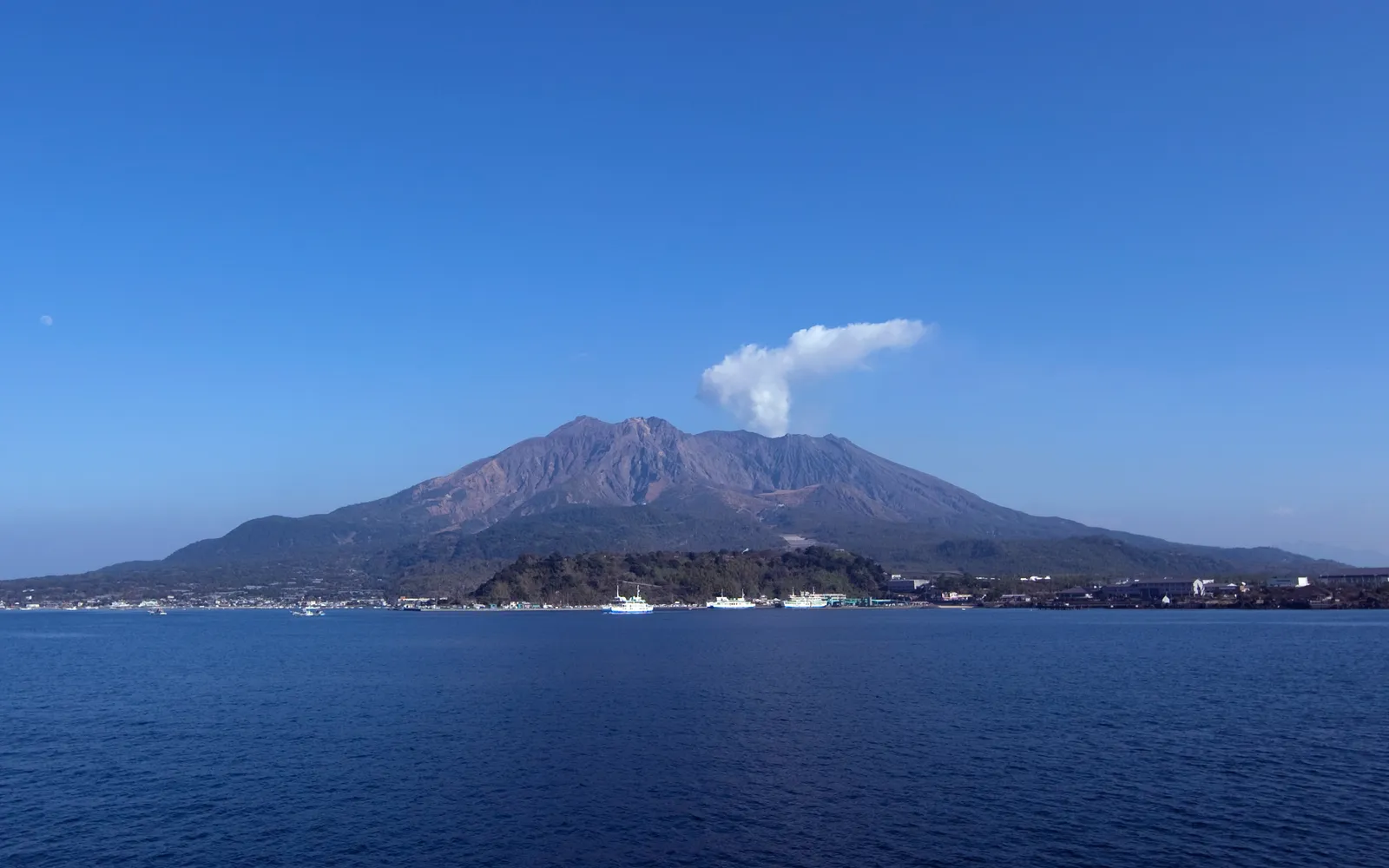
Kagoshima is a port city on the southern tip of Kyushu, nicknamed "the Naples of the East" because Sakurajima sits in the bay the way Vesuvius frames Naples — unmistakable and perpetually restless. The city is steeped in the history of the Shimazu clan and the Satsuma samurai, surrounded by more than 2,700 hot springs, and backed by volcanic scenery that stretches from Yakushima Island to the cone of Kaimondake. Every corner of Kagoshima tells the same story: raw natural power and a warrior's spirit.
 #1
#1 Sakurajima
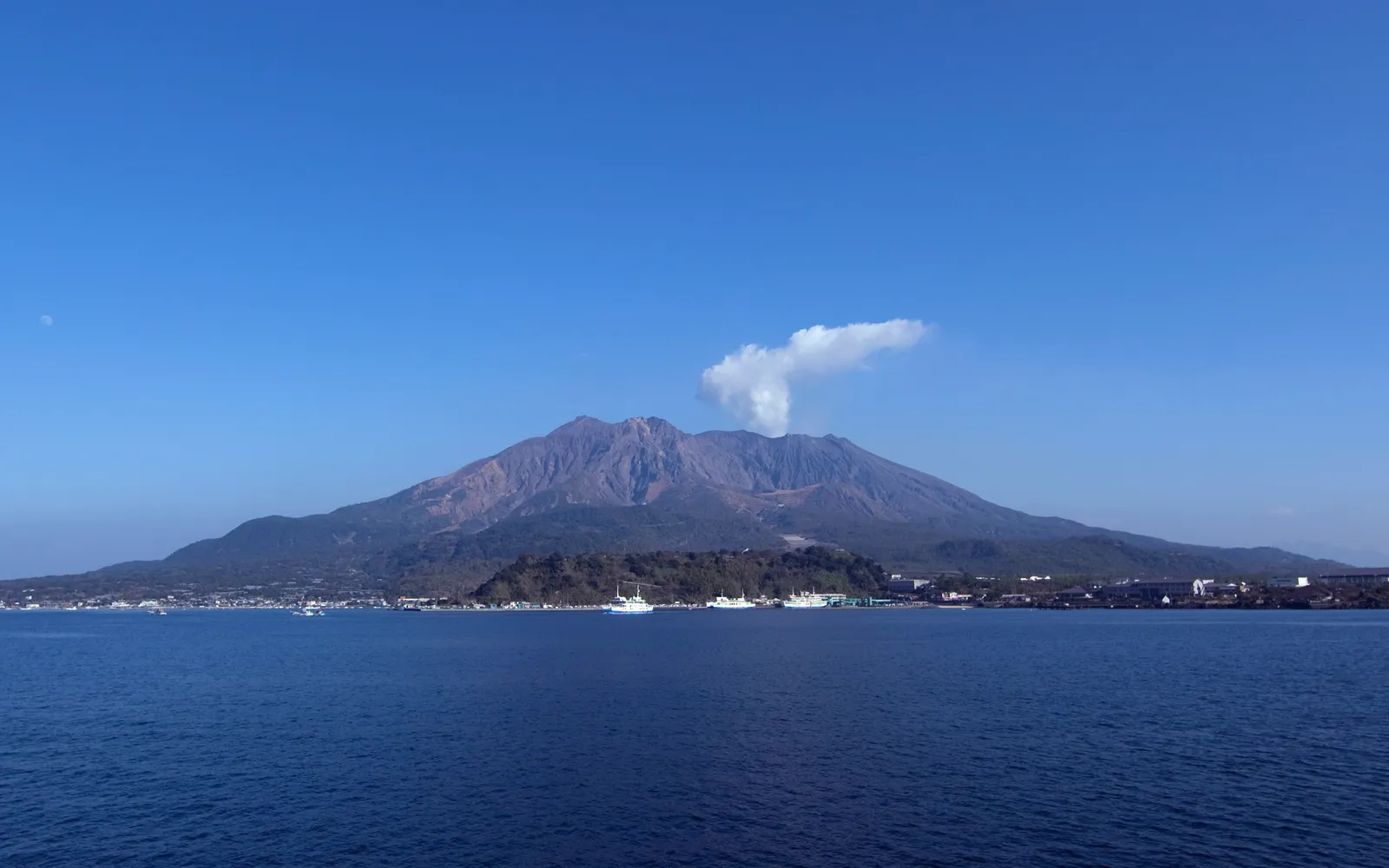
Sakurajima is the soul of Kagoshima — a <strong>1,117-meter active volcano</strong> standing alone in Kinko Bay, erupting an average of more than <strong>200 times a year</strong> and dusting the city with ash. The Yunohira Viewpoint at <strong>373 meters</strong> gives a full 360-degree panorama, while the Nagisa Park footbath at the volcano's base stretches more than <strong>100 meters</strong> along the shoreline — the longest open-air footbath in Japan. The ferry crossing takes just 15 minutes.
- Ferries run every 15–20 minutes, around the clock, for just 200 yen per crossing
- The Sakurajima Island View bus circles the island 15 times a day, stopping at every key point
- Wear a mask on days the wind blows ash toward the city — live eruption status is on the Sakurajima Visitor Center website
 #2
#2 Sengan-en (Iso Garden)
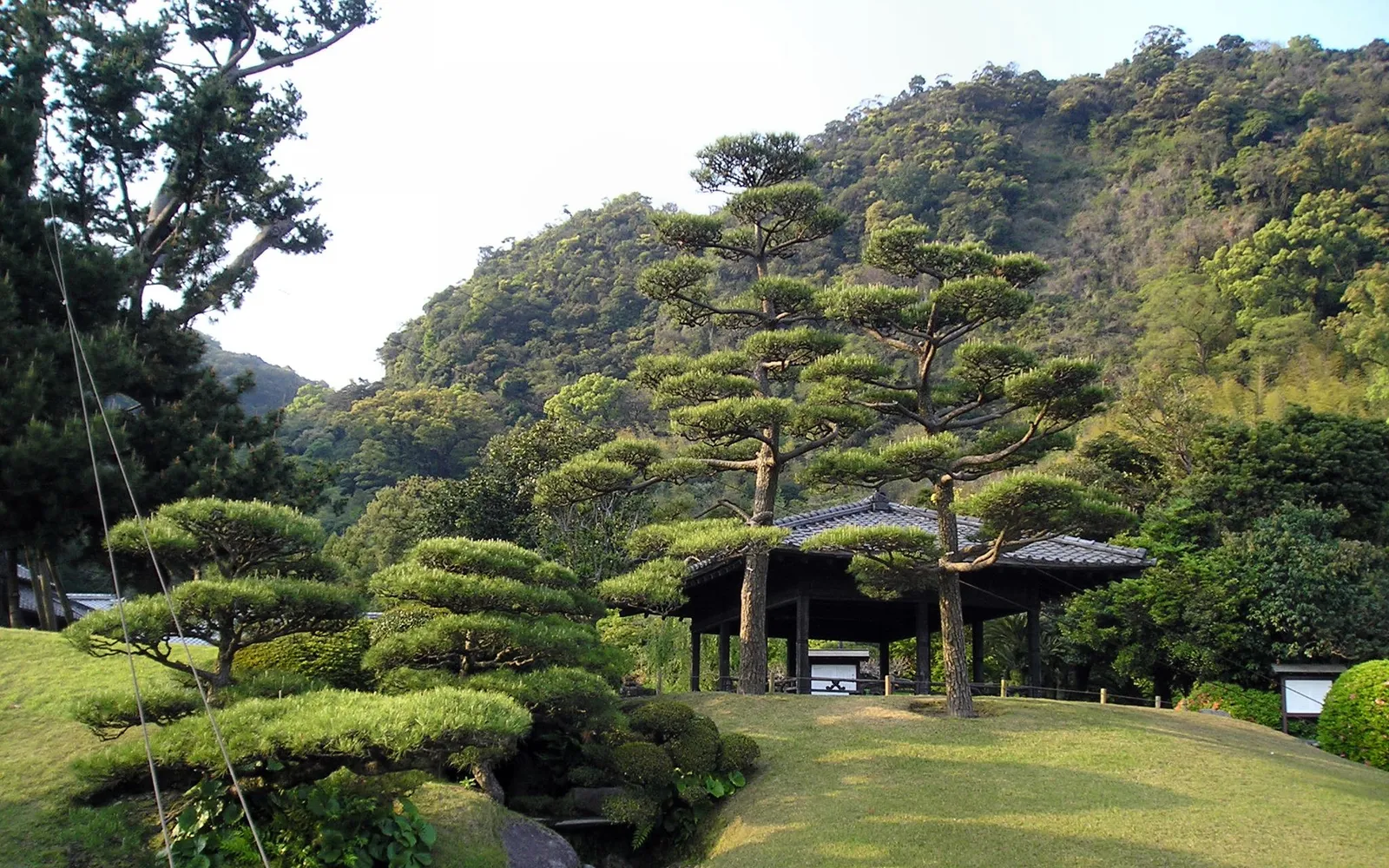
A classic shakkei (borrowed-scenery) Japanese garden built by the Shimazu clan in <strong>1658</strong>, considered one of the most beautiful gardens in the country. The design pulls Sakurajima and Kinko Bay directly into the garden composition — the volcano becomes the garden's mountain, the bay its pond. Within the grounds: the Shimazu family residence, a tea house, and the Shusseikan industrial complex (<strong>UNESCO World Heritage Site, 2015</strong>). Satsuma-yaki pottery workshops and a restaurant sit on the same property.
- Buy the combined ticket for the garden and Shimazu residence — cheaper than purchasing separately
- The on-site restaurant serves lunch using local Kagoshima ingredients; worth scheduling
- Cherry blossom season (March–April) and autumn foliage (November) are the most photogenic times
 #3
#3 Ibusuki Sand Bath (Sunamushi Onsen)
An experience that exists nowhere else on Earth: attendants shovel <strong>50–55°C</strong> naturally heated sand over your body while you lie in a yukata on the beach. The sand is warmed by geothermal springs beneath the shoreline, and the practice has a documented history of more than <strong>300 years</strong>, dating to <strong>1703</strong>. Kagoshima University research confirms the steam absorbed through the sand improves blood circulation more effectively than a standard hot-spring bath. A session of <strong>10–15 minutes</strong> is enough to feel the effect.
- Saraku is the largest and best-regarded sand bath facility, sitting directly on the beach
- Bring your own towel; the service costs around <strong>1,080 yen</strong>, yukata rental included
- Remove all jewelry and watches before entering — fine sand gets everywhere
 #4
#4 Shiroyama Observatory
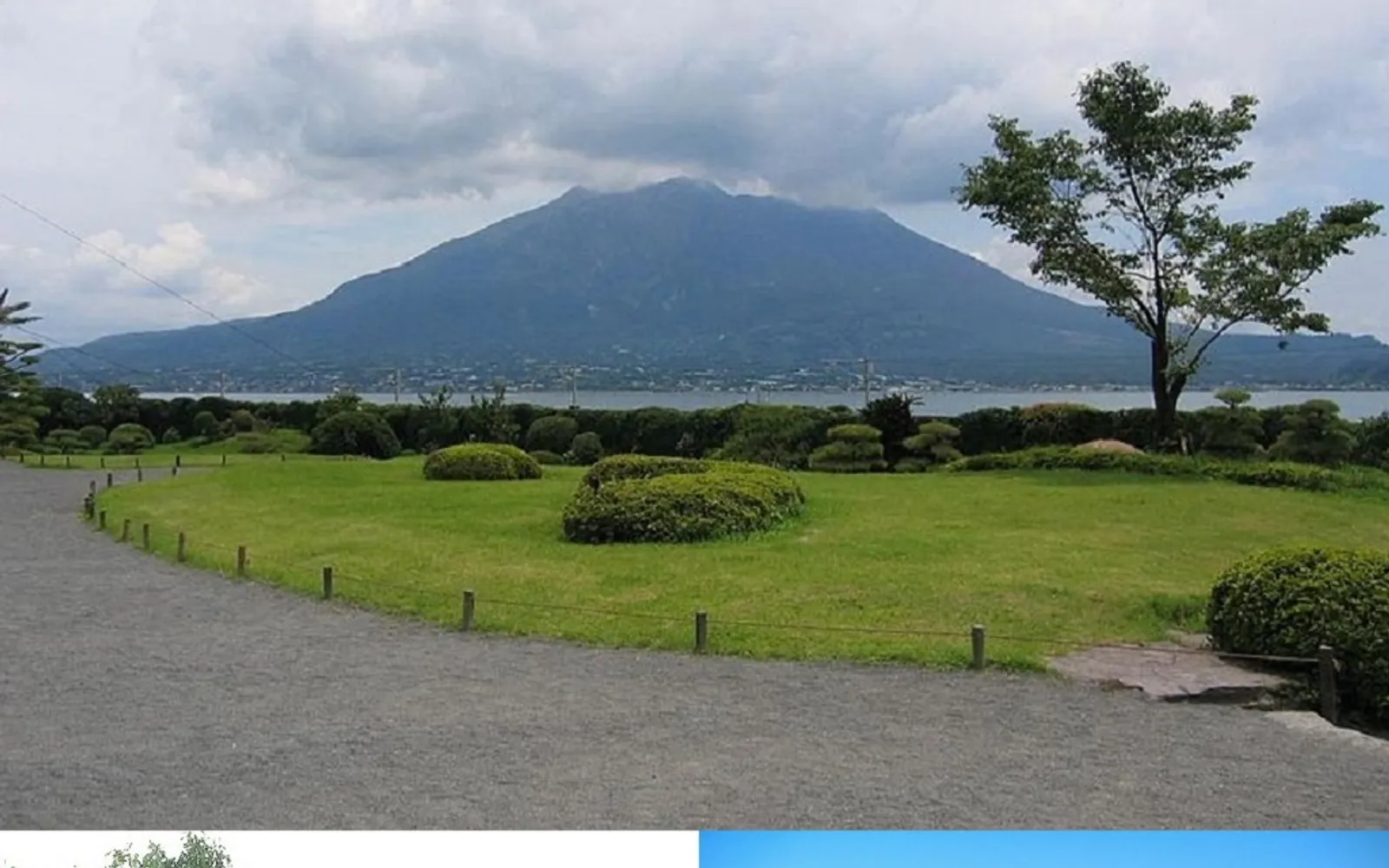
At <strong>107 meters</strong>, Shiroyama hill is the best vantage point in central Kagoshima — Sakurajima, Kinko Bay, and the entire city spread out in a single frame. The hill also carries historical weight: this is where samurai leader <strong>Saigo Takamori</strong>, commander of the Satsuma Rebellion, died in <strong>1877</strong>. The forested slopes shelter around <strong>700 plant species</strong>, and a short woodland trail loops through the shade. Admission is free, open 24 hours.
- Come for sunset — the orange sky against Sakurajima's smoke is one of Kagoshima's signature images
- The City View bus stops here; it is a 5-minute walk up from the bus stop
- After dark the city lights reflect on the bay in a completely different way from the daytime view
 #5
#5 Chiran Samurai District and Peace Museum
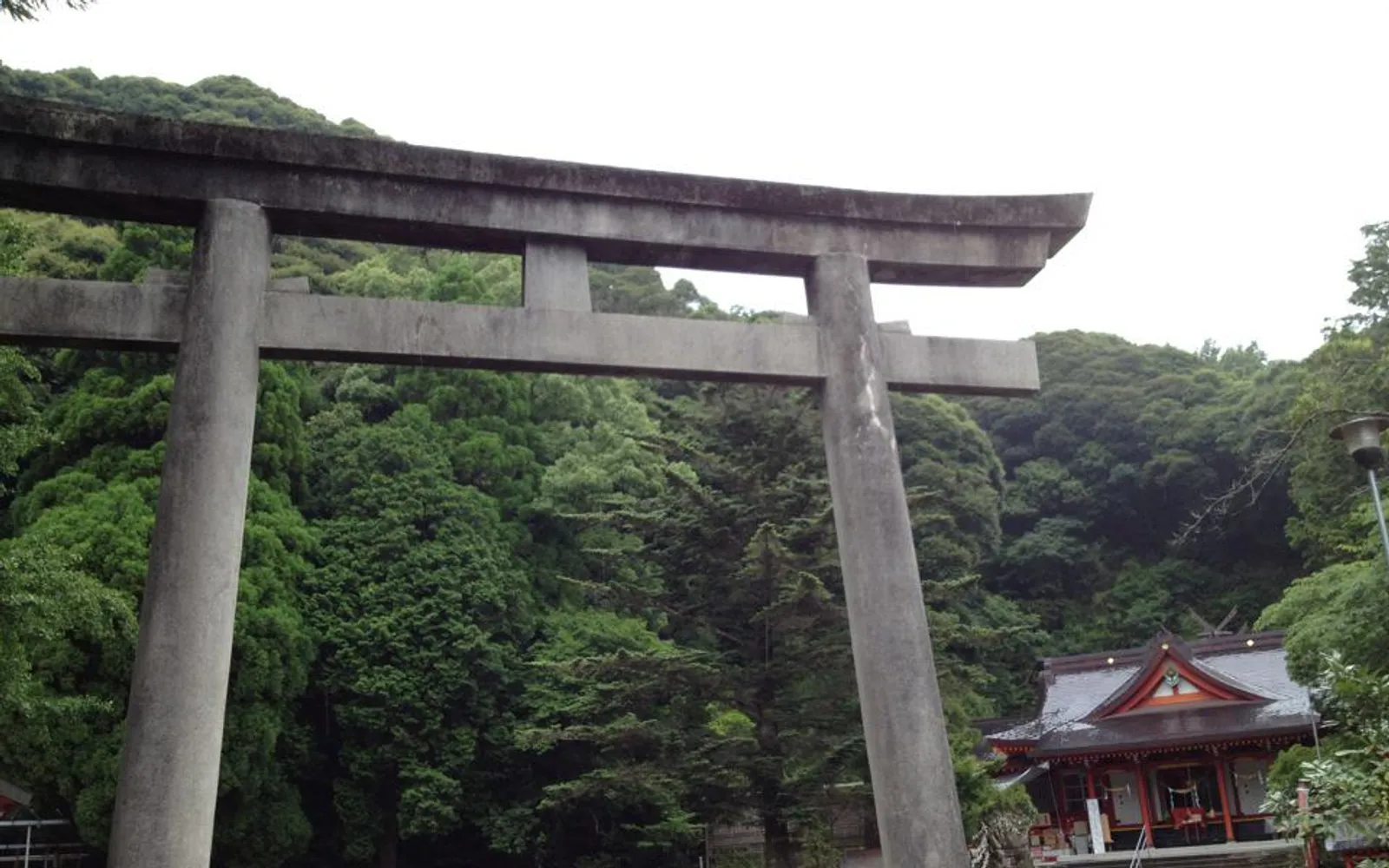
Chiran preserves two distinct faces of samurai life. The <strong>700-meter samurai street</strong> from the Edo period contains seven samurai residences with stone-walled gardens that look like ink paintings. A short drive away, Chiran Peace Museum stands on the site of a wartime airfield and holds more than <strong>4,500 personal items</strong> — farewell letters, photographs, and belongings of the special-attack (kamikaze) pilots — presented as a memorial and a message for peace.
- Both sites fit comfortably into a single day; allow <strong>4–5 hours</strong> total
- The Peace Museum is dense with content — read the captions carefully and give yourself time to absorb it
- White clothing when visiting the museum is not required but is a mark of respect some visitors observe
 #6
#6 Kirishima-jingu Shrine
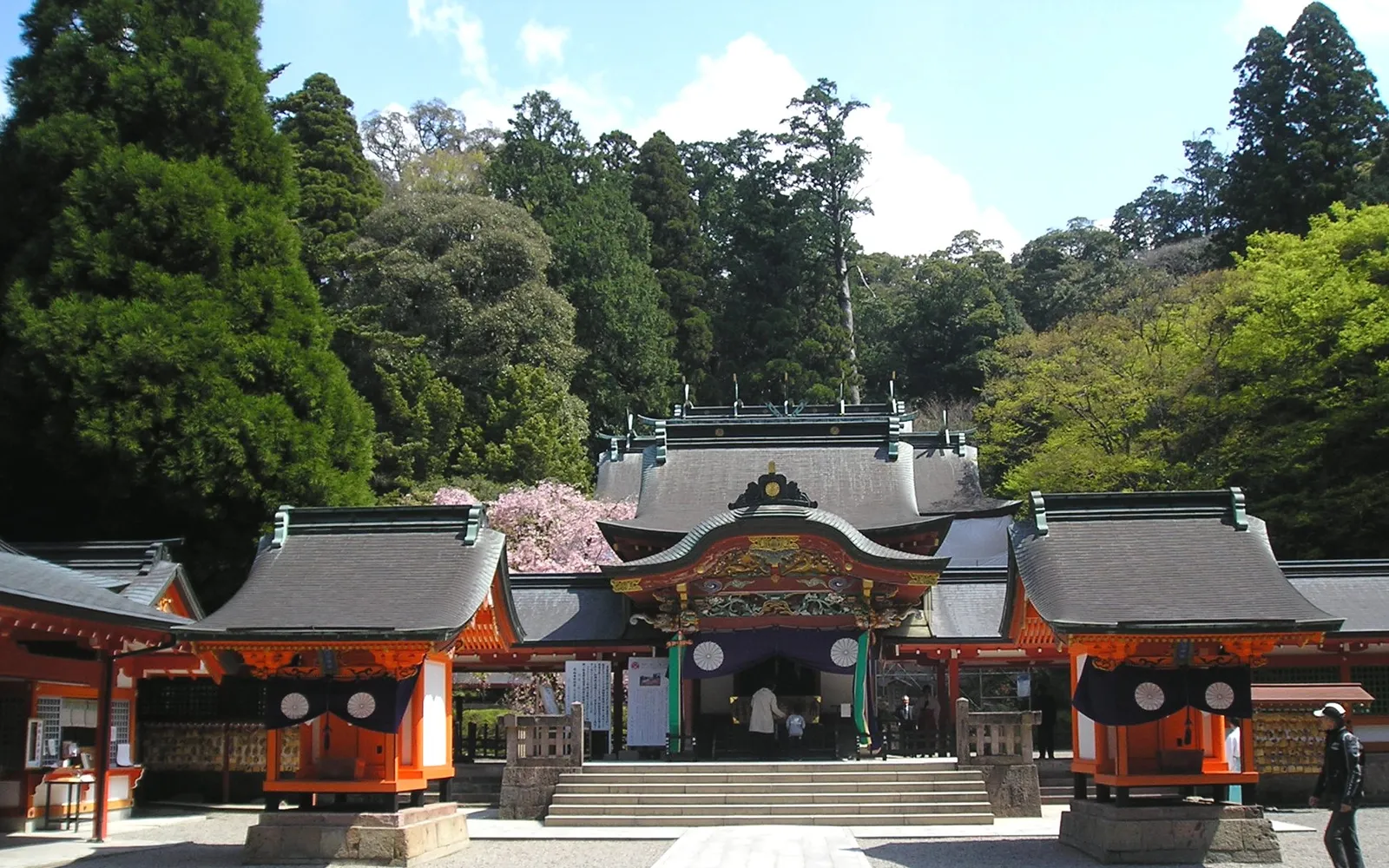
A shrine with more than <strong>1,300 years</strong> of history, dedicated to Ninigi-no-Mikoto — the heavenly deity who, according to Japanese mythology, descended onto the summit of Takachiho on Kyushu. The current structures were built in <strong>1715</strong>; the main hall and worship spaces were designated <strong>National Treasures in 2022</strong>. The shrine is encircled by cryptomeria forest and connected to more than <strong>12 Kirishima hot-spring facilities</strong> where you can soak in mountain onsen surrounded by old-growth trees.
- The shrine grounds are open all day with no admission fee; only the museum inside charges entry
- Extend the trip with an overnight stay at one of the Kirishima onsen resorts nearby
- Premium shochu from Kirishima makes an excellent local gift to bring home
 #7
#7 Yakushima Island
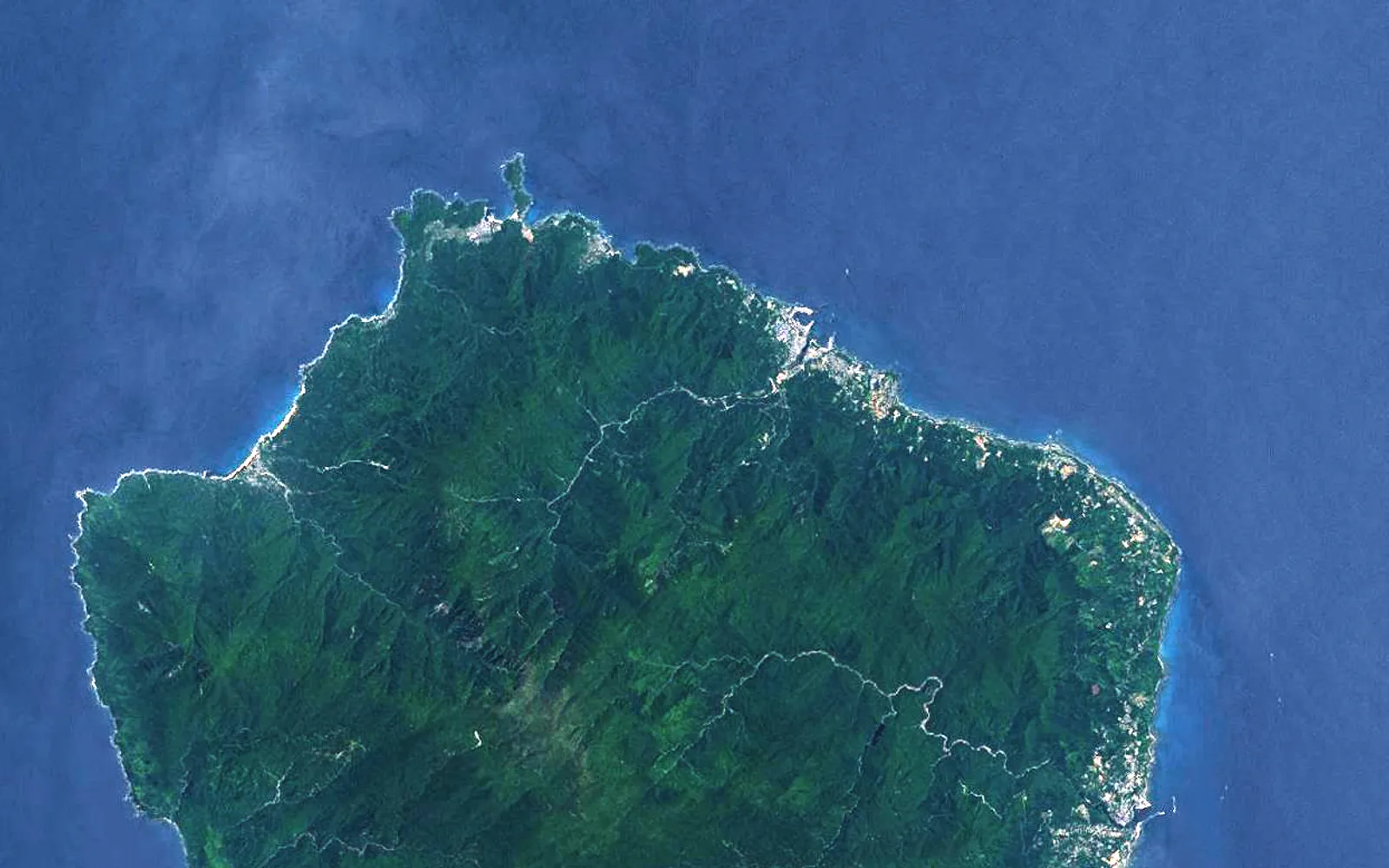
Yakushima was Japan's <strong>first UNESCO Natural World Heritage Site (1993)</strong> and the landscape that inspired Studio Ghibli's <em>Princess Mononoke</em>. The roughly circular island rises to <strong>8 peaks above 1,800 meters</strong>, covered by yakusugi cedar forest. The largest tree, Jomon Sugi, is estimated to be between <strong>2,170 and 7,200 years old</strong> — the oldest cedar on Earth. The island's ecosystem supports both subtropical and subarctic plants simultaneously, creating a biodiversity that has no parallel in Japan.
- The hike to Jomon Sugi takes roughly <strong>10 hours</strong> round-trip; you need to start by 4:30 a.m.
- Stay at least one night on the island to experience the rainforest after dark
- Heavy rain season runs May–August; trails become slippery — waterproof hiking boots are non-negotiable
 #8
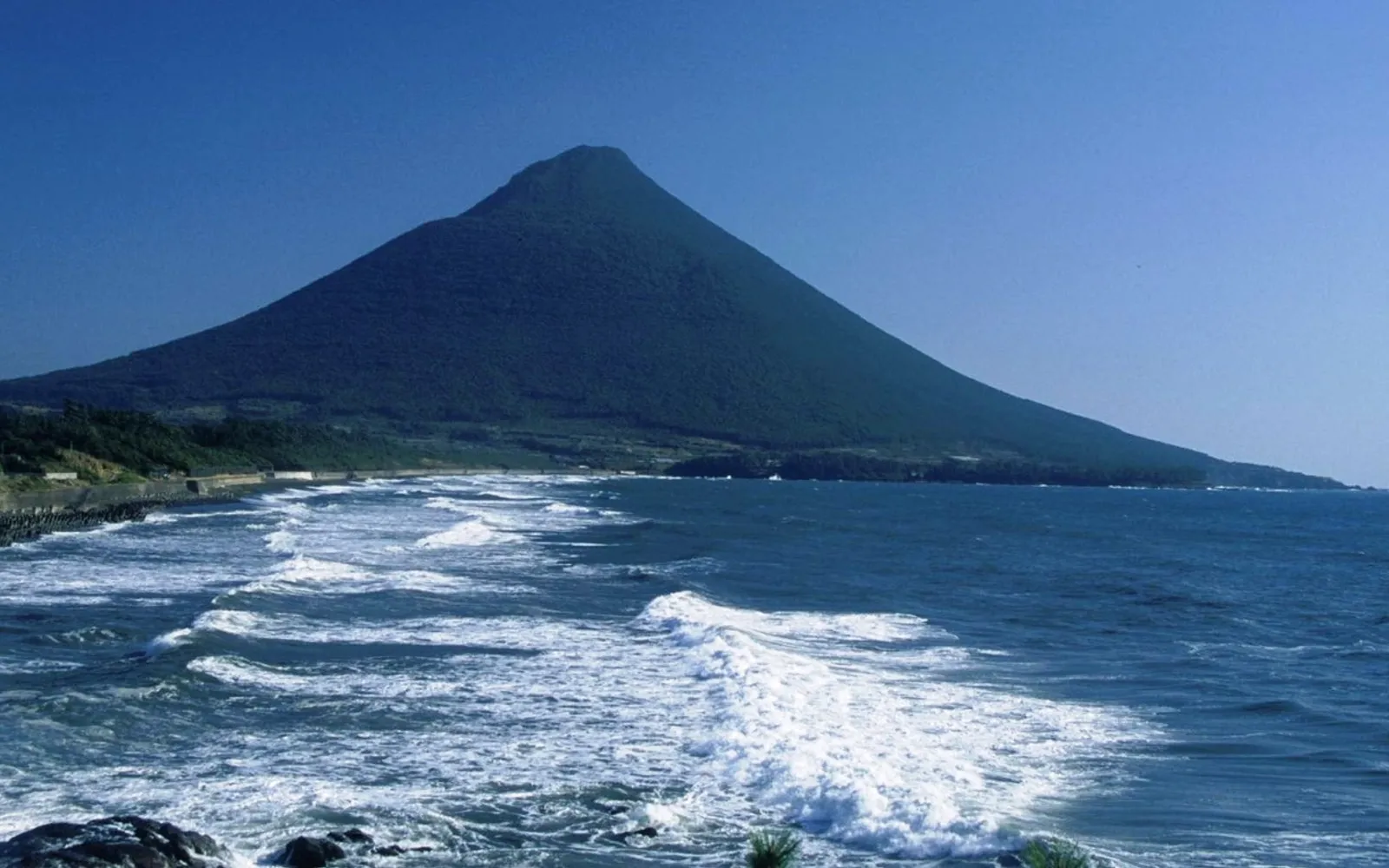
#8 Mount Kaimon (Kaimondake)
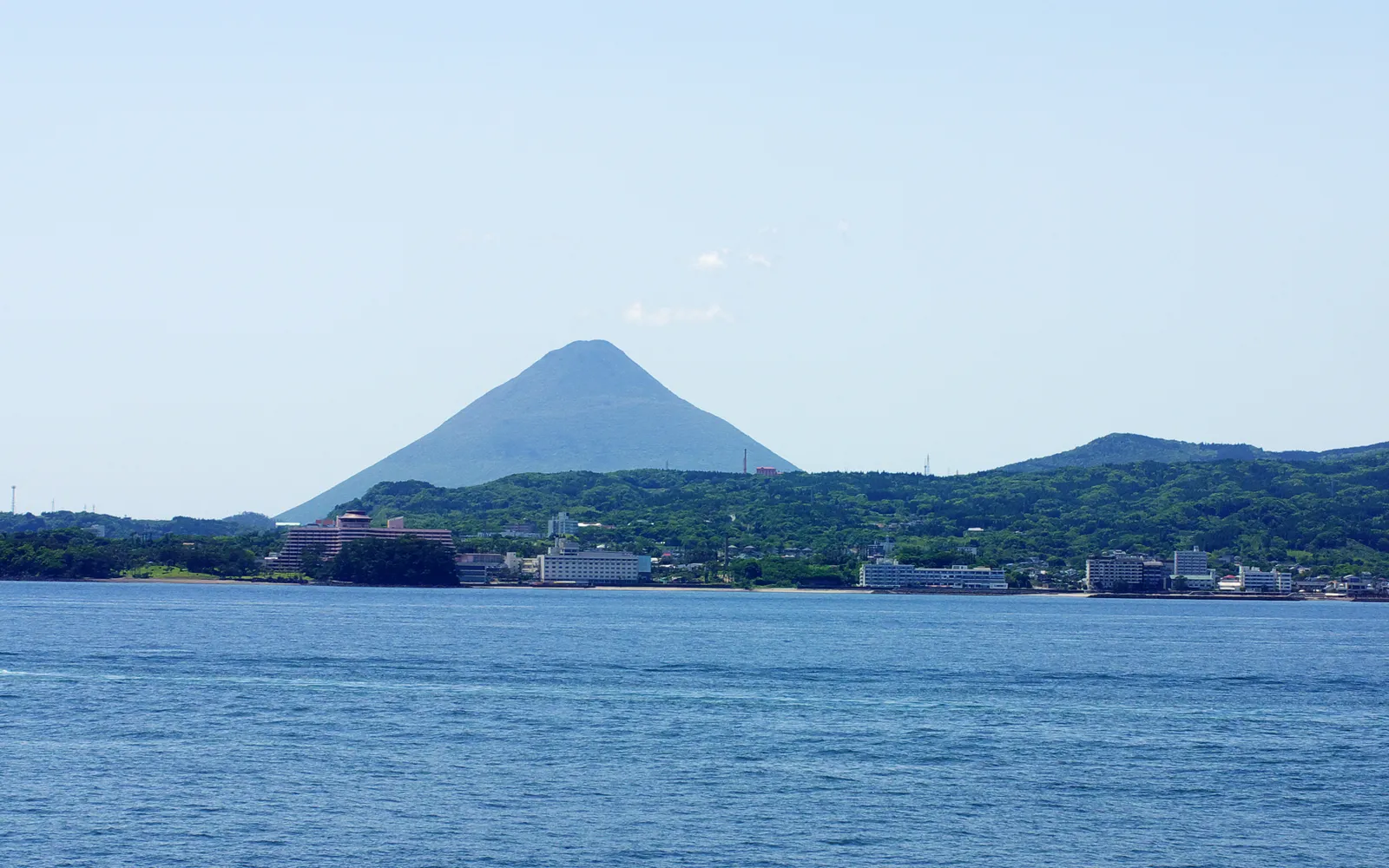
A <strong>924-meter</strong> stratovolcano with a perfectly symmetrical cone that earned it the nickname "the Satsuma Fuji." Its last eruption was in <strong>885 AD</strong>; today the mountain is quiet and counted among Japan's <strong>100 Famous Mountains</strong>. The trail spirals around the peak and takes about <strong>3 hours</strong> to complete. Because Kaimondake sits at the very tip of the peninsula, on a clear day you can see ocean in every direction — plus both Yakushima Island and Sakurajima from the summit.
- Start early to avoid the heat on the exposed, shadeless upper trail
- Wear rubber-soled hiking boots — some sections of the rocky path turn slippery when wet
- On clear days the summit view takes in Yakushima Island and Sakurajima simultaneously
Where to stay in Kagoshima for this trip
A well-located hotel means less commuting and more sightseeing. Here are real, top-rated stays in Kagoshima — compare Agoda · Booking · Trip.com in one click.
Shiroyama Hotel Kagoshima
Affiliate links — we may earn a commission at no extra cost to you. Details
Ibusuki Hakusuikan
Affiliate links — we may earn a commission at no extra cost to you. Details
Ibusuki Shusuien
Affiliate links — we may earn a commission at no extra cost to you. Details
Green Guest House Kagoshima
Affiliate links — we may earn a commission at no extra cost to you. Details
Tours, tickets & activities in Kagoshima
Day tours, attraction tickets and travel essentials for Kagoshima — book ahead on Klook with mobile e-tickets.
Affiliate links — we may earn a commission at no extra cost to you.
Before You Pack
Kagoshima pairs raw volcanic power with one of Japan's deepest samurai histories — a combination that no other city in the country quite replicates. Whether you're watching Sakurajima smoke from the ferry deck or lying buried in geothermally heated sand, the experiences here are genuinely singular.