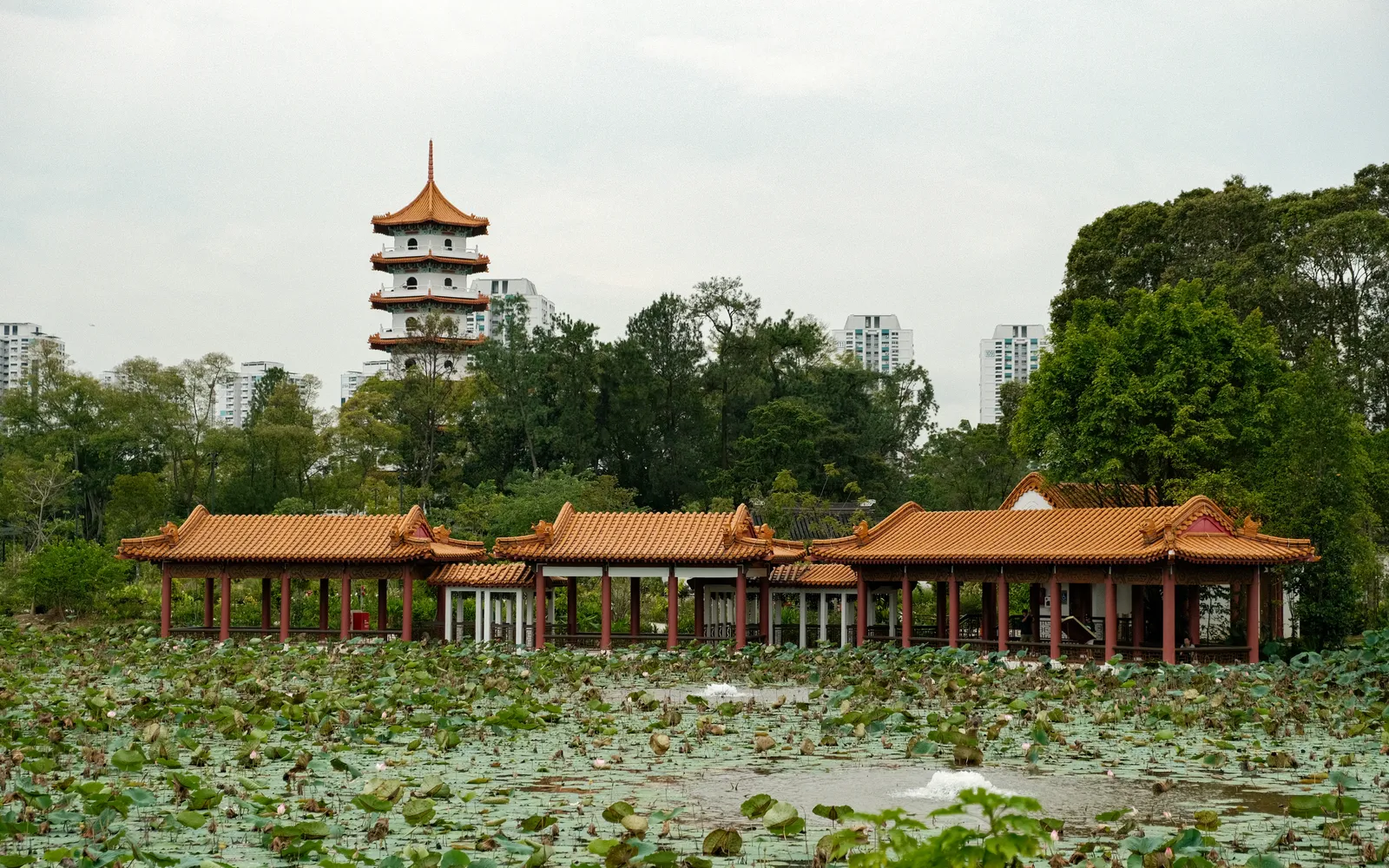
Singaporeans will tell you the best hawker food is always inside an HDB estate — meaning you have to leave the tourist trail. Jurong is one of those places. Boon Lay Place Food Village has been open 24 hours since 1976, serving what locals insist is the finest nasi lemak on the island, while Yuhua Village Food Centre holds a Michelin Bib Gourmand for its laksa. This is the part of Singapore where you eat like a resident, not a visitor.
 #1
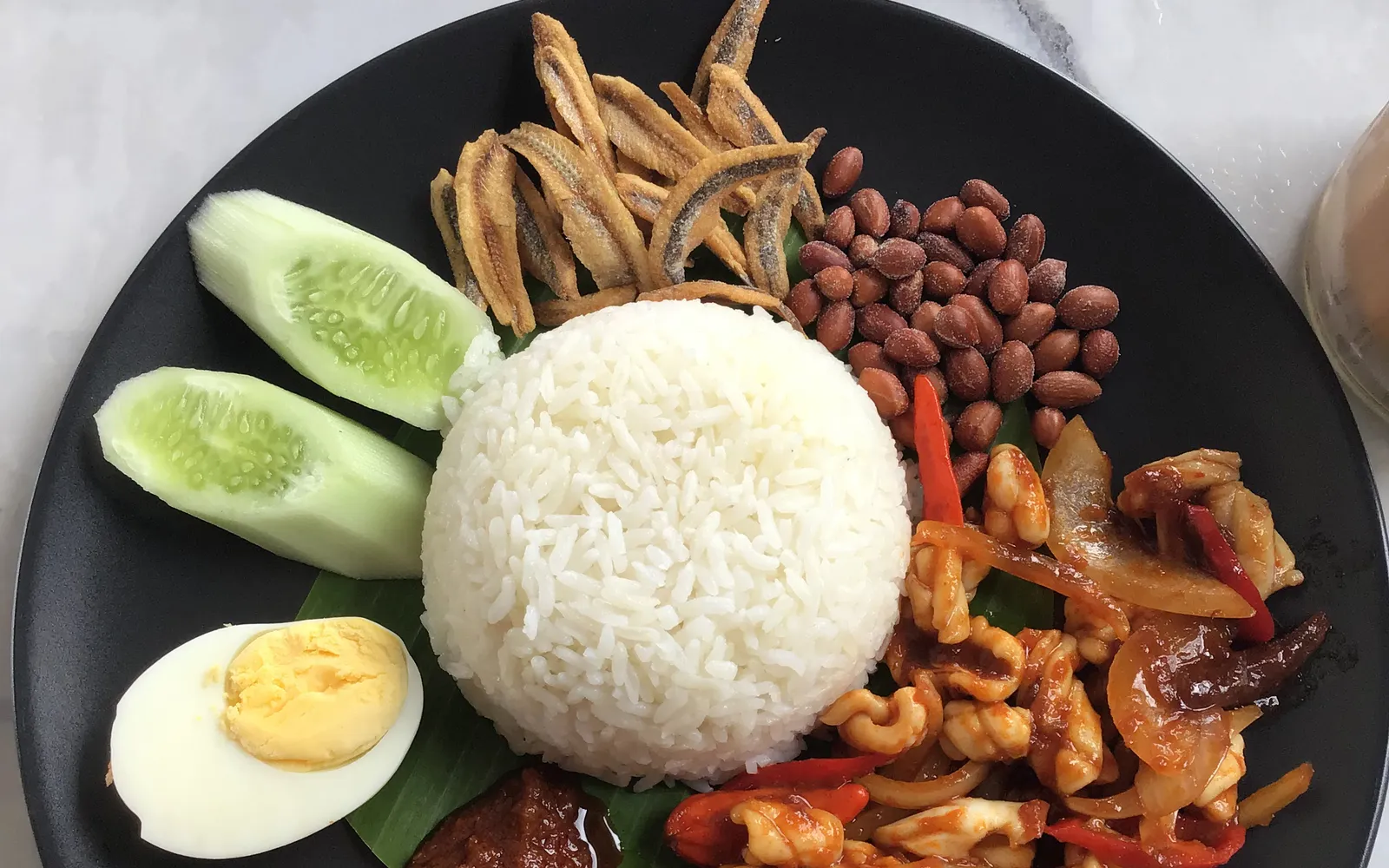
#1 Nasi Lemak
Singapore's most-loved breakfast dish — rice cooked in coconut milk and pandan leaves until soft and fragrant, served alongside spiced sambal, crispy anchovies (ikan bilis), peanuts, cucumber slices, and a fried or hard-boiled egg. At Boon Lay Place Food Village, <strong>Boon Lay Power Nasi Lemak</strong> draws a queue that never seems to shorten; some days it sells out before 9 a.m. It's a dish that cuts cleanly across Malay, Chinese, and Indian food traditions — everyone eats it.
- Boon Lay Power Nasi Lemak opens at 5.30 a.m. — arrive before 8 a.m. to be sure you get a plate.
- Add sambal fried chicken or fried squid to turn it into a proper meal.
- Prices start at SGD 2–4 depending on toppings.
 #2
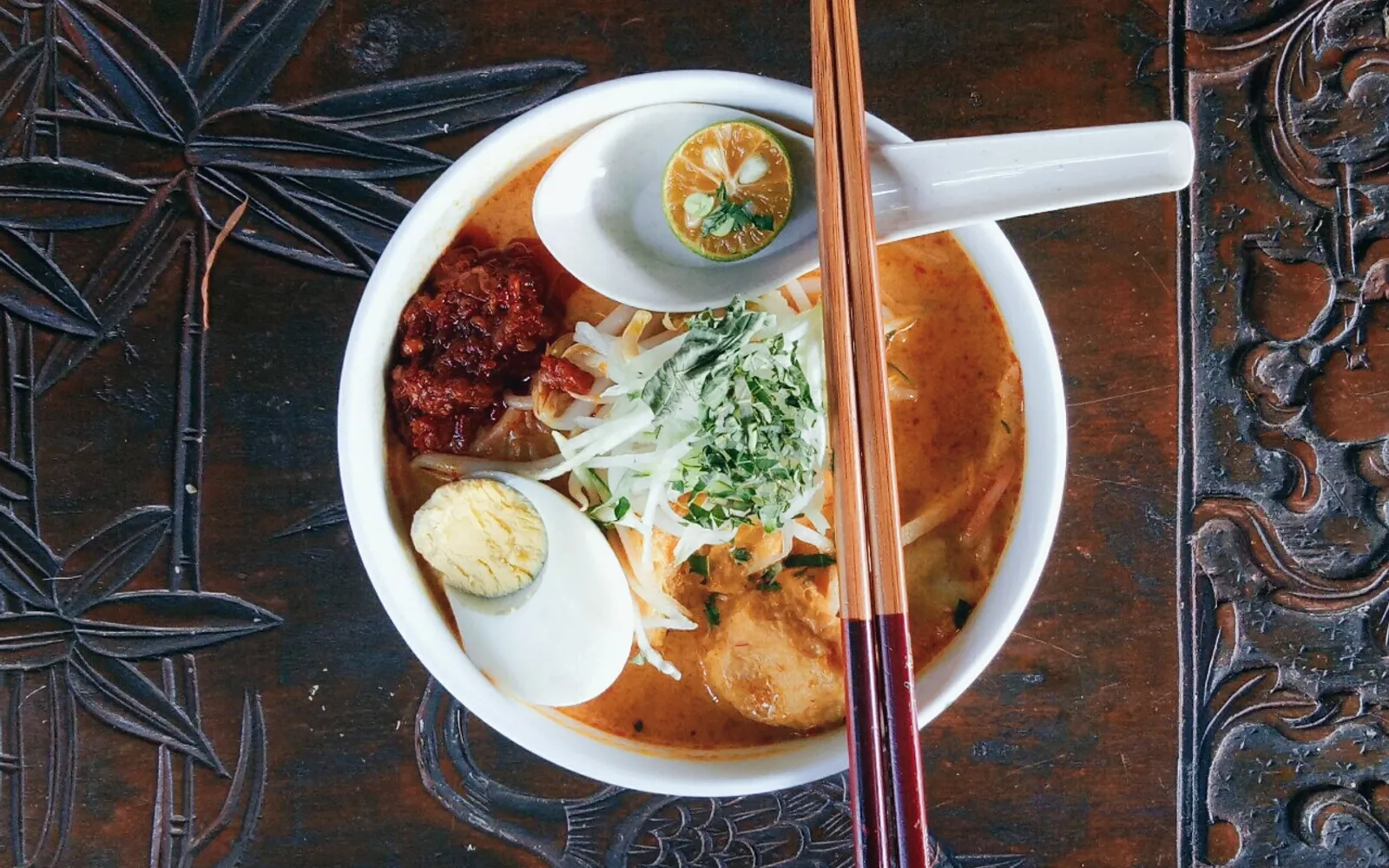
#2 Laksa
Rice vermicelli in a spiced coconut broth — the broth itself is the whole point, built from shrimp paste, coconut milk, lemongrass, and chillies, then topped with fresh prawns, fish cakes, fried tofu puffs, and raw cockles. At Yuhua Village Food Centre, <strong>Heng Heng</strong> earned a Michelin Bib Gourmand for a traditional-style laksa with a lighter, deeper broth than the richer versions you'll find elsewhere. That style is getting harder to find.
- Heng Heng at Yuhua Village opens early and typically sells out before noon.
- Ask for extra gravy — it's good for dipping a piece of crusty bread.
- A bowl costs SGD 4–5, which is exceptional value for a Michelin-recognised dish.
 #3
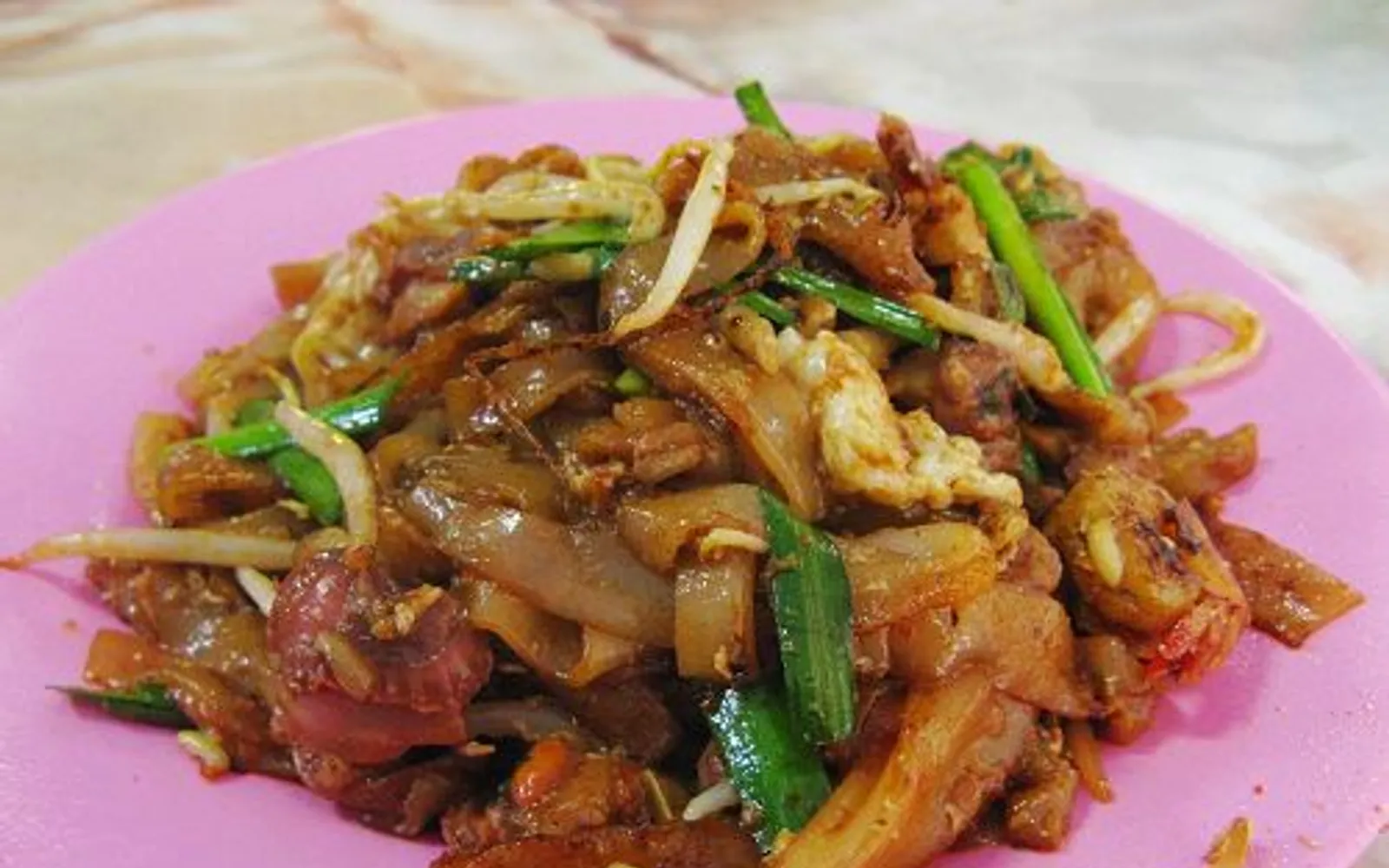
#3 Char Kway Teow
Flat rice noodles stir-fried in a scorching cast-iron wok until they pick up that unmistakable wok hei smokiness. Seasoned with dark soy sauce and mixed with fresh prawns, cockles, Chinese sausage, bean sprouts, and egg — Singapore's version blends yellow egg noodles with flat rice noodles, then finishes with a touch of sweet caramel soy. The secret to the best versions is a charcoal fire, which produces a wok hei that a gas burner simply cannot replicate.
- Look for stalls still using a charcoal fire — the smokiness is noticeably more pronounced than gas-cooked versions.
- Order it dry to see the colour of the noodles and get the fullest char aroma.
- Tell the cook your preferred spice level and whether you want extra cockles.
 #4
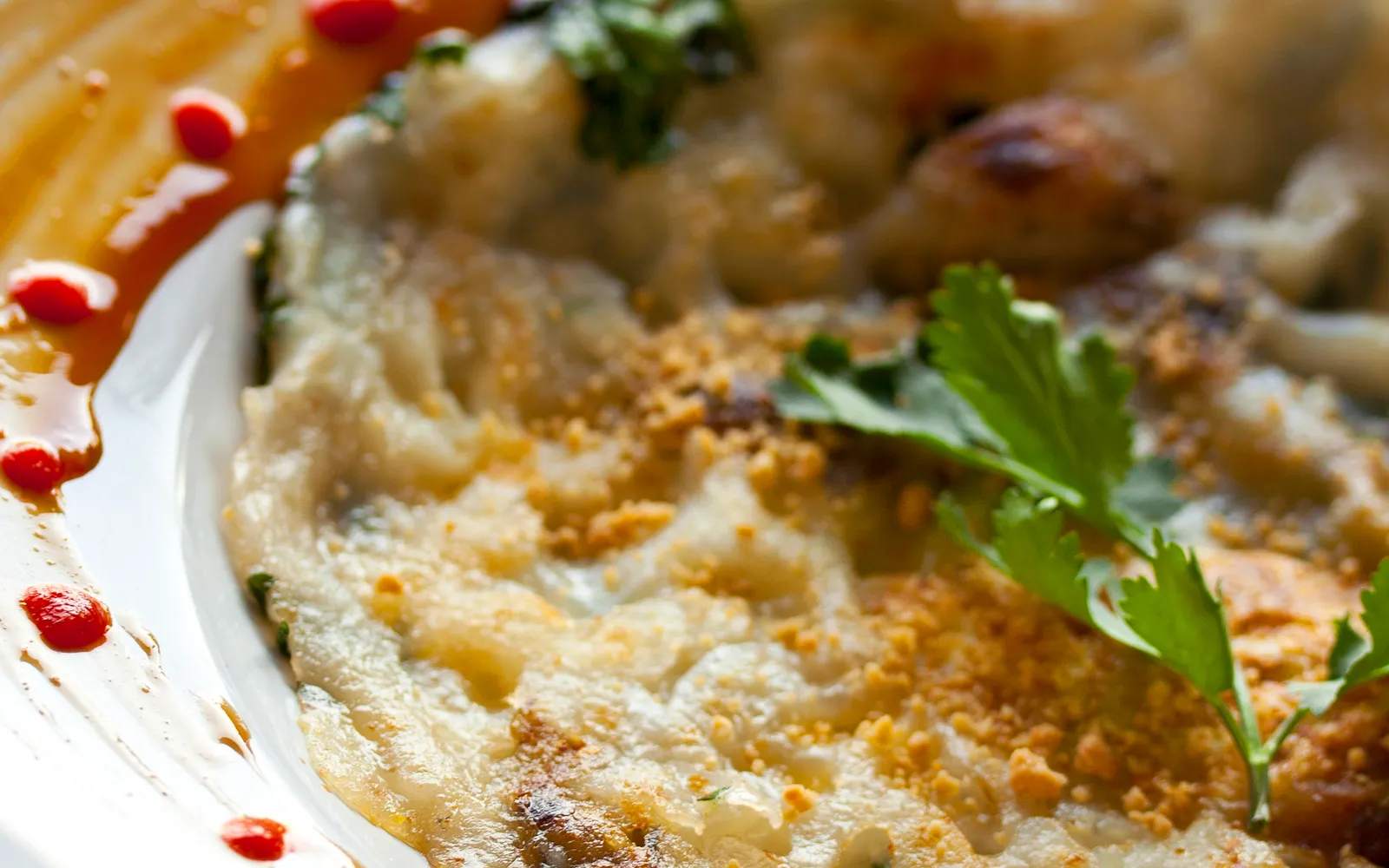
#4 Oyster Omelette
Egg mixed with tapioca starch and fresh oysters, fried in a very hot wok until the edges turn crisp and the centre stays soft. Served with a sweet-sour chilli sauce. The dish traces its roots to southern China during times of food scarcity; it has since become one of the most beloved hawker dishes in Singapore. <strong>Ghee Huat</strong> at Boon Lay Place is known for an omelette that gets the crispness right and uses notably fresh oysters.
- Oyster quality makes or breaks this dish — ask for extra oysters if you want more.
- The chilli sauce served alongside is usually a house recipe; taste it before piling it on.
- Eat it immediately — the crispness fades quickly once it sits.
 #5
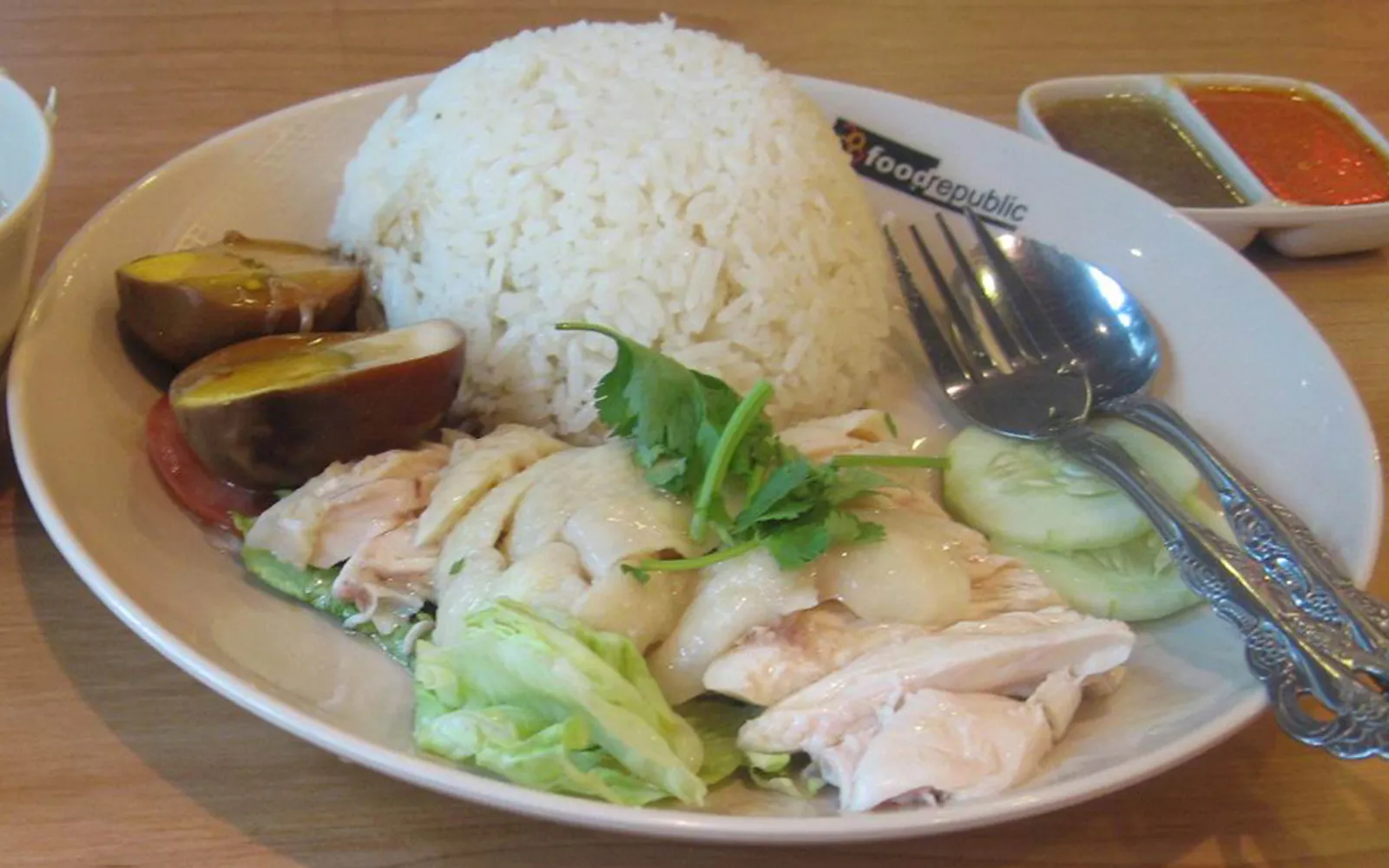
#5 Hainanese Chicken Rice
Singapore's de facto national dish — one you could eat every day without tiring of it. Chicken is gently poached in a ginger-and-garlic stock until the meat is silky and just cooked through. The rice is fried first in chicken fat with garlic and ginger before being steamed, which gives it a fragrance the plain-water version can't match. It comes with three sauces: Singapore chilli sauce, pickled ginger, and sweet dark soy. A bowl of clear chicken broth rounds out the plate. Prices run SGD 4–6 across Jurong.
- Choose between poached chicken (silky, moist) and roasted chicken (golden skin, slightly firmer) — ordering half-and-half is a smart move.
- Use all three sauces together rather than picking one.
- If you're hungry, order extra rice — most stalls add it free or for a few cents.
 #6
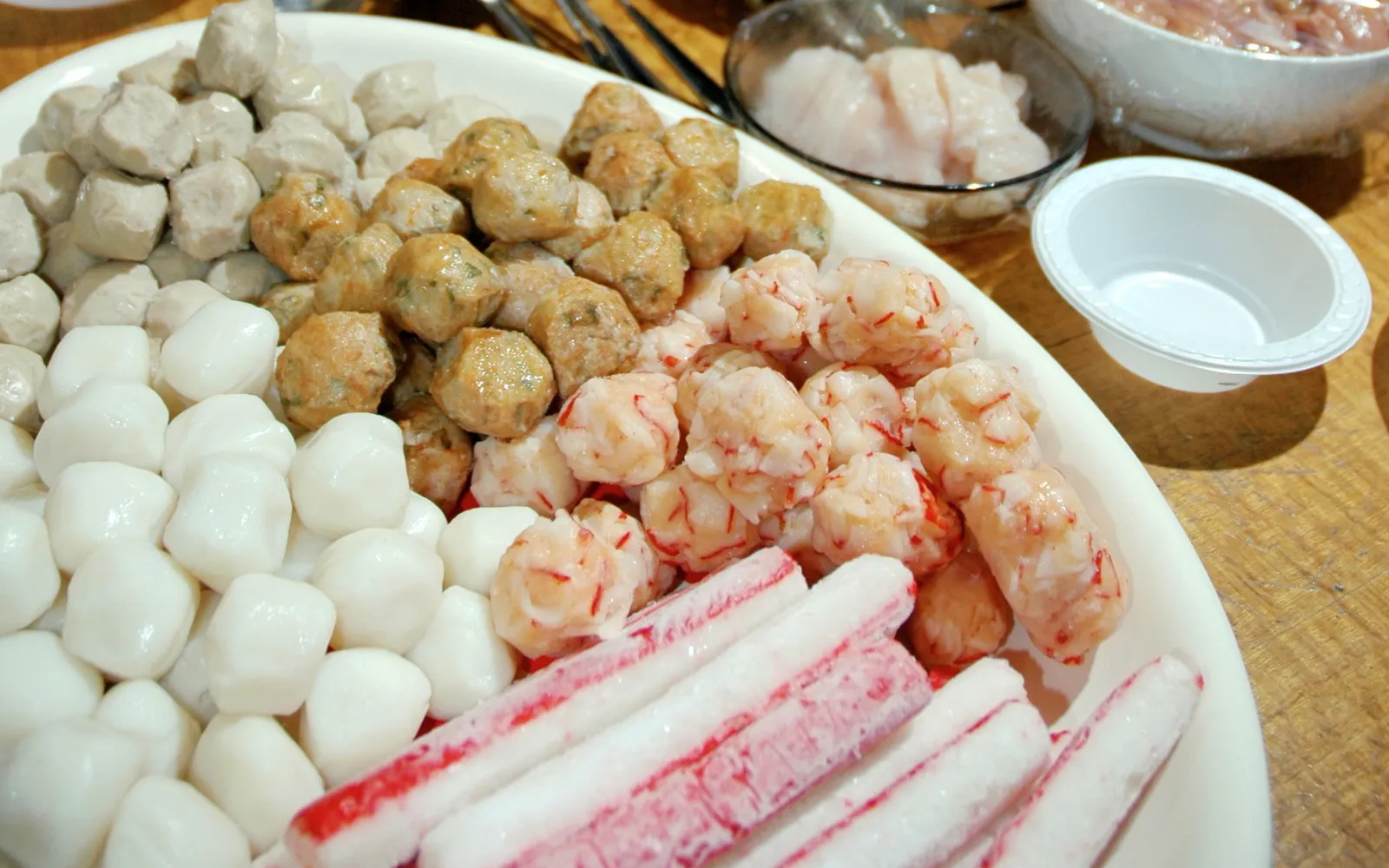
#6 Fishball Noodles
Rice vermicelli or yellow noodles tossed in chilli oil and served with springy fishballs, fish dumplings, and water spinach. A cheap, filling breakfast-to-lunch staple that Singaporeans have grown up eating. The dry version mixes in chilli sauce and a splash of vinegar for a sharp, spicy kick; the soup version arrives in a clear pork-bone broth that's been simmering for hours. Several long-running stalls in Jurong have been passing their recipes down for multiple generations.
- Order it dry to taste the chilli sauce worked through the noodles — most first-timers prefer it over the soup.
- Good fishballs should have a firm bounce when pressed; soft ones have too much flour filler.
- A bowl costs SGD 4–5 — one of the better-value quick meals at the hawker.
Where to stay in Jurong for this trip
A well-located hotel means less commuting and more sightseeing. Here are real, top-rated stays in Jurong — compare Agoda · Booking · Trip.com in one click.
lyf one-north Singapore
Affiliate links — we may earn a commission at no extra cost to you. Details
Oasia Residence Singapore by Far East Hospitality
Affiliate links — we may earn a commission at no extra cost to you. Details
Coliwoo Hotel Pasir Panjang - CoLiving
Affiliate links — we may earn a commission at no extra cost to you. Details
Citadines Connect Rochester Singapore
Affiliate links — we may earn a commission at no extra cost to you. Details
Tours, tickets & activities in Jurong
Day tours, attraction tickets and travel essentials for Jurong — book ahead on Klook with mobile e-tickets.
Affiliate links — we may earn a commission at no extra cost to you.
Before You Pack
Food prices in Jurong run roughly half what you'd pay in tourist-facing areas — a full hawker meal lands between SGD 4 and 8. That's good value anywhere, and here it comes with the experience of eating exactly the way Singaporeans actually eat.