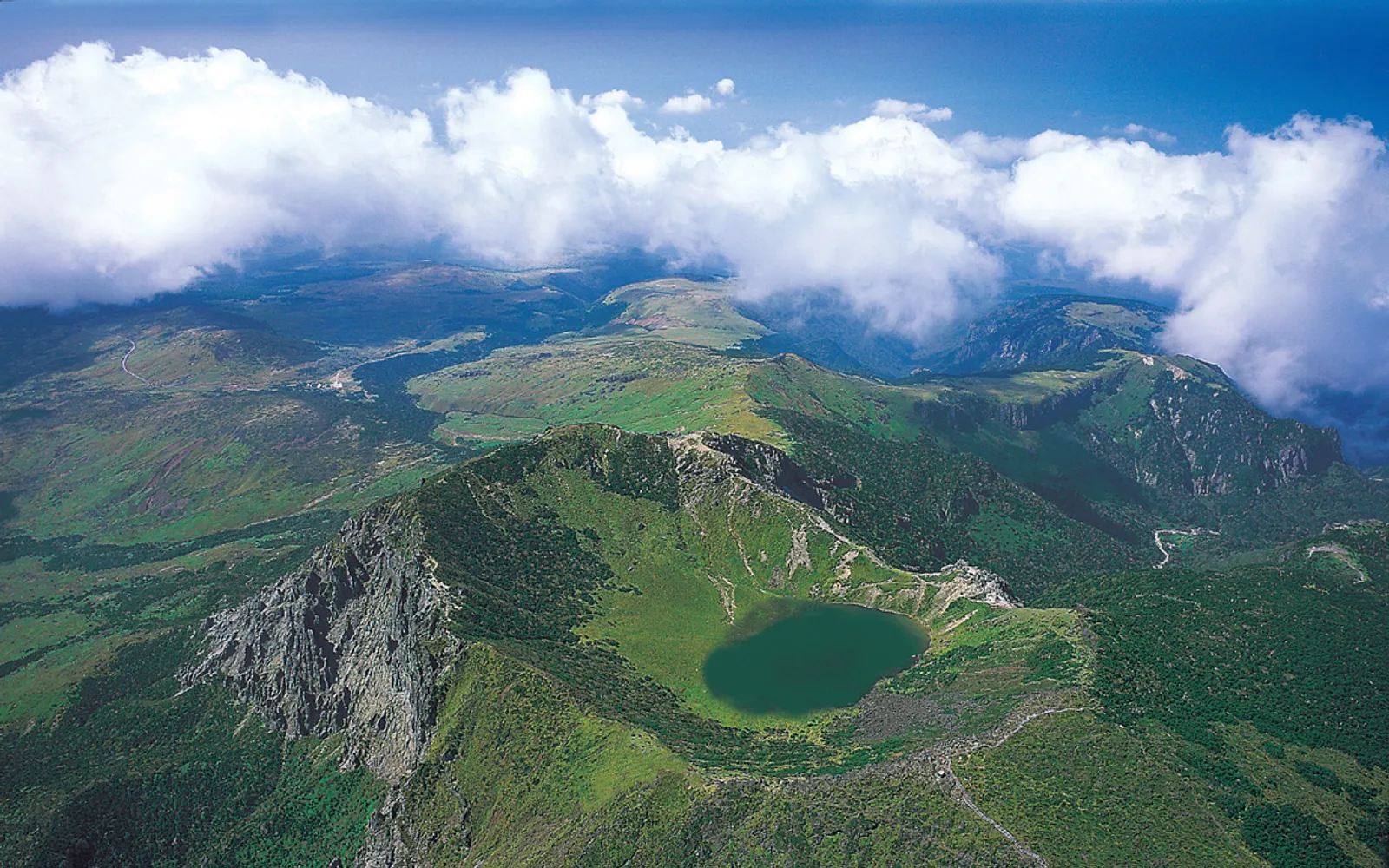
Jeju's food reflects two worlds — the sea and the volcano. The island's original settlers farmed millet on lava-stone soil and depended on the haenyeo, women free-divers who descended to the ocean floor without breathing equipment to bring back shellfish and seafood for their families. UNESCO inscribed haenyeo culture as an Intangible Cultural Heritage in 2016, which means the fresh seafood you eat on Jeju is not just a meal — it's a living tradition. The island's signature dishes taste better here than anywhere else in Korea, because the ingredients simply don't travel.
 #1
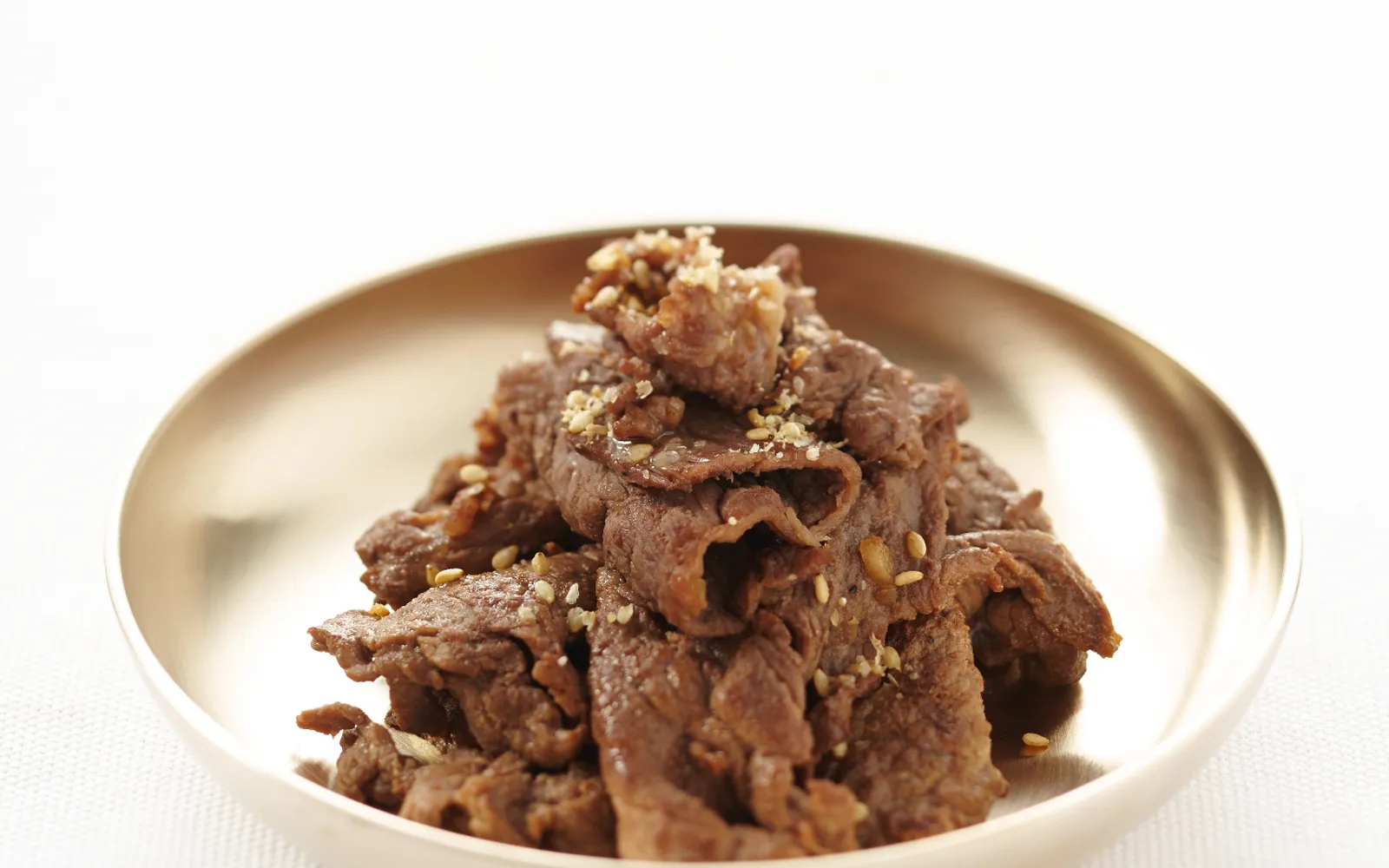
#1 Jeju Black Pork (Heuk-dwaeji Bulgogi)
The indigenous black-haired pig breed of Jeju carries rich, well-marbled fat and a noticeably deeper, more tender flavour than standard Korean pork. It's typically served as thick-cut slices grilled over charcoal, eaten with kimchi, leaf-wrapped vegetables, and doenjang dipping sauce. Jeju people consider this the island's number-one dish, and there are travelers who fly to Jeju specifically for it.
- Black Pork Street in Jeju City (near Dongmun Market) is packed with restaurants open late into the night
- Order Samgyeopsal (pork belly) or Moksal (pork neck) — both are stars of this dish
- Expect to pay around 20,000–30,000 won per person including side dishes
 #2
#2 Galchi Jorim (Braised Hairtail Fish)
Galchi (hairtail or beltfish) is a long, silver-fleshed fish shaped like a sword and the most popular fish among Jeju locals. Galchi Jorim braises it in Korean chili paste (gochujang) with radish and onion — spicy-sweet and intensely flavoured, served over hot steamed rice. The flesh is thick and tender. The key difference from mainland Korean galchi is freshness: Jeju's catch is landed the same morning.
- Also order Galchi Gui (salt-grilled hairtail) if you prefer a simpler, more concentrated flavour
- Seogwipo Maeil Olle Market has several Galchi Jorim stalls at local prices
- Around 12,000–18,000 won per serving
 #3
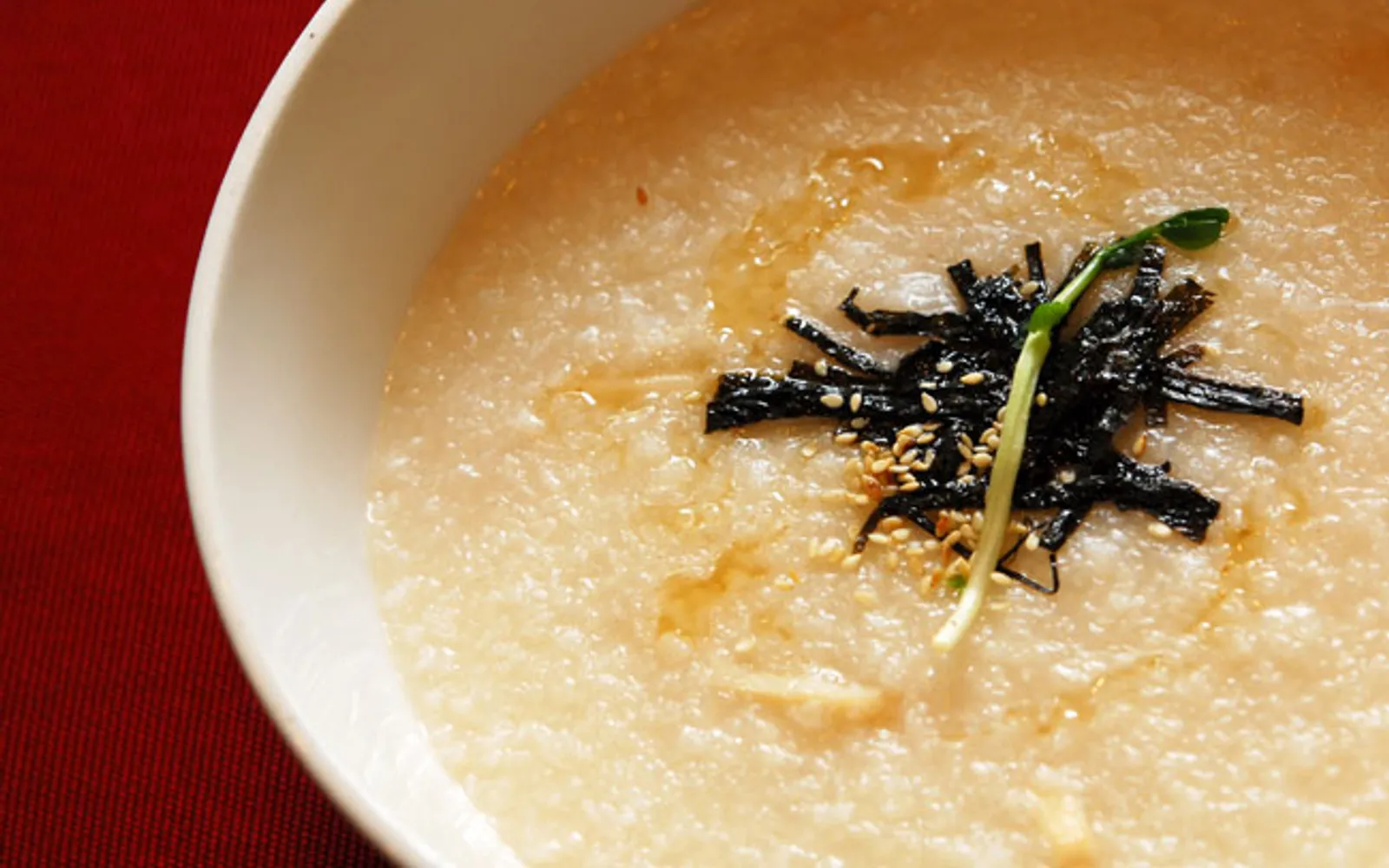
#3 Jeonbokjuk (Abalone Rice Porridge)
Rice slow-cooked with abalone and toasted sesame oil, the porridge turns a distinctive grey-green from the abalone's liver used in the seasoning. The flavour is subtle and clean — not heavily salted — and Koreans prize it as a restorative dish. Historically it was presented to the royal court. Jeju abalone is considered the finest in Korea because the haenyeo harvest it from clear coastal waters.
- Look for the sign '전복죽' or 'Jeonbok-juk' outside restaurants; prices start at 15,000–25,000 won
- Good as a light breakfast or recovery meal after a long day of walking — easy to digest
- Some restaurants also serve Abalone Sashimi (raw abalone) and Abalone Bibimbap
 #4
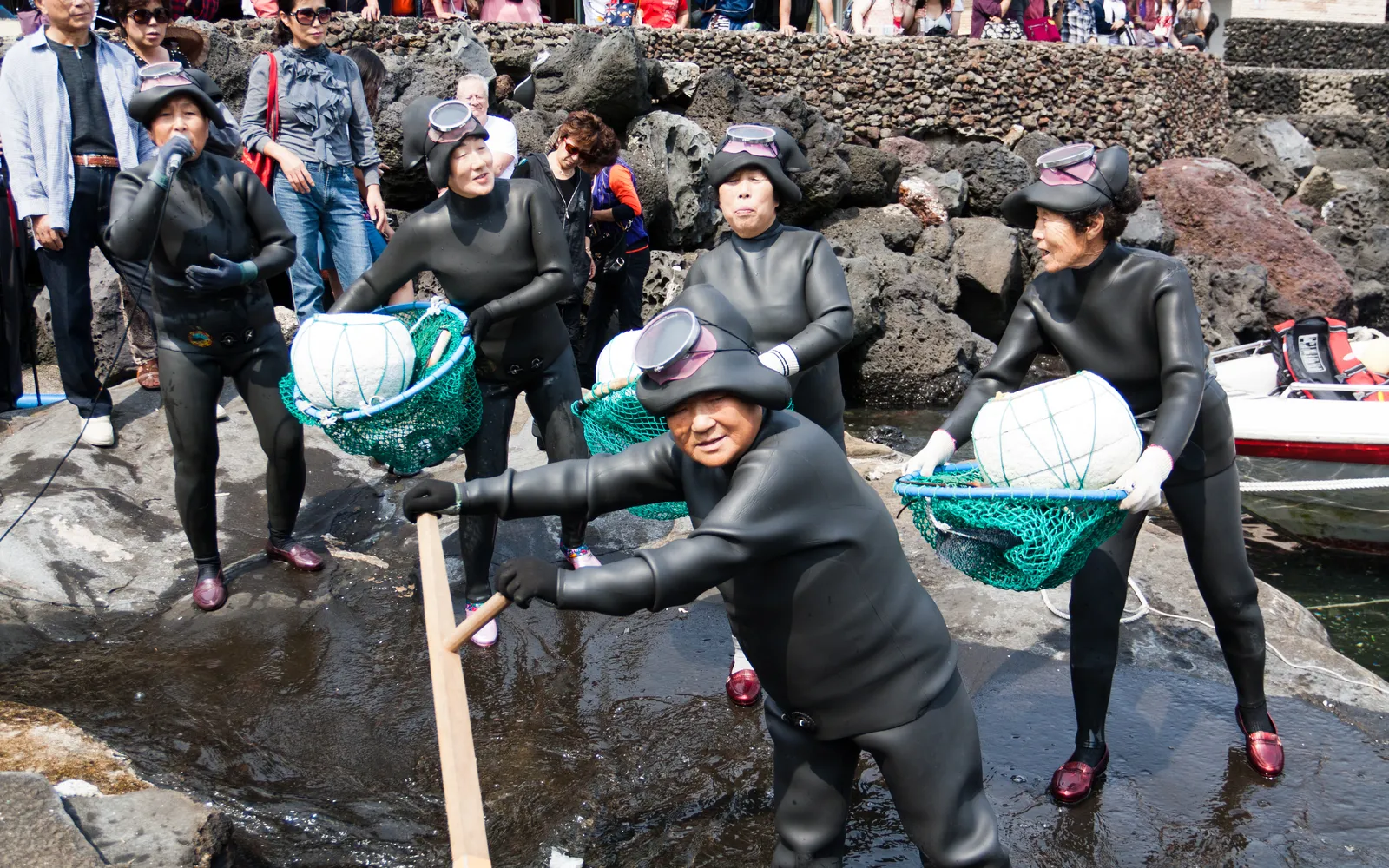
#4 Haenyeo Seafood (Raw Seafood Platter)
The haenyeo are Jeju's legendary women free-divers, descending without breathing apparatus to harvest abalone, sea urchin, squid, and other shellfish from the ocean floor. UNESCO inscribed this tradition in 2016. Several haenyeo villages have restaurants that serve raw seafood directly from the divers' catch — the freshest and most complete seafood experience in Korea.
- Ask for a 'Haenyeo Market' or 'Haenyeo Village Restaurant' in each area
- Try Seongge (fresh sea urchin) with seaweed — a gently sweet flavour that is distinctly Jeju
- Pricier than regular restaurants because of freshness — worth it; expect 30,000–50,000 won per person
 #5
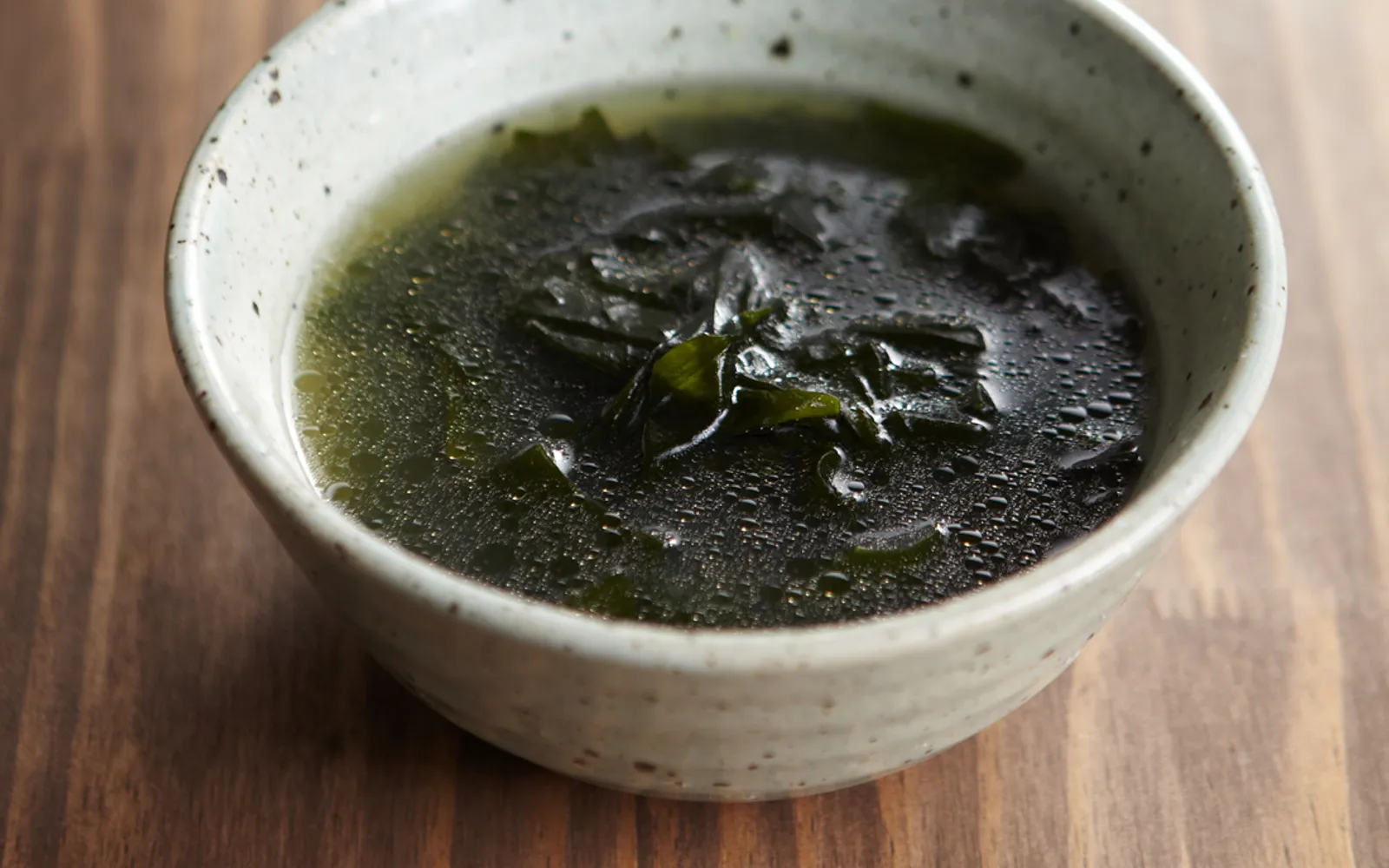
#5 Seongge Miyeokguk (Sea Urchin Seaweed Soup)
The signature soup of Jeju Island. Locals have a saying: 'The warmth of Jeju is sea urchin soup' — historically it was reserved for honored guests. Jeju's sea urchin (seongge) has a clean, lightly sweet flavour because it lives in the island's clear coastal water. Combined with nutrient-rich miyeok seaweed, the broth is gentle and rounded, completely unlike other seafood soups.
- Jeju locals also call sea urchin 'gusal', so you may see the menu listed as 'Gusalguk' in traditional restaurants
- Good on a tiring day — Koreans regard it as a highly restorative dish
- Around 12,000–20,000 won depending on the amount of sea urchin
 #6
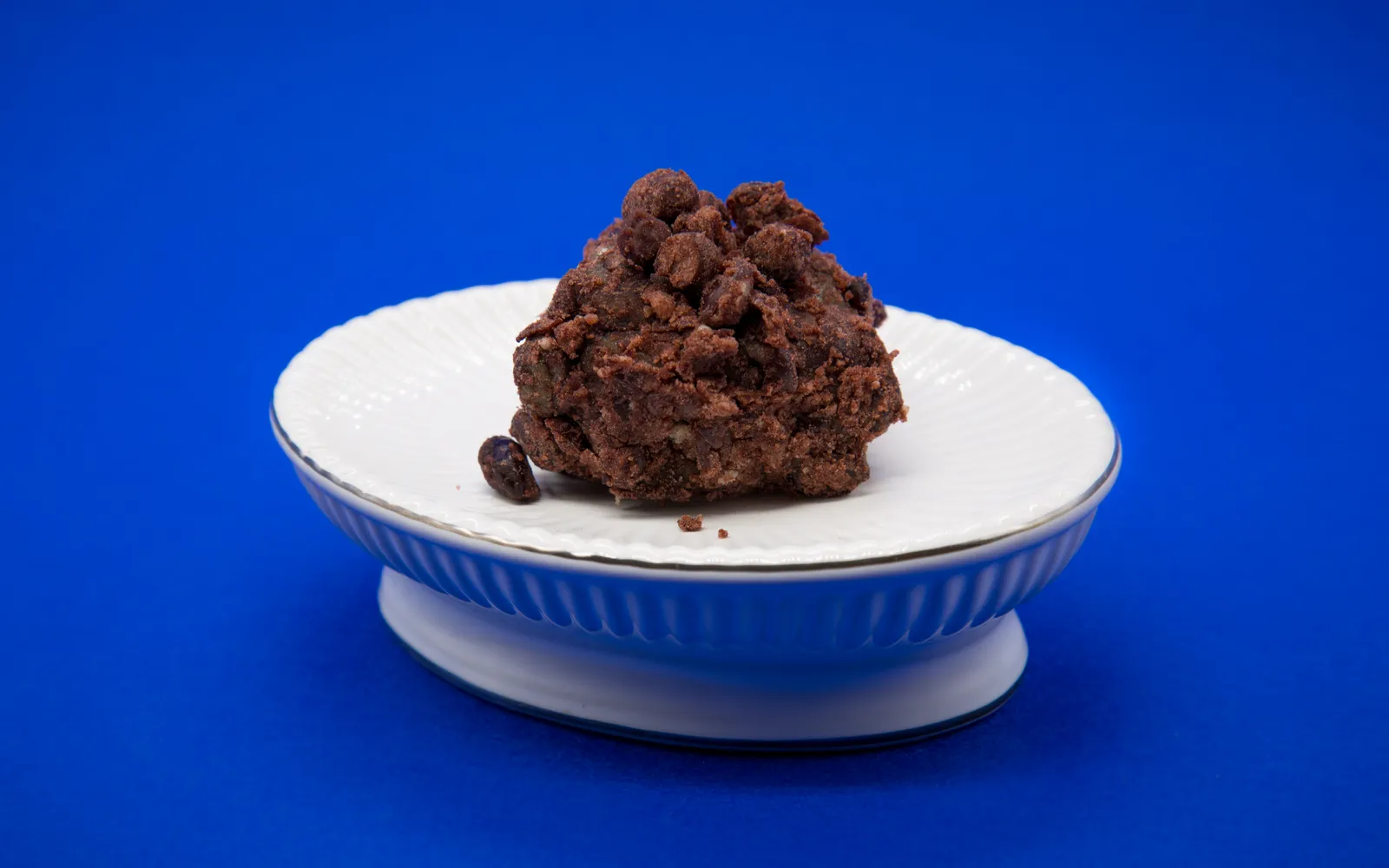
#6 Omegi-tteok (Jeju Millet Rice Cake)
A traditional Jeju sweet made from millet — the grain that sustained farmers on Jeju's lava-stone fields for generations. The millet is kneaded into rounds, shaped into tteok, then coated with red bean powder or black sesame. The flavour is lightly sweet-salty with a chewy texture, good both warm and cold. Originally a by-product of brewing Omegi Sul, Jeju's native millet liquor, it is now the island's best-selling souvenir. Fresh Omegi is sold daily at Dongmun Market.
- Buy fresh from the market rather than pre-boxed — freshly made Omegi tastes noticeably different
- Try Omegi filled with red bean paste (patchal) — the sweetest and most rounded version
- Keeps 2–3 days at room temperature, or can be frozen for longer if you're taking it home
Where to stay in Jeju Island for this trip
A well-located hotel means less commuting and more sightseeing. Here are real, top-rated stays in Jeju Island — compare Agoda · Booking · Trip.com in one click.
The Shilla Jeju
Affiliate links — we may earn a commission at no extra cost to you. Details
Lotte Hotel Jeju
Affiliate links — we may earn a commission at no extra cost to you. Details
Grand Hyatt Jeju
Affiliate links — we may earn a commission at no extra cost to you. Details
Jeju Visitor Guesthouse
Affiliate links — we may earn a commission at no extra cost to you. Details
Tours, tickets & activities in Jeju Island
Day tours, attraction tickets and travel essentials for Jeju — book ahead on Klook with mobile e-tickets.
Affiliate links — we may earn a commission at no extra cost to you.
Before You Pack
Jeju's reputation goes beyond its scenery. The island's local food is something travelers consistently name as a trip highlight. If you manage one meal of black pork and one bowl of fresh abalone porridge, the journey here will have been worth it.