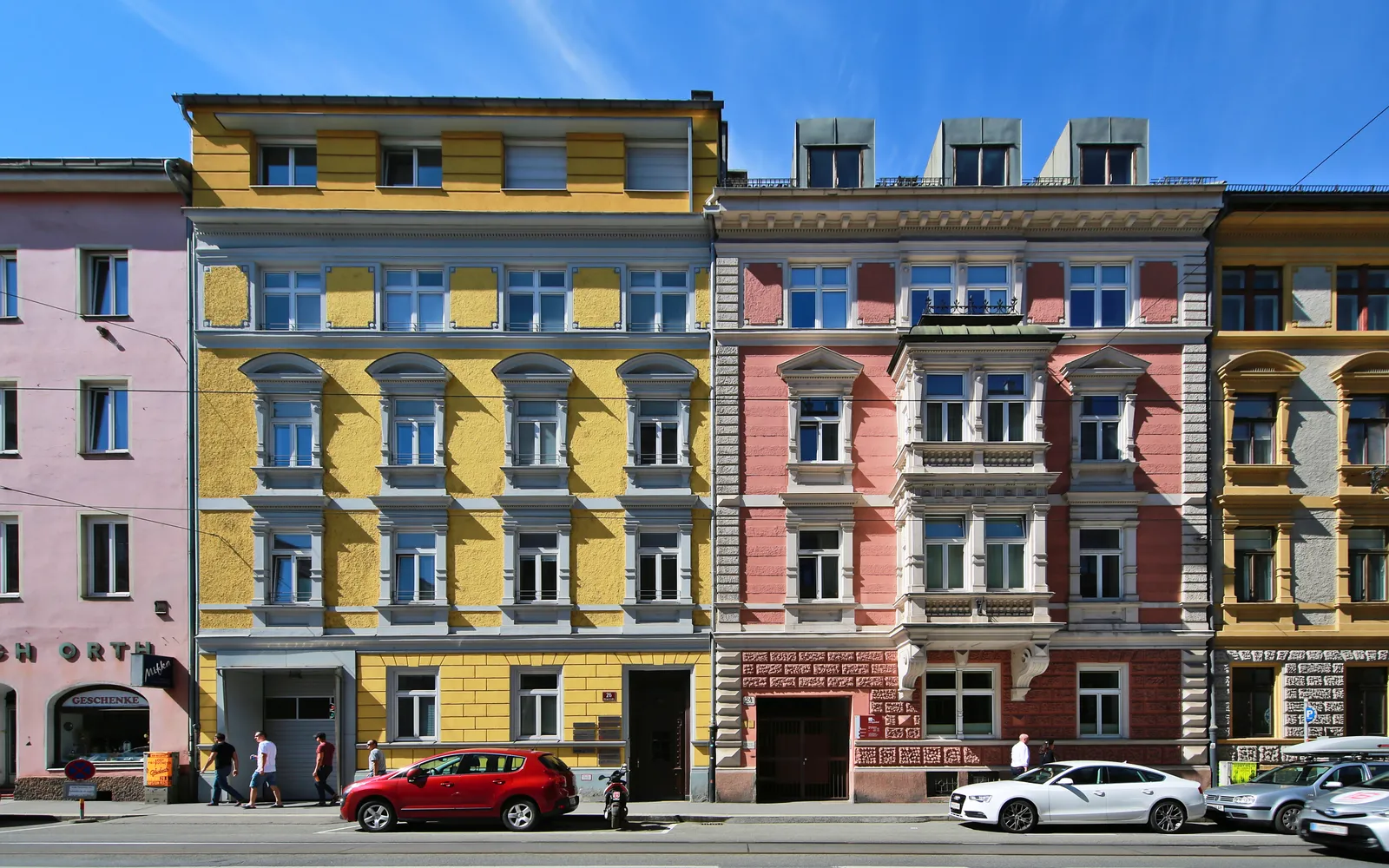
Innsbruck is the city where the Alps sit right behind the cafes downtown in a way nowhere else in Europe quite manages. From a 500-year-old street to a 2,256-metre peak takes just 20 minutes by cable car. This was once a hub of the Habsburg empire and a two-time Winter Olympics host, so every corner of Innsbruck layers centuries of history over the energy of a modern travel city.
 #1
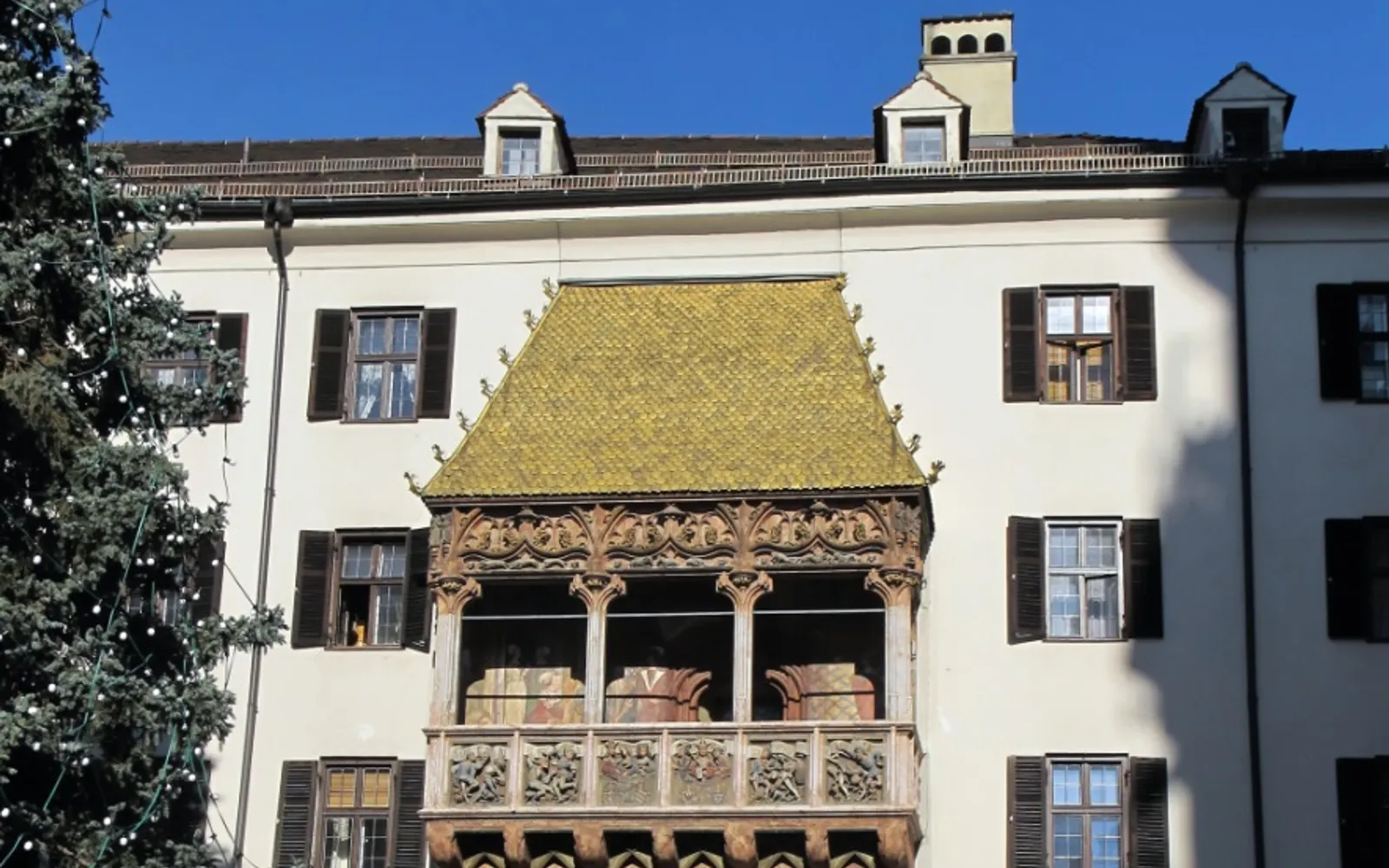
#1 Golden Roof
The most famous landmark in Innsbruck, built in 1500 by Emperor Maximilian I of the House of Habsburg as a balcony for watching performances in the city square. The roof is clad in 2,657 gilded copper tiles that still catch the sun today. Inside the building there's a small, worthwhile museum about Emperor Maximilian.
- Visit the museum inside the building; entry is around 5 euros, open 10:00-17:00 (closed Mondays in winter).
- The best photo angle is from the open square across the street; step back far enough to get the whole roof in frame.
- In the early evening the golden light hits the roof and it glows more beautifully than at midday, so try around 17:00-18:00.
 #2
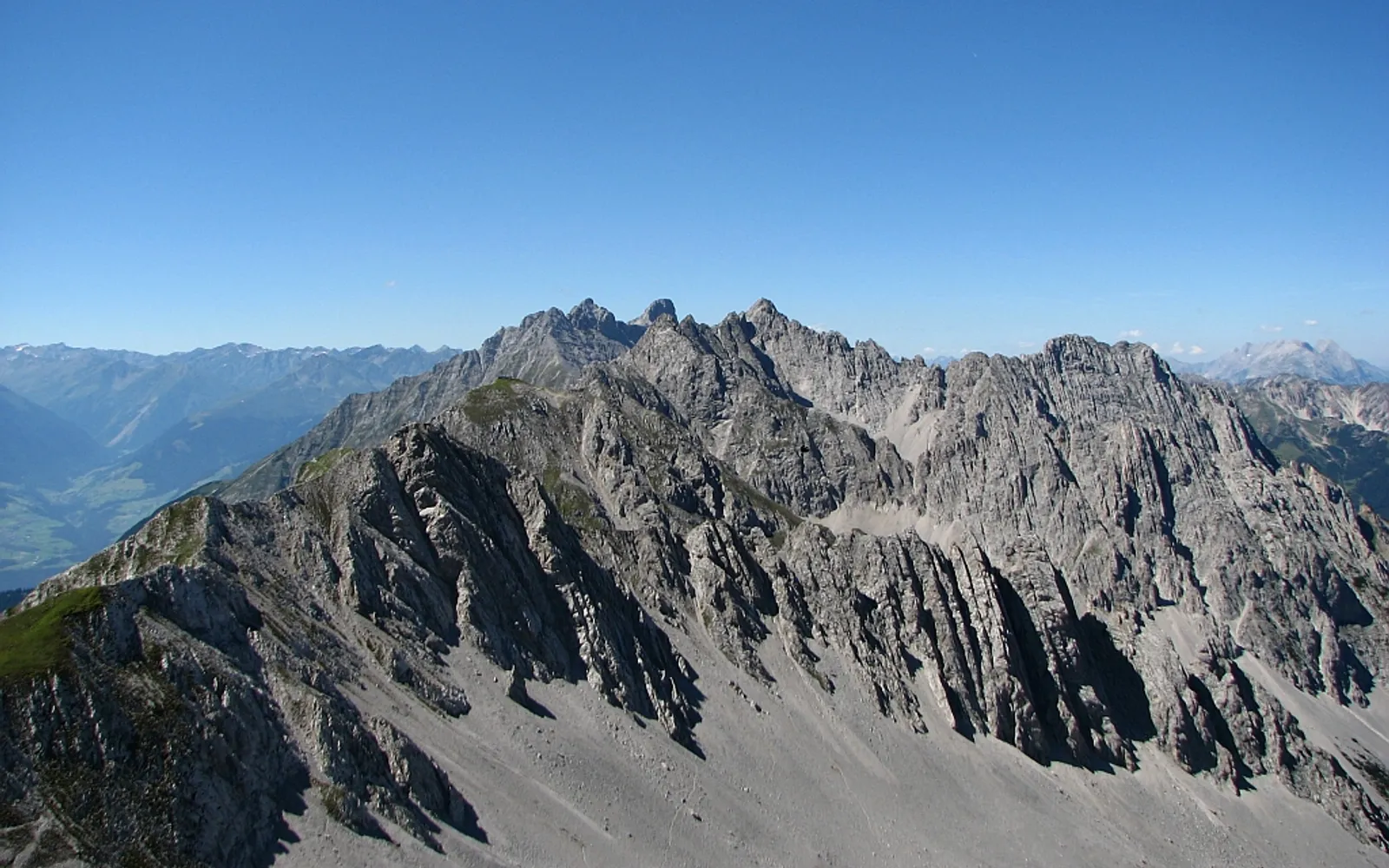
#2 Nordkette Cable Car
A cable car from the city centre up to a 2,256-metre peak, with stations designed by the famous architect Zaha Hadid in a distinctive, futuristic shape. The Hafelekar summit gives a 360-degree panorama of the Alps and the city of Innsbruck below. In summer there are ridge hiking trails; in winter it's a well-known ski area. This experience is the main reason travelers come to Innsbruck.
- A round-trip cable car ticket runs about 37-45 euros, but it's included with the Innsbruck Card, which is well worth it if you plan to visit several places.
- Dress warmly even in summer; the summit is at least 10-15 degrees colder than the city.
- Early morning, 8:00-9:00, has the clearest skies before the afternoon clouds roll in, especially in summer.
 #3
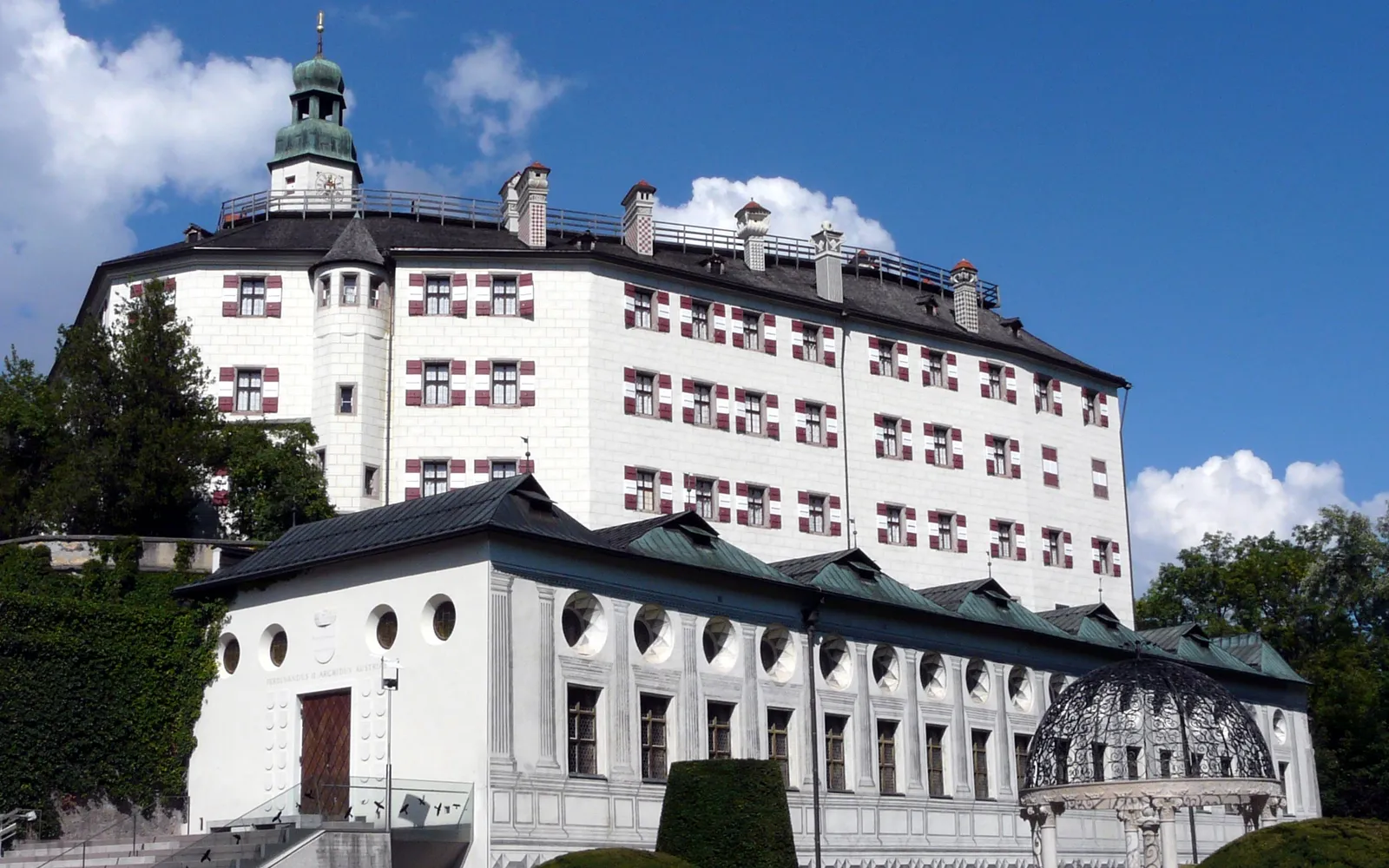
#3 Ambras Castle
The most completely restored Renaissance castle in Austria, built in the 16th century by Archduke Ferdinand II. Inside there's a collection of medieval arms and armour, over 200 portrait paintings, and the Wunderkammer, a cabinet of curiosities displaying collected objects from around the world of that era. The Italian-style gardens around the castle are lovely and quiet, perfect for an easy stroll.
- Castle entry is around 18 euros and includes the museum and gardens; open daily 10:00-17:00, except Thursdays in winter.
- Pick up the English audio guide (free with your ticket) to understand the context of the collection; it's genuinely interesting.
- The castle gardens are at their best in spring, April-May, when the flowers bloom.
 #4
#4 Bergisel Ski Jump
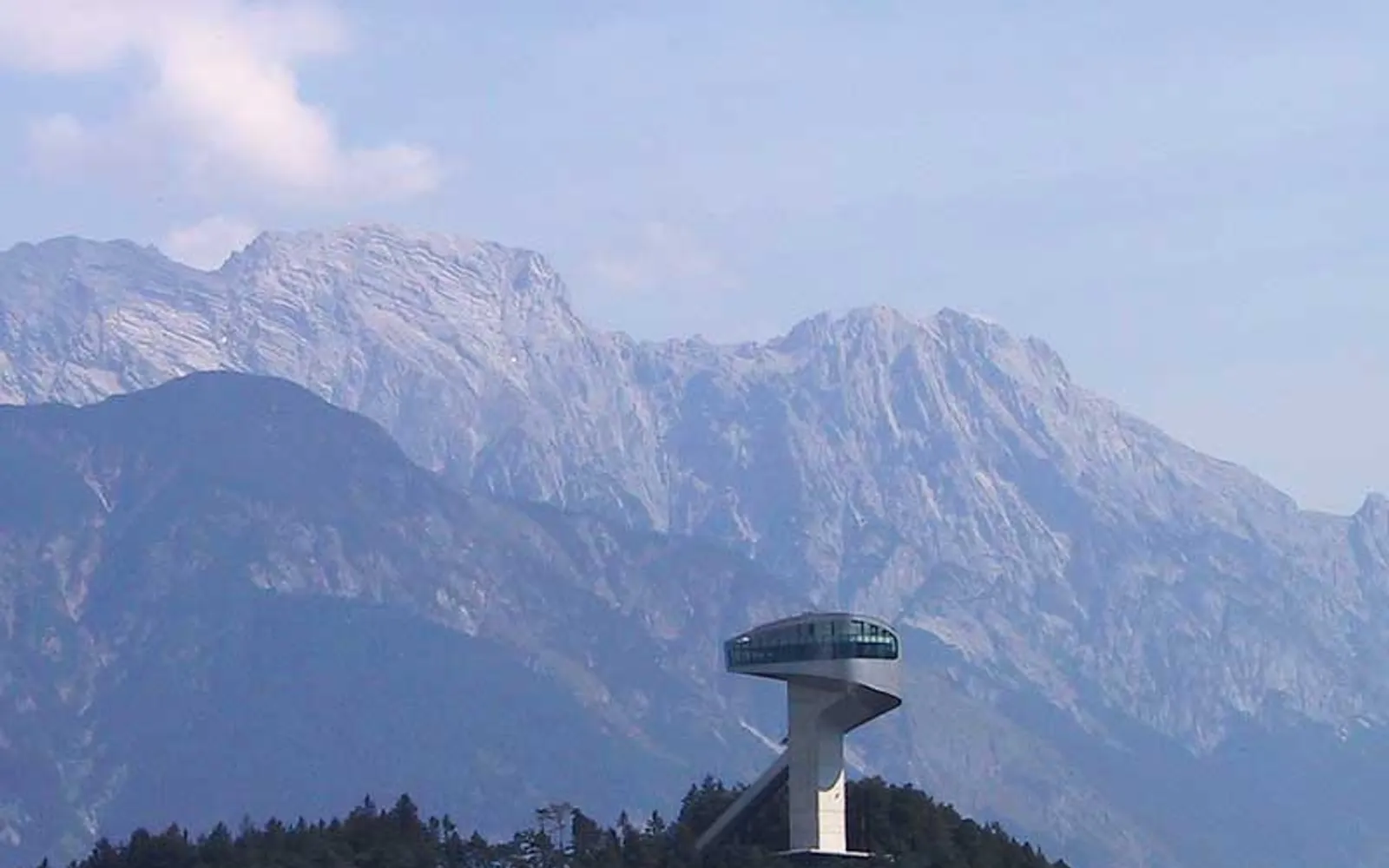
An Olympic ski jump redesigned by Zaha Hadid in 2002, now one of the most striking pieces of architecture in Austria. At the very top there's a glass cafe with a 360-degree view; the city of Innsbruck and the surrounding Alpine peaks are spectacular. Visitors can go up for the view even on non-competition days, and the height is a thrill even for people who don't care about skiing.
- Entry plus the lift is around 9 euros; open daily 9:00-18:00, except on official competition days.
- Coffee and cake at the cafe up top cost more than in town, but the view is well worth it.
- You can hike up from the bottom in about 30-40 minutes; the shaded pine-forest trail is pleasant and good for a bit of exercise.
 #5
#5 Hofkirche Innsbruck
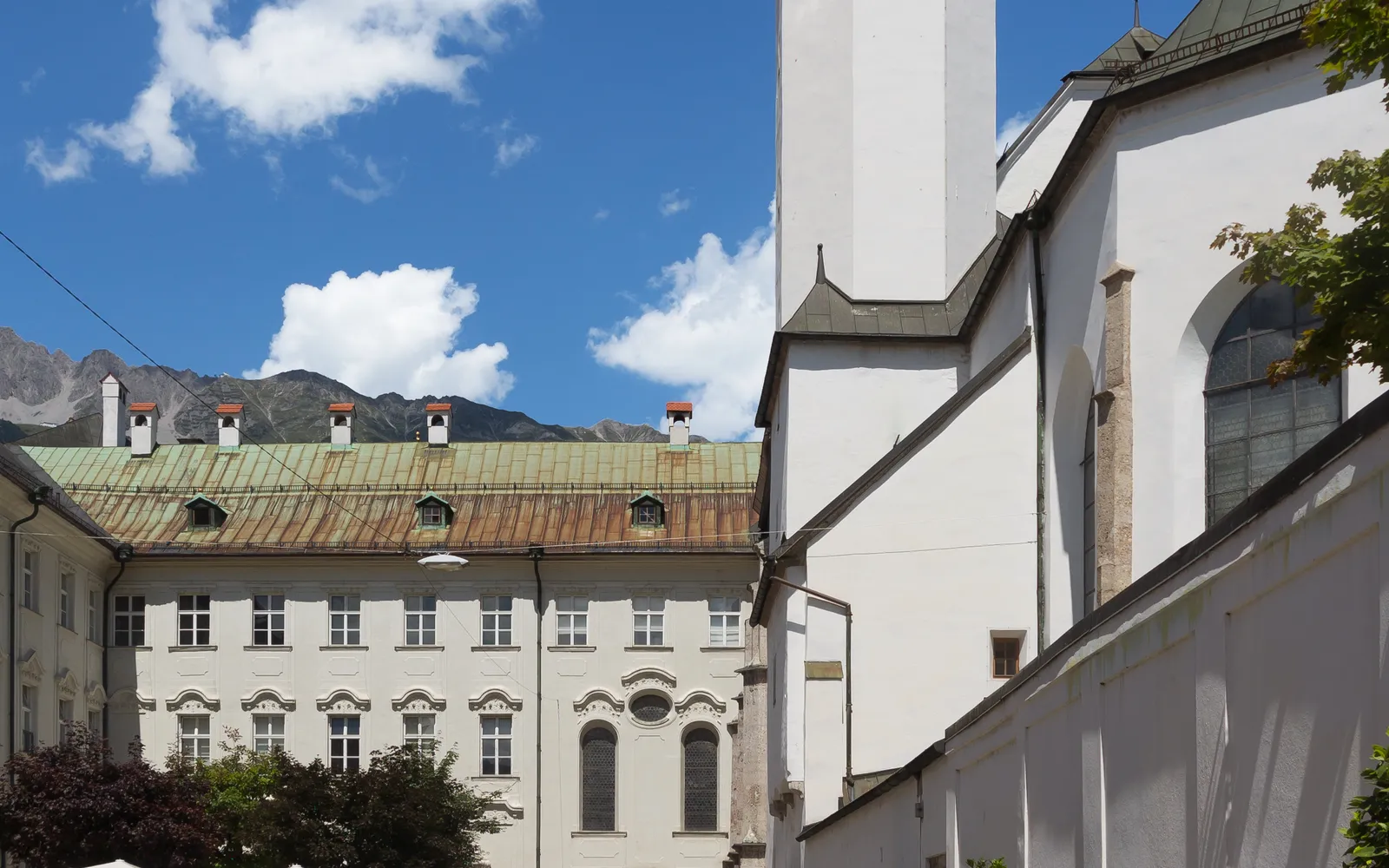
A court church built to hold the memorial of Emperor Maximilian I. Although his actual remains are in Vienna, here you'll find 28 large bronze statues of his ancestors and warriors from the dynasty arranged around the tomb, considered one of the most important works of bronze sculpture in Europe. Some statues stand up to 2 metres tall, with astonishingly fine detail in the armour and faces.
- Church entry is around 7 euros, open daily, including the folk-art museum on the upper floor in the same building.
- Ask for the map explaining each statue at the entrance; it makes the dynasty's history much easier to follow.
- The church sits right next to Hofburg Palace, so it's no long walk, and you can see both in a single morning.
 #6
#6 Innsbruck Old Town
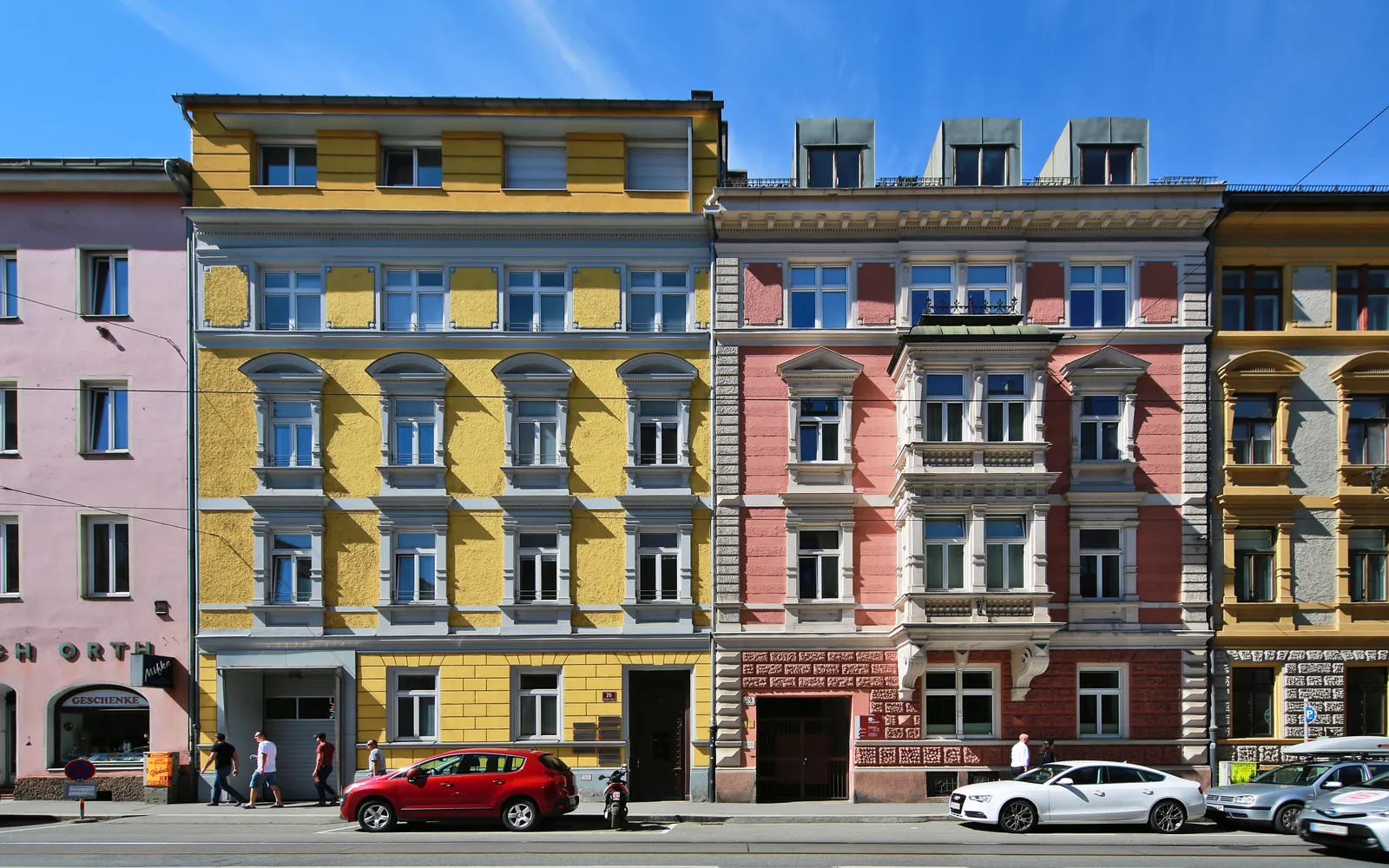
The heart of Innsbruck, gathering 400-to-600-year-old buildings along a pedestrian street with arcades, covered Gothic arched walkways that keep off the rain and snow well. Colourful Baroque and Renaissance buildings line both sides, and cafes, Tyrolean sweet shops and local stores fill every corner. It's made for an unhurried wander, soaking in the atmosphere.
- Walk deeper into the narrow lanes Kiebachgasse and Hofgasse, which few people know about and which are much quieter than the main street.
- The weekend morning market (Saturday-Sunday) around Marktplatz sells fruit, cheese and local Tyrolean food, worth a stop for gifts.
- Munding, a 200-year-old sweet shop on this street, is one of the oldest confectioners in Austria; try the Mozartkugeln and the Sachertorte.
Where to stay in Innsbruck for this trip
A well-located hotel means less commuting and more sightseeing. Here are real, top-rated stays in Innsbruck — compare Agoda · Booking · Trip.com in one click.
Apartments Golden Roof
Affiliate links — we may earn a commission at no extra cost to you. Details
STAGE 12 - Hotel by Penz
Affiliate links — we may earn a commission at no extra cost to you. Details
The Penz Hotel
Affiliate links — we may earn a commission at no extra cost to you. Details
Hotel Zach
Affiliate links — we may earn a commission at no extra cost to you. Details
Tours, tickets & activities in Innsbruck
Day tours, attraction tickets and travel essentials for Innsbruck — book ahead on Klook with mobile e-tickets.
Affiliate links — we may earn a commission at no extra cost to you.
Before You Pack
Innsbruck is beautiful in every season. In winter (December-March) the white snow on the mountains contrasts with the colourful buildings in the old town; in summer (June-September) you can hike the Alpine peaks to your heart's content. Plan at least 2-3 days to cover both the old town and the summit.