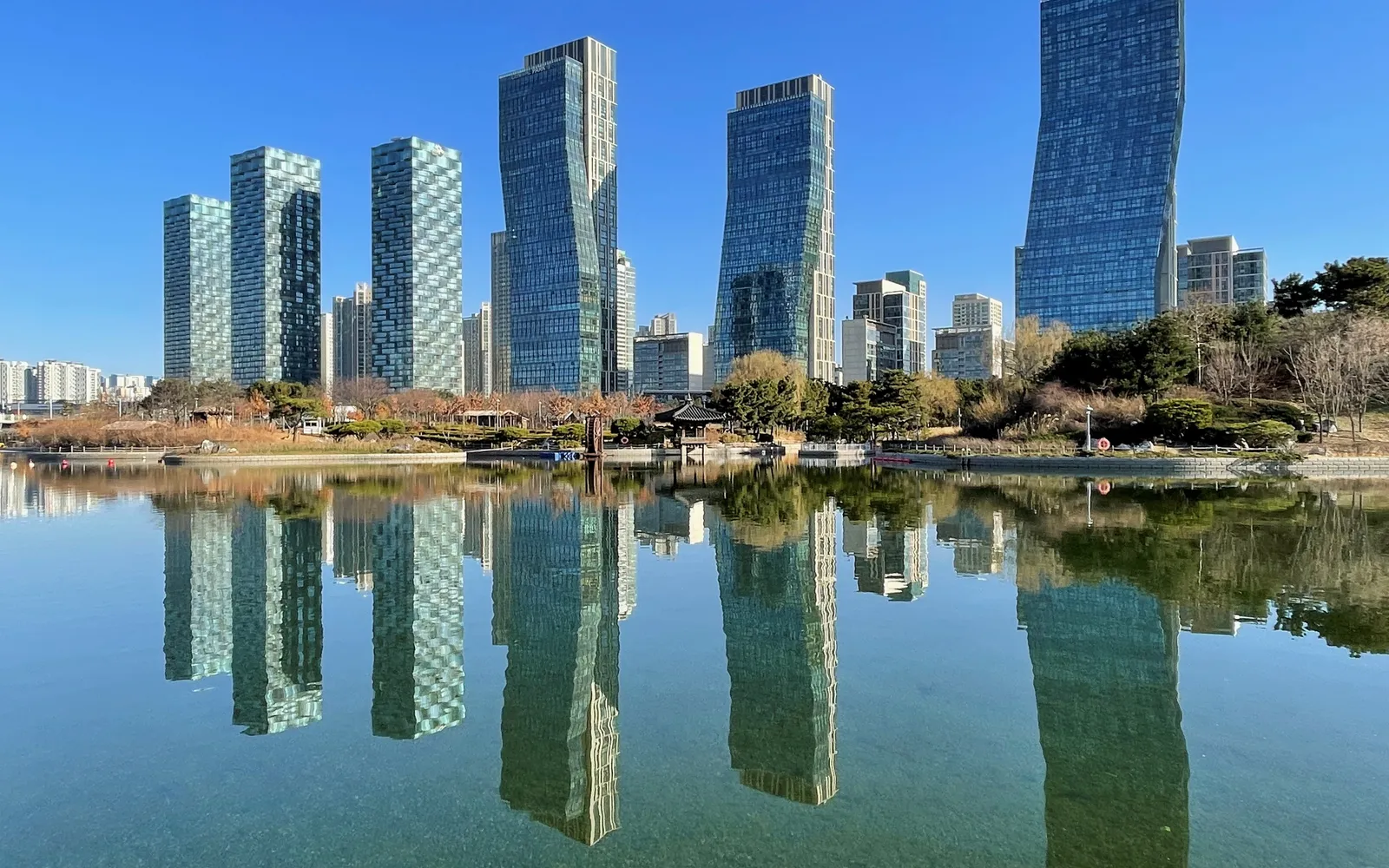
Incheon is far more than an airport stopover. It is the birthplace of jajangmyeon — the thick black-bean noodle dish that Koreans eat over 7 million bowls of every single day. Ever since Shandong immigrants brought the recipe with them in 1905, a distinct Korean-Chinese food tradition developed and spread from this city. Alongside it, fresh seafood pulled from the Yellow Sea turns up on virtually every corner.
 #1
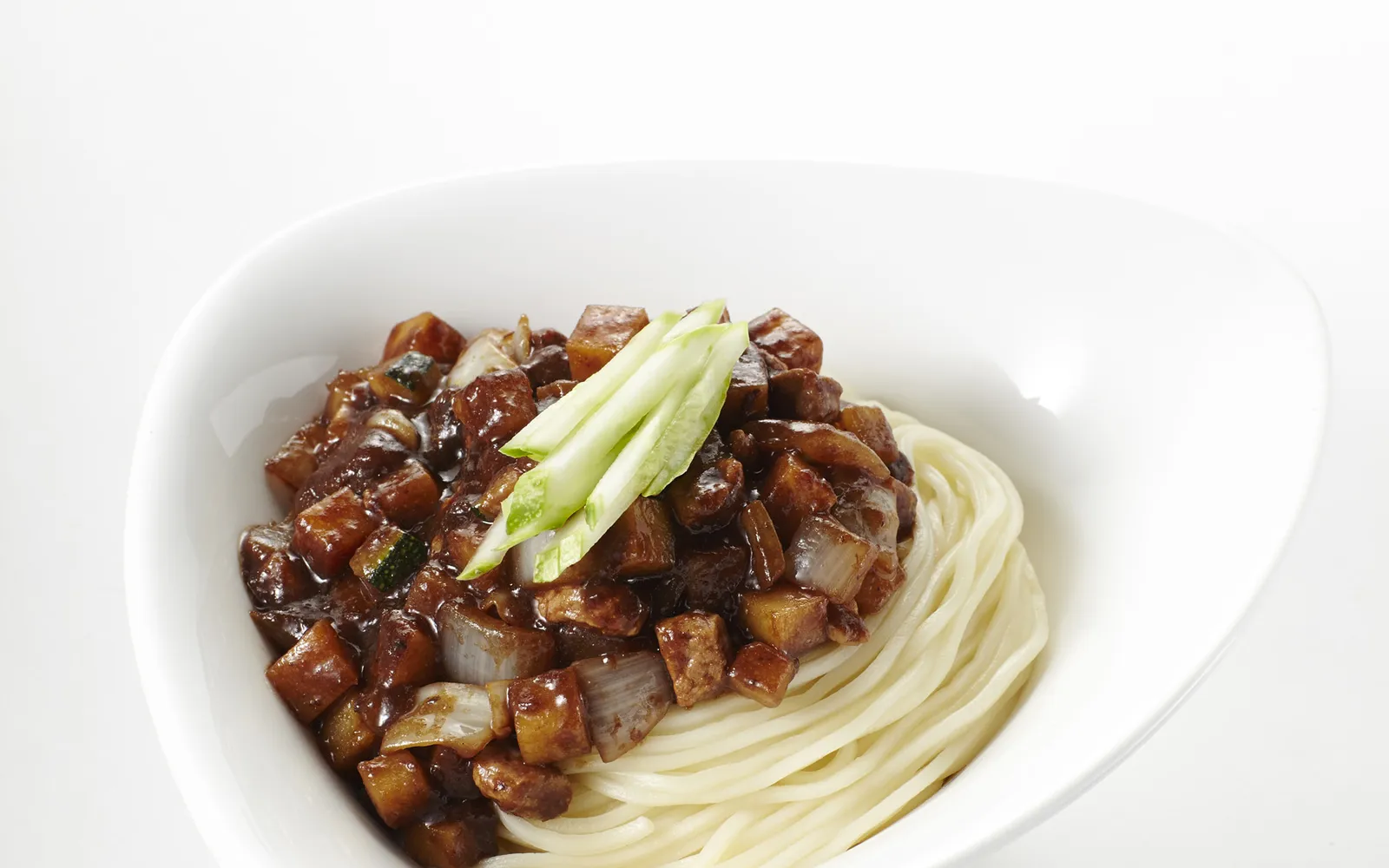
#1 Jajangmyeon
Thick wheat noodles topped with chunjang black-bean sauce stir-fried with minced pork and vegetables. The dish was invented in <strong>1905</strong> at <strong>Gonghwachun</strong> restaurant in Incheon Chinatown by Shandong immigrants. The Korean version is sweeter and richer than its Chinese predecessor. Today Koreans eat over <strong>7 million bowls a day</strong>, making it an unofficial national dish.
- Gonghwachun, the original restaurant, sits near the Chinatown entrance
- Try the Samseon-jjajang version with added seafood — it has more depth
- The Jajangmyeon Museum is in the same neighbourhood and is free to enter
 #2
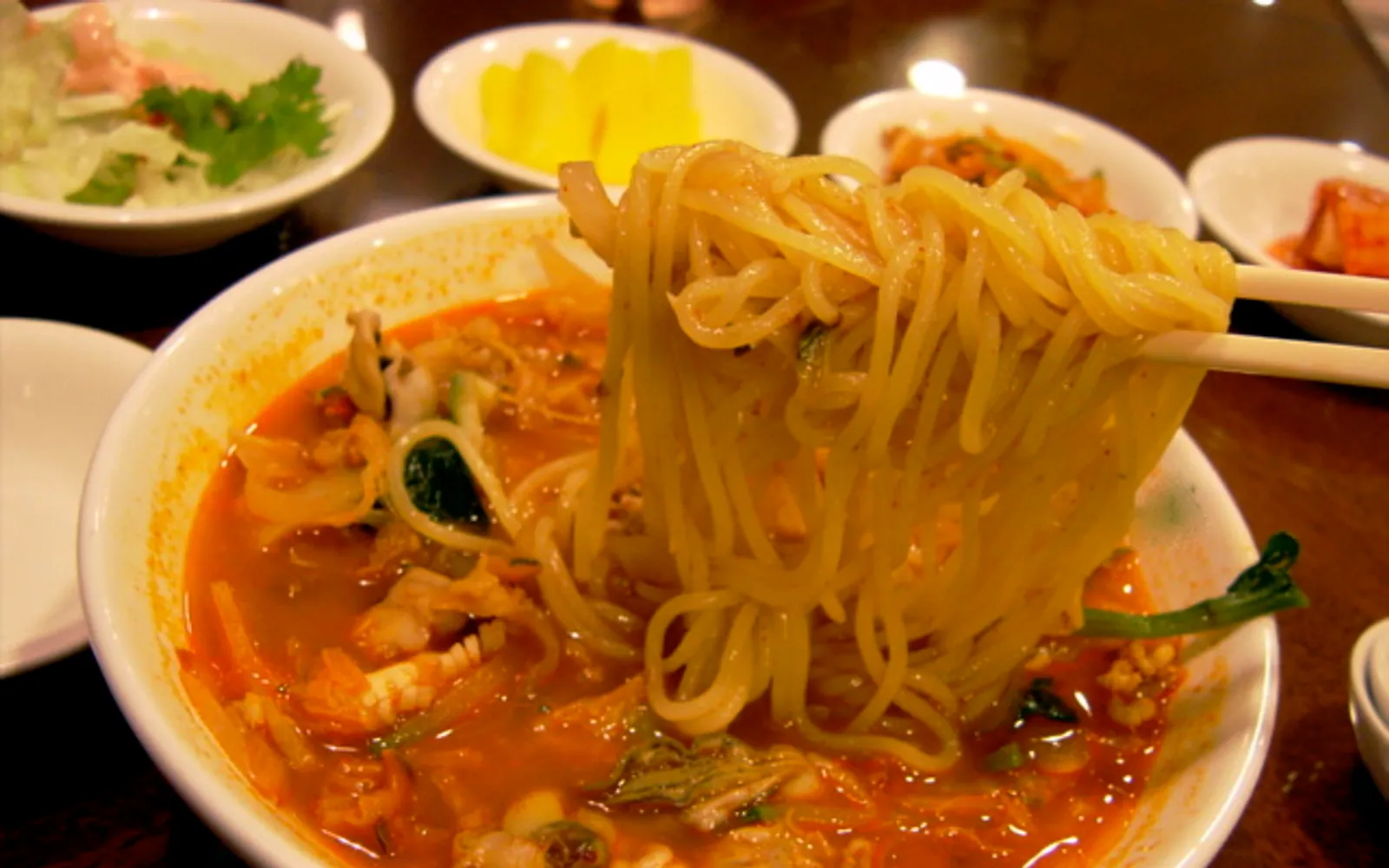
#2 Jjamppong
A fiery deep-red noodle soup loaded with shrimp, clams, squid, and vegetables — the eternal rival of jajangmyeon. The Incheon version uses fresh Yellow Sea seafood, giving the broth a natural sweetness and depth that chain restaurants rarely match. Spice level can be adjusted to order.
- State your spice tolerance when ordering — say 'anmaepge' (not spicy) if needed
- White Jjamppong (milky broth) is milder and suits those who avoid heat
- Most restaurants serve both jjamppong and jajangmyeon, so you can order one of each to share
 #3
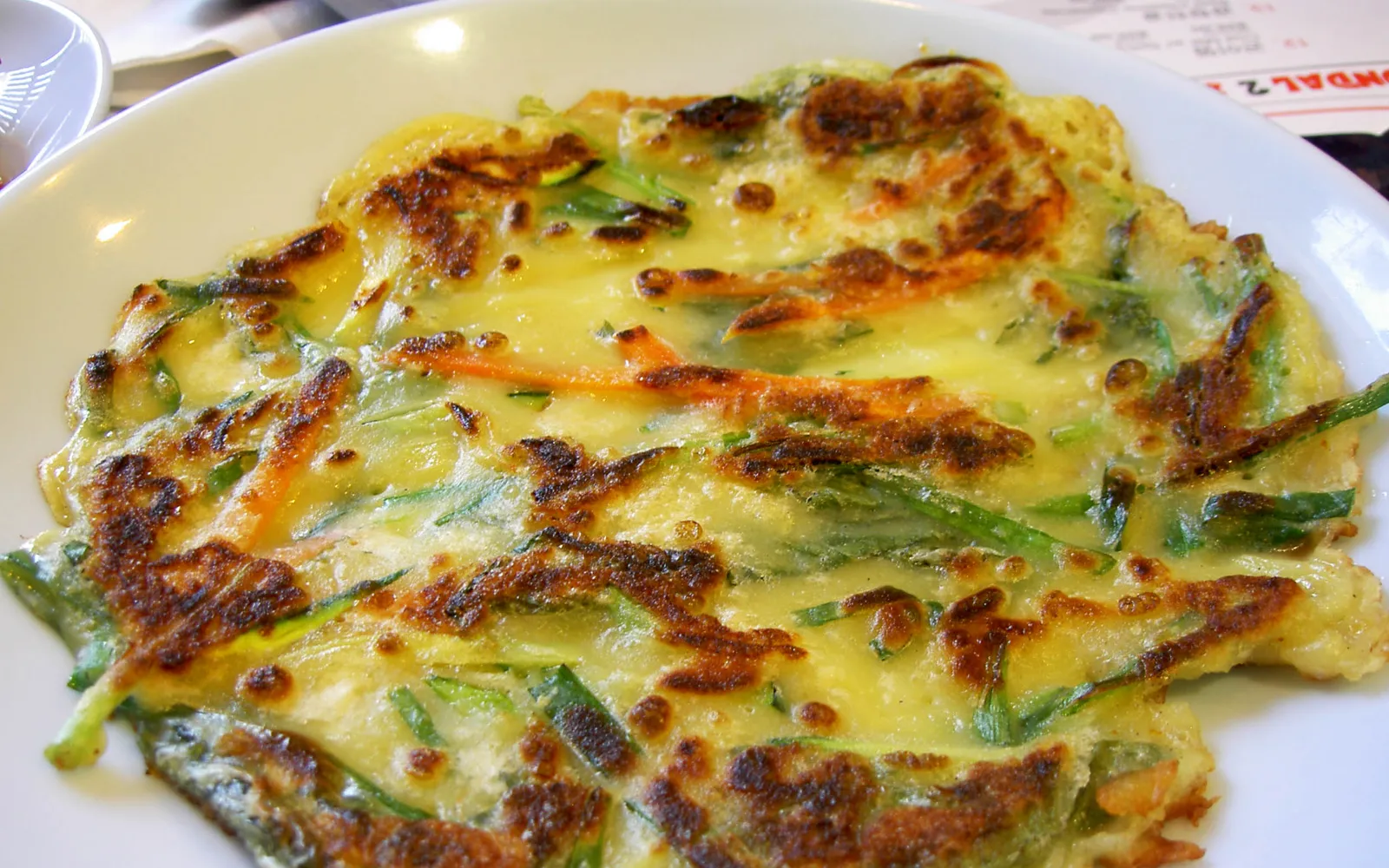
#3 Haemul Pajeon
A crispy pan-fried batter packed with sliced spring onions, shrimp, mussels, and squid. It is one of the most popular snacks at every market in Incheon — crunchy outside, soft inside, served with a soy-vinegar dipping sauce. Prices are easy on the wallet.
- Sorae Fish Market's pajeon uses market-fresh seafood, making it noticeably better than the average restaurant version
- Eat it immediately after frying — that is when it is at its best
- Typical price: 5,000–10,000 won
 #4
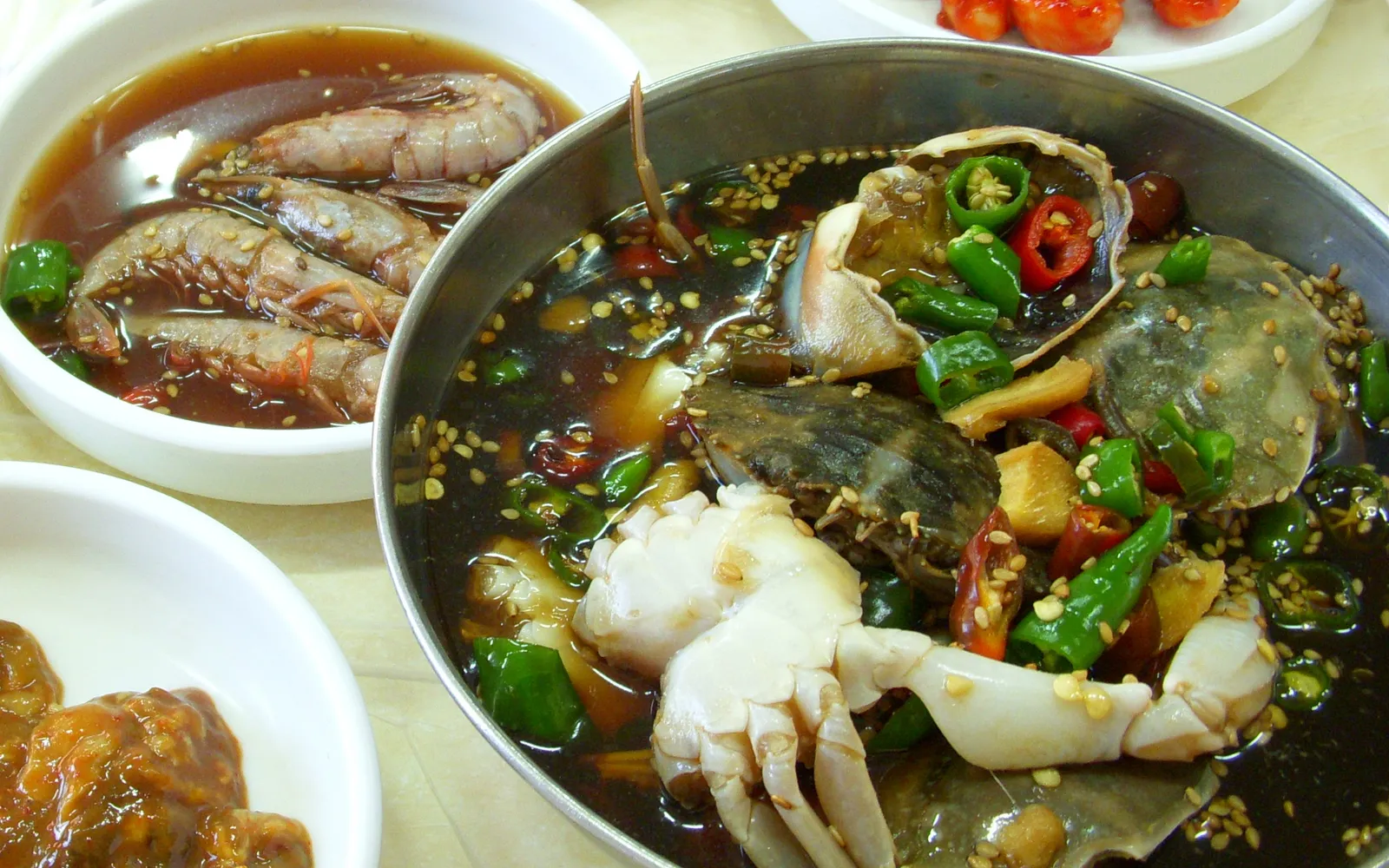
#4 Gejang (Marinated Raw Crab)
Fresh blue crab marinated in soy sauce or gochujang paste — the flesh turns creamy, sweet, and gently salty. Koreans call it <strong>'rice thief'</strong> because you cannot stop eating it once the bowl of rice arrives. Incheon is known for high-quality fresh blue crab from the Yellow Sea, and <strong>Sorae Market</strong> is the country's main distribution hub for it.
- Spring crab (March–May) carries the most roe and is widely considered the finest
- Order ganjang gejang (soy sauce) if you avoid spice, or yangnyeom gejang (spicy sauce) for heat
- You can buy raw crab at Sorae Market to take home — keep it refrigerated
 #5
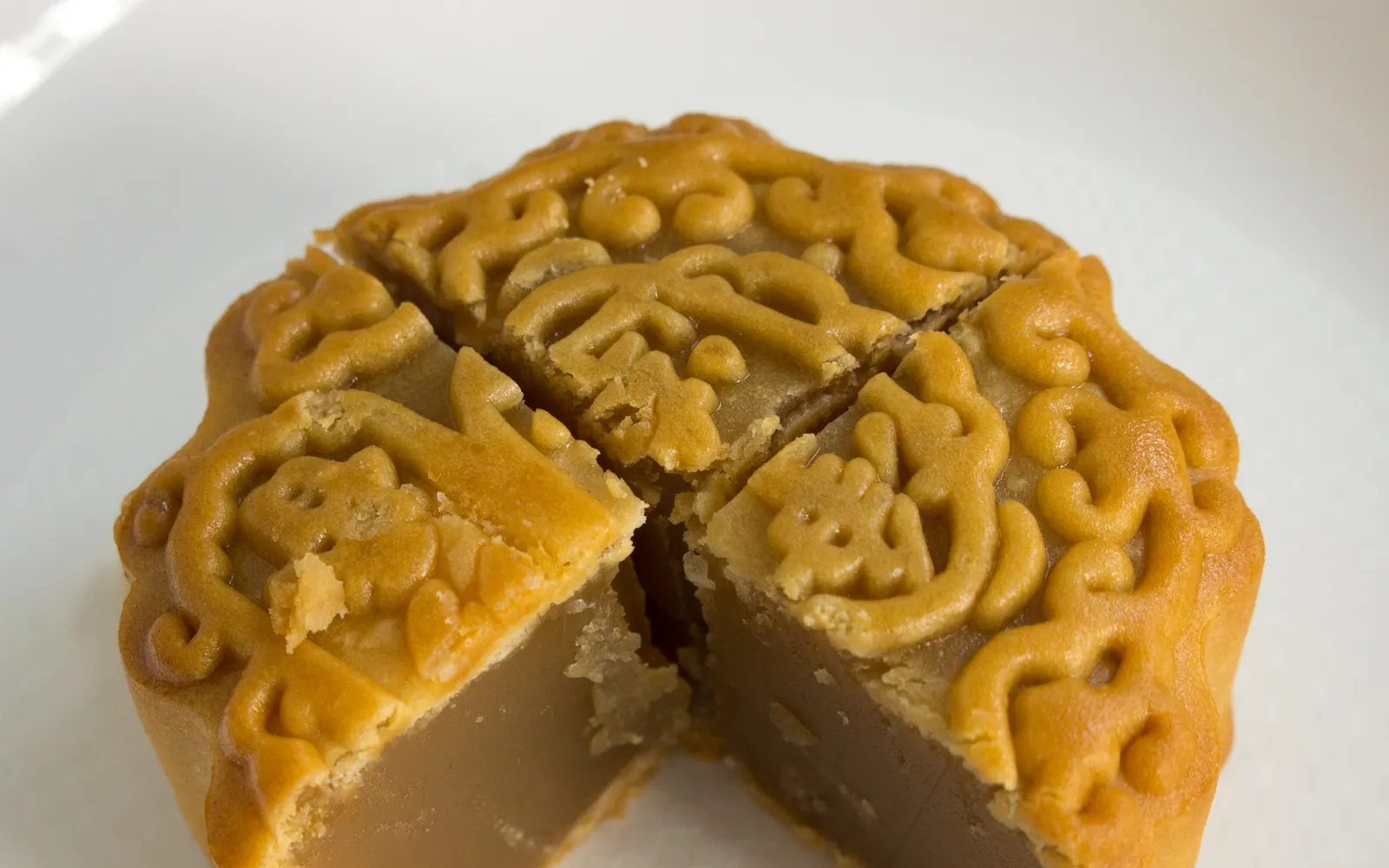
#5 Gongpyeong-dong Mooncake and Chinese Pastries
Mooncakes and baked goods evolved from recipes brought by Chinese immigrants to Incheon, now adapted into a Korean-Chinese style. Fillings range from red bean and black sesame to cheese and sweet potato. They are baked in traditional clay ovens, giving the crust a distinct crunch and aroma. Every shop in Chinatown carries them — afternoons are best, when the ovens are still going.
- Try the walnut-shaped Walnut Cake stuffed with bean paste — a good souvenir
- Prices run 500–2,000 won per piece, genuinely cheap
- Check whether the batch is fresh out of the oven before buying
 #6
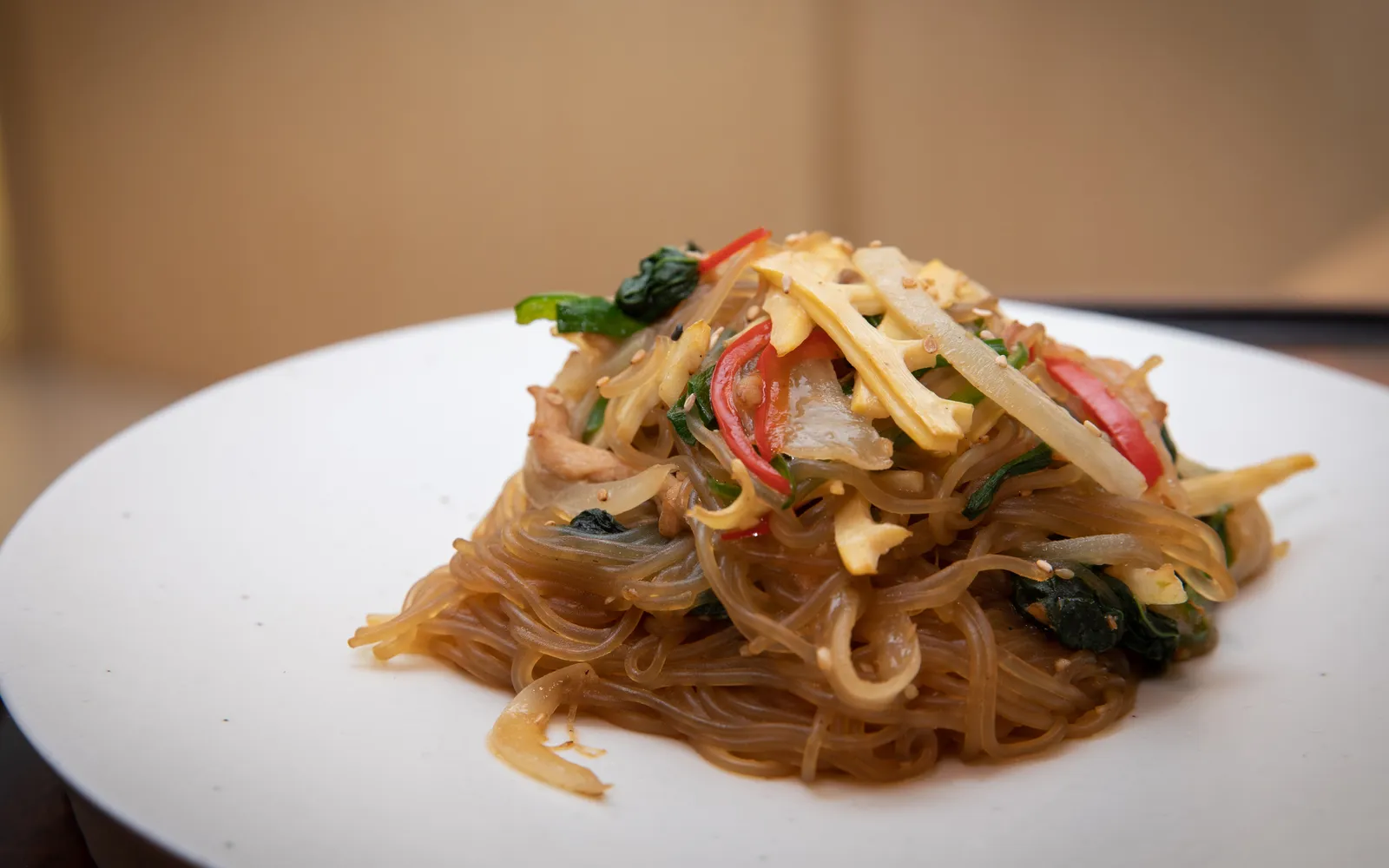
#6 Haemul Japchae
Sweet-soy glass noodles stir-fried with shrimp, mussels, squid, and a variety of vegetables. This is Incheon's take on traditional japchae — the classic dish given extra richness by the abundance of Yellow Sea seafood. The glass noodles absorb the sauce thoroughly, concentrating the flavour. Works equally well as a main or shared between a group.
- Ask for the noodles on the side if you are concerned about gluten
- Many restaurants use whatever seafood is in season, so the taste varies slightly throughout the year
- Typical price: 12,000–18,000 won
Where to stay in Incheon for this trip
A well-located hotel means less commuting and more sightseeing. Here are real, top-rated stays in Incheon — compare Agoda · Booking · Trip.com in one click.
Oakwood Premier Incheon
Affiliate links — we may earn a commission at no extra cost to you. Details
Paradise City
Affiliate links — we may earn a commission at no extra cost to you. Details
Sheraton Grand Incheon Hotel
Affiliate links — we may earn a commission at no extra cost to you. Details
Holiday Inn Incheon Songdo by IHG
Affiliate links — we may earn a commission at no extra cost to you. Details
Tours, tickets & activities in Incheon
Day tours, attraction tickets and travel essentials for Incheon — book ahead on Klook with mobile e-tickets.
Affiliate links — we may earn a commission at no extra cost to you.
Before You Pack
Half a day in Incheon is enough for a full flavour tour. Start with jajangmyeon in Chinatown, then head to Sorae Fish Market in the late afternoon.